

We may earn a commission when you buy through links on this page, at no extra cost to you. Learn more.
A dry white wine gift is a thoughtful choice for someone who enjoys crisp, refreshing wines with little residual sweetness, and Sauvignon Blanc, Pinot Grigio, Albariño, and Chardonnay are excellent styles to consider. The right bottle depends on the recipient’s preferred flavor intensity, favorite foods, and familiarity with different wine regions. Choose a bright, high-acid white for someone who likes citrus and seafood, or a fuller-bodied Chardonnay for someone who appreciates richer textures and creamy dishes.
White wine makes a versatile gift for birthdays, dinner invitations, anniversaries, holidays, professional celebrations, and thank-you occasions. However, choosing a bottle involves more than selecting an attractive label. Dry white wines range from light and neutral to aromatic, mineral-driven, and richly textured. Understanding those differences helps you choose something personal rather than generic. This guide explains the most useful grape varieties, how to compare bottles, how to make a confident selection, and how to present the gift beautifully.
Who This Is For
A dry white wine gift works particularly well for someone who enjoys refreshing wines, prefers little sweetness, or regularly serves white wine with meals. It is also a practical option for hosts, food enthusiasts, and wine drinkers who appreciate discovering different grape varieties and regions.
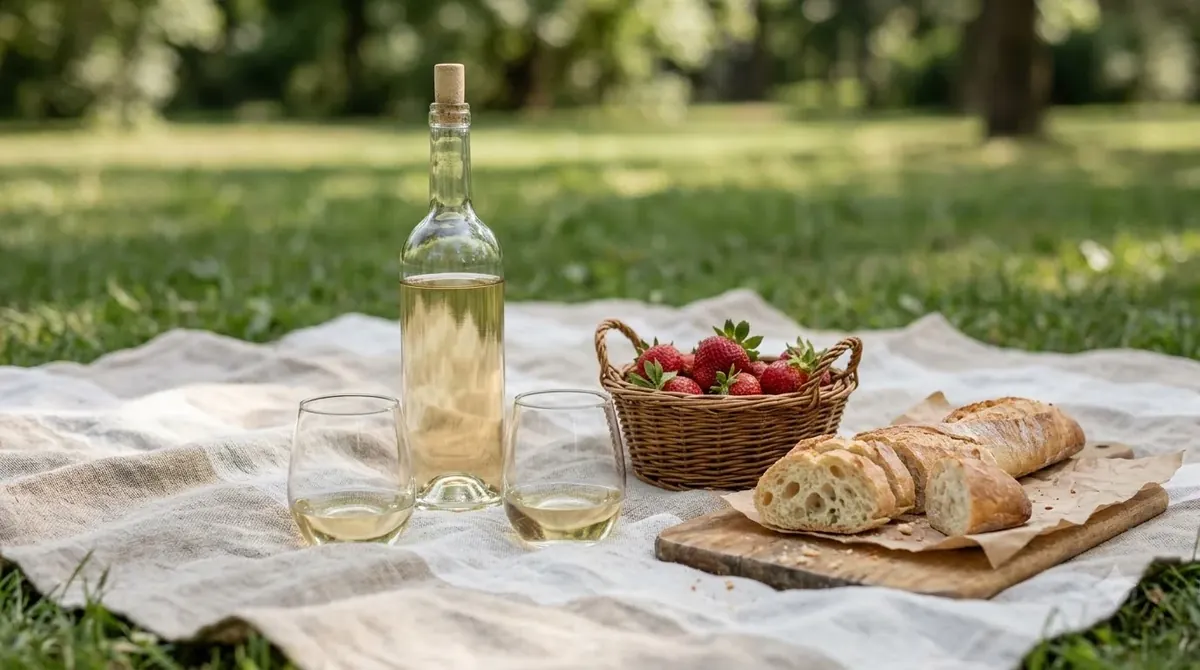
For a dinner-party host, a recognizable grape variety is usually a sensible starting point. Sauvignon Blanc and Pinot Grigio are familiar choices that can be enjoyed before dinner or alongside lighter courses. Their freshness makes them adaptable, especially when the host has not shared a detailed menu.
For someone who already enjoys wine, consider choosing a bottle according to the regions or varieties they mention. A fan of French wine might appreciate Sauvignon Blanc from the Loire Valley or Chardonnay from Burgundy. Someone who enjoys Spanish cuisine could appreciate Albariño from Rías Baixas, while a drinker interested in Austrian wines might enjoy Grüner Veltliner.
Dry white wine is also appropriate for professional gifting because it can feel considered without being overly personal. A well-presented bottle is suitable for a business thank-you, a colleague’s celebration, or a client appreciation occasion. In these situations, a classic grape variety and restrained packaging generally make a more versatile impression than an unusual experimental wine.
Different recipients call for different approaches:
- The casual wine drinker: Choose a clean, approachable Pinot Grigio or Sauvignon Blanc with recognizable fruit flavors.
- The seafood enthusiast: Consider Albariño, Sauvignon Blanc, or a mineral-driven Chardonnay.
- The adventurous wine lover: Explore Grüner Veltliner, Vermentino, or dry Chenin Blanc.
- The Chardonnay enthusiast: Select a bottle with a body and oak influence that matches their usual preferences.
- The dinner host: Choose a versatile wine that works with appetizers, seafood, or lighter main courses.
- The collector or experienced drinker: Consider a recognizable appellation, vineyard designation, or distinctive producer rather than relying only on grape variety.
One important consideration is whether the recipient actually drinks alcohol. A bottle should be appropriate for the occasion and the recipient’s preferences. If you are uncertain, a nonalcoholic alternative may be a more considerate present.
Key Factors to Compare
The best bottle is not necessarily the most expensive or the most recognizable. Compare sweetness, acidity, body, grape variety, origin, and presentation to find a dry white wine that suits the person receiving it.
| Wine style | Typical flavor profile | Body | Best recipient | Food pairing |
|---|---|---|---|---|
| Sauvignon Blanc | Lime, grapefruit, green herbs | Light to medium | Crisp wine enthusiasts | Goat cheese, prawns, asparagus |
| Pinot Grigio | Pear, apple, lemon | Light | Casual wine drinkers | Grilled fish, shrimp, salads |
| Albariño | Lemon, peach, saline notes | Light to medium | Seafood enthusiasts | Oysters, mussels, crab |
| Chardonnay | Apple, lemon, butter, toast | Medium to full | Fans of textured wines | Roast chicken, creamy pasta |
| Grüner Veltliner | Green apple, lime, white pepper | Light to medium | Adventurous drinkers | Vegetables, sushi, goat cheese |
| Vermentino | Citrus, stone fruit, herbs | Light to medium | Mediterranean food lovers | Grilled seafood, pesto |
| Dry Riesling | Lime, green apple, peach | Light to medium | Fans of aromatic wines | Thai food, pork, seafood |
| Dry Chenin Blanc | Apple, quince, citrus | Light to medium | Curious wine enthusiasts | Chicken, pork, goat cheese |
Sweetness is the first factor to establish. Dry wine contains little residual sugar, although ripe fruit aromas can make a wine seem sweeter than it actually is. Sauvignon Blanc, Albariño, and Grüner Veltliner are generally reliable choices for someone who prefers a crisp, dry finish.
For another overview of common varieties and their typical flavor profiles, consult Wine.com’s guide to dry white wine. It provides useful background for distinguishing popular dry styles and understanding why grape variety matters when choosing a bottle.
Acidity determines how refreshing the wine feels. Sauvignon Blanc and Riesling are naturally high-acid varieties, producing lively wines that work well with seafood, citrus-based dishes, and fresh cheeses. Chardonnay generally has medium acidity, making it a suitable choice for someone who prefers a softer impression.
Body and texture also matter. A light Pinot Grigio feels quite different from a fuller-bodied Chardonnay that has spent time in oak barrels. If the recipient usually drinks delicate white wines, a rich, heavily oaked bottle may not be an appropriate upgrade.
Finally, consider origin and presentation. A bottle from a recognized wine region gives the recipient something interesting to explore. A clearly identified grape variety, producer, and region also make the selection easier to understand. A suitable gift box or protective packaging can complete the presentation without distracting from the wine itself.
Step-by-Step: How to Choose the Right Bottle
A successful purchase starts with the recipient’s preferences rather than the bottle’s appearance. Following five practical steps helps narrow the selection without requiring extensive wine knowledge.

-
Identify the recipient’s preferred sweetness.
Start by finding out whether the person prefers dry, off-dry, or sweet wines. If they regularly drink Sauvignon Blanc, Pinot Grigio, or dry Chardonnay, look for a similar style. If they usually enjoy Moscato or sweeter German Riesling, a bone-dry wine may feel too sharp or austere. A gift should suit the person rather than challenge their palate without warning.
-
Choose an appropriate grape variety.
Use familiar preferences as a guide. Sauvignon Blanc suits drinkers who enjoy citrus and herbal aromas, while Pinot Grigio is appropriate for those who like lighter, less assertive flavors. Chardonnay offers more texture, and Albariño is a strong choice for people who enjoy fresh seafood and mineral characteristics.
-
Consider the occasion and food.
For a summer gathering, a refreshing Vermentino or Sauvignon Blanc is practical. For a formal dinner featuring roast chicken or creamy pasta, Chardonnay may be more suitable. If the bottle accompanies oysters, crab, or grilled fish, Albariño is an especially appealing option.
-
Look at the region and producer.
Choose a recognizable origin that complements the recipient’s interests. Examples include Sancerre in France’s Loire Valley, Marlborough in New Zealand, Rías Baixas in Spain, and Austria’s Kamptal. A named region gives the gift a sense of identity and provides a conversation starter when the bottle is opened.
-
Finish with presentation and practical details.
Check that the bottle is suitable for the occasion, that its closure and packaging are intact, and that it can be delivered or transported safely. Add a short personal note explaining why you selected the wine. For a dinner invitation, bring the bottle in a protective wine bag or gift box so the host can store it safely.
These steps can be adapted to different levels of wine knowledge. Someone buying for a casual drinker can stop after choosing a familiar grape and suitable occasion. A more experienced recipient may appreciate a specific appellation, producer, or winemaking style.
Tip: If you have no information about the recipient’s preferences, choose a recognizable dry Sauvignon Blanc or Italian Pinot Grigio. Both offer approachable flavor profiles, and neither requires the recipient to understand an unfamiliar grape variety or wine region to enjoy the gift.
For additional selection advice, explore our Wine Buying Guides. Understanding the relationship between grape variety, origin, and style makes it easier to select a bottle that feels appropriate for both the person and the occasion.
Types or Styles Explained
Dry white wines are not a single flavor category. They include crisp, citrus-driven wines, mineral coastal varieties, aromatic bottles, and fuller wines with oak-derived texture, so choosing the right style is an important part of successful gifting.
1. Sauvignon Blanc: Crisp and Aromatic
Sauvignon Blanc is one of the most versatile choices for a dry white wine gift. It typically offers high acidity, bright citrus, green herbs, and sometimes grassy or tropical fruit aromas. The finish is refreshing rather than sweet, making it suitable for people who enjoy lively wines.
Regional differences provide useful opportunities to personalize the selection. Loire Valley Sauvignon Blanc, including wines from Sancerre and Pouilly-Fumé, often emphasizes restrained citrus and mineral characteristics. Marlborough in New Zealand is associated with more expressive grapefruit, lime, and tropical fruit aromas. California examples can offer a rounder impression.
This style works particularly well with goat cheese, oysters, asparagus, grilled prawns, and salads containing fresh herbs. Its acidity also makes it a useful partner for dishes with lemon or vinaigrette.
2. Pinot Grigio: Light and Approachable
Pinot Grigio is an excellent option for someone who likes uncomplicated, refreshing white wine. It usually has a light body, gentle aromas of pear and green apple, and a clean citrus finish. Italian examples are particularly associated with a lean, crisp style.
Pinot Grigio and Pinot Gris are names for the same grape variety, but regional winemaking influences the finished wine. Italian Pinot Grigio is often lighter and more restrained, while Pinot Gris from Alsace or Oregon can be fuller and more textured. Some Alsace examples can also have noticeable sweetness, so the distinction matters when shopping specifically for a dry bottle.
Its lighter profile suits shrimp, calamari, grilled fish, seafood pasta, and simple salads. It is an especially practical host gift when the menu has not been announced.
3. Albariño: Mineral and Coastal
Albariño is an excellent gift for someone who enjoys seafood and refreshing wines with a distinctive regional character. Most examples from Rías Baixas in northwestern Spain are dry, with lemon, peach, and saline notes. Their lively acidity makes them particularly appealing alongside shellfish.
Unlike some neutral white wines, Albariño often has enough aromatic character to remain interesting without feeling heavy. It can be an appealing alternative to Sauvignon Blanc for a recipient who already knows the more familiar international varieties.
Pair it with oysters, mussels, crab, lobster, grilled white fish, and seafood paella. It is also a good choice for someone who enjoys Mediterranean cooking and fresh ingredients.
4. Chardonnay: Richer and More Textured
Chardonnay is the right direction when the recipient prefers a fuller white wine. The grape can produce a wide range of styles, from lean and mineral to creamy, rounded, and oak-influenced. Its versatility makes it a useful gift, provided the bottle matches the recipient’s preferences.
Unoaked Chardonnay often emphasizes apple, lemon, and freshness. Oak-aged examples can develop notes of butter, vanilla, and toast, creating a fuller impression. Chablis, in Burgundy, is a useful reference for a more restrained Chardonnay style, while other Burgundy and California examples can offer greater richness depending on their origin and production.
Chardonnay pairs naturally with roast chicken, lobster, scallops, creamy pasta, and buttery seafood sauces. It is especially suitable for a formal dinner or for someone who regularly chooses richer white wines.
5. Grüner Veltliner: Fresh and Distinctive
Grüner Veltliner offers something different without becoming difficult to understand. This Austrian grape usually produces dry wines with green apple, lime, fresh herbs, and a characteristic hint of white pepper. Its acidity and freshness make it a versatile option for food-focused drinkers.
It is particularly useful when selecting a gift for someone who already knows Sauvignon Blanc and Chardonnay and might enjoy exploring another European white variety. A bottle from Kamptal or another established Austrian growing region can add a regional point of interest.
Good pairings include asparagus, green vegetables, sushi, goat cheese, and herb-roasted chicken. Its savory character makes it particularly appealing with vegetable dishes and lightly seasoned food.
6. Vermentino: Mediterranean Freshness
Vermentino is a dry white grape associated with Sardinia, Corsica, and southern France. Its flavor profile often combines citrus, stone fruit, and herbal notes, creating a fresh style with enough character to stand out from more familiar varieties.
This is a useful choice for someone who enjoys Mediterranean food, grilled seafood, and fresh herbs. It also offers a less predictable alternative to Pinot Grigio while remaining approachable for most dry-white drinkers.
7. Dry Riesling and Chenin Blanc: Aromatic Alternatives
Riesling and Chenin Blanc are particularly interesting because both can be produced at different sweetness levels. A dry Riesling can deliver lime, green apple, peach, and high acidity without a noticeably sweet finish. Austrian and Australian examples are often useful starting points for someone specifically seeking a dry style.
German Riesling requires a little more attention to terminology. The word trocken means dry and is a helpful indication when selecting a bottle. Other German Riesling styles may retain varying amounts of sweetness.
Dry Chenin Blanc is another versatile option, offering apple, quince, and citrus characteristics. The grape is widely associated with the Loire Valley and South Africa. In the Loire, Vouvray can range from dry to sweet, making the exact style important when choosing a gift.
Both varieties are excellent for experienced drinkers who enjoy aromatic whites and are interested in exploring wines beyond the most familiar supermarket selections.
For a closer look at the differences between these flavor categories, see our guide to dry white wine. Readers who want to understand the sweetness spectrum can also explore dry sweet white wine and how residual sugar influences the final impression.
Common Mistakes When Buying a Wine Gift
The most frequent buying mistakes involve confusing fruitiness with sweetness, assuming all white wines taste alike, or choosing a bottle based entirely on its packaging. A little attention to style and the recipient’s preferences can prevent these problems.
Confusing Fruity Aromas With Sweetness
A dry wine can smell strongly of ripe peach, pineapple, lemon, or tropical fruit without containing noticeable sweetness. This distinction is particularly important with Sauvignon Blanc, Albariño, and Chardonnay. Aromas describe what the wine smells like, while residual sugar helps determine its actual sweetness.
For someone who prefers a genuinely dry finish, focus on established dry styles and specific bottlings rather than assuming that a fruity description means the wine is sweet.
Choosing an Off-Dry Wine for a Dry-Wine Enthusiast
Riesling, Chenin Blanc, and Gewürztraminer can be made in dry, off-dry, and sweet styles. Selecting one of these grapes without considering its specific style can result in an unsuitable gift.
For example, a recipient who regularly drinks bone-dry Sauvignon Blanc may not appreciate a noticeably sweet Riesling. A bottle labeled trocken or a clearly identified dry Chenin Blanc is a more appropriate option.
Assuming Expensive Means Better
A premium bottle is not automatically a better gift than a straightforward, well-made wine. The recipient’s taste is more important than the prestige of the region or the complexity of the label.
A person who enjoys light Italian Pinot Grigio may prefer a well-chosen example of that style over a heavily oaked Chardonnay. Similarly, an experienced drinker who enjoys mineral wines may appreciate a distinctive Albariño more than a familiar bottle selected simply for its reputation.
Ignoring Food Pairings
A wine that works beautifully on its own might not suit the recipient’s planned meal. High-acid Sauvignon Blanc and Albariño are generally useful with seafood, while richer Chardonnay is better suited to buttery sauces and creamy dishes.
Sweet desserts require particular attention. A very dry wine served with a sweet dessert can taste sharp or bitter by comparison. The wine should generally be at least as sweet as the dessert if both are being served together.
Choosing a Bottle Only for Its Label
Attractive packaging can make a bottle look gift-worthy, but it does not establish the wine’s quality or style. Decorative labels, unusual bottle shapes, and elaborate gift boxes should be secondary considerations.
Read the producer and region information and identify the grape variety. A simple bottle from a recognizable wine-producing area can be a much more satisfying present than an elaborate package containing a style that the recipient does not enjoy.
Overlooking Practical Gifting Details
Temperature, transportation, and timing all affect the experience. A bottle left in a hot vehicle for several hours is not ideal, particularly during summer. Similarly, a dinner host may appreciate receiving the wine early enough to chill it rather than having to serve it immediately.
Consider the occasion before deciding whether to bring a bottle ready to serve or something the recipient can save for another evening. A short handwritten message can explain the choice and make even a familiar grape variety feel more personal.
Care and Storage Tips for a Dry White Wine Gift
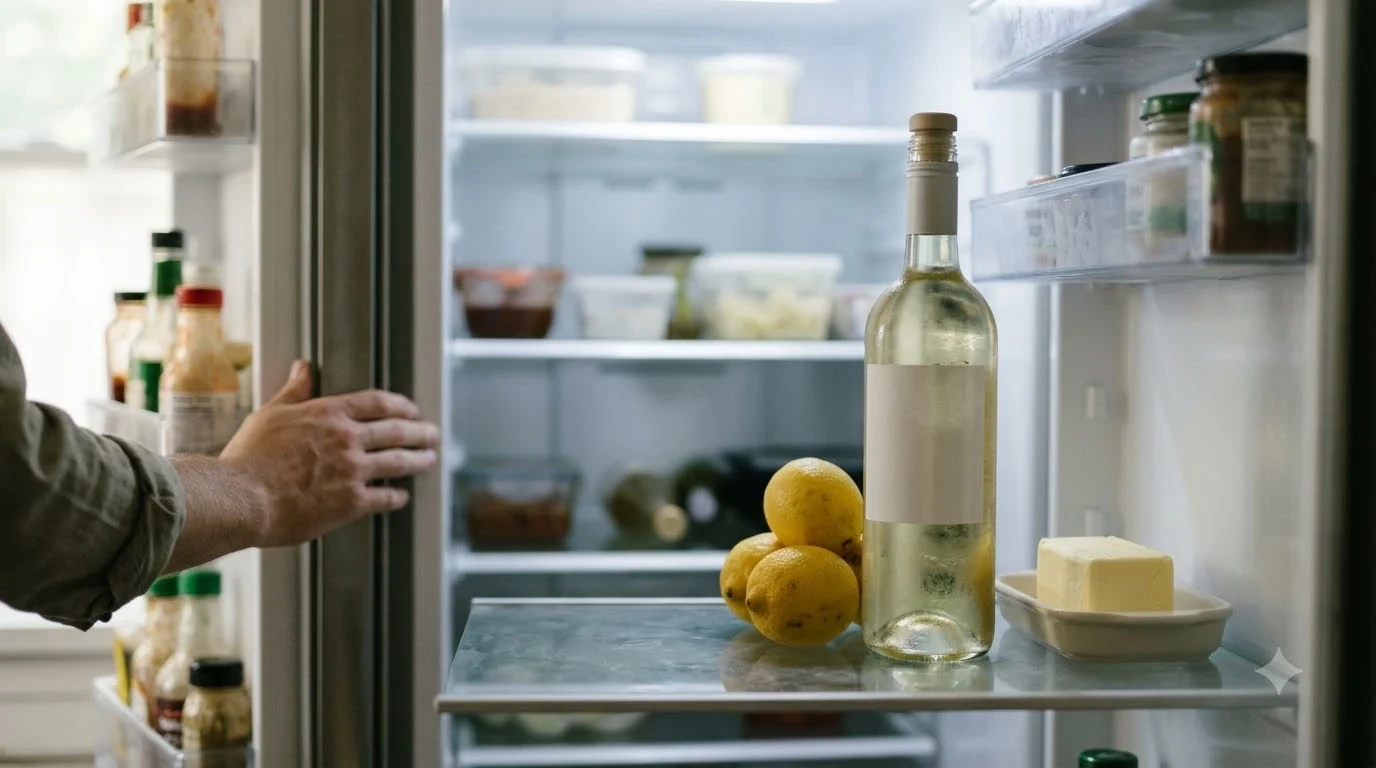
Proper storage and serving help preserve the wine’s aromas, acidity, and overall character. Keep unopened bottles away from heat and direct sunlight, and serve each style at an appropriate temperature rather than treating every white wine as equally cold.
Store the Bottle Correctly
For longer storage, keep wine in a cool, dark environment with a relatively stable temperature near 55°F. Bottles sealed with natural cork are generally stored on their sides so the cork remains in contact with the wine. Avoid locations near ovens, radiators, sunny windows, or appliances that generate frequent heat and vibration.
If the bottle is intended to be opened within a short period, a cool, dark cupboard can be suitable. Avoid keeping a special bottle in a warm kitchen or leaving it inside a car after purchasing it.
Serve at the Appropriate Temperature
Serving temperature has a significant effect on how a dry white wine tastes. Excessive chilling can suppress aromas and make a wine seem less expressive, while serving it too warm can make the alcohol and richer flavors more noticeable.
| Wine style | Recommended serving temperature | Serving consideration |
|---|---|---|
| Light white wines | 45–50°F | Keep crisp and refreshing |
| Full-bodied white wines | 50–55°F | Allow texture and aromas to develop |
| Dry aromatic whites | 45–50°F | Preserve freshness and aromatic detail |
| Sweet white wines | 43–50°F | Serve chilled without suppressing all aromas |
| Sparkling wines | 40–50°F | Keep bubbles fresh and lively |
For a standard bottle, a refrigerator is a convenient way to chill the wine before serving. A light Pinot Grigio or Sauvignon Blanc is generally most enjoyable at 45–50°F, while a fuller Chardonnay benefits from a slightly warmer 50–55°F serving temperature.
Choose Suitable Glassware
A medium-sized white wine glass is a practical choice for most dry whites. It provides enough room for aromas to develop while keeping the wine relatively cool. A narrower glass can work particularly well for delicate aromatic wines, while a slightly larger bowl is useful for fuller Chardonnay.
For a gift, a bottle paired with two suitable wine glasses can make an attractive presentation. However, glassware should complement the wine rather than become a substitute for choosing a suitable bottle.
Know How Long Opened Wine Lasts
Once opened, white wine gradually loses freshness through contact with oxygen. Replacing the closure and refrigerating the remaining wine can help slow this process.
Most opened still white wines remain enjoyable for approximately three to five days when properly refrigerated. Sparkling wine generally lasts around one to three days with an appropriate sparkling-wine stopper, although its bubbles gradually diminish. These time frames are practical guidelines rather than guarantees, because wine style, storage conditions, and exposure to air all influence how quickly quality changes.
Make the Gift Presentation Thoughtful
A protective wine bag, simple gift box, or reusable wine carrier can make the bottle easier to transport. For birthdays and anniversaries, a small card explaining the grape variety and region gives the recipient something interesting to read before opening it.
For a dinner host, a short note suggesting a food pairing can be particularly useful. For example, a bottle of Albariño could be accompanied by a suggestion to serve it with grilled shrimp or oysters. A Chardonnay gift might include a suggestion for roast chicken or creamy seafood pasta.
Another option is to add a small wine accessory, such as a quality corkscrew or bottle stopper. Keep the presentation restrained and make the bottle itself the main feature.
Frequently Asked Questions
What is the safest dry white wine gift for someone whose preferences are unknown?
A recognizable Sauvignon Blanc or Pinot Grigio is generally a sensible starting point because both are widely understood dry-white styles. If the recipient usually drinks wine with meals, either variety can be introduced without requiring specialist knowledge. A versatile bottle from an established region is preferable to an unusual style when their preferences are completely unknown.
Can a dry white wine gift be appropriate for a wedding?
Yes. A dry white wine can be an appropriate wedding present, particularly if the couple enjoys wine or plans to entertain guests. A bottle with a meaningful regional connection can make the gift more memorable. For a couple who enjoys collecting wine, consider whether they have suitable storage conditions before selecting a bottle intended for longer keeping.
Does a dry white wine gift need to be opened immediately?
No. Many dry white wines are intended to be enjoyed relatively young, but the recipient does not need to open the bottle on the day it is received. Some age-worthy white wines can develop additional complexity with suitable storage. The producer’s recommendations and the particular wine’s structure are more useful indicators than the gift occasion alone.
Is a single bottle or a two-bottle gift set more appropriate?
A single bottle is often sufficient for a thank-you, casual invitation, or small celebration. A two-bottle set can be more interesting when the wines offer a useful comparison, such as Sauvignon Blanc and Chardonnay or Albariño and Pinot Grigio. This gives the recipient an opportunity to explore different grape varieties and flavor profiles without requiring an extensive wine collection.
What does a wine’s vintage tell the gift recipient?
The vintage identifies the year the grapes were harvested, not necessarily the year the wine was bottled or purchased. Weather conditions during the growing season can influence ripeness, acidity, and the finished wine’s character. Comparing vintages can be particularly interesting for someone who enjoys following specific producers or wine regions.
A thoughtful dry white wine gift begins with the recipient’s preferences, not the appearance or prestige of the bottle. Sauvignon Blanc, Pinot Grigio, Albariño, Chardonnay, and Grüner Veltliner each offer a different way to make the occasion special. Choose a style that matches the person’s taste, consider how they might serve it, and finish with simple, attractive presentation. The result is a wine gift that feels personal, practical, and enjoyable to open.
More in Wine Buying Guides
 Moscato Gift: How to Choose a Sweet Wine They’ll LoveUpdated Nov 21, 2026
 Merlot Gift: How to Choose a Bottle They’ll AppreciateUpdated Nov 21, 2026
 Cheap Lambrusco: Choose Better Bottles for Food and PartiesUpdated Nov 21, 2026
 Cheap Viognier: How to Find Flavorful White Wine for LessUpdated Nov 21, 2026
 Cheap Tempranillo: Find Flavorful Spanish Reds Without OverspendingUpdated Nov 21, 2026
 Dry Red Wine Gift: How to Choose a Bottle They’ll LoveUpdated Nov 21, 2026