

We may earn a commission when you buy through links on this page, at no extra cost to you. Learn more.
The best wine siphon depends on whether you want to transfer wine gently, aerate it while you pour, or move it into a decanter with little fuss. A hand-operated siphon with a flexible hose suits people who decant older bottles and want to leave sediment behind. A pour-through aerator is better for everyday reds that need a short opening up. Choose the type around the wine you drink most often and how much time you have before serving.
A wine siphon is a simple tool, but the category covers very different jobs. Some devices move wine from a bottle into a carafe without lifting the bottle, others pump air through the wine as it flows, and a few are little more than a pour spout with a filter. Knowing which job you need saves money and keeps the wine in better shape. This roundup groups the main types by the situation they handle best.
Quick Comparison
Siphons and aerators differ mainly in how they move the wine, how much air they add, and how easy they are to clean. The table below compares the main types on those points.
| Type | How it moves wine | Air contact | Ease of cleaning |
|---|---|---|---|
| Hand-operated siphon with hose | Suction or pump, gravity flow | Low | Moderate |
| Pour-through aerator | Pouring through a chamber | High | Easy |
| Electric or battery pump | Motorized transfer | Low to moderate | Moderate |
| Decanter with built-in spout | Pouring from the vessel | Moderate | Easy |
| Stopper-style siphon pour | Gravity through a tube | Low | Moderate |
Best for Decanting Older Bottles
A hand-operated siphon with a flexible hose is the most controlled way to move wine from an older bottle into a decanter. The hose reaches the bottom of the bottle, which lets you pour slowly and watch for sediment near the neck.
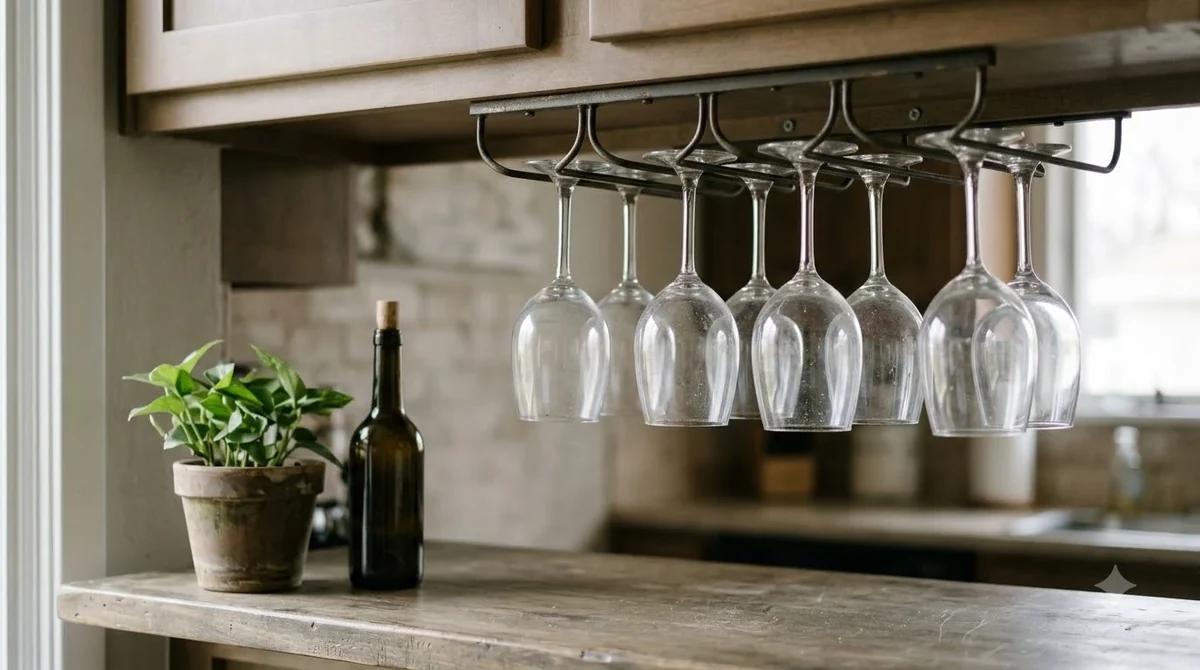
Why it stands out: It keeps the bottle still while the wine moves, which is the main reason people choose a siphon over pouring. It also works without a steady hand.
Keep in mind: Starting the flow takes practice, and the hose must be fully flushed before each use. A slow pour helps more than speed, so allow extra time for older wine.
Best for: Collectors who open older bottles and want to leave sediment behind in the bottle.
Best for Aerating Everyday Reds
A pour-through aerator sits on top of a glass or decanter and adds air as the wine passes through. It suits weeknight reds that benefit from a short opening up, without the time and set-up of a full decant.
Why it stands out: It is fast, simple to clean, and works at the table. You can aerate each glass as it is poured.
Keep in mind: Aeration works best on wine that benefits from air, so a delicate or aged bottle may not need it. The amount of air added is limited compared with a long decant, so do not expect the same result.
Best for: Everyday drinkers who open a young red on a weeknight and want a little more flavor.
Best for Frequent Entertaining
An electric or battery-powered pump moves wine quickly and with little effort, which helps when you serve several bottles in one evening. It suits hosts who open a steady stream of wine and want a repeatable process.
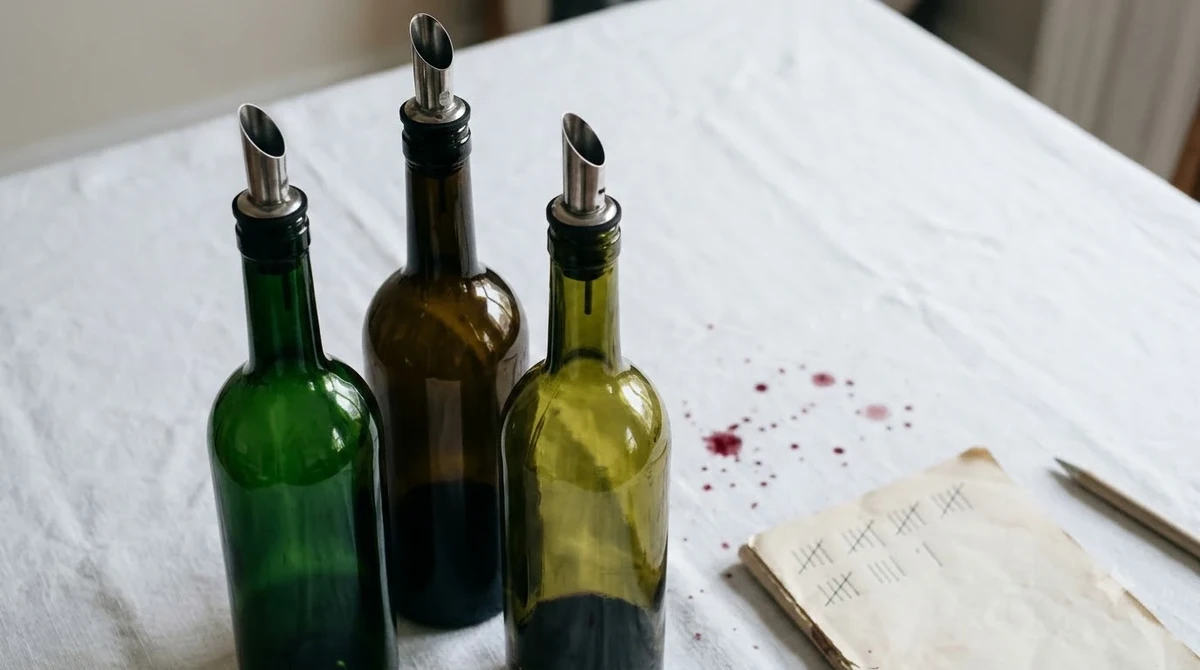
Why it stands out: It speeds up the transfer and takes the strain off your arm, especially when several decanters need filling.
Keep in mind: Motors need charging or power, and the pump has more parts to clean. Check that the unit is rated for the wine you plan to serve and that it can be taken apart for washing.
Best for: Hosts who serve wine at dinner parties and gatherings where time matters.
Best for Presentation at the Table
A decanter with a built-in spout combines storage, service, and display. The decanter does not add much to the wine on its own, but it makes the bottle part of the setting and lets guests pour without handling the original bottle.
Why it stands out: It looks good on the table and keeps the bottle out of sight. Pouring from a decanter with a spout is easy for guests of any age.
Set the decanter on a tray or a small cloth so a drip does not mark the table. If guests will pour for themselves, place a small card beside the decanter with the wine name and vintage, which keeps the presentation useful as well as attractive.
Keep in mind: A decanter is a container, not a siphon, so it works best after the wine has been transferred. Rinse it well between uses, and use a narrow brush for the base if the shape is tall.
Best for: Dinner tables, special occasions, and anyone who wants a serving piece that looks as good as it works.
Best for Gentle Transfer and Gifts
A stopper-style siphon pour uses gravity and a short tube to move wine slowly from bottle to glass or carafe. It suits careful transfers and makes a practical gift for someone who likes to try older bottles.
Why it stands out: The flow is gentle and the air contact is low, which fits wine that you want to taste as it was bottled.
Gentle transfer also helps when you plan to finish a bottle over several days. Move only what you will drink into a smaller container, and seal the rest in its original bottle with a fresh stopper, then refrigerate it. Opened wine loses freshness through contact with air, so limiting how much is exposed matters as much as how the wine was poured.
Keep in mind: Gravity flow is slow, and the tube can trap drops that need to be shaken out. Dry the parts completely before storing them.
Best for: Careful pourers and anyone who wants a simple tool for older wine.
How to Choose
Start with the wine you open most often and how much time you have before serving. The right siphon depends on whether you need to remove sediment, add air, or simply pour cleanly.
- Wine type: Older bottles with sediment need a controlled transfer, while young reds can use an aerator.
- Volume: Pick a manual tool for one or two bottles and a powered pump for regular entertaining.
- Cleaning: Choose parts that come apart and dry quickly, since trapped wine can sour and leave an odor.
- Display: If the wine is served at the table, a decanter with a spout keeps the setup tidy.
Think of the siphon as one step in a longer routine rather than a single tool. Open the bottle, let it stand upright for a few minutes so any sediment settles, and then choose the method that fits the bottle. A careful routine matters more than the gadget, and it works equally well with a simple hose or a pour-through aerator.
For a related point on keeping opened wine fresh, see the guide to how many glasses are in a bottle of wine, which helps you plan how much a decanter needs to hold, and browse the Accessories Library for related tools.
Frequently Asked Questions
Why would I use a wine siphon instead of pouring?
A siphon lets you move wine without tipping the bottle, which helps keep sediment in the bottle, especially with older wines. It also gives you a controlled flow that is easier to manage than pouring by hand.
Does every wine need to be decanted?
No. VinePair’s decanting guide makes the case that aeration can soften a wine and bring out its flavors, and it notes that there is hardly a wine that is worse from being decanted. Many wines are fine without it, so decant when you want to change the wine’s texture or when you have a bottle with sediment.
How long should wine breathe before serving?
VinePair’s guide suggests pouring the wine into a decanter about 15 to 20 minutes before serving. Lighter or aged wines may need less time, and bold young reds can take longer. Taste a small amount before serving to see how it has changed.
How do I clean a wine siphon?
Rinse the hose and parts with warm water right after use, then flush with clean water until no color remains. Let every part air dry completely before storing it, since trapped moisture can leave a sour smell.
A wine siphon should make your pouring easier and protect the wine you open. Choose a manual tool for older bottles, an aerator for everyday reds, and a powered pump only if you entertain often. For more ideas on wine service gear, browse the Accessories Library, or see the bar cart guide for ways to organize the tools near your glasses.
More in Wine Accessories
 Coravin Vs Vacu Vin: Choose the Right Wine Saver for Your BottlesUpdated Nov 21, 2026
 Zwilling Wine Stopper Review: Preserve Open Bottles LongerUpdated Nov 21, 2026
 Wine Enthusiast Wine Preserver Review: Features, Benefits and LimitationsUpdated Nov 21, 2026
 Wine Enthusiast Wine Stopper: An Easier Way to Reseal Open BottlesUpdated Nov 21, 2026
 Vintorio Wine Opener: Two-Step Cork RemovalUpdated Nov 21, 2026
 Zwilling Wine Aerator Review: Aerate, Pour, and Seal With One ToolUpdated Nov 21, 2026