

We may earn a commission when you buy through links on this page, at no extra cost to you. Learn more.
Cheap Lambrusco is easiest to choose well when you match its sweetness and grape style to the food you plan to serve. Look for a clear sweetness term such as secco or amabile, then compare the grape or DOC named on the label. A lower-cost bottle can still have fresh fruit, lively bubbles, and enough acidity to work at the table. The goal is to buy the style you actually enjoy rather than assume every Lambrusco tastes like sweet red soda.
Lambrusco is a family of sparkling and lightly sparkling red wines from Italy, especially Emilia-Romagna. Its reputation in the United States was shaped by mass-market sweet bottles, but the category also includes brisk, dry wines, pale rosé-leaning reds, and deeper, more structured expressions. You do not need a luxury bottle to find a good match; you do need to read beyond the large word on the front label.
Who This Is For
A value-focused Lambrusco makes sense for casual meals, parties, and anyone who wants a chilled red with bubbles rather than another still wine. The category spans Emilia-Romagna’s light Sorbara wines and fuller Grasparossa styles, so a little label knowledge helps you choose with purpose.
This guide is for shoppers who want an affordable bottle for pizza night, a cookout, a charcuterie board, or an informal gathering without treating low cost as the only measure of value. Lambrusco’s acidity and fizz can refresh the palate alongside salty cured meats, tomato sauce, and rich cheese, while its range of sweetness gives hosts flexibility. A dry bottle is often the most adaptable choice for savory food, but an off-dry or sweet style can be the better match for spicy dishes or dessert.
It is also useful for drinkers who remember Lambrusco as a very sweet, uncomplicated red and want to try the category again. Producers make styles that taste quite different from one another: Sorbara is generally lighter and more floral, while Grasparossa is darker and more tannic. Wine Enthusiast describes the modern category as varied, with dry, crisp bottles alongside well-made off-dry and sweet examples. That range means “cheap” should describe the shopping brief, not the expected quality.
Key Factors to Compare
Start with sweetness, then use the grape or appellation to estimate body, acidity, and tannin. For example, the Consorzio Lambrusco states that Lambrusco di Sorbara DOC requires at least 60% Sorbara, while Lambrusco Grasparossa di Castelvetro DOC requires at least 85% Grasparossa.
Those percentages are useful because they connect the name on the label to a recognizable wine style. Sorbara tends toward a pale ruby or rosé hue, delicate body, and lively freshness; Grasparossa tends toward deeper color, firmer tannin, and more structure. The consortium also identifies Lambrusco Salamino di Santa Croce, Modena DOC, and Reggiano DOC as distinct designations, so a specific place name is more informative than a generic front label alone. The official Consorzio Lambrusco denomination descriptions are a useful reference when comparing those names.
| What to compare | Label clue | What it usually suggests | Value-buying takeaway |
|---|---|---|---|
| Sweetness | Secco | Dry, savory-leaning finish | A flexible starting point for pizza, salumi, and cheese |
| Sweetness | Semisecco or amabile | Off-dry to medium-sweet impression | Useful with spicy food or for drinkers who prefer softer fruit |
| Sweetness | Dolce | Sweet style | Choose when sweetness is wanted, not as a default for every meal |
| Grape or DOC | Sorbara; at least 60% Sorbara in its DOC | Lighter color, floral notes, fresh acidity | Good for aperitivo, lighter salumi, and spicy dishes |
| Grape or DOC | Grasparossa di Castelvetro; at least 85% Grasparossa | Deeper color, more body, firmer tannin | Consider for sausage, barbecue, and hearty pasta |
| Production | Frizzante | Gently sparkling rather than heavily effervescent | Look for this term when you prefer a softer sparkle |
Sweetness words are especially important in a category where the grape name alone does not tell you whether the wine will taste dry or sweet. Retailer education at Total Wine explains that secco means dry, semisecco or amabile indicates a semi-sweet style, and dolce means sweet. If the label is unfamiliar, use the producer’s tasting description or ask a wine-shop employee to confirm the sweetness before buying several bottles.
Do not treat the Charmat method as a warning sign by itself. In this method, the second fermentation that creates the bubbles takes place in a pressurized tank; it is commonly used for approachable sparkling wines and can preserve lively fruit. Wine Enthusiast notes that tank-fermentation time can vary considerably, so a simple production method does not prove that the result is careless or characterless.
Step-by-Step: How to Choose a Bottle
A simple buying sequence prevents the two most common mismatches: choosing a wine that is sweeter than the meal and choosing a body level that feels too light or too firm. Use the style you want to drink as the first filter, then narrow the choice by grape, origin, and bottle details.
- Decide on sweetness. For pizza, cured meats, and tomato-based pasta, begin with secco. Choose semisecco or amabile for a softer, fruitier impression, and choose dolce when you specifically want a sweet wine.
- Pick the body that suits the menu. Look for Sorbara when you want a lighter, brighter red; look for Grasparossa when the meal includes sausage, barbecue ribs, or a rich meat sauce.
- Read the full place name. A DOC such as Lambrusco di Sorbara, Lambrusco Grasparossa di Castelvetro, or Lambrusco Salamino di Santa Croce gives more detail than the word Lambrusco on its own.
- Check the alcohol and bottle format. Compare like with like rather than assuming every bottle on the shelf is the same size or strength. A larger format may suit a party, while a standard bottle is easier when you are trying an unfamiliar style.
- Use the back label. Look for clues such as red berry, violet, blackberry, or floral notes, plus a clear sweetness description. A plain phrase like “fruity” does not tell you whether the finish is dry.
- Buy one bottle before stocking up. Try a new producer with the actual food you plan to serve. Once you know whether you prefer fresh Sorbara or deeper Grasparossa, repeat purchases become much easier.
For a first purchase, a dry or off-dry Lambrusco with a named grape or DOC is a practical starting point. It gives you a clearer expectation than a generic sweet-red label, while leaving room to explore other styles later. More general shopping advice is available in these Wine Buying Guides, especially when comparing unfamiliar labels and bottle formats.
Tip: Buy for the meal, not for the sweetness level you assume Lambrusco should have. A secco bottle is often the more flexible savory-food choice, while an amabile or dolce bottle can be exactly right when guests prefer a sweeter red.
Types and Styles Explained
The grape name is one of the best shortcuts to understanding Lambrusco before opening the bottle. The four varieties most useful for shoppers to recognize are Sorbara, Grasparossa, Salamino, and Maestri, although blends and appellation rules can bring other grapes into the picture.
Lambrusco di Sorbara
Sorbara usually makes the palest and most delicate style, often showing violet, red berry, and floral aromas. Its fresh acidity can make it a good partner for prosciutto, lighter salumi, tortellini in brodo, and spicy Thai or Indian dishes. It is a strong option for people who want a red wine that drinks closer to a lively, light-bodied sparkling wine than to a dense, tannic red.
Lambrusco Grasparossa
Grasparossa tends to be darker and fuller, with blackberry, black currant, cherry, and a more noticeable tannic grip. The Consorzio Lambrusco describes Grasparossa di Castelvetro as a more structured wine with body and tannin, and Wine Folly also points to its pairing potential with fennel sausage, lasagna, and barbecue ribs. If the meal is rich or smoky, this is often the first grape style to investigate.
Lambrusco Salamino and Maestri
Salamino often sits between Sorbara and Grasparossa in aromatic character and structure: it can show cherries and violets while carrying deeper color and more tannin. Its slightly sweeter expressions can work with burgers because a touch of sweetness offsets savory, browned flavors. Lambrusco Maestri is less common as a single-variety bottle in Italy; Wine Folly describes it as more grapey, with creamy-feeling bubbles and subtle milk-chocolate notes. The varietal guide at Wine Folly’s Lambrusco overview offers a concise comparison of these grapes.
Sweetness and grape variety are separate decisions. A Sorbara can be dry, while Lambrusco made from Salamino can be semisecco or dolce; neither grape name guarantees residual sweetness. For a more detailed look at one end of the spectrum, compare the label cues in this guide to dry Lambrusco; for a softer finish, see the options covered in sweet Lambrusco.
Common Mistakes to Avoid
The biggest mistake is assuming that every bottle labelled Lambrusco is sweet, simple, and interchangeable. A secco Sorbara and an amabile Grasparossa can differ in sweetness, color, and tannin, so check the style rather than relying on the label design alone.
Do not confuse fruit aroma with sugar. A dry Sorbara can smell vividly of cherries, violets, or orange blossom while finishing crisp rather than sugary. In the other direction, a dark, structured Grasparossa can be made in a sweeter style, so color does not reliably predict the sweetness level. The word secco is a more useful clue than a picture of grapes or a red-and-black label.
Another common error is assuming that all bubbles signal the same texture. Frizzante is gently sparkling, and some Lambrusco has a lighter mousse than a fully sparkling wine. If you want a brisk but restrained fizz, look for frizzante; if you expect forceful bubbles, a bottle’s style description matters. Do not dismiss a tank-fermented wine simply because it is made for freshness and early drinking.
Finally, avoid buying a case of an unfamiliar style based on one attractive feature. A very low-cost sweet bottle may be fine for guests who specifically like sweet wine, but it will not necessarily suit a meal built around salty prosciutto or tomato-rich pasta. Organic certification is another separate question from sweetness and flavor; shoppers interested in farming practices can compare the details in this introduction to organic Lambrusco rather than treating “organic” as a guarantee of a particular taste.
Care and Storage Tips
Serve Lambrusco chilled, then protect its bubbles with a sparkling-wine stopper and refrigerator storage after opening. A sparkling-wine serving range of about 40 to 50 degrees Fahrenheit is a useful starting point; let a very cold bottle warm briefly in the glass if its flavor seems muted.
Store unopened bottles away from direct sunlight and major temperature swings. A cool, dark cupboard is suitable for bottles intended for near-term drinking, while bottles with a cork closure are generally stored on their side in a consistently cool place. Lambrusco bought as an everyday, fresh-fruited wine is usually best enjoyed without lengthy cellaring; follow the producer’s guidance for any bottle presented as a more serious or age-worthy release.
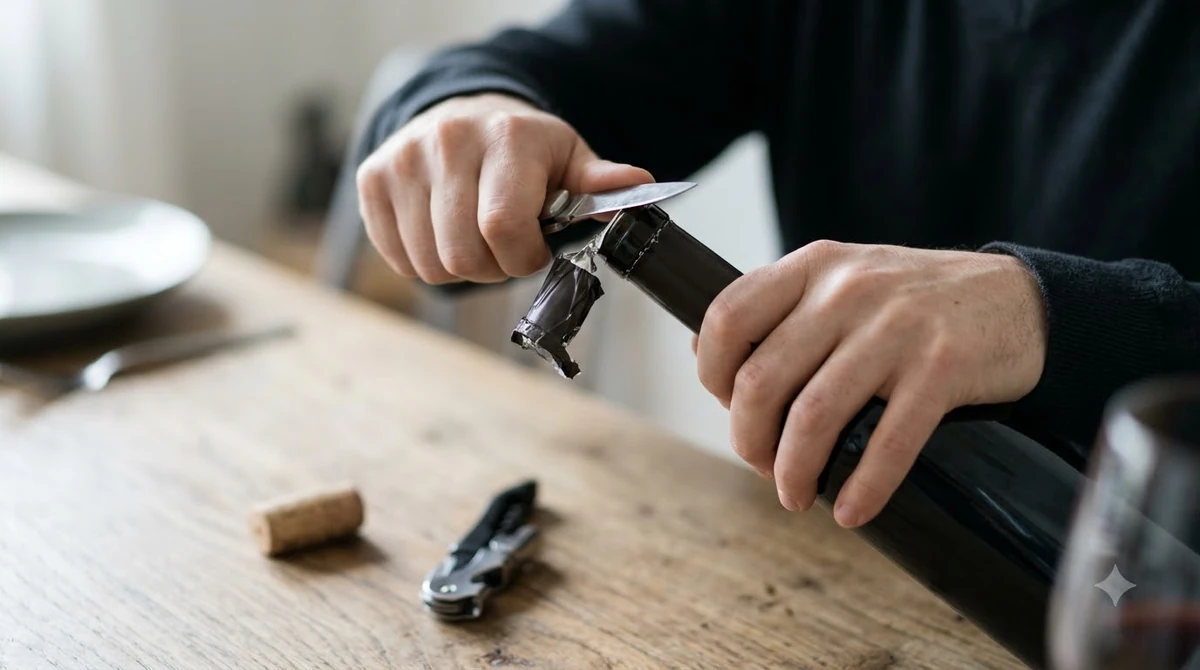
Open the bottle carefully because even lightly sparkling wine can build pressure. Chill it before opening, keep a hand over the cork, and turn the bottle rather than twisting the cork. Pour steadily into a wine glass or sparkling-wine glass, leaving room for the foam to settle. A white-wine glass can be especially useful for appreciating Sorbara’s floral aromas and red-berry character.
After opening, reseal the bottle with a sparkling-wine stopper and return it to the refrigerator. Lambrusco is best while its bubbles remain lively, so plan to finish it promptly rather than expecting it to behave like an unopened still red. For a gathering, open a second bottle only when the first is nearly finished; that keeps the final pours fresher and reduces waste.
Frequently Asked Questions
These quick answers explain the DOC term, bottle fermentation, and practical choices for serving Lambrusco with dessert or finding it in a wine shop.
What does DOC mean on a Lambrusco label?
DOC stands for Denominazione di Origine Controllata, an Italian designation that ties a wine to a defined origin and production rules. It does not tell you whether the wine is dry or sweet, so you still need the sweetness term or producer description.
Can Lambrusco undergo a second fermentation in the bottle?
Yes. Some producers use bottle fermentation rather than the more common tank method, and some leave the fine yeast sediment in the bottle rather than disgorging it. That production choice can create a different texture and a more wine-focused profile.
Why might a bottle of Lambrusco have sediment?
In a bottle-fermented wine that has not been disgorged, the sediment can be yeast lees left from the second fermentation. It is an expected part of that style rather than an automatic sign of spoilage; pour gently if you prefer to leave the deposit in the bottle.
Can I pair sweet Lambrusco with dessert?
Yes, provided the wine is at least as sweet as the dessert. A wine that is less sweet than a sugary pastry or fruit tart can taste thin or sour by comparison, so choose a dolce style for a clearly sweet finish.
Where is Lambrusco usually placed in a wine shop?
Some retailers file it with sparkling red wine rather than among still reds; Total Wine, for example, lists Lambrusco under its sparkling red wine category. If it is not on that shelf, asking for Lambrusco by name is usually more effective than searching only among Cabernet Sauvignon or Merlot.
A good value Lambrusco is the bottle whose sweetness, bubbles, and body fit the people and food around your table. Start with a named grape or DOC and a clear sweetness term, then explore other producers once you know which style you like. That approach makes the category more rewarding without requiring an expensive bottle.
More in Wine Buying Guides
 Riesling Gift: Choose a Bottle They’ll LoveUpdated Nov 21, 2026
 Sweet Red Wine Gift: Choose a Bottle They’ll LoveUpdated Nov 21, 2026
 Malbec Gift: How to Choose a Memorable Bottle for Any OccasionUpdated Nov 21, 2026
 Sherry Gift Ideas That Match Every Wine LoverUpdated Nov 21, 2026
 Moscato Gift: How to Choose a Sweet Wine They’ll LoveUpdated Nov 21, 2026
 Merlot Gift: How to Choose a Bottle They’ll AppreciateUpdated Nov 21, 2026