

We may earn a commission when you buy through links on this page, at no extra cost to you. Learn more.
The best stemless wine tumbler for most people is a wide, sturdy glass with a flat base and a bowl that holds a standard pour without feeling crowded. Stemless designs are easier to store and harder to knock over, which suits patios, kitchens, and casual dinners. They also let the hand warm the wine more quickly than a stemmed glass, so they fit reds served at room temperature better than chilled whites. Pick the material and size for where the glass will live, not for the style alone.
A stemless wine tumbler is a short glass with no stem and no foot, which makes it the everyday alternative to stemware. It shares the basic shape of a drinking tumbler, a flat-floored container that can hold anything from water to a spritz, but it is designed for wine. This guide groups the best stemless wine tumbler options by use, explains how the material and bowl shape change the drinking experience, and points out where a stemless glass is the wrong choice.
Quick Comparison of Tumbler Materials
The material decides weight, durability, and how well the glass handles a dishwasher or a pool deck. The table below compares the three common options so you can match a tumbler to the way you use it.
| Material | Feel and weight | Durability | Best use |
|---|---|---|---|
| Glass | Classic feel, heavier, clear view of the wine | Breaks if dropped on a hard floor | Indoor dinners and home bars |
| Plastic or Tritan-style | Light and easy to carry | Shatter-resistant, suits outdoor use | Patios, pools, picnics, and kids’ tables |
| Stainless steel | Solid, insulated feel in many designs | Very durable, does not break | Travel, camping, and outdoor events |
Tumblers are usually made of plastic, glass, or stainless steel, and the Wikipedia article on tumblers lists those three materials as the common ones. Each has a place. Glass gives the most natural taste and look at home, while plastic and steel are better when the glass might be dropped or carried far from the table.
Best for Casual Patio Pours
A stemless glass is at its best where the setting is relaxed, the table is crowded, and the stem would only get in the way. A wide, low tumbler holds a comfortable pour and stacks easily in a cabinet.
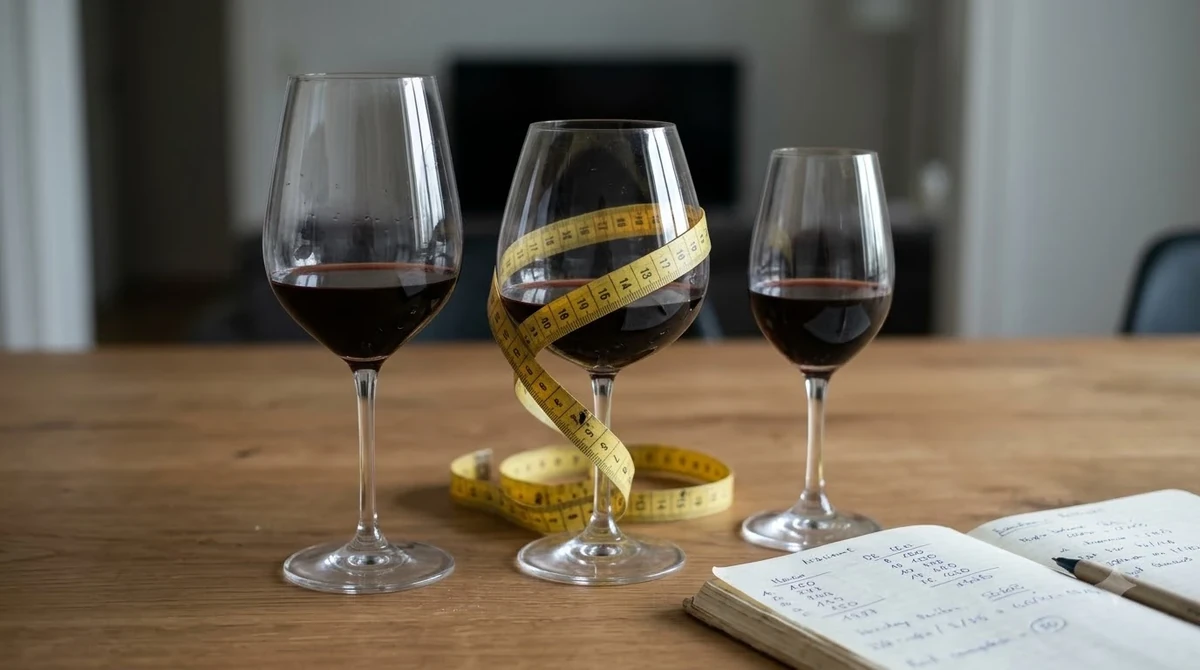
The Wikipedia article on wine glasses describes the stem as one of three parts of stemware, so a stemless design gives up that benefit. The same article notes that holding a glass by the stem avoids warming the wine. For a patio pour of red, the warmth is often acceptable, but for chilled white it is the main reason to choose a stemmed glass instead.
Why it stands out: A low, wide tumbler is hard to knock over and easy to carry from the grill to the table.
Keep in mind: Choose a sturdy base and a bowl with a comfortable lip, since thin rims feel poor for a long pour.
Best for: Patios, backyard dinners, and anyone who wants a relaxed table setting.
Best for Travel, Picnics, and Outdoor Events
Travel and outdoor events call for a glass that survives a bumpy car ride and a stone patio. Plastic and stainless steel tumblers are the practical choice, since neither breaks in the way a glass does.
Stainless steel adds insulation in many designs, which keeps a drink cooler for longer in warm weather. Plastic is lighter and easier to pack, so it fits a picnic basket or a cooler bag. For wine, look for a glass with a clean, smooth rim, because a rough edge makes a plastic or steel tumbler less pleasant to drink from.
Why it stands out: The material survives drops, sun, and rough handling without the worry of a broken glass.
Keep in mind: Metal and plastic change the feel of the wine, so a glass or a clear acrylic option may suit a formal tasting better.
Best for: Picnics, camping, pool days, and outdoor events with a lot of foot traffic.
Best for Everyday Home Use in Small Kitchens
For a small kitchen, the stemless tumbler is easier to store and wash than stemware. It stacks in a cabinet without a stem catching on its neighbor, and it fits a dishwasher rack without the usual balancing act.
Look for a clear, even base that sits flat on the rack and a bowl that fits under the spray arm. Glass tumblers work well at home, since the weight gives a secure grip and the surface is easy to clean by hand or in the machine.
Why it stands out: A short, stackable shape fits a crowded cabinet and makes the dishwasher routine simpler.
Keep in mind: A very heavy glass can feel awkward in a small hand, so test the weight before you buy a full set.
Best for: Small kitchens, daily use, and anyone who wants wine glasses that take up little room.
Best for Spritzes and Mixed Wine Drinks
A stemless tumbler handles more than a glass of wine. The same flat-floored shape suits a wine spritz, a sangria with ice, or a wine-and-soda drink, where the glass needs room for ice and fruit.
The tumbler reference describes the container as suited to everything from water and juice to cocktails, and it includes highball and Collins styles for tall mixed drinks. A tumbler with a larger bowl gives room for ice and garnish, which makes it a better pick than a narrow stemmed glass for these drinks.
Why it stands out: The open shape holds ice and fruit, so a spritz or sangria fits without spilling.
Keep in mind: A tumbler that is too big can hide how much wine you have poured, so measure the first few servings.
Best for: Hosts who serve wine spritzes, sangria, and wine with soda at a summer party.
Best for Gift Sets and Home Bars
A set of stemless tumblers makes a practical gift, especially when it comes with a matching lid or a bar cart setup. The set is easy to store, easy to match with other glassware, and useful for guests who prefer a casual glass.
When you choose a gift set, check that the glasses share the same size and weight, so the set looks finished on a tray. A set with a lid is useful for a car or a desk, while plain glasses suit a home bar.
Why it stands out: A matched set looks tidy on a bar cart and works for guests and everyday use alike.
Keep in mind: Check the lids and seals on any travel set, since a loose lid can leak in a bag.
Best for: Gifts, home bars, and anyone who wants a simple, matched set of casual wine glasses.
How to Choose a Stemless Wine Tumbler
A stemless glass is a trade-off between convenience and temperature control. Use the checklist below to decide whether the style fits your table.
| Checkpoint | What to look for |
|---|---|
| Setting | Stemless for casual, outdoor, or crowded tables; stemmed for formal or chilled whites |
| Material | Glass for home, plastic or steel for travel and outdoor use |
| Bowl size | A bowl that fits a standard pour with room to swirl |
| Base | A flat, stable base that sits level on the table and the rack |
| Rim | A smooth, comfortable lip that feels good on the mouth |
Temperature matters more for wine than for water or juice. A stemless glass lets the hand warm the bowl, so hold the glass by the base or use a shorter pour for chilled wine. The wine glass reference notes that the stem is the usual place to hold the glass to avoid warming the wine, which is one reason the stemmed design is still the standard for formal service.
Tip: Fill a stemless glass only part way when serving a chilled white, and top it up from the bottle so the wine stays cool longer.
Frequently Asked Questions
Are stemless wine tumblers good for red wine?
Yes, for casual drinking. The hand warms the bowl a little, which is often acceptable for red, though a stemmed glass gives more control over temperature for a serious tasting.
What is the best material for an outdoor stemless tumbler?
Plastic or stainless steel is the practical choice outdoors, since neither breaks like glass. Stainless steel is the more durable option, while plastic is lighter to carry.
Can a stemless wine tumbler replace stemware?
For everyday use and casual service, it can. For formal dinners and chilled white wine, a stemmed glass still gives a better temperature and a more traditional look.
Is a wine tumbler dishwasher safe?
Most glass and stainless tumblers are dishwasher safe, but check the label on the set. Hand washing is kinder to thin rims and printed or coated finishes.
If you also keep a lidded travel glass, the wine tumbler with lid guide covers options for trips. For a home setup, the bar cart page explains how to arrange glasses within reach, and how many glasses in a bottle of wine helps you plan for a full evening. A tumbler that fits your table and your routine is the right one, whatever its style.
More in Wine Accessories
 Coravin Vs Vacu Vin: Choose the Right Wine Saver for Your BottlesUpdated Nov 21, 2026
 Zwilling Wine Stopper Review: Preserve Open Bottles LongerUpdated Nov 21, 2026
 Wine Enthusiast Wine Preserver Review: Features, Benefits and LimitationsUpdated Nov 21, 2026
 Wine Enthusiast Wine Stopper: An Easier Way to Reseal Open BottlesUpdated Nov 21, 2026
 Vintorio Wine Opener: Two-Step Cork RemovalUpdated Nov 21, 2026
 Zwilling Wine Aerator Review: Aerate, Pour, and Seal With One ToolUpdated Nov 21, 2026