


We may earn a commission when you buy through links on this page, at no extra cost to you. Learn more.
A dessert wine gift is a thoughtful choice for someone who enjoys sweet flavors, special occasions, and distinctive bottles that can accompany dessert or cheese. The best option depends on the recipient’s sweetness preference, favorite foods, and familiarity with wine. Moscato d’Asti suits someone who prefers lighter, sparkling wines, while Sauternes, Tokaji, Icewine, and Port offer richer and more distinctive alternatives. Choosing the right style makes the present feel personal without requiring an extensive knowledge of wine.
Wine gifts often revolve around familiar Cabernet Sauvignon, Chardonnay, or sparkling wine. Dessert wine offers a different direction, particularly for birthdays, holidays, dinner invitations, anniversaries, and celebrations where a bottle is meant to be shared after a meal. These wines come in several production styles, from gently sparkling Italian Moscato to concentrated Hungarian Tokaji and fortified Portuguese Port. Some are especially suited to chocolate, fruit pastries, and cheese, while others are enjoyable on their own in small pours. A little attention to sweetness, serving temperature, and presentation can turn an unfamiliar category into an excellent gift.
Who This Is For
A dessert wine gift works particularly well for people who enjoy sweet foods, entertaining, and trying wines beyond familiar everyday bottles. It can also be a useful choice for a host who already has plenty of conventional red and white wine.
Consider the recipient’s habits before choosing a bottle. Someone who enjoys fruit tarts, cheesecake, and fresh berries may appreciate an aromatic sweet white wine. A person who prefers dark chocolate, caramel desserts, and aged cheeses might enjoy a richer fortified wine. The important distinction is whether the recipient enjoys sweetness itself or simply appreciates fruity aromas. A dry Riesling can smell like ripe peaches and flowers without tasting sweet, so fragrance alone is not a reliable way to choose.
Dessert wine is also suitable for people who enjoy occasional glasses rather than finishing an entire bottle in one sitting. Many examples are concentrated enough to serve in smaller portions, and some fortified styles keep for several weeks after opening under suitable storage conditions. That makes a bottle practical for a household that entertains occasionally rather than frequently.
Good occasions for a sweet wine present
Birthdays and anniversaries are natural opportunities because a distinctive bottle can become part of a celebratory meal. For holiday hosts, a dessert wine can complement pastries, fruitcake, cheese boards, and other foods that commonly appear toward the end of a gathering. It also works as a thank-you present for someone who enjoys cooking or regularly invites guests to dinner.
For a formal dinner invitation, consider the food being served. A late-harvest Riesling may be more useful for a host planning a fruit-based dessert, while Tawny Port offers a natural match for caramel pudding or pecan pie. If the recipient is a wine enthusiast, an internationally recognized style such as Sauternes, Tokaji Aszú, or Madeira can provide something more distinctive than a familiar sweet white wine.
For someone whose preferences are unknown, avoid choosing the most concentrated or unusual bottle available simply because it appears prestigious. A moderately sweet, aromatic, or sparkling style is generally a more approachable starting point. If the recipient already enjoys wine collecting, a more specialized bottle may make a stronger impression. For additional ideas across wine styles, the best wine for gift guide provides useful alternatives for different recipients and occasions.
Key Factors to Compare
The most useful comparison points are sweetness, acidity, body, alcohol, food compatibility, and bottle format. These characteristics determine whether the wine feels refreshing, rich, celebratory, or suitable for slow sipping.
Start with sweetness. A dessert wine should generally be at least as sweet as the food served with it. Otherwise, a sugary dessert can make the wine seem thin or sour. Acidity is equally important because it keeps concentrated sweetness from becoming tiring. Riesling-based sweet wines often offer lively acidity, while richer fortified wines provide more weight and warmth.
| Comparison factor | What to look for | Gift-buying benefit |
|---|---|---|
| Sweetness | Off-dry, sweet, or intensely sweet | Matches different dessert preferences |
| Acidity | Fresh, crisp, or balanced | Prevents rich sweetness from feeling heavy |
| Alcohol | Compare the stated ABV | Helps distinguish lighter wines from fortified styles |
| Body | Light, medium, or rich | Matches delicate pastries or dense desserts |
| Flavor profile | Fruit, flowers, honey, nuts, or caramel | Creates a more personal gift |
| Food pairing | Fruit, chocolate, cheese, or pastry | Gives the recipient a clear serving idea |
| Bottle format | Commonly 375 ml, 500 ml, or 750 ml | Helps determine how much wine is appropriate |
| Production style | Late-harvest, botrytized, sparkling, or fortified | Offers different levels of complexity |
Bottle size deserves more attention than it usually receives. Dessert wines are often sold in smaller formats because their concentration encourages modest pours. A 375 ml bottle can be an appropriate gift for one or two people, while a 750 ml bottle is more practical for a dinner party or a family celebration. A 500 ml bottle can offer a useful middle ground, particularly for concentrated European sweet wines.
Alcohol content is another useful consideration. Moscato d’Asti is generally lighter in alcohol than fortified Port, which commonly contains approximately 19% alcohol according to Total Wine’s dessert wine guide. Both can be sweet, but they provide noticeably different drinking experiences. A recipient who prefers a gentle celebratory drink may appreciate the sparkling option more than a warming fortified wine.
Finally, consider how recognizable the wine’s origin and style will be to the recipient. Sauternes from Bordeaux, Tokaji from Hungary, and Port from Portugal have established identities that can make a gift feel distinctive. A bottle from a less familiar region can also be interesting, but a recognizable style often makes the presentation easier to explain.
Step-by-Step: How to Choose a Dessert Wine Gift
A successful purchase starts with the recipient rather than the bottle. Five straightforward steps can narrow a large selection into a manageable shortlist without requiring specialist wine knowledge.
-
Identify the recipient’s preferred sweetness.
Think about whether the person enjoys sweet cocktails, Moscato, fruit-forward white wine, or sweet foods. Someone who regularly drinks dry Sauvignon Blanc may prefer a refreshing, acidic late-harvest Riesling rather than an intensely concentrated dessert wine. Someone who enjoys rich after-dinner drinks may appreciate Port or Madeira.
-
Consider the occasion and serving situation.
A dinner-party present should ideally work with the host’s menu. For a birthday celebration involving fruit pastries, sparkling Moscato can be a convenient choice. For a holiday meal with chocolate desserts and cheese, Ruby or Tawny Port may be more suitable. A standalone present has more flexibility because the recipient can choose when to open it.
-
Choose the appropriate wine family.
Select between sparkling, late-harvest, botrytized, and fortified styles. Each has a different character. Moscato d’Asti offers floral aromas and gentle bubbles, Sauternes often brings honeyed fruit, and Port provides a richer fortified profile. If the recipient is new to sweet wines, a familiar grape or region can make the bottle easier to understand.
-
Compare bottle size and alcohol content.
For a small household, a 375 ml or 500 ml format may be more practical than a full-size bottle. For a gathering of six people, a 750 ml bottle provides approximately five standard five-ounce glasses, although dessert wine is normally poured in smaller amounts. This makes it possible to offer several individual tasting portions.
-
Finish with presentation and a serving suggestion.
Choose packaging that protects the bottle and suits the occasion. A simple gift box, attractive wrapping, or a handwritten note can make the presentation more personal. Include a short suggestion such as serving the wine chilled with cheesecake or pairing Tawny Port with caramel desserts. Practical guidance gives the recipient an immediate reason to open the bottle.
Tip: If you do not know the recipient’s preferred wine style, start with an approachable sweet sparkling wine or an aromatic Riesling-based dessert wine. These options generally provide a less intimidating introduction than a very concentrated fortified wine.
These steps also help avoid an unnecessarily expensive purchase. A memorable gift does not have to be the rarest bottle on the shelf. A well-matched wine with an attractive presentation and a clear food-pairing suggestion can be more enjoyable than an unfamiliar prestige bottle that never gets opened.
For someone just beginning to explore sweet wines, the dessert wine for beginners resource can help narrow down styles that are easier to understand and enjoy. A useful gift should give the recipient an enjoyable experience, not create pressure to appreciate a complicated wine.
Types of Dessert Wine Explained
Dessert wines are produced through several different winemaking methods, and each creates a recognizable style. The most useful categories for gift buyers are sweet sparkling wines, late-harvest wines, botrytized wines, Icewine, and fortified wines.

Sweet sparkling wines
Moscato d’Asti is one of the most approachable choices for a person who enjoys light, fruity drinks. Produced in Piedmont, Italy, it is made from Muscat grapes and is known for floral aromas, fresh fruit flavors, and gentle carbonation. It can accompany berry desserts, fruit salads, sponge cake, and lighter pastries.
Brachetto d’Acqui is another Italian option, offering a sweet red sparkling style with raspberry, cranberry, and rose characteristics. It can be especially interesting with strawberries, berry-based desserts, and chocolate. These sparkling wines make suitable birthday or celebration gifts because their bubbles create a festive impression without requiring elaborate serving arrangements.
Demi-sec Champagne provides another possibility for someone who appreciates traditional sparkling wine but prefers more sweetness than a standard Brut. The sweetness designation matters: not every sparkling wine is sweet, and a bone-dry sparkling bottle may taste sharp alongside a sugary dessert.
Late-harvest and botrytized wines
Late-harvest wines are produced from grapes left on the vine longer than usual, allowing additional ripening and sugar concentration. Riesling, Gewürztraminer, and Semillon are among the varieties associated with these wines. Their flavors can include ripe peach, apricot, citrus, and honey, depending on the grape and production method.
Botrytized wines use grapes affected by Botrytis cinerea, commonly called noble rot. This beneficial fungus can concentrate the grapes’ sugars and flavors under suitable conditions. Sauternes and Barsac from Bordeaux are well-known examples, and their rich texture and concentrated fruit make them appealing choices for experienced wine drinkers.
Tokaji Aszú from Hungary is another distinctive option. Its traditional character combines concentrated sweetness with acidity and flavors that can include mandarin, apricot, ginger, and hazelnut. The Furmint grape plays an important role in the region’s wines. Tokaji is an interesting present for someone who enjoys exploring international wine regions.
Icewine
Icewine is made from grapes that freeze naturally on the vine before harvest. Pressing these frozen grapes produces a concentrated juice with substantial sweetness and bright acidity. Canadian examples commonly use varieties such as Vidal and Riesling.
White Icewine can show pineapple, mango, honey, and nut-like characteristics. It pairs well with cheesecake, fruit desserts, and blue cheese. Cabernet Franc Icewine offers a different direction, with raspberry, strawberry, and baking-spice notes that can complement berry desserts and dark chocolate.
Because Icewine is a distinctive production style, it can be an especially interesting present for someone who enjoys trying wines from Canada or collecting unusual regional specialties. Smaller bottles are often suitable for this concentrated style, making it possible to give something memorable without purchasing a large format.
Fortified dessert wines
Port is produced by adding grape spirit during fermentation, stopping the process while natural grape sugars remain. The finished wine is richer and stronger than many unfortified sweet wines, with approximately 19% alcohol being a common figure in the Total Wine overview.
Ruby Port emphasizes youthful red-fruit flavors, including cherry and raspberry, and is a natural partner for dark chocolate and berry desserts. Tawny Port develops a different profile through barrel aging, showing dried fruit, nuts, and baking spice. It is particularly suitable for pecan pie, caramel desserts, almond cookies, and aged Gouda.
Madeira is another fortified option. Sweet Boal Madeira can offer salted caramel, dates, and coffee characteristics, while Malmsey represents a particularly sweet style. These wines can complement chocolate, roasted nuts, and caramel-based desserts. Their distinctive flavors make them appealing to someone who already enjoys after-dinner wines.
For a broader understanding of sweetness levels and styles, the sweet dessert wine guide provides additional context for comparing different bottles.
For a useful external explanation of how different dessert wines match fruit-based desserts, see Wine.com’s dessert wine pairing guide. It discusses how sweetness, acidity, and the weight of a dessert influence the choice of bottle.
Common Mistakes When Buying a Dessert Wine Gift
The biggest mistakes involve choosing by sweetness alone, overlooking the recipient’s food preferences, or assuming that every dessert wine tastes similar. A little attention to style and context prevents most disappointing purchases.
Assuming every sweet wine is equally sweet
Sweetness varies considerably across the category. A lightly sweet sparkling Moscato does not deliver the same experience as a concentrated Tokaji Aszú or a rich fortified Madeira. A recipient who enjoys refreshing fruit flavors may find an intensely sweet wine too heavy, while someone who loves rich puddings may consider a lighter bottle insufficiently concentrated.
Think about the recipient’s normal choices rather than selecting the sweetest wine available. A person who enjoys dry Riesling might appreciate an acidic late-harvest version, while someone who prefers creamy desserts may be happier with Tawny Port. Matching the style is more important than choosing the highest possible sweetness.
Choosing a wine that clashes with the dessert
Sweetness matching is essential. A wine should generally taste at least as sweet as the dessert because sugar in the food can make the wine seem less sweet. A delicate sweet wine beside a very sugary chocolate cake may taste surprisingly sharp.
Body matters too. Rich pecan pie and caramel pudding need a wine with enough intensity to keep pace. A light fruit tart is better suited to a less concentrated style. For acidic desserts, such as lemon tart, a wine with equal or higher acidity is generally a better match.
Chocolate also deserves attention. Dark chocolate can emphasize bitterness, making some lighter sweet wines taste less balanced. Ruby Port, which has a richer fruit profile, is often a more suitable direction. For blue cheese, the combination of salt and sweetness creates a useful contrast, particularly with concentrated sweet white wines or Port.
Ignoring alcohol content
Sweetness does not indicate how strong a wine is. Moscato d’Asti and fortified Port are both sweet styles, but their alcohol levels and drinking experiences differ substantially. A bottle of Port can feel much warmer and fuller than a gently sparkling Muscat.
This distinction is especially relevant for gifts intended for someone who prefers lighter beverages. Comparing alcohol percentages helps prevent a mismatch between the recipient’s usual preferences and the wine being presented.
Buying a large bottle without considering serving size
Concentrated dessert wines are normally served in smaller portions than ordinary table wine. A full 750 ml bottle may be unnecessary for someone who only opens sweet wine occasionally. Smaller formats can be more practical, particularly when the wine is intended as an individual present rather than a centerpiece for a large dinner.
However, a smaller bottle is not automatically better. For a gathering of eight guests, a 750 ml bottle can be useful, particularly if the host intends to serve several small tasting portions. Match the format to the number of people and the planned occasion.
Choosing prestige over suitability
Some dessert wines have strong reputations among collectors, but prestige alone does not guarantee that the recipient will enjoy them. An intensely concentrated wine from a famous region can be a poor choice for someone who prefers lightly sweet, aromatic wines.
Likewise, an unusual fortified wine may be fascinating to a collector but confusing to someone who rarely drinks wine. A recognizable style with an understandable flavor profile is often the better present. A short handwritten explanation of the grape, region, or food pairing can also make an unfamiliar wine more approachable.
Care, Storage, and Serving Tips
Presentation is only part of a successful wine gift. Proper storage and serving instructions help the recipient enjoy the wine at its intended temperature and retain its character after opening.
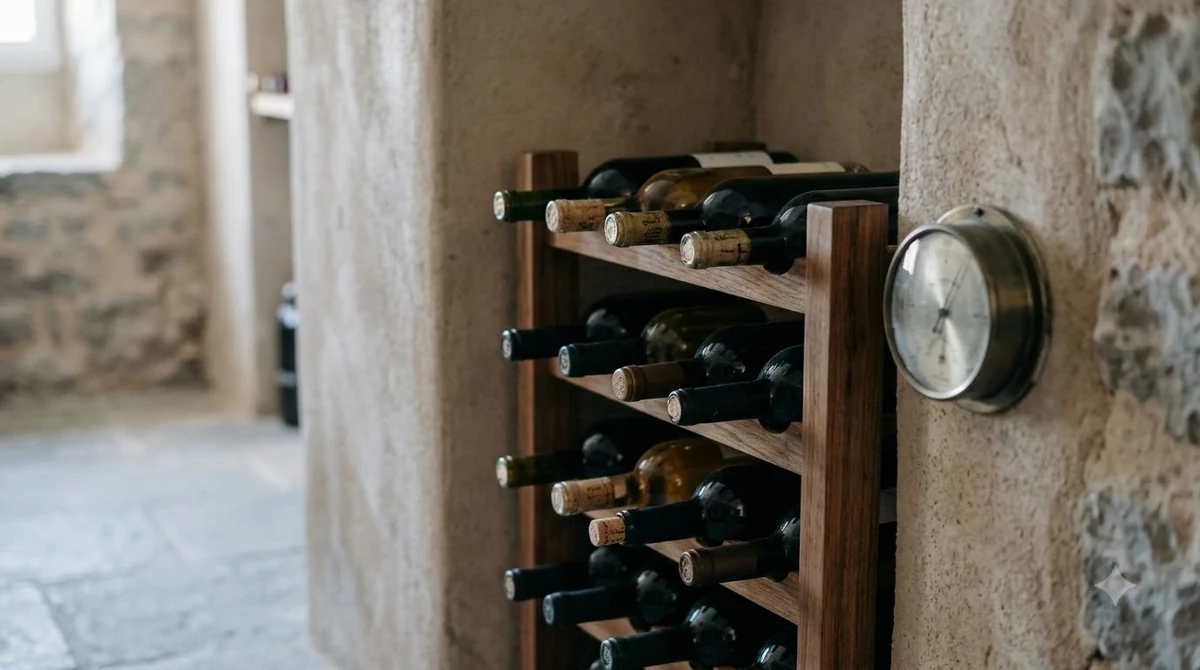
Before giving the bottle, keep it away from direct sunlight, heat, and large temperature fluctuations. For longer storage, a cool location near 55°F is a useful target, and bottles with natural cork closures are generally stored on their sides. Avoid leaving a sweet wine in a hot vehicle or near a sunny window before the celebration.
Serving temperature by style
Most sweet white wines benefit from chilling, but the ideal temperature depends on the style. Light, aromatic wines are particularly refreshing when served cold, while some richer examples benefit from slightly warmer temperatures that allow their aromas to develop.
Use these practical serving ranges as starting points:
- Moscato d’Asti and sweet sparkling wines: approximately 40–50°F.
- Late-harvest Riesling and other light sweet whites: approximately 45–50°F.
- Richer sweet whites such as Sauternes: approximately 45–55°F.
- Richer fortified wines: adjust according to the style, with Tawny Port generally benefiting from slight chilling.
- Ruby and Reserve Port: serve slightly below a warm room temperature for a more balanced experience.
Decanter’s guidance includes a recommendation of 9–10°C for Château Coutet’s sweet wines, while Austrian noble-sweet wines may be served around 12–14°C. These examples demonstrate why temperature should be adjusted to the particular wine rather than applying one rule to every bottle.
Glassware and pouring
A small tulip-shaped glass or a regular white wine glass can work well for many dessert wines. The narrower opening helps concentrate aromas, while a suitable bowl gives the wine enough space to release its fragrance. Some producers and wine professionals prefer regular white wine glasses for complex sweet wines rather than very small dessert glasses.
Pour approximately 2–3 ounces per person as a practical starting point for concentrated dessert wines. This smaller serving allows guests to appreciate the wine without overwhelming the palate. For a 375 ml bottle, several modest tasting portions are possible, making this format convenient for a small celebration.
Storing opened bottles
Opened dessert wines do not all keep for the same amount of time. Unfortified sweet wines generally benefit from refrigeration and a secure closure, while fortified styles often have better keeping potential because of their higher alcohol content.
Decanter reports that Ruby and Reserve Port can remain enjoyable for approximately three to four weeks after opening. Some concentrated Austrian Ausbruch wines can also keep for several weeks when refrigerated. These periods vary with the wine, its age, storage conditions, and how much air has entered the bottle.
For most households, the simplest advice is to replace the closure promptly and refrigerate opened sweet wines. Sparkling styles need an appropriate sparkling-wine stopper to preserve their bubbles. A small serving and proper storage make it easier for the recipient to enjoy the gift over several occasions.
Frequently Asked Questions
Is dessert wine an appropriate gift for someone who rarely drinks wine?
Yes, particularly if the recipient enjoys fruit-forward beverages or sweet foods. A gently sparkling Moscato d’Asti can be an approachable introduction because it offers floral aromas and refreshing bubbles. A small bottle also allows someone to explore the style without committing to a large quantity.
Can dessert wine be given as a wedding or anniversary present?
Yes. A distinctive bottle of Sauternes, Tokaji, or vintage Port can make a memorable anniversary present, particularly for a couple who enjoys wine. Some age-worthy examples can also be purchased with the intention of being opened at a future celebration, provided the bottle is suitable for extended cellaring.
Should dessert wine be wrapped differently from regular wine?
It does not require special wrapping, but secure packaging is important because many dessert wine bottles use unusual shapes or smaller formats. A fitted wine box or protective gift bag helps prevent movement during transport. Include the bottle’s origin and a suggested pairing on a small card to make the presentation more informative.
Can dessert wine be paired with a savory main course?
Yes. Some concentrated sweet wines work with savory dishes that combine salt, richness, or spice. Sauternes can accompany shellfish and roast chicken, while sweet Austrian wines can complement aged Gouda and certain spicy dishes. The combination works best when the food has enough flavor intensity to stand alongside the wine.
Does dessert wine need to be opened immediately after receiving it?
No. Many dessert wines can be kept unopened for future occasions, although their aging potential depends on the production style and bottle. High-quality Sauternes, Tokaji, and vintage Port can be suitable for extended cellaring under appropriate conditions. Lighter sparkling Moscato is generally intended for earlier enjoyment rather than long-term storage.
A dessert wine gift can be both distinctive and practical when the bottle matches the recipient’s taste, the occasion, and the food they enjoy. For an approachable present, consider Moscato d’Asti or late-harvest Riesling; for someone who appreciates richer wines, explore Sauternes, Tokaji, Port, or Madeira. Add a thoughtful serving suggestion and suitable presentation, and the bottle becomes more than an ordinary wine gift.
More in Wine Buying Guides
 Cheap Viognier: How to Find Flavorful White Wine for LessUpdated Nov 21, 2026
 Cheap Tempranillo: Find Flavorful Spanish Reds Without OverspendingUpdated Nov 21, 2026
 Dry Red Wine Gift: How to Choose a Bottle They’ll LoveUpdated Nov 21, 2026
 Cheap Zinfandel: How to Find Flavorful Bottles Worth BuyingUpdated Nov 21, 2026
 Best Zinfandel Brands to Match Your Preferred StyleUpdated Nov 21, 2026
 Best Sparkling Wine At Whole Foods for Every Celebration and BudgetUpdated Nov 21, 2026