

We may earn a commission when you buy through links on this page, at no extra cost to you. Learn more.
The best wine bottle tags are sturdy, easy-to-write tags that hang from the neck and leave the original label untouched, so you can mark a bottle with its name, vintage, or a note for guests. Paper and kraft tags suit quick notes, slate or chalkboard tags suit a reusable setup, and printed or charm-style tags suit gifts and parties. The right pick depends on whether you need to identify a wine, decorate for an occasion, or keep track of what is open.
A wine label already carries a lot of information, but it is not always easy to read at a glance. The producer, region, grape, and vintage may be printed in small type, and a bottle stored on its side can hide its front label entirely. A tag hung from the neck solves that problem without touching the bottle’s own design. This guide compares the main tag styles, explains how each one fits common uses, and gives simple checks so the tag stays put and stays readable.
Quick Comparison
The main tag types differ in how they attach, how long they last, and what they are best at. The table below compares them by purpose so you can start with the use that matters most to you.
| Tag type | Attachment | Reusable | Best use | Main drawback |
|---|---|---|---|---|
| Paper or kraft tag | Tied with string or twine | Usually single use | Quick notes and gifts | Can tear if the string is pulled tight |
| Slate or chalkboard tag | Loop or cord around the neck | Yes, rewrite with chalk | Ongoing household use | Chalk can smudge if handled |
| Leather or fabric tag | Strap that loops over the neck | Yes | Dining tables and events | Needs a pen or marker that suits the material |
| Printed or charm tag | Clip or ring on the neck | Sometimes | Parties and gifts | Less room to write detailed notes |
Before you choose, remember what a tag can and cannot do. A tag supplements the original label rather than replacing it. The label is where the legal and product details live, and the reference on wine labels notes that the bottler’s name, the country of origin, and the alcohol content must be stated on the label itself. Keep the label intact and use the tag for your own notes. A basic reference to what a label shows, such as producer, region, variety, and vintage, is explained in this guide to reading a wine label, which is a useful checklist for what to write on a tag.
Best for Identifying Bottles at a Glance
This group suits a household that keeps several bottles on hand and wants to know what each one is without pulling it out. A tag that carries the wine’s name, grape, or vintage gives you that answer from across the room.
Why it stands out: A tag at the neck is visible even when the bottle is lying on its side, which is when the front label is often hidden. Writing the grape and vintage on the tag saves you from squinting at the small print on the label.
Keep in mind: Use a pen or marker that will not bleed, and keep notes short so they fit the tag. Remove the tag once the bottle is finished so an old note does not confuse the next one.
Best for: anyone who stores several bottles in one place and wants a quick reference.
Best for Dinner Parties and Wine Tastings
At a tasting, a tag tells guests what they are pouring and helps keep the flights in order. Simple tags that are easy to write on let you mark each bottle with a number, a region, or a short note.
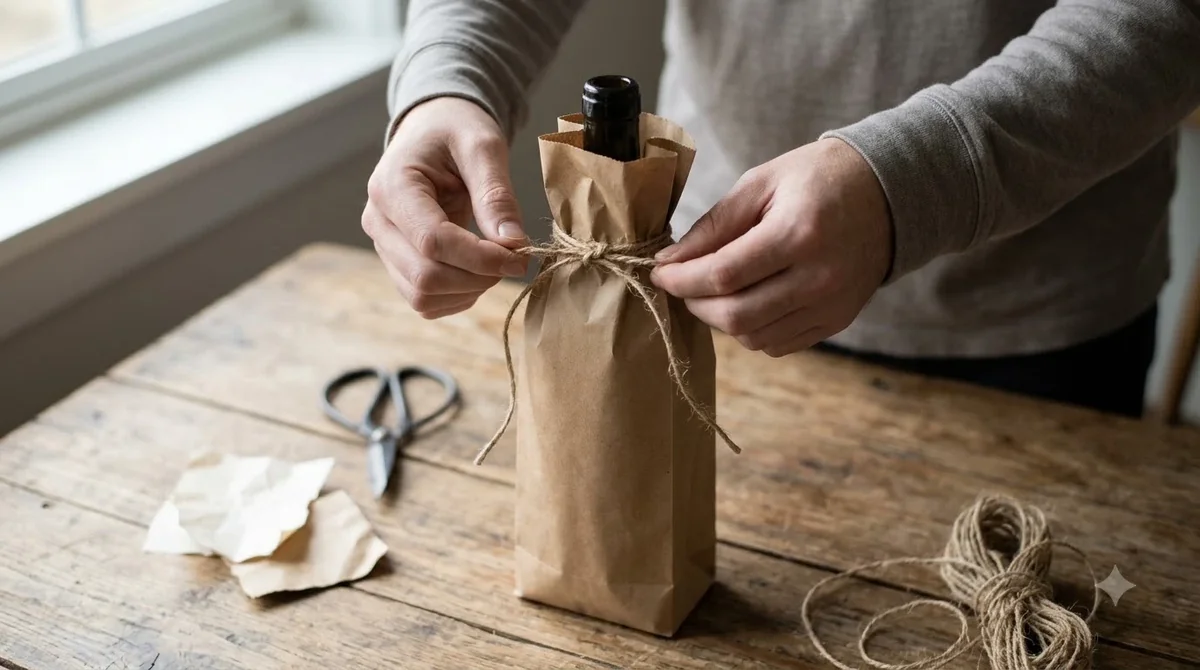
Why it stands out: Numbered or lettered tags help guests compare wines side by side, and a tag with the vintage makes it easy to note how bottles from different years differ. Paper tags are inexpensive to replace between events.
Keep in mind: Keep tag text consistent so guests can follow the order. Avoid writing a tasting verdict on the tag, since guests often want to form their own impression.
Best for: home tastings and small gatherings where you pour several bottles in sequence.
Best for Reusable Setups at Home
A reusable tag suits a household that opens wine regularly and wants a system that lasts. Slate, chalkboard, leather, and fabric tags can be rewritten or wiped clean, so the same tag can serve many bottles over time.
Why it stands out: A chalkboard or slate tag can be updated as a bottle changes, for example to note that it has been opened. Leather and fabric tags look more permanent and fit a dining table well.
Keep in mind: Chalk can smudge when the bottle is handled, and some leather needs a suitable marker. Test the writing method on a spare tag before you commit to a full set.
Best for: households that want a tidy system and a reusable look that suits everyday use.
Best for Gifts and Special Occasions
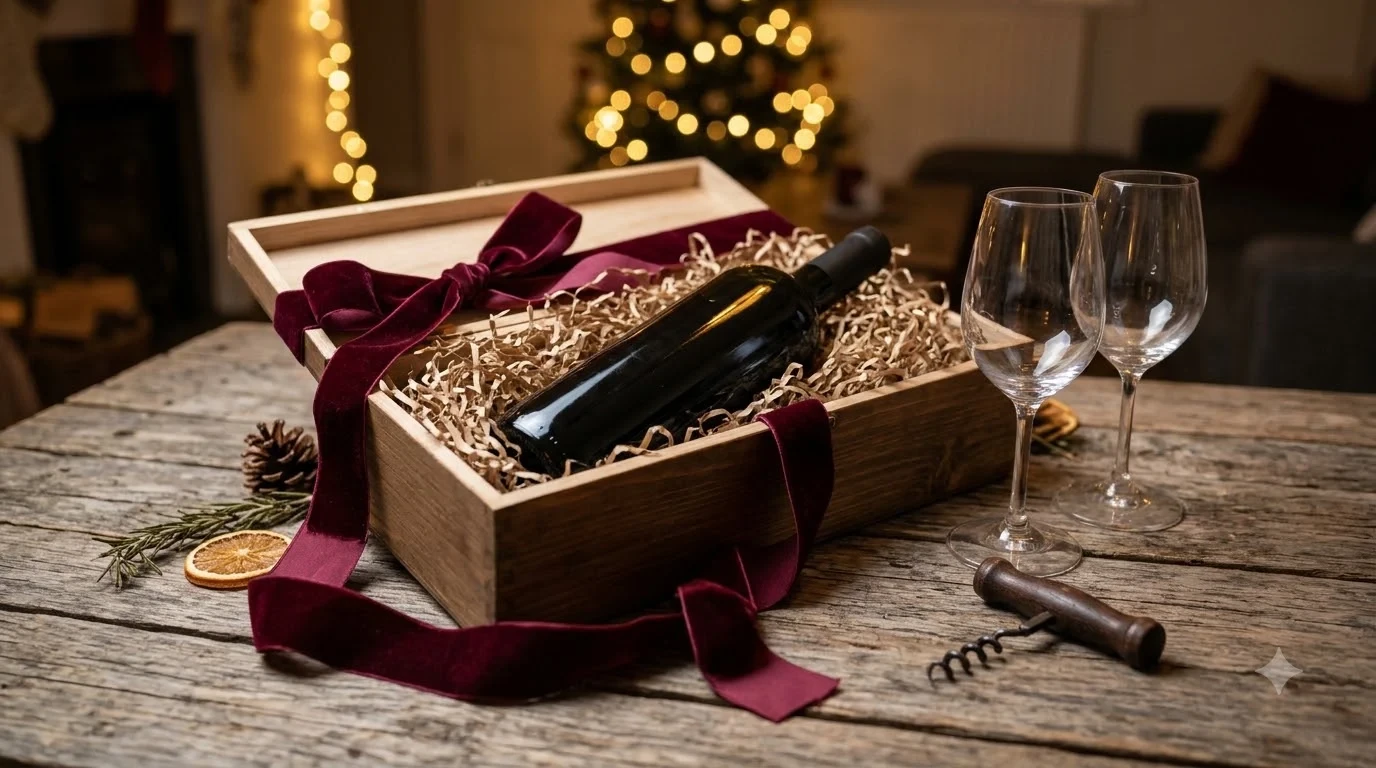
A gift bottle needs a tag that looks finished and carries a message. Printed or charm-style tags add a decorative touch and can be personalized for a holiday, a birthday, or a thank-you.
Why it stands out: Printed and charm tags have a polished look straight out of the package. They are quick to add to a gift and can carry a short greeting in place of a long note.
Keep in mind: Printed tags leave little room for details, so keep the message short. Check that the clip or ring does not scratch a bottle with a textured or delicate label.
Best for: hostess gifts, holiday bottles, and celebrations where presentation matters.
Best for Keeping Track of Opened Bottles
When you open a bottle and want to remember where it is in the process, a tag that you can update helps. Tags that rewrite easily suit a set of open bottles on a shelf or bar cart.
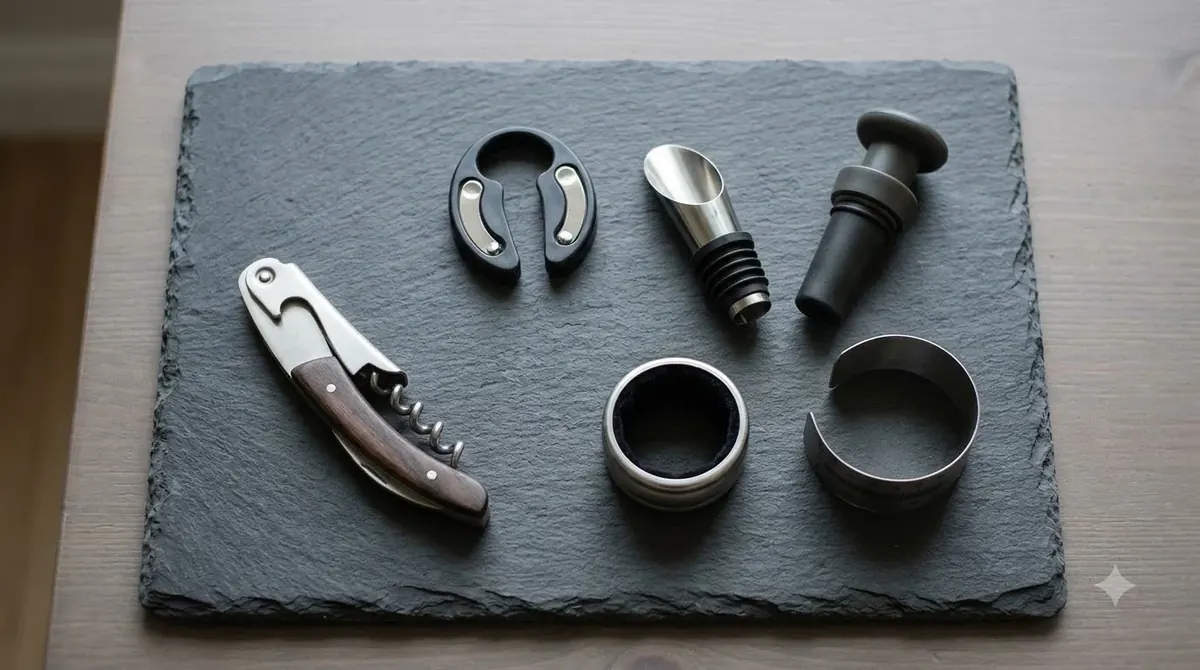
Why it stands out: A tag that shows the open date or a quick status keeps the shelf organized and helps you finish bottles in a sensible order. It is also an easy way to share the bottle’s status with other people in the house.
Keep in mind: Some wines change after opening, so a date on the tag is a reminder rather than a guarantee. Use the tag as a prompt to check the wine before serving.
Best for: anyone who keeps a few partly used bottles and wants a clear status at a glance.
How to Choose
Choose a tag by starting with its purpose, then checking how it attaches and how easily it can be rewritten. The checklist below narrows the options before you compare specific sets.
- Purpose: Pick a reusable tag for ongoing use and a printed or paper tag for one-time gifts or events.
- Attachment: Make sure the tag loops or clips securely without slipping off the neck, and that it does not cover the original label.
- Writing method: Match the pen, chalk, or marker to the tag material so the writing stays legible.
- Size: Choose a tag large enough for the text you plan to write, since small tags limit notes to a few words.
Tags work well alongside other bottle accessories. You can compare the wine bottle labels that suit your bottles, look at a wine bottle holder for storage, and browse the full Accessories Library for related items.
Frequently Asked Questions
Can I write on the original wine label?
It is better to leave the original label untouched. The label carries the producer, bottler, alcohol content, and other required details, and writing on it can make those harder to read. Use a separate tag for your own notes.
What should a wine bottle tag include?
Most people note the wine name or producer, the grape or style, and the vintage. Add an open date or a short note if the tag is for ongoing use. Keep it brief so it stays readable at a glance.
Will a tag damage the bottle?
A loose loop or a soft cord rarely causes harm. A tight clip or a rough tag can scratch a textured or delicate label, so check the fit on each bottle and avoid tags that press hard against the surface.
Are reusable tags worth it?
For a household that opens wine often, yes. Reusable slate, chalkboard, or leather tags can be rewritten and kept for years. Paper tags suit one-time use, such as a gift or a single event.
Good wine bottle tags make a bottle easier to identify, share, and enjoy, without changing the label that came with it. Start with the job you need the tag to do, then choose the material and attachment that suit it. Browse the Accessories Library for more ways to organize your bottles.
More in Wine Accessories
 Coravin Vs Vacu Vin: Choose the Right Wine Saver for Your BottlesUpdated Nov 21, 2026
 Zwilling Wine Stopper Review: Preserve Open Bottles LongerUpdated Nov 21, 2026
 Wine Enthusiast Wine Preserver Review: Features, Benefits and LimitationsUpdated Nov 21, 2026
 Wine Enthusiast Wine Stopper: An Easier Way to Reseal Open BottlesUpdated Nov 21, 2026
 Vintorio Wine Opener: Two-Step Cork RemovalUpdated Nov 21, 2026
 Zwilling Wine Aerator Review: Aerate, Pour, and Seal With One ToolUpdated Nov 21, 2026