


We may earn a commission when you buy through links on this page, at no extra cost to you. Learn more.
The wolf blass wine price typically starts around $10 to $15 for an entry-level Yellow Label Cabernet Sauvignon in the US, while premium collections can cost considerably more. The final amount depends on the label, grape variety, bottle size, vintage, and retailer. Yellow Label is a practical starting point for everyday drinking, while Red Label and the higher-tier collections offer additional styles and more specialized choices.
Wolf Blass is an established Australian wine producer with a portfolio covering approachable reds, whites, sparkling wines, and more premium bottles. Its recognizable colored labels make browsing relatively straightforward, but the differences between collections are important when comparing bottles. Understanding the range structure, grape varieties, and typical retail positioning helps buyers decide whether a particular bottle represents suitable value rather than choosing by label color alone.
Who Should Compare Wolf Blass Wine Prices?
Comparing Wolf Blass bottles is useful for shoppers who want recognizable Australian wine styles at different spending levels. The collection includes everyday Cabernet Sauvignon and Shiraz alongside more ambitious regional and premium offerings, so the right choice depends on the occasion, preferred grape, and intended budget.
Yellow Label is a sensible starting point for someone buying a bottle for a casual dinner, a small gathering, or a familiar weeknight meal. Its range includes several red and white varieties, allowing buyers to choose between structured Cabernet Sauvignon, softer Merlot, fruit-forward Shiraz, and refreshing Sauvignon Blanc. The producer describes Yellow Label as a fruit-driven collection sourced from South Australian regions. Its broad selection makes it easier to find a familiar grape without immediately moving into a more expensive collection.
Red Label is another option for shoppers interested in approachable Australian wine. For example, the producer describes Red Label Shiraz as a medium-weight red with red cherry, plum, juicy berry flavors, and a soft finish. Its suggested food pairings include beef and pizza. This makes it a practical style to consider for informal meals rather than a bottle selected primarily for extended cellaring or a formal tasting occasion.
Buyers planning a celebration or a more substantial wine gift may also want to investigate Grey Label, Gold Label, Black Label, or Platinum Label. These are distinct collections in the producer’s portfolio, and the US catalog includes several additional wine ranges. However, a higher-positioned label should not automatically determine the purchase. The grape, region, vintage, and the recipient’s preferences remain important considerations.
Wolf Blass is particularly relevant to shoppers who enjoy Australian Cabernet Sauvignon and Shiraz. It also produces Chardonnay, Sauvignon Blanc, Merlot, Pinot Noir, sparkling wine, and other styles. Those looking beyond red wine can therefore compare different bottles within the same producer’s portfolio rather than switching brands immediately.
Key Factors to Compare Before Buying
The most useful price comparison starts with the label and bottle size, followed by the grape variety and retailer. A 750 ml Yellow Label Cabernet Sauvignon is not directly comparable with a premium Shiraz, a half bottle, or a different vintage.
| Comparison factor | What to look for | Why it matters |
|---|---|---|
| Label | Yellow, Red, Grey, Gold, Black, Platinum | Identifies the wine collection and its positioning |
| Bottle size | 375 ml, 750 ml, 1.5 L | Changes the amount of wine and the comparable bottle cost |
| Cabernet Sauvignon | South Australian examples | Offers fuller structure and firmer tannins |
| Shiraz | South East Australian examples | Offers ripe berry fruit and spice |
| Red Label Shiraz alcohol | 14% ABV | Useful for comparing the producer’s listed specification |
| Red Label Shiraz bottle | 750 ml | Provides a consistent standard comparison size |
| Yellow Label Cabernet US examples | About $10 to $15 per 750 ml | Indicates an accessible retail starting range |
| Vintage | Compare matching or similar vintages | Different releases may vary in style and availability |
For a concrete price reference, Wine Library lists Wolf Blass Yellow Label Cabernet Sauvignon at $10.98 for a 750 ml bottle, while GotoLiquorStore advertises the same wine from $10.49. These listings support an approximate $10 to $15 entry-level comparison range, rather than a guaranteed national selling price. Prices vary by state and retailer, and shipping, local taxes, inventory, and bottle availability can change the final amount.
Retailer comparisons should also distinguish between the advertised price and the actual purchase total. Some sellers require a ZIP code before showing availability, while others list bottles that are not available for delivery in every state. A listing for an older vintage may also represent a different purchasing opportunity from a current release. Comparing the same wine and bottle size prevents misleading conclusions about value.
For premium collections, buyers should compare the specific bottle rather than assuming that every wine within a label has the same retail position. The US Wolf Blass catalog includes multiple ranges and numerous varieties, but not every wine is stocked by every retailer. A premium Shiraz and a regional Cabernet blend may have very different availability and pricing even within the same producer’s broader portfolio.
Step-by-Step: How to Find the Right Bottle
A straightforward buying process helps prevent overpaying for a bottle that does not match the intended occasion. Start with a preferred grape and style, establish a reasonable spending limit, and then compare the same bottle across available sellers.
- Choose the occasion. Decide whether the bottle is for an informal dinner, a barbecue, a celebration, or a gift. An everyday meal may call for Yellow Label or Red Label, while a special occasion may justify exploring the more premium collections.
- Select a grape variety. Choose Cabernet Sauvignon for firmer tannins and a structured red, Shiraz for ripe dark fruit and spice, or Merlot for a softer red-wine profile. For white wine, consider Sauvignon Blanc for lively acidity or Chardonnay for a broader texture.
- Identify the collection. Compare Yellow Label and Red Label first if you are interested in accessible everyday bottles. Investigate Grey Label, Gold Label, Black Label, and Platinum Label when you want to explore the broader portfolio.
- Compare identical bottle sizes. Use 750 ml as the standard reference. A 375 ml bottle contains half as much wine, while a 1.5 L bottle contains twice as much as a standard bottle.
- Check the vintage and wine details. Confirm the grape, region, bottle format, and vintage where available. This is especially important when comparing retailer listings that use different product photographs or older bottle descriptions.
- Compare retailer listings. Check at least two sellers, including their delivery restrictions, local availability, and final checkout costs. A lower advertised amount does not necessarily mean the bottle is available in your location.
- Choose based on drinking preferences. A bottle with the right grape and food compatibility is generally a more useful purchase than a more expensive label that does not suit the occasion.
This process is particularly helpful for buyers who have only encountered one Wolf Blass collection before. Someone familiar with Yellow Label Cabernet Sauvignon may assume that every bottle from the producer has a similar structure and flavor profile. In practice, the range extends from lighter whites and softer reds to more concentrated Shiraz and structured Cabernet styles.
Tip: Compare the cost per 750 ml rather than the shelf price alone. A 375 ml bottle should not be compared directly with a 750 ml bottle, and a larger format is not automatically a better purchase if you do not need the additional wine.
For buyers who already know they enjoy the brand, the dedicated Wolf Blass wine overview provides another starting point for exploring the producer’s portfolio. It is useful to identify the range before narrowing the search to a particular grape or bottle.
Wolf Blass Wine Types and Label Collections Explained
Wolf Blass offers several collections with different wine styles and levels of positioning. Yellow Label and Red Label are practical starting points, while the broader portfolio includes Grey Label, Gold Label, Black Label, and Platinum Label.
Yellow Label: This collection is one of the most recognizable parts of the brand. Wolf Blass describes its wines as bright, fruit-driven, and sourced from South Australian regions. Cabernet Sauvignon and Shiraz are useful choices for red-wine drinkers, while Sauvignon Blanc and Chardonnay provide alternatives for people who prefer white wines. Merlot, Pinot Noir, and Moscato add further variety. The producer’s official Yellow Label range provides details of its available varieties and regional positioning.
Red Label: Red Label provides another approachable range with multiple wine styles. The producer’s Red Label Shiraz is made from South East Australian fruit and features cherry, plum, and subtle spice characteristics. The wine is medium-weight, with juicy berry flavors and a soft finish. Its listed specifications include a 750 ml bottle and 14% ABV. Beef and pizza are the producer’s suggested pairings. The official Red Label Shiraz product description provides further information about its flavor profile, bottle format, and food recommendations.
Grey Label: Grey Label is another established collection in the portfolio, with wines that include regional Australian expressions. The US catalog includes Grey Label Langhorne Creek Cabernet Shiraz, making it a useful collection to investigate for shoppers interested in blends and regional character.
Gold Label and Black Label: These collections broaden the selection beyond the entry-level ranges. The producer’s US catalog lists both, including Black Label Cabernet-based wines and Gold Label options. Buyers should assess the exact variety and regional information instead of assuming that the label alone describes the wine’s taste.
Platinum Label: Platinum Label is another collection worth exploring for shoppers interested in more premium bottles. The producer lists Platinum Label wines in its catalog, including Shiraz offerings. Availability and individual bottle specifications can differ, so comparisons should focus on the actual wine rather than a general collection description.
The portfolio is not limited to red wines. Sauvignon Blanc can work well with seafood, salads, and fresh vegetable dishes, while Chardonnay can suit richer poultry preparations and creamy sauces. Sparkling wines offer another option for celebrations and aperitif occasions. This breadth makes the brand suitable for shoppers with different preferences, although availability will depend on the retailer and location.
For a more focused examination of its best-known entry-level range, the Wolf Blass Yellow Label overview is a useful next step. Buyers who already know they prefer reds can also explore Wolf Blass red wine to compare the Cabernet Sauvignon, Shiraz, and other red varieties.
Common Mistakes When Comparing Bottle Prices
The biggest mistake is treating every Wolf Blass label as if it represented the same wine or the same purchasing category. Label color, grape variety, bottle size, and region all influence the comparison, and overlooking any of these details can lead to an inaccurate judgment about value.
One frequent error is assuming that Yellow Label and Red Label are interchangeable. Both collections offer accessible styles, but their individual wines have different specifications and flavor descriptions. The Red Label Shiraz, for example, is described by the producer as a medium-weight wine with cherry, plum, and soft berry characteristics. Yellow Label includes several different varieties, so the particular bottle matters more than the color of the label.
Another mistake is comparing Cabernet Sauvignon with Shiraz solely on the basis of the advertised price. Cabernet Sauvignon generally has higher tannin, creating a firmer structure and more noticeable grip. Shiraz can also have substantial tannin, but its fruit and spice profile often makes it feel different in the glass. Merlot generally has softer, medium tannins, while Pinot Noir tends to have lower-to-medium tannin and higher acidity.
Buyers should also avoid confusing the country of origin with the exact growing region. South Australia is a broad geographical reference, while Langhorne Creek and McLaren Vale are more specific wine regions. Wolf Blass uses fruit from different Australian regions across its portfolio, and its wines do not all share an identical regional identity.
Vintage confusion can also distort comparisons. Two bottles carrying the same collection name may come from different harvests and have different product details. Retailers sometimes retain older photographs or descriptions even when their available inventory has changed. Comparing the product name, vintage, and bottle size is more dependable than relying on an image alone.
A final mistake is assuming that a more expensive bottle is automatically the better choice. A premium wine may be intended for a different occasion or a different style preference. Someone who enjoys a fruit-forward everyday Shiraz may be happier with an accessible bottle than with a more expensive Cabernet blend. The best purchasing decision is the one that matches the intended meal and personal taste.
It is also important not to compare a single-bottle price with a case price without calculating the per-bottle amount. A case can contain six or twelve bottles, and the final amount may include delivery costs or applicable taxes. A clear comparison should always use the same quantity and bottle size.
Serving, Storage, and Food Pairing Tips
Proper serving and storage help preserve the character of Wolf Blass wines after purchase. Temperature, exposure to air, and the type of food served alongside a bottle all influence the drinking experience.
For Yellow Label Cabernet Sauvignon, a serving temperature around 60 to 65°F is a useful starting point for a fuller red. The SAQ product information gives a narrower serving recommendation of 15°C to 17°C, which is approximately 59°F to 63°F. This slightly cool range helps keep the wine balanced without making the alcohol feel overly prominent.
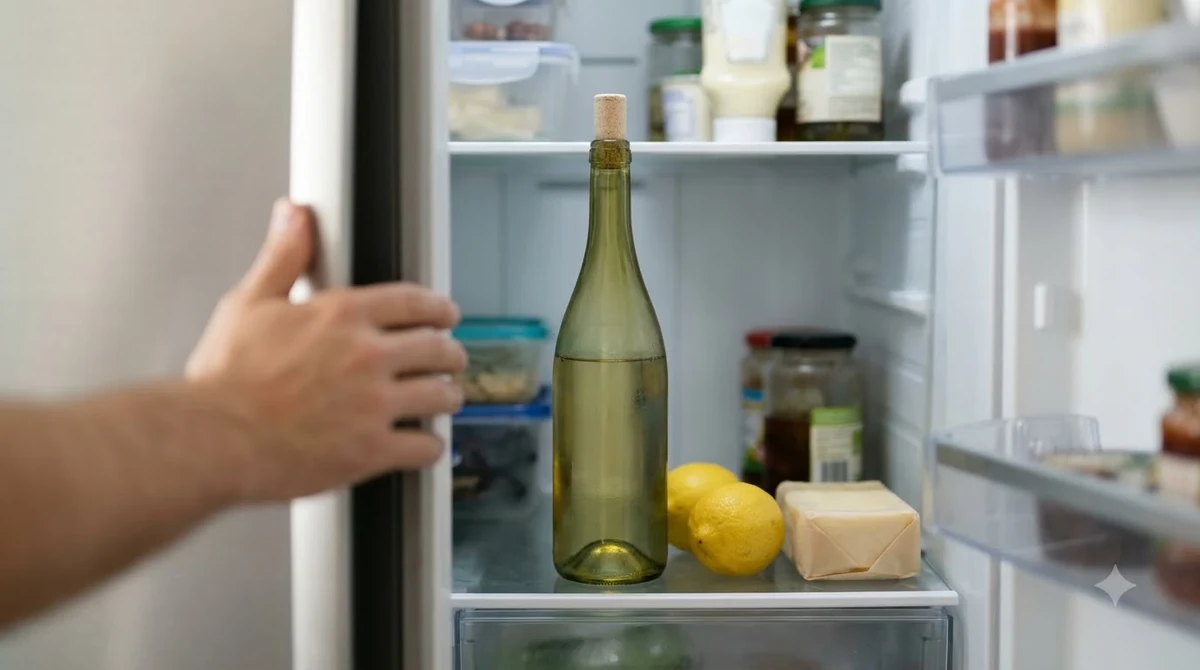
Shiraz can also be served in the 60 to 65°F range when it is a fuller-bodied example. Avoid serving a red directly from a warm room if the temperature is considerably higher. A brief period in the refrigerator can bring the wine closer to a suitable temperature before pouring.
Food pairing should follow the structure of the grape. Cabernet Sauvignon works well with grilled steak, roast beef, lamb, and aged cheddar because protein, fat, and salt soften the perception of tannin. Shiraz is a natural candidate for barbecue, beef burgers, pizza, and dishes featuring black pepper or roasted vegetables. The producer specifically suggests beef and pizza for its Red Label Shiraz.
White wines require a different approach. Sauvignon Blanc is generally high in acidity, making it suitable for dishes featuring fresh herbs, citrus, and seafood. Chardonnay has medium acidity and can complement roast chicken, creamy pasta, and grilled fish. If a dish contains substantial acidity, select a wine with equal or higher acidity so that the food does not make the wine taste flat.
Serving temperature matters for white and sparkling bottles as well. Light whites and rosé are generally best around 45 to 50°F, while fuller whites are better around 50 to 55°F. Sparkling wine is generally served between 40 and 50°F. Sweet whites are usually served around 43 to 50°F, depending on the style.
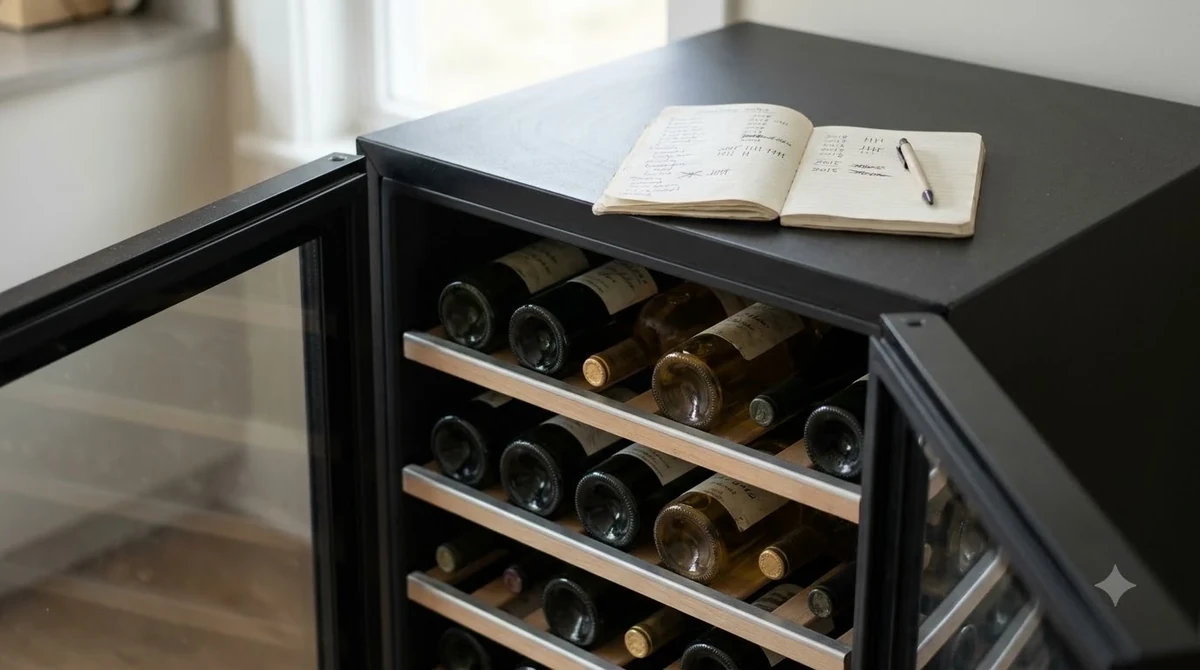
Storage is equally important. Unopened bottles should be kept away from direct sunlight, heat sources, and significant temperature fluctuations. A cool storage environment near 55°F is a useful target. Bottles sealed with natural cork should generally be stored on their sides so that the cork does not dry out.
Once opened, still wines generally remain enjoyable for approximately three to five days when refrigerated and properly resealed. Sparkling wines usually have a shorter window of around one to three days, depending on the closure and storage conditions. A simple wine stopper can help limit unnecessary exposure to air, although it cannot completely stop oxidation.
Buyers should also consider bottle size when planning a meal. A standard 750 ml bottle provides approximately five servings when poured at 5 oz each. This is a useful calculation for dinner planning and prevents purchasing substantially more wine than the occasion requires.
Frequently Asked Questions
Is Wolf Blass an Australian wine brand?
Yes. Wolf Blass is an Australian wine producer whose portfolio includes wines from South Australian and other Australian growing regions. Its official website identifies 1966 as the beginning of its winemaking history. The brand offers both single-variety wines and blends.
What does the Wolf Blass label color indicate?
The colors identify different collections within the producer’s portfolio rather than a standardized sweetness or grape classification. The US catalog includes Yellow, Red, Grey, Gold, Black, and Platinum labels, among others. The grape and regional details are more reliable indicators of a particular bottle’s style.
Does Wolf Blass make wines with screw caps?
Yes. The producer specifies a screw-cap closure for its Red Label Shiraz. Screw caps are commonly used for Australian wines and can provide a convenient way to reseal a bottle after opening. They do not indicate that a wine is lower quality than a cork-sealed alternative.
Can Wolf Blass Cabernet Sauvignon be aged?
Some bottles have greater aging potential than others, depending on their vintage, structure, and storage conditions. SAQ lists a drinking potential of up to five years following the vintage for its Yellow Label Cabernet Sauvignon. This is a product-specific indication rather than a guarantee that every Wolf Blass red should be cellared for the same period.
What is the difference between Shiraz and Syrah on a wine label?
Shiraz and Syrah refer to the same grape variety, but the naming convention often reflects regional tradition and stylistic expectations. Australian producers commonly use Shiraz, while many French producers use Syrah. Australian Shiraz frequently emphasizes ripe fruit and spice, although the actual style varies with region and winemaking choices.
Wolf Blass offers a broad selection of Australian wines, from approachable Yellow Label and Red Label bottles to more specialized collections. Start by choosing the grape and style you enjoy, then compare the same bottle size and vintage across retailers. That approach makes the wolf blass wine price easier to assess and helps ensure the bottle suits both the occasion and your preferences.
More in Wine Brands
 Underwood Wine Price: Compare Bottles, Cans, and Pack SizesUpdated Nov 21, 2026
 Zenato Wine Price: Compare Styles and Choose the Right BottleUpdated Nov 21, 2026
 Zuccardi Wine Price: Compare Bottles and Find the Right RangeUpdated Nov 21, 2026
 Yellow Tail Moscato Review: Taste, Sweetness and Serving TipsUpdated Nov 21, 2026
 Wolf Blass Yellow Label Review: Choose Your Best StyleUpdated Nov 21, 2026
 Wolffer Estate Rose Review: Choose the Right Bottle for Your TableUpdated Nov 21, 2026