


We may earn a commission when you buy through links on this page, at no extra cost to you. Learn more.
This winc wine review finds that Winc is worth considering for casual wine drinkers who value personalized recommendations, convenient deliveries, and the freedom to choose their own bottles. Its six-bottle monthly and twelve-bottle quarterly membership options offer different ways to keep wine on hand. However, recurring billing, cancellation procedures, and mixed customer feedback deserve careful attention before joining.
Buying wine online can be confusing, particularly if you are still learning which grapes, regions, and styles suit your palate. Winc attempts to simplify that decision through a short preference quiz, recommended bottles, and a selection of wines that members can browse themselves. The service is designed around discovery rather than requiring customers to know exactly what they want before placing an order. This guide examines how the membership works, what types of wine are available, how to compare bottles, and what to consider before committing to recurring deliveries.
Who This Is For
Winc is best suited to people who enjoy trying different wines but do not necessarily want to research every bottle before buying it. Its personalized recommendations, broad selection of grape varieties, and recurring delivery options make the service particularly appealing to beginners and casual drinkers who appreciate convenience.
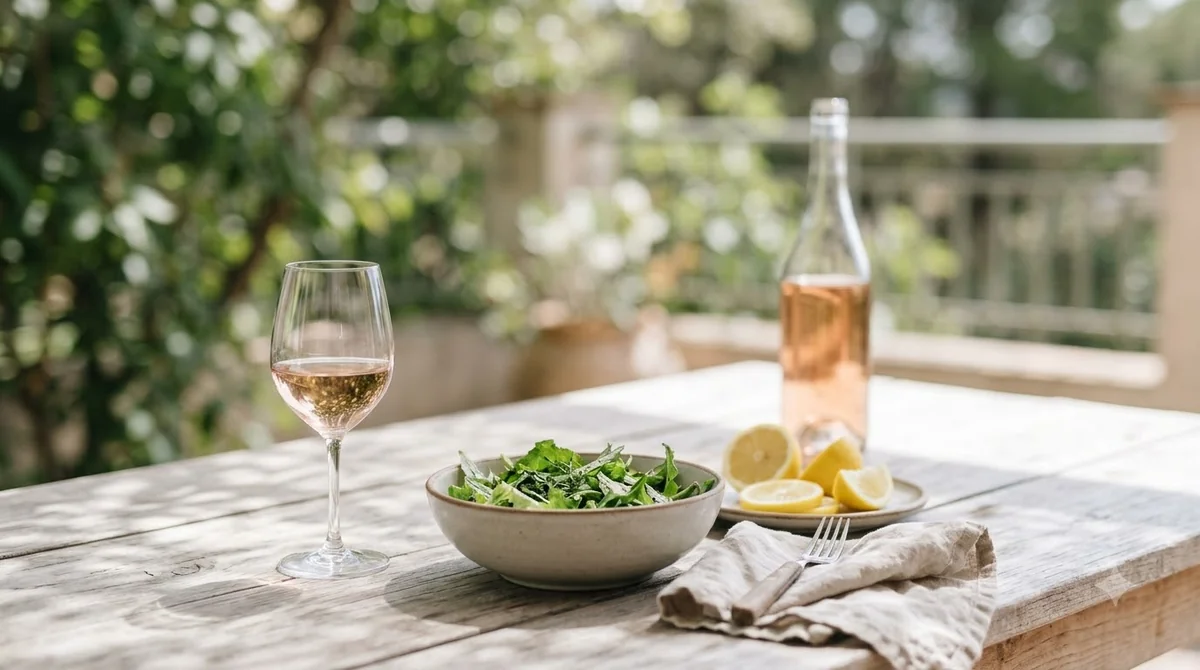
New wine drinkers may find the Palate Profile Quiz a useful starting point. Instead of asking customers to identify specific appellations or understand complicated winemaking terminology, Winc uses six questions to build a starting preference profile. The service then recommends wines that customers can purchase or replace with other selections. This creates a relatively approachable introduction to shopping for wine.
More experienced drinkers may appreciate the ability to browse by grape, region, sweetness, and body. Winc’s website includes familiar varieties such as Cabernet Sauvignon, Merlot, Pinot Noir, Chardonnay, Sauvignon Blanc, Riesling, and Pinot Grigio. Regional browsing includes California, France, Italy, Argentina, and Spain. These categories make it easier to look beyond an initial recommendation and explore specific styles.
The service is also relevant to households that regularly keep several bottles available for dinner, entertaining, or casual weekends. A six-bottle shipment can provide variety without requiring frequent trips to a wine store. Someone who drinks less often, however, may find a recurring membership unnecessary.
Who may want to look elsewhere?
Winc may be less suitable for collectors who prioritize established vineyard names, specific appellations, mature vintages, or detailed information about individual vineyard practices. A personalized recommendation is not the same thing as a sommelier consultation, and a broad catalog does not automatically guarantee access to rare or collectible bottles.
Shoppers who prefer complete control over every purchase should also consider whether the membership structure fits their habits. Winc offers individual wine packs without requiring membership, which provides an alternative for customers who want to sample the selection before agreeing to recurring shipments.
Another important consideration is customer-service access. People who prefer to manage every aspect of a subscription through a self-service account may find the cancellation procedure less convenient than expected. Reviewing the membership terms before entering payment information is particularly important.
Key Factors to Compare
The most important factors in evaluating Winc are shipment frequency, bottle selection, pricing structure, shipping benefits, and cancellation flexibility. Comparing these details before choosing a membership helps prevent a convenient wine delivery service from becoming an unnecessary recurring expense.
Winc currently presents two principal membership schedules: six bottles delivered monthly and twelve bottles delivered every twelve weeks. Both include advertised member benefits such as a recurring 20% discount, free shipping on regular member orders, and the ability to skip shipments. The twelve-bottle option also receives an additional advertised discount for orders containing twelve or more bottles.
| Factor | Winc offering | What to consider |
|---|---|---|
| Smaller membership | 6 bottles monthly | Regular variety and frequent deliveries |
| Larger membership | 12 bottles every 12 weeks | Fewer scheduled deliveries |
| Standard member discount | 20% | Compare the final order total |
| Additional bottle discount | 10% for 12+ bottles | Check how discounts apply together |
| Personalization | 6-question quiz | Recommendations can be changed |
| Shipment flexibility | Skip or pause | Review the shipment cutoff |
| Nonmember purchasing | Wine packs available | Useful for trying the selection |
| Cancellation | Customer-service contact | Allow time before the next shipment |
The table highlights why the number of bottles alone should not determine the membership choice. A six-bottle monthly schedule provides more frequent opportunities to discover new wines, while twelve bottles every twelve weeks may suit households that prefer larger but less frequent deliveries. Neither arrangement is automatically better. The right choice depends on consumption habits, available storage, and how often the customer wants to receive new selections.
Pricing and shipping considerations
Winc’s bottle prices vary according to the individual wines selected and the applicable membership arrangement. The published terms also describe shipping charges that may depend on order size, while the current membership page advertises free shipping for regular member wine orders. Customers should distinguish the benefits of an active membership from the conditions applying to other purchases.
It is useful to compare the final checkout total rather than focusing exclusively on the advertised percentage reduction. Bottle prices, applicable discounts, taxes, shipping conditions, and any other order requirements all affect the actual cost. A larger shipment can offer better convenience, but buying more wine than the household needs is not a meaningful saving.
For an independent look at how the subscription fits into the broader American wine-delivery market, The Guardian’s comparison of US wine subscriptions provides additional context on Winc’s selection, membership flexibility, and customer experience.
Tip: Before joining, compare the cost of the exact number of bottles you intend to buy with the total cost of a nonmembership wine pack. Include shipping and taxes, and consider whether you will actually use the recurring membership benefits.
Step-by-Step: How to Choose and Order Winc Wine
The easiest way to approach Winc is to start with personal taste preferences, review the recommended bottles, and select a purchase arrangement that matches actual drinking habits. Taking a few minutes to compare the options before checkout can make the first order more useful.
-
Start with your preferred wine styles.
Think about the wines you already enjoy. If you prefer lighter reds, Pinot Noir may be a more comfortable starting point than a heavily structured Cabernet Sauvignon. If you normally drink crisp white wine, Sauvignon Blanc or Pinot Grigio may be more appealing than a rich, full-bodied Chardonnay.
-
Complete the Palate Profile Quiz.
Winc offers a six-question quiz intended to help identify suitable recommendations. Answer according to your actual preferences rather than choosing what sounds sophisticated. If you normally enjoy fruity wines, there is little reason to pretend you prefer intensely dry or highly tannic styles.
-
Review the recommendations.
Look at each bottle’s grape variety, region, sweetness, body, and tasting description. Pay particular attention to the difference between a wine described as light and refreshing and one described as full-bodied or rich. These details often provide more useful information than the front label alone.
-
Replace recommendations that do not appeal to you.
The Winc process allows customers to swap recommended bottles for their own choices. Use this option if a particular grape variety, region, or style does not match your preferences. Personalization should make the selection more useful, not restrict your freedom to shop.
-
Choose the shipment schedule.
Compare the six-bottle monthly membership with the twelve-bottle delivery every twelve weeks. Consider how many bottles the household typically opens during a month and whether there is sufficient room to store the incoming wine.
-
Review the complete checkout details.
Check the bottle count, applicable member benefits, shipping conditions, taxes, delivery address, and recurring billing information. Make sure you understand whether the order creates an ongoing membership rather than assuming it is a single purchase.
-
Keep track of the next scheduled shipment.
After ordering, record the membership schedule and any relevant cutoff dates. If you do not need another delivery, use the available skip or pause options before the deadline. Keep confirmation messages relating to any membership changes.
This process is particularly helpful for people who are new to online wine subscriptions. A recommendation quiz can reduce the amount of initial research required, but customers should still examine individual bottles before ordering. A wine that matches a broad taste profile may not necessarily suit every meal or occasion.
How to build a useful first selection
A mixed selection can be a practical introduction to the service. For example, choosing two reds, two whites, and two rosés provides an opportunity to compare different styles without making the entire order dependent on one grape variety. Customers who already know they prefer red wine can instead concentrate on different levels of body, acidity, and tannin.
Keep a simple record of which bottles you enjoy. Note whether a wine seems too dry, too sweet, too acidic, or too heavy. Winc’s own process encourages members to rate wines after purchase, which can help inform subsequent recommendations. Specific feedback is more useful than simply deciding that every bottle from a particular color category is either good or bad.
Types or Styles Explained
Winc offers several familiar wine categories, including red, white, rosé, and sparkling wines. Its catalog also allows customers to browse by grape variety, sweetness, body, and selected production characteristics, making it possible to narrow the selection according to the style they enjoy.
Red wine
Red wines are a natural starting point for customers who enjoy richer flavors and dishes such as grilled meat, roasted vegetables, and tomato-based meals. Winc’s listed grape varieties include Cabernet Sauvignon, Merlot, Pinot Noir, Zinfandel, and Grenache.
Cabernet Sauvignon generally has high tannin, giving it a firm structure that can work particularly well with fatty beef and other substantial foods. Merlot usually has medium, softer tannins, making it a useful option for people who want a less demanding red. Pinot Noir typically has lower to medium tannin and higher acidity, which makes it versatile with roasted chicken, mushrooms, and pork.
Syrah is another useful reference point when comparing reds, although customers should distinguish its typical medium-plus to high tannin structure from the softer profile of many Merlot wines. For a closer look at the category, the Winc red wine selection is a useful starting point.
White wine
White wines cover a wide range of textures and acidity levels. Sauvignon Blanc and Riesling generally have high acidity, making them good choices for customers who enjoy crisp, refreshing wines. They can also pair effectively with seafood, salads, and dishes containing citrus or fresh herbs.
Chardonnay generally has medium acidity and can range from relatively fresh and restrained to fuller-bodied styles with richer textures. Pinot Grigio is another familiar option for people seeking a lighter white wine. The best choice depends on whether the drinker prefers freshness, fruit character, or a rounder mouthfeel.
Those who prefer white wine can explore the Winc white wine selection before building an order.
Rosé and sparkling wine
Rosé provides a middle ground between many red and white wine experiences. Depending on the grape varieties and production method, it can be dry and refreshing or noticeably fruitier. It works particularly well with grilled seafood, light pasta dishes, salads, and casual outdoor meals.
Sparkling wine is another category worth considering for celebrations and aperitifs. Dryness terminology is important when comparing sparkling bottles. The usual progression from driest to sweetest is Brut Nature, Extra Brut, Brut, Extra Dry, Dry, Demi-Sec, and Doux. Prosecco is typically made primarily from Glera grapes using the tank method, while Champagne and Cava undergo their second fermentation in the bottle.
Sweetness and body
Sweetness and body are separate characteristics. A wine can be full-bodied without tasting sweet, while a lighter wine can have noticeable residual sugar. Winc’s sweetness filters, which include dry, semi-sweet, and sweet, are therefore useful when customers know how much sweetness they prefer.
Body describes the wine’s weight and texture. Light-bodied wines can feel fresh and delicate, whereas full-bodied wines generally have a richer, more substantial presence. Comparing these characteristics is especially useful for beginners who have not yet developed a vocabulary for describing wine.
Understanding food pairing
Wine pairing does not require complicated rules, but a few principles can improve the experience. Match the wine’s sweetness to the dessert, choose wines with equal or higher acidity for acidic foods, and remember that salt and fat can soften the impression of tannin.
For example, a crisp Sauvignon Blanc can work with lemon-seasoned seafood because its acidity can stand up to the food. A Cabernet Sauvignon is generally more comfortable with a fatty steak than with oily fish. Chili heat can also become more noticeable alongside wines with substantial alcohol or tannin, so a softer, lower-alcohol option may be preferable for spicy dishes.
Common Mistakes When Buying Winc Wine
The biggest mistakes are choosing a membership based only on advertised savings, misunderstanding recurring billing, and assuming the quiz will always recommend the perfect bottle. Winc can simplify shopping, but customers still need to make informed decisions about the wine and the subscription itself.
Confusing a membership with a single order
One of the most important distinctions is the difference between purchasing a wine pack and enrolling in a recurring membership. Winc advertises both options, and they do not necessarily have the same billing arrangements. Someone who wants a one-time selection should specifically choose a nonmembership pack rather than automatically selecting a membership during checkout.
The membership terms describe recurring billing and continuing shipments until cancellation. This makes it important to understand the arrangement before submitting payment details. A customer should never assume that declining a future shipment is equivalent to canceling the membership itself.
Choosing too many bottles
A larger order may provide additional member benefits, but it is not necessarily the right choice for every household. Twelve bottles can be excessive for someone who opens wine only occasionally. Storage space, delivery frequency, and the time available to enjoy the bottles should all influence the decision.
For a new customer, a smaller selection is often a more practical way to learn which wines are enjoyable. Once preferences become clearer, a larger order may be easier to justify.
Relying entirely on quiz recommendations
A preference quiz is a starting point, not a guarantee of individual satisfaction. Two people who enjoy fruity red wine may still have different preferences for acidity, alcohol, oak influence, and tannin. Reading the description of each bottle remains important.
For example, someone who likes soft, approachable reds may not enjoy a powerful Cabernet Sauvignon simply because both wines are categorized as red. Looking at the grape variety and body description can help avoid this mismatch.
Overlooking customer feedback
Customer reviews present a mixed picture. Some BBB reviewers describe the convenience of having wine delivered regularly, while others raise concerns about recurring charges, refunds, and cancellation. These are individual experiences rather than proof that every customer will encounter the same problems.
The practical lesson is to retain order confirmations, review billing statements, and keep written records of account changes. It is also sensible to check the delivery address before every scheduled shipment, particularly after moving or changing household arrangements.
Ignoring cancellation deadlines
Winc’s terms state that customers should make account changes, skip shipments, or cancel at least three days before a scheduled shipment. Waiting until the last moment can create avoidable confusion about whether the next order has already entered processing.
The published terms identify live chat, email, and telephone as cancellation methods. The Guardian’s subscription comparison also points out that cancellation requires customer-service contact rather than a simple self-service account action. Customers who value straightforward account management should take this into account before enrolling.
Care and Storage Tips for Your Winc Wine
Good storage and serving habits can make a noticeable difference to the wine delivered by Winc. Even an enjoyable bottle can seem disappointing if it is served too warm, too cold, or after being stored in an unsuitable location.
Store unopened bottles correctly
For bottles with traditional cork closures, horizontal storage helps keep the cork in contact with the wine. A consistent temperature near 55 degrees Fahrenheit is a useful target for longer-term storage. Avoid placing wine in direct sunlight, beside a heating appliance, or somewhere that experiences frequent temperature changes.
A cool, dark cupboard can work for bottles intended for relatively short-term enjoyment. A dedicated wine refrigerator provides better temperature control for households that regularly purchase several bottles at once. The main priority is consistency rather than trying to create an elaborate cellar environment.
Serve each wine at an appropriate temperature
Serving temperature influences how aromas, acidity, alcohol, and texture are perceived. A light white wine served too warm may seem less refreshing, while a full-bodied red served excessively warm can emphasize alcohol.
| Wine style | Suggested serving temperature | Practical approach |
|---|---|---|
| Sparkling wine | 40–50°F | Chill before opening |
| Light whites | 45–50°F | Serve well chilled |
| Rosé | 45–50°F | Keep refrigerated |
| Full-bodied whites | 50–55°F | Allow slight warming |
| Light reds | 55–60°F | Serve slightly cool |
| Full-bodied reds | 60–65°F | Avoid excessive warmth |
| Sweet whites | 43–50°F | Serve chilled |
These temperatures are useful starting points rather than rigid requirements. A light Pinot Noir can benefit from slight chilling, while a richer Chardonnay may show more texture when it is not served directly from a very cold refrigerator.
Use the right glass and serving size
A standard wine serving is approximately 5 ounces. A 750 ml bottle therefore provides about five standard glasses. Pouring smaller servings can be useful when comparing several bottles from a delivery box, particularly if the household wants to identify its favorite styles.
Use a reasonably sized wine glass that allows room for swirling. Red wines generally benefit from a little more space for aromas to develop, while white wine glasses can help maintain a cooler serving temperature. Specialized glassware is not essential for enjoying an everyday bottle.
Know when to decant
Most everyday wines do not require elaborate preparation. However, a young, full-bodied red can benefit from approximately 30 to 60 minutes of decanting. Exposure to air may soften the initial impression and allow aromas to become more expressive.
Older wines require greater care because extended aeration can cause delicate aromas to fade. If a bottle appears particularly structured, begin with a small pour and assess its development rather than automatically leaving the entire bottle open for an hour.
Preserve opened bottles
Refrigeration is useful for preserving opened wine, including red wine. Replace the cork or use a suitable wine stopper, then store the bottle upright in the refrigerator. Allow red wine to warm slightly before serving it again.
Typical storage windows vary according to style and preservation method. Sparkling wine generally lasts one to three days with an appropriate sparkling stopper. Still wines usually remain enjoyable for three to five days, while fortified wines can last several weeks. Bag-in-box wine generally offers a longer period of approximately four to six weeks after opening.
These are practical estimates rather than guarantees. Oxygen exposure, the wine’s original condition, storage temperature, and closure quality all affect how long an opened bottle remains enjoyable.
Frequently Asked Questions
Is Winc a wine producer or a wine subscription retailer?
Winc operates as a wine brand and direct-to-consumer wine retailer, offering its own branded selections through its website. Its earlier corporate filings also describe a business model involving wines produced through third-party vineyards and wineries. Customers should distinguish the brand on a bottle from the specific vineyard responsible for growing the grapes.
Can Winc ship wine to every US state?
No wine delivery service should be assumed to ship to every state or address. Alcohol shipping regulations differ by jurisdiction, and Winc’s shopping pages display state-specific shipping restrictions. Confirm that the intended delivery address is eligible before completing an order.
Does Winc require an adult to receive a wine delivery?
Alcohol shipments require age verification and an eligible adult recipient under applicable delivery rules. Customers should plan to have an adult available to receive the package and follow the carrier’s identification requirements. Delivery arrangements can differ depending on the destination and shipping provider.
Can a Winc wine membership be used as a gift?
Winc provides a gift-buying option on its website, making wine a possible present for an eligible recipient. Before purchasing, review whether the gift is a prepaid arrangement or a recurring membership. This distinction matters because the recipient’s billing responsibilities and shipment schedule can differ between gift products.
What should customers do if a Winc shipment arrives damaged?
Photograph the damaged packaging and affected bottles before disposing of anything, and retain the order confirmation and delivery information. Contact Winc customer support with the order details and a clear description of the problem. Keep the written correspondence until the issue has been resolved, especially if a replacement or refund is being discussed.
Overall, Winc is a reasonable option for casual wine drinkers who appreciate personalized recommendations, flexible bottle selection, and the convenience of home delivery. Its membership benefits are appealing, but recurring billing and customer-service-based cancellation deserve attention before joining. Start with a selection that matches your actual preferences and buying habits, compare the membership with nonmembership packs, and choose the arrangement that makes enjoying good wine simpler rather than more complicated.
More in Wine Brands
 Underwood Wine Price: Compare Bottles, Cans, and Pack SizesUpdated Nov 21, 2026
 Zenato Wine Price: Compare Styles and Choose the Right BottleUpdated Nov 21, 2026
 Zuccardi Wine Price: Compare Bottles and Find the Right RangeUpdated Nov 21, 2026
 Yellow Tail Moscato Review: Taste, Sweetness and Serving TipsUpdated Nov 21, 2026
 Wolf Blass Yellow Label Review: Choose Your Best StyleUpdated Nov 21, 2026
 Wolffer Estate Rose Review: Choose the Right Bottle for Your TableUpdated Nov 21, 2026