

We may earn a commission when you buy through links on this page, at no extra cost to you. Learn more.
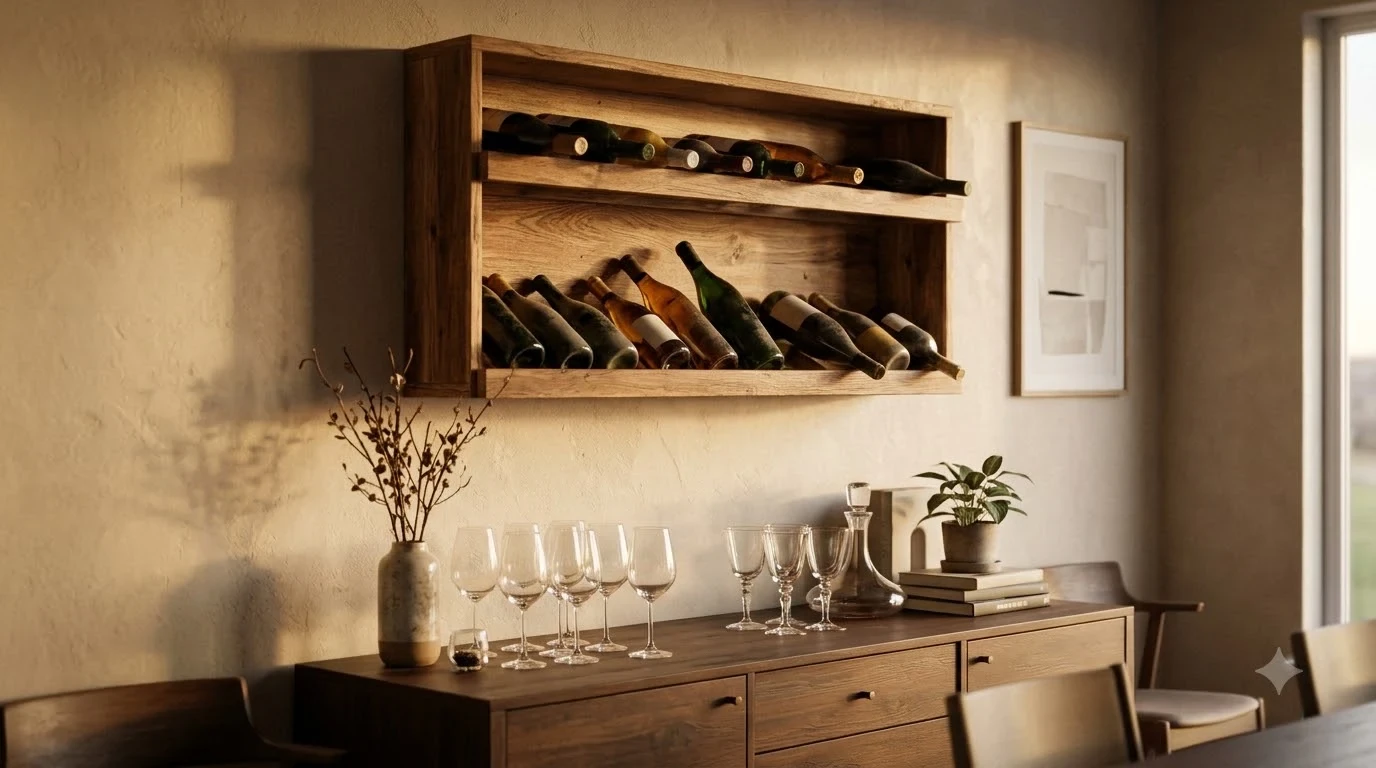
The best wine bottle rack wall option depends on whether you need display or storage: a wall-mounted wood or metal rack suits one or a few bottles on show, while a modular wall unit or a wine cube setup is better when you want to hold a larger collection in the same footprint. Wall-mounted racks save floor space, but most are built for decoration rather than long-term storage, so the bottle count and weight should guide the choice.
A wall rack can turn an empty stretch of kitchen or dining wall into a working display for bottles you open often. The idea is simple, yet the options vary a great deal in material, bottle capacity, and how solidly they mount. This guide explains the main styles, what each one suits, and what to check before you drill into a wall, so the rack holds your bottles safely and looks right in the room.
Quick Comparison
Materials and mounting style change how many bottles a rack holds and how it looks. The table below compares the common wall options by material and use so you can narrow the list quickly.
| Rack type | Typical material | Bottle capacity | Main use | Main drawback |
|---|---|---|---|---|
| Wood wall rack | Wood, such as cedar or fir | One or a few bottles | Display | Cedar has a noticeable aroma that can affect the room |
| Metal wall rack | Painted or finished metal | A few bottles, varied shapes | Display and light storage | Less warm in look than wood |
| Stainless steel rack | Stainless steel | Several bottles | Kitchen use | Shows fingerprints and needs regular wiping |
| Wrought iron rack | Wrought iron | Often one bottle | Decorative | Heavy and limited in capacity |
| Modular wine cube system | Plastic or wood cubes | Many bottles in a small footprint | Storage | Takes more wall area and needs planning |
Most racks are designed around the standard 750 ml bottle, and the reference on wine racks notes that oversized or differently shaped bottles need specialized racks. Those larger bottles add weight, so the rack needs to be stronger to carry them. Check your bottles before buying, because a rack that fits a standard bottle may not hold a magnum or a squat-shaped bottle safely. The overview of wine racks, including the materials and their use, is summarized in this encyclopedia entry on wine racks.
Best for Displaying a Few Favorite Bottles
This group suits a wall that shows off one or two bottles you want to see every day. A wood or metal rack mounted at eye level turns a bottle into a feature rather than something stored out of sight.
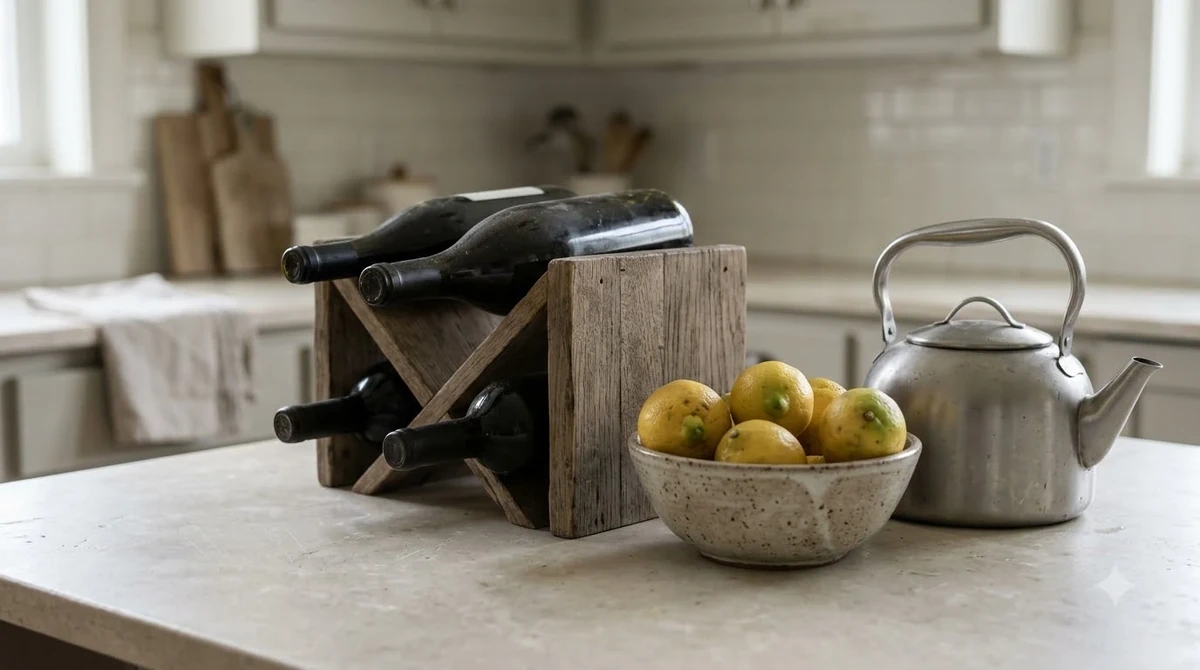
Why it stands out: Wood is the most common material for wine racks, and a wall-mounted wood piece sits comfortably in a kitchen or dining room. Metal racks offer more varied, flowing shapes and can be painted to match a color scheme.
Keep in mind: Wall-mounted racks are usually decorative and hold one or a few bottles, so they are not a full storage solution. Cedar has a strong aroma that can affect the room, so choose a different wood if scent matters to you.
Best for: people who want a few bottles displayed on a wall that they open regularly.
Best for Compact Kitchens and Dining Corners
Small rooms need a rack that takes up little depth and works with the wall you have. A slim wall-mounted unit or a stainless steel model keeps bottles close to where they are poured without crowding the counter.
Why it stands out: Wall-mounted racks are described as space savers because they use vertical area rather than floor or counter space. Stainless steel resists corrosion and staining, does not rust, and is easy to clean, which suits a room with steam and splashes.
Keep in mind: Stainless steel shows fingerprints, so plan to wipe it regularly. Some stainless units double as coolers with temperature-controlled glass doors, which is useful but adds bulk and cost to the wall.
Best for: small apartments and dining corners where the rack must stay slim.
Best for Decorative Statement Walls
A wrought iron or sculpted metal piece turns a plain wall into a statement. These racks are often chosen for looks first, and they work best when the bottle is part of the design.
Why it stands out: Wrought iron is durable and comes in many styles. It is often used decoratively and is common for holding a single bottle, which keeps the look clean and uncluttered.
Keep in mind: Wrought iron is heavy, so the wall anchors must suit the load. Capacity is usually small, so do not expect it to hold a full collection.
Best for: a feature wall in a living room, bar corner, or entry where one bottle is the focus.
Best for Holding a Larger Collection
When the goal is storage rather than display, modular wine cube systems fit more bottles into the same area. Cubes stack on top of each other, so the layout can grow with your collection.
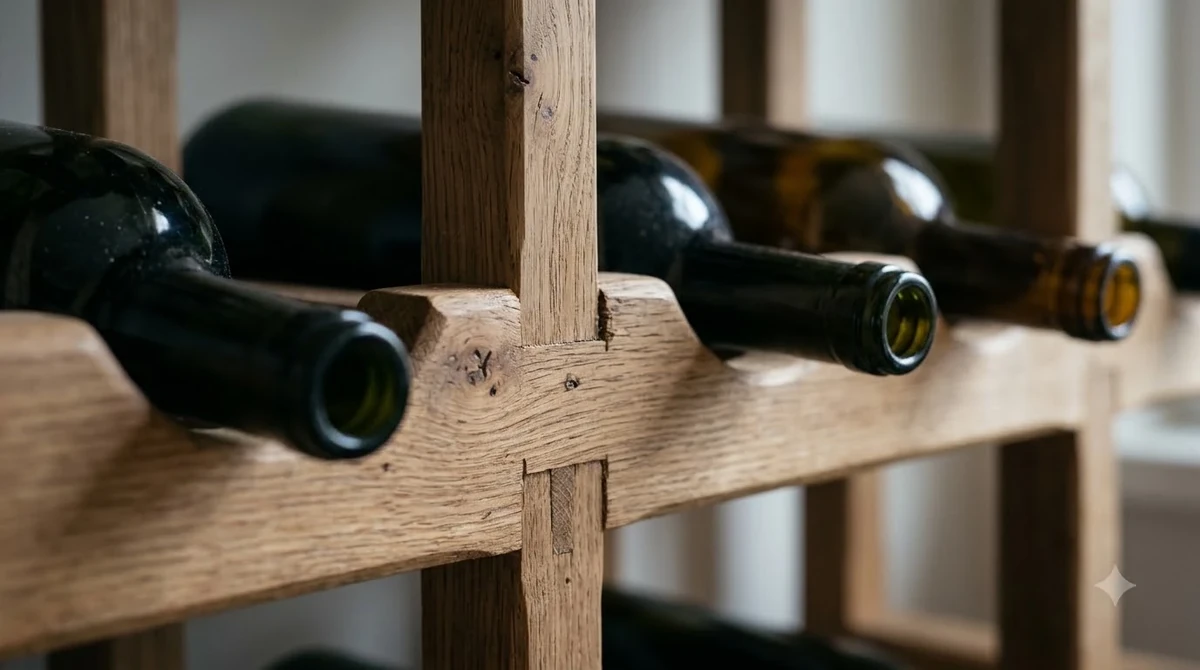
Why it stands out: Wine cubes stack bottles so that almost any bottle type can be stored, and they fit a large number of bottles into a small footprint. They suit both short-term and longer-term storage and can be arranged to fit an awkward wall.
Keep in mind: A full wall of cubes takes more space than a single rack and needs careful planning around light and temperature. Bottles stored for long periods should be kept in a cool, dark place, so a wall in a bright room may not be ideal.
Best for: collectors who want to store more bottles without a separate cabinet.
Best for Rentals and Temporary Setups
Renters often cannot drill large holes, so the mounting method matters as much as the rack itself. A lightweight rack with a secure fixing system keeps the wall intact and allows easy removal.
Why it stands out: A lighter metal or wood rack holds a small number of bottles and can often be fixed with a fitting that suits the wall type. It is easy to move when you change homes or rearrange the room.
Keep in mind: Check the wall type before you buy. Plasterboard and masonry need different fixings, and the rack should be tested with a bottle in place before you add more.
Best for: renters and anyone who wants a rack that can come down cleanly later.
How to Choose
The right wall rack comes from four decisions: how many bottles you need to hold, whether the rack is for display or storage, what material suits the room, and how the wall can take the load. The checklist below helps you narrow the list.
- Capacity: Count the bottles you plan to hold, then choose a rack built for that number. Wall racks are often sized for one or a few bottles.
- Purpose: Decide whether you want a display piece or a storage system, since that determines whether a simple rack or a modular cube setup is the better fit.
- Bottle shape: Standard 750 ml bottles fit most racks. Check any larger or irregular bottles before you buy.
- Wall and fixings: Confirm the wall material and use fixings rated for the load, especially with heavy metal or wrought iron.
For more ways to keep bottles organized at home, see the wine bottle holder options and the guide to wine bottle labels if you want to identify bottles on display. The full range of home wine accessories is in the Accessories Library.
Frequently Asked Questions
Is a wall-mounted wine rack good for long-term storage?
Usually not. Most wall-mounted racks are decorative and hold one or a few bottles. For long-term storage, a modular cube system or a dedicated cabinet keeps more bottles in a cooler, darker setting.
What material is best for a wall wine rack?
Wood is the most popular choice and suits most rooms. Stainless steel works well in kitchens because it resists stains and is easy to clean. Choose by look and by how you will clean and use the rack.
Can a wall rack hold a large or unusual bottle?
Only if the rack is built for it. Racks are generally designed for standard 750 ml bottles, and larger or differently shaped bottles need stronger racks that account for their weight.
How do I mount a wine rack on a wall safely?
Identify your wall type first, then use fixings rated for the rack’s weight with a full bottle in place. Test the rack before adding more bottles, and recheck the mounting after a few weeks of use.
A wall rack can make your favorite bottles part of the room, and the right choice depends on how many bottles you hold and whether you want to display or store them. Start with capacity and wall type, then pick the material that suits your space. Browse the Accessories Library to compare related options before you decide.
More in Wine Accessories
 Coravin Vs Vacu Vin: Choose the Right Wine Saver for Your BottlesUpdated Nov 21, 2026
 Zwilling Wine Stopper Review: Preserve Open Bottles LongerUpdated Nov 21, 2026
 Wine Enthusiast Wine Preserver Review: Features, Benefits and LimitationsUpdated Nov 21, 2026
 Wine Enthusiast Wine Stopper: An Easier Way to Reseal Open BottlesUpdated Nov 21, 2026
 Vintorio Wine Opener: Two-Step Cork RemovalUpdated Nov 21, 2026
 Zwilling Wine Aerator Review: Aerate, Pour, and Seal With One ToolUpdated Nov 21, 2026