

We may earn a commission when you buy through links on this page, at no extra cost to you. Learn more.
The best wine bottle vase depends on whether you want it for flowers, for décor, or as a conversation piece. A narrow glass vase suits everyday stems, a ceramic piece shaped like a bottle gives a finished look without any repurposing, and a vase cut from a real wine bottle adds a handmade feel. Size matters too, since a standard 750 ml bottle and a magnum at 1.5 liters suggest very different proportions for a display.
A wine bottle vase can be a purchased decorative piece, a bottle-shaped vessel, or an upcycled wine bottle that has been cut and finished for holding flowers or dried stems. This guide compares the main styles, explains how bottle sizes affect the look, and shows which option fits a dining table, a shelf, or a gift for a wine lover.
Quick Comparison of Wine Bottle Vase Styles
Wine bottle vases come in a few broad forms. The table compares them by material, how they hold flowers, and where they look best. These are general differences, so check the height and opening of any specific vase before you buy.
| Vase style | Common material | Holds flowers | Best placed in |
|---|---|---|---|
| Narrow glass bud vase | Clear or tinted glass | Short stems | Shelves, windowsills |
| Bottle-shaped décor vase | Ceramic or glass | Small to medium bouquets | Dining tables, entryways |
| Upcycled wine bottle | Cut or sanded glass bottle | Single stems or dried flowers | Kitchens, casual rooms |
| Large centerpiece vessel | Glass or ceramic | Full arrangements | Dining tables, events |
Scale is easy to get wrong. The standard wine bottle is 750 ml, the industry’s standard sales unit, and most vases shaped like one are close to that proportion. Larger formats, such as the 1.5 liter magnum, are common reference points for taller centerpieces, so a vase that looks like a magnum will carry more visual weight on a table.
Best for Everyday Flowers and Small Bouquets
A narrow glass vase works well for everyday stems. Its slim neck holds a few flowers upright, and the clear glass lets the stems show through, which suits a windowsill or a bookshelf.
The main advantage is simplicity. A bud-style vase takes up little space, is easy to clean, and works with almost any color of flower. It is the most practical option for someone who changes the arrangement often.
The trade-off is height. A narrow vase limits how tall the stems can be and how full the bouquet can get, so it works best for short arrangements or a single flower in a bottle-style vessel.
Best for Bottle-Shaped Décor on a Dining Table
Ceramic and glass vases shaped like a wine bottle are designed for display rather than repurposing. They read as wine-themed décor and can sit beside a bowl or candle without looking out of place on a dining table.
This style suits a room where the vase is meant to stay on show. Because the form is intentional, the piece usually has a finish, color, or shape that matches the room, and it can serve as a complement to a wine rack or bar setup.
Check the opening before you buy. A shaped vase may have a narrow neck that limits the bouquet, so a décor piece can be better suited to a few stems than to a full arrangement.
Best for Upcycled Bottles and a Handmade Look
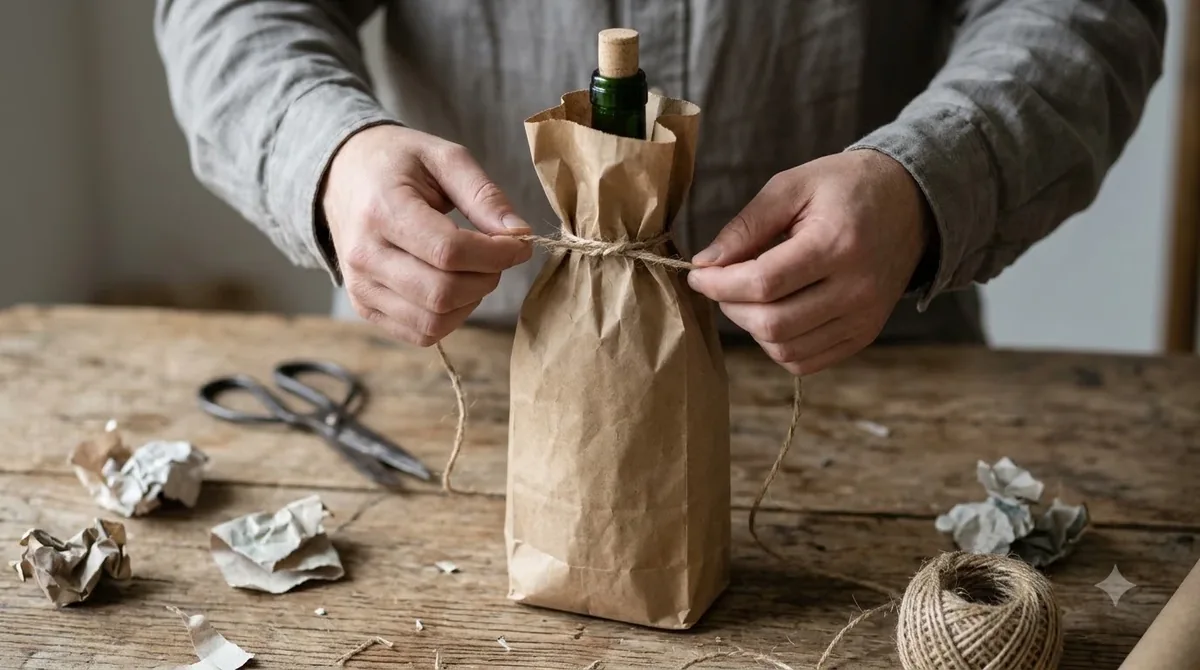
Some people cut or sand an empty wine bottle and use it as a vase. The result has a handmade feel, and it gives a use to bottles that would otherwise be recycled.
Upcycling is a good project for a casual room or a kitchen windowsill. The glass is the same as the bottle it came from, and the finished piece keeps the familiar wine bottle shape while holding flowers or dried stems.
The cut edge needs care, since a rough rim can cut hands or chip. Wine bottles are generally thick glass, which helps, but the work takes patience, and the finish is less uniform than a purchased vase.
Best for Centerpieces and Larger Arrangements
A larger vessel built to the scale of a magnum gives a table a strong focal point. It holds more stems than a standard bottle-shaped vase and suits holiday dinners, parties, and events where the arrangement needs to be seen from across the room.
The bigger size makes the arrangement easier to balance. Taller stems and a fuller bouquet hold their shape better in a wide base, and the vase reads as deliberate rather than decorative clutter.
Weight is the main drawback. Wine bottles are heavy because of their thick glass, and a large vessel can be awkward to move once filled with water and stems. Keep it on a sturdy surface and fill it before placing it on the table.
Best for Wine Lovers Who Want a Thoughtful Gift
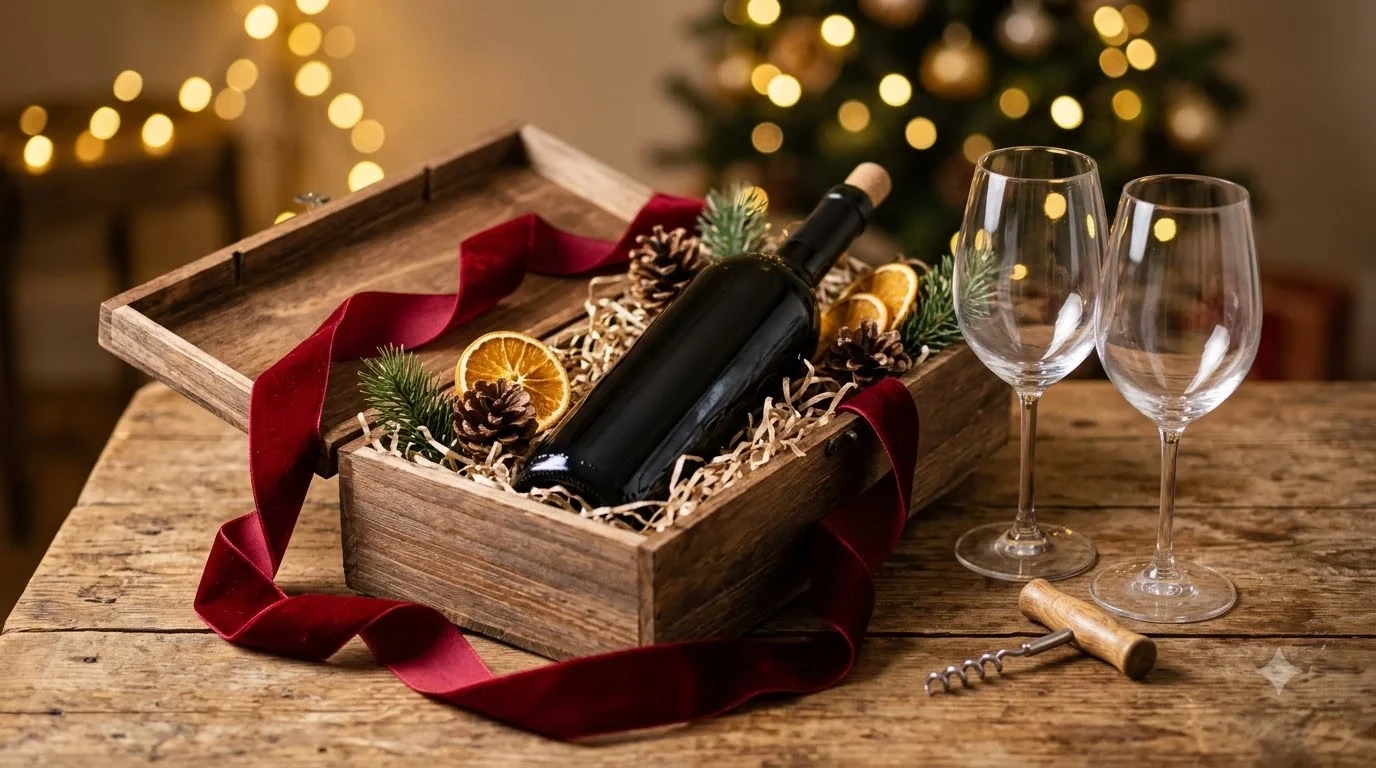
A wine bottle vase makes a gift that fits a wine lover’s home without needing to be drinkable. It works for a housewarming, a birthday, or a holiday, and it pairs well with a bottle of the recipient’s favorite wine.
The gift works because it is useful and decorative at once. A recipient who already has a wine rack or bar cart can use the vase as an accent, and it gives them a reason to display flowers in a wine-themed piece.
Keep in mind the recipient’s space. A large centerpiece vessel is a poor gift for a small apartment, so a compact bud-style or bottle-shaped piece is usually the safer choice when you do not know the room.
How to Choose the Right Wine Bottle Vase
Choose a vase by matching its size and opening to the flowers you plan to use, then by the room where it will sit. Start with the stems first, because a vase that is too narrow or too short will limit every arrangement you make with it.
Look at the material next. Glass shows stems clearly and works in bright rooms, ceramic suits a warmer and more traditional setting, and an upcycled bottle fits a casual or handmade style. A bottle-shaped piece reads as wine-themed, which may or may not suit the room.
Think about where the vase will be moved, too. A piece you carry from a kitchen to a dining table should be light enough to lift with one hand when it is full, while a centerpiece can stay in one spot all season. Check the base as well, because a narrow foot can tip over with a tall arrangement, and a wider base gives more stability for heavier vessels and larger stems.
Finally, decide how much maintenance you want. Clear glass shows water marks and needs regular cleaning, while a tinted or ceramic vase hides residue and is easier to live with in a busy kitchen.
Tip: A standard bottle holds about five glasses at a typical pour, so if you are comparing a vase to a bottle for a dinner party, the how many glasses in a bottle of wine guide gives the numbers.
Frequently Asked Questions
Can you use a wine bottle as a vase?
Yes. An empty wine bottle can hold water and stems, and some people cut and sand the bottle to make a finished vase. Wine bottles are usually thick glass, so they hold up well. Cut edges need care, and a bottle that has not been finished can have a sharp rim.
What size vase suits a wine bottle display?
A standard 750 ml bottle shape suits short stems and a single flower. A vase at the scale of a 1.5 liter magnum works for a fuller arrangement on a dining table. Choose the size based on the height of the stems and the space you have.
Are wine bottle vases heavy?
They can be. Wine bottles are made of thick glass, and an empty standard bottle weighs roughly 500 grams. A large vessel becomes heavier once filled with water, so set it down on a stable surface before you add the stems.
What is the easiest way to clean a glass wine bottle vase?
Rinse it after each change of flowers and use a long brush or a little rice and water to reach the base. Clear glass shows water marks, so dry the rim well. Narrow openings are easier to clean with a bottle brush than with a cloth.
A good wine bottle vase fits the stems you plan to use, suits the room, and matches how much care you want to give it. Start with the flowers and the table, then choose the material that fits. For more accessory ideas for wine lovers, browse the Accessories Library.
More in Wine Accessories
 Coravin Vs Vacu Vin: Choose the Right Wine Saver for Your BottlesUpdated Nov 21, 2026
 Zwilling Wine Stopper Review: Preserve Open Bottles LongerUpdated Nov 21, 2026
 Wine Enthusiast Wine Preserver Review: Features, Benefits and LimitationsUpdated Nov 21, 2026
 Wine Enthusiast Wine Stopper: An Easier Way to Reseal Open BottlesUpdated Nov 21, 2026
 Vintorio Wine Opener: Two-Step Cork RemovalUpdated Nov 21, 2026
 Zwilling Wine Aerator Review: Aerate, Pour, and Seal With One ToolUpdated Nov 21, 2026