

We may earn a commission when you buy through links on this page, at no extra cost to you. Learn more.
This trapiche wine review finds that Trapiche is a strong choice for shoppers looking for approachable Argentine wines, particularly fruit-forward Mendoza Malbec with flexible food-pairing potential. Its range includes accessible, medium-bodied reds as well as more structured wines with extended oak aging. The right bottle depends on whether you prefer fresh fruit, noticeable oak, firmer tannins or a more concentrated expression of Malbec.
Trapiche is one of the recognizable names in Argentine wine, with a history dating to 1883 and a broad portfolio associated with Mendoza. Its Malbec wines are particularly useful starting points for understanding the producer’s style, but the label covers more than one expression of the grape. Some bottles emphasize uncomplicated fruit and everyday versatility, while others introduce greater structure, vineyard character and oak influence. This guide explains what to compare, how to choose a suitable bottle, and how to serve it with confidence.
Who This Is For: Trapiche Wine Buyers and Malbec Beginners
Trapiche is worth considering if you want Argentine wine with recognizable fruit flavors, approachable structure and several styles to choose from. It is particularly relevant to shoppers exploring Malbec for the first time, although its more developed wines can also interest drinkers who prefer greater complexity.
The winery was founded in 1883 in Mendoza, Argentina. According to Visit Argentina’s Bodega Trapiche profile, its vineyards cover more than 1,000 hectares across different terroirs. That breadth helps explain why the producer offers wines with different personalities rather than relying on one uniform house style. Mendoza is especially important for Malbec, and Wine Enthusiast notes that the region accounts for approximately 80% of Argentina’s wine production.
For a beginner, a straightforward Trapiche Malbec is a sensible introduction to the grape’s characteristic plum and dark-berry flavors. A drinker who already enjoys Argentine reds may prefer comparing an oak-influenced expression with a more structured selection. The differences matter because alcohol, acidity, tannin and barrel aging can change how a wine feels even when Malbec remains the principal grape.
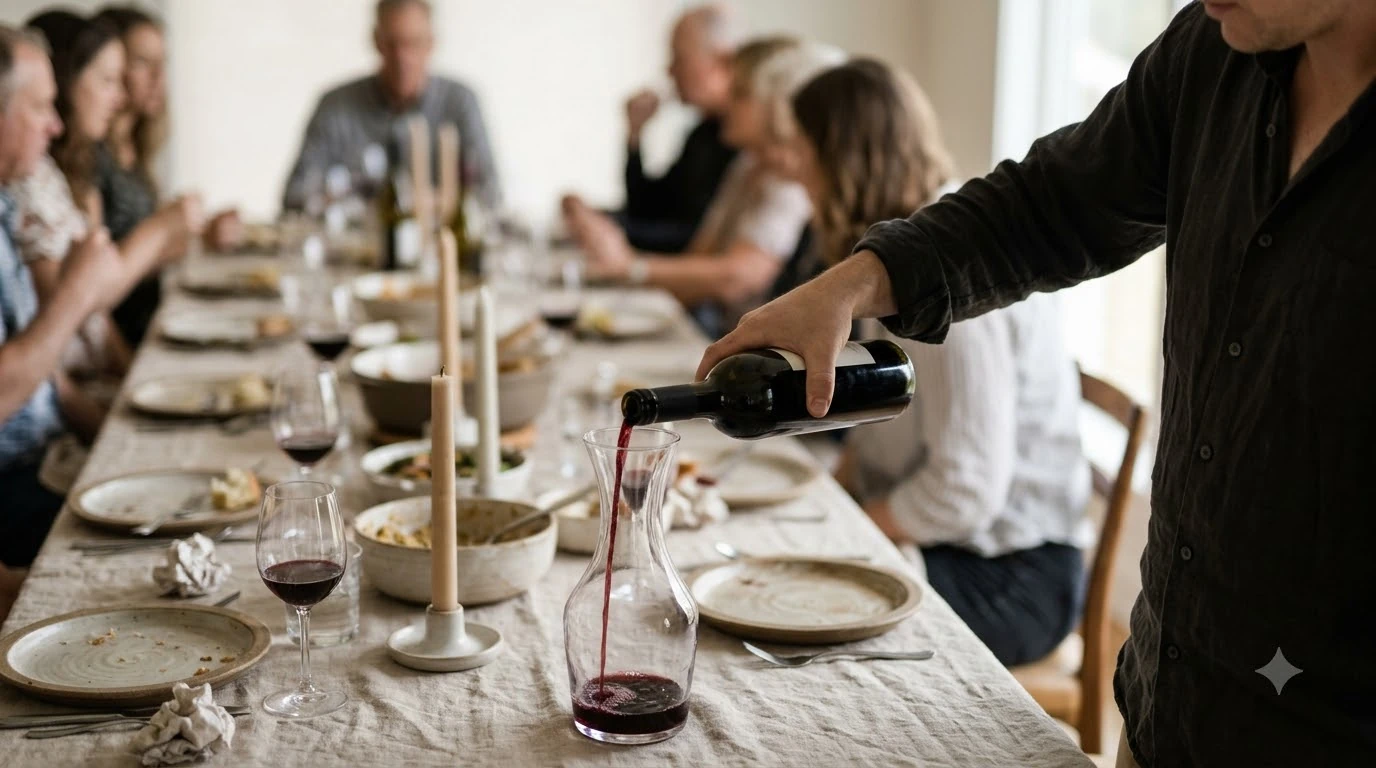
Trapiche is also suitable for people who want a bottle for an informal dinner rather than a special occasion. A fruit-forward Malbec can work with burgers, grilled meat, pizza and tomato-based pasta. More structured examples are better suited to substantial meals such as grilled steak, braised beef and hard cheeses.
There are some situations in which another wine style may be preferable. If you mainly enjoy crisp, light-bodied whites, aromatic Riesling or sparkling wine, a full-bodied Malbec may feel too substantial. Similarly, someone who dislikes oak flavors should pay attention to the particular bottling instead of assuming every Trapiche red has the same vanilla or toasted character.
Shoppers interested in the broader category can also explore our Wine Brands coverage to compare producers and understand how winery portfolios differ. For a more focused starting point, the Trapiche Malbec selection provides a useful reference for the producer’s signature grape.
Key Factors to Compare Before Buying Trapiche
The most useful buying criteria are grape variety, fruit profile, oak treatment, alcohol level and intended food pairing. Comparing these details is more reliable than choosing a bottle simply because it carries a familiar winery name.
| Factor | What to Look For | Why It Matters |
|---|---|---|
| Grape variety | Malbec, Cabernet Sauvignon, Chardonnay | Determines the general flavor and structure |
| Body | Light, medium or full | Helps match the wine to food and personal preference |
| Tannin | Soft, moderate or firm | Affects dryness and the texture of the finish |
| Alcohol | Compare the stated ABV; reviewed Malbec examples include 13.5% and 14.5% | Provides context for perceived warmth and weight |
| Oak influence | Unoaked, subtle oak or extended barrel aging | Changes the balance between fruit and savory flavors |
| Serving temperature | Approximately 60–65°F for full-bodied reds | Helps preserve freshness and balance |
| Food pairing | Grilled meat, burgers, pasta or cheese | Connects the wine’s structure with the meal |
Grape variety is the first decision. Malbec is the obvious place to begin because it is strongly associated with Mendoza and commonly displays plum, blackberry and other dark-fruit characteristics. Cabernet Sauvignon generally brings firmer tannins and a more structured impression. Chardonnay offers a different experience altogether, with a white-wine profile rather than the dark-fruit character associated with Trapiche’s reds.
Alcohol and tannin should be considered together. VinePair’s review of Trapiche Oak Cask Malbec 2021 identifies 13.5% alcohol and a medium-bodied profile, while Wine Enthusiast lists 14.5% for its reviewed 2023 Medalla Malbec. Those figures illustrate why different bottles from one producer should not automatically be treated as interchangeable. Higher alcohol can contribute to a warmer sensation, while tannin influences the drying texture on the palate.
Oak treatment is another important distinction. Some wines emphasize fresh fruit, while others develop additional notes associated with barrel maturation, including vanilla, cocoa, toast and spice. If you enjoy a more traditional, oak-influenced red, a bottle with documented barrel aging may suit you. If fruit clarity is more important, look for a less oak-driven expression.
Finally, consider the occasion. A medium-bodied Malbec can be a practical choice for a casual dinner with several dishes. A more concentrated, structured bottle is better suited to a meal where the wine can receive more attention. Neither style is automatically superior; the better choice is the one that fits your food and preferences.
Step-by-Step: How to Choose the Right Trapiche Bottle
A simple selection process makes the portfolio easier to understand. Start with the grape, decide how much oak you enjoy, then match the wine’s weight to your meal and serving plans.
-
Start with Malbec if you are unfamiliar with the producer.
Malbec provides a recognizable introduction to Mendoza wine. Look for descriptions featuring plum, cherry, blackberry and violet-like fruit characteristics. These flavors offer a useful starting point without requiring extensive knowledge of Argentine wine regions.
-
Decide whether you prefer fresh fruit or oak character.
If you prefer a straightforward red, choose an expression that emphasizes fruit and restrained barrel influence. If vanilla, cocoa, toasted notes and additional texture appeal to you, compare wines with more substantial oak maturation.
-
Choose your preferred body and tannin level.
A medium-bodied red is generally easier to pair with different dishes than a heavily structured wine. If you regularly eat grilled steak, lamb or rich meat dishes, firmer tannins may be welcome. For pizza or burgers, a fruit-forward medium-bodied option is often more flexible.
-
Compare alcohol levels.
Look at the ABV rather than assuming every Malbec from the same producer has identical strength. The reviewed Oak Cask 2021 example has 13.5% alcohol, while the reviewed Medalla 2023 example has 14.5%. A difference of one percentage point can contribute to a noticeably different impression of warmth and weight.
-
Think about the food before selecting the bottle.
For burgers, pizza and grilled chicken, consider a medium-bodied, fruit-forward red. For grilled beef, slow-cooked meat and aged cheese, a more structured Malbec can provide a better match. Avoid pairing strongly tannic red wine with delicate oily fish when a lighter alternative would work better.
-
Plan the serving temperature.
Light reds generally benefit from 55–60°F, while fuller-bodied reds are usually better at 60–65°F. Serving a full-bodied Malbec too warm can make its alcohol feel more prominent, while excessive chilling can suppress its aromas.
-
Consider how quickly you will finish the bottle.
A standard 750 ml bottle provides approximately five 5-ounce glasses. If you are serving a small group, plan the number of bottles around the number of guests and the rest of the meal rather than opening more wine than necessary.
Tip: If you are uncertain which Trapiche red to choose, begin with a fruit-forward Malbec and serve it at approximately 60–65°F. This gives you a useful reference point before exploring more heavily oaked or structured bottles.
This process also helps avoid confusing a wine’s prestige with its suitability. A more elaborate bottling may have greater concentration or longer aging, but those characteristics do not guarantee that you will enjoy it more. Personal preference remains the deciding factor.
Trapiche Wine Types and Styles Explained
Trapiche’s portfolio includes different grapes, regional expressions and winemaking approaches. Understanding the broad differences makes it easier to select a bottle with the right flavor intensity and structure.
Malbec: The Natural Starting Point
Malbec is the most useful variety to explore first. Its typical profile includes dark plum, blackberry, cherry and sometimes violet-like floral notes. Mendoza examples often combine ripe fruit with enough acidity to keep the wine from feeling excessively heavy. Tannin can range from approachable to firm, depending on the wine’s style and production choices.
Trapiche’s Oak Cask Malbec is one example of a fruit-forward style with additional barrel character. VinePair’s review of the 2021 bottling describes plum, blueberry and blackberry, complemented by vanilla and cocoa from nine months of oak-barrel aging. It identifies the wine as medium-bodied, with 13.5% alcohol and a noticeable but approachable tannic structure.
That combination makes the style useful for casual meals. Burgers, pizza, grilled chicken and mushroom burgers are all reasonable pairing possibilities. For more detailed grape characteristics and flavor expectations, see our Trapiche Malbec tasting notes.
Medalla Malbec: Greater Oak Influence
Medalla Malbec represents a more developed expression. Trapiche identifies its origin as Luján de Cuyo and Maipú in Mendoza and describes a maturation process involving 18 months in new French oak barrels followed by six months of bottle aging.
The producer’s tasting description includes red berries, plums, cherries and raisins, alongside toast, coconut and vanilla. These oak-related characteristics give the wine a different emphasis from a simpler fruit-driven Malbec. Its suggested serving temperature is 16–18°C, approximately 61–65°F, and Trapiche states an aging potential of 10 years for this bottling.
Wine Enthusiast’s review of the 2023 Medalla Malbec also highlights crushed berries, blood orange, wild berries and peppercorn, with lively acidity and approachable tannins. This description shows that oak influence does not necessarily eliminate freshness or fruit character.
Cabernet Sauvignon: A Firmer Red-Wine Alternative
Cabernet Sauvignon is worth considering if you prefer a red with more noticeable tannic structure. Compared with Malbec, Cabernet Sauvignon generally has high tannin and can show darker fruit, herbal notes and a firmer finish. Its structure can work particularly well with grilled beef and dishes containing substantial fat.
Food pairing is especially important with this variety. Salt and fat can soften the perception of tannin, making a structured Cabernet more comfortable alongside a rich meal. However, chili heat can become more pronounced when combined with higher alcohol and tannin, so heavily spiced dishes may be less successful matches.
Other Varieties and Blends
Trapiche also produces wines beyond its familiar Malbec offerings. Chardonnay provides a white-wine alternative, while other grapes and blends can offer different levels of acidity, body and aromatic character. The winery’s broader portfolio includes varieties such as Cabernet Franc, Pinot Noir, Syrah and additional white grapes.
These wines should be approached according to their individual characteristics rather than treated as extensions of Malbec. Pinot Noir, for example, typically has lower to medium tannin and higher acidity than Cabernet Sauvignon. Chardonnay generally has medium acidity, while Sauvignon Blanc is known for higher acidity. Those differences influence how the wines interact with food.
For anyone building familiarity with the producer, comparing two different Malbec styles first is often more informative than buying several unrelated bottles. It reveals how oak, fruit concentration and vineyard selection can affect the character of wine made from the same grape.
Common Mistakes When Buying and Serving Trapiche
Most disappointing wine purchases result from mismatched expectations rather than an inherently unsuitable bottle. Understanding sweetness, tannin, oak and serving temperature helps prevent the most common problems.
The first mistake is assuming that fruit-forward means sweet. Many Argentine Malbecs smell and taste strongly of ripe plum, blackberry and cherry while remaining dry wines. Fruitiness describes aromatic and flavor impressions, not necessarily residual sugar. A drinker who expects a sweet red may find a dry Malbec quite different from what the aromas initially suggest.
Another mistake is assuming every bottle labeled Trapiche Malbec tastes alike. Oak Cask and Medalla illustrate how barrel maturation and production choices can create different experiences. The Oak Cask 2021 review describes nine months of oak aging, while Trapiche specifies 18 months in new French oak for Medalla Malbec, followed by six months in bottle. Those are meaningful differences in the intended style.
Some buyers also overlook tannin. A wine can taste fruity but still leave a drying sensation across the gums and cheeks. Malbec typically has moderate tannin, although individual examples can feel firmer. Cabernet Sauvignon generally has higher tannin, while Merlot tends to be softer and Pinot Noir usually has lower to medium tannin.
Food mismatches create another avoidable problem. A heavily tannic red can overwhelm delicate fish, particularly oily fish, while chili heat may seem stronger alongside high-alcohol wine. Acidic dishes also need wines with equal or higher acidity. A tomato-based pasta dish, for instance, is often easier to pair with a lively red than with a flat, low-acid wine.
Finally, avoid serving red wine automatically at warm room temperature. Modern indoor temperatures can be considerably warmer than ideal cellar conditions. A full-bodied Trapiche Malbec generally benefits from a serving temperature around 60–65°F rather than a warm glass that emphasizes alcohol and reduces freshness.
Another frequent error is opening a bottle long before it is needed without considering its style. Young, full-bodied reds can benefit from 30–60 minutes of decanting, but lighter, more delicate wines may not require the same treatment. Start with a modest amount of aeration and adjust according to the wine’s aroma and structure.
Care, Serving and Storage Tips for Trapiche Wines
Good storage and sensible serving practices help preserve the wine’s intended balance. Temperature, light exposure, bottle position and the time between opening and drinking all influence the experience.
Serve Red Wines at the Right Temperature
For fuller-bodied reds, aim for 60–65°F. Lighter red styles are generally better around 55–60°F. Trapiche recommends 16–18°C for its Medalla Malbec, which is approximately 61–65°F. That range is a useful reference for a structured Mendoza red.
If the bottle has been stored in a warm room, a short period of refrigeration can help bring it closer to the desired temperature. Avoid serving a full-bodied red extremely cold because low temperatures can make tannin feel more prominent and suppress aromatic development.
Decant When the Wine Benefits From Air
Young, full-bodied reds may benefit from 30–60 minutes of decanting before serving. This can help release aromas and soften the initial impression of a tightly structured wine. For a more approachable medium-bodied Malbec, decanting is optional rather than essential.
Pour slowly and observe how the wine changes in the glass. If its aromas become more expressive after several minutes, additional aeration may be useful. There is no need to follow an identical decanting schedule for every Trapiche bottle.
Store Unopened Bottles Properly
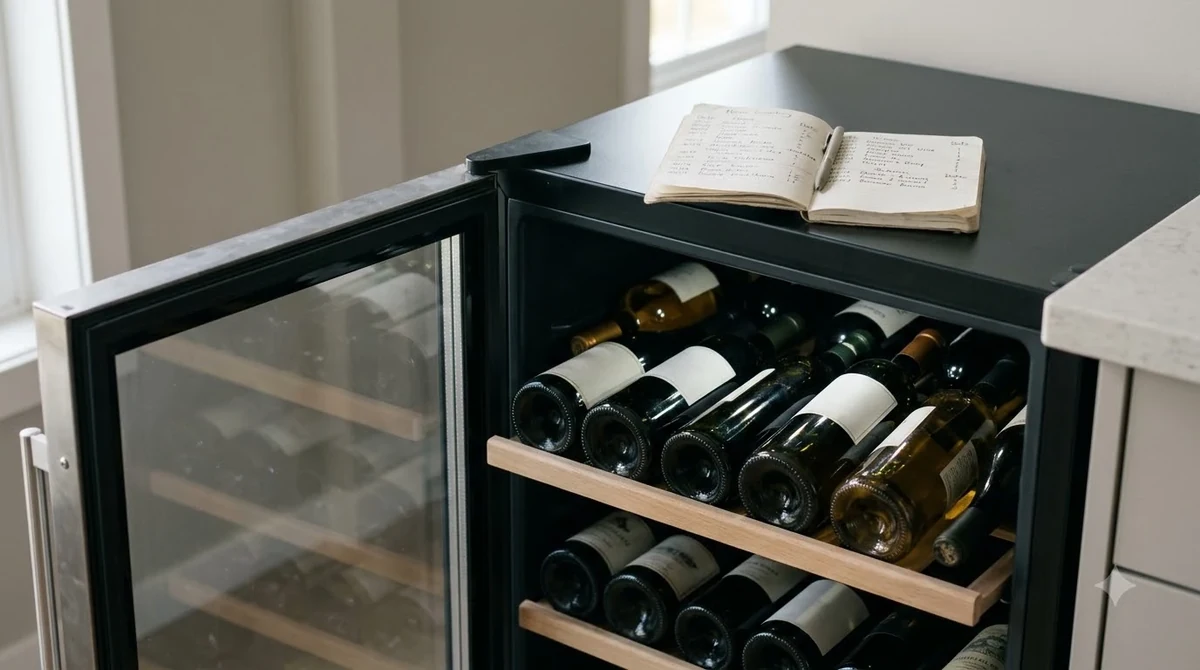
For longer storage, keep bottles in a cool, dark location near 55°F, with minimal temperature fluctuation. Bottles sealed with traditional corks should generally be stored on their sides to help maintain contact between the cork and wine. Avoid direct sunlight, strong vibration and locations near ovens or heating equipment.
Consistent conditions are more important than repeatedly moving bottles between different environments. If you are keeping a more structured Malbec for a special meal, a stable cellar-like location is preferable to a kitchen shelf that experiences frequent temperature changes.
Preserve Opened Bottles
After opening, reseal the bottle and place it in the refrigerator, including red wine. Refrigeration slows the oxidation process and helps preserve freshness. As general guidelines, opened still wines usually remain enjoyable for approximately three to five days, although individual bottles can vary.
Allow refrigerated red wine to warm slightly before serving again. This is particularly useful for full-bodied Malbec, which can lose some aromatic expression if poured directly from a cold refrigerator.
A standard 750 ml bottle contains approximately five 5-ounce servings. Planning around that quantity helps reduce waste and makes it easier to decide whether to open another bottle. For a smaller gathering, resealing and refrigerating the remaining wine is generally more practical than leaving it exposed overnight.
Frequently Asked Questions
Is Trapiche wine considered a premium Argentine wine producer?
Trapiche has received recognition beyond its domestic market, including New World Winery of the Year recognition from the Wine Enthusiast Wine Star Awards, according to Visit Argentina. Its portfolio includes both accessible wines and more specialized vineyard expressions, so the producer should not be associated with only one quality tier.
Is Trapiche Malbec suitable for vegetarian meals?
Yes. A fruit-forward Malbec can work with grilled portobello mushrooms, roasted eggplant and dishes containing lentils or mushrooms. VinePair specifically identifies portobello mushroom burgers as a pairing for its reviewed Oak Cask Malbec.
Does Trapiche produce wines outside Mendoza?
Trapiche’s portfolio includes wines associated with several Argentine growing areas and different vineyard environments. Its broader range includes examples associated with Chapadmalal in Buenos Aires and San Patricio del Chañar in Neuquén, demonstrating that the producer is not limited to Mendoza expressions.
Can Trapiche Malbec be aged rather than consumed immediately?
Some bottlings have greater aging potential than everyday fruit-focused wines. Trapiche states a 10-year aging potential for Medalla Malbec, but that guidance should not automatically be applied to every bottle in the portfolio. Proper temperature, darkness and humidity control are important for wines intended for longer storage.
What is the difference between Mendoza Malbec and French Malbec?
Malbec is historically associated with southwestern France, particularly Cahors, as well as its modern success in Argentina. Mendoza examples commonly emphasize ripe plum and dark berries, while Cahors wines often show a more structured profile with firmer tannins and savory characteristics. Climate, vineyard conditions and winemaking choices all contribute to these differences.
Trapiche is a worthwhile producer to explore if you enjoy Argentine wine, especially Malbec with dark-fruit flavors and flexible food-pairing options. Start with a straightforward expression if you prefer freshness and accessibility, or consider Medalla if you enjoy more noticeable oak, structure and aging potential. Comparing the styles rather than relying on the producer name alone is the most useful way to find the right Trapiche bottle for your preferences.
More in Wine Brands
 Underwood Wine Price: Compare Bottles, Cans, and Pack SizesUpdated Nov 21, 2026
 Zenato Wine Price: Compare Styles and Choose the Right BottleUpdated Nov 21, 2026
 Zuccardi Wine Price: Compare Bottles and Find the Right RangeUpdated Nov 21, 2026
 Yellow Tail Moscato Review: Taste, Sweetness and Serving TipsUpdated Nov 21, 2026
 Wolf Blass Yellow Label Review: Choose Your Best StyleUpdated Nov 21, 2026
 Wolffer Estate Rose Review: Choose the Right Bottle for Your TableUpdated Nov 21, 2026