

We may earn a commission when you buy through links on this page, at no extra cost to you. Learn more.
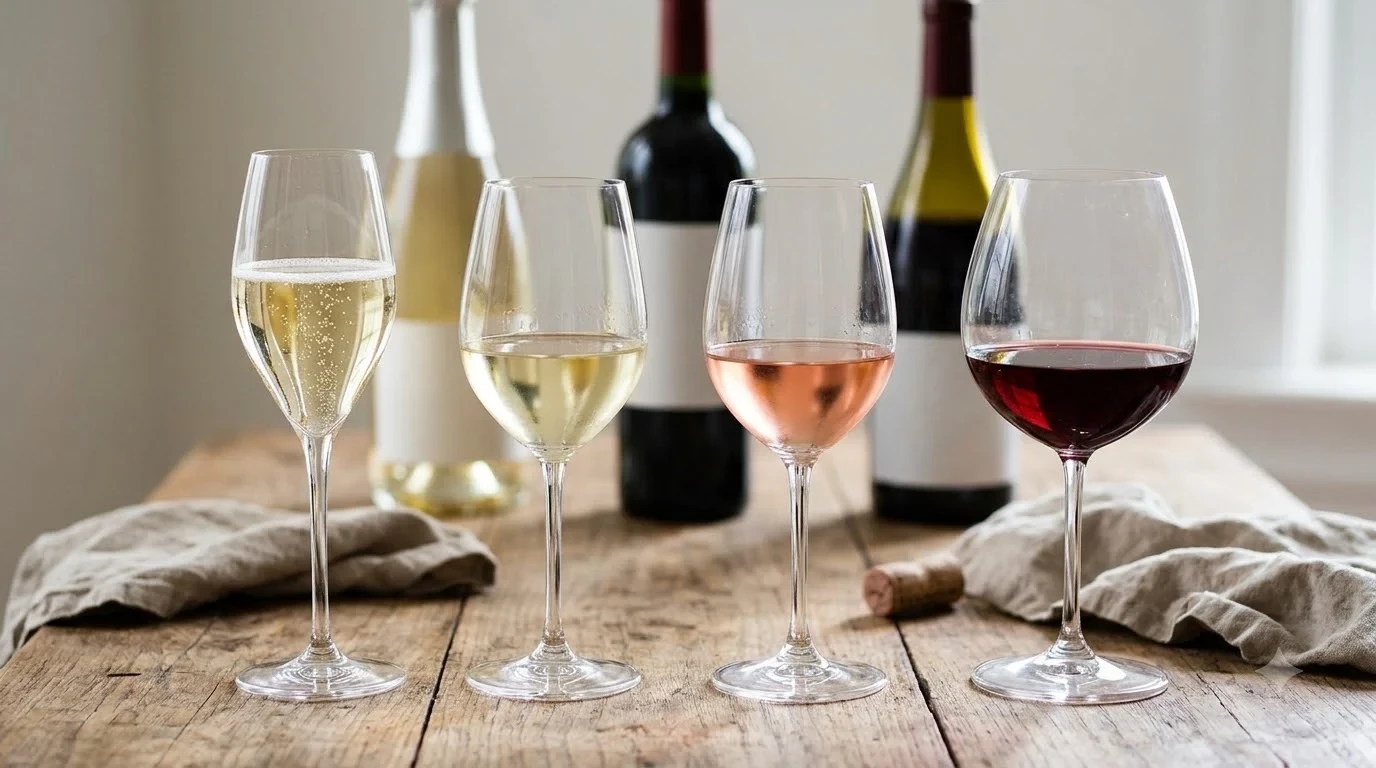
The wolftrap wine review: The Wolftrap is a South African wine range from Boekenhoutskloof, offering Red, White, and Rosé styles with distinctive fruit-driven profiles and versatile food-pairing options. The Red is the most structured choice, built around Syrah and Mourvèdre, while the White emphasizes aromatic stone fruit and freshness. The Rosé offers a lighter alternative for casual meals and warm-weather occasions, making the range worth considering if you want approachable wines with recognizable South African character.
Choosing a wine from the same producer does not necessarily mean choosing the same drinking experience. The Wolftrap range demonstrates this particularly well: its three styles use different grape combinations and offer different levels of body, acidity, and fruit character. Understanding those differences makes it easier to select a bottle for dinner, a gathering, or an ordinary evening at home. This guide examines the producer, the available styles, the qualities that matter when comparing bottles, and practical ways to serve and enjoy them.
Who Should Consider The Wolftrap Wine Range?
The Wolftrap is worth considering for drinkers who enjoy South African wines and want a choice between a substantial red, an aromatic white, and a refreshing rosé. Its three distinct styles make the range more versatile than a producer offering only one type of wine. The important distinction is that each bottle should be evaluated according to its grape composition and intended drinking occasion.
The producer is the Wolftrap wine range from Boekenhoutskloof, a winery associated with Franschhoek in South Africa’s Western Cape. Its official portfolio identifies Red, White, and Rosé as separate expressions. The name itself comes from the winery’s story about discovering a wolf trap on the farm. The producer explains that the trap inspired a wine connected with the mysteries of the Cape wilderness, although there is no evidence that wolves actually inhabited the valley.
The range makes sense for several types of wine drinkers. Red-wine enthusiasts who enjoy dark fruit, pepper, spice, and savory characteristics will find the Syrah-led blend particularly interesting. White-wine drinkers who prefer peach, nectarine, citrus, and a combination of aromatic richness and freshness should consider the White. Those who want red-berry fruit without the weight of a full-bodied red can look toward the Rosé.
Food-oriented buyers also have a reason to consider the range. A substantial red can accompany grilled meat, lamb, and richly seasoned dishes, while a white can work with poultry, seafood, and vegetables. Rosé provides a flexible option for salads, light lunches, and dishes with fresh herbs. The key is matching the wine’s body and acidity with the intensity of the food rather than choosing solely by color.
However, The Wolftrap should not be treated as a single flavor profile. Someone who enjoys a full-bodied Syrah-based red may not automatically prefer an aromatic white. Similarly, a drinker looking for a delicate, low-alcohol wine should pay attention to the individual bottle’s alcohol level rather than assuming every expression in the range has the same strength.
For shoppers comparing accessible labels across different producers, our Wine Brands overview provides a broader starting point. The Wolftrap is especially interesting if your priority is exploring a recognizable South African producer rather than selecting a wine based only on a familiar international grape name.
Key Factors to Compare Before Choosing a Bottle
The most useful comparison points are grape composition, body, acidity, alcohol, and flavor intensity. These characteristics help distinguish the three Wolftrap styles and give buyers a practical way to decide which bottle belongs at their table.
| Comparison factor | Wolftrap Red 2023 | What to consider |
|---|---|---|
| Primary grapes | 79% Syrah | Look for dark fruit and spice |
| Secondary grapes | 20% Mourvèdre | Contributes savory depth and structure |
| Minor grape | 1% Viognier | Adds another aromatic dimension |
| Alcohol | 14.23% ABV | Consider serving temperature and food weight |
| Residual sugar | 3.03 g/l | Consistent with a dry red profile |
| Total acidity | 4.72 g/l | Helps balance ripe fruit characteristics |
| Origin designation | Western Cape | Identifies the South African wine origin |
These figures come from Boekenhoutskloof’s technical information for the 2023 Red. They should not be applied automatically to every Wolftrap bottle or vintage. The White and Rosé have their own grape compositions and analytical characteristics, and the blend can change between vintages.
Grape composition is the first factor to understand. Syrah provides the main red-wine identity, bringing dark fruit, pepper, and savory characteristics. Mourvèdre contributes additional depth and a more substantial flavor profile. Viognier, although present in a small proportion, is an aromatic white grape used in the blend. This combination creates a different impression from a straightforward Cabernet Sauvignon or Merlot.
Body is equally important. The Red is the logical choice for people who enjoy substantial wines with ripe fruit and noticeable tannin. A lighter white or rosé is generally easier to pair with delicate dishes. If your dinner includes grilled vegetables and seafood, a full-bodied red may dominate the food rather than complement it.
Acidity determines how fresh the wine feels, especially alongside food. A wine with enough acidity can balance richer ingredients and cut through some of the impression of fat. The 2023 Red’s technical figures provide useful context, but the overall tasting experience also depends on fruit ripeness, tannin, alcohol, and the particular vintage.
Alcohol deserves attention as well. At 14.23% ABV, the documented 2023 Red has a substantial alcohol level. That does not automatically make it harsh, but serving temperature matters. Excessive warmth can make alcoholic warmth more noticeable, while appropriate cooling helps preserve balance and definition.
Tip: Compare the grape blend and alcohol percentage before buying rather than assuming that every Wolftrap bottle tastes alike. For the Red, the 79% Syrah and 20% Mourvèdre combination is the clearest indication of its dark-fruited, savory style.
Step-by-Step: How to Choose The Wolftrap Wine
A straightforward selection process starts with the meal or occasion, then moves to wine style, flavor preferences, and serving requirements. Following these steps helps prevent a mismatch between the bottle and the food.
-
Decide whether you want red, white, or rosé.
Start with the overall experience you want. Choose Red for a fuller wine with darker fruit and more noticeable tannin. Select White for aromatic stone-fruit characteristics and a fresher profile. Choose Rosé for a lighter, fruit-focused option that can work across different meals.
-
Consider the main ingredients in your meal.
Grilled lamb, beef, and pepper-seasoned dishes are natural candidates for the Red. Chicken, seafood, and creamy vegetable dishes generally call for a white with sufficient acidity. Rosé works particularly well with tomato-based salads, grilled vegetables, and moderately spiced food.
-
Think about your preferred flavor intensity.
People who enjoy blueberries, black cherries, plum, pepper, and savory notes should lean toward the Red. Those who prefer peach, nectarine, citrus, and aromatic fruit should investigate the White. If fresh red berries and a lighter structure sound more appealing, Rosé is the more logical direction.
-
Compare the vintage-specific information.
Look for the grape percentages, alcohol content, residual sugar, and acidity of the actual vintage under consideration. For example, Boekenhoutskloof documents 79% Syrah, 20% Mourvèdre, and 1% Viognier in its 2023 Red. Earlier vintages can have slightly different proportions, so historical descriptions should be treated as comparisons rather than permanent specifications.
-
Match the bottle to your budget and availability.
Retail availability and vintage selection can vary between American states and individual stores. Compare the complete bottle information and the retailer’s product description before deciding. Do not assume that two bottles with the same front label necessarily contain an identical blend.
-
Plan the serving temperature.
For the Red, aim for approximately 60–65°F. Lighter whites and rosés are generally better around 45–50°F, although a fuller-bodied white can benefit from 50–55°F. Proper temperature helps preserve the balance between fruit, acidity, alcohol, and structure.
-
Choose an appropriate glass and serving size.
A standard wine glass with enough room to swirl is suitable for the Red. A 5-ounce pour is a useful serving reference, and a standard 750 ml bottle provides approximately five such glasses. Allow the wine a little time in the glass to release its aromas.
Following this process is particularly useful when purchasing online, where you cannot evaluate the bottle’s aroma and palate before ordering. A clear understanding of the style and grape blend is more reliable than selecting a wine solely because its label looks appealing.
The Wolftrap Red, White, and Rosé Styles Explained
The three Wolftrap expressions have different purposes, so the best choice depends on whether you prefer dark-fruited structure, aromatic white fruit, or fresh red-berry character. The producer’s official portfolio identifies all three styles, while the detailed 2023 Red technical information provides a particularly useful illustration of the range’s blending approach.
The Wolftrap Red
The Red is the most substantial option for drinkers who appreciate Rhône-inspired grape combinations. Its 2023 composition of 79% Syrah, 20% Mourvèdre, and 1% Viognier establishes a strong foundation of dark fruit, savory depth, and aromatic complexity.
Boekenhoutskloof describes aromas of red and dark fruit, violets, rose petals, and garrigue. On the palate, the winery identifies blueberries, dark plums, and black cherries, alongside hints of iodine and cured meat. Coriander spice, cloves, and plum sauce contribute to the lingering finish.
The result is a red that combines ripe fruit with savory elements rather than relying entirely on sweetness or oak-derived flavors. Its smooth midpalate and ripe tannins make it appropriate for substantial food. Think grilled lamb, beef, roasted mushrooms, and dishes featuring rosemary or black pepper.
Independent commentary also supports this general character. In his review of the 2021 vintage, Christian Eedes described a blend containing 80% Syrah, 19% Mourvèdre, and 1% Viognier, noting floral perfume, red and black berries, pepper, spice, bright acidity, and fine tannins. This is useful historical context, although the 2021 and 2023 blends are not identical. Read the WineMag review of The Wolftrap Red 2021 for an independent vintage-specific assessment.
The Wolftrap White
The White offers a different experience, emphasizing aromatic fruit and freshness instead of the Red’s dark-fruit and tannin profile. The winery’s official portfolio lists a separate White expression, and its historical technical information illustrates the type of blend used in this style.
A documented 2020 White contained 43% Viognier, 41% Chenin Blanc, and 16% Grenache Blanc. Boekenhoutskloof described peach, nectarine, yellow plum, ginger, yellow apple, melon, and citrus characteristics. Chenin Blanc contributed acidity, while Viognier provided aromatic richness and Grenache Blanc added another dimension of fruit.
This combination explains why an aromatic white blend can offer more texture than a simple, light-bodied summer wine. It can be suitable for roasted chicken, seafood, herb-seasoned vegetables, and dishes with moderate creaminess. The freshness is particularly useful when the food includes citrus, herbs, or other ingredients that might make a less acidic wine seem flat.
The 2020 blend is historical information, not a guarantee of the composition of every current release. Buyers should distinguish between the general style and the technical details of an individual vintage.
The Wolftrap Rosé
The Rosé is the most flexible choice for drinkers who want red-fruit character without the weight and tannin of a full-bodied red. Its documented historical blends illustrate a focus on Cinsault, Syrah, and Grenache Noir.
For example, Boekenhoutskloof documented a 2021 Rosé containing 63% Cinsault, 35% Syrah, and 2% Grenache Noir. Its winemaking description identifies the saignée method, in which a portion of juice is drawn from red grapes after skin contact and fermented separately to produce rosé.
The winery described red cherries, red currants, watermelon, pomegranate, and lime, alongside a clean finish with hints of spice. Cinsault contributed freshness and fruit, while Syrah added spice and Grenache Noir contributed red-berry character.
Rosé is particularly useful for lunches, outdoor meals, grilled chicken, seafood, and moderately spicy dishes. It can also work with tomato-based food because its acidity helps maintain freshness. For especially hot dishes, however, avoid assuming that a rosé will automatically neutralize chili heat; alcohol can make the burning sensation more noticeable.
For a broader comparison with another recognizable American-market label, our Barefoot wine coverage provides a useful reference point. The two ranges should be compared by their individual styles and grape compositions rather than by brand recognition alone.
Common Mistakes When Buying and Drinking The Wolftrap
The most common mistakes involve treating all three styles as interchangeable, confusing dry fruit flavors with sweetness, and serving the Red too warm. Understanding the differences between fruit character, sugar, tannin, and acidity leads to a much better experience.
The first mistake is assuming that a fruity wine must be sweet. The 2023 Red contains 3.03 g/l residual sugar, and its technical profile is consistent with a dry red. Ripe blueberries, dark plums, and black cherries can create a generous fruit impression without making a wine taste like a dessert wine.
Another mistake is ignoring the role of tannin. Syrah and Mourvèdre can contribute noticeable structure, particularly in a concentrated red blend. Someone accustomed to soft, low-tannin wines may perceive this structure as dryness or firmness. Pairing the Red with protein-rich foods and dishes containing some fat can soften the impression of tannin.
A third mistake is serving a full-bodied red at an excessively warm room temperature. The 2023 Red has 14.23% ABV, so unnecessary warmth can emphasize alcohol rather than fruit and spice. Aim for approximately 60–65°F instead of allowing the bottle to sit in a warm kitchen throughout dinner.
Buyers should also avoid applying old vintage descriptions to newer bottles without checking whether the blend has changed. The 2021 Red had 80% Syrah, while the 2023 Red had 79%. That difference is relatively small, but it demonstrates that technical details can vary even within the same named wine.
Another frequent error is choosing a powerful red for delicate seafood. Oily fish and strongly tannic red wines can be an awkward combination. A more aromatic white or a fresh rosé is often a better starting point, particularly for grilled fish, shrimp, or dishes featuring lemon and fresh herbs.
Finally, do not choose a wine simply because it has the same producer name as another bottle you enjoyed. A preference for The Wolftrap Red does not automatically mean you will enjoy its White or Rosé equally. Each style deserves its own consideration.
Serving, Food Pairing, and Storage Tips
Good serving conditions help preserve the fruit, freshness, and structure that distinguish the Wolftrap styles. Temperature, glassware, food selection, and storage all influence how the wine performs after opening.
Serving the Red
Serve the Red at approximately 60–65°F. This temperature range helps preserve the wine’s fruit and savory character while limiting the impression of alcohol. If the bottle has been stored in a warm room, a short period of refrigeration before serving can make a noticeable difference.
Young, full-bodied reds can benefit from 30–60 minutes of decanting. This gives the wine time to interact with air and can help make its aromas more expressive. Decanting is not compulsory, however. Pouring a small glass and allowing it to develop naturally can also provide a useful introduction to the wine.
Pairing the Red With Food
For the Red, consider grilled lamb, beef short ribs, roasted mushrooms, and pepper-seasoned steak. These foods have enough flavor intensity to stand alongside dark fruit, spice, and savory characteristics.
The SAQ’s product information specifically recommends marinated lamb brochettes with lemon and garlic and filet mignon with peppercorn sauce. These are practical examples of how a full-bodied South African red can complement grilled meat and seasoning. The SAQ Wolftrap product description also identifies the wine as dry and full-bodied, with a recommended serving temperature of 15–17°C.
Salt and fat can soften the perception of tannin, which is why a rich meat dish often works better than an extremely delicate preparation. Roasted vegetables with olive oil, herbs, and a little seasoning can also provide a satisfying vegetarian pairing.
Serving the White and Rosé
Light whites and rosés generally benefit from serving temperatures around 45–50°F. Fuller whites can be served slightly warmer, around 50–55°F, so their aromatic complexity and texture are not suppressed by excessive chilling.
For the White, consider roasted chicken, seafood pasta, grilled prawns, and vegetable dishes with lemon or fresh herbs. For the Rosé, try grilled chicken, salmon, Mediterranean salads, and moderately spiced Thai food. The key is to match the food’s acidity and intensity with the wine’s freshness and body.
Sweet dishes require special attention. A dessert should generally be no sweeter than the wine accompanying it. Otherwise, the wine may seem thin or sour. The Wolftrap range is better approached as a collection of dry table-wine styles rather than as a dedicated dessert-wine selection.
Storing Opened Bottles
Store unopened bottles in a cool, dark location with minimal temperature fluctuation. A storage temperature near 55°F is a useful target. Bottles with natural cork closures are generally stored horizontally to help maintain cork contact with the wine.
After opening, close the bottle securely and refrigerate it. Most opened still wines remain in reasonable drinking condition for approximately three to five days, although freshness and aroma gradually decline. Removing excess air with an appropriate wine-preservation system can help slow deterioration.
Before serving a refrigerated Red again, allow it to warm slightly toward its preferred serving temperature. The same principle applies to White and Rosé: refrigeration helps preserve freshness after opening, but excessively cold wine can conceal aroma and flavor.
Good storage is especially important if you intend to keep a bottle for a second meal. Rather than leaving it open on a counter overnight, use a suitable closure and return it to the refrigerator promptly.
Frequently Asked Questions
Is The Wolftrap wine vegan?
Boekenhoutskloof’s published 2023 Red bottle presentation includes a vegan certification mark. This supports the vegan status of that documented release, but it should not automatically be generalized to every wine and vintage in the range. Buyers following strict vegan requirements should verify the certification for the specific bottle they intend to purchase.
What does The Wolftrap name mean?
The name refers to a wolf trap discovered on the Boekenhoutskloof farm in the Franschhoek valley. The winery uses the story as an expression of the area’s historical wilderness and legends. It also explains that no evidence of actual wolves in the valley has been found.
Does The Wolftrap Red contain Viognier?
Yes. The documented 2023 Red contains 1% Viognier alongside 79% Syrah and 20% Mourvèdre. Viognier is a white grape variety that can contribute aromatic complexity to a red blend, even when used in a small proportion.
Is The Wolftrap made from organically certified grapes?
The technical information discussed here does not establish organic certification for the entire range. Minimal intervention in winemaking and organic certification are different concepts. Buyers who require certified organic wine should look for an explicit certification applicable to the individual bottle.
Can The Wolftrap Red be served without decanting?
Yes. Decanting is optional rather than a requirement. A young, full-bodied red may benefit from 30–60 minutes of aeration, but pouring it into a suitable glass and allowing it to develop for several minutes is also a reasonable approach.
The Wolftrap is a versatile South African wine range that offers three distinct directions: a structured Syrah-led Red, an aromatic White, and a refreshing Rosé. The Red is particularly interesting for drinkers who appreciate dark fruit, spice, and savory depth, while the other styles provide alternatives for lighter meals and different occasions. Compare the individual vintage specifications, choose according to your food and flavor preferences, and serve each bottle at an appropriate temperature to get the most from the range.
More in Wine Brands
 Trapiche Malbec Price: What a Bottle Typically CostsUpdated Nov 21, 2026
 Tignanello Wine Review: Understand Its Style, Quality, and Best UsesUpdated Nov 21, 2026
 Three Wishes Wine Price: Find Affordable Bottles and VarietiesUpdated Nov 21, 2026
 Trapiche Wine Review: How to Choose the Right BottleUpdated Nov 21, 2026
 Torres Wine Review: Find the Right Spanish Wine for Your TasteUpdated Nov 21, 2026
 Tommasi Amarone Review: Discover Its Rich Flavor and Food PairingsUpdated Nov 21, 2026