


We may earn a commission when you buy through links on this page, at no extra cost to you. Learn more.
The typical surely wine price ranges from about $18 to $25 for a 750 ml bottle or comparable sparkling format in the United States. Still wines generally sit toward the lower end of that range, while sparkling selections and canned multipacks tend to cost more. Surely is a non-alcoholic wine brand that starts with fermented California wine and removes the alcohol, making its price comparison different from that of ordinary supermarket wine.
Surely appeals to shoppers who want the flavor, presentation and social experience of wine without the alcohol content of conventional bottles. Its selection includes Sauvignon Blanc, White, Red Blend, Sparkling Brut and Sparkling Rosé, giving buyers several styles to consider. Understanding the price differences, bottle formats, production method and retail options makes it easier to decide whether a particular bottle represents good value.
Who Should Consider Surely Wine?
Surely is best suited to shoppers who want a wine-inspired drink made from fermented wine rather than a conventional grape juice alternative. Its products offer familiar grape varieties, recognizable wine styles and food-pairing possibilities, with a different alcohol profile from traditional wine.
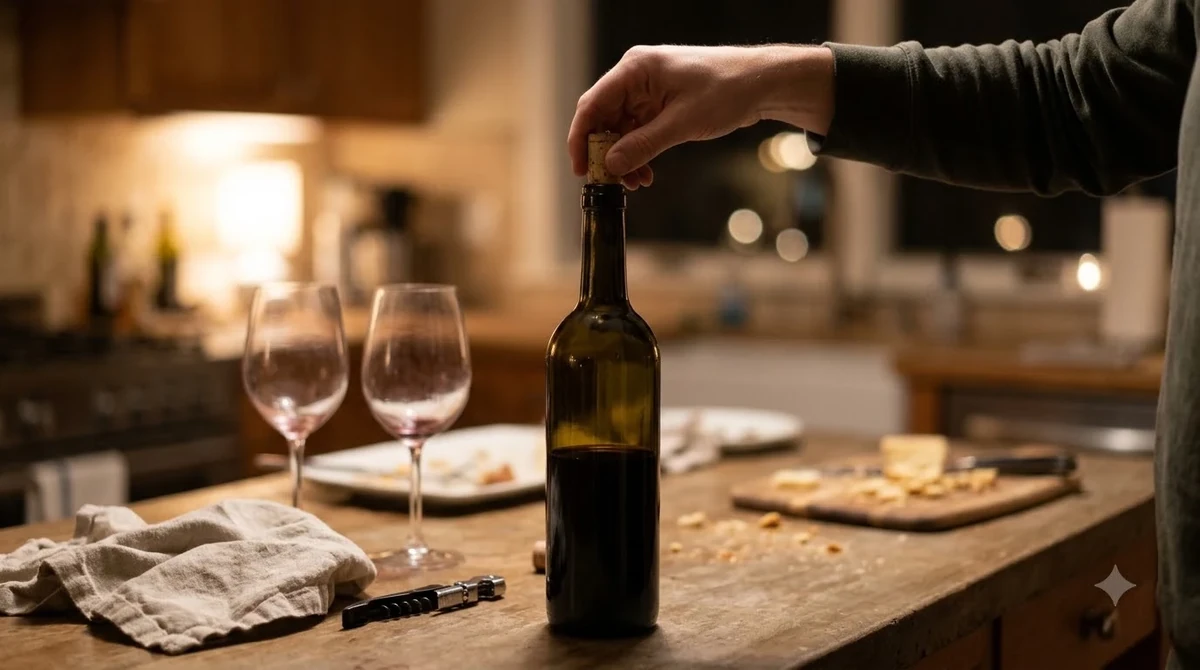
The brand is particularly relevant to people who want to participate in dinners, celebrations and other occasions where wine is traditionally served. A bottle of Sauvignon Blanc can accompany a meal, while Sparkling Brut or Sparkling Rosé provides a recognizable celebratory format. These products also give hosts an option for guests who prefer not to drink conventional alcoholic beverages.
Price-conscious shoppers should approach Surely as a specialty beverage rather than compare it directly with the cheapest bottles on a supermarket wine shelf. Its production involves fermentation, alcohol removal and additional blending. Those processes help explain why a non-alcoholic wine can cost more than an inexpensive conventional bottle, even though the finished product contains very little alcohol.
Buyers who particularly enjoy crisp white wines may want to start with the Sauvignon Blanc. The producer describes it with citrus, pear and apple characteristics, while Target’s separate Surely White listing identifies a California Riesling and Gewürztraminer blend with citrus, juniper, pear and yuzu notes. These are distinct products, so shoppers should compare the actual style rather than assume every Surely white bottle tastes the same.
People who prefer darker fruit flavors can consider the Red Blend, which Total Wine describes with dark fruit, vanilla, oak, smoke and spice. Those looking for something festive can compare the sparkling selections instead. The best starting point depends on whether the buyer values a traditional still-wine format, refreshing acidity, red-fruit character or bubbles.
For anyone researching the broader brand, the Surely wine overview provides another useful starting point. Buyers can then compare the individual styles and determine which bottle format suits their intended occasion.
Key Factors That Determine Surely Wine Price
The most useful comparison starts with the wine style, package size and place of purchase. A 750 ml still wine, a 750 ml sparkling bottle and a four-can multipack are not directly interchangeable purchases, even when their shelf prices look similar.
| Surely product or format | Package size | Typical US price range | Buying consideration |
|---|---|---|---|
| Non-Alcoholic White | 750 ml | About $18–$20 | California white blend |
| Non-Alcoholic Sauvignon Blanc | 750 ml | About $20–$23 | Dry, citrus-forward style |
| Non-Alcoholic Red Blend | 750 ml | About $20–$23 | Darker fruit and oak character |
| Sparkling Brut | 750 ml | About $23–$25 | Celebratory sparkling format |
| Sparkling Rosé | 750 ml | About $23–$25 | Fruit-forward sparkling style |
| Sparkling cans | Four-can pack | About $20–$25 | Portable individual servings |
These are practical comparison ranges rather than guaranteed nationwide prices. Target’s listed Surely White price supports an approximately $18 to $20 retail range, while Total Wine’s Surely Red Blend listing supports an approximately $20 to $23 range. Surely’s own product pages place its Sauvignon Blanc around $20 to $23 and its sparkling bottles around $23 to $25. Prices vary by state and retailer, and inventory, shipping and package availability can change the final checkout cost.
Package size matters because the standard 750 ml bottle provides approximately five conventional 5 oz servings. A four-can package may provide a different amount of beverage depending on the individual can size. The per-serving comparison is therefore more informative than simply looking at the package total.
Still wine versus sparkling wine
Still wines generally provide the more economical entry point into the range. A buyer who wants a bottle for an ordinary dinner can compare the White, Sauvignon Blanc and Red Blend before paying more for a sparkling option. Sparkling wine is often associated with celebrations and special occasions, so its higher price may make sense when presentation and carbonation are priorities.
However, sparkling does not automatically mean better value or better flavor. Someone who prefers a dry white wine may enjoy the Sauvignon Blanc more than a sparkling Brut, even if the latter costs slightly more. Similarly, a buyer who wants a bottle to accompany a substantial dinner may find the Red Blend more useful than a sparkling rosé.
Retailer and direct-purchase differences
Retail pricing is not necessarily identical across every store. A national retailer may offer a different shelf price from the manufacturer’s online store, and a local shop may have a different selection altogether. Total Wine and Target provide useful examples of the variation shoppers may encounter.
Direct purchasing introduces additional considerations, including shipping eligibility, order minimums and subscription conditions. Surely’s website states that free US shipping is available on orders of four or more wines. That requirement can affect the economics of buying a single bottle, especially for someone who only wants to sample one style.
Tip: Compare the final delivered cost per bottle rather than the displayed bottle price alone. If an online order requires four wines, calculate the total commitment before assuming that the advertised shipping offer makes a small purchase economical.
Step-by-Step: How to Compare and Buy Surely Wine
A sensible purchase starts with the intended drinking occasion, followed by a comparison of styles and package sizes. These five steps help shoppers avoid paying for a format or flavor profile they do not actually want.
-
Decide which wine style you prefer.
Start with the difference between white, red and sparkling wine. Sauvignon Blanc offers a dry, citrus-oriented direction, while the Red Blend is intended for shoppers interested in dark fruit and oak characteristics. Sparkling Brut and Sparkling Rosé are better starting points for people who specifically want bubbles.
-
Compare the bottle size.
A 750 ml bottle is a familiar format that provides approximately five 5 oz servings. A four-can pack is more convenient for individual portions and sharing without opening a full bottle. Work out the quantity of wine you will actually use before comparing the package totals.
-
Check the price across retailers.
Compare the manufacturer’s store with retailers such as Target and Total Wine. Look at the actual product name and format rather than comparing two listings simply because both carry the Surely label. The White and Sauvignon Blanc, for example, have different grape compositions and nutritional information.
-
Calculate the cost per serving.
Divide the package cost by the number of servings it contains. For a 750 ml bottle, approximately five 5 oz pours provide a useful standard comparison. For cans, use the stated can volume and total package volume instead of assuming that every four-pack contains the same quantity.
-
Review delivery and storage requirements.
Before placing an online order, check whether the destination is eligible for shipping, whether a minimum purchase applies and whether the retailer has the selected product in stock. Once the bottle arrives, store it appropriately and refrigerate it after opening.
These steps are especially helpful when comparing an unfamiliar product with a more familiar conventional wine. A lower-priced alternative may be perfectly adequate for casual drinking, but it may not offer the same grape character, production process or serving experience. Buyers should decide which characteristics matter before using price as the deciding factor.
Shoppers who want to understand the alcohol component can also review the Surely wine alcohol content information. This is useful because non-alcoholic labeling does not necessarily mean every product contains absolutely no residual alcohol.
Surely Wine Types and Styles Explained
Surely’s selection covers several familiar wine categories, but the differences between them extend beyond color and carbonation. The grape blend, flavor profile, serving occasion and package format all influence which product makes the most sense for a particular buyer.

Non-Alcoholic White
Surely White is a blended white wine rather than a conventional single-variety Sauvignon Blanc. Target describes it as an alcohol-removed blend of California Riesling and Gewürztraminer, while its ingredient information also lists Symphony in the dealcoholized wine blend.
The flavor description includes bright citrus, juniper, crisp pear and yuzu. This gives the product a more botanical and aromatic direction than a straightforward neutral white wine. Target lists 25 calories and 1 gram of sugar per 5 fl oz serving, making its nutritional profile a separate consideration from its shelf price.
It can suit meals involving seafood, salty cheeses and spicy dishes. Its aromatic qualities make it a useful choice for shoppers who want a white wine with recognizable fruit and herbal notes. Buyers should distinguish this blend from Surely Sauvignon Blanc rather than treating the two names as interchangeable.
Non-Alcoholic Sauvignon Blanc
The Sauvignon Blanc is one of the more straightforward choices for someone who prefers crisp, dry white wine. Surely describes citrus, pear and apple characteristics, with a fresh profile intended to accompany salads, chicken and spicy meals.
The producer lists 20 calories and 2 grams of sugar per serving. Its ingredient list includes dealcoholized Sauvignon Blanc wine, water, Sauvignon Blanc concentrate, peach concentrate, gum arabic, natural flavors and sulfites. This is a useful reminder that the finished product is a blended beverage rather than simply conventional wine with its alcohol removed and nothing else added.
The style can work particularly well with food that benefits from refreshing acidity. For example, a lemon-dressed salad, grilled chicken or a spicy noodle dish can provide a suitable pairing. The acidity helps the wine retain a refreshing character alongside flavorful ingredients.
Non-Alcoholic Red Blend
Surely Red Blend targets shoppers who prefer a darker and more structured wine profile. Total Wine describes dark fruit alongside vanilla, oak, smoke and spice, giving prospective buyers a general indication of the style.
Red wine alternatives can be particularly challenging because conventional red wine often relies on alcohol, tannin and body to create its familiar mouthfeel. Removing alcohol changes that balance. Buyers who expect the texture of a full-bodied Cabernet Sauvignon should therefore approach an alcohol-removed red blend with realistic expectations.
This selection is more appropriate for someone who enjoys darker fruit flavors and wants a red-wine-inspired accompaniment for meals. It can be considered alongside roasted vegetables, grilled mushrooms or dishes with richer savory flavors.
Sparkling Brut
Sparkling Brut provides a celebratory alternative to traditional sparkling wine. Surely describes apple, pear, honey and citrus notes, with a dry-acidic profile intended to make the drink refreshing rather than dessert-like.
The producer lists 15 calories and 2 grams of sugar per serving. The 750 ml bottle is a familiar format for entertaining, although buyers should remember that an alcohol-removed sparkling beverage is not identical to traditional Champagne or sparkling wine made through a second fermentation in the bottle.
Its versatility makes it suitable for appetizers, crudités, seafood and charcuterie. Serve it chilled so that the carbonation and freshness are more pronounced.
Sparkling Rosé
Sparkling Rosé is the fruit-oriented option for shoppers who want bubbles with red-fruit character. Surely describes strawberry, peach and raspberry notes, making it a natural choice for brunch, lighter appetizers and informal celebrations.
The can format is useful for picnics, smaller gatherings and occasions when opening a full bottle is inconvenient. The bottle format, meanwhile, provides a more traditional presentation for a dinner table. Compare the package volume before deciding which one is better value.
How the production method affects the experience
Surely explains that its wines begin with fermented wine made from California grapes. The producer then uses spinning cone column technology to remove alcohol while preserving aromatic components. Additional ingredients are blended into the finished beverage to help restore some of the body and balance associated with wine. Its official production and product FAQ provides further information about the process, ingredients and storage recommendations.
This matters because alcohol contributes to texture, weight and the perception of flavor in conventional wine. After alcohol removal, acidity and fruit can become more prominent. The resulting drink may be refreshing and recognizable as wine, but it should not be expected to reproduce every characteristic of a conventional bottle.
Common Mistakes When Comparing Surely Wine Prices
The biggest purchasing mistake is comparing products only by their displayed prices. Bottle volume, style, delivery fees and intended use can all change the value calculation, particularly when comparing still wine with canned or sparkling formats.
Assuming every Surely white wine is identical
Surely White and Surely Sauvignon Blanc have different product descriptions and compositions. The White is identified by Target as a blend involving Riesling and Gewürztraminer, while the Sauvignon Blanc is presented as a Sauvignon Blanc-based product. Their calorie and sugar information also differs.
A buyer who wants a classic Sauvignon Blanc-inspired profile should not automatically choose the lower-priced white blend. Conversely, someone who prefers aromatic Riesling-style characteristics may find the White more appealing. Paying attention to the product identity is more useful than choosing whichever listing happens to appear first.
Ignoring the total package volume
A bottle and a four-pack of cans can have very different serving totals. The standard bottle contains 750 ml, while individual cans may be sold in smaller portions. The correct comparison involves the total beverage volume and the number of servings, not just the package price.
This distinction becomes especially important for entertaining. A bottle may be more practical for a dinner table, while individual cans may be easier to distribute at a picnic or casual gathering. The convenience can justify a different per-volume cost for some shoppers.
Expecting conventional wine at a lower price
Non-alcoholic wine is not simply conventional wine with a different label. The production method requires additional processing, and the finished beverage may contain added fruit concentrates, water and other ingredients. A buyer who expects the exact body and finish of a full-alcohol wine may find the comparison disappointing.
It is better to assess Surely against other non-alcoholic wine products with similar production methods. Conventional grocery wine, non-alcoholic wine alternatives and sparkling grape beverages occupy different categories, even if they appear in nearby retail sections.
Overlooking shipping requirements
Direct orders may have minimum purchase requirements. Surely states that free US shipping is available with four or more wines, which means someone wanting only one bottle should account for the additional purchase or compare a local retailer.
Retail availability can also differ from one state to another. A product shown online may not be available for delivery to every destination. Check the shipping destination and total checkout amount before treating the displayed price as the complete cost.
Confusing non-alcoholic with zero alcohol
Surely’s official FAQ says its products contain less than 0.5% ABV. This is different from assuming that every product contains absolutely zero alcohol. Retailer product records may display different alcohol information, so consumers with strict requirements should examine the relevant product’s current packaging and manufacturer’s information.
The distinction is important when a buyer is specifically seeking a zero-alcohol product rather than a beverage that falls within a non-alcoholic labeling category. The price comparison should come after confirming that the product meets the buyer’s actual requirements.
Surely Wine Care and Storage Tips
Correct storage helps preserve the flavor of Surely wines and prevents unnecessary waste after purchase. The producer recommends cool, dark storage for unopened bottles, upright storage for cans and refrigeration after opening.
Storing unopened bottles
Surely recommends storing unopened bottles on their sides in a cool, dark place. Its FAQ states that properly stored bottles have a shelf life of two years, although the company recommends consuming them within 12 months of purchase.
Choose a location away from direct sunlight, heating equipment and major temperature fluctuations. A consistently cool storage environment is preferable to a kitchen shelf exposed to heat and bright daylight. These precautions are particularly useful if several bottles are purchased together to meet a delivery minimum.
Storing cans
The producer recommends keeping cans upright. This is a simple storage precaution for buyers who prefer the convenience of individual servings.
Keep the cans in a cool, dark location before serving. Refrigerate them before opening if a chilled drink is preferred, especially for sparkling selections intended for celebrations or outdoor meals.
Refrigerating opened bottles
Surely recommends refrigerating opened bottles and consuming them within five days. Exposure to air gradually changes the wine’s aroma and flavor, so an opened bottle should not be left at room temperature for several days.
Reseal the bottle promptly after pouring and return it to the refrigerator. For sparkling styles, a suitable sparkling-wine stopper can help preserve carbonation, although the producer’s five-day recommendation should not be interpreted as a guarantee that bubbles will remain unchanged throughout that period.
Serving temperature and food pairing
Chilled service helps preserve the freshness of Surely’s white and sparkling wines. A practical starting point is approximately 45–50°F for light whites and rosé, 40–50°F for sparkling styles and 55–60°F for lighter reds. Avoid serving the sparkling wines excessively warm because the drink may seem less refreshing.
Food pairing should reflect the wine’s acidity and flavor profile. Sauvignon Blanc works with salads and chicken, while the White blend can complement seafood and salty cheese. Sparkling Brut suits appetizers, and Sparkling Rosé can accompany fruit-forward desserts and lighter snacks. As with conventional wine, a dish that is much sweeter than the drink can make the wine seem more acidic or less fruity.
Buying a multipack only makes sense if there is enough storage space and a realistic plan to use the bottles within the recommended period. For someone who drinks non-alcoholic wine occasionally, purchasing one bottle from a local retailer may be more economical than accumulating several products to qualify for free shipping.
Frequently Asked Questions
Is Surely wine considered real wine?
Surely starts with fermented wine made from grapes, then removes the alcohol through a dealcoholization process. The producer explains that fermentation is an essential part of its method, distinguishing the product from beverages made entirely from grape juice without fermentation. Additional ingredients are used to help restore the body and balance lost during alcohol removal.
Does Surely wine contain sulfites?
Yes. Surely’s FAQ confirms that sulfites are naturally occurring and are also added during the winemaking process. The ingredient information for its Sauvignon Blanc specifically identifies sulfites as a preservative, so shoppers should not assume that the range is sulfite-free.
Is Surely wine vegan and gluten-free?
Surely states in its official FAQ that all its wines are vegan and gluten-free. This information applies to the brand’s stated product range, but buyers with specific ingredient concerns should still review the current product information for their chosen bottle. Individual formulations can differ between wine styles.
Does Surely offer a money-back guarantee?
Surely describes a Happiness Guarantee that allows qualifying customers to contact the company within 30 days of ordering if they do not enjoy the wine. The producer states that refunds exclude shipping fees. Buyers should review the current terms and contact the support team directly before assuming that every purchase or circumstance qualifies.
How long does Surely take to ship within the United States?
Surely says in its FAQ that in-stock products generally ship within one to three business days. After dispatch, the company estimates approximately five to eight business days in transit. Tracking information may take up to 48 hours to appear after shipment, and distribution centers are closed on weekends and US holidays.
Surely occupies a specialty position in the non-alcoholic wine market, with most standard bottles and sparkling formats falling into an approximately $18 to $25 US retail range. The right purchase depends on the preferred wine style, package size, retailer availability and total delivered cost. Compare the individual products rather than choosing solely by shelf price, and select the bottle that best matches the occasion and flavor profile you enjoy.
More in Wine Brands
 Underwood Wine Price: Compare Bottles, Cans, and Pack SizesUpdated Nov 21, 2026
 Zenato Wine Price: Compare Styles and Choose the Right BottleUpdated Nov 21, 2026
 Zuccardi Wine Price: Compare Bottles and Find the Right RangeUpdated Nov 21, 2026
 Yellow Tail Moscato Review: Taste, Sweetness and Serving TipsUpdated Nov 21, 2026
 Wolf Blass Yellow Label Review: Choose Your Best StyleUpdated Nov 21, 2026
 Wolffer Estate Rose Review: Choose the Right Bottle for Your TableUpdated Nov 21, 2026