
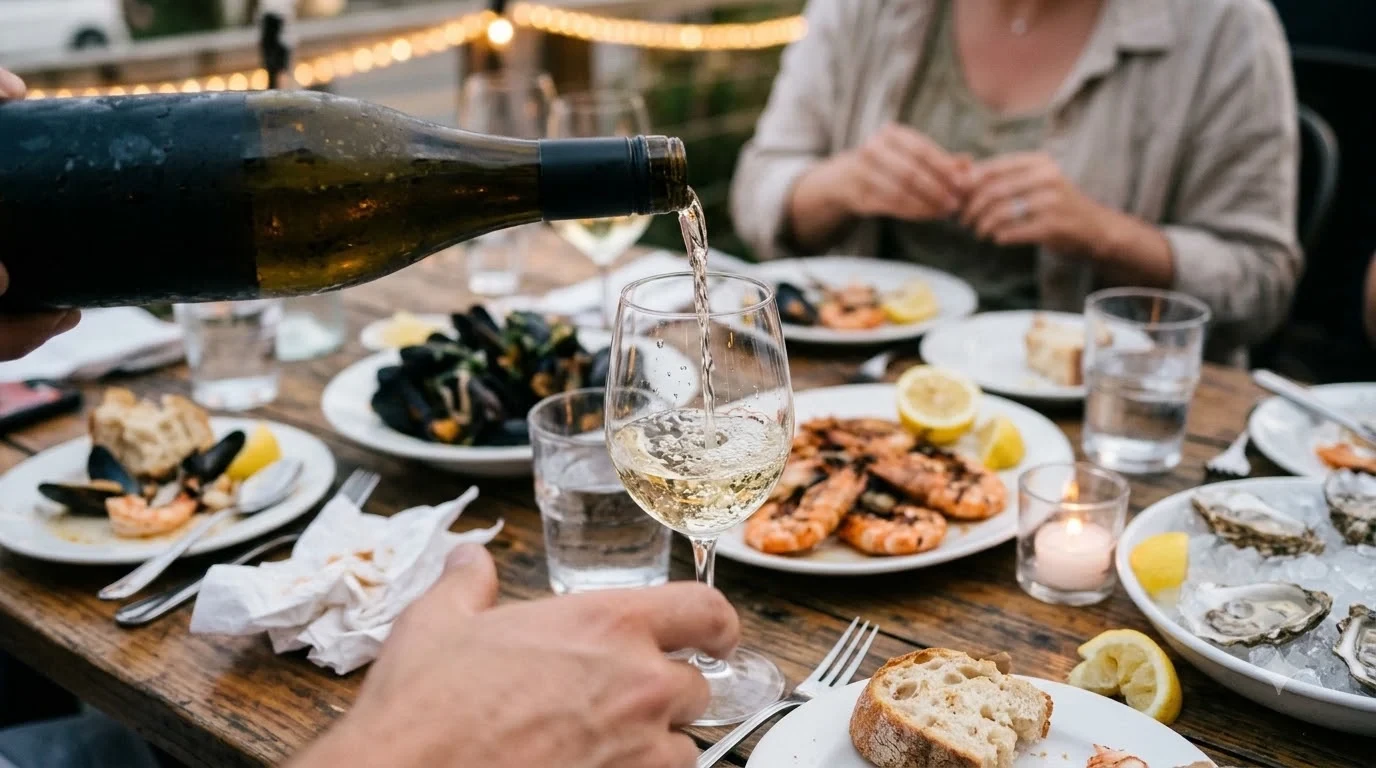

We may earn a commission when you buy through links on this page, at no extra cost to you. Learn more.
This surely wine review finds that Surely is a worthwhile option for people who want a wine-based drink with less than 0.5% alcohol by volume, recognizable grape varieties, and a dry, fruit-forward profile. The California brand makes still and sparkling wines using traditional fermentation followed by alcohol removal. Its biggest appeal is preserving some of the aroma and character of conventional wine, although the lighter body and brighter acidity mean the experience is not identical to a regular bottle.
Choosing non-alcoholic wine involves more than finding a bottle labeled alcohol-free. The grape variety, production method, sweetness, acidity, packaging, and remaining alcohol all influence what ends up in the glass. Surely offers several styles for different occasions, from Sauvignon Blanc for everyday meals to sparkling Brut and Rosé for celebrations. This guide explains how the range works, what to expect from its flavors, and which details deserve attention before choosing a bottle.
Who Should Consider Surely Wine
Surely is designed for drinkers who enjoy the character and social ritual of wine but want a beverage with substantially less alcohol than conventional wine. Its fermented grape base gives it a different starting point from ordinary fruit juice or non-fermented wine alternatives, making it particularly interesting for people who still enjoy familiar grape varieties.
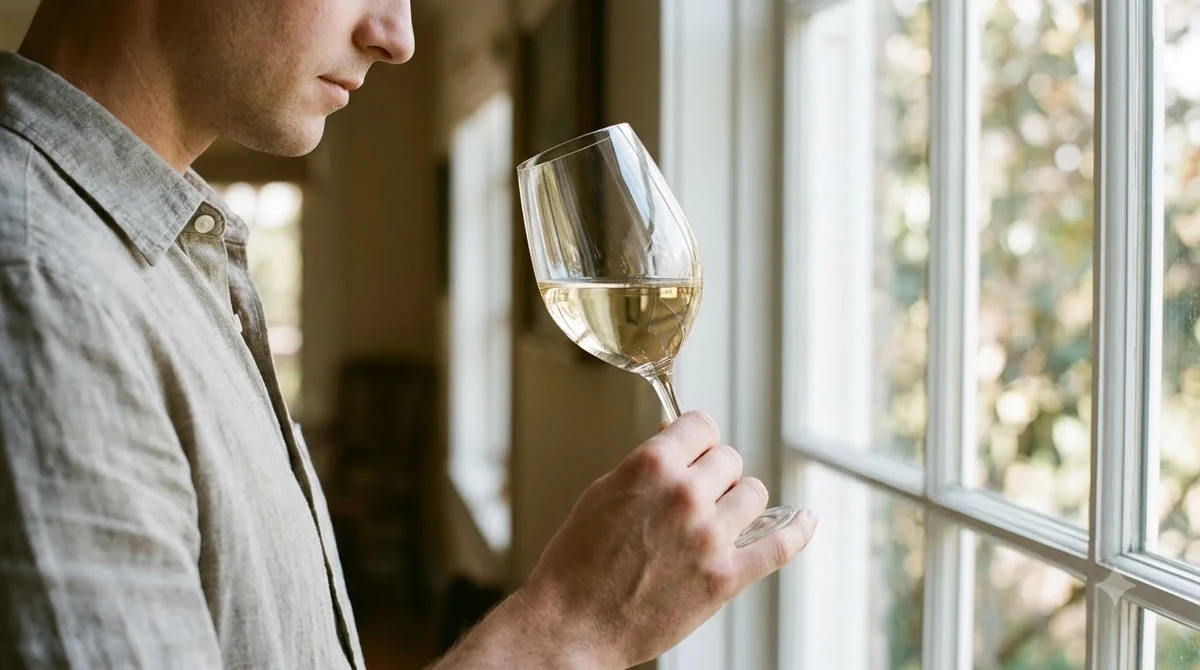
The brand is especially relevant to people exploring alcohol-free occasions, reducing their alcohol intake, or looking for something more wine-like to serve at a dinner party. Its California sourcing and use of traditional fermentation provide a recognizable foundation, while the alcohol-removal process changes the final texture and flavor. The resulting drinks generally emphasize fruit and acidity rather than the weight and warmth associated with full-strength wine.
There are several reasons to consider the range:
- Wine drinkers changing their routine: Someone who normally enjoys Sauvignon Blanc, rosé, or sparkling wine can start with a corresponding Surely style rather than choosing an unfamiliar beverage.
- Hosts planning inclusive gatherings: Bottled sparkling options offer a wine-style alternative for guests who prefer a lower-alcohol drink at celebrations and dinners.
- People interested in ingredient details: The brand provides information about grape sources, added ingredients, calories, and alcohol levels on its product pages.
- Drinkers who prefer dry flavors: Surely describes its wines as dry and complex, with fruit and acidity playing important roles.
However, this range will not satisfy everyone. Someone expecting the full-bodied texture of an aged Cabernet Sauvignon or the richness of traditional Chardonnay may notice the difference immediately. Alcohol contributes to viscosity, aroma delivery, and the overall structure of wine. Removing it changes those characteristics, even when the original beverage has undergone conventional fermentation.
People who require beverages with absolutely zero detectable alcohol should also distinguish between alcohol-removed wine and products made without fermentation. Surely states that its wines contain less than 0.5% ABV, not necessarily 0.0%. Anyone avoiding alcohol for a strict personal, professional, religious, or other reason should make that distinction before purchasing. For a broader introduction to the category, the Wine Brands section provides additional context about wine producers and their styles.
Key Factors to Compare Before Buying Surely
The most useful comparison points are alcohol content, flavor, sugar, calories, ingredients, and bottle format. Looking at these details together gives a more accurate picture than relying on the phrase non-alcoholic alone.
| Factor | What to know | Why it matters |
|---|---|---|
| Alcohol content | Below 0.5% ABV | It is alcohol-removed rather than guaranteed 0.0% alcohol. |
| Bottle size | 750 ml | Approximately five standard 5-ounce servings. |
| Sauvignon Blanc calories | 20 per serving | A useful reference when comparing individual varieties. |
| Sauvignon Blanc sugar | 2 grams per serving | Provides a concrete indication of its nutritional profile. |
| Red Blend sugar | 0 grams per serving | A different formulation from the Sauvignon Blanc. |
| Storage before opening | Up to two years under proper conditions | Useful for planning purchases and keeping bottles on hand. |
| Opened bottle | Up to five days refrigerated | Helps maintain the wine’s freshness after opening. |
These figures come from Surely’s published product information and official FAQ. Nutrition figures refer to the specified varieties, not automatically to every wine in the range. The brand says all its bottles contain fewer than 100 calories per serving, but individual values differ. For example, the Sauvignon Blanc product page identifies 20 calories and 2 grams of sugar per serving, while the Red Blend page lists zero grams of sugar per serving.
Alcohol content deserves particular attention. Surely describes its wines as containing less than 0.5% ABV, which places them within the commonly used US non-alcoholic beverage threshold. That is different from claiming that a beverage contains no detectable alcohol whatsoever. The distinction is explained in NBC Select’s explanation of non-alcoholic wine production and labeling, which also distinguishes alcohol-removed wine from non-fermented wine alternatives.
Ingredients are another important comparison point. Surely’s Sauvignon Blanc includes dealcoholized Sauvignon Blanc wine, water, Sauvignon Blanc concentrate, peach concentrate, gum arabic, natural flavors, and sulfites. The Red Blend has a different formulation, including dealcoholized red wine, water, prebiotic fiber, vegetable glycerin, flavor extracts, and sulfites. These differences help explain why the wines do not necessarily taste or feel alike.
Surely states that its wines are vegan and gluten-free. It also confirms that sulfites are present, both naturally from winemaking and through additions used during production. People who pay attention to specific ingredients should read the information for their intended variety rather than assuming every bottle uses the same recipe.
Step-by-Step: How to Choose the Right Surely Bottle
A practical selection process starts with the kind of wine normally enjoyed, then considers the occasion, flavor profile, and serving format. This approach makes it easier to find a suitable bottle without expecting every non-alcoholic variety to behave like its traditional counterpart.
-
Decide whether the alcohol threshold works for you.
Surely lists its wines below 0.5% ABV. If that remaining trace amount is acceptable, continue comparing the range. If the requirement is absolutely zero detectable alcohol, a non-fermented alternative may be a more appropriate category to investigate.
-
Choose a familiar wine style.
Fans of crisp white wines can start with Sauvignon Blanc. People who enjoy red fruit and softer tannins may prefer the Red Blend. For parties, sparkling Brut and Sparkling Rosé offer a different texture and presentation.
-
Consider sweetness and acidity.
The Sauvignon Blanc is described as dry, citrus-forward, and crisp, with pear and apple notes. The Red Blend is also described as dry, with raspberry, plum, vanilla, and toasted oak characteristics. Someone who prefers sweeter drinks may find these profiles less appealing than fruitier alternatives.
-
Compare nutritional information.
Use the individual product information rather than assuming all Surely wines have identical calories or sugar. The published Sauvignon Blanc information gives 20 calories and 2 grams of sugar per serving, while the Red Blend lists zero grams of sugar per serving.
-
Select a bottle or can format.
A 750 ml bottle provides approximately five 5-ounce servings, making it practical for sharing. Cans are more convenient for individual portions, outdoor gatherings, and occasions where opening an entire bottle is unnecessary.
-
Plan the food pairing.
Match acidity and fruit character with the meal. Sauvignon Blanc can accompany salads, chicken, and spicy dishes. A fruit-forward sparkling rosé is a natural starting point for lighter appetizers, while a red blend can be considered alongside grilled vegetables and savory foods.
-
Serve it at an appropriate temperature.
Light whites and rosés generally show well around 45–50°F. Sparkling wines are best served colder, around 40–50°F. Chilling helps emphasize freshness and makes fruit-forward non-alcoholic wines more refreshing.
These steps are useful because alcohol-removed wines can have different structural characteristics from conventional wine. NBC Select’s shopping guidance also highlights grape variety, carbonation, flavor preferences, and packaging as important considerations. In particular, sparkling styles can offer a closer sensory resemblance to traditional sparkling wine because carbonation helps carry aromas and flavors.
Tip: If this is your first purchase, start with the Sauvignon Blanc or a sparkling style rather than assuming a non-alcoholic red will reproduce the texture of a full-strength red wine. Compare one variety at a time so the differences in acidity, body, and fruit character are easier to recognize.
Surely Wine Types and Styles Explained
Surely’s range includes still and sparkling options, with different grape foundations and flavor profiles. Choosing by style is more useful than treating the entire brand as one uniform wine, particularly because the ingredients and nutritional figures vary between products.
Non-Alcoholic Sauvignon Blanc
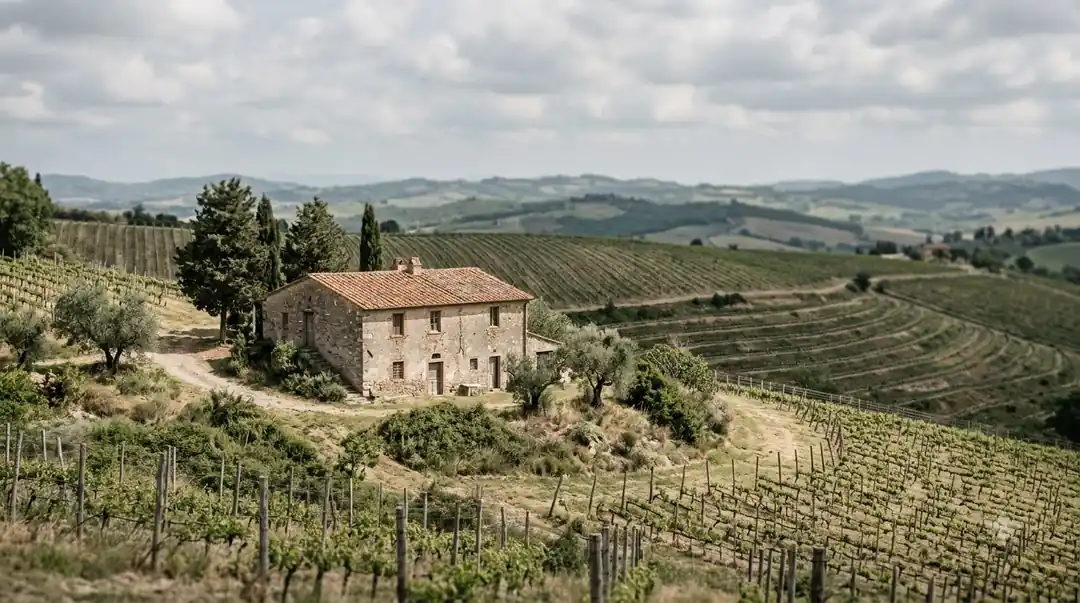
The Sauvignon Blanc is a logical choice for people who prefer fresh, bright white wine. Surely describes its profile through citrus, pear, and sweet apple notes, with a dry finish. The combination creates a fruit-forward style that can work as an aperitif or accompany a casual meal.
The producer identifies this product as a 750 ml bottle of dealcoholized Sauvignon Blanc. Its published nutritional information lists 20 calories and 2 grams of sugar per serving. The ingredient list also identifies peach concentrate, which contributes to the final composition rather than making the product simply a bottle of conventional Sauvignon Blanc with the alcohol removed.
Food pairings suggested by the producer include simple salads, chicken, spicy curry, soup, and noodles. Its bright acidity is particularly useful with dishes that have citrus, herbs, or moderate spice. For people who already enjoy crisp white wines, this is a sensible starting point.
Non-Alcoholic Red Blend
The Red Blend is aimed at people who prefer darker fruit and the familiar structure of red wine. Surely describes raspberry and plum alongside vanilla and toasted oak, with a dry profile and smoother tannins. Its character is distinct from the lighter and more acidic Sauvignon Blanc.
The published composition identifies 30% Cabernet Sauvignon, 30% Petite Sirah, and 40% Merlot Rosé. That combination gives the blend a different grape foundation from a conventional single-variety Cabernet Sauvignon. Its product information also lists five 5-ounce servings per 750 ml bottle and zero grams of sugar per serving.
It is important to keep expectations realistic. Alcohol contributes considerably to the mouthfeel and aromatic presence of red wine, so a dealcoholized red may feel lighter than a conventional red with similar grape varieties. Someone who regularly enjoys full-bodied Cabernet Sauvignon should be prepared for a different experience.
Sparkling Brut
Surely’s Sparkling Brut provides the familiar visual and sensory cues of a celebratory sparkling wine. The producer describes apple, pear, honey, and citrus notes, together with dry acidity. Its bubbles make it a practical option for toasts, parties, and meals where a sparkling drink feels more appropriate than a still wine.
NBC Select also discusses Surely’s sparkling Brut and reports a fruit profile involving lemon, peach, and passion fruit. The publication describes a positive reception at a holiday gathering, while identifying cherry flavor as a possible point of disagreement among consumers considering the brand’s sparkling range. That variation illustrates why personal taste matters.
Sparkling Rosé
The Sparkling Rosé is suited to people who prefer lighter fruit flavors and a festive presentation. Surely describes strawberry, peach, and raspberry notes. The style offers a different direction from the citrus-forward Sauvignon Blanc and the darker-fruited Red Blend.
The brand also offers a canned sparkling rosé made with Barbera grapes. Its published product description identifies three grams of sugar per can. Cans provide a convenient format for single servings, although the exact nutrition information should be compared with the relevant bottle or pack rather than assumed to be interchangeable.
For additional background on the brand’s approach, Surely’s explanation of its winemaking process describes the progression from grape sourcing and fermentation to spinning cone alcohol removal and final blending.
The following comparison summarizes the main differences:
| Style | Main flavor direction | Best starting point |
|---|---|---|
| Sauvignon Blanc | Citrus, pear, apple | Fans of crisp white wine |
| Red Blend | Raspberry, plum, vanilla, oak | Fans of softer red blends |
| Sparkling Brut | Apple, pear, honey, citrus | Celebrations and aperitifs |
| Sparkling Rosé | Strawberry, peach, raspberry | Fruit-forward sparkling drinks |
For shoppers comparing the brand with a more traditional grocery-store wine range, Barefoot wine offers a useful point of comparison. The main distinction is the intended drinking experience: Surely focuses on alcohol-removed wine, whereas conventional wine brands generally sell fermented wines at standard alcoholic strengths.
Common Mistakes When Buying Surely Wine
The biggest purchasing mistake is assuming that alcohol-removed wine tastes exactly like the original alcoholic version. Other common misunderstandings involve alcohol labeling, sweetness, ingredients, and the difference between individual product formulations.
Expecting a completely identical wine experience. Removing alcohol affects viscosity, aromatic expression, and mouthfeel. A traditional Sauvignon Blanc can have more weight than its dealcoholized equivalent, while a conventional red can have a fuller texture and greater perceived warmth. Surely attempts to recreate some of these qualities through blending, but the final beverage remains different.
Confusing non-alcoholic with zero alcohol. Surely’s stated threshold is below 0.5% ABV. The category is not automatically equivalent to a product containing no detectable alcohol. Anyone with a strict requirement should understand the distinction before purchasing. More information about the brand’s stated Surely wine alcohol content can help clarify this point.
Assuming every style has the same sugar level. The Sauvignon Blanc lists 2 grams of sugar per serving, while the Red Blend lists zero grams. Sparkling products may have different nutritional profiles again. Comparing only the brand name without considering the actual variety can lead to incorrect expectations.
Expecting every red wine to have strong tannins. The Red Blend is specifically described as having smoother tannins and a lighter profile. It should not be approached as a direct replacement for a structured Cabernet Sauvignon or Syrah. The grape combination matters, but so does the alcohol-removal process.
Ignoring the ingredients. The Sauvignon Blanc includes peach concentrate, gum arabic, and natural flavors. The Red Blend has its own formulation involving fiber, vegetable glycerin, and natural flavor extracts. These additions are part of the final product’s composition and help explain why the wine does not have the same texture as a conventional bottle.
Buying sparkling wine solely for its sweetness. Bubbles do not automatically indicate a sweet beverage. Surely’s Brut is positioned as a dry sparkling option, while the Sparkling Rosé emphasizes fruit character. It is better to compare the stated sweetness and flavor profile than to judge a wine by its color or carbonation alone.
Expecting traditional red-wine serving temperatures to work equally well. Non-alcoholic red wine can benefit from slightly cooler serving temperatures than full-strength red wine. Serving a lighter red style too warm may emphasize its less integrated characteristics. Starting with a modest chill is a useful way to assess the balance.
Care and Storage Tips for Surely Wine
Proper storage helps preserve aroma and flavor, especially because alcohol-removed wine can be more sensitive to air exposure after opening. Surely recommends cool, dark storage before opening and refrigeration after opening, with different packaging considerations for bottles and cans.
Store unopened bottles horizontally. Surely recommends keeping bottles on their sides in a cool, dark location. This is consistent with traditional bottle-storage practices and helps maintain suitable storage conditions. Avoid prolonged exposure to direct sunlight, excessive heat, or large temperature fluctuations.
Keep cans upright. The brand recommends storing cans upright rather than on their sides. This is a straightforward way to organize individual servings and keep the packaging in its intended position until consumption.
Respect the recommended shelf life. Surely states that its products can have a shelf life of two years under proper storage conditions, although the brand recommends consuming them within 12 months of purchase for the best experience. That recommendation gives shoppers a practical timeframe for using bottles purchased in advance of an event.
Refrigerate opened bottles promptly. After opening, close the bottle securely and place it in the refrigerator. Surely recommends enjoying opened bottles within five days. Exposure to air can gradually reduce freshness and diminish the aromas that make the beverage enjoyable.
Serve at suitable temperatures. For the Sauvignon Blanc, a serving temperature around 45–50°F is a useful starting point. Sparkling Brut and Sparkling Rosé can be served around 40–50°F. The cooler temperature helps emphasize freshness and carbonation while keeping the drink refreshing.
Use appropriate glassware. A standard white-wine glass works well for Sauvignon Blanc because its shape provides room to appreciate the citrus and fruit aromas. A flute or tulip-shaped sparkling glass is appropriate for Brut and sparkling rosé. The Red Blend can be served in a smaller red-wine glass to allow its fruit and oak notes to develop.
Plan portions carefully. A 750 ml bottle provides approximately five standard 5-ounce pours. This makes it easy to estimate how many bottles are needed for a dinner or gathering. Canned formats are more suitable when individual servings are preferable to opening a full bottle.
Frequently Asked Questions
Does Surely wine use real grapes?
Yes. Surely says its wines begin with grapes harvested from California regions and undergo fermentation before alcohol removal. The process creates a fermented wine base rather than a beverage made entirely from unfermented grape juice. The finished products may also contain additional ingredients that differ by variety.
Does Surely wine contain preservatives?
Surely confirms that sulfites are present in its wines. The Sauvignon Blanc ingredient information specifically identifies sulfites as a preservative. The brand also explains that some sulfites occur naturally during fermentation, while additional amounts are used during winemaking.
Can Surely wine be used in wine-based cocktails?
Yes. The brand publishes a Sauvignon Blanc spritzer recipe that combines 4 ounces of the wine with lemon juice and a lemon-lime carbonated beverage. Rosemary, lemon slices, and berries can be used as garnishes. This provides an alternative serving approach when a straight glass of wine is not the preferred format.
Does Surely wine require a special wine opener?
The opening method depends on the packaging rather than the dealcoholization process. A traditional cork-finished bottle requires a suitable corkscrew, while a screw-cap bottle can be opened by hand. Canned varieties do not require a wine opener at all.
Does Surely wine change color during storage?
Surely explains that dealcoholization can concentrate color, tannins, and other phenolic compounds. This means some bottles may look darker than conventional wines made from similar grapes. A darker appearance alone is not necessarily an indication that the product has deteriorated.
Surely is a compelling brand to consider if the goal is a fermented, California-sourced wine experience with less than 0.5% ABV and a choice of still and sparkling styles. The Sauvignon Blanc is a sensible first selection for crisp white-wine drinkers, while the Brut and Rosé provide appealing options for celebrations. Compare the individual ingredients, nutritional information, and alcohol threshold before choosing the bottle that best fits the occasion.
More in Wine Brands
 Underwood Wine Price: Compare Bottles, Cans, and Pack SizesUpdated Nov 21, 2026
 Zenato Wine Price: Compare Styles and Choose the Right BottleUpdated Nov 21, 2026
 Zuccardi Wine Price: Compare Bottles and Find the Right RangeUpdated Nov 21, 2026
 Yellow Tail Moscato Review: Taste, Sweetness and Serving TipsUpdated Nov 21, 2026
 Wolf Blass Yellow Label Review: Choose Your Best StyleUpdated Nov 21, 2026
 Wolffer Estate Rose Review: Choose the Right Bottle for Your TableUpdated Nov 21, 2026