


We may earn a commission when you buy through links on this page, at no extra cost to you. Learn more.
The stoneleigh wine price for a standard 750 ml bottle of Sauvignon Blanc typically falls around $11 to $22 at US retailers, depending on vintage, retailer and availability. Stoneleigh is a Marlborough, New Zealand producer offering several wine styles, from approachable Classic bottlings to more specialized single-vineyard Rapaura Series wines. Comparing the range, grape variety and bottle size helps explain why two Stoneleigh bottles can have noticeably different shelf prices.
Stoneleigh is particularly associated with fresh Sauvignon Blanc, but its portfolio also includes Pinot Noir, Chardonnay, Pinot Gris, Riesling, Merlot and Rosé. That variety gives buyers several ways to explore Marlborough wine without assuming every bottle occupies the same price category. This guide explains typical US retail costs, what separates the producer’s ranges, how to compare bottles and which styles make sense for different occasions.
Who This Is For: Stoneleigh Buyers and Wine Shoppers
Stoneleigh is a useful producer to consider if you enjoy New Zealand wines with fresh fruit character and lively acidity. Its Marlborough origins make it particularly relevant to shoppers who regularly buy Sauvignon Blanc but want alternatives such as Pinot Gris, Chardonnay or Pinot Noir from the same producer.
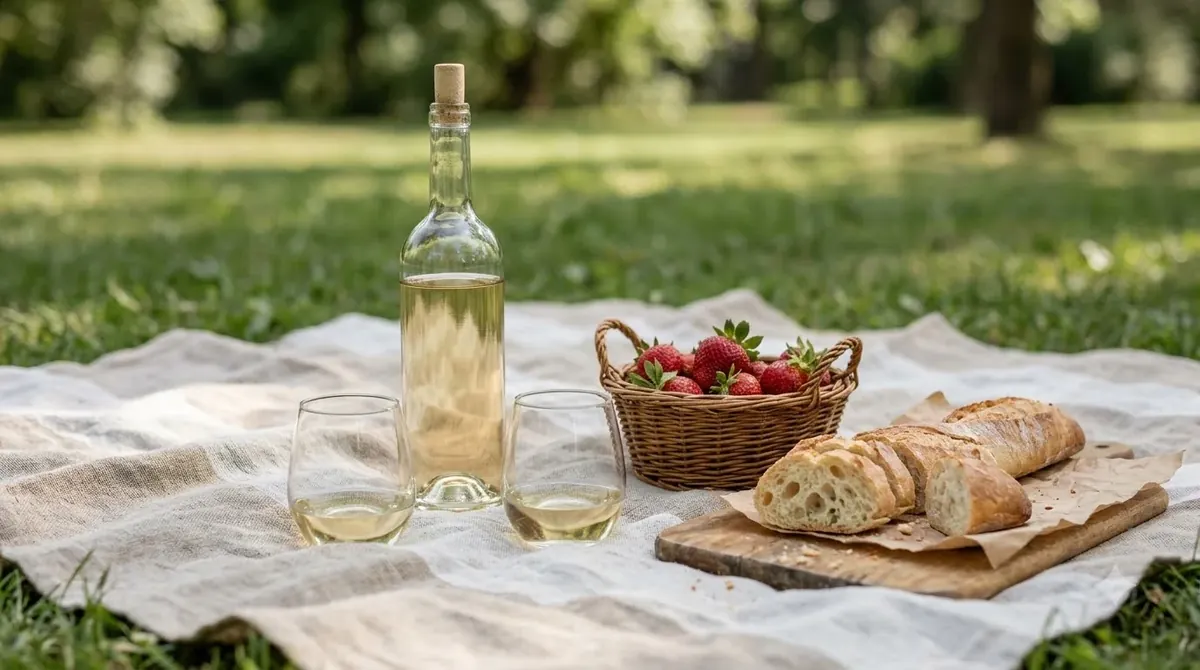
The most straightforward starting point is Classic Sauvignon Blanc. It offers an accessible introduction to the producer’s approach, with a recognizable combination of citrus, tropical fruit and refreshing acidity. A standard 750 ml bottle also gives shoppers a practical reference point when comparing Stoneleigh with other New Zealand Sauvignon Blanc producers.
Stoneleigh can also suit buyers who want to explore different production approaches. Latitude emphasizes fruit from Marlborough’s Golden Mile, Wild Valley uses wild fermentation, Organic focuses on organically grown fruit, and the Rapaura Series features single-vineyard wines. These distinctions matter because a bottle carrying the same producer name does not necessarily represent the same level of selection or winemaking approach.
Budget-conscious shoppers should begin with Classic rather than assuming the most specialized range is automatically the best purchase. If you already enjoy the producer’s entry-level Sauvignon Blanc, moving to another range can provide a more meaningful comparison than switching immediately to an unrelated wine brand.
Stoneleigh is also worth considering for people buying wine for food rather than collecting bottles. Sauvignon Blanc works well with seafood and fresh cheeses, Pinot Noir offers a lighter red option for poultry and mushroom dishes, and Chardonnay provides an alternative for richer meals.
For a broader comparison with another approachable American-market wine, the Barefoot wine range offers a different style and producer profile. Stoneleigh is more closely associated with Marlborough’s crisp regional expression, while comparing the two helps clarify whether regional character or a familiar everyday style matters more to your purchase.
Key Factors to Compare: Bottle Prices, Sizes and Wine Ranges
The biggest influences on Stoneleigh wine prices are the specific range, grape variety, vintage, bottle format and retailer. A standard Sauvignon Blanc provides the clearest retail benchmark, while specialized selections should be compared separately rather than treated as identical products.
For Stoneleigh Sauvignon Blanc, Vino Alert’s US retailer listings show approximately $11 to $22 for a 750 ml bottle across the listings displayed. Total Wine lists its 2024 750 ml bottling at $14.99, while Target displays a comparable standard bottle at $16.99. These examples illustrate why a reasonable shopping expectation is a range rather than one fixed national price. The Vino Alert Stoneleigh Sauvignon Blanc price listings provide a useful reference for comparing retailer offers and vintages.
Prices vary by state and retailer. Shipping restrictions, local alcohol taxes, distribution arrangements and stock availability can all affect the final amount. A bottle listed by a nationwide online retailer may not be available for delivery to every state.
| Wine or range | Positioning | US price information | What to compare |
|---|---|---|---|
| Classic Sauvignon Blanc | Everyday Marlborough white | About $11–$22 per 750 ml | Vintage and retailer |
| Classic Pinot Noir | Approachable red | Retailer-dependent | Vintage and availability |
| Classic Pinot Gris | Fresh aromatic white | Retailer-dependent | Bottle size and stock |
| Latitude Sauvignon Blanc | Golden Mile fruit selection | Separate premium comparison | Range and vintage |
| Wild Valley | Wild-fermented wines | Separate range comparison | Grape and availability |
| Organic | Organic wine selection | Separate range comparison | Certification and variety |
| Rapaura Series | Single-vineyard premium range | Separate premium comparison | Vineyard selection and vintage |
The table separates documented Sauvignon Blanc pricing from other ranges for an important reason: a reliable US price interval for one wine should not be applied automatically to every Stoneleigh bottling. Pinot Noir, Organic Sauvignon Blanc and Rapaura Series wines may have different retail availability and positioning.
Vino Alert also lists different prices for different Sauvignon Blanc vintages. Its displayed 2025 listings include $16.50 from Buy Wines Online and $20.50 from Wine On Sale, while its 2024 listing includes a $15.99 Bottle Barn offer. These are retailer observations, not guaranteed national prices.
Bottle size deserves attention too. The familiar 750 ml format is the most useful comparison because most US listings and price references use it. A smaller bottle may appear cheaper at checkout without offering a lower cost per ounce.
Another useful distinction is whether the wine is a current vintage or an older listing. Sauvignon Blanc is generally purchased for its fresh fruit character, so an older bottle is not automatically a better purchase simply because it is offered at a similar amount.
Tip: Compare two Stoneleigh bottles using the same volume and, whenever possible, the same vintage. A 750 ml Classic Sauvignon Blanc and a different-format premium wine are not meaningful price comparisons.
Step-by-Step: How to Choose Stoneleigh Wine at the Right Price
A good purchase starts with the style you actually want to drink, followed by a comparison of equivalent bottles. Use these steps to avoid paying extra for a range whose characteristics may not suit your preferences.
-
Start with the grape variety.
Choose Sauvignon Blanc if you prefer citrus, tropical fruit and pronounced freshness. Pinot Gris is another white option, while Chardonnay generally offers a rounder profile. For red wine, consider Pinot Noir or Merlot rather than assuming every Stoneleigh bottle tastes like its signature white.
-
Choose the appropriate Stoneleigh range.
Classic is the logical starting point for a first purchase. Latitude offers a more specific Marlborough fruit source, Wild Valley emphasizes wild fermentation, Organic focuses on organically grown fruit, and Rapaura Series represents the producer’s single-vineyard selection.
-
Set a realistic spending range.
For standard Stoneleigh Sauvignon Blanc, use approximately $11 to $22 per 750 ml as a practical US retail comparison based on Vino Alert’s listings. Do not assume that this interval applies to every other variety or premium range.
-
Compare at least two retailers.
Look at the same bottle and vintage wherever possible. For example, a retailer listing at $14.99 and another listing at $16.99 can differ without representing a meaningful difference in wine quality. State availability and delivery eligibility also matter.
-
Check the vintage and bottle format.
Record whether the listing is for a 2024, 2025 or non-vintage product. Compare 750 ml bottles against other 750 ml bottles rather than mixing sizes or vintages in your calculations.
-
Think about the food and occasion.
For oysters, shrimp and fresh goat cheese, Sauvignon Blanc is a natural candidate. For roasted chicken or mushrooms, Pinot Noir may be more appropriate. A wine that fits the meal is generally a more satisfying purchase than a bottle selected solely because it costs less.
-
Calculate the actual checkout cost.
Include delivery fees, applicable taxes and any minimum-order requirements. A retailer with a lower advertised bottle amount may not have the lowest final cost if shipping is expensive or the product cannot be delivered to your state.
Once these steps are complete, the purchasing decision becomes much easier. A first-time buyer who wants a crisp white for casual dinners can reasonably begin with Classic Sauvignon Blanc, while someone who already enjoys Stoneleigh may find more value in exploring a different grape or range.
For an additional comparison within the sparkling wine category, La Marca Prosecco offers a different drinking experience. It is sparkling Italian wine rather than still Marlborough Sauvignon Blanc, so the choice depends more on the occasion and desired style than on producer similarity.
Types and Styles Explained: Classic, Latitude and Premium Bottles
Stoneleigh’s portfolio contains several distinct ranges, and understanding their differences is more useful than treating the brand as a single wine. The producer’s website identifies six main collections: Classic, Latitude, Lighter, Wild Valley, Rapaura Series and Organic. The official Stoneleigh wine range descriptions explain the grape varieties and production approaches behind these collections.
Classic: The Starting Point
Classic is the most straightforward introduction to Stoneleigh. The collection includes Sauvignon Blanc, Pinot Noir, Pinot Gris, Chardonnay, Pinot Noir Rosé, Merlot and Riesling.
Classic Sauvignon Blanc is the obvious option for someone looking for the producer’s recognizable Marlborough style. Retail descriptions highlight grapefruit, white peach and passionfruit, supported by refreshing acidity. It is a practical choice for seafood, salads and lighter meals.
Classic Pinot Noir provides a different experience. Pinot Noir typically has lower to medium tannin and relatively high acidity, making it suitable for dishes such as roast chicken, salmon with appropriate preparation and mushroom-based meals. Classic Chardonnay offers another route for drinkers who prefer a fuller white.
Latitude: A More Specific Marlborough Expression
Latitude uses grapes sourced from the Golden Mile, a particular area of Marlborough that Stoneleigh associates with ancient sunstones and distinctive growing conditions. The producer describes these wines as aromatic, fresh and riper in fruit character.
The collection includes Sauvignon Blanc, Pinot Noir, Chardonnay and Rosé. It can be a sensible next step for someone who already enjoys Classic and wants to compare a more specific fruit source without jumping straight to the single-vineyard Rapaura Series.
When comparing Latitude with Classic, consider the grape first. A Latitude Sauvignon Blanc should be compared with Classic Sauvignon Blanc, not with a Pinot Noir or Chardonnay. This keeps the comparison focused on the effect of range selection rather than the natural differences between grape varieties.
Lighter: Reduced Alcohol Relative to the Other Ranges
Stoneleigh Lighter is made from grapes harvested earlier, taking advantage of the early-ripening characteristics of the Rapaura sub-region. The producer states that these wines contain 25% less alcohol than Stoneleigh wines from the same vintage in its other ranges.
The range includes Sauvignon Blanc, Rosé and Pinot Gris. It is worth considering if you prefer the general character of Stoneleigh but want a wine specifically developed with a lower alcohol level relative to the producer’s corresponding wines.
The distinction is important: the stated 25% reduction is a comparison with other Stoneleigh wines of the same vintage, not a universal claim that every bottle contains 25% less alcohol than every competing wine.
Wild Valley: Wild Fermentation
Wild Valley is the collection for shoppers interested in a different winemaking approach. Stoneleigh describes the wines as being made from fruit picked at optimum ripeness and fermented using naturally occurring microorganisms.
The portfolio includes Sauvignon Blanc, Rosé, Chardonnay, Pinot Noir and Pinot Gris. Its identity is based on winemaking method rather than simply offering another grape variety.
For a buyer comparing Wild Valley with Classic, the most useful question is whether the alternative fermentation approach is interesting enough to justify choosing a different expression of the same grape. A Sauvignon Blanc comparison is more informative than comparing Wild Valley Pinot Noir with Classic Chardonnay.
Organic and Rapaura Series: Two Different Reasons to Trade Up
Stoneleigh Organic focuses on wines made from organically grown fruit. The range includes Sauvignon Blanc, Chardonnay, Rosé, Pinot Noir and Pinot Gris. The producer describes these wines as clean and vibrant expressions of the grapes grown in living soil.
The Rapaura Series takes a different approach. It consists of single-vineyard wines, including Sauvignon Blanc, Pinot Noir, Pinot Gris and Chardonnay. Stoneleigh describes the collection as its pinnacle range, with additional complexity and a concentrated expression of Marlborough.
Organic and Rapaura Series should not be treated as interchangeable premium labels. One identifies an organic production focus, while the other emphasizes vineyard selection and a more specialized expression of the region. Buyers should choose according to which distinction matters to them.
For a general overview of producers and their different market positions, the Wine Brands resource provides a broader starting point for comparing wine labels beyond Stoneleigh.
Common Mistakes When Comparing Stoneleigh Wine Prices
The most common buying mistake is assuming every Stoneleigh wine should cost approximately the same amount as its standard Sauvignon Blanc. The producer has multiple collections, and their differences in fruit selection and winemaking make direct comparisons less useful.
Another frequent mistake is comparing wines from different vintages without considering the differences. A 2024 Sauvignon Blanc and a 2025 Sauvignon Blanc are separate products for price-comparison purposes. Retailers may carry older stock alongside newer releases, and their displayed amounts can differ.
Confusing the Grape with the Range
Two bottles of Sauvignon Blanc may look similar because they use the same grape, but their range designations can indicate different production choices. Latitude focuses on the Golden Mile, Wild Valley emphasizes wild fermentation, and Rapaura Series uses single-vineyard fruit.
Similarly, comparing Pinot Noir with Merlot does not provide a clear indication of whether one Stoneleigh range is more expensive than another. Pinot Noir generally has softer tannins and higher acidity than Merlot, so the wines differ in style even before range positioning is considered.
Using One Retailer as the National Price Standard
A single retailer listing cannot establish a fixed national price. A Total Wine listing, for example, may not reflect what a shopper pays in a different state or at a local independent wine shop. Vino Alert’s multiple retailer listings demonstrate how much the displayed amount can vary even for the same general product.
Store availability is another issue. A retailer may display a bottle online without offering delivery to the buyer’s state. Local collection, shipping eligibility and stock can affect the practical purchasing options.
Paying for a Range You Do Not Need
Premium positioning is not the same thing as personal preference. A buyer who enjoys uncomplicated, crisp Sauvignon Blanc may prefer Classic over Rapaura Series, even if the latter represents a more specialized selection.
Likewise, someone interested in organic production should compare the Organic range with the actual requirements they have rather than assuming that a single premium label represents every desirable feature. A wine’s suitability depends on its style, production approach and intended occasion.
Ignoring the Food Pairing
Price comparisons can become misleading when the intended use is overlooked. A fresh Sauvignon Blanc may be an excellent choice with oysters, but a Pinot Noir may work better with roast poultry or mushroom dishes. Matching the wine to the meal can make a bottle more useful than choosing solely by its shelf amount.
Remember that wine sweetness should generally match or exceed the sweetness of a dessert. High-acidity wines such as Sauvignon Blanc also work particularly well with acidic foods, while salt and fat can soften the perception of tannin in red wines.
Care and Storage Tips for Getting More From Stoneleigh
Correct serving temperature and storage help preserve the fruit character that makes Marlborough wines appealing. Sauvignon Blanc benefits from being served chilled, while lighter reds such as Pinot Noir generally show better with a little less refrigeration than a full-bodied white.
For Stoneleigh Sauvignon Blanc, a serving temperature of 45–50°F is a useful target. This keeps the wine refreshing without making its aromas difficult to detect. Pinot Gris and Rosé can also be served in this temperature range, while Chardonnay is generally better around 50–55°F.
Serving Temperatures by Style
Different Stoneleigh wines benefit from slightly different serving conditions. The following temperatures provide useful starting points for enjoying the main grape varieties in the portfolio.
- Sauvignon Blanc: 45–50°F for freshness and aromatic clarity.
- Pinot Gris: 45–50°F for a refreshing white-wine presentation.
- Chardonnay: 50–55°F to allow more of its aromas and texture to show.
- Rosé: 45–50°F for a crisp, refreshing pour.
- Pinot Noir: 55–60°F for a lighter red-wine serving temperature.
- Merlot: 60–65°F for a fuller red-wine presentation.
- Riesling: 43–50°F, depending on the wine’s sweetness and style.
Serving wine too cold can suppress its aromas, while excessive warmth can make alcohol more noticeable. If a white has been sitting in a very cold refrigerator, allow a few minutes in the glass before judging its aroma.
Storage Before Opening
Store unopened bottles in a cool, dark location with a relatively stable temperature. Around 55°F is a useful storage target, and bottles with traditional cork closures should generally be kept on their sides to maintain contact between the cork and wine.
Avoid storing wine near ovens, heating equipment or windows exposed to direct sunlight. Repeated temperature changes can be particularly unhelpful for wines intended to retain fresh fruit aromas. A dedicated wine refrigerator is useful but not essential if a consistently cool storage area is available.
Preserving Open Bottles
Once opened, a bottle of Stoneleigh Sauvignon Blanc or another still wine should generally be refrigerated and consumed within three to five days. Replacing the closure promptly reduces oxygen exposure and helps preserve the wine’s aromas.
Pouring a standard 5 oz serving from a 750 ml bottle produces approximately five glasses. This makes it easier to estimate how much wine is needed for a meal without opening more bottles than necessary.
For red Stoneleigh wines, the refrigerator can also help preserve an opened bottle. Allow Pinot Noir or Merlot to warm slightly before serving again. Young, fuller-bodied reds may benefit from 30–60 minutes of decanting, although lighter Pinot Noir usually needs less aeration.
The goal is to preserve the freshness and balance of the wine rather than apply complicated serving techniques to every bottle. A correctly stored Classic Sauvignon Blanc can be an enjoyable everyday wine without requiring specialized equipment.
Frequently Asked Questions
Is Stoneleigh an Australian or New Zealand wine?
Stoneleigh is a New Zealand wine producer associated with Marlborough on the South Island. Its wines are connected with the Rapaura area, where the producer highlights distinctive stony soils and the influence of the Wairau River. This regional origin is central to its identity and differs from Australian Sauvignon Blanc regions such as Adelaide Hills.
Does Stoneleigh Sauvignon Blanc contain oak?
Stoneleigh’s standard Sauvignon Blanc is commonly presented as a fresh, fruit-focused white rather than an oak-driven Chardonnay-style wine. The retailer descriptions emphasize citrus, passionfruit and tropical fruit characteristics. Winemaking details can differ between bottlings, so production claims should be assessed for the specific wine rather than generalized across the entire portfolio.
Is Stoneleigh wine suitable for a vegetarian or vegan diet?
Stoneleigh states that its wines are vegan certified under the UK Vegetarian Society certification, with sparkling wines excluded from that statement. This is a producer-level claim rather than a guarantee covering every possible bottle or market-specific product. Buyers who require formal certification should confirm the status of the particular wine they intend to purchase.
What does Rapaura mean on a Stoneleigh wine label?
Rapaura identifies an area associated with Stoneleigh’s Marlborough vineyards and the distinctive stony soils that shape its regional identity. The Rapaura Series specifically refers to single-vineyard wines rather than simply indicating that a bottle contains Sauvignon Blanc. The collection includes Chardonnay, Pinot Gris and Pinot Noir as well as Sauvignon Blanc.
How many servings are in a Stoneleigh 750 ml bottle?
A standard 750 ml bottle contains approximately five servings when poured in 5 oz glasses. That volume is equivalent to roughly 25.4 US fluid ounces. Smaller tasting pours of 3 oz produce approximately eight servings, making the same bottle useful for a group tasting of several wines.
Stoneleigh is a practical choice for shoppers interested in fresh Marlborough wines, with Classic Sauvignon Blanc providing the clearest introduction to the producer. For a standard 750 ml Sauvignon Blanc, comparing US retailer listings in the approximate $11–$22 range is a sensible starting point, while Latitude, Organic, Wild Valley and Rapaura Series deserve separate comparisons. Choose the grape and range that fit your preferences first, then compare equivalent bottles to make a more informed purchase.
More in Wine Brands
 Stella Rosa Pink Price: What a 750 mL Bottle Should CostUpdated Nov 21, 2026
 Surely Wine Price: Compare Bottles, Styles and ValueUpdated Nov 21, 2026
 Surely Wine Review: Choose the Right Non-Alcoholic WineUpdated Nov 21, 2026
 The Prisoner Chardonnay Review: Understand Its Flavor and Choose With ConfidenceUpdated Nov 21, 2026
 The Wolftrap Wine Price: What Buyers Should ExpectUpdated Nov 21, 2026
 Stella Rosa Platinum Price: Bottle Costs and Buying TipsUpdated Nov 21, 2026