

We may earn a commission when you buy through links on this page, at no extra cost to you. Learn more.
The prisoner chardonnay review: The Prisoner Chardonnay is a California white wine for drinkers who enjoy ripe orchard fruit, tropical aromas, creamy dessert-like flavors, and noticeable oak character. Its blend of Chardonnay, Viognier, and Gewürztraminer gives it a more layered personality than a straightforward single-grape Chardonnay. Expect baked apple, pineapple, vanilla, crème brûlée, and toasted oak rather than a particularly lean, mineral-driven white wine. It is especially worth considering if you prefer fuller-bodied Chardonnay with enough acidity to accompany a substantial meal.
The Prisoner is best known for its expressive red blend, but its Chardonnay takes a similarly distinctive approach to winemaking. Instead of relying exclusively on Chardonnay, the producer incorporates two aromatic white varieties to create additional layers of fruit and fragrance. Understanding the grape blend, oak influence, alcohol level, and intended drinking style makes it easier to decide whether this bottle suits your preferences. This guide examines its characteristics, explains what to compare before purchasing, and provides practical recommendations for serving and pairing it.
Who Should Consider The Prisoner Chardonnay
The Prisoner Chardonnay is particularly appealing to drinkers who enjoy generous fruit flavors, a rounded mouthfeel, and noticeable oak influence. Its combination of three white grape varieties creates an expressive alternative to restrained, citrus-focused Chardonnay styles.
The wine is a good candidate for someone who regularly chooses California Chardonnay and prefers aromas associated with ripe apples, pineapple, vanilla, and baked desserts. The producer’s tasting description includes baked apple, crème brûlée, and toasted oak, giving a clear indication of its intended character. These flavors suggest a richer presentation than the green apple, lemon, and fresh mineral notes associated with lighter Chardonnay styles.
It may also appeal to people who enjoy experimenting with blended white wines. Chardonnay provides the familiar foundation, while Viognier and Gewürztraminer contribute aromatic complexity. The combination is particularly interesting for drinkers who want more than a conventional single-variety expression.
However, this is not necessarily the right choice for someone seeking an extremely crisp, delicate white wine. Drinkers who favor unoaked Chablis, lean Sauvignon Blanc, or very restrained Chardonnay may find the combination of ripe fruit and toasted oak too generous.
Alcohol is another consideration. The producer lists the 2022 Carneros bottling at 14.5% ABV. That figure places it toward the fuller, more substantial end of the white-wine spectrum. Anyone who prefers lower-alcohol wines should take this specification into account before purchasing.
The Prisoner Chardonnay also makes sense for someone already familiar with the brand’s red blend. Its winemaking identity emphasizes expressive combinations rather than strict adherence to traditional single-grape formulas. The the prisoner chardonnay product overview provides another useful starting point for understanding the wine’s place in the portfolio.
Key Factors to Compare Before Buying
Four details deserve particular attention when evaluating The Prisoner Chardonnay: grape composition, flavor profile, alcohol concentration, and regional identity. Together, these characteristics explain why the wine drinks differently from a lighter, more traditional Chardonnay.
The producer identifies the 2022 bottling as a Carneros Chardonnay with 14.5% ABV. Its blend includes Chardonnay, Viognier, and Gewürztraminer. These specifications offer a useful starting point, although individual vintage characteristics can vary.
| Characteristic | Published specification or description | What it means for buyers |
|---|---|---|
| Wine style | Blended white wine | More aromatic complexity than a simple Chardonnay-only profile |
| Main grape | Chardonnay | Provides the familiar Chardonnay foundation |
| Additional grapes | Viognier and Gewürztraminer | Add aromatic variety and fruit expression |
| Appellation | Carneros, 2022 bottling | Identifies the stated growing region |
| Alcohol | 14.5% ABV, 2022 bottling | Indicates a relatively substantial alcohol level |
| Bottle size | 750 ml, 2022 bottling | Approximately five standard 5-ounce servings |
| Listed aromas | Vanilla, apple pie, pineapple | Suggests ripe fruit and sweet-spice associations |
| Listed tasting notes | Baked apple, crème brûlée, toasted oak | Points toward a richer, oak-influenced style |
One important distinction is the difference between aromatic sweetness and actual residual sugar. Vanilla, baked apple, and crème brûlée can create a sweet impression even when a wine is technically dry. The producer’s tasting description identifies these flavors, but does not establish a specific residual-sugar measurement. Therefore, it is more accurate to describe the wine through its fruit and oak character than to assign it an unsupported sweetness level.
Oak deserves equal attention. The producer’s 2021 technical document describes ten months of aging in French oak barrels, with 50% new oak. This is useful evidence of the winemaking approach for that particular vintage, but it should not automatically be treated as the precise aging specification for every later release.
For comparison, someone considering rombauer chardonnay should think about their preference for ripe fruit, oak, and body rather than relying on brand recognition alone. Both names are relevant to shoppers interested in expressive California Chardonnay, but the best choice depends on the specific vintage and the flavor balance each drinker prefers.
Step-by-Step: How to Choose the Right Bottle
A sensible purchase starts with the vintage and bottle format, followed by a closer look at the wine’s style and intended use. These steps help avoid confusing different releases or selecting a Chardonnay that does not match your preferred drinking experience.
-
Identify the exact wine.
Confirm that the bottle says The Prisoner Chardonnay rather than The Prisoner Red Blend, Blindfold, or another wine in the broader portfolio. The Prisoner is a brand with multiple labels, and similar packaging does not mean the wines have similar grape compositions.
-
Check the vintage.
The producer’s published 2022 bottling identifies Carneros as its appellation and lists 14.5% ABV. Older technical information for the 2021 Chardonnay provides additional winemaking detail, but the specifications should not be transferred automatically to a different vintage.
-
Compare the bottle size.
A standard 750 ml bottle provides approximately five 5-ounce servings. Retailers may also carry smaller formats, including a 375 ml bottle listed by Total Wine. A half bottle is practical when serving two people or when a full bottle would be unnecessary.
-
Consider your preferred Chardonnay style.
If you like baked apple, pineapple, vanilla, and toasted oak, the published tasting profile is promising. If you normally choose crisp, restrained wines with pronounced lemon and mineral characteristics, consider whether a richer alternative would be more suitable.
-
Think about the occasion.
This wine is a natural candidate for a dinner featuring roasted chicken, creamy pasta, or grilled seafood. Its fuller profile also makes it more suitable for richer dishes than an extremely delicate white wine.
-
Compare retailer information.
Look for the same vintage and bottle size when comparing listings. Retailers can carry different formats and vintages, so comparing two listings without accounting for those differences can produce a misleading impression.
-
Plan when to serve it.
Fuller-bodied white wines are generally best served around 50–55°F. Allow a bottle that has been refrigerated for a long time to warm slightly before pouring, so its fruit and aromatic characteristics are not overly muted.
Tip: Give The Prisoner Chardonnay approximately 10–15 minutes outside the refrigerator before serving if it is very cold. A temperature closer to 50–55°F can make its apple, pineapple, vanilla, and oak characteristics easier to appreciate.
These purchasing steps are also useful when comparing prisoner wine with other bottles from the same producer. The broader range includes different wine styles, so identifying the exact label is more useful than choosing solely by the familiar name.
Types and Styles Explained: What Makes This Chardonnay Different
The Prisoner Chardonnay belongs to a category of expressive, blended white wines that combine familiar Chardonnay structure with aromatic varieties and oak-influenced flavors. Its identity is better understood through its three grapes and the differences between its fruit, texture, and oak components.
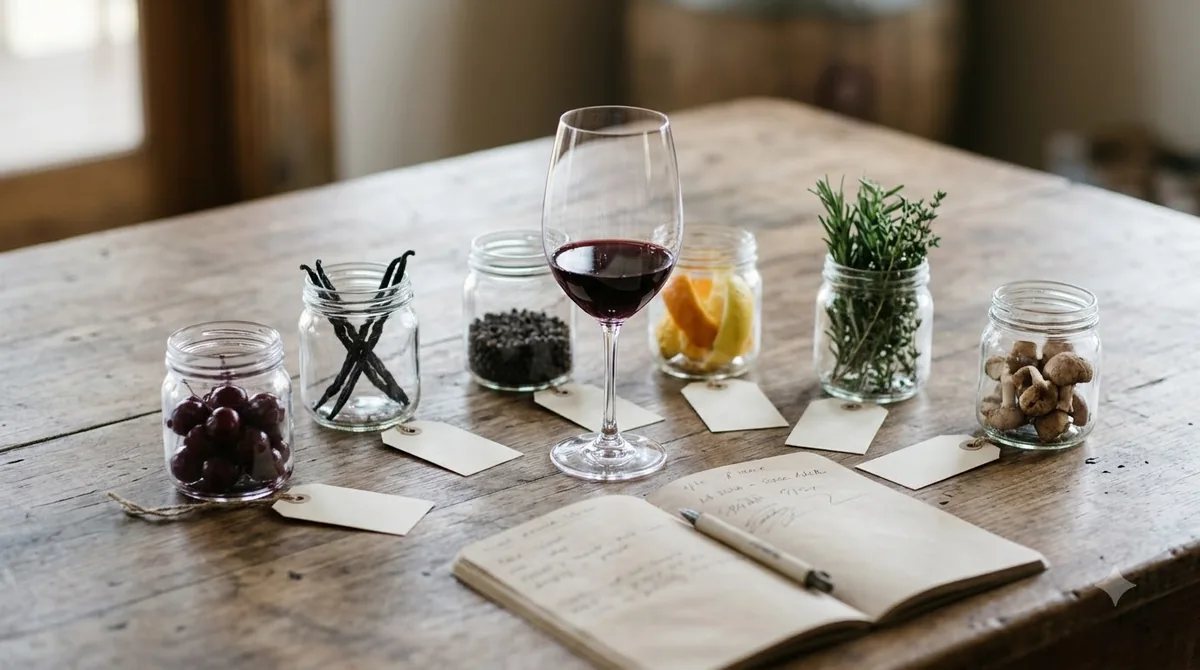
Chardonnay: The Foundation
Chardonnay is the principal grape and provides the recognizable foundation of the blend. Depending on its growing conditions and winemaking treatment, Chardonnay can produce flavors ranging from green apple and citrus to peach, ripe pear, and tropical fruit.
Its ability to respond to oak aging also makes it particularly useful for producing fuller-bodied white wines. Oak can contribute vanilla-like aromas, toasted characteristics, and additional textural impressions. In The Prisoner’s case, the producer specifically identifies baked apple, crème brûlée, and toasted oak as tasting characteristics.
Viognier: Aromatic Complexity
Viognier is known for its expressive fragrance and associations with ripe stone fruit and floral aromas. In a white blend, it can contribute an additional aromatic dimension that differs from Chardonnay’s familiar apple and citrus profile.
Its presence helps explain why The Prisoner Chardonnay is not simply another conventional Chardonnay bottling. The wine is designed around a combination of grape varieties rather than a single-variety expression. This approach can create a more distinctive overall aroma.
Gewürztraminer: Fragrant Character
Gewürztraminer is another aromatic white grape. It is commonly associated with floral, spice, and exotic-fruit characteristics. Its inclusion introduces another layer of fragrance to the blend, helping distinguish the wine from Chardonnay made exclusively with the primary variety.
These three grapes have different strengths. Chardonnay contributes familiarity and structure, Viognier adds aromatic fruit, and Gewürztraminer introduces fragrant complexity. The final result is intended to be expressive rather than austere.
Oak-Inspired Flavor and Texture
The producer’s technical description of the 2021 bottling provides a more detailed look at the oak program. That vintage spent ten months in French oak barrels, with half of the barrels classified as new. Barrel fermentation and regular stirring were also part of the described process.
The technical document mentions toasted marshmallow, vanilla, toasted coconut, and marzipan alongside apricot, yellow peach, and lemon zest. These notes provide additional context for the wine’s richer flavor direction. They should be understood as the published description of the 2021 release, not a guarantee that every bottle will display precisely the same characteristics.
For a useful explanation of the brand’s broader approach, VinePair’s overview of The Prisoner Wine Company discusses its history and its emphasis on unconventional blends. That background helps explain why the Chardonnay incorporates Viognier and Gewürztraminer instead of following a strictly single-variety formula.
Common Mistakes When Buying and Drinking The Prisoner Chardonnay
The biggest mistakes involve confusing aromatic sweetness with sugar, assuming all Chardonnay tastes alike, and serving a fuller-bodied white wine too cold. Understanding these distinctions makes it easier to judge the bottle fairly.
Assuming Sweet Aromas Mean Sweet Wine
Apple pie, crème brûlée, vanilla, and pineapple sound like dessert ingredients. However, tasting notes describe aromas and flavors rather than providing a laboratory measurement of residual sugar.
A dry Chardonnay can smell like baked fruit or vanilla without tasting like a sweet dessert wine. Buyers should distinguish between perceived sweetness and actual sweetness before deciding whether the bottle suits their preferences.
Expecting a Light, High-Acid Style
Not every Chardonnay is crisp, lean, and citrus-driven. The Prisoner’s published profile emphasizes baked apple, tropical fruit, and toasted oak, which suggests a more generous flavor direction.
Someone who prefers Sauvignon Blanc or unoaked Chardonnay may find the wine comparatively rich. This does not make it inferior; it simply means that the style serves a different preference.
Ignoring the Alcohol Level
The 2022 producer listing states 14.5% ABV. That is an important specification because alcohol contributes to the overall impression of warmth and body in wine.
A buyer who usually chooses white wines with a lighter profile should compare alcohol specifications before selecting a bottle. The difference between a restrained white and one approaching 15% ABV can be noticeable at the table.
Serving It Directly From an Extremely Cold Refrigerator
Very low temperatures can suppress aromas and make a wine seem less expressive. This is particularly relevant for a Chardonnay whose appeal includes vanilla, pineapple, and baked-apple characteristics.
Rather than pouring it immediately after extended refrigeration, allow the wine to warm toward 50–55°F. This provides a better opportunity to recognize its aromatic layers.
Choosing Food That Overwhelms the Wine
Highly acidic dishes can make a wine taste flatter if the food’s acidity is substantially higher. Likewise, intensely spicy dishes can make alcohol and warming sensations more noticeable.
Rich, creamy dishes and moderately seasoned roasted foods are generally safer starting points. The goal is to find a pairing that complements the wine’s weight without overwhelming its fruit and oak characteristics.
Care, Storage, Serving Temperature, and Food Pairings
Proper serving temperature and storage help preserve the wine’s aromas and flavor balance. The Prisoner Chardonnay is best approached as a fuller-bodied white wine, with attention to refrigeration, bottle handling, and food compatibility.
Serving Temperature
A temperature of 50–55°F is a useful target for fuller-bodied white wines. This range allows more aromatic expression than serving the bottle extremely cold while retaining enough freshness to keep the wine balanced.
For a practical approach, refrigerate the bottle before dinner and remove it briefly before pouring. If the wine becomes warmer in the glass, return the bottle to an ice bucket or refrigerator for a short period.
Glassware and Pouring
A medium-to-large white wine glass is suitable for The Prisoner Chardonnay. A bowl with enough room to swirl helps release the aromas of apple, pineapple, vanilla, and oak.
Use a standard 5-ounce pour rather than filling the glass to the rim. A 750 ml bottle contains approximately five such servings, leaving sufficient space for swirling and smelling the wine.
Food Pairing Recommendations
The wine’s ripe fruit and oak profile works especially well with foods that have moderate richness. Consider these combinations:
- Roasted chicken: The savory flavor and browned skin complement the wine’s apple and toasted-oak characteristics.
- Chicken Alfredo: Creamy sauce and Parmesan provide enough richness to match the fuller body of the Chardonnay.
- Grilled lobster: The natural sweetness of lobster works with ripe fruit flavors, while butter provides a complementary texture.
- Seared scallops: Their delicate sweetness and lightly caramelized exterior can complement the wine without overwhelming it.
- Roasted pork: A moderately seasoned pork loin works well with the wine’s baked-fruit profile.
- Mushroom risotto: Creamy rice and savory mushrooms provide a satisfying match for oak-influenced white wine.
- Butternut squash: Roasted squash introduces natural sweetness that can complement apple and vanilla notes.
Acidity deserves attention when choosing sauces and side dishes. Lemon-based seafood sauces can work if their acidity is not excessive, while heavily vinegar-based dressings may overpower the wine. For spicy meals, keep chili heat moderate because higher alcohol and tannin can intensify the sensation of heat.
Salt and fat can soften the perception of tannin in red wines, but they also help explain why richer foods can make fuller white wines feel more balanced. Oily fish, however, is generally better matched with whites that do not have substantial tannin. Since Chardonnay is a white wine with little tannin, salmon and other oily fish can be appropriate choices when the preparation is not overly acidic or spicy.
Storing an Open Bottle
Once opened, reseal the bottle and place it in the refrigerator. Most still wines are best consumed within approximately three to five days after opening, although their aromatic freshness can decline before that period ends.
Keep unopened bottles away from direct sunlight, temperature fluctuations, and excessive heat. For longer-term storage, a consistent temperature near 55°F is a useful target. Bottles with natural cork closures are generally stored horizontally to keep the cork from drying out.
The Prisoner Chardonnay does not need lengthy decanting as a routine step. A short period in the glass is generally sufficient to allow its aromatic characteristics to emerge. Keeping the serving temperature consistent is more useful than automatically exposing the wine to extended air contact.
Frequently Asked Questions
Is The Prisoner Chardonnay made entirely from Chardonnay grapes?
No. The producer identifies three varieties: Chardonnay, Viognier, and Gewürztraminer. The additional grapes distinguish this wine from a conventional Chardonnay made exclusively from the principal variety. The precise proportions of the three grapes are not provided in the published product description.
Does The Prisoner Chardonnay contain residual sugar?
The product information discussed here does not publish a residual-sugar measurement. Its dessert-like tasting descriptions are not sufficient to calculate sugar content. A laboratory analysis or an official specification for the particular vintage would be needed to establish the precise figure in grams per liter.
Is The Prisoner Chardonnay vegan?
The product descriptions and technical information cited here do not establish whether the wine is vegan. Some winemaking processes use animal-derived fining agents, while others use mineral or plant-based alternatives. Anyone following a vegan diet should seek confirmation from the producer for the specific vintage.
Does The Prisoner Chardonnay need to breathe before serving?
It does not require a fixed decanting period. A brief rest in the glass is a practical way to let its aromatic profile develop. A large decanter is generally unnecessary for routine service, particularly if the bottle is already at the appropriate temperature.
Can The Prisoner Chardonnay be kept for several years?
The information cited here does not establish a specific cellaring window or guarantee how long individual vintages will improve. Storage potential depends on the vintage, bottle condition, and storage environment. For a bottle purchased for ordinary enjoyment, following its current drinking profile is more sensible than assuming extended aging will improve it.
The Prisoner Chardonnay is a distinctive choice for drinkers who appreciate ripe fruit, aromatic complexity, and oak-influenced white wine. Its combination of Chardonnay, Viognier, and Gewürztraminer gives it a recognizable identity, while the 2022 bottling’s stated 14.5% ABV makes its fuller style an important purchasing consideration. If baked apple, pineapple, vanilla, and toasted oak sound appealing, this California Chardonnay deserves a place on your shortlist.
More in Wine Brands
 Surely Wine Price: Compare Bottles, Styles and ValueUpdated Nov 21, 2026
 Surely Wine Review: Choose the Right Non-Alcoholic WineUpdated Nov 21, 2026
 Stoneleigh Wine Price: Compare Bottles and Choose the Right RangeUpdated Nov 21, 2026
 The Wolftrap Wine Price: What Buyers Should ExpectUpdated Nov 21, 2026
 Stella Rosa Platinum Price: Bottle Costs and Buying TipsUpdated Nov 21, 2026
 Taylor Fladgate Wine Price: Compare Port Styles and Find Your FitUpdated Nov 21, 2026