


We may earn a commission when you buy through links on this page, at no extra cost to you. Learn more.
The taylor fladgate wine price typically ranges from about $15 to $25 for approachable Ruby Port to well over $100 for older Tawny and selected Vintage Port bottles. The final cost depends on the Port style, age designation, vintage, bottle size, and retailer. For most buyers, the 10 Year Old Tawny and 20 Year Old Tawny offer useful starting points for comparing quality, maturity, and spending.
Taylor Fladgate is a prominent Portuguese Port producer with a portfolio that covers fruity Ruby styles, wood-aged Tawny wines, Late Bottled Vintage (LBV), and collectible Vintage Port. Its range includes relatively accessible bottles for casual entertaining as well as older expressions suited to special occasions and thoughtful gifts. Understanding the differences between these categories makes it easier to judge whether a bottle’s asking price matches the experience you want.
Who This Price Guide Is For
This guide is for shoppers comparing Taylor Fladgate bottles before purchasing, whether they want an affordable introduction to Port or a more mature bottle for a celebration. The most useful starting point is deciding whether you prefer youthful fruit, mellow wood-aged character, or concentrated vintage complexity.
First-time Port buyers often begin with Fine Ruby or Fine Tawny. These approachable styles provide an introduction to the producer without requiring the larger commitment associated with age-designated Tawny or Vintage Port. Taylor Fladgate’s Select Reserve and First Estate Reserve provide another step for shoppers interested in more structured Ruby Port.
Buyers who enjoy slower after-dinner drinking may prefer the 10 Year Old or 20 Year Old Tawny. The age indication gives a useful reference for the character of the blended wine, although it should not be interpreted as the exact age of every wine in the bottle. Older expressions, including 30 Year Old, 40 Year Old, and Golden Age 50 Year Old Tawny, occupy a more premium part of the range.
Collectors have a different purchasing objective. Vintage Port is associated with a particular harvest, and individual years and vineyard selections can command substantially different prices. A Quinta de Vargellas bottling, for example, should be considered separately from an ordinary non-vintage Tawny because the wine’s vintage identity and intended development are different.
The guide is also useful for gift shoppers. A 10 Year Old Tawny is a practical introduction for someone who enjoys dessert wines, while a 20 Year Old or older Tawny can make a more substantial gift. Those buying for someone who enjoys traditional cellar-worthy wines may find Vintage Port more appropriate.
Key Factors to Compare Before Buying
Taylor Fladgate wine prices are influenced by several factors, but the biggest differences generally come from Port style and maturation. Comparing equivalent 750 ml bottles is the easiest way to understand the market rather than judging products by their shelf prices alone.

The following table provides practical US retail budgeting ranges. These are approximate shopping ranges informed by the producer’s product listings, Vino Alert’s multi-retailer price tracking, and Total Wine’s published listings. They are not guaranteed national prices, and prices vary by state and retailer.
| Port style | Typical US retail range | What to expect | Best suited to |
|---|---|---|---|
| Fine Ruby | About $15–$25 | Fresh, fruity, approachable | Casual drinking |
| Fine Tawny | About $15–$25 | Soft fruit and nutty notes | New Port drinkers |
| Select Reserve | About $18–$30 | More structured Ruby character | Ruby Port enthusiasts |
| LBV Port | About $20–$35 | Concentrated fruit and vintage character | Dessert and cheese pairings |
| 10 Year Old Tawny | About $27–$45 | Caramel, dried fruit, and spice | After-dinner drinking |
| 20 Year Old Tawny | About $48–$75 | Greater maturity and nutty complexity | Gifts and special occasions |
| 30 Year Old Tawny | About $150–$200 | More developed wood-aged character | Premium entertaining |
| Vintage Port | Vintage-dependent; often substantially higher | Harvest-specific concentrated wine | Collectors and cellaring |
For the 10 Year Old Tawny, Vino Alert’s tracked US retailer prices have ranged from approximately $26.66 to $93.70, illustrating why a shopper should compare multiple sellers rather than assume one shelf price represents the entire market. Total Wine also lists its 750 ml bottle, providing another reference point for ordinary retail shopping.
The 20 Year Old Tawny has a similarly broad retail spread. Vino Alert records prices from approximately $47.95 to $78 across its tracked retailers, while Total Wine lists a 750 ml bottle. These figures suggest that the 20-year expression can be a reasonable upgrade for shoppers seeking more developed flavors without moving immediately into the considerably more expensive older Tawny categories.
Five factors that influence the price
1. Maturation: Longer wood aging generally increases production costs and places a wine in a more premium category. The difference between the 10 Year Old and 20 Year Old Tawny is therefore about more than the number printed on the label.
2. Wine style: Ruby, Tawny, LBV, and Vintage Port are made for different drinking experiences. Their prices should be evaluated within their respective categories rather than treated as a simple quality ladder.
3. Vintage: Vintage Port prices are particularly dependent on the specific harvest. A well-regarded vintage or a sought-after vineyard bottling may cost more than a standard non-vintage expression.
4. Bottle format: A 375 ml half bottle, 750 ml standard bottle, and 1.5 L magnum are not directly comparable by shelf price. Larger formats can also have different availability and collector demand.
5. Retail availability: State alcohol regulations, distribution, local inventory, and retailer pricing policies all influence the final purchase cost. A bottle available in one state may not be offered by a retailer in another.
Tip: Compare the same Taylor Fladgate expression in the same bottle size across at least two retailers. For age-designated Tawny, compare the 10-year and 20-year bottles directly rather than comparing either one with an unrelated Vintage Port.
Step-by-Step: How to Find the Right Bottle
The easiest way to choose Taylor Fladgate is to start with your intended occasion, select a Port style, and then establish a reasonable spending range. This approach prevents paying for an age designation or vintage character that the recipient may not particularly appreciate.
- Decide when the wine will be served. For a casual evening, a Fine Ruby or Fine Tawny is a sensible starting point. For a dinner-party dessert course, consider the 10 Year Old Tawny or LBV. For a milestone celebration, the 20 Year Old or an older expression may be more appropriate.
- Choose between Ruby and Tawny character. Ruby Port generally emphasizes youthful dark fruit, while Tawny Port develops more dried-fruit, nutty, and caramel-like characteristics through wood aging. This is one of the most important decisions because the two styles appeal to different preferences.
- Set your bottle-size requirement. Most shoppers compare 750 ml bottles because this is the common standard format. Total Wine also lists Taylor Fladgate products in 375 ml and 1.5 L formats, which can be useful for gifts or group occasions.
- Compare the age categories. If you want a wood-aged wine, start with 10 Year Old Tawny and compare it with 20 Year Old Tawny. Move to 30 Year Old or 40 Year Old only if the more mature style suits your occasion and budget.
- Check the specific vintage for Vintage Port. Do not assume all Vintage Port bottles have comparable prices. Compare the vintage year, vineyard designation, bottle format, and seller information before deciding.
- Compare retailer listings. Look at the full bottle description and confirm that the product is the intended expression. A Fine Tawny, 10 Year Old Tawny, and 20 Year Old Tawny are different products even though all carry the Taylor Fladgate name.
- Plan the serving occasion. A 10 Year Old Tawny is convenient for after-dinner service, while Vintage Port may require additional preparation, including decanting. Consider how many people will drink it and whether the bottle will be finished at the same occasion.
For buyers comparing Portuguese fortified wines more broadly, the Taylor Fladgate wine range is a useful starting point for understanding the producer’s different offerings. Shoppers who prefer lighter sparkling wines may also consider La Marca Prosecco, although Prosecco is a very different category from fortified Port.
Types and Styles Explained
Taylor Fladgate’s range is best understood through its main Port categories: youthful Ruby, wood-aged Tawny, LBV, Vintage, and specialty bottlings. Each style offers a different combination of fruit character, maturation, and intended drinking occasion.
Fine Ruby Port
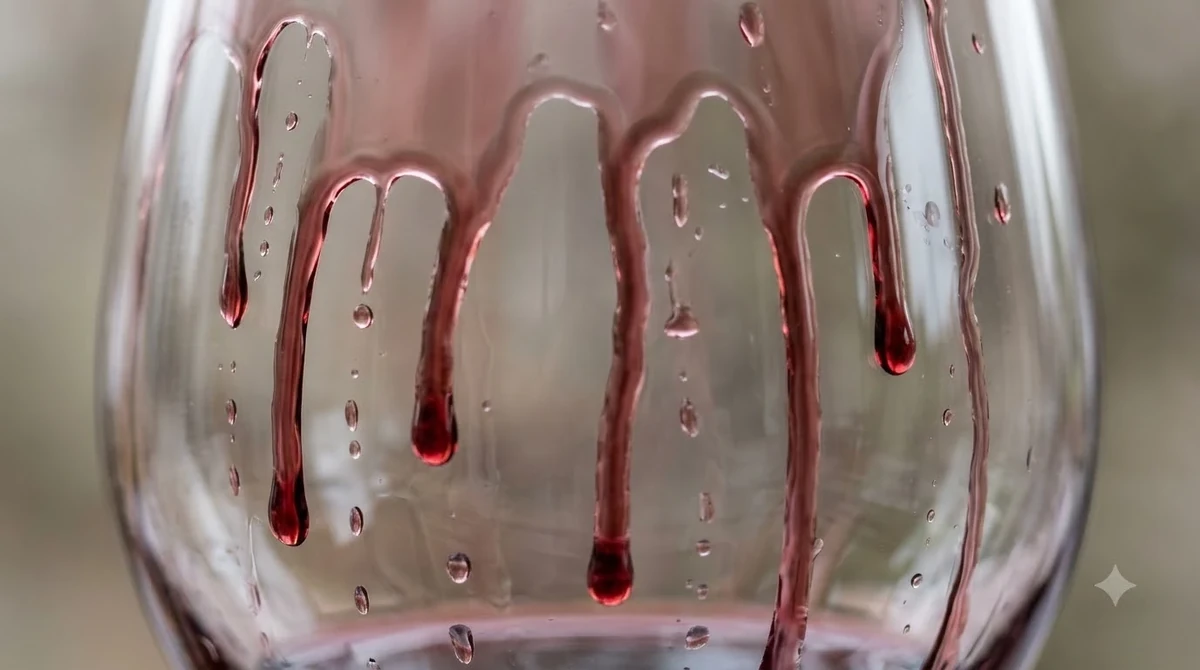
Fine Ruby is an accessible introduction to Taylor Fladgate. Its youthful style focuses on fruit rather than extended wood-aged complexity, making it suitable for casual dessert service and informal gatherings.
Expect a fuller, fruit-driven profile with dark berry and plum characteristics typical of Ruby Port. It works well with chocolate desserts, brownies, and strong cheeses. Because it is intended to emphasize fruit, it is generally a more straightforward choice than an older Tawny.
For shoppers looking for an affordable entry into the producer’s portfolio, Fine Ruby is a sensible place to begin. Reserve Ruby and Select Reserve are alternatives for those who want to explore a more structured style within the same general category.
Fine Tawny Port
Fine Tawny is the approachable wood-aged direction of the range. It generally appeals to people who prefer softer fruit, nutty suggestions, and a mellow finish instead of the more direct fruit emphasis of Ruby Port.
Its style makes it useful with almond pastries, pecan desserts, and mild cheeses. It can also be served on its own as an after-dinner drink. Fine Tawny is a practical introduction before moving into the age-designated Tawny expressions.
Late Bottled Vintage Port
LBV stands for Late Bottled Vintage. This category offers vintage-associated character in a more accessible format than many traditional Vintage Ports. Taylor Fladgate’s LBV is worth considering for shoppers who want richer fruit and a more substantial Port experience without automatically purchasing a collectible vintage bottle.
LBV is particularly useful with chocolate desserts and mature cheeses. Its concentrated fruit character can also make it an appealing alternative to Tawny for drinkers who prefer a darker, richer profile. Its exact handling requirements depend on the bottling, so buyers should follow the producer’s serving guidance.
10 Year Old Tawny
The 10 Year Old Tawny is one of the most practical reference bottles in the range. It offers a noticeable step beyond basic Tawny in terms of developed aromas and flavors without moving into the more expensive older categories.
Wine Enthusiast identifies the wine as a 20% ABV Port in a 750 ml bottle and describes toffee aromas, red berry fruit, caramel, spice, and sweetness balanced by some dryness. These characteristics make it an appealing choice for people who enjoy mature dessert wines.
It pairs particularly well with apple tart, crème brûlée, pecan pie, and toasted nuts. The combination of sweetness and developed flavors also makes it a useful gift for someone who enjoys after-dinner wines.
20 Year Old Tawny
The 20 Year Old Tawny is a logical step up for shoppers who already enjoy the 10-year expression. It typically offers more developed nutty and wood-aged characteristics, making it particularly appropriate for slower sipping and special occasions.
Wine Enthusiast describes Taylor Fladgate’s 20 Year Old Tawny as balancing wood aging and fruit, with nutty aromas, ripe character, and toasted flavors. It is also listed as a 20% ABV Port in a 750 ml bottle.
Pair it with toasted almonds, walnut cake, caramel desserts, or aged cheeses. For someone who enjoys mature Tawny Port, the difference in style can make the additional spending more worthwhile than simply purchasing another basic Ruby bottle.
30 Year Old, 40 Year Old, and Golden Age 50 Year Old Tawny
These expressions occupy the premium end of Taylor Fladgate’s age-designated Tawny range. They are aimed at drinkers who specifically appreciate developed wood-aged Port and are willing to spend more for an older blended expression.
The 30 Year Old and 40 Year Old bottles are natural considerations for milestone gifts. Golden Age 50 Year Old Tawny sits further into the luxury category and is better approached as a special purchase than an everyday dessert wine.
These wines are particularly suited to small pours after dinner. Their more mature character can complement toasted nuts, dried fruit, caramelized desserts, and strong cheeses. They are also appropriate for occasions where the bottle itself is part of the gift.
Vintage Port and Quinta de Vargellas
Vintage Port differs from Tawny because it is associated with an individual harvest rather than an age-indicated blend. Taylor Fladgate’s portfolio includes Classic Vintage, Quinta de Vargellas, and other vineyard-related selections.
Vintage Port generally emphasizes concentrated dark fruit and structure in its youth, with the potential to develop additional complexity through bottle aging. This makes it particularly interesting to collectors and buyers planning a special future occasion.
Quinta de Vargellas is an important name to recognize when comparing Taylor Fladgate Vintage Port. A specific vineyard bottling should be compared with other Vintage Port selections from the same general category rather than directly against a 10 Year Old Tawny.
Common Mistakes When Comparing Taylor Fladgate Prices
Many shopping mistakes happen because buyers compare different Port styles as if they were interchangeable. Understanding the product category and the intended drinking experience helps prevent paying more without receiving the style you actually want.
Assuming older always means better
An older Tawny is not automatically the best purchase for every person. Someone who enjoys juicy blackberry and plum flavors may prefer Fine Ruby or LBV over a much older, more developed Tawny.
The 10 Year Old and 20 Year Old expressions also provide different drinking experiences rather than simply different levels of the same flavor. The 20-year style is more appropriate for people who enjoy mature, nutty, wood-aged wines. A younger expression may be more enjoyable for someone who prefers fruit-forward Port.
Comparing Vintage Port with Tawny Port
Vintage Port and Tawny Port have different production and maturation approaches. Vintage Port is associated with a particular harvest and develops through bottle aging, while age-designated Tawny is matured in wood and blended to represent an average age category.
Comparing the two only by price can be misleading. Consider whether you want a bottle ready for after-dinner service or one that may benefit from additional cellar aging. This distinction is more useful than assuming the more expensive bottle is automatically superior.
Ignoring bottle size
A half bottle can appear inexpensive next to a standard bottle, but the cost per milliliter may be considerably higher. Similarly, a magnum should not be compared with a standard 750 ml bottle using shelf price alone.
For a small gathering of two or three people, a standard bottle may be sufficient. For a larger dinner, a bigger format may make more practical sense, particularly if everyone enjoys Port.
Buying a bottle without considering sweetness
Port is generally a sweet fortified wine, but its fruit, acidity, alcohol, and maturation characteristics differ by style. Someone who prefers dry table wine may find a rich Ruby Port sweeter than expected.
For dessert pairings, choose a wine at least as sweet as the food. Taylor Fladgate Tawny can work particularly well with nut-based desserts, while Ruby and LBV are natural companions for dark chocolate and berry desserts.
Overlooking retailer differences
Retail listings may show different prices, formats, or availability for what appears to be the same bottle. A product listed as Taylor Fladgate Tawny is not necessarily the same expression as a 10 Year Old or 20 Year Old Tawny.
Check the complete product name and size before purchasing. Also consider local shipping restrictions and state alcohol regulations, which can affect whether a retailer can deliver the bottle to your address.
Care, Serving, and Storage Tips
Proper serving and storage help preserve the character of Taylor Fladgate Port after purchase. The most important considerations are temperature, exposure to oxygen, and the difference between bottle-aged Vintage Port and wood-aged Tawny.
Serving temperature
Serve Tawny Port slightly cool, generally around 50–55°F, so its nutty, caramel, and dried-fruit characteristics remain balanced. Ruby and LBV Port can also benefit from slightly cool serving temperatures rather than being poured warm.
A small Port glass is suitable for these concentrated wines. A standard wine pour is approximately 5 oz, but Port is usually served in smaller portions because its alcohol content is considerably higher than that of ordinary table wine.
For a dinner party, offer small pours alongside dessert instead of filling large wine glasses. This makes it easier for guests to enjoy the wine without becoming overwhelmed by its sweetness or strength.
Food pairing suggestions
Tawny Port works especially well with foods that complement its developed flavors. Consider pecan pie, walnut cake, crème brûlée, dried figs, toasted almonds, and caramel desserts.
Ruby and LBV are natural companions for chocolate cake, brownies, dark chocolate, and strong cheeses. Their fruit-forward character provides a different pairing experience from the nutty and caramel-like profile of aged Tawny.
For cheese boards, try mature cheddar, blue cheese, and other strongly flavored varieties. The wine’s sweetness and concentrated flavor can balance salty and savory foods.
Storage before opening
Store unopened Port in a cool, dark place with a relatively stable temperature. For bottles intended for longer storage, approximately 55°F is a useful cellar target.
Traditional Vintage Port bottles are generally stored on their sides when fitted with natural cork closures. This helps keep the cork in contact with the wine. Protect bottles from direct sunlight, heat sources, and repeated temperature fluctuations.
Wood-aged Tawny Port is generally ready to drink when purchased and does not require the same extended bottle-aging approach as Vintage Port. Keeping it in a cool, dark environment still helps preserve its quality.
After opening
Once opened, store Port in the refrigerator with a suitable closure. Sparkling wines generally last around 1–3 days after opening, still wines around 3–5 days, and fortified wines can remain enjoyable for several weeks depending on their style and storage conditions.
Tawny Port often keeps better after opening than many ordinary table wines because its previous wood maturation has already exposed it to controlled oxygen over time. However, this does not mean an opened bottle can be left uncorked indefinitely.
Vintage Port can be more sensitive to oxygen exposure after opening. Plan to serve it during the intended occasion and preserve any remainder carefully. If a bottle contains sediment, decanting may be appropriate before service.
For more background on the producer and its broader category, the official Taylor’s Port website provides information about Port styles, serving, and storage.
Frequently Asked Questions
Is Taylor Fladgate Port the same as regular red wine?
No. Port is a fortified wine made by adding grape spirit during fermentation, which helps preserve natural grape sweetness. This production method also gives Port a higher alcohol content than most ordinary red table wines.
What does NV mean on a Taylor Fladgate Tawny bottle?
NV means non-vintage. It indicates that the wine is a blend rather than a bottle identified with one individual harvest year. Age-designated Tawny uses a stated age category to communicate its intended mature style.
Does a 20 Year Old Tawny contain only 20-year-old wine?
No. The age designation represents the approximate character of the blend rather than a guarantee that every component is exactly 20 years old. The producer’s blending decisions are intended to create a consistent style associated with that age category.
Can Taylor Fladgate Port be used in cocktails?
Yes. Port can be used in cocktails, particularly Ruby and White Port styles. White Port can work in refreshing aperitif-style drinks, while Ruby Port can contribute sweetness, fruit character, and color to mixed drinks.
Does Taylor Fladgate make White Port?
Yes. The producer’s portfolio includes Fine White, Chip Dry, and VVOP White. These expressions provide an alternative to the more familiar red and Tawny styles and can be used for aperitifs and different cocktail applications.
The best Taylor Fladgate purchase depends on whether you prefer approachable Ruby, mellow Tawny, concentrated LBV, or collectible Vintage Port. For most first-time buyers, the 10 Year Old Tawny is a useful starting point, while the 20 Year Old is an appealing step up for someone who enjoys mature fortified wines. Compare equivalent bottle sizes and retailer listings before purchasing so that the final price reflects the style and occasion you actually want.
More in Wine Brands
 Underwood Wine Price: Compare Bottles, Cans, and Pack SizesUpdated Nov 21, 2026
 Zenato Wine Price: Compare Styles and Choose the Right BottleUpdated Nov 21, 2026
 Zuccardi Wine Price: Compare Bottles and Find the Right RangeUpdated Nov 21, 2026
 Yellow Tail Moscato Review: Taste, Sweetness and Serving TipsUpdated Nov 21, 2026
 Wolf Blass Yellow Label Review: Choose Your Best StyleUpdated Nov 21, 2026
 Wolffer Estate Rose Review: Choose the Right Bottle for Your TableUpdated Nov 21, 2026