

We may earn a commission when you buy through links on this page, at no extra cost to you. Learn more.
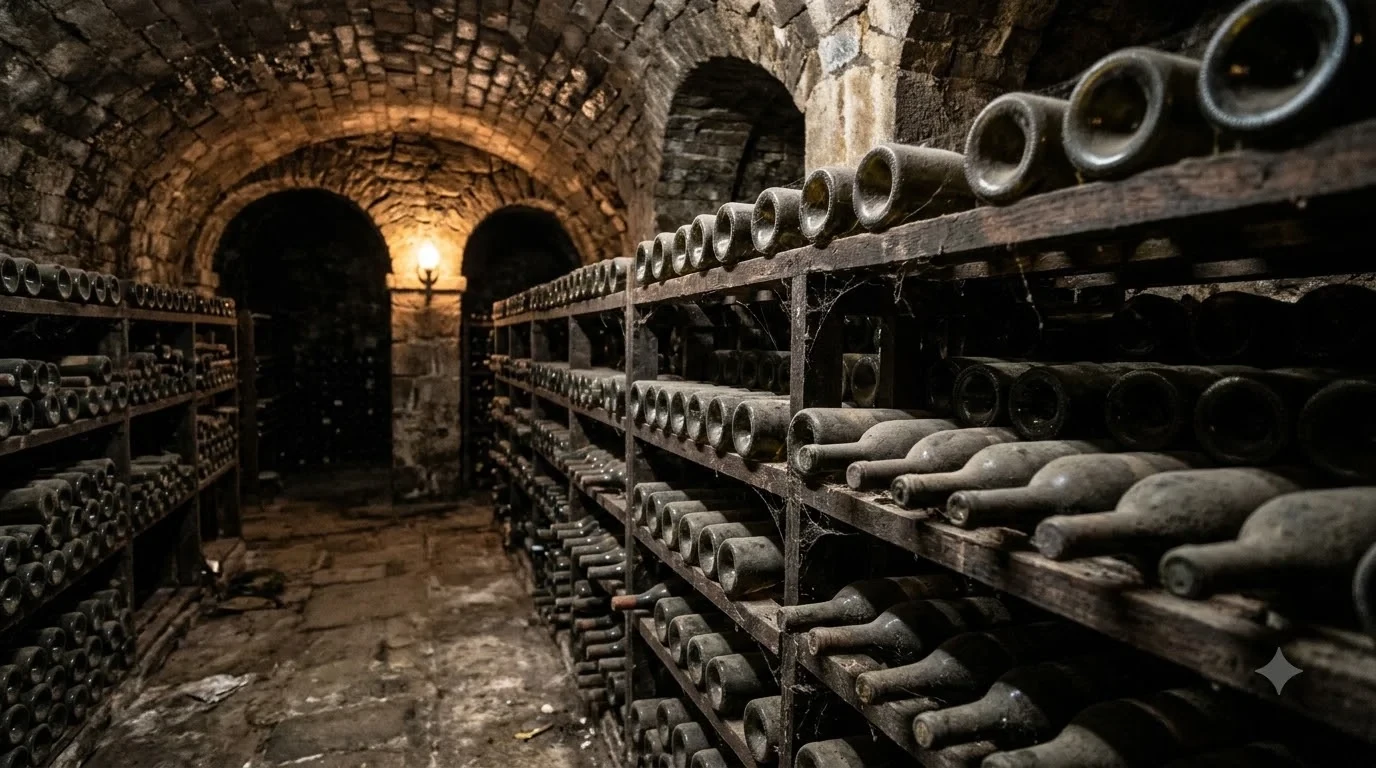
This st francis wine review finds that St. Francis Winery & Vineyards is a strong choice for Sonoma County wines, particularly Merlot, Cabernet Sauvignon, Zinfandel, and Chardonnay. Its range covers approachable everyday bottles as well as more distinctive single-vineyard and winery-exclusive selections. Buyers who enjoy expressive California fruit, oak-influenced winemaking, and recognizable varietal character will find several styles worth considering. The best bottle depends on whether you prefer softer Merlot, structured Cabernet, spicy Zinfandel, or richer Chardonnay.
St. Francis has a long connection with Sonoma Valley, where its founder began planting vineyards in 1971. Today, its portfolio draws on estate vineyards and established grape-growing relationships throughout Sonoma County. Rather than focusing on just one signature grape, the winery produces a broad selection organized into four collections. Understanding those collections, the differences between its major varietals, and the characteristics of individual wines makes choosing a bottle considerably easier.
Who This Is For: Sonoma Wine Drinkers Looking for Variety and Character
St. Francis is worth considering for wine drinkers who enjoy recognizable California varietals with generous fruit, noticeable structure, and a connection to a specific growing region. Its selection includes everything from Cabernet Sauvignon and Merlot to Chardonnay, Sauvignon Blanc, Pinot Noir, and Zinfandel, making it possible to find different styles without switching producers.
The winery’s history is closely connected with Sonoma Merlot. Founder Joe Martin established St. Francis Vineyard in 1971, planting 22 acres of Chardonnay and the first 60 acres of Merlot in Sonoma Valley. He opened the winery with Lloyd Canton in 1979. Tom Mackey subsequently joined as the first winemaker in 1983, helping establish the winery’s reputation for producing Merlot as a serious standalone varietal rather than simply using it as a blending grape.
That background matters for shoppers who enjoy Merlot but want something with more structure than an especially soft, uncomplicated example. The winery’s portfolio includes both approachable Sonoma County expressions and more concentrated vineyard-specific wines. Wine Enthusiast’s review of the 2023 Sonoma County Merlot, for example, describes dark berry, chocolate, licorice, baked cherry, black plum, and cocoa characteristics. The wine received 89 points, placing it in the publication’s Very Good category.
Cabernet Sauvignon drinkers also have reasons to explore the range. St. Francis offers Sonoma County Cabernet alongside more geographically specific bottlings. These wines generally appeal to people who enjoy darker fruit, cedar, spice, and substantial tannin. The winery also makes Old Vines Zinfandel, a particularly interesting option for shoppers who want ripe fruit and peppery character rather than a conventional Cabernet profile.
White-wine drinkers are not overlooked. Chardonnay receives considerable attention, with barrel fermentation, malolactic fermentation, and lees stirring contributing richness to selected bottlings. Sauvignon Blanc offers an alternative for those who prefer a fresher, more aromatic style.
St. Francis may be less suitable for someone who consistently prefers very light-bodied, delicate wines with minimal oak influence. Several of its reds are full-bodied or structured, while its Chardonnay can offer a richer mouthfeel than unoaked, high-acidity alternatives. Understanding these preferences before purchasing helps narrow the selection.
For a closer look at the producer’s wider portfolio, start with this overview of St. Francis wine.
Key Factors to Compare Before Choosing a Bottle
The most useful way to compare St. Francis wines is to look at the grape variety, collection, growing region, and winemaking approach. These four factors explain more about the likely drinking experience than the winery name alone.
The following comparison summarizes the main styles available and the type of drinker each generally suits. The descriptions reflect the winery’s portfolio and documented tasting information rather than assuming every vintage tastes identical.
| Wine or collection | Main characteristics | Best suited to |
|---|---|---|
| Merlot | Dark berries, plum, chocolate, softer tannins | Drinkers who enjoy balanced, fruit-forward reds |
| Cabernet Sauvignon | Blackcurrant, blackberry, cedar, firm tannins | Full-bodied red-wine enthusiasts |
| Old Vines Zinfandel | Black cherry, pepper, spice, vanilla | Fans of ripe, expressive reds |
| Pinot Noir | Red fruit, cranberry, raspberry, moderate structure | Drinkers seeking lighter-bodied reds |
| Chardonnay | Pear, apple, brioche, oak, creamy texture | Fans of richer white wines |
| Sauvignon Blanc | Fresh fruit and brighter acidity | Drinkers who prefer crisp whites |
| Classic Collection | Approachable varietal expressions | Everyday Sonoma wine drinkers |
| Appellation Collection | Region-focused varietal character | Buyers interested in vineyard origin |
| Artisan Collection | Single-vineyard wines and proprietary blends | Exploratory and experienced wine drinkers |
| Icon Collection | Handcrafted wines highlighting Sonoma fruit | Shoppers seeking premium selections |
One important distinction is that the four collections describe different portfolio approaches, not simply four levels of sweetness or body. Classic emphasizes approachable expressions of familiar grapes, while Appellation gives greater attention to individual varietals and their growing areas. Artisan and Icon are winery-exclusive collections.
Oak treatment is another important consideration. St. Francis uses French oak for several of its wines, but the proportion of new barrels and aging periods vary. A wine aged in a substantial proportion of new oak can develop more noticeable vanilla, spice, toast, and baking-related characteristics than one aged predominantly in older barrels.
For a concrete example, the winery’s 2024 Sonoma County Chardonnay is made from 100% Chardonnay and aged for eight months in French oak, with 20% new barrels. Its stated alcohol level is 14.3% ABV. The 2023 Appellation Collection Sonoma Valley Merlot, by comparison, spends 20 months in French oak, with 55% new oak. Those different approaches help explain why two wines from the same producer can feel quite different.
Buyers should also distinguish between Sonoma County and narrower appellation designations. A broader regional wine can bring together fruit from several growing areas, while a vineyard-specific or appellation-focused wine offers a more concentrated expression of its stated origin.
Tip: If you are uncertain which St. Francis wine to buy, start with the grape variety you already enjoy. Then compare the collection and growing region. This is a more reliable starting point than choosing solely by label appearance or collection name.
Step-by-Step: How to Choose the Right St. Francis Wine
Choosing a St. Francis bottle becomes easier when you follow a simple sequence. Start with the occasion and preferred grape, then narrow your choice using the collection, growing region, and serving requirements.
- Decide whether you want red or white. Cabernet Sauvignon, Merlot, Pinot Noir, and Zinfandel provide several distinct red-wine experiences. Chardonnay and Sauvignon Blanc cover two different approaches to white wine, from richer and more rounded to fresher and brighter.
- Identify your preferred body and tannin level. Choose Cabernet Sauvignon if you like firm tannins and full-bodied reds. Merlot generally offers softer tannins and a rounder impression. Pinot Noir is a better starting point for someone who prefers lighter structure and brighter acidity.
- Consider the collection. The Classic Collection provides approachable varietal wines. Appellation emphasizes regional character, while Artisan and Icon are winery-exclusive selections with more specialized positioning.
- Compare the growing regions. Sonoma County is a broad starting point. Sonoma Valley, Russian River Valley, Alexander Valley, Dry Creek Valley, and other named areas can help distinguish the origin and style of individual bottles.
- Look at the winemaking details. Pay attention to oak aging, alcohol level, grape composition, and maturation time. For Chardonnay, eight months in French oak and 20% new barrels, as specified for the 2024 Sonoma County bottling, suggest a different profile from a stainless-steel-fermented white wine.
- Think about the meal. Cabernet works well with grilled beef, while Merlot is versatile with roast chicken, burgers, and mushroom dishes. Chardonnay can accompany roast poultry and creamy seafood dishes, while Sauvignon Blanc works well with salads and fresh goat cheese.
- Choose the bottle for the occasion. A straightforward Classic wine may be appropriate for a casual dinner. A vineyard-specific Merlot or a selection from the Artisan or Icon collection may be more interesting for a special meal or a focused tasting.
- Plan the serving temperature. Serve full-bodied reds around 60–65°F, lighter reds around 55–60°F, and full-bodied whites around 50–55°F. These temperatures help preserve the balance between fruit, acidity, and alcohol.
This process also helps prevent a common purchasing problem: selecting a bottle because its varietal name sounds familiar without considering the actual style. A Cabernet drinker may enjoy a substantial Merlot, for example, but someone who prefers delicate Pinot Noir may find a heavily structured Cabernet less appealing.
It is also sensible to compare the individual vintage rather than assuming that every release is identical. Growing conditions, harvest timing, and blending decisions can influence concentration, acidity, tannin, and aromatic development. A winery’s technical information is particularly useful when comparing two bottles with similar labels.
For shoppers who already know they prefer reds, the dedicated St. Francis red wine selection offers a more focused starting point.
Types and Styles Explained: Reds, Whites, and Premium Collections
St. Francis offers several recognizable grape varieties, but their differences are important. Cabernet Sauvignon emphasizes structure, Merlot tends toward softer tannins, Zinfandel highlights ripe fruit and spice, and Chardonnay can deliver a fuller texture through oak aging and lees work.
Cabernet Sauvignon: Structured and Full-Bodied
Cabernet Sauvignon is among the more substantial styles in the portfolio. St. Francis describes its Sonoma County Cabernet as combining the richness of warmer growing conditions with the brightness preserved by cool, fog-influenced nights.
The winery’s Cabernet Sauvignon selection is suited to people who enjoy blackcurrant, blackberry, cedar, tobacco, and spice. These flavors are consistent with the broader Cabernet profile, while the grape’s naturally high tannin gives the wine structure and a firm finish.
Cabernet is particularly useful with rich meals. Grilled steak, roast beef, lamb, and aged hard cheeses can complement its structure. Fat and salt soften the perception of tannin, making a well-seasoned steak a more natural match than a delicate white fish dish.
Merlot: Round Fruit and Balanced Structure
Merlot is one of the most historically important grapes for St. Francis. The winery’s founder planted Merlot in Sonoma Valley in 1971, and the grape remains a meaningful part of its identity.
The Sonoma County Merlot is an approachable starting point, with dark fruit, chocolate, and spice appearing in documented tasting descriptions. The 2023 Appellation Collection Merlot offers another option, with aromas of savory spice, crushed dark berries, and plum, followed by cherry preserves, baker’s chocolate, and grilled fennel.
The 2023 Appellation Merlot is made from 100% Merlot and has 14.8% ABV. According to the winery’s technical information, it spends 20 months aging in French oak, with 55% new barrels. These details suggest a more developed oak influence and structure than an uncomplicated entry-level Merlot.
Wine Enthusiast’s assessment of the 2023 Artisan Collection Merlot also provides useful context. The publication awarded it 91 points and described blackberry, cinnamon, clove, violets, dark cherry, chocolate, and herbal notes. Read the Wine Enthusiast review of the 2023 Artisan Collection Merlot for its full tasting assessment.
Zinfandel: Ripe Fruit and Peppery Spice
Zinfandel is another important Sonoma variety, and St. Francis offers an Old Vines expression. The style is generally more fruit-driven and spicy than Cabernet Sauvignon, with ripe black cherry, pepper, vanilla, and baking spice among the characteristics associated with the winery’s offering.
This is a natural option for barbecue, grilled pork, sausages, and richly seasoned burgers. Its ripe fruit works particularly well with smoky flavors and sweet barbecue sauces. However, spicy dishes containing substantial chili heat can make wines with higher alcohol and tannin seem hotter, so moderately seasoned food is generally a safer match.
Pinot Noir: A Lighter Red Alternative
Pinot Noir provides an alternative for shoppers who do not always want the weight of Cabernet or Zinfandel. Total Wine describes St. Francis Sonoma County Pinot Noir with red fruit, cranberry, pomegranate, raspberry, nutmeg, and clove characteristics.
Its medium-bodied profile makes it useful with roast chicken, salmon, grilled vegetables, and lighter pasta dishes. Pinot Noir typically has lower tannin and higher acidity than Cabernet Sauvignon, which makes it a more flexible option for meals that contain less fat and seasoning.
Chardonnay: Richness and Oak Influence
Chardonnay is one of St. Francis’s most interesting white-wine categories. The winery’s 2024 Sonoma County Chardonnay features fresh pear, baked apple, lemon curd, brioche, and minerality, with a soft-acidity finish.
The production details help explain the profile. The grapes are harvested at night or early in the morning to arrive cold at the winery. They are pressed and fermented separately in French oak barrels, followed by malolactic fermentation and eight months of aging. Hand-stirring the lees, known as bâtonage, contributes to a richer mouthfeel.
The result should appeal to drinkers who enjoy a fuller Chardonnay rather than a particularly lean, citrus-driven white. Roasted chicken, scallops, lobster, creamy pasta, and mushroom dishes are suitable food matches.
Sauvignon Blanc: A Fresher White-Wine Choice
Sauvignon Blanc is the more natural choice for someone who prefers brighter acidity and a fresher aromatic profile. It generally offers more pronounced acidity than Chardonnay, making it useful with salads, seafood, fresh herbs, and goat cheese.
St. Francis sources Sauvignon Blanc from Sonoma County growing areas, including its Wild Oak Vineyard in Sonoma Valley and Lagomarsino Vineyard in Russian River Valley. The winery also works with growers in areas such as Alexander Valley and Bennett Valley.
These different vineyard conditions help explain the range of potential expressions. Warmer sites can contribute fuller fruit character, while cooler locations help preserve freshness. For shoppers who prefer crisp whites over oak-influenced wines, Sauvignon Blanc is the logical alternative.
Common Mistakes When Buying St. Francis Wines
The biggest purchasing mistakes involve treating every bottle as though it has the same body, oak influence, and intended drinking occasion. St. Francis has a broad portfolio, and its different collections and grape varieties deserve individual consideration.
Assuming every Merlot is soft and simple: Merlot is generally softer in tannin than Cabernet Sauvignon, but that does not mean every example is light or uncomplicated. St. Francis’s Appellation and Artisan Merlots can offer substantial structure. The 2023 Appellation bottling, for instance, receives 20 months of French oak aging, with 55% new barrels. Wine Enthusiast’s review of the 2023 Artisan Merlot also highlights rich tannin and a broad palate.
Buying Cabernet when you actually prefer lighter reds: Cabernet Sauvignon typically has high tannin, which can make it feel firm and drying. Someone who usually enjoys Pinot Noir may be happier with the winery’s Pinot Noir or a softer Merlot rather than moving directly to a full-bodied Cabernet.
Confusing collection names with grape varieties: Classic, Appellation, Artisan, and Icon describe portfolio categories. They do not tell you whether the wine is Cabernet, Merlot, Chardonnay, or Zinfandel. A buyer should establish the varietal first and use the collection as a second comparison.
Ignoring oak treatment: Oak aging is not automatically a sign of better wine. French oak can contribute vanilla, toast, baking spice, and texture, but the level of influence depends on the amount of new oak, aging duration, and the characteristics of the fruit. A Chardonnay aged for eight months with 20% new oak will have a different profile from a Merlot aged for 20 months with 55% new oak.
Expecting every vintage to taste identical: Weather and harvest conditions influence ripeness, acidity, concentration, and overall balance. The 2024 Chardonnay technical information, for example, describes a growing season with abundant spring rain and cooler temperatures that extended ripening. Such conditions are part of the reason vintage-specific information matters.
Serving reds too warm: Full-bodied California reds are often served warmer than they should be. A bottle poured at typical warm room temperature can emphasize alcohol and reduce the impression of freshness. Serving Cabernet and structured Merlot closer to 60–65°F is a better starting point.
Pairing every red with spicy food: Zinfandel may work with moderately seasoned barbecue, but chili heat can become more pronounced alongside alcohol and tannin. If the meal contains substantial chili, a fresher white or a less tannic red can be a better choice.
Choosing by awards alone: Competition medals and publication scores offer useful context, but they do not establish whether a wine suits your preferences. A highly rated full-bodied Merlot may still be the wrong purchase for someone who wants a light, acidic red.
Care and Storage Tips for Preserving Wine Quality
Proper storage and serving make a noticeable difference to the drinking experience. St. Francis wines should be protected from excessive heat, direct sunlight, and large temperature fluctuations, particularly if you intend to keep a bottle for more than a few weeks.
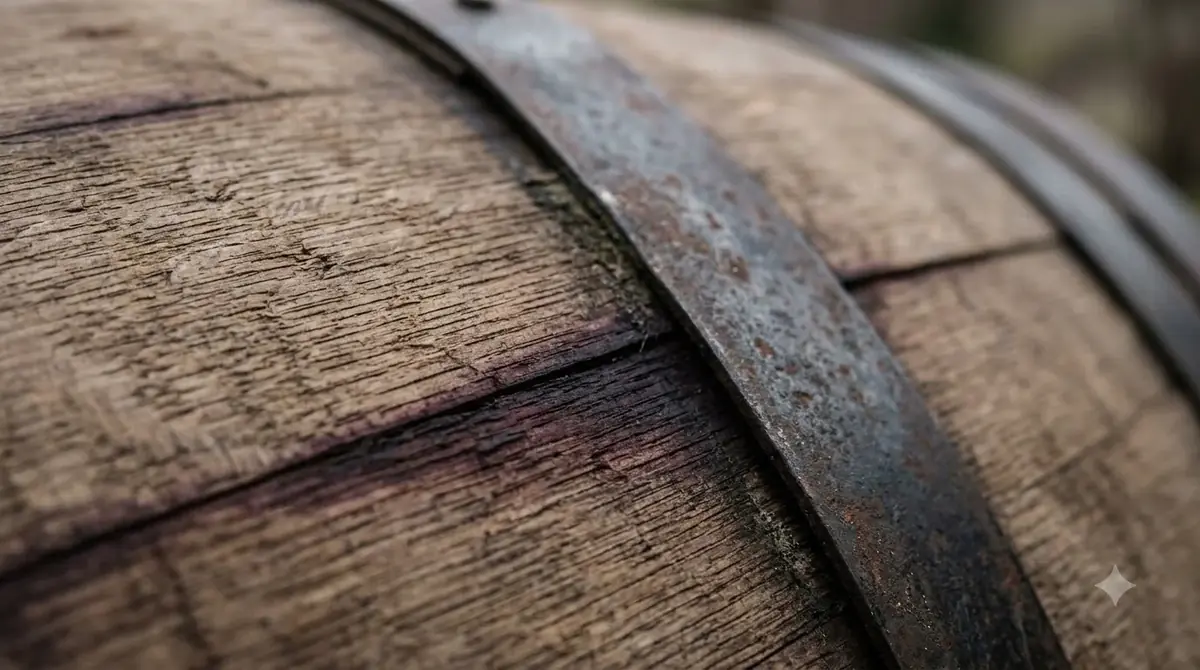
For longer-term storage, keep bottles near 55°F in a relatively stable environment. Bottles sealed with natural cork are generally best stored on their sides so the cork remains in contact with the wine. Avoid storing bottles near ovens, radiators, windows, or other locations where temperature changes frequently occur.
Recommended Serving Temperatures
Different St. Francis wines benefit from different serving temperatures. Serving them too cold can suppress aromas and flavor, while excessive warmth can make alcohol seem more prominent.
- Cabernet Sauvignon: 60–65°F.
- Merlot: 60–65°F.
- Zinfandel: Approximately 60–65°F.
- Pinot Noir: 55–60°F.
- Chardonnay: 50–55°F.
- Sauvignon Blanc: 45–50°F.
Full-bodied reds are often served slightly cooler than a warm indoor room. If a Cabernet has been stored at room temperature, a short period in the refrigerator can help bring it closer to the recommended range. White wines should also be allowed a little time outside the refrigerator if they become excessively cold.
Decanting and Opening Bottles
Young, full-bodied Cabernet Sauvignon and structured Merlot may benefit from 30–60 minutes of decanting. Exposure to air can help soften the initial impression of firm tannin and allow fruit and oak aromas to become more apparent.
Not every St. Francis wine needs decanting. A lighter Pinot Noir or fresh Sauvignon Blanc is generally better served directly from the bottle, particularly when its primary appeal is freshness and aromatic clarity. Older reds should be handled more carefully because extended aeration can diminish delicate aromas.
For an ordinary dinner, a standard 750 ml bottle provides approximately five 5-ounce servings. That makes it relatively easy to plan portions for a small gathering without opening more bottles than necessary.
Storing Opened Wine
After opening, reseal still wines and place them in the refrigerator. Even red wines benefit from refrigeration once opened because lower temperatures slow oxidation. Allow red wine to warm slightly before serving again.
- Opened still reds: Approximately 3–5 days.
- Opened still whites: Approximately 3–5 days.
- Opened sparkling wines: Approximately 1–3 days with a suitable sparkling-wine stopper.
These are general guidelines rather than guarantees. Wine exposed to excessive oxygen or stored without a proper closure can deteriorate sooner. A noticeable loss of fruit, stale aromas, or a flat taste can indicate that the wine is past its best.
For additional white-wine choices, including styles that suit different meals and serving preferences, explore St. Francis white wine.
Frequently Asked Questions
Is St. Francis Winery family-owned?
Yes. St. Francis identifies itself as a family-owned winery and traces its partnership with the Kopf family to 1988. Its history also includes founder Joe Martin and his original Sonoma Valley vineyard established in 1971.
Does St. Francis Winery have a tasting room?
Yes. The winery has a mission-style tasting room in Sonoma Valley, surrounded by its estate vineyards. Its bell tower contains a 1,000-pound bronze bell cast by the Marinelli Foundry in Italy, which chimes every hour.
Is St. Francis Winery certified sustainable?
Yes. The winery describes itself as Certified Sustainable and reports more than 400 acres of certified sustainable estate vineyards. Its sustainability initiatives also include a 457-kilowatt solar energy system installed at the winery built in 1999.
Who are the winemakers at St. Francis Winery?
The winery identifies Katie Madigan and Chris Louton as its winemakers. Madigan oversees several of its Pinot Noir, Zinfandel, and Chardonnay wines, while Louton is responsible for Cabernet Sauvignon and other Bordeaux varieties, as well as Sauvignon Blanc.
Does St. Francis make wines from estate-grown grapes only?
No. Although the winery farms more than 400 acres of estate vineyards, it also maintains relationships with other Sonoma County grape growers. This allows it to work with fruit from additional growing areas and develop wines that reflect different vineyard conditions across the county.
St. Francis Winery & Vineyards is a worthwhile Sonoma producer to explore if you enjoy expressive varietal wines and a portfolio that ranges from approachable bottles to more specialized vineyard selections. Merlot is a particularly important part of its identity, while Cabernet Sauvignon, Old Vines Zinfandel, and oak-influenced Chardonnay offer appealing alternatives. Start with the grape variety that best matches your taste, then compare the collection and growing region to find the bottle most suited to your next meal or occasion.
More in Wine Brands
 Underwood Wine Price: Compare Bottles, Cans, and Pack SizesUpdated Nov 21, 2026
 Zenato Wine Price: Compare Styles and Choose the Right BottleUpdated Nov 21, 2026
 Zuccardi Wine Price: Compare Bottles and Find the Right RangeUpdated Nov 21, 2026
 Yellow Tail Moscato Review: Taste, Sweetness and Serving TipsUpdated Nov 21, 2026
 Wolf Blass Yellow Label Review: Choose Your Best StyleUpdated Nov 21, 2026
 Wolffer Estate Rose Review: Choose the Right Bottle for Your TableUpdated Nov 21, 2026