

We may earn a commission when you buy through links on this page, at no extra cost to you. Learn more.
The sangre de toro wine price for a 750 ml bottle generally falls around $9 to $15 in U.S. retailer listings from Total Wine & More, H-E-B, and Harris Teeter; prices vary by state and retailer. That range applies to the familiar Torres Sangre de Toro Original red blend, not automatically to every bottle or format carrying the name. The wine is made mainly from Garnacha and Cariñena in Catalunya, Spain, and its fruit-forward profile makes it a flexible choice for everyday meals.
Price is only one part of the decision. Bottle size, local distribution, label wording, and vintage can all affect what appears on a store shelf. This guide explains which details to compare and how to serve the wine.
Who This Is For
Sangre de Toro Original is aimed at shoppers who want a dry Spanish red with generous fruit, a savory edge, and a moderate amount of oak influence. Its Catalunya origin, Garnacha-and-Cariñena blend, and suggested serving temperature of 15–17°C make it a practical dinner wine rather than a bottle that needs elaborate preparation.
The clearest fit is someone who likes ripe strawberry, dark cherry, or plum alongside peppery spice. Torres describes strawberry and black pepper, while U.S. retail descriptions also mention dark plum and roasted notes. That profile works with grilled sausages, burgers, roast chicken with herbs, tomato-based dishes, and weekday meat sauces. The Cariñena component gives the fruit-led blend a savory side.
The wine also suits shoppers comparing Spanish reds at a grocery store or neighborhood wine shop. Taxes, location, distribution, and stock affect the shelf, so check the retailer serving your area. A general Sangre de Toro wine overview can help distinguish the Original from similarly named listings.
It is less suitable for someone expecting a powerful Cabernet Sauvignon, a very tannic steakhouse red, or a collectible bottle for long-term cellaring. The producer emphasizes red fruit, pepper, warmth, and fine acidity rather than dense tannin or heavily toasted oak. Drinkers who prefer lean, high-acid reds or delicate Pinot Noir may find it broader and warmer in style.
Key Factors to Compare
Start with the exact bottling, then compare bottle volume, grape blend, alcohol level, and maturation details. Torres lists a 750 ml standard bottle, 13.5% alcohol, and a 15–17°C serving recommendation for Sangre de Toro Original, so those figures give shoppers a useful baseline.
The producer’s Sangre de Toro Original wine page identifies DO Catalunya and the principal grapes as Garnacha Tinta and Cariñena. Torres product information also describes one week of skin contact, temperature-controlled stainless-steel fermentation, and limited maturation in used oak. The table summarizes useful details to compare with a retailer listing.
| Detail | Published reference | Why it matters |
|---|---|---|
| Origin | DO Catalunya, Spain | Confirms the regional identity of the Original red. |
| Main grapes | Garnacha and Cariñena | Garnacha contributes ripe red-fruit character; Cariñena adds structure and savory depth. |
| Standard format | 750 ml | A typical bottle yields about five 5-ounce glasses. |
| Alcohol | 13.5% ABV | A useful comparison point when choosing between lighter and warmer-feeling reds. |
| Skin contact | 1 week | Shows that the must spends time with grape skins during extraction. |
| Fermentation | 1 week in stainless steel at 24°C | Temperature-controlled tank fermentation keeps the process consistent. |
| Oak maturation | 20% of the wine for 6 months | The stated share is limited; most of the blend is not aged in those used barrels. |
| Residual sugar | 3.51 g/L in the listed specification | Supports a dry impression rather than a noticeably sweet red. |
| Serving temperature | 15–17°C, or about 59–63°F | Chilling slightly can keep alcohol warmth from dominating the fruit. |
Look for “Original,” “Original Red,” or a full description naming the Catalunya blend. Retailers may shorten product names, so do not assume another wine under the same brand has identical grapes, maturation, or serving advice. A clear bottle image and full product description help confirm the match.
Volume matters too. Torres lists 187.5 ml, 250 ml, 375 ml, 750 ml, and 1.5-liter formats. A 375 ml half bottle gives roughly two and a half standard pours; a 1.5-liter bottle gives about ten. Compare by volume, not just by the total shelf amount.
Step-by-Step
Identify the Original red, confirm the volume, compare local listings, and decide when the bottle will be served. These checks prevent comparisons between different sizes or products.
- Confirm the name. Look for Sangre de Toro Original or Original Red and a description that names Garnacha and Cariñena. A listing that only says “Spanish red” does not provide enough detail to confirm the same bottling.
- Check the bottle volume. Use 750 ml as the baseline for a standard bottle. Convert 375 ml, 250 ml, 187.5 ml, or 1.5 liters before comparing the shelf amount with another listing.
- Compare local listings. Check the retailer serving your state or area and confirm whether the listing reflects delivery or in-store pickup. Prices and availability can differ between locations and shopping methods.
- Read the wine details. The familiar Original blend is based on Garnacha and Cariñena, with 13.5% ABV in the producer’s published specification. If the listing names a different grape or a different style, do not assume it has the same profile.
- Match it to the meal. Choose it for stews, game, meat paella, grilled foods, or semi-cured cheeses. For a delicate white fish preparation or a dish dominated by fresh lemon, a more acidic white may be a better fit.
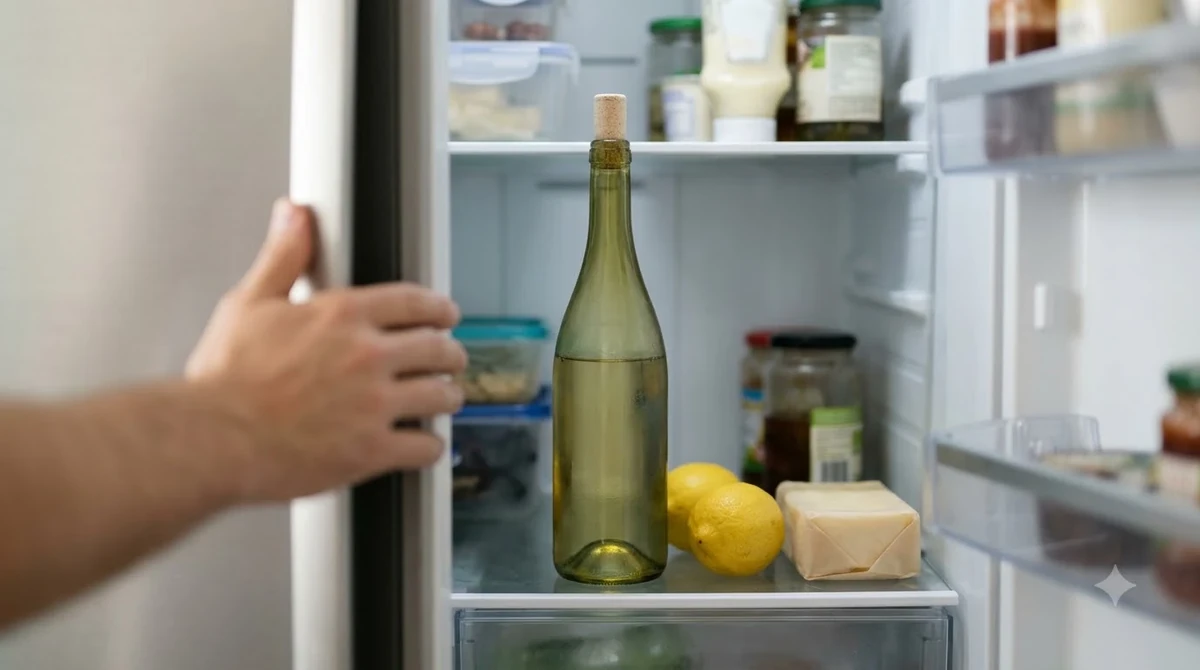
- Plan the serving temperature. Aim for 15–17°C, approximately 59–63°F. A warm kitchen can make a red feel hotter, so a short period in the refrigerator before pouring can help bring the bottle closer to its intended range.
These checks are useful online, where a title may omit “Original” and a thumbnail may show only the front label. Confirm the region, grape blend, size, and ABV in the full description. Local stock can differ between delivery and in-store pickup.
The site’s Wine Brands resource offers broader context on producer names and label terms. A matching brand name is only a starting point; the appellation, grapes, size, and description confirm whether two listings refer to the same wine.
Tip: Aim for 15–17°C (59–63°F) at serving. A short refrigerator rest is better than pouring the red warm from a heated room.
Types or Styles Explained
The key distinction is between the Original red blend and the package sizes in which it is sold. Torres identifies the Original as a Catalunya wine made mainly from Garnacha and Cariñena and lists five formats from 187.5 ml to 1.5 liters.
Original red blend: This is the core style behind the typical Sangre de Toro wine price search. It is a dry still red with red-fruit aromas, peppery spice, and a firm but not aggressive structure. Torres highlights strawberry and black pepper; retailer descriptions add dark plum and roasted notes. The difference reflects how fruit can be described across vintages and tasting contexts.
Small, standard, and large formats: The 187.5 ml and 250 ml bottles suit a single serving or small tasting, while a 375 ml half bottle can work for two people depending on pour size. The standard 750 ml bottle gives about five 5-ounce pours; the 1.5-liter format gives about ten. Smaller packages can cost more per ounce, and the larger size suits a gathering, so compare volume and expected servings rather than total shelf amount.
Vintage variation also matters. An International Wine & Spirit Competition entry for the evaluated Original lists a 60% Grenache and 40% Carignan blend; treat that ratio as specific to the evaluated entry, not a guarantee for every bottle. Do not assume every product under the Sangre de Toro name is interchangeable, since retail catalogs can shorten names or group variants under one brand page. Compare the broader Torres Sangre de Toro wine information with the individual retailer listing; this guide uses the 750 ml Original red as its baseline.
Common Mistakes
The biggest errors are comparing different bottle sizes, assuming every listing describes the same blend, and treating one store’s shelf amount as a national price. A 375 ml, 750 ml, and 1.5-liter format are not interchangeable comparisons.
One frequent mistake is judging the shelf amount without checking volume. A smaller bottle may cost more per ounce, while a 1.5-liter magnum holds twice the wine in a standard bottle. Convert packages to milliliters or liters and estimate the number of glasses needed; a 750 ml bottle usually supplies five 5-ounce pours.
Another error is expecting a single grape variety or a sweet red. The Original combines Garnacha and Cariñena, so describing it only as Grenache misses Carignan’s role. Torres lists 3.51 g/L residual sugar in one specification, consistent with a dry style, although ripe strawberry, plum, and dark berry flavors can seem sweet. Do not assume every vintage has identical alcohol, acidity, residual sugar, or barrel treatment; published specifications are reference points, not a guarantee for every bottling.
Do not expect it to behave like high-tannin Cabernet Sauvignon or delicate Pinot Noir. Torres suggests stews, game, grilled meats, meat paella, and semi-cured cheese. Very hot chili can make alcohol warmth more obvious, while a strongly lemon-driven dish may make the red seem less fresh.
Care or Storage Tips
Sangre de Toro Original is easiest to enjoy when it is served slightly cool and stored away from heat and sunlight. Torres recommends 15–17°C, about 59–63°F, while standard wine storage guidance favors a stable, cool place near 55°F for bottles kept longer.
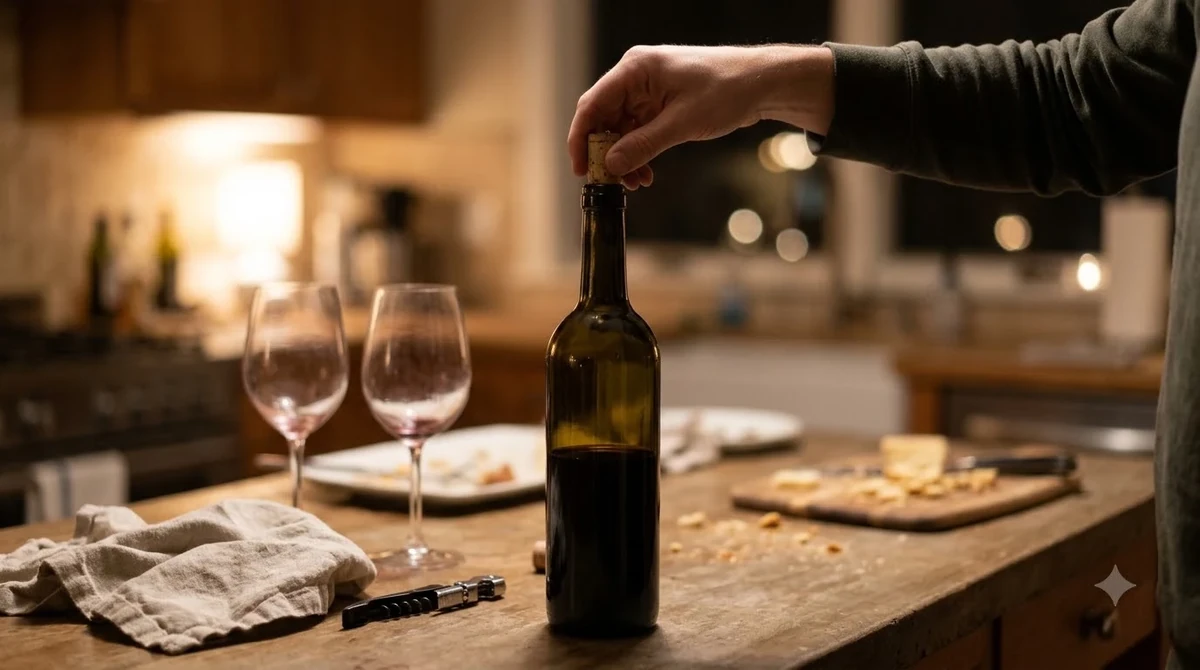
Do not serve the red warm simply because it is red wine. In a heated room, alcohol may seem more obvious than fruit. If the bottle has been in a warm kitchen, chill it briefly before opening; if it is too cold, let it warm in the glass rather than placing it near a stove or radiator.
Store the bottle in a dark place with limited temperature swings. A cork-finished bottle can lie on its side; a screw cap can rest on a cool shelf. Avoid a sunny counter, a cabinet above an oven, or a hot garage. Torres describes a 5-to-8-year potential under good storage conditions, but that is a conditional window, not a reason every buyer needs to cellar an everyday red.
After opening, reclose the bottle and refrigerate it. Most still wines retain their best character for about 3–5 days in the refrigerator, though fruit gradually fades with oxygen exposure. Let each glass warm toward serving temperature; a vacuum stopper can slow air contact but cannot restore faded wine. Choose the format for the occasion: 187.5 ml or 250 ml for one person, 375 ml for a small shared pour, 750 ml for dinner, and 1.5 liters for a group; availability varies by store. For more on the Sangre de Toro red wine style, keep the blend and serving temperature in mind.
Frequently Asked Questions
These answers cover details such as the DO Catalunya designation, the 750 ml Original’s listed screw-cap closure, and practical points that can be difficult to see in a short store listing. The most dependable references are the bottle’s designation, producer information, and the retailer’s full product description.
What does DO Catalunya mean on Sangre de Toro?
DO is the Spanish designation used for a protected wine origin. The official Catalunya description covers a broad area in northeastern Spain, stretching from Mediterranean coastal areas toward the foothills of the Pyrenees. It is a regional designation rather than the name of a single village or vineyard.
Does Sangre de Toro Original have a screw cap?
Regal Wine Imports lists a screw-cap closure for its 750 ml Original presentation. Packaging can differ between markets and bottlings, so the closure shown on the bottle you buy is the final guide. A screw cap is convenient for opening and resealing without a corkscrew.
Is Sangre de Toro Original certified organic?
The International Wine & Spirit Competition listing for the evaluated Original marks the wine as not organic and not biodynamic, while listing it as sustainable and vegan. Those are separate classifications: sustainable farming claims do not automatically mean a wine is certified organic. Check the specific bottle and market if certification is important to your purchase.
Does Sangre de Toro contain sulfites?
Yes. Torres lists sulfites in the allergy information for its Original product specification. Sulfites are commonly declared on wine labels, and the exact wording may appear on the back label or importer information rather than the front of the bottle.
What does the bull on the bottle represent?
Cellier’s product description notes a small bull ornament hanging from the neck of each bottle and translates Sangre de Toro as “blood of the bull.” It links the name to an ancient Mediterranean association between the bull and the god of wine. The image is brand symbolism, not an ingredient or a winemaking method.
For most shoppers, the standard 750 ml Sangre de Toro Original is the simplest way to compare the wine and plan a meal. Use the approximate U.S. retail range as a guide, confirm the exact bottle size and designation, and serve it slightly cool with food that welcomes ripe fruit and savory spice.
More in Wine Brands
 Underwood Wine Price: Compare Bottles, Cans, and Pack SizesUpdated Nov 21, 2026
 Zenato Wine Price: Compare Styles and Choose the Right BottleUpdated Nov 21, 2026
 Zuccardi Wine Price: Compare Bottles and Find the Right RangeUpdated Nov 21, 2026
 Yellow Tail Moscato Review: Taste, Sweetness and Serving TipsUpdated Nov 21, 2026
 Wolf Blass Yellow Label Review: Choose Your Best StyleUpdated Nov 21, 2026
 Wolffer Estate Rose Review: Choose the Right Bottle for Your TableUpdated Nov 21, 2026