

We may earn a commission when you buy through links on this page, at no extra cost to you. Learn more.
Ponzi wine price typically ranges from about $20 to $115 per 750 ml bottle, depending on the wine, vineyard designation, and release. Ponzi Vineyards offers approachable Willamette Valley wines, more distinctive Laurelwood selections, and premium single-vineyard Pinot Noirs. The best starting point for most shoppers is the $20 to $50 range, while collectors interested in individual vineyard expressions can explore bottles costing considerably more.
Ponzi Vineyards is an established Oregon producer with a history dating to 1970. Its portfolio covers much more than Pinot Noir, including Chardonnay, Pinot Gris, Rosé, and sparkling wines. Understanding the different collections makes it easier to compare bottles, recognize what drives the price, and avoid spending more than necessary for the style you want. This guide explains typical US retail pricing, the differences between the main collections, and how to select a bottle for everyday drinking, entertaining, or a special occasion.
Who This Is For
Ponzi Vineyards appeals to shoppers who appreciate Oregon wines, particularly cool-climate Pinot Noir and Chardonnay. Its different price levels make the portfolio relevant to both casual wine drinkers and people interested in comparing vineyard-specific releases.
The entry-level Willamette Valley collection is a sensible starting point for someone discovering the producer. Bottles such as Pinot Gris and Tavola Pinot Noir offer a way to experience the house style without immediately purchasing a premium single-vineyard wine. These wines are also practical choices for dinners, casual gatherings, and meals where a more expensive bottle would be unnecessary.
Shoppers with a stronger interest in Oregon wine regions may prefer the Laurelwood Series. These selections offer a closer connection to the Laurelwood District, where geological conditions and vineyard locations are important parts of the wines’ identity. The collection includes Chardonnay and Pinot Noir, along with a Reserve Pinot Noir that provides a more substantial step up in price.
Collectors and experienced Pinot Noir drinkers may be interested in the single-vineyard releases. Ponzi’s portfolio includes Abetina, Aurora, Avellana, Madrona, Paloma, and Chehalem Crossing. These wines allow comparisons between individual vineyard sites rather than simply between grape varieties.
The producer’s history also matters to shoppers evaluating its position in Oregon wine. Dick and Nancy Ponzi established the winery in 1970, and its official history records milestones including the introduction of commercial American Pinot Gris in 1981 and its involvement in developing the Laurelwood District. For readers comparing producers, the broader Wine Brands resource provides additional context for understanding winery collections and pricing differences.
Key Factors to Compare
The most important factors behind Ponzi bottle pricing are the collection, grape variety, vineyard designation, and production positioning. A $20 Pinot Gris and a $115 single-vineyard Pinot Noir serve different purposes, so price comparisons should account for more than the producer name.
The following table summarizes representative bottle prices listed in Ponzi Vineyards’ official wine collection. These figures provide useful reference points for comparing the range, rather than guaranteed prices at every US retailer.
| Wine or collection | Representative bottle | Listed price | Typical purpose |
|---|---|---|---|
| Willamette Valley Series | Pinot Gris | $20 | Everyday white wine |
| Willamette Valley Series | Tavola Pinot Noir | $30 | Casual red wine |
| Willamette Valley Series | Pinot Noir Rosé | $30 | Refreshing warm-weather wine |
| Willamette Valley Series | Mountain Home Pinot Noir | $60 | More substantial regional red |
| Laurelwood Series | Laurelwood Chardonnay | $40 | Mineral-driven white wine |
| Laurelwood Series | Laurelwood Pinot Noir | $50 | Regional Pinot Noir |
| Laurelwood Series | Pinot Noir Reserve | $75 | Premium red wine |
| Single-vineyard expressions | Chehalem Crossing Pinot Noir | $75 | Vineyard-specific red |
| Single-vineyard expressions | Paloma Pinot Noir | $85 | Premium vineyard selection |
| Single-vineyard expressions | Abetina Pinot Noir | $115 | Top-tier vineyard expression |
According to Ponzi Vineyards’ official collection listings, the Willamette Valley range includes bottles at approximately $20 to $60, the Laurelwood Series includes selections around $40 to $75, and the featured single-vineyard Pinot Noirs range from approximately $75 to $115. These are producer-listed prices, and prices vary by state and retailer.
Grape variety is another useful comparison point. Pinot Gris generally offers a lighter, refreshing alternative to Pinot Noir, while Chardonnay provides a different combination of fruit, acidity, and texture. Within the red wines, Pinot Noir is the principal focus of the more expensive selections.
Vineyard designation also deserves attention. A regional wine can combine fruit from a broader area, while a single-vineyard bottling emphasizes the characteristics of a named site. The latter can command a higher price because it offers a more specific expression of the producer’s vineyard portfolio.
For an independent retail comparison, Berry Bros. & Rudd’s Ponzi Vineyards listings show a 2022 Laurelwood Chardonnay and a 2023 Laurelwood Pinot Noir in the mid-$30 to $40 range for individual 750 ml bottles. That comparison illustrates why shoppers should consider retailer location and vintage when assessing the final cost.
Step-by-Step: How to Choose a Ponzi Wine
A good purchase starts with the occasion, followed by the preferred grape variety and spending range. Comparing those three details before choosing a specific collection helps prevent paying for a premium designation that does not match your needs.
-
Set your spending range.
Start by deciding whether you want an everyday bottle around $20 to $30, a more substantial selection around $40 to $60, or a premium bottle costing $75 to $115. These categories reflect representative listings in Ponzi’s official portfolio and make it easier to narrow the selection.
-
Choose a grape variety.
For a lighter white wine, consider Pinot Gris. For a fuller white, look at Chardonnay. Pinot Noir is the natural choice for someone seeking a red with bright acidity, red-fruit character, and relatively moderate tannin.
-
Choose the collection.
The Willamette Valley Series is the accessible starting point. The Laurelwood Series is a good option for shoppers interested in the district’s identity, while the single-vineyard collection is more appropriate for those comparing individual sites.
-
Consider the vintage.
Different vintages can vary in ripeness, acidity, fruit concentration, and overall balance. Compare the vintage on the bottle with the available retailer description rather than assuming that two releases with the same wine name will taste identical.
-
Think about the occasion.
A $20 Pinot Gris may be more appropriate for a weekday meal, while a $75 Reserve Pinot Noir or a $115 Abetina Pinot Noir may make more sense for a special dinner or a thoughtful gift.
-
Compare retailer pricing.
Look at the same wine, bottle size, and vintage across retailers. Shipping charges, state availability, and local wine taxes can change the final amount, even when the advertised bottle price appears similar.
-
Choose the right serving conditions.
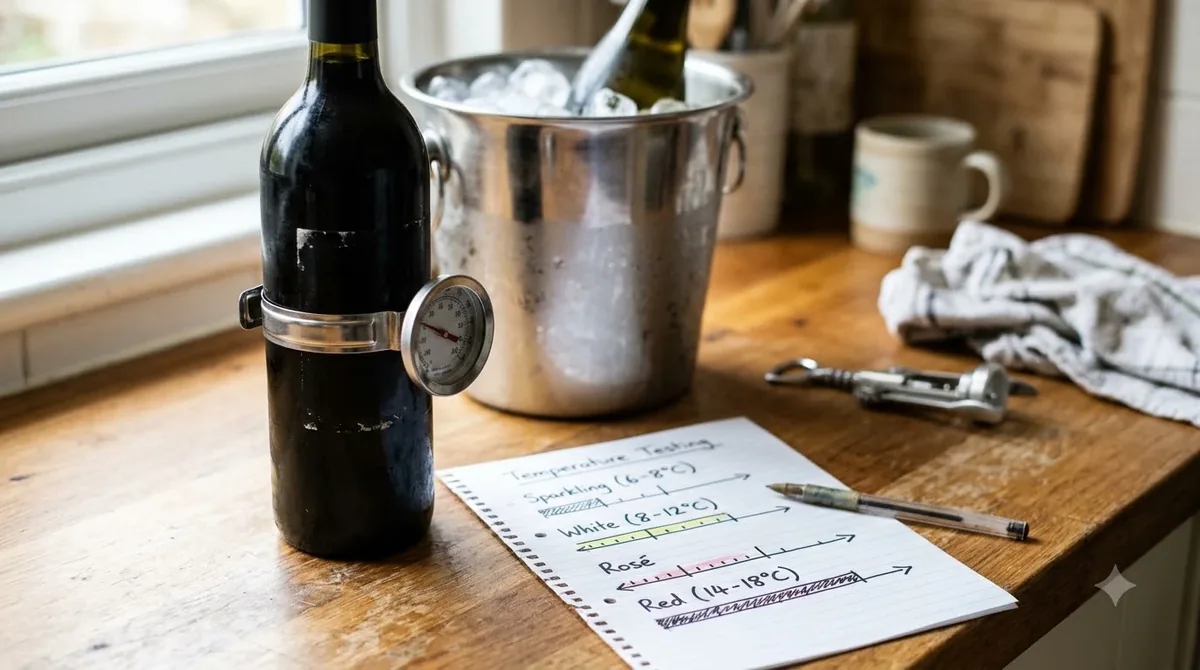
Serve Pinot Noir at approximately 55 to 60 F and Chardonnay at 50 to 55 F. Pinot Gris is generally best around 45 to 50 F. Appropriate serving temperatures help the wine show its intended balance and aromatic character.
Tip: If you are buying Ponzi Vineyards for the first time, begin with a Willamette Valley Pinot Noir or Pinot Gris before moving to a premium single-vineyard bottle. This provides a useful reference point for understanding whether the more expensive selections suit your preferences.
For a shopper comparing different wine producers, it is also helpful to distinguish between price positioning and wine style. A lower-priced bottle is not automatically inferior, and a higher-priced bottle is not necessarily the better choice for every meal. The right selection depends on how closely the wine matches the intended occasion.
Types and Styles Explained
Ponzi Vineyards divides its portfolio into regional, Laurelwood, and single-vineyard collections, with additional choices in white, red, Rosé, and sparkling wine. Each category offers a different way to explore Oregon fruit and the producer’s approach to winemaking.
Willamette Valley Series
The Willamette Valley Series is the most accessible entry into the portfolio. It includes Pinot Gris, Pinot Noir Rosé, Tavola Pinot Noir, Vino Gelato, Blanc de Blancs, sparkling Brut Rosé, and other selections.
The 2025 Pinot Gris is listed at $20, while the 2024 Tavola Pinot Noir and 2025 Pinot Noir Rosé are listed at $30 each by Ponzi Vineyards. Those prices make the collection a practical starting point for shoppers who want to discover the brand without moving immediately into premium vineyard selections.
Pinot Gris is a useful option for seafood, salads, and lighter meals. Tavola Pinot Noir is a more suitable choice for someone looking for a red wine to accompany roasted poultry, mushrooms, or moderately rich dishes.
Laurelwood Series
The Laurelwood Series is especially relevant for shoppers interested in the geographical identity of Ponzi’s wines. Its focus is the Laurelwood District, an American Viticultural Area recognized for its distinctive geology.
The 2023 Laurelwood Chardonnay is listed at $40, while the 2023 Laurelwood Pinot Noir is listed at $50. The 2022 Pinot Noir Reserve occupies a higher position at $75, according to the producer’s official collection.
The Chardonnay is described by Ponzi as balanced, mineral, and citrus-oriented. The Pinot Noir is characterized as joyful, vibrant, and textured. These descriptions provide useful starting points for selecting between the two, although individual vintage characteristics can differ.
Single-Vineyard Pinot Noir
The single-vineyard collection is the most distinctive part of the red wine portfolio. It includes bottlings associated with Abetina, Aurora, Avellana, Chehalem Crossing, Madrona, and Paloma.
Abetina has a particularly long history within the producer’s vineyard story. Ponzi’s official history records that the vineyard was planted in 1975 alongside Oregon State University. Its 2023 Pinot Noir is listed at $115, placing it among the higher-priced selections.
The 2023 Aurora, Avellana, and Madrona Pinot Noirs are also listed at $115. Paloma is listed at $85, and Chehalem Crossing at $75. These differences provide an opportunity to compare vineyard-specific wines without assuming that all premium bottles have identical positioning.
Chardonnay, Rosé, and Sparkling Wines
Although Pinot Noir receives considerable attention, the producer’s white and sparkling selections deserve consideration. Chardonnay offers an alternative for shoppers who prefer a more structured white wine, while Rosé and sparkling wines provide additional choices for celebrations and warm-weather occasions.
The official collection lists the 2023 Avellana Chardonnay and Aurora Chardonnay at $75 each. The Willamette Valley range also includes Blanc de Blancs and sparkling Brut Rosé, both listed at $60 in the featured collection.
These selections make Ponzi relevant to more than red wine enthusiasts. Someone planning a celebration, seafood dinner, or aperitif can explore several styles from the same producer rather than limiting the purchase to Pinot Noir.
Common Mistakes When Comparing Ponzi Wine Prices
The biggest purchasing mistakes involve comparing different collections as if they were equivalent, ignoring vintage differences, and assuming that the most expensive Pinot Noir must be the best choice. A little attention to vineyard designation and intended use makes price comparisons more meaningful.
Comparing Regional and Single-Vineyard Bottles Directly
A $30 Tavola Pinot Noir and a $115 Abetina Pinot Noir are not necessarily competing for the same buyer. One belongs to the broader Willamette Valley collection, while the other represents a named vineyard selection. Their prices reflect different positioning and production identities.
For a casual dinner with several guests, the lower-priced wine may be more practical. A single-vineyard bottle makes more sense for someone who wants to explore a specific vineyard expression or present a more specialized wine as a gift.
Assuming Every Vintage Costs the Same
Wine pricing can change between vintages because of availability, demand, retailer inventory, and the producer’s release structure. A 2022 Chardonnay and a 2023 Chardonnay may have different retail prices even when they share the same vineyard designation.
It is important to compare identical vintages whenever possible. This is particularly relevant when looking at premium Pinot Noir, where differences in vintage conditions can influence both the wine’s character and its market positioning.
Ignoring the Retailer
Retailers do not necessarily use the same pricing structure as the winery. Some may offer a particular vintage at a different price, while others may carry only selected bottles from the portfolio.
Berry Bros. & Rudd, for example, lists the 2022 Laurelwood Chardonnay and 2023 Laurelwood Pinot Noir in its US collection. The presence of those listings demonstrates why it is useful to compare the same vintage and bottle size rather than simply searching the producer’s name.
Buying a Premium Bottle for the Wrong Occasion
A premium wine does not automatically improve every meal. Pinot Noir’s acidity and moderate tannin can work particularly well with roasted chicken, duck, pork, and mushroom dishes. A lighter Pinot Gris may be more appropriate for delicate fish, salads, or simple appetizers.
Very spicy dishes can make alcohol and tannin feel more pronounced. Similarly, oily fish can clash with tannic red wines. Matching the wine to the food is often more important than selecting the most expensive bottle available.
Confusing Ponzi with Other Wine Brands
Wine shoppers sometimes compare brands based on familiarity rather than grape variety or production region. For example, Barefoot wine and Ponzi Vineyards occupy very different positions in the US wine market.
They should not be evaluated as direct substitutes simply because both producers offer multiple wine varieties. A more useful comparison considers regional origin, grape selection, production positioning, and the occasion for which the bottle is being purchased. The same principle applies when comparing Ponzi’s sparkling wines with La Marca Prosecco, which offers a different sparkling wine style.
Care and Storage Tips
Proper storage and serving temperature help protect the value of a Ponzi bottle, especially when purchasing a premium single-vineyard Pinot Noir. Heat exposure, excessive temperature fluctuations, and poor storage conditions can negatively affect wine quality regardless of its original price.
Store Bottles Consistently
Store bottles near 55 F in a cool, dark location with relatively stable conditions. Bottles sealed with traditional cork closures are generally best stored on their sides to keep the cork in contact with the wine.
Avoid placing wine near ovens, radiators, sunny windows, or other sources of heat. A kitchen countertop may be convenient for everyday use, but it is not an ideal long-term storage location for a bottle intended to age.
Serve Each Style at the Right Temperature
Pinot Noir is generally best served at 55 to 60 F. This range helps preserve its red-fruit aromas and acidity without making the wine feel overly warm. Full-bodied red wines from other varieties can benefit from slightly warmer serving temperatures, but Pinot Noir generally performs well with a modest chill.
Serve Chardonnay at 50 to 55 F and Pinot Gris at 45 to 50 F. Sparkling selections should be served colder, around 40 to 50 F, to maintain freshness and a lively presentation.
Allow Young Pinot Noir to Open
Some young, fuller Pinot Noir selections benefit from approximately 30 to 60 minutes of decanting. This can help the wine open aromatically and become more expressive, although decanting is not essential for every bottle.
A younger regional Pinot Noir may be enjoyable shortly after opening. More structured Reserve or single-vineyard selections can benefit from a little time in the glass, allowing their fruit, acidity, and other characteristics to become more apparent.
Preserve Opened Bottles
Refrigerate opened still wines and use a suitable closure to limit oxygen exposure. Most opened still wines are best consumed within approximately three to five days, although their condition depends on the wine, storage temperature, and amount of air remaining in the bottle.
Remove a refrigerated red wine from the refrigerator before serving and allow it to approach the appropriate temperature. This is particularly useful for Pinot Noir, since excessive cold can make its aromas and flavors less expressive.
For a premium bottle, avoid opening it long before the occasion unless there is a clear reason to do so. Good storage practices help ensure that the money spent on the wine translates into a better drinking experience.
Frequently Asked Questions
Is Ponzi Vineyards still family-owned?
No. Champagne Bollinger selected Ponzi Vineyards as its first property outside France in 2021. The winery’s official history also records that Max Bruening became its third winemaker in 2024, succeeding Luisa Ponzi, who had been the second winemaker in the winery’s history.
Where is Ponzi Vineyards located?
The winery and tasting room are located at 19500 SW Mountain Home Road in Sherwood, Oregon, ZIP code 97140. The Oregon Wine Board identifies the property as approximately 20 miles from Portland, making it a convenient destination for visitors exploring the Willamette Valley.
Does Ponzi Vineyards offer wine tasting without purchasing a bottle?
Yes. Ponzi’s official visitor information lists tasting flights and glass pours as available experiences, so visitors do not have to purchase a full bottle to explore the portfolio. Reservations are recommended, although walk-ins are welcome when space permits.
What is the significance of Ponzi’s Abetina Vineyard?
Abetina was planted in 1975 alongside Oregon State University, according to the winery’s historical timeline. Its significance comes from its long association with Ponzi’s development in the Laurelwood District and its place among the producer’s established vineyard sites.
Does Ponzi Vineyards make Pinot Gris as well as Pinot Noir?
Yes. Ponzi’s history records that the winery introduced the first commercial Pinot Gris produced in the United States in 1981. Its portfolio also includes Chardonnay, Pinot Blanc, Rosé, and sparkling wines, providing several alternatives to its better-known Pinot Noir selections.
Ponzi Vineyards offers a broad selection of Oregon wines, with representative bottle prices ranging from approximately $20 to $115. For most shoppers, the Willamette Valley and Laurelwood collections provide the most practical starting points, while the single-vineyard Pinot Noirs offer a more specialized option. Compare the vintage, collection, and retailer before purchasing to find a bottle that suits both your budget and the occasion.
More in Wine Brands
 Underwood Wine Price: Compare Bottles, Cans, and Pack SizesUpdated Nov 21, 2026
 Zenato Wine Price: Compare Styles and Choose the Right BottleUpdated Nov 21, 2026
 Zuccardi Wine Price: Compare Bottles and Find the Right RangeUpdated Nov 21, 2026
 Yellow Tail Moscato Review: Taste, Sweetness and Serving TipsUpdated Nov 21, 2026
 Wolf Blass Yellow Label Review: Choose Your Best StyleUpdated Nov 21, 2026
 Wolffer Estate Rose Review: Choose the Right Bottle for Your TableUpdated Nov 21, 2026