

We may earn a commission when you buy through links on this page, at no extra cost to you. Learn more.
This ponzi wine review finds that Ponzi Vineyards is a compelling choice for drinkers who appreciate Oregon Pinot Noir, expressive Chardonnay, and carefully produced sparkling wines. Founded in the Willamette Valley in 1970, the winery has built its reputation around cool-climate grapes, vineyard-specific character, and a longstanding interest in sustainable farming. Its portfolio includes approachable regional blends and more distinctive single-vineyard selections, making it possible to choose a bottle for both casual dinners and special occasions.
Ponzi is particularly interesting because its history is closely connected to the development of Oregon wine. Rather than concentrating on one recognizable bottle, the winery offers several expressions of the Willamette Valley, including wines associated with the Laurelwood District. Understanding those differences makes choosing a bottle considerably easier. This guide examines the winery’s background, major wine styles, quality considerations, serving recommendations, and the bottles worth investigating first.
Who This Is For: Wine Drinkers Interested in Oregon Pinot Noir
Ponzi is a strong candidate for drinkers who enjoy cool-climate wines with fresh acidity, moderate alcohol, and recognizable vineyard character. Its Willamette Valley Pinot Noir is the natural starting point, but Chardonnay, Pinot Gris, rosé, and sparkling selections make the portfolio interesting for people who prefer white and sparkling wines as well.
The winery was established by Dick and Nancy Ponzi in 1970, when the Willamette Valley was still developing its reputation as a serious wine-producing region. Dick Ponzi believed Oregon’s climate could support wines comparable to those from established cool-climate regions. That conviction helped establish the winery as an important early participant in Oregon’s wine industry.
The winery’s history is particularly relevant to Pinot Noir enthusiasts. In 1975, Ponzi planted Abetina Vineyard in collaboration with Oregon State University. The vineyard’s early experimental planting eventually became part of the estate, and its 12 different clones of own-rooted Pinot Noir illustrate the family’s long interest in understanding vineyard differences.
Readers who enjoy comparing Oregon producers may also want to explore the broader Wine Brands collection. It provides a useful starting point for understanding how winery history, grape selection, and production methods influence the finished bottle.
Ponzi is especially appropriate for several types of buyers:
- Pinot Noir enthusiasts: The winery offers regional blends, Laurelwood District selections, Reserve wines, and individual vineyard expressions.
- Chardonnay drinkers: Its white wines provide an alternative to the red-focused image often associated with Oregon wine.
- Special-occasion shoppers: Single-vineyard selections and sparkling wines offer choices for celebrations and more formal meals.
- Wine learners: The differences between Willamette Valley, Laurelwood District, and individual vineyard bottlings create useful opportunities to compare terroir.
- Food-focused drinkers: Fresh acidity and Pinot Noir’s relatively restrained tannins make several selections adaptable to different meals.
However, Ponzi may be less suitable for someone whose preferred red wine is intensely concentrated, heavily extracted, and dominated by obvious oak flavors. Pinot Noir generally emphasizes fruit, acidity, and texture rather than the dense tannic structure associated with Cabernet Sauvignon.
It is also important to recognize that the winery’s more specialized selections serve a different purpose from its regional wines. A buyer looking for a straightforward dinner bottle does not necessarily need a single-vineyard expression. The most appropriate choice depends on whether the priority is everyday versatility, vineyard character, or additional complexity.
Key Factors to Compare When Choosing Ponzi Wines
The most useful way to compare Ponzi bottles is to consider grape variety, geographical designation, vineyard sourcing, and intended drinking occasion. These four factors explain more about the wine than the label’s prestige or the number of words describing its production.
| Wine category | Main grape | Style to expect | Serving temperature |
|---|---|---|---|
| Tavola Pinot Noir | Pinot Noir | Regional fruit and approachable structure | 55–60°F |
| Laurelwood Pinot Noir | Pinot Noir | Red-fruit character and firmer structure | 55–60°F |
| Reserve Pinot Noir | Pinot Noir | Greater concentration and vineyard depth | 60–65°F |
| Chardonnay | Chardonnay | Fresh acidity and textured white-fruit character | 50–55°F |
| Pinot Gris | Pinot Gris | Fresh fruit and versatile white-wine character | 45–50°F |
| Blanc de Blancs | 100% Chardonnay | Sparkling, fresh, and structured | 40–50°F |
| Sparkling Brut Rosé | 70% Pinot Noir, 30% Chardonnay | Fresh sparkling fruit with red-fruit character | 40–50°F |
These categories are more useful than treating every bottle as an interchangeable expression of the same winery. The Tavola bottling is a regional blend that combines fruit from estate and partner vineyards. Laurelwood, meanwhile, focuses on younger sites within that district, while Reserve highlights fruit from older vines and the characteristics of Laurelwood soils.
Geography deserves particular attention. The Laurelwood District is known for its combination of windblown loess topsoil and volcanic basalt beneath it. Ponzi has been closely involved in championing this geographical designation, which became America’s first American Viticultural Area defined by geology in 2020.
For buyers, this distinction provides a practical way to approach the portfolio. A Willamette Valley designation identifies a broader regional expression, whereas Laurelwood District points toward a more geographically focused wine. A named vineyard bottling narrows the focus further.
Grape variety matters just as much. Pinot Noir generally has low-to-medium tannin and relatively high acidity. Chardonnay has medium acidity and can offer a broader range of textures depending on fermentation and aging decisions. Pinot Gris usually offers a lighter, fruit-focused alternative.
Tip: If this is your first Ponzi purchase, begin with a regional Pinot Noir or Chardonnay before moving to Reserve or single-vineyard bottles. Comparing a regional blend with a Laurelwood selection is a practical way to understand what vineyard location contributes to the finished wine.
For a broader understanding of the winery’s range, the Ponzi wine collection is another useful reference when comparing available styles and bottles.
Step-by-Step: How to Choose the Right Ponzi Bottle
A sensible purchase begins with the occasion, continues with the grape and regional designation, and finishes with the bottle’s intended drinking style. Following a few straightforward steps helps avoid paying for a specialized wine when a regional selection would be more appropriate.
-
Decide whether you want red, white, rosé, or sparkling wine.
Pinot Noir is the obvious starting point for someone exploring Oregon reds. Chardonnay is a good choice for a fuller white, while Pinot Gris suits lighter meals. For celebrations, Ponzi’s Blanc de Blancs and sparkling Brut Rosé provide alternatives to still wine.
-
Choose the geographical level that interests you.
A Willamette Valley wine offers a broader regional perspective. Laurelwood District bottlings focus more closely on a particular geological area. Single-vineyard selections go further by emphasizing individual estate sites such as Abetina, Aurora, Avellana, and Madrona.
-
Determine how much structure you want.
For a more accessible Pinot Noir, investigate Tavola. If you want a stronger connection to Laurelwood’s character, consider its district bottling. Reserve and single-vineyard wines are more appropriate when the goal is to examine additional concentration, texture, and site expression.
-
Consider the food before selecting the bottle.
Pinot Noir works with roast chicken, mushroom dishes, salmon, and pork. Chardonnay is suitable for roasted poultry, creamy pasta, and richer seafood. Pinot Gris is particularly adaptable to salads, shellfish, and lighter appetizers.
-
Compare the vintage and bottle information.
Vintage differences can influence fruit ripeness, acidity, and overall structure. A 750 ml bottle is the standard format and generally provides approximately five servings when poured at 5 ounces each.
-
Plan how and when the wine will be served.
A young, structured red can benefit from 30 to 60 minutes of decanting. A delicate Pinot Noir generally needs less aggressive handling. White and sparkling wines should be chilled before serving rather than poured directly from warm storage.
-
Choose according to your actual drinking preferences.
Someone who enjoys bright cherry flavors and fresh acidity should prioritize Pinot Noir. A drinker who prefers citrus, pear, and a fuller texture may find Chardonnay more satisfying. Personal taste should matter more than choosing the most prestigious vineyard designation.
These steps also help prevent an unnecessarily complicated purchase. A regional wine can be an excellent introduction to a producer, while a single-vineyard bottle is more rewarding when the buyer already understands the winery’s general style.
Types and Styles Explained: From Tavola to Single-Vineyard Wines
Ponzi’s portfolio ranges from regional wines designed for broad enjoyment to individual vineyard expressions intended to communicate particular sites. Understanding the main categories makes it easier to identify which bottle fits a specific occasion.
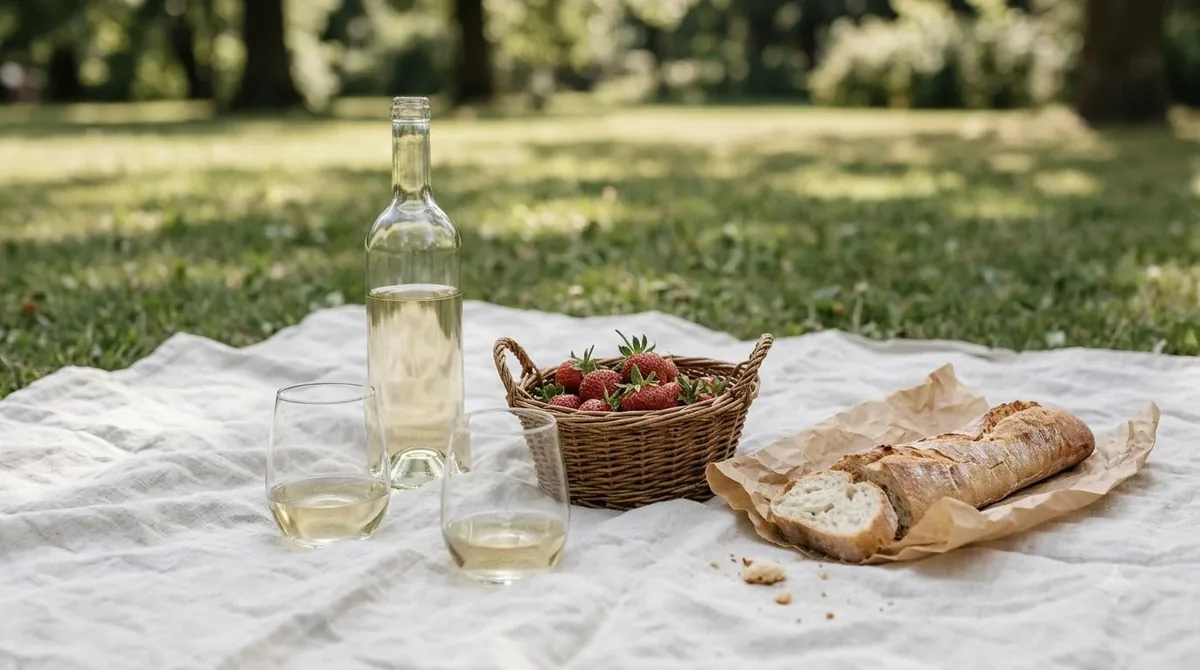
Tavola Pinot Noir
Tavola is one of the most practical entry points into Ponzi’s red-wine portfolio. The winery describes it as a Willamette Valley blend sourced from estate and partner vineyards. Its intention is to provide a regional expression rather than isolate the character of one particular vineyard.
Wine Enthusiast’s review of the 2024 Tavola Pinot Noir awarded it 92 points and described dark cherry, rose petal, cedar, blackberry, and clove characteristics. The publication also identified sturdy tannins and lively acidity, suggesting a wine with more structure than its approachable regional positioning might imply.
That review is useful because it provides an independent reference point rather than relying entirely on the producer’s description. The complete Wine Enthusiast Tavola Pinot Noir review is worth reading when comparing tasting impressions and vintage information.
Laurelwood District Pinot Noir
The Laurelwood bottling is a more geographically focused expression. According to Ponzi’s portfolio description, it is made from Pinot Noir sourced from younger sites within the Laurelwood District AVA.
Its identity is closely associated with the district’s loess and basalt geology. The combination provides an interesting context for understanding the wine’s structure, freshness, and red-fruit character. It is a useful choice for someone who wants to explore the connection between geological conditions and regional wine styles.
Reserve Pinot Noir
Reserve is a more specialized selection. Ponzi describes this estate selection as a cuvée made from its oldest vines, emphasizing the character of Laurelwood District soils.
The producer’s description identifies white pepper, black plum, dark chocolate, and exotic spices among its characteristics. Those descriptors suggest a more layered expression than a straightforward fruit-led Pinot Noir. It is a natural option for someone who already enjoys Oregon Pinot Noir and wants to investigate a more concentrated style.
Single-Vineyard Pinot Noir
Single-vineyard wines provide an opportunity to examine the individual identity of a specific estate site. Ponzi’s Pinot Noir selections include Abetina, Abetina 2, Aurora, Avellana, and Madrona.
These bottlings are particularly interesting for experienced drinkers who enjoy comparing wines made from the same grape but grown in different locations. Instead of simply asking whether one wine tastes better, the comparison becomes a question of how individual sites influence aroma, fruit expression, acidity, and texture.
Chardonnay and Pinot Gris
Ponzi’s white wines deserve attention beyond their supporting role in the portfolio. Chardonnay is an important part of the winery’s history, and the family has spent decades developing its approach to the variety.
The Chardonnay portfolio includes Laurelwood and single-vineyard expressions associated with Aurora and Avellana. These wines are worth considering for people who appreciate fresh acidity combined with a more substantial white-wine texture.
Pinot Gris offers a different experience. It is generally a lighter, more fruit-focused option, making it suitable for casual meals and warmer weather. Ponzi’s historical connection to American Pinot Gris production also makes this grape particularly relevant to understanding the winery’s legacy.
Sparkling Wine and Rosé
Ponzi’s sparkling range includes Blanc de Blancs, made entirely from Chardonnay, and a sparkling Brut Rosé composed of 70% Pinot Noir and 30% Chardonnay. The producer describes Blanc de Blancs as fresh and structured, with a hint of brioche.
The sparkling Brut Rosé offers a different profile, combining the red-fruit contribution of Pinot Noir with Chardonnay’s freshness. These styles are useful for celebrations, aperitifs, and meals where still red wine might feel too heavy.
The winery also produces still rosé from higher-elevation Willamette Valley vineyards. Its strawberry and cream character, combined with refreshing acidity, makes it an appealing option for lighter food and outdoor dining.
Common Mistakes When Buying Ponzi Wine
The most common purchasing mistakes involve treating every Pinot Noir as equivalent, overlooking the differences between regional and vineyard-designated wines, and expecting Oregon wines to resemble fuller-bodied California reds. Understanding these distinctions creates more realistic expectations.
Assuming All Pinot Noir Has the Same Structure
Pinot Noir is not a single uniform style. A regional blend can emphasize freshness and red fruit, while a more concentrated Reserve or single-vineyard wine may show firmer tannins and greater depth.
Ponzi’s Tavola, Laurelwood, and Reserve selections illustrate why the name of the wine matters. The grapes may share a variety, but sourcing and vineyard selection influence the result.
Choosing by Prestige Alone
A single-vineyard designation does not automatically mean that a wine will suit every drinker better than a regional blend. A buyer who prefers uncomplicated fruit may find Tavola more enjoyable than a more structured Reserve.
Likewise, an experienced Pinot Noir enthusiast may appreciate the differences between Abetina, Aurora, and Avellana. The right purchase depends on the desired drinking experience, not simply on how specialized the label sounds.
Expecting Heavy Cabernet Sauvignon Characteristics
Pinot Noir generally has less tannin than Cabernet Sauvignon. It is usually more focused on aromatic complexity, acidity, and relatively delicate texture.
Drinkers accustomed to full-bodied Cabernet may initially perceive Oregon Pinot Noir as lighter. That is not necessarily a weakness. The variety’s appeal often comes from the balance between fruit, acidity, and subtle savory details rather than sheer weight.
Serving the Wine Too Warm
Room temperature is not always the correct serving temperature, particularly in warm indoor environments. A Pinot Noir served at 72°F may seem more alcoholic and less refreshing than the same wine served slightly cooler.
Light reds generally benefit from temperatures around 55–60°F, while fuller reds can be served around 60–65°F. Chardonnay is usually most comfortable at 50–55°F, and sparkling wines should be served at 40–50°F.
Ignoring Food Compatibility
Pinot Noir is adaptable, but that does not mean every dish works equally well. Its acidity makes it useful with roasted poultry, mushrooms, and salmon, while strongly tannic reds can be less suitable for delicate fish.
Spicy dishes also require attention. High alcohol and tannin can intensify chili heat, making a lighter white or rosé a more comfortable choice for particularly spicy meals.
Buying Without Considering the Occasion
A formal dinner, casual gathering, and celebratory toast create different requirements. A regional Pinot Noir is practical for a meal with several guests, while a single-vineyard wine may be more interesting for a focused tasting.
Sparkling Blanc de Blancs and Brut Rosé are natural choices for occasions where a bottle of still Pinot Noir would not provide the desired atmosphere. Matching the wine to the event makes the purchase more satisfying.
Care and Storage Tips for Preserving Ponzi Wine
Proper storage and serving temperatures help preserve the balance and aromatic character of Ponzi wines. The most important considerations are stable temperature, limited exposure to light, careful handling, and appropriate refrigeration after opening.
Store Bottles in Stable Conditions
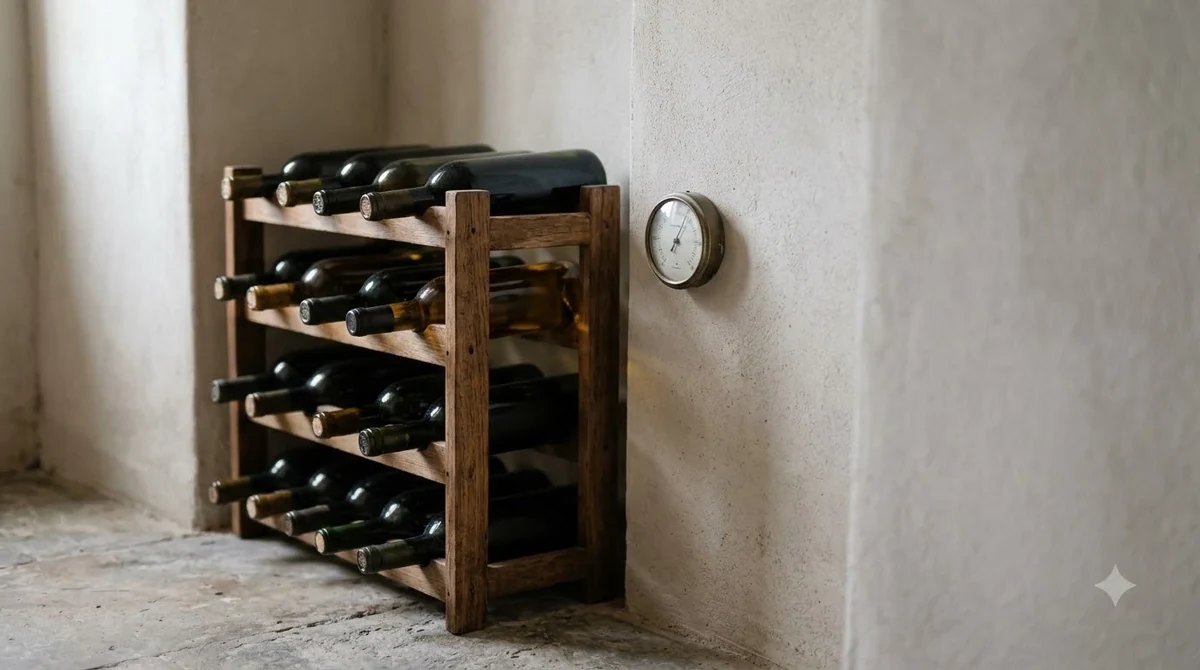
For longer-term storage, keep bottles near 55°F in a cool location with minimal temperature fluctuation. Excessive heat can accelerate wine aging and damage delicate aromas, while repeated temperature changes can interfere with the wine’s development.
Traditional cork-finished bottles should generally be stored on their sides to keep the cork in contact with the wine. This helps reduce the risk of the cork drying out. Avoid placing bottles near radiators, ovens, windows, or other sources of heat and direct sunlight.
Use Appropriate Serving Temperatures
Temperature affects the way acidity, alcohol, fruit, and tannins are perceived. A simple serving guide is particularly helpful when preparing several Ponzi styles for the same meal.
- Pinot Noir: Serve lighter expressions around 55–60°F.
- Fuller Reserve reds: Aim for approximately 60–65°F.
- Chardonnay: Serve around 50–55°F.
- Pinot Gris and rosé: Serve around 45–50°F.
- Blanc de Blancs and sparkling Brut Rosé: Serve around 40–50°F.
A useful approach is to remove red wine from a warm room shortly before serving. If a bottle has been stored in a cool environment, allow it to warm gradually rather than using direct heat.
Decanting and Aeration
Young, full-bodied red wines can benefit from 30 to 60 minutes of decanting. This gives the wine an opportunity to interact with oxygen and can make its aromas more accessible.
However, not every Pinot Noir requires extended aeration. More delicate expressions can lose some of their aromatic detail if left exposed for too long. Start with a small pour, assess the wine, and decide whether additional aeration is useful.
Decanting is generally unnecessary for sparkling wines because preserving carbonation is part of their appeal. Chardonnay and Pinot Gris also usually need only appropriate chilling and careful pouring.
Preserving Opened Bottles
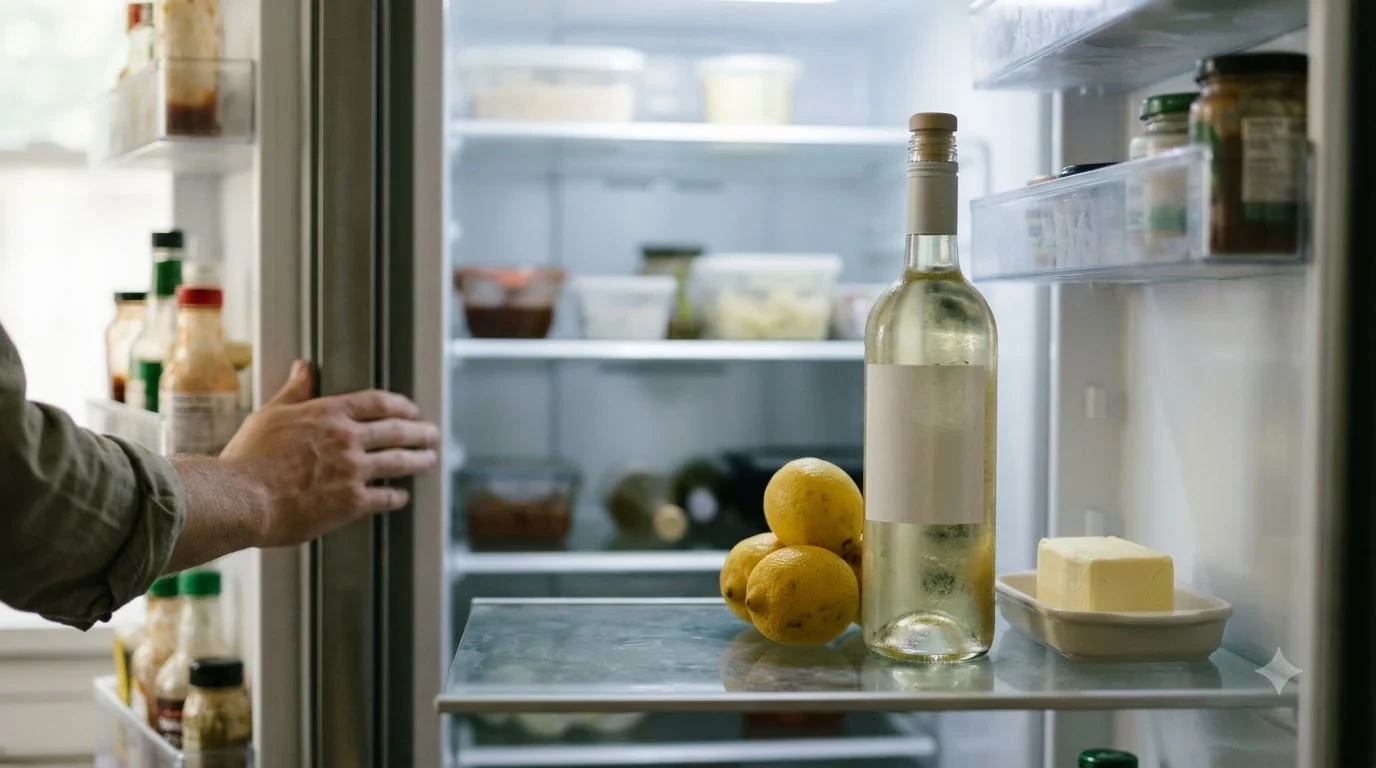
After opening a still Ponzi wine, reseal the bottle and store it in the refrigerator. Even red wine benefits from refrigeration after opening because cooler temperatures slow oxidation.
Typical storage windows are:
- Still Pinot Noir and Chardonnay: Approximately three to five days.
- Sparkling wine: Approximately one to three days with a suitable sparkling-wine stopper.
- Fortified wines: Several weeks, depending on the style.
These are general guidelines rather than guarantees. Wine quality can decline sooner depending on exposure to air, temperature, and the wine’s condition when opened. Before serving a previously opened bottle, assess its aroma and flavor for signs of oxidation.
Pairing Ponzi Wines With Food
Food pairing is one of the strongest reasons to explore the different categories in Ponzi’s portfolio. Pinot Noir’s acidity and moderate tannin work well with poultry, mushrooms, pork, and salmon. Chardonnay can complement richer seafood, roasted chicken, and creamy pasta.
Pinot Gris works with salads, shellfish, grilled vegetables, and lighter appetizers. Sparkling wines are particularly flexible because carbonation and acidity can refresh the palate between bites.
For dessert, select a wine at least as sweet as the dish. A dry sparkling wine or dry Pinot Noir will generally be a poor match for a very sweet dessert because the wine can taste more acidic and less fruity by comparison.
Ultimately, Ponzi’s wines are best appreciated when their freshness and structure are preserved. Careful storage, moderate serving temperatures, and thoughtful food pairings can make a noticeable difference to the drinking experience.
Frequently Asked Questions
Who owns Ponzi Vineyards?
Ponzi Vineyards became part of Groupe Bollinger in 2021. Champagne Bollinger’s investment marked its first property outside France. The Ponzi family had established the winery in 1970, and the acquisition represented a significant transition in its ownership history.
Where is the Ponzi Vineyards tasting room?
Ponzi Vineyards is located in Sherwood, Oregon, southwest of Portland. Its tasting room overlooks Avellana Vineyard and the Chehalem Mountains. Visitors should consult the winery’s official website for current reservations, tasting options, and operating information before traveling.
Who is the winemaker at Ponzi Vineyards?
Max Bruening became Ponzi’s third winemaker in 2024. He succeeded Luisa Ponzi, who had become the winery’s second winemaker in 1993. His appointment was historically significant because he was the first person outside the Ponzi family to hold the position.
Does Ponzi participate in organic and sustainable farming?
Yes. Ponzi has a longstanding involvement in sustainable viticulture and helped co-found LIVE Certification in 1997. The winery also identifies Abetina, Madrona, and Avellana among its CCOF Certified Organic vineyards, reflecting its interest in vineyard stewardship.
What is the difference between Laurelwood and the wider Willamette Valley?
The Willamette Valley is a large Oregon wine region containing several smaller geographical areas. Laurelwood District is a more specific American Viticultural Area distinguished by its geological characteristics, including windblown loess and underlying volcanic basalt. Its geological identity helps explain why vineyard-designated Laurelwood wines are interesting to compare with broader regional bottlings.
Ponzi Vineyards deserves consideration from anyone interested in Oregon wine, particularly drinkers who appreciate Pinot Noir, Chardonnay, and geographically distinctive bottlings. Tavola is a sensible introduction, while Laurelwood, Reserve, and single-vineyard selections offer opportunities to explore additional complexity. Start with the grape and style you enjoy most, then compare the regional and vineyard expressions to discover which part of Ponzi’s portfolio best matches your preferences.
More in Wine Brands
 Underwood Wine Price: Compare Bottles, Cans, and Pack SizesUpdated Nov 21, 2026
 Zenato Wine Price: Compare Styles and Choose the Right BottleUpdated Nov 21, 2026
 Zuccardi Wine Price: Compare Bottles and Find the Right RangeUpdated Nov 21, 2026
 Yellow Tail Moscato Review: Taste, Sweetness and Serving TipsUpdated Nov 21, 2026
 Wolf Blass Yellow Label Review: Choose Your Best StyleUpdated Nov 21, 2026
 Wolffer Estate Rose Review: Choose the Right Bottle for Your TableUpdated Nov 21, 2026