

We may earn a commission when you buy through links on this page, at no extra cost to you. Learn more.
This muga wine review finds that Muga Reserva is the best starting point for classic Rioja, balancing ripe fruit, structured tannins, and carefully integrated oak. Selección Especial and Prado Enea offer longer-aged, more layered reds, while Muga White provides a fresher route into the producer’s range. The right bottle depends on how much oak, structure, and cellar development you want.
Bodegas Muga is a family winery in Haro, Rioja Alta, founded by Isaac Muga and Aurora Caño in 1932. Its wines show a recognizable house approach: traditional Rioja grapes, fermentation and aging in oak, and careful bottle maturation. This guide compares the main choices, explains the details that matter on a label, and matches styles with food and serving conditions. For a broader look at the producer and its range, see this overview of Muga wine.
Who This Is For
Muga is a good fit for wine drinkers who enjoy Rioja’s Tempranillo-led character, savory oak notes, and enough acidity to work at the table. The winery is based in Haro in Rioja Alta, and its best-known red blends Tempranillo with Garnacha, Mazuelo, and Graciano rather than relying on a single grape.
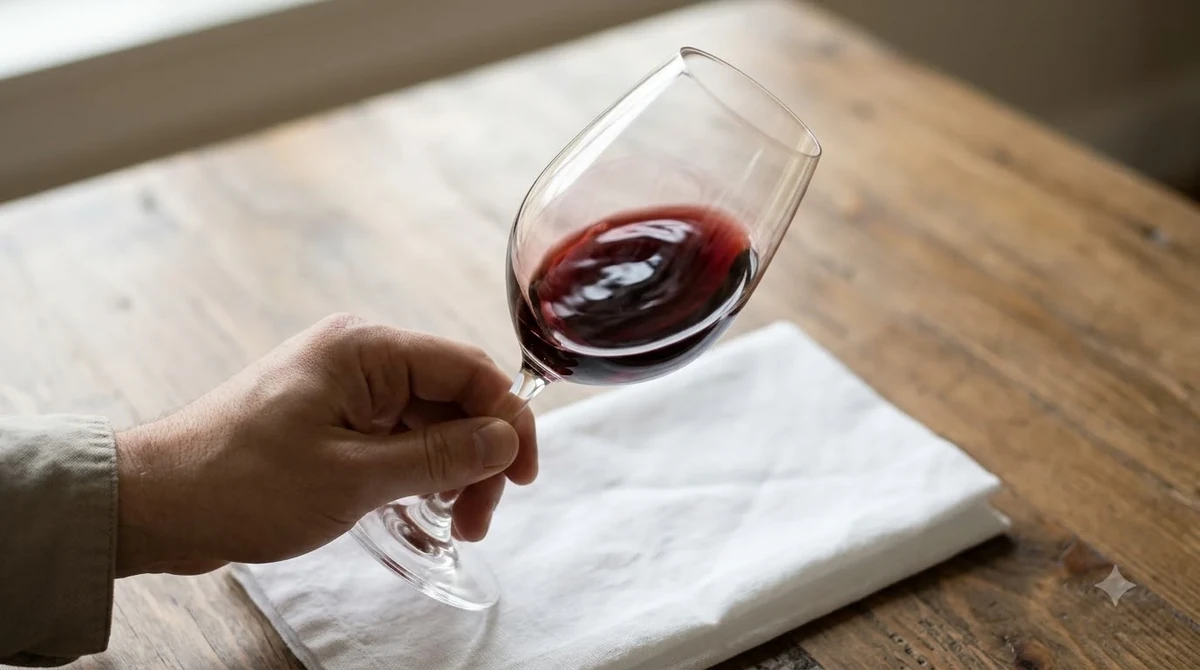
Start with Muga if you like red wines that combine recognizable fruit with details that develop in the glass. The producer’s 2022 Reserva tasting note describes a clear fruit profile with gentle woodland or undergrowth notes, balanced acidity, firm but silky tannins, and a long finish. That combination makes it more than a simple fruit-forward red, but it does not require a specialist palate to understand. The wine can be enjoyed with dinner now, while its structure also gives it room to develop in bottle.
The range will appeal to people who enjoy how grape variety and barrel aging work together. Tempranillo supplies much of the red-fruit and savory core, while Garnacha, Mazuelo, and Graciano add further fruit, structure, and complexity. Oak contributes spice and texture, but the producer’s notes emphasize integration rather than a flavor profile dominated by wood.
Muga may be less suitable for someone seeking a very light, neutral red with little oak influence. Its core reds suit ribeye, roasted lamb, charcuterie, and casseroles, while Muga White uses Viura, Garnacha Blanca, and Malvasía de Rioja for a citrus-, stone-fruit-, and floral-led style. The range is broad, so choosing by the name alone is not enough; the style and label matter.
Key Factors to Compare
The clearest way to compare Muga bottles is to look at the grape blend, the length and type of aging, and the wine’s intended role at the table. For example, the 2022 Reserva spends 24 months in cask and at least 12 months in bottle, while the 2019 Prado Enea receives at least 36 months in oak and another 36 months in bottle.
| Wine | Grapes and documented aging | Style cues | Food direction |
|---|---|---|---|
| Muga Reserva 2022 | Tempranillo, Garnacha tinta, Mazuelo, Graciano; 24 months in cask and at least 12 months in bottle | Ripe fruit, undergrowth, balanced acidity, firm but silky tannins | Ribeye, charcuterie, casseroles |
| Muga Selección Especial 2021 | Tempranillo, Garnacha tinta, Graciano, Mazuelo; 26 months in French oak and at least 18 months in bottle | Black cherry, spice, clove, cocoa, balsamic herbs, polished tannins | Red meat, suckling lamb, traditional roasts |
| Prado Enea Gran Reserva 2019 | Tempranillo, Garnacha tinta, Mazuelo; at least 36 months in oak and 36 months in bottle | Ripe red and dark fruit, cedar, cocoa, lively acidity, soft tannins | Game, red meat, mature cheese |
| Muga White 2025 | Viura, Garnacha blanca, Malvasía de Rioja; 4 months on fine lees in cask | White blossom, citrus, stone fruit, fresh acidity | White fish, shellfish, seafood rice |
These are documented details for the named vintages, not a promise that every release uses an identical blend or schedule. The winery specifies 90% French oak and 10% American oak for the 2022 Reserva’s 24-month cask period, followed by fresh egg-white fining and at least 12 months in bottle. That combination helps explain the oak-derived spice alongside a fruit-led center.
For a first purchase, Reserva is the clearest reference point; Selección Especial offers a low-yield vineyard selection and longer French-oak aging. Prado Enea is the slowest-developed option here, with at least six years split between oak and bottle. Muga White is a separate style, not simply a lighter red. Compare a particular vintage with Bodegas Muga’s Reserva production and tasting notes.
Step-by-Step: How to Choose a Muga Wine
Start with the occasion, then narrow the choice by color, structure, and aging. Decide whether the meal calls for red or white, then compare Reserva’s 24 months in cask with Selección Especial’s 26 months in French oak or Prado Enea’s minimum 36 months in oak.
- Choose the color and occasion. For grilled fish, shellfish, or seafood rice, look at Muga White. For roasted meat, charcuterie, or a hearty casserole, begin with one of the Rioja reds.
- Set your preferred level of development. Muga Reserva gives a balanced entry to the red range. Selección Especial adds a more selective vineyard component and 26 months in French oak; Prado Enea has at least 36 months in oak followed by at least 36 months in bottle.
- Read the grape blend. Tempranillo is the central variety in the principal reds, with Garnacha, Mazuelo, and Graciano contributing to the blend. The white uses Viura, Garnacha Blanca, and Malvasía de Rioja, so it offers a different aroma and food-pairing direction.
- Match the vintage to your plans. A bottle intended for dinner tonight can be chosen for its current fruit and balance. A bottle for a later occasion should be selected with its structure, release details, and the producer’s aging guidance in mind rather than assuming every vintage develops at the same pace.
- Plan the serving and opening. Chill Muga White to about 50–55°F and serve structured reds around 60–65°F. A young, full red may benefit from 30–60 minutes in a decanter, while an older bottle should be opened more gently and checked as it develops in the glass.
Pairing the wine with the main dish is often easier than starting with a prestige label. Reserva fits roast or grilled steak, Selección Especial suits lamb or traditional roast, and Prado Enea works with game and mature cheese. Muga White is a food wine, not only an aperitif.
Use the full wine name and vintage when comparing listings: Reserva, Selección Especial, and Gran Reserva refer to distinct bottlings and aging programs. The site’s guide to Wine Brands explains how to read producer names and labels across regions. Comparing grapes, vintage, and bottle maturation is more useful than declaring one label the “best” Muga.
Types and Styles Explained
Muga’s range is broader than a single Rioja red: its catalog includes Reserva, Selección Especial, Prado Enea, Torre Muga, Aro, white and rosé wines, and the Conde de Haro sparkling line. The most useful starting comparison is between the core Reserva, the more selective red bottlings, and the white wine.
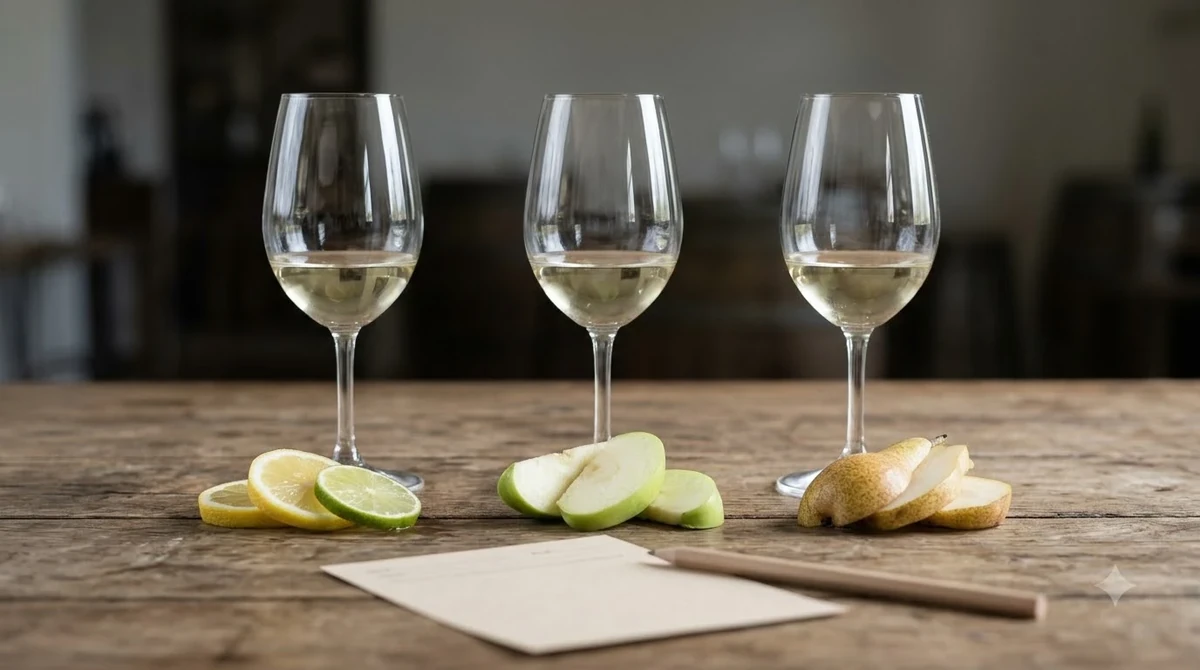
Muga Reserva and Selección Especial: The 2022 Reserva combines Tempranillo, Garnacha tinta, Mazuelo, and Graciano, with 24 months in cask and at least 12 months in bottle; its tasting profile is fruit-led, with undergrowth notes, balanced acidity, and firm but silky tannins. The 2021 Selección Especial uses the same four varieties but comes from low-yield vineyards. Its grapes were hand-harvested into 180-kilogram crates and moved in refrigerated trucks; the wine spent 26 months in French oak and at least 18 months in bottle. The producer describes black cherry, clove, cocoa, balsamic herbs, polished tannins, and a long finish. Wine Enthusiast’s review of the 2021 bottling also highlights Amarena cherry, cassis, dark peppery spice, cigar box, and leather.
Prado Enea Gran Reserva and Muga White: The 2019 Prado Enea draws on Tempranillo, Garnacha tinta, and Mazuelo from calcareous-clay and alluvial soils at 550–700 meters in northwest Rioja Alta. Its grapes undergo 14–16 days of maceration, followed by at least 36 months in oak and another 36 months in bottle; the resulting profile combines ripe red and dark fruit, cedar, cocoa, lively acidity, and soft tannins. Muga White 2025 blends Viura, Garnacha blanca, and Malvasía de Rioja from two Rioja Alta valleys with Atlantic climate influence. Part of its fermentation takes place in lightly toasted new French-oak barrels, followed by four months on fine lees; the winery describes white blossom, stone fruit, citrus, lively acidity, and a slightly salty finish. The wider catalog also includes rosé and sparkling options, so Muga is not limited to long-aged reds.
Common Mistakes
Common errors include treating every Muga red as identical, assuming longer aging always means a heavier wine, and serving Rioja too warm. The contrast between 24 months in cask for Reserva and at least 36 months each in oak and bottle for Prado Enea matters, but it does not make one bottle right for everyone.
Do not assume that the word “Reserva” tells you exactly what a wine will taste like without considering the producer and vintage. Muga’s Reserva 2022 is described as fruit-led, balanced, and structured, while its Selección Especial 2021 adds a more explicit range of spice, clove, cocoa, and balsamic-herb notes. Prado Enea’s long aging is paired in the producer’s note with medium body, lively acidity, and soft tannins, not simply more weight. Compare the style details instead of ranking bottles by the longest maturation period alone.
Another mistake is treating oak as a synonym for harsh tannin. Barrel aging can add spice and texture, while tannin also comes from grape skins, seeds, stems, and the wine’s overall construction. Food changes the perception of a red: salt and fat can soften tannin, so charcuterie, grilled beef, and lamb can make a structured Rioja feel more approachable. Oily fish is a poor match for tannic reds; use Muga White with shellfish or grilled fish instead.
Finally, do not pair a structured red with very hot chili dishes simply because both seem bold. Alcohol and tannin can intensify the perception of chili heat, while a fresh white or rosé is often a more comfortable route for spicy food. A bottle that suits a slow-cooked casserole may not be the best choice for a dish built around raw heat, citrus, or delicate seafood.
Care and Storage Tips
Good serving conditions let fruit, acidity, and oak show in proportion. Serve Muga White at about 50–55°F and structured Rioja reds such as Reserva or Selección Especial around 60–65°F, rather than at a warm room temperature.
Store unopened bottles on their sides in a cool, dark place near 55°F, with as little temperature fluctuation as possible. Keep them away from sunlight, radiators, ovens, and frequent vibration. A stable cellar or wine refrigerator is more useful than a kitchen shelf that warms and cools through the day. Prado Enea’s long bottle maturation makes good storage especially important when the bottle is being kept for a future meal.
A young, structured red may benefit from 30–60 minutes in a decanter, but do not apply that rule mechanically: an older wine can lose delicate aromas if it receives too much air too quickly. Pour a small taste first and decide whether it needs time. A standard 750 ml bottle yields about five 5-ounce servings. After opening, reseal still wine and refrigerate it; most still wines are best used within about 3–5 days. Sparkling Cava has a shorter window of roughly 1–3 days, and a proper sparkling-wine stopper helps preserve its bubbles.
Frequently Asked Questions
These practical details go beyond tasting style, including US delivery, winery visits, alcohol content, and clarification methods. They can answer questions that a front label or short retailer description may leave open.
Can I order Muga directly from the winery for delivery in the United States?
The winery’s online-shop FAQ lists deliveries to the Spanish Peninsula and the Balearic Islands, not the United States. US buyers should look for a domestic wine retailer or importer rather than assume the Spanish shop ships internationally. Delivery territories can differ from the markets where the wines are sold.
Can visitors tour Bodegas Muga in Haro?
Yes, but the winery says visits must be booked in advance. Its standard guided tour runs Monday through Saturday, lasts about 90 minutes, and includes samples of two wines; the FAQ also says children under 12 are not admitted to that tour. Confirm current arrangements with the winery before planning travel.
Does Bodegas Muga make sparkling wine?
Yes. The winery’s Conde de Haro Cava range includes Blanc de Blancs and Brut Rosé, which are distinct cuvées rather than red or white Rioja. Cava undergoes its second fermentation in the bottle, unlike Prosecco, which is generally made by the tank method; compare that style with La Marca Prosecco.
What is the alcohol level of Muga Reserva 2022?
Wine Enthusiast lists the 2022 Reserva at 14.5% alcohol by volume in a 750 ml bottle. That figure applies to the reviewed vintage and should not be assumed for every Muga wine or every release. The same review describes blackberry, black cherry, licorice, tobacco, coffee-toffee, baking chocolate, and earthy spice.
Are Muga wines suitable for vegans?
The winery’s production notes specify clarification with fresh egg whites for Muga Reserva and certain other reds. Egg white is an animal-derived fining agent, so strict vegans should ask about the exact bottling and its processing before buying. The absence of visible sediment or egg residue does not by itself establish vegan production.
For a first bottle, Muga Reserva is the clearest introduction to the house style; Selección Especial and Prado Enea make sense when you want more layered development and longer aging. Choose by meal, preferred structure, and the particular vintage, then serve the wine at a temperature that preserves its balance.
More in Wine Brands
 Villa Maria Wine Price: Compare Bottles and Find Better ValueUpdated Nov 21, 2026
 Underwood Wine Review: How to Pick the Right Bottle or CanUpdated Nov 21, 2026
 Villa Sandi Wine Price: Compare Bottles and Find the Right WineUpdated Nov 21, 2026
 Veuve Clicquot Yellow Label Review: How to Choose and Enjoy This ChampagneUpdated Nov 21, 2026
 Villa Maria Wine Review: Find the Right New Zealand BottleUpdated Nov 21, 2026
 Vega Sicilia Wine Review: Choose the Right Spanish WineUpdated Nov 21, 2026