


We may earn a commission when you buy through links on this page, at no extra cost to you. Learn more.
The mud house wine price for a typical 750 ml bottle in the United States is approximately $11 to $20, depending on the variety, vintage, retailer, and wine collection. Mud House Sauvignon Blanc is generally the easiest entry point, with retailer listings placing many bottles in the lower part of that range. More distinctive wines, including Central Otago Pinot Noir and Single Vineyard selections, can cost more, so comparing the specific wine matters more than judging the brand by one bottle’s price.
Mud House is a New Zealand producer with a portfolio that covers refreshing Marlborough whites, aromatic reds, and more focused vineyard selections. Its approachable standard wines make the brand worth considering for everyday drinking, while its regional and vineyard-specific bottlings offer another level of choice. This guide explains typical American retail prices, the differences between its wine styles, and how to choose a bottle that makes sense for your budget.
Who Should Consider Mud House Wine
Mud House is a practical option for shoppers who enjoy New Zealand wines and want recognizable grape varieties without immediately moving into expensive specialist bottles. Its standard collection emphasizes everyday drinking, with Marlborough Sauvignon Blanc and other South Island varieties providing several accessible starting points.
The brand’s origins are closely connected to New Zealand’s South Island. According to its official story, its founders were traveling around the world by sailboat when they discovered New Zealand, fell in love with the country, and decided to settle there. They built a home using local earth and planted vines, giving the resulting wine brand its distinctive name.
The standard Mud House range is designed around wines that express the character of the South Island. The producer describes its whites as crisp and its reds as aromatic, with fruit depth and purity. That approach makes the range particularly relevant to shoppers looking for familiar varieties rather than unusual experimental blends.
Three types of buyers may find the brand especially interesting:
- Everyday white wine drinkers: Sauvignon Blanc and Pinot Gris provide refreshing choices for casual meals, seafood, and warm-weather gatherings.
- Red wine drinkers: Pinot Noir, Merlot, Cabernet Sauvignon, and Shiraz provide alternatives for people who prefer more structure or darker fruit flavors.
- Exploratory wine shoppers: Single Vineyard selections offer a more focused expression of particular vineyard sites and vintages.
Newcomers can start with the standard Sauvignon Blanc before moving toward Pinot Noir or Chardonnay. People already familiar with New Zealand wine may prefer comparing Marlborough whites with Central Otago reds, since these regions produce noticeably different styles.
For additional background on the producer’s portfolio, the Mud House wine overview provides a useful starting point. Shoppers comparing different producers can also browse the broader Wine Brands collection to understand where this label fits among other established wine names.
Key Factors That Determine Mud House Wine Price
The final retail price depends on the grape variety, regional origin, wine collection, vintage, and individual retailer. Comparing those factors helps explain why two Mud House bottles can sit at noticeably different price points even when they come from the same producer.
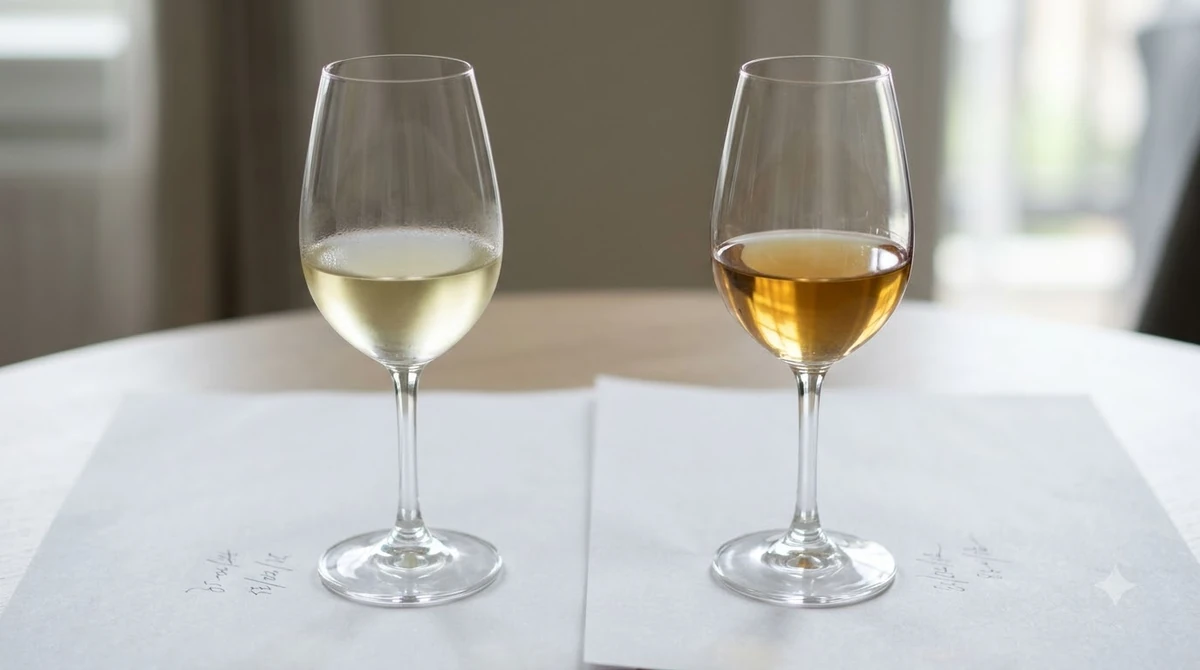
Variety and region are two useful starting points. Sauvignon Blanc from Marlborough is the recognizable entry-level style, while Central Otago Pinot Noir offers a different regional expression. Mud House also lists wines from other New Zealand regions and additional international ranges in its broader portfolio, so the label alone does not tell shoppers everything about a bottle.
Retailer listings provide a practical indication of American pricing. Vino Alert’s comparison of US retailers shows Mud House Sauvignon Blanc listings around $11 to $17 for several 750 ml bottles, depending on vintage and retailer. Its tracked examples include 2024 and 2025 bottles from Gary’s Wine & Marketplace, Buy Wines Online, and Wine On Sale. These are market observations rather than guaranteed prices, and availability can change.
H-E-B provides another useful retail reference. Its Mud House Sauvignon Blanc product listing identifies a 750 ml wine from Marlborough and displays a retail price in the low teens. Total Wine also lists the same general wine category in a 750 ml format, demonstrating that the bottle is carried by recognizable American wine retailers. Prices vary by state and retailer, including differences in local inventory and delivery availability.
The following table provides practical planning ranges rather than guaranteed prices for every vintage or store.
| Wine or collection | Typical US retail range | What to expect |
|---|---|---|
| Mud House Sauvignon Blanc | About $11–$17 | Fresh, citrus-driven Marlborough white |
| Mud House Pinot Gris | About $12–$19 | Approachable aromatic white |
| Mud House Chardonnay | About $12–$20 | Medium-bodied white wine option |
| Mud House Pinot Noir | About $17–$25 | Fruit-focused red, including Central Otago selections |
| Mud House Merlot | About $13–$20 | Softer red wine alternative |
| Mud House Shiraz or Cabernet Sauvignon | About $13–$21 | Fuller-bodied red wine options |
| Single Vineyard selections | About $18–$30 | More site-specific and limited-production wines |
These are indicative shopping ranges, not verified universal prices for every listed variety. The Sauvignon Blanc range is supported by Vino Alert’s US retailer comparison and H-E-B’s listing, while the broader planning ranges should be treated as estimates for budgeting rather than confirmed quotations. Prices vary by state and retailer, and individual vintages or limited releases may fall outside these ranges.
Vintage also deserves attention. A retailer may carry several bottlings from different harvest years, and a listing for one vintage does not automatically establish the price of another. Comparing the same variety, bottle size, and vintage produces a more useful comparison than simply searching for the lowest number attached to the brand.
Step-by-Step: How to Choose the Right Mud House Bottle
A good buying decision starts with the type of wine you enjoy, not the cheapest available label. Following a few simple steps makes it easier to select the right variety, compare retailer offers, and avoid paying more for a bottle that does not suit the occasion.
-
Decide between white, red, and rosé.
Start with your usual preference. Choose Sauvignon Blanc or Pinot Gris for refreshing white wine, Pinot Noir or Merlot for softer red options, and rosé when you want a lighter alternative. If you are shopping for a mixed group, a dry Sauvignon Blanc is often a useful starting point.
-
Identify the grape variety.
Look beyond the Mud House name. Sauvignon Blanc offers high acidity and citrus-driven character, Chardonnay has medium acidity and can feel broader on the palate, while Pinot Noir typically provides lower-to-medium tannin and bright acidity. Merlot generally has softer, medium tannins compared with Cabernet Sauvignon.
-
Compare the regional origin.
Marlborough is particularly relevant for Sauvignon Blanc, while Central Otago is strongly associated with Pinot Noir. Mud House’s vineyard information also identifies Hawke’s Bay and other South Island locations within its wider wine portfolio. Regional origin can provide useful clues about the wine’s style.
-
Choose a collection.
The standard Mud House range is aimed at everyday drinking. Single Vineyard wines offer a more specific connection to a vineyard and vintage and are made in limited quantities. Choose the standard range for casual occasions and explore the more focused collection if vineyard expression interests you.
-
Compare like-for-like retailer listings.
Look for the same variety, bottle size, and vintage. A 750 ml bottle should not be compared directly with a different format, and an older vintage may have a different price from a current release. Online comparison services can help identify retailers carrying the same wine.
-
Match the bottle to the occasion.
A crisp Sauvignon Blanc works well with seafood and fresh salads, while Pinot Noir can complement roasted chicken and mushroom dishes. For grilled red meat, consider Cabernet Sauvignon or Shiraz. The best purchase is the wine that fits the food and the people drinking it.
-
Check availability and final checkout details.
Retail prices may exclude delivery charges, and some sellers only serve particular states. Confirm that the bottle is available in your location and compare the final purchase conditions before choosing a retailer.
Tip: If you are buying Mud House for the first time, start with Marlborough Sauvignon Blanc. It is one of the brand’s most recognizable wines, and its citrus-led, high-acidity style provides a straightforward introduction to New Zealand white wine.
People who prefer red wine should not automatically choose the most expensive bottle in the collection. A standard Pinot Noir or Merlot may suit an everyday meal better than a more specialized selection. Similarly, shoppers who enjoy fuller wines may prefer Shiraz or Cabernet Sauvignon rather than paying more for a white wine simply because it is the most familiar Mud House bottling.
Mud House Wine Types and Styles Explained
Mud House offers several grape varieties with different structures and food-pairing uses. Understanding the main differences is more useful than choosing a bottle based only on its label design or regional reputation.
Sauvignon Blanc
Marlborough Sauvignon Blanc is the natural starting point for many Mud House shoppers. H-E-B describes its version as a 100% Sauvignon Blanc from Marlborough, New Zealand, with an alcohol level of 12.5% ABV. Its published tasting description includes citrus, tropical guava, snow pea, nettle, and mineral character.
The style is generally crisp and refreshing, with high acidity that works particularly well alongside seafood, shellfish, goat cheese, and salads with fresh herbs. Serve it around 45–50°F to preserve its refreshing character without making the aromas difficult to appreciate.
For a more detailed comparison of red and white everyday styles, shoppers can also explore house wine wine options as a broader category. Sauvignon Blanc remains the clearest choice for anyone seeking a dry, aromatic white with refreshing acidity.
Pinot Gris and Chardonnay
Pinot Gris is another useful option for people who want an aromatic white wine but do not necessarily want the pronounced green and citrus character associated with Sauvignon Blanc. Its texture and fruit expression can make it suitable for light poultry dishes, salads, and moderately seasoned seafood.
Chardonnay offers a different experience. It generally has medium acidity and can provide a broader impression than Sauvignon Blanc. It is worth considering with roast chicken, creamy pasta, and dishes involving butter-based sauces. Serve full-bodied whites around 50–55°F rather than serving them extremely cold.
Pinot Noir
Central Otago Pinot Noir is one of the more recognizable red wine directions within the Mud House portfolio. The region’s mountainous environment, cold winters, warm summers, and cool nighttime temperatures help create a distinctive growing environment.
Pinot Noir is generally lighter in tannin than Cabernet Sauvignon or Syrah, with bright acidity and red-fruit characteristics. This makes it a flexible choice with roast chicken, duck, grilled salmon, and mushroom dishes. Serve lighter reds around 55–60°F.
Merlot, Cabernet Sauvignon, and Shiraz
These varieties suit shoppers who prefer more substantial red wines. Merlot generally has medium, softer tannins, making it an approachable option for people who do not enjoy highly structured reds. Cabernet Sauvignon has higher tannin and often feels firmer and more concentrated.
Shiraz, also known as Syrah in many wine regions, typically has medium-plus to high tannin and can offer darker fruit and spice characteristics. These wines can complement grilled meats, barbecue, and hearty dishes. Full-bodied reds are generally best served around 60–65°F.
People looking for a straightforward comparison of everyday red styles can read about house wine red wine before deciding whether a softer Merlot or a more structured Cabernet Sauvignon better suits their preferences.
Standard Range Versus Single Vineyard
The standard range emphasizes accessible South Island wines for everyday occasions. Single Vineyard selections focus more closely on the characteristics of individual vineyard sites and specific vintages. Mud House describes these wines as limited in quantity, which makes them a different proposition from its regular collection.
Neither collection is automatically the right choice for every shopper. Someone looking for a casual white to serve with a weeknight dinner may have little reason to move beyond the standard Sauvignon Blanc. A wine enthusiast interested in regional differences may find the Single Vineyard range more interesting.
Common Mud House Buying Mistakes
The most common purchasing mistakes involve comparing unrelated vintages, assuming all varieties cost the same, or choosing a wine without considering its style. A little attention to the label and intended use can prevent an unnecessary purchase.
Assuming Every Bottle Has the Same Price
Mud House is a brand with multiple varieties and collections, not one standardized wine. Sauvignon Blanc, Pinot Noir, Chardonnay, and Single Vineyard selections can occupy different retail price brackets. A price seen on one bottle should not be used as a universal benchmark for every wine carrying the Mud House name.
Ignoring the Vintage
Two listings for Mud House Sauvignon Blanc may refer to different harvest years. This matters because retailers may have older stock alongside newer bottles. When comparing prices, identify the vintage as well as the grape variety and bottle size.
Choosing Only by the Lowest Listing
A low advertised price may not represent the lowest final purchase cost. Shipping, local taxes, minimum order requirements, and delivery restrictions can change the amount paid. A retailer with a slightly higher listed price may be more convenient if it offers local pickup or has the bottle immediately available.
Confusing Different Wine Regions
Marlborough and Central Otago are both in New Zealand’s South Island, but they have different growing conditions and are associated with different varieties. Marlborough is particularly known for Sauvignon Blanc, while Central Otago is strongly associated with Pinot Noir. Choosing a bottle without understanding its origin can result in an unexpected style.
Expecting Sauvignon Blanc to Taste Like Chardonnay
These two white grapes have different structures. Sauvignon Blanc is generally higher in acidity and often emphasizes citrus, herbs, and tropical fruit. Chardonnay generally has medium acidity and may feel rounder or broader. Neither is inherently better; the choice depends on the drinker’s preferred texture and flavor profile.
Pairing Wine Without Considering the Food
Food can change how a wine tastes. Highly acidic foods need wines with equal or greater acidity, while salt and fat can soften the impression of tannin in red wine. Chili heat is amplified by alcohol and tannin, so a strongly alcoholic, structured red may be uncomfortable with very spicy dishes. Oily fish can also clash with tannic reds.
For a more dependable match, serve Sauvignon Blanc with lemon-seasoned seafood, Pinot Noir with roast poultry, and Cabernet Sauvignon with grilled beef. These combinations take the grape’s natural structure into account instead of relying on color alone.
Mud House Serving and Storage Tips
Serving temperature and storage conditions affect the drinking experience even when the bottle itself is relatively affordable. A properly chilled white or moderately cooled red can show more balanced aromas and texture than wine served too warm or too cold.
Recommended Serving Temperatures
Use the following temperatures as practical starting points:
- Sauvignon Blanc: 45–50°F.
- Pinot Gris: 45–50°F.
- Chardonnay: 50–55°F.
- Rosé: 45–50°F.
- Pinot Noir: 55–60°F.
- Merlot: 60–65°F for fuller examples, or slightly cooler for lighter styles.
- Cabernet Sauvignon and Shiraz: 60–65°F.
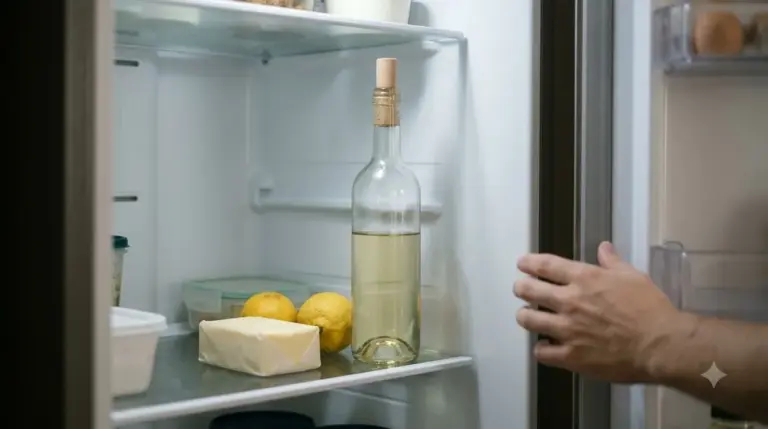
Refrigerator temperature is generally colder than the ideal serving temperature for many wines. Take a white bottle out shortly before pouring if it has become extremely cold. Similarly, a red bottle stored in a warm room may benefit from a short period in the refrigerator before serving.
Glassware and Pouring
A standard 750 ml bottle provides approximately five 5 oz servings. A medium-sized white wine glass works well for Sauvignon Blanc, Pinot Gris, and Chardonnay. Pinot Noir benefits from a glass with enough bowl space to allow its aromas to develop, while fuller red wines can be served in larger red wine glasses.
Young, full-bodied red wines may benefit from 30–60 minutes of decanting. This can help soften their initial impression and expose more of their aromatic character. Lighter reds and fresh white wines generally do not need the same treatment.
Storing Unopened Bottles
Store bottles in a cool, dark environment, ideally near 55°F, with minimal temperature fluctuations. Bottles sealed with traditional corks should generally be stored on their sides to keep the cork from drying out. Keep wine away from direct sunlight, radiators, and areas exposed to strong vibrations.
Most standard Mud House wines are intended to be enjoyed for their fresh fruit character rather than stored for many years. There is little reason to buy an everyday Sauvignon Blanc with the expectation that extended cellar aging will improve it. For special or more structured wines, follow the producer’s guidance and consider the particular vintage and style.
Keeping Opened Bottles Fresh
After opening, reseal the bottle and place it in the refrigerator. Most still wines retain reasonable freshness for approximately three to five days, although delicate aromas may fade sooner. Keep the bottle tightly closed and minimize the amount of air inside it where possible.
White wines and rosé should also be refrigerated after opening, even if they were originally served at a warmer temperature. Allow a short period for the wine to approach its ideal serving temperature before pouring again. This simple approach helps preserve the fresh fruit and acidity that make Mud House’s lighter styles appealing.
Frequently Asked Questions
Is Mud House an independently owned New Zealand winery?
Mud House’s official website currently identifies Vinarchy Australia Limited in its sales and legal information. Its founders’ original story describes the creation of the brand after settling in New Zealand. The founding story and the company’s current operating arrangements are separate details, so shoppers should not assume the original founders still own the business.
What does the Mud House name mean?
The name comes from the home the founders constructed using local earth after deciding to settle in New Zealand. The house was part of their original vineyard adventure and eventually became the identity of the wine brand. It reflects the company’s connection to the place where its story began.
Does Mud House use screw caps?
Some Mud House bottlings have appeared with screw-cap closures in American retail listings. Wine.com has also identified screw caps on several historical Mud House product listings. Closure type can differ by wine and bottling, so it should not be assumed to be identical across the entire portfolio.
How much alcohol does Mud House Sauvignon Blanc contain?
H-E-B lists its Mud House Marlborough Sauvignon Blanc at 12.5% alcohol by volume. That figure applies to the particular retail listing and should not be treated as a universal alcohol percentage for every Mud House wine. Red varieties and other bottlings can have different alcohol levels.
Can Mud House wines be served at a wine-tasting party?
Yes. A tasting flight featuring three or four different varieties can demonstrate how grape and regional differences influence wine style. For example, serving Sauvignon Blanc, Chardonnay, Pinot Noir, and Merlot gives guests a comparison of two white and two red varieties without requiring a large number of bottles. Use approximately 2 oz tasting pours so guests can compare the wines while keeping portions consistent.
Mud House offers a useful combination of approachable everyday wines and more distinctive regional selections. For most shoppers, Marlborough Sauvignon Blanc is the simplest introduction, while Pinot Noir and the Single Vineyard collection provide interesting alternatives. Compare the same vintage and bottle size across retailers, and choose the variety that best matches your food and preferences rather than relying on price alone.
More in Wine Brands
 Norton Wine Review: Choose the Right Mendoza WineUpdated Nov 21, 2026
 Noughty Wine Review: How to Choose the Right Alcohol-Free BottleUpdated Nov 21, 2026
 Odette Wine Price: Compare Estate and Reserve Bottles Before BuyingUpdated Nov 21, 2026
 Michael David Wine Review: Choose the Right Lodi BottleUpdated Nov 21, 2026
 Nicolas Feuillatte Brut Review: Taste, Quality and Buying TipsUpdated Nov 21, 2026
 Mud House Wine Review: Find the Right Bottle for Your TasteUpdated Nov 21, 2026