

We may earn a commission when you buy through links on this page, at no extra cost to you. Learn more.
For U.S. shoppers, a typical lodi wine price is about $9 to $16 for approachable 750 ml bottles, based on Vino Alert’s multi-retailer listings, while focused vineyard and winery bottlings often fall around $25 to $45 in James Suckling’s Lodi report and Jeremy Wine Co’s current portfolio; prices vary by state and retailer, and bottle size or vintage can shift the comparison. Zinfandel is the region’s signature, but shoppers can also find Cabernet Sauvignon, Chardonnay, Sauvignon Blanc, and less familiar varieties across seven nested sub-AVAs. The sections below explain how to compare style, origin details, and value.
Shopping for Lodi wine is easier when you compare the grape, vineyard source, and producer before comparing numbers. This guide explains what the usual retail bands buy, why two bottles from the same California region can cost very different amounts, and how to choose a style that suits the meal and the occasion.
Who This Is For
Lodi is a useful place to shop if you want ripe California reds at an everyday budget, are curious about old-vine Zinfandel, or want to explore less familiar grapes without starting with a high-cost region. A practical first comparison is an approachable 750 ml Zinfandel against a more selective vineyard bottling, with Cabernet Sauvignon, Petite Sirah, and white varieties as alternatives.
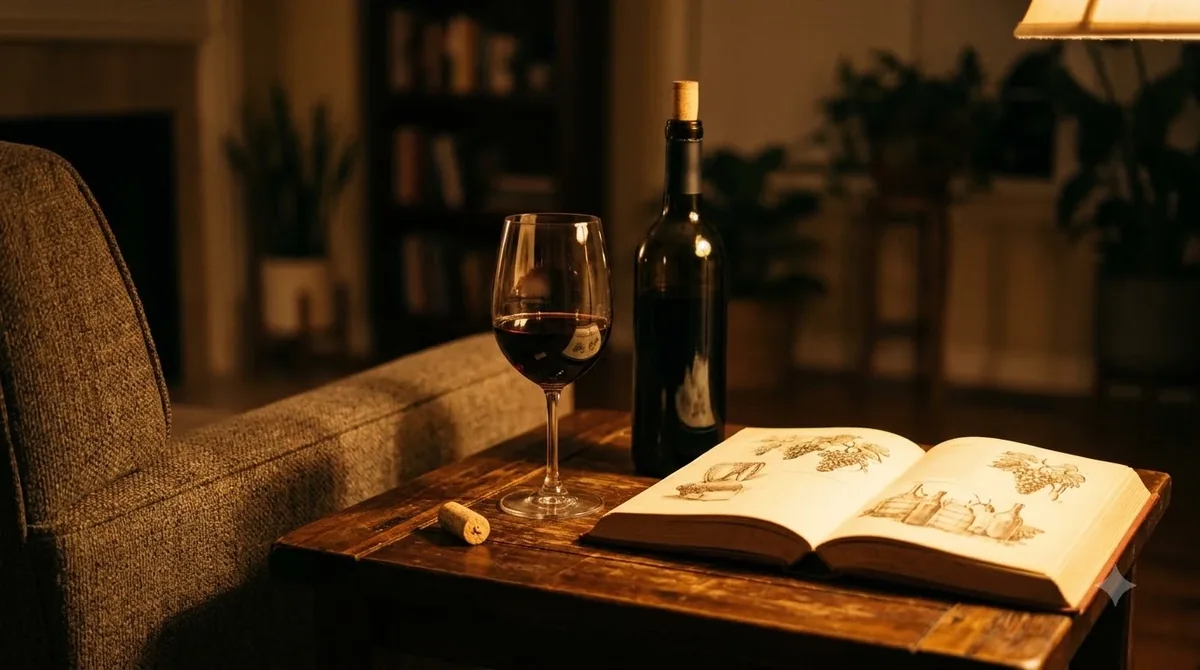
Value-focused buyers often start with broadly distributed Lodi Zinfandel. Entry-level examples can offer dark berry fruit, spice, and enough body for burgers, pizza, or barbecue. Producers still differ in vineyard sources, blends, oak treatment, and harvest choices, so look for a clear grape and producer name. Then decide whether you prefer juicy fruit or a more structured red with earth, pepper, and oak in the background.
Buyers who enjoy comparing sites may prefer bottles that name a vineyard or smaller appellation. The extra detail can help explain a higher price: the producer may be working with an older block, a limited crop, or a distinct site rather than blending across a wide area. It does not guarantee better quality; a regional blend can be satisfying, and a single-vineyard wine still needs to suit your taste.
Shoppers who usually choose Chardonnay, Sauvignon Blanc, or rosé should not assume Lodi is only for powerful reds. The region’s warm, dry summers, marine influence, and cooler nights support both generous red-wine flavors and fresher styles. Sweetness is a separate choice: Lodi names the place of origin, not a promise that a bottle will taste sweet or dry.
Key Factors to Compare
To understand Lodi wine price, compare the grape, producer, vineyard detail, and sub-AVA rather than relying on the word “Lodi” alone. The region contains seven nested appellations, and the Commission describes meaningful differences in soils, terrain, and growing conditions from one area to another.
| What to compare | Useful buying cue | What it may mean for cost |
|---|---|---|
| Everyday 750 ml bottles | Regional Zinfandel or a straightforward varietal bottling | About $9 to $16; Vino Alert’s multi-retailer Cline listings and Wine Enthusiast’s Lodi Zinfandel reviews support this entry band; prices vary by state and retailer |
| Vineyard-focused or premium wines | Named vineyard, older vines, limited-production producer, or distinctive grape | About $25 to $45; James Suckling’s Lodi report and Jeremy Wine Co’s current portfolio support this band; prices vary by state and retailer |
| Sub-AVA | Mokelumne River, Clements Hills, Jahant, or another named Lodi subregion | Specificity can add context, but the name alone does not set a price |
| Grape and style | Zinfandel, Cabernet Sauvignon, Petite Sirah, Chardonnay, or Sauvignon Blanc | Compare like with like; different grapes and winemaking choices are not directly interchangeable |
| Production and aging | Regional blend versus single-vineyard selection; stainless steel versus oak maturation | Small lots and additional cellar work may raise the price, but do not guarantee a style you will enjoy |
The everyday range is a starting point, not a rule for every store. Vino Alert’s Cline comparison spans U.S. retailers and vintages, while Wine Enthusiast reviews offer context for similar Lodi bottlings. Listings change as vintages sell through, and availability, shipping, taxes, and retailer margins affect checkout totals. Compare the same bottle size and, where possible, the same vintage.
At the premium end, bottles differ more in grape, vineyard, and production. James Suckling’s report on more than 100 Lodi wines places many recommended wines around $25 to $45, and Jeremy Wine Co’s direct portfolio includes 750 ml bottles in a similar band; prices vary by state and retailer, and winery-direct prices may differ from shop shelves. Use the higher band as a reason to investigate the vineyard and cellar choices, not as proof of quality.
For regional background, the Lodi Winegrape Commission’s AVA overview explains how the seven subregions differ. Mokelumne River is associated with deep Tokay and Acampo sandy loams; Clements Hills has varied older and younger soils and includes old-vine Zinfandel sites; and Jahant is known for distinctive Rocklin-Jahant loam. These details help explain a label, but only matter to your purchase if the producer communicates the site clearly and you enjoy the style.
Step-by-Step: Choose a Bottle for Your Budget
A simple buying process keeps the search focused: set a ceiling for a 750 ml bottle, choose a grape or flavor profile, and then use the label to narrow the producer and vineyard. Four deliberate checks are usually more useful than comparing a long list of unrelated bottles.
- Set a realistic range. Decide whether you are shopping for an everyday bottle around $9 to $16 or a more distinctive selection around $25 to $45, the guide bands reflected in Vino Alert’s retail listings and James Suckling’s regional report; prices vary by state and retailer. Keep taxes, shipping, and local availability in mind, because the same wine can be listed differently across U.S. markets.
- Choose the main style. Pick Zinfandel for a fuller, ripe-fruited red; Cabernet Sauvignon for firmer tannin; Petite Sirah for a dense, darker profile; or Chardonnay and Sauvignon Blanc for white-wine options. If you are unsure, start with the grape you already enjoy from another region.
- Read the origin detail. “Lodi” tells you the broad appellation. A sub-AVA such as Mokelumne River or Clements Hills adds a more specific geographic reference, while a named vineyard points to an even narrower source. Look for the producer name as well, since the winery makes the final choices about picking and cellar work.
- Compare the actual bottle. Check bottle size, vintage, grape or blend, alcohol level, and any vineyard or aging claim. Compare two 750 ml bottles in the same style before deciding whether the more expensive selection offers a detail you value.
You do not need to pay extra for the longest label description. A broadly sourced Zinfandel can suit a casual dinner; a vineyard-designated bottle is more interesting when you want to compare sites. For a group, buy enough of one wine for everyone to share rather than mixing unrelated styles without a reason.
Use tasting notes as a guide, not a checklist. “Jammy,” “blackberry,” “pepper,” “vanilla,” and “tobacco” often appear in notes for richer Lodi reds, but your perception may differ. A full-bodied wine can still feel fresh, and oak aging does not have to dominate. Look for repeated descriptions when choosing a bottle for a particular meal.
Types and Styles Explained
Lodi’s best-known style is Zinfandel, but the region’s range includes structured reds, aromatic whites, rosé, and grapes more often associated with other wine countries. A useful shortlist is Old Vine Zinfandel, Cabernet Sauvignon, Petite Sirah, Chardonnay, and Sauvignon Blanc, followed by less familiar varieties if you want to experiment.
Old Vine Zinfandel: The classic starting point for many Lodi shoppers, it often shows ripe blackberry, black cherry, raspberry, pepper, and sometimes baking spice or oak-derived vanilla. Some bottlings are broad and generous; others are fresher and more restrained. “Old vine” can be a meaningful point of difference, but compare the producer’s explanation and the wine’s structure rather than paying extra for those words alone. See Vino Alert’s Cline Old Vine Zinfandel comparison for a retailer-listing example.
Cabernet Sauvignon and Petite Sirah: Cabernet suits shoppers who want firmer tannin with steak, lamb, or rich mushrooms. Petite Sirah is generally darker and denser, making it a fit for grilled beef or smoky foods. Salt and fat soften tannin, while oily fish usually clashes with tannic reds; a fresher white is safer.
Chardonnay and Sauvignon Blanc: Chardonnay can be broader, with fruit, acidity, and oak varying by producer. Sauvignon Blanc generally has more pronounced acidity and citrus or herbal notes, making it useful with salads, goat cheese, and shellfish. Match acidic food with a wine of equal or higher acidity; a tart vinaigrette can flatten a soft, low-acid white. Other grapes and blends: Lodi producers also work with Albariño, Tempranillo, Cinsault, Chenin Blanc, and Graciano. James Suckling’s tasting of more than 100 regional wines highlighted varieties beyond Zinfandel, including Shiraz and Pinot Grigio. Try these bottles when you want to compare texture and aroma rather than choose the most familiar label.
Common Mistakes When Comparing Lodi Wine Prices
The biggest shopping errors come from treating every bottle marked Lodi as interchangeable or assuming that a higher price always signals a better wine. A little label reading prevents most of the confusion, especially when you compare a regional blend with a vineyard-designated bottle or a different grape variety.
Do not compare a 750 ml bottle with a half bottle or larger format without adjusting for volume. Different vintages are not identical products: weather, harvest timing, and the producer’s blend can change from year to year. Shops may also carry older stock at a different price from a new release, so compare bottle size and vintage before judging a price difference.
Do not treat “old vine” as a complete tasting description. The final wine also reflects farming, harvest, fermentation, blending, and aging. One producer may aim for ripe intensity; another may prefer a lighter red with more acidity and less obvious oak. James Suckling’s Lodi report notes interest in these fresher styles alongside traditional full-bodied Zinfandel.
Lodi is an appellation, not a wine style, and Zinfandel is a grape rather than a promise of sweetness. Dry red Zinfandel, off-dry rosé, aromatic whites, and sweet bottlings differ. For shoppers comparing familiar national brands with regional producers, a Wine Brands guide helps separate winery, label family, and origin; a brand such as Barefoot wine is a different comparison from a Lodi appellation search. Do not use one score as a substitute for checking whether a bottle fits your needs: reviews describe a specific wine and vintage, while preferences for ripeness, acidity, tannin, and oak vary. A highly rated wine may be too rich for a delicate dinner; a modest bottle may suit pizza night perfectly. Buy for the occasion and your taste first.
Care and Storage Tips
Good storage protects the money you spend on Lodi wine, whether the bottle is an everyday Zinfandel or a more expensive vineyard selection. Keep cork-finished bottles on their side near 55 F, away from heat and strong light, and serve full reds around 60 to 65 F so their fruit and freshness remain clear.
Tip: Store bottles on their side in a cool, dark place near 55 F when they have cork closures. Avoid leaving wine in a warm car or beside a sunny window, even for a short trip home from the store.
Serve light reds around 55 to 60 F and fuller reds around 60 to 65 F; a brief chill can keep ripe Zinfandel from seeming too heavy. Full-bodied whites suit 50 to 55 F, lighter whites and rosé 45 to 50 F, and sparkling wine 40 to 50 F. Small temperature adjustments help show each style’s fruit and freshness.
Young, full-bodied reds may benefit from 30 to 60 minutes in a decanter, especially if initially tight. Decanting can separate sediment in older bottles, but delicate mature wine may lose aromas if exposed too long. For dinner, open the bottle shortly before serving, then stopper leftovers and refrigerate them rather than leaving them out overnight.
Opened still wines generally keep about 3 to 5 days in the refrigerator, though delicate bottles may fade sooner. Bring red wine back toward its serving temperature before pouring. Vinegar, wet cardboard, or stale bruised-fruit aromas can signal deterioration rather than normal “breathing.”
Frequently Asked Questions
These five answers cover details shoppers often ask after comparing everyday and premium bottles, including how many pours come from 750 ml and how long sparkling wine keeps for 1 to 3 days after opening.
Is Lodi wine always Zinfandel?
No. The Lodi Winegrape Commission says more than 130 grape varieties are in production in the region. Zinfandel is the best-known calling card, but Cabernet Sauvignon, Chardonnay, Merlot, and Sauvignon Blanc are also important, alongside less familiar grapes.
How many glasses are in a standard 750 ml bottle?
A standard 750 ml bottle provides about five 5-ounce pours. Actual servings may be smaller at a tasting or larger at a casual dinner, so a bottle does not always stretch to five full restaurant-style glasses.
How long does an opened bottle of sparkling wine last?
Opened sparkling wine generally keeps for about 1 to 3 days in the refrigerator when sealed with a sparkling-wine stopper. Its bubbles fade as carbon dioxide escapes, so it is best enjoyed soon after opening.
Are all old-vine wines from very old vineyards?
No single phrase on the front label tells the full story of the vineyard. In Lodi, the Commission documents Zinfandel plantings in Clements Hills that date back to the 1920s, while James Suckling’s report describes a separate Cinsault vineyard planted in 1886. Those examples show why it is useful to look for a named vineyard and producer explanation.
What does the LODI RULES seal indicate?
LODI RULES is a sustainable winegrowing program created by California farmers and accredited by scientists. The Lodi Winegrape Commission says shoppers may see its certified green seal on vineyard signs and wine labels.
The strongest Lodi purchase is the bottle that matches your budget, preferred grape, and the food on the table—not simply the one with the longest vineyard story. Start with an accessible Zinfandel, then compare a site-specific red or an aromatic white to discover which part of the region suits your taste.
More in Wine Brands
 Underwood Wine Price: Compare Bottles, Cans, and Pack SizesUpdated Nov 21, 2026
 Zenato Wine Price: Compare Styles and Choose the Right BottleUpdated Nov 21, 2026
 Zuccardi Wine Price: Compare Bottles and Find the Right RangeUpdated Nov 21, 2026
 Yellow Tail Moscato Review: Taste, Sweetness and Serving TipsUpdated Nov 21, 2026
 Wolf Blass Yellow Label Review: Choose Your Best StyleUpdated Nov 21, 2026
 Wolffer Estate Rose Review: Choose the Right Bottle for Your TableUpdated Nov 21, 2026