

We may earn a commission when you buy through links on this page, at no extra cost to you. Learn more.
The marchesi antinori wine price typically ranges from around $21 for approachable bottles such as Pèppoli to approximately $395 for Solaia, based on tracked US retail listings for 750 ml bottles. The producer’s portfolio covers several Italian regions, estates, grape varieties, and quality levels, so the label alone does not tell the whole pricing story. Tignanello, Solaia, Badia a Passignano, and Villa Antinori occupy different positions in the range. Understanding the wine, appellation, vintage, and intended occasion makes it easier to choose a bottle at an appropriate price.
Marchesi Antinori is a useful producer to explore when comparing Italian wines because its portfolio includes everyday selections, established regional appellations, and prestigious collectible reds. Its labels cover Tuscany, Bolgheri, Chianti Classico, Umbria, and other Italian wine regions. This guide explains representative US retail price ranges, the differences between important wine families, and the practical checks that help buyers make informed purchases. The figures are reference ranges rather than guaranteed prices, and availability varies between retailers and states.
Who This Is For: Understanding the Antinori Price Range
Marchesi Antinori appeals to several types of wine buyers, from people looking for a dependable Tuscan red to collectors interested in wines such as Tignanello and Solaia. The right starting point depends on whether the priority is an everyday dinner bottle, an appellation-specific wine, or a special-occasion purchase.
First-time buyers can start with Pèppoli Chianti Classico or Villa Antinori Rosso. These wines provide an accessible introduction to the producer without requiring the budget associated with its most prestigious labels. Pèppoli carries the Chianti Classico DOCG designation, while Villa Antinori Rosso belongs to the Toscana IGT category. Both are useful choices for people who want to understand the producer’s Tuscan red-wine style before considering more expensive bottles.
Buyers interested in traditional regional identity may prefer Badia a Passignano Chianti Classico Gran Selezione. This wine represents a more focused Chianti Classico selection and occupies a higher price position than Pèppoli. Its Gran Selezione designation also makes it relevant to people comparing different quality levels within the Chianti Classico appellation.
Experienced collectors often focus on Tignanello and Solaia. Both come from the Tenuta Tignanello estate, but they have distinct identities. Tignanello combines Sangiovese with Cabernet Sauvignon and Cabernet Franc, while Solaia is a prestigious vineyard-specific wine produced only in exceptional vintages. Their prices reflect their reputations, demand, production decisions, and vintage availability.
Restaurant hosts and gift buyers should also consider the occasion. A bottle intended for a casual meal does not necessarily need the prestige or cost of a collectible wine. Conversely, a significant anniversary, business gift, or important dinner may justify choosing a more recognizable label. Matching the wine to the occasion is more useful than automatically selecting the most expensive bottle.
The broader Wine Brands collection can help readers compare Antinori with other established producers. However, the most useful comparison is often between individual Antinori labels because their appellations and winemaking identities differ considerably.
Key Factors to Compare: Bottle Prices and Wine Styles
The clearest way to compare Antinori prices is to separate its accessible regional wines from its premium and collectible selections. The following reference points use typical US retail figures reported by Caveau for specific 750 ml bottles and vintages.
| Wine | Category | Typical US retail range | Reference vintages |
|---|---|---|---|
| Pèppoli Chianti Classico | Chianti Classico DOCG | About $21 | 2024 |
| Villa Antinori Rosso | Toscana IGT | About $21–$24 | 2021–2022 |
| Badia a Passignano Gran Selezione | Chianti Classico DOCG | About $67 | 2022 |
| Tignanello | Toscana IGT | About $160–$170 | 2019–2023 |
| Solaia | Toscana IGT | About $381–$395 | 2018–2020 |
These figures come from Caveau’s reported US retail listings for the named wines and vintages. They are typical market estimates rather than fixed winery prices. Actual prices vary by state and retailer, and the available vintages may change. Caveau bases its estimates on the middle of observed retail listings for each exact wine and vintage. Buyers can consult the Caveau Marchesi Antinori price listings to examine the individual wine and vintage comparisons.
The table shows how much the label and wine category can affect a purchasing decision. A buyer comparing Pèppoli with Tignanello is not simply comparing two versions of the same wine at different prices. The wines have different appellation identities, grape compositions, positioning, and intended occasions.
Vintage is another important consideration. A wine from an older year may cost more because of its scarcity, collector demand, storage history, or reputation. However, age does not automatically mean that a bottle is superior or worth more. A younger vintage with good availability can sometimes be a more straightforward purchase than an older bottle with uncertain provenance.
Retailer coverage also matters. One shop may carry a particular vintage while another offers only a different year. A comparison based on a 2020 bottle at one retailer and a 2022 bottle at another does not establish that the more expensive shop is charging more for the same product.
For a meaningful comparison, match the wine name, vintage, bottle size, and shipping destination. This is especially important with premium Antinori wines, where a small difference in the exact product can produce a substantial difference in the listed price.
Tip: Compare identical 750 ml bottles from the same vintage before deciding whether a retailer’s price is competitive. For collectible wines, investigate storage conditions and seller provenance separately from the advertised price.
Step-by-Step: How to Choose the Right Marchesi Antinori Bottle
A structured buying process helps prevent confusion between similarly named wines and different Antinori estates. Five practical steps can narrow the selection and make price comparisons more reliable.
-
Set your intended spending range.
Begin with the amount you are comfortable spending on a single bottle. Pèppoli and Villa Antinori Rosso are useful starting points for buyers seeking approachable Tuscan wines. Badia a Passignano provides a step toward a more prestigious regional selection, while Tignanello and Solaia belong to a substantially higher purchasing category.
-
Choose a wine style and region.
Consider whether you want a Sangiovese-led Chianti Classico, a Toscana IGT blend, a Bolgheri red, or an Umbrian white. Antinori’s official portfolio includes wines from Tenuta Tignanello, Tenuta Guado al Tasso, Castello della Sala, and several other estates. The regional designation helps distinguish their identities.
-
Compare the exact wine and vintage.
Do not treat all bottles carrying the Antinori name as interchangeable. A Tignanello 2021 is a different purchase from a Tignanello 2023, just as Villa Antinori Rosso differs from Villa Antinori Chianti Classico Riserva. Search using the full label name and year to avoid comparing unrelated products.
-
Check the retailer and bottle details.
Confirm that the seller identifies the correct producer, wine, vintage, and bottle size. For premium bottles, ask about storage history, fill level, capsule condition, and original packaging where relevant. A reputable retailer should be able to provide clear product information.
-
Match the bottle to its intended occasion.
Choose a lighter or more approachable regional wine for a casual meal, a more structured Tuscan red for a substantial dinner, or a prestigious bottle for a special occasion. The most expensive wine is not automatically the best match for a particular menu or guest.
These steps are particularly helpful when shopping online. Product listings sometimes shorten wine names or display a producer’s name more prominently than the estate. Reading the full description reduces the chance of buying a different Antinori wine from the one intended.
It is also useful to compare the final checkout terms. Shipping charges, delivery restrictions, insurance, and state-specific availability can affect the total cost. A bottle’s advertised retail range is only one part of the buying decision.
Types or Styles Explained: From Pèppoli to Solaia
Marchesi Antinori’s range is easier to understand when grouped by estate, appellation, and wine style. The portfolio includes approachable Chianti Classico wines, premium Tuscan blends, Bolgheri reds, Brunello di Montalcino, and whites from Castello della Sala.
Chianti Classico: Pèppoli and Badia a Passignano
Pèppoli is one of the more approachable entry points into the Antinori portfolio. It carries the Chianti Classico DOCG designation and offers buyers a direct connection to the Sangiovese-focused traditions of the region. Its price position makes it suitable for people who want an established Italian producer without moving immediately into collectible-wine territory.
Badia a Passignano Chianti Classico Gran Selezione occupies a different position. Its Gran Selezione classification distinguishes it from standard Chianti Classico bottlings. Buyers comparing these two wines should consider not only their prices but also their intended role at the table. A more structured regional red can be particularly appealing with tomato-based dishes, roasted meats, and aged cheeses.
Tignanello: A Recognizable Tuscan Super Tuscan
Tignanello is among Antinori’s most recognizable wines. According to the producer, it combines Sangiovese, Cabernet Sauvignon, and Cabernet Franc. Its history includes important changes to modern Tuscan red-wine production, including the use of small oak barrels and Cabernet varieties alongside Sangiovese.
Antinori traces the wine’s beginnings to a single vineyard parcel in 1970, when it was produced under a different name. The wine became Tignanello in 1971, and its current blend has been used since 1982. The producer also explains that it is bottled only in favorable vintages. These details help explain why its availability and pricing attract attention from collectors.
For more information about its position within the producer’s portfolio, see the Marchesi Antinori wine overview. Tignanello is worth considering for someone seeking a distinctive Tuscan red rather than simply a bottle carrying a recognizable producer name.
Solaia: A Premium Vineyard-Specific Wine
Solaia sits at the prestigious end of the portfolio. Antinori identifies its vineyard as a 50-acre (20-hectare) site within the Tignanello estate, with southwestern exposure and soils containing alberese limestone and galestro rock. The producer states that the first Solaia vintage was 1978 and that production is limited to exceptional vintages.
Its high price position reflects its reputation, limited vintage selection, and collector interest. Buyers should distinguish between ordinary retail purchases and collectible bottles. A bottle with a documented storage history and reliable provenance may be a more sensible purchase than a cheaper listing with little information about its condition.
Bolgheri and Other Tuscan Reds
Tenuta Guado al Tasso provides another important part of the Antinori portfolio. Its wines include Guado al Tasso Bolgheri DOC Superiore, Cont’Ugo Bolgheri DOC Rosso, and Il Bruciato Bolgheri DOC Rosso. The same estate also produces Scalabrone rosé and Bolgheri Vermentino.
These wines give buyers alternatives to the Tignanello and Solaia labels. Someone looking for a structured coastal Tuscan red can explore the Bolgheri selection rather than assuming that a premium Chianti or Toscana IGT wine is the only option.
Brunello, Umbria, and White Wine Choices
Pian delle Vigne represents Antinori’s Brunello di Montalcino selection, including its Brunello di Montalcino DOCG and Rosso di Montalcino DOC offerings. These wines provide another route into the producer’s Italian regional portfolio, especially for buyers interested in Sangiovese from Montalcino.
Castello della Sala expands the selection beyond red wine. Its portfolio includes Cervaro della Sala, Bramìto della Sala, Pinot Nero della Sala, Conte della Vipera, and Muffato della Sala. This matters because an Antinori purchase does not have to be a full-bodied Tuscan red. Buyers seeking white wine or a dessert wine can explore this estate instead.
The official Antinori wine collection is useful for checking the names and classifications of individual bottles before comparing retailers. It also helps distinguish similarly named selections from different estates. The producer’s official wine portfolio provides another way to verify the current range and estate associations.
Common Mistakes When Comparing Antinori Wine Prices
Most pricing mistakes come from comparing different vintages, confusing wine names, or assuming that every Antinori label belongs to the same quality category. A little attention to the bottle details can prevent costly misunderstandings.
Confusing the Producer With the Specific Wine
Marchesi Antinori is the producer name, not the name of a single wine. The portfolio contains many individual labels, including Tignanello, Solaia, Pèppoli, Villa Antinori, and Guado al Tasso. Each has its own identity and market position.
For example, a retailer advertising an Antinori red may be offering a relatively approachable regional wine rather than Tignanello. Buyers should read the complete product title rather than relying on the producer name displayed in a search result.
Comparing Different Vintages as Though They Were Identical
Vintage can influence availability, reputation, and market value. An older bottle may have spent several years in a collector’s cellar, while a younger bottle may still be widely distributed. Neither circumstance automatically determines quality.
This issue is especially important with Solaia and Tignanello. The wines attract interest from collectors, and listings may cover different vintages with substantially different retail histories. Comparing a 2018 Solaia with a 2020 Solaia requires more than looking at the numbers in the product title.
Assuming a Higher Price Always Means Better Quality
Premium pricing often reflects reputation, scarcity, and market demand in addition to the wine itself. A bottle of Pèppoli may be more suitable for a weeknight dinner than a much more expensive collectible red. A lower-priced bottle is not automatically an inferior purchase for its intended purpose.
Consider the meal, the guests, and the style you enjoy. A balanced Chianti Classico may be more satisfying with pizza, pasta, or grilled vegetables than a powerful, oak-influenced premium red.
Ignoring Storage and Provenance
Older bottles require particular attention to storage. Excessive heat, temperature fluctuations, direct sunlight, and poor handling can damage wine. A low advertised price does not compensate for uncertain storage conditions.
Before buying a collectible bottle, ask the seller about provenance, fill level, capsule condition, and any available documentation. Original packaging may also matter to some collectors, although it does not independently prove that the wine has been stored correctly.
Overlooking Bottle Size and Shipping
A 750 ml bottle should not be compared directly with a 1.5-liter magnum without adjusting for volume. Likewise, shipping costs can make two apparently similar offers substantially different at checkout.
Check whether the listing refers to a standard bottle, half bottle, magnum, or larger format. Confirm that the seller can ship to the destination state and that the wine will be transported under appropriate conditions.
Care and Storage Tips for Antinori Bottles
Proper storage helps preserve the quality of both everyday Antinori wines and collectible selections. Stable temperatures, limited light exposure, and careful handling are particularly important for bottles intended to age over several years.
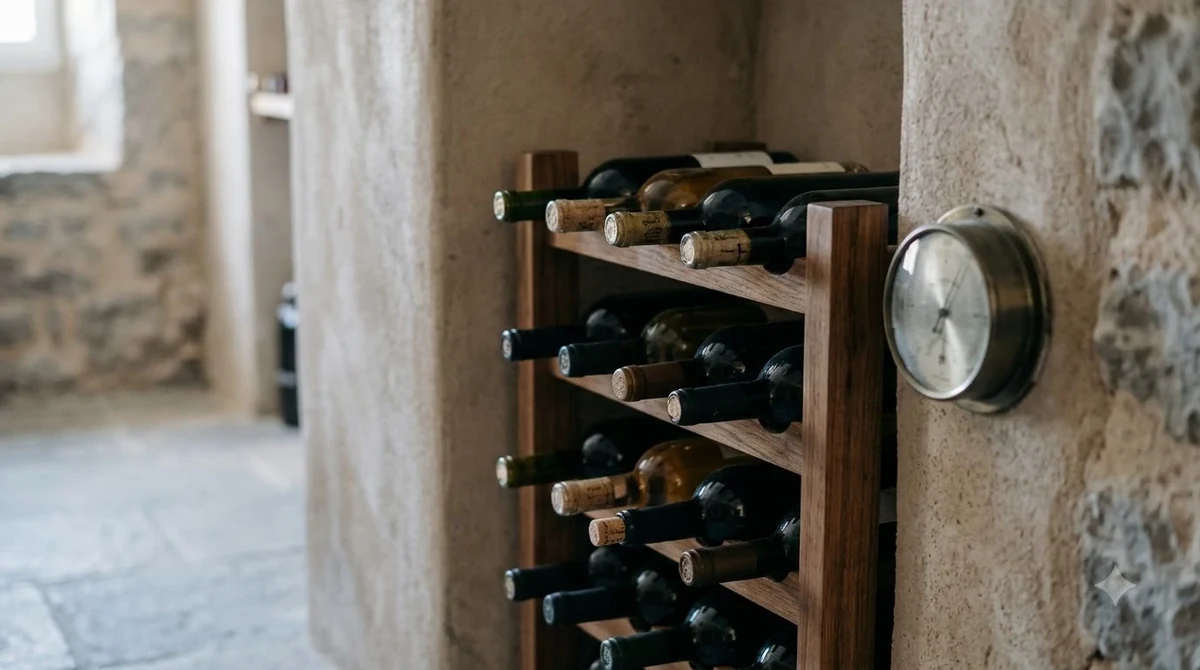
For bottles with natural cork closures, horizontal storage helps maintain contact between the wine and the cork. A cellar temperature near 55°F is a useful target, provided that the environment remains stable rather than fluctuating significantly throughout the day.
Keep bottles away from direct sunlight, radiators, ovens, and other sources of heat. A cool, dark storage area is preferable to a decorative wine rack positioned beside a sunny window. Temperature consistency is more important than repeatedly moving bottles between warm and cold environments.
Premium reds such as Tignanello and Solaia may benefit from decanting when served young. A young full-bodied red can generally be given approximately 30 to 60 minutes of aeration, although the appropriate period depends on the vintage, bottle condition, and desired style. Older bottles need more caution because excessive exposure to air can cause delicate aromas to fade.
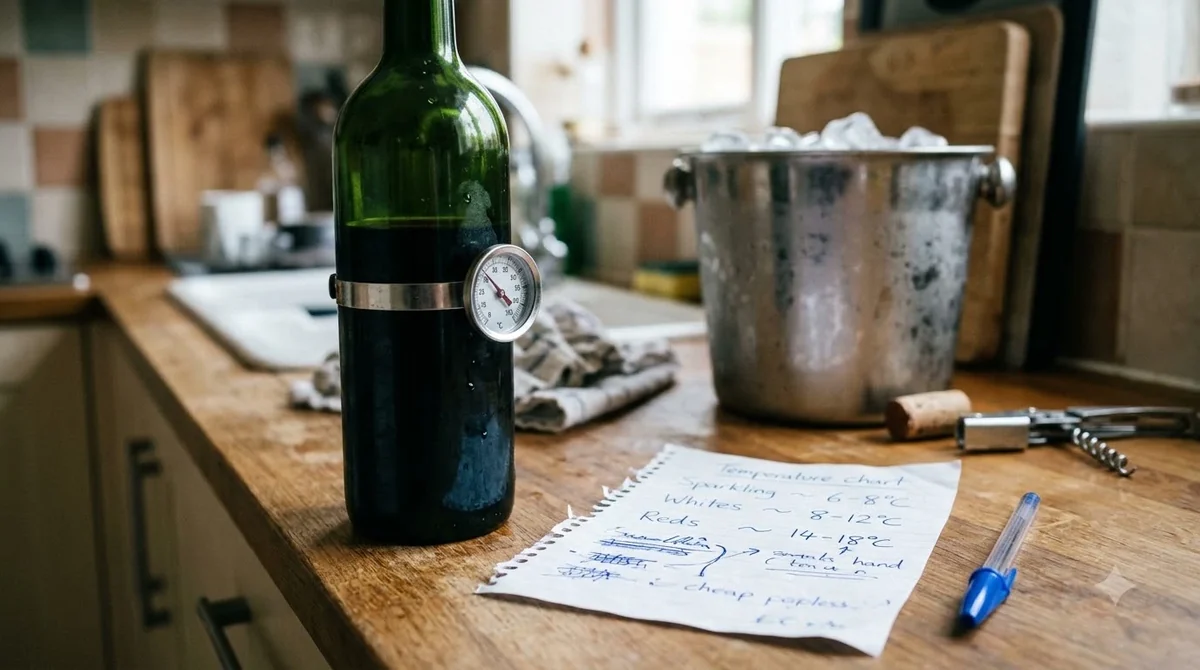
Serving temperature also influences how the wine tastes. Full-bodied red wines generally show well around 60°F to 65°F, while lighter reds are usually more expressive around 55°F to 60°F. A bottle served too warm can seem overly alcoholic, while one served too cold may appear muted and less aromatic.
For a standard 750 ml bottle, a 5 oz pour produces approximately five glasses. This is a practical serving reference when planning a dinner or deciding how many bottles to purchase for a group.
Once opened, still wines generally keep for approximately three to five days in the refrigerator when properly resealed. Premium wines do not automatically last longer after opening simply because they cost more. Keeping the remaining wine cool and limiting its exposure to oxygen helps preserve its character.
Buyers considering older Antinori vintages should separate storage quality from collectible status. A wine with an impressive reputation still depends on how it has been handled since leaving the winery. Good provenance and reliable storage are especially important when purchasing bottles intended for long-term cellaring.
Frequently Asked Questions
Is Marchesi Antinori the same as Antinori?
Marchesi Antinori is the full producer name commonly associated with the Antinori wine family. Retail listings may shorten the name to Antinori, but buyers should identify the individual estate and wine before purchasing. The official portfolio distinguishes multiple estates rather than presenting everything as one wine collection.
Why is Tignanello called a Super Tuscan?
The term Super Tuscan is commonly used for Tuscan wines that developed outside traditional appellation blending conventions. Tignanello combines Sangiovese with Cabernet Sauvignon and Cabernet Franc and carries the Toscana IGT designation. Its historical approach to blending and oak aging helped establish its reputation.
Does Antinori produce wine outside Tuscany?
Yes. The portfolio includes Castello della Sala in Umbria, which produces wines such as Cervaro della Sala and Bramìto della Sala. Antinori also lists estates and wines associated with several other Italian regions, including Franciacorta and Maremma.
What does Toscana IGT mean on an Antinori wine label?
Toscana IGT identifies a wine under the Indicazione Geografica Tipica classification for Tuscany. It allows producers greater flexibility in grape varieties and blending than some traditional appellation rules. Both Tignanello and Solaia carry the Toscana IGT designation.
Are all Antinori wines suitable for long-term cellaring?
No. Cellaring potential varies by individual wine, vintage, structure, and storage conditions. Prestigious selections such as Tignanello and Solaia are often considered by collectors, while many approachable regional wines are intended for enjoyment earlier. Consult the specific wine’s vintage information rather than assuming that every bottle benefits from extended aging.
Marchesi Antinori offers a wide selection, from approachable Chianti Classico and Villa Antinori bottles to prestigious wines such as Tignanello and Solaia. The most useful purchasing strategy is to compare the exact label, vintage, bottle size, and retailer rather than judging a wine by the producer name alone. With those details in mind, buyers can select an Antinori bottle that fits their budget, preferred style, and occasion.
More in Wine Brands
 Zenato Wine Price: Compare Styles and Choose the Right BottleUpdated Nov 21, 2026
 Zuccardi Wine Price: Compare Bottles and Find the Right RangeUpdated Nov 21, 2026
 Yellow Tail Moscato Review: Taste, Sweetness and Serving TipsUpdated Nov 21, 2026
 Wolf Blass Yellow Label Review: Choose Your Best StyleUpdated Nov 21, 2026
 Wolffer Estate Rose Review: Choose the Right Bottle for Your TableUpdated Nov 21, 2026
 Wolf Blass Yellow Label Price: What to Expect for Each BottleUpdated Nov 21, 2026