

We may earn a commission when you buy through links on this page, at no extra cost to you. Learn more.
This korbel extra dry review finds that Korbel Extra Dry is a light, fruit-forward California sparkling wine with gentle sweetness, crisp acidity, and approachable citrus, vanilla, and spice flavors. Made from Chenin Blanc, Chardonnay, French Colombard, and Pinot Noir, it offers a softer alternative to bone-dry sparkling wines. Its 12% ABV, traditional bottle-fermentation method, and off-dry character make it a practical choice for brunch, casual celebrations, appetizers, and moderately spicy foods.
Korbel Extra Dry is an interesting bottle because its name can create the wrong expectation. In sparkling-wine terminology, Extra Dry is actually sweeter than Brut, so drinkers expecting a completely dry, crisp Champagne-style experience may find this wine noticeably softer. Understanding that distinction makes it easier to decide whether its fruit-forward style belongs at your next gathering. This guide examines its grape blend, production method, flavor profile, food compatibility, and practical buying considerations so you can choose with confidence.
Who This Is For: Drinkers Who Prefer Approachable Sparkling Wine
Korbel Extra Dry is best suited to people who enjoy sparkling wine with noticeable fruit character and a gentle touch of sweetness rather than a bone-dry finish. Its combination of four grape varieties, 12% ABV, and traditional bottle fermentation gives it enough structure for an occasion while keeping the overall style accessible.
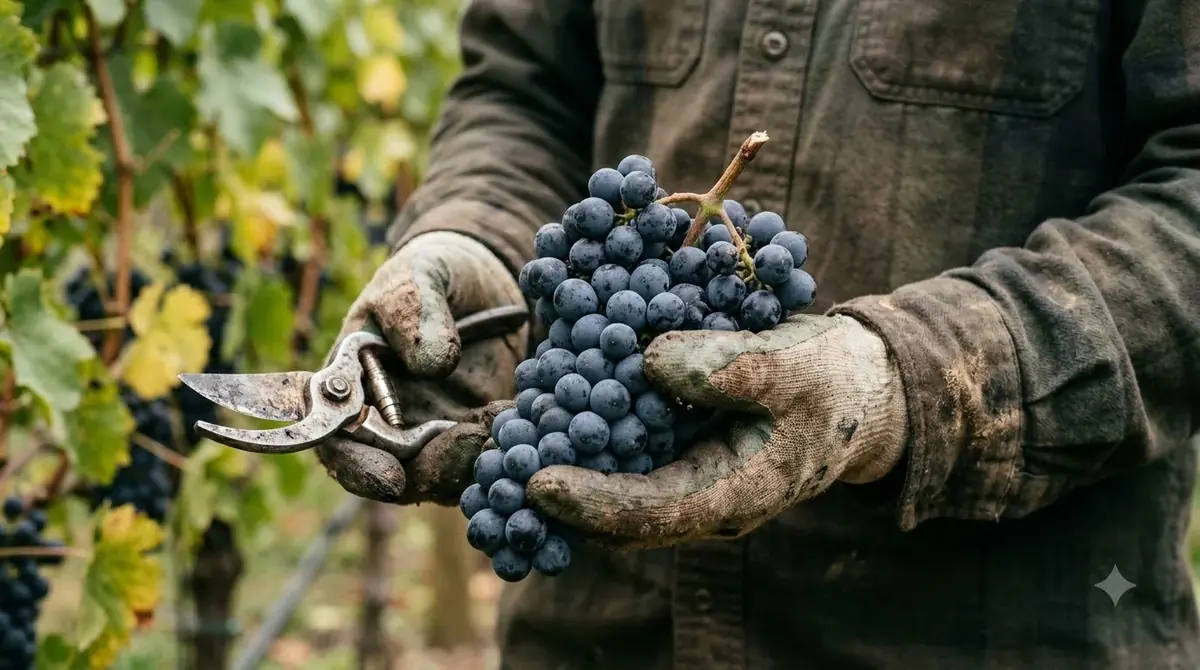
First-time sparkling-wine drinkers may appreciate its approachable profile. The Chenin Blanc component contributes a soft, fruit-forward character, while Chardonnay adds structure and flavors associated with citrus and baked apple. French Colombard brings bright fruit, and Pinot Noir provides additional roundness. Together, these varieties create a blend that aims for consistency and an easy-drinking personality rather than the sharp, austere profile associated with some very dry sparkling wines.
It is also worth considering for hosts who need a versatile bottle for a mixed group. Some guests may prefer a traditional Brut, while others enjoy something with more fruit and a little sweetness. Korbel Extra Dry sits between those preferences, making it a reasonable option for casual appetizers, holiday gatherings, and brunch menus.
The wine is particularly suitable for the following drinkers:
- New sparkling-wine drinkers: Its fruit-forward character offers an accessible introduction to traditional-method sparkling wine.
- Off-dry wine enthusiasts: People who enjoy slightly sweet white wines may appreciate its softer profile.
- Brunch hosts: Its bubbles and fruit character make it suitable for serving alongside brunch dishes or incorporating into mimosas.
- Spicy-food enthusiasts: A little sweetness can complement dishes containing ginger, chili, and aromatic seasonings.
- Casual celebration planners: Its recognizable California sparkling-wine style works for informal toasts and social gatherings.
However, it is not necessarily the right choice for everyone. Drinkers who prefer Extra Brut, Brut Nature, or particularly austere traditional sparkling wines may find its sweetness too prominent. Likewise, someone searching for a complex sparkling wine with extensive bottle-aging character may want to explore other styles.
Think about your preferred sweetness before choosing. If your regular choices include fruit-forward Moscato or lightly sweet white wines, Korbel Extra Dry may feel familiar. If you normally drink very dry sparkling wine, a Brut bottling is likely a more suitable starting point.
Key Factors to Compare Before Choosing Korbel Extra Dry
The most important buying considerations are sweetness, grape composition, alcohol strength, production method, and intended use. These five factors explain what distinguishes Korbel Extra Dry from a typical Brut sparkling wine and help establish whether its style matches your preferences.
| Factor | Korbel Extra Dry | What It Means |
|---|---|---|
| Wine origin | California, USA | American sparkling wine rather than Champagne from France |
| Grape varieties | 4 varieties | Chenin Blanc, Chardonnay, French Colombard, Pinot Noir |
| Alcohol | 12% ABV | Moderate alcohol strength for sparkling wine |
| Fermentation | 100% stainless steel | Producer-listed fermentation environment |
| Secondary fermentation | In the bottle | Traditional méthode champenoise |
| Acidity | 7.3 g/L | Provides freshness and balance |
| pH | 3.22 | Indicates an acidic wine structure |
| Dosage | 1.50% | Producer-listed dosage specification |
| Available formats | 750 ml and 1.5 L | Standard bottle and larger gathering format |
These specifications come from Korbel’s published product information. One important distinction is that fermentation in stainless steel and secondary fermentation in the bottle describe different stages of production. The former concerns the fermentation environment, while the latter describes how the sparkling wine develops its carbonation. Neither should be confused with the tank method used for many Prosecco wines.
The grape blend also deserves attention. Chenin Blanc and Chardonnay provide much of the recognizable white-fruit and citrus character, while French Colombard contributes freshness. Pinot Noir adds depth and roundness, preventing the blend from relying entirely on light citrus flavors.
For a broader look at how different producers and grape combinations influence the finished bottle, explore our guide to Wine Brands. Understanding a producer’s style can make comparisons more useful than relying on a bottle’s sweetness label alone.
Step-by-Step: How to Evaluate and Choose Korbel Extra Dry
A sensible way to choose Korbel Extra Dry is to evaluate the sweetness level first, then consider the flavor profile, occasion, food, and serving conditions. Following these steps helps prevent a common purchasing mistake: selecting a bottle based on the word Extra Dry without understanding what that term means.
-
Identify your preferred sweetness.
Decide whether you enjoy a completely dry sparkling wine or something slightly sweet. Korbel Extra Dry belongs to the latter category. If you regularly choose Brut wines, expect a softer and sweeter experience rather than an identical profile.
-
Understand the grape blend.
Look for the four-variety combination of Chenin Blanc, Chardonnay, French Colombard, and Pinot Noir. Each contributes a different component, from fruit-forward character to structure and roundness. This blend is one reason the wine offers more than a simple citrus-only profile.
-
Consider the alcohol strength.
Korbel lists the wine at 12% ABV. This is a useful specification when comparing sparkling wines, particularly if the occasion involves several different beverages. Remember that sparkling wine still contains alcohol even when its sweetness makes it seem easy to drink.
-
Match the bottle to the occasion.
A 750 ml bottle is suitable for a small gathering, while the 1.5 L format can be more convenient for a larger celebration. A standard 750 ml bottle provides approximately five 5 oz servings, making it straightforward to estimate quantities for a group.
-
Choose appropriate food.
Think about the wine’s off-dry profile. Creamy cheese, dried fruit, pâté, and moderately spicy Asian dishes are particularly relevant options. Avoid pairing it automatically with every seafood dish simply because it is sparkling; the seasoning and preparation matter.
-
Plan the serving temperature.
Chill the bottle thoroughly before opening. A temperature around 40–50°F is appropriate for sparkling wine, helping preserve freshness and maintain a lively presentation. Avoid serving it warm, which can make the alcohol seem more prominent and cause the wine to feel less refreshing.
-
Compare alternatives if necessary.
If your preferred style is drier, look at Brut or Extra Brut sparkling wines. If you enjoy more noticeable sweetness, consider Demi-Sec or other sweeter sparkling styles. This comparison helps determine whether Korbel Extra Dry is the right middle ground.
Tip: Do not interpret Extra Dry as a promise of bone-dry wine. In the conventional sparkling-wine sweetness hierarchy, Extra Dry comes after Brut and is generally sweeter. This single distinction can make a major difference when choosing sparkling wine for someone with a strong preference for dry flavors.
For more product-specific information, our Korbel Extra Dry overview provides another useful starting point when researching the wine and its characteristics.
Types or Styles Explained: Understanding Sweetness and Production
Korbel Extra Dry is an off-dry sparkling wine produced through traditional bottle fermentation. Understanding the difference between sweetness classifications and production methods helps explain why it tastes different from Brut, Prosecco, and other sparkling wines, even when several bottles share similar fruit aromas.
What Extra Dry Actually Means
The terminology used on sparkling-wine labels is counterintuitive. Extra Dry sounds like a drier version of Brut, but the conventional classification places it slightly higher on the sweetness scale.
Wine Folly identifies the general residual-sugar ranges as follows:
- Brut Nature: 0–3 grams per liter.
- Extra Brut: 0–6 grams per liter.
- Brut: 0–12 grams per liter.
- Extra Dry: 12–17 grams per liter.
- Dry: 17–32 grams per liter.
- Demi-Sec: 32–50 grams per liter.
- Doux: More than 50 grams per liter.
These are general classification ranges, not a laboratory measurement of the finished Korbel bottle. The producer describes its wine as off-dry and lists a dosage of 1.50%, but dosage and residual sugar should not automatically be treated as interchangeable measurements.
Korbel also explains the historical origin of the terminology. Sparkling wines were considerably sweeter in earlier periods, so a wine containing approximately 1.5% to 2% sugar could be described as extra dry relative to the sweeter styles available at the time. Modern expectations changed, but the name remained.
For a more detailed explanation of the terminology, see Wine Folly’s sparkling-wine sweetness scale. It illustrates why a bottle labeled Extra Dry may taste sweeter than a Brut wine.
How the Four Grapes Influence the Wine
The four varieties in Korbel Extra Dry have different roles in the blend. Rather than depending on one grape to supply every characteristic, the producer combines varieties that contribute fruit, structure, freshness, and depth.
Chenin Blanc is associated with the soft, fruit-forward side of the blend. It is a versatile white grape capable of producing wines with refreshing acidity and a range of fruit characteristics.
Chardonnay supplies structure and backbone. Korbel specifically associates it with citrus and baked apple flavors. This helps establish a recognizable white-fruit profile while giving the blend more definition.
French Colombard contributes bright, crisp fruit flavors. Its role is particularly relevant to the wine’s fresh character, helping balance the softer elements.
Pinot Noir contributes roundness and depth. Although it is a red grape, it is widely used in sparkling-wine blends because its juice can be handled without producing the deeply colored result associated with red-wine production.
Traditional Bottle Fermentation Versus Tank Fermentation
Korbel uses the méthode champenoise process, in which secondary fermentation takes place inside the same bottle from which the sparkling wine is eventually poured. This differs from the tank method, where secondary fermentation occurs in a large pressurized tank before bottling.
The traditional method is also used for Champagne and Cava. It can produce additional texture and yeast-derived characteristics through contact with spent yeast cells, although the precise character depends on the producer’s techniques and aging decisions.
Prosecco is commonly produced using the tank method, which generally emphasizes fresh fruit and floral characteristics. Korbel’s bottle-fermented approach gives it a different production identity, even though the finished wine is also designed to emphasize approachable fruit flavors.
Common Mistakes When Buying or Drinking Korbel Extra Dry
The biggest mistakes involve misunderstanding sweetness, expecting French Champagne, overlooking serving temperature, and choosing food without considering the wine’s acidity and residual sweetness. Correcting these expectations makes the bottle easier to appreciate.
Assuming Extra Dry Means Bone Dry
This is the most important misunderstanding. A person accustomed to Brut Nature or Extra Brut may expect a sharply dry wine when reading the label. Korbel Extra Dry is instead designed to have a little sweetness and a softer fruit-forward character.
Its citrus, vanilla, and spice profile can therefore seem rounder and sweeter than anticipated. That is not necessarily a defect. It is a stylistic choice intended to make the sparkling wine approachable.
Confusing California Champagne With French Champagne
Korbel uses the term California Champagne as part of its established American branding. Its Extra Dry is a California sparkling wine, not a wine from the Champagne appellation in France.
The distinction matters because geographical origin, production rules, grape choices, and regional traditions all influence sparkling wine. Korbel uses traditional bottle fermentation, but that does not make its California wine identical to Champagne produced in northeastern France.
It is better to evaluate the wine according to its own identity: a California sparkling blend made using traditional bottle fermentation and designed for an off-dry drinking experience.
Expecting Every Vintage or Bottle to Taste Identically
Korbel describes its blending approach as combining different varieties, vintages, and appellations to maintain consistency. This is a non-vintage blending strategy rather than a promise that every bottle will have precisely identical sensory characteristics.
Small differences can occur between production batches, storage conditions, and serving temperatures. A bottle that has been stored too warm may also present differently from one that has been kept properly chilled.
Serving It Too Warm
Warm sparkling wine can feel heavier, and its alcohol character may become more apparent. Proper chilling is particularly useful for an off-dry sparkling wine because cooler temperatures help keep its fruit and sweetness in balance.
Pairing It With Overly Sweet Desserts
One common pairing error is choosing a dessert that is substantially sweeter than the wine. The wine can then seem sour or less flavorful by comparison. A good general rule is to serve wine that is at least as sweet as the dessert.
For example, a lightly sweet fruit tart may work better than an intensely sugary cake. Fresh berries, moderately sweet pastries, and simple fruit-based desserts can offer a more balanced experience.
Another mistake is pairing it with very hot chili dishes without considering the alcohol. Chili heat can become more pronounced alongside alcohol, so moderately spiced Thai or Vietnamese dishes are generally more sensible than extremely hot preparations.
Care and Storage Tips: Serving, Opening, and Preserving Freshness
Korbel Extra Dry is best enjoyed well chilled and relatively soon after opening. Proper temperature, careful opening, and suitable refrigeration help preserve its carbonation and keep its fruit-forward profile fresh.
Choose the Right Serving Temperature
A practical serving range for sparkling wine is 40–50°F. At this temperature, Korbel Extra Dry can show its bright fruit character while maintaining refreshing acidity and lively bubbles.
There are two straightforward ways to chill the bottle:
- Refrigerator: Place the bottle in the refrigerator several hours before serving.
- Ice bucket: Use a mixture of ice and water to chill the bottle more quickly. Allow approximately 20–30 minutes as a practical starting point, checking that it has become sufficiently cold.
Avoid leaving the bottle in a freezer for extended periods. Temperature extremes can damage the wine or create a safety problem if the liquid freezes and expands.
Use Appropriate Glassware
A flute is a familiar choice because its narrow shape helps display the bubbles. A tulip-shaped sparkling-wine glass is another good option, offering more room for aromas while retaining carbonation.
Neither glass needs to be expensive. The most important considerations are cleanliness, adequate room for the bubbles, and a shape that makes the wine comfortable to drink.
Open the Bottle Carefully
Sparkling-wine bottles contain pressure, so opening one requires more care than opening still wine.
- Remove the foil covering the closure.
- Keep a hand over the cork while loosening the wire cage.
- Hold the cork securely and point the bottle away from people and breakable objects.
- Tilt the bottle slightly and rotate the bottle rather than pulling the cork aggressively.
- Allow the cork to release slowly with controlled pressure.
A loud pop is not necessary. A controlled opening helps reduce wine loss and makes serving safer.
Preserve an Opened Bottle
Once opened, sparkling wine gradually loses carbonation. A dedicated sparkling-wine stopper can help preserve its bubbles, although it will not keep the wine exactly as fresh as a newly opened bottle.
Store the remaining wine in the refrigerator and aim to consume it within one to three days. Keep it upright and tightly sealed. If the bubbles have faded significantly, the wine may still be usable in a mixed drink, but its original sparkling character will be reduced.
Store Unopened Bottles Properly
For longer storage, keep unopened bottles in a cool, dark place with a relatively stable temperature. A temperature near 55°F is a useful general wine-storage target.
For bottles with natural cork closures, horizontal storage helps keep the cork from drying out during extended storage. Avoid direct sunlight, frequent temperature fluctuations, and locations near heating equipment.
Korbel Extra Dry is intended as an approachable sparkling wine rather than a bottle purchased primarily for extended cellar aging. There is little reason to hold an everyday sparkling wine for many years when its fresh fruit character is central to the experience.
Frequently Asked Questions
Is Korbel Extra Dry suitable for people who usually drink Moscato?
It can be a suitable transition for someone who enjoys fruit-forward wines but wants more pronounced sparkling-wine freshness. Moscato varies considerably in sweetness and carbonation, so the two styles are not interchangeable. Korbel Extra Dry has a more structured sparkling-wine profile and uses four grape varieties rather than relying on Muscat grapes.
Can Korbel Extra Dry be used in a classic mimosa?
Yes. Its bubbles and citrus-friendly fruit character make it suitable for combining with orange juice. Because the wine already has some sweetness, a less-sweet orange juice can help maintain balance. A practical starting ratio is two parts sparkling wine to one part orange juice, adjusted according to preference.
Does Korbel Extra Dry contain multiple grape varieties in every bottle?
The producer identifies four varieties in its Extra Dry blend: Chenin Blanc, Chardonnay, French Colombard, and Pinot Noir. Korbel also explains that it blends varieties, vintages, and appellations to maintain consistency. The wine is therefore a multi-component sparkling blend rather than a single-variety bottling.
Is Korbel Extra Dry made using malolactic fermentation?
Korbel’s published Extra Dry product information identifies its grape composition, stainless-steel fermentation, acidity, and bottle-fermentation process but does not establish a specific malolactic-fermentation regimen. It would therefore be inaccurate to claim that the wine consistently undergoes complete or partial malolactic fermentation based only on the published specifications.
What is the difference between a 750 ml and a 1.5 L bottle?
The 1.5 L format is a magnum and contains twice the volume of a standard 750 ml bottle. Using a 5 oz serving as the reference, the smaller bottle provides approximately five glasses, while the larger one provides approximately ten. The larger format can be convenient for serving several guests without opening multiple bottles.
Korbel Extra Dry is a sensible choice for drinkers who appreciate fresh fruit flavors, lively bubbles, and a little sweetness rather than a strictly dry sparkling wine. Its four-grape blend, 12% ABV, and traditional bottle-fermentation method give it a recognizable California sparkling-wine identity. Choose it for casual celebrations, brunch, creamy cheeses, dried fruit, and moderately spicy food, but consider Brut if your preference is for a noticeably drier finish.
More in Wine Brands
 Pesquera Wine Price: Compare Bottles and Choose the Right WineUpdated Nov 21, 2026
 Oddbird Wine Review: Choose the Right Alcohol-Free StyleUpdated Nov 21, 2026
 Muga Wine Review: Choose the Right Rioja StyleUpdated Nov 21, 2026
 Penfolds Grange Review: How to Choose a Vintage Worth CellaringUpdated Nov 21, 2026
 Pedernales Wine Price: Compare Bottles and Find Your Best ValueUpdated Nov 21, 2026
 Opus One Overture Wine Price and What Buyers GetUpdated Nov 21, 2026