


We may earn a commission when you buy through links on this page, at no extra cost to you. Learn more.
Is Proxies wine good? Yes, Proxies is a good choice for people who want a sophisticated, food-friendly nonalcoholic wine alternative with layered fruit, tea, spice, acidity, and tannin. Its biggest strength is flavor complexity rather than an exact imitation of conventional wine. However, it is not traditional wine with the alcohol removed, so shoppers expecting a familiar Cabernet Sauvignon or Chardonnay experience may find its distinctive botanical character surprising.
Proxies occupies an interesting position in the nonalcoholic beverage market. Instead of attempting to reproduce every characteristic of a traditional wine, the brand creates blends that borrow the qualities people enjoy in wine: aromatic complexity, structure, acidity, texture, and the ability to complement a meal. That approach can produce an impressive dinner-table drink, particularly for people who enjoy experimenting with ingredients such as verjus, black tea, herbs, and dark fruit. Understanding how Proxies is made, what its different styles offer, and where its limitations lie makes it easier to decide whether a bottle deserves a place in your glass.
Who This Is For
Proxies is best suited to people who appreciate the experience of drinking wine but want an alternative without conventional wine’s alcohol content. It particularly appeals to curious drinkers who enjoy complex beverages, food pairings, and flavors that extend beyond straightforward grape juice.

One of its strongest audiences is the sober-curious drinker who misses the ritual of opening a bottle, pouring into a proper wine glass, and enjoying something with dinner. Proxies offers those familiar occasions without requiring the beverage to taste exactly like an alcoholic wine. Its combination of fruit, tea, spices, and botanical ingredients creates a more developed flavor experience than many simple sparkling grape drinks.
It can also appeal to experienced wine enthusiasts who are comfortable trying something different. Someone who enjoys Cabernet Sauvignon for its structure, Pinot Noir for its aromatic fruit, or Sauvignon Blanc for its refreshing acidity may appreciate how Proxies approaches those sensory qualities through alternative ingredients. However, the resemblance is conceptual rather than exact. A drink inspired by red wine does not necessarily reproduce the grape character, fermentation profile, or alcohol warmth of a conventional red.
People looking for a dinner companion may find particularly good value in the brand’s approach. Serious Eats selected Proxies Red Ember as its leading nonalcoholic red recommendation in a comparison of 21 beverages. That recognition is significant because the review considered both standalone flavor and performance alongside meals. Red Ember was especially appreciated with food, including meat dishes.
There are also reasons some shoppers should consider other options. Someone who wants a completely neutral, straightforward grape flavor may find the tea, spice, and botanical notes too pronounced. Likewise, anyone expecting an identical replacement for a favorite bottle of Merlot or Champagne may be disappointed by the differences in aroma, texture, and finish.
For readers comparing different wine brands and beverage styles, the broader Wine Brands resource provides a useful starting point for understanding how producers approach their products.
Key Factors to Compare
The most important factors when evaluating Proxies are flavor complexity, resemblance to conventional wine, alcohol content, nutritional information, and food compatibility. A good bottle should deliver the kind of experience you want rather than simply resemble a familiar wine label.
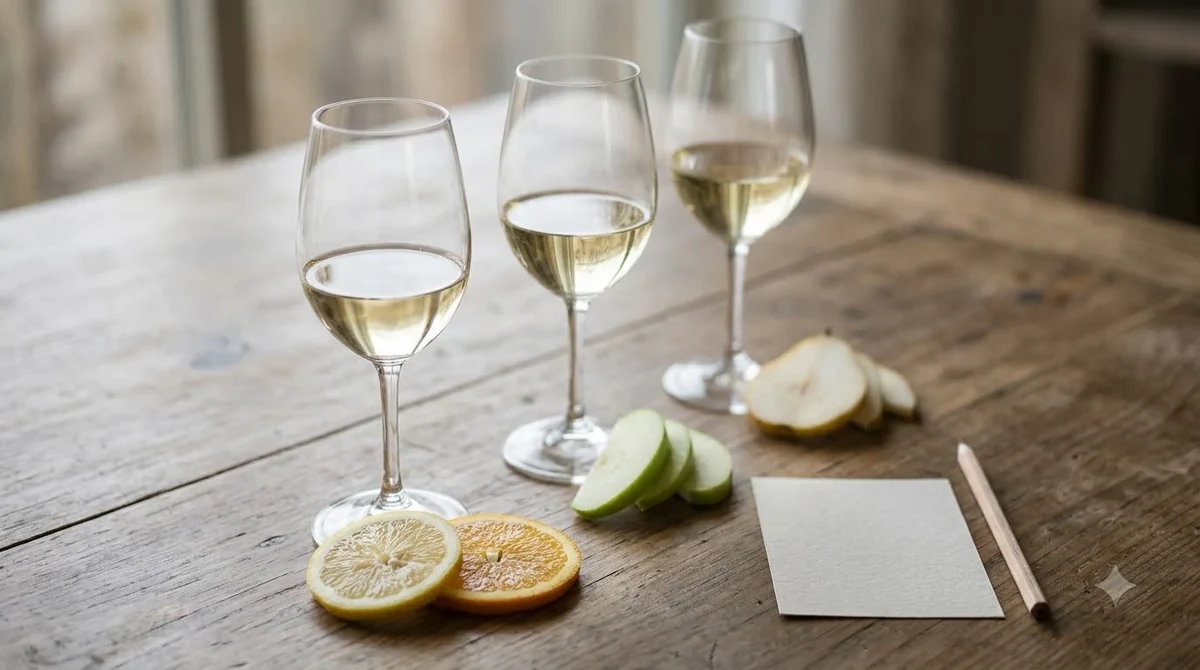
The first distinction is how the beverage is produced. Conventional dealcoholized wine begins as fermented wine, after which alcohol is removed through a specialized process. Proxies instead builds its beverages from ingredients such as juices, grape components, teas, spices, and botanical extracts. This explains why the finished drinks can have a different character from traditional wine even when they provide similar acidity and tannin sensations.
According to the manufacturer’s FAQ, Proxies averages 30 to 40 calories and 4 to 6 grams of sugar per 5-ounce serving. These are brand-wide averages rather than guaranteed figures for every individual bottle. Different recipes can contain different ingredients and nutritional values, making product-specific information useful when comparing varieties.
| Factor | What Proxies Offers | What to Consider |
|---|---|---|
| Serving size | 5 fl oz or approximately 150 ml | A useful reference for comparing nutrition |
| Calories | 30–40 per average serving | Individual varieties may differ |
| Sugar | 4–6 g per average serving | Check individual product nutrition |
| Alcohol content | Below 0.5% ABV | Not necessarily 0.0% ABV |
| Opened-bottle storage | Up to 7 days when resealed | Keep refrigerated after opening |
| Unopened storage | Cool, dark conditions | Avoid prolonged heat and direct sunlight |
| Dietary information | Vegan range | Big Red is an exception to the gluten-free claim |
Alcohol content deserves particular attention. The manufacturer states that Proxies products remain below 0.5% ABV, but that does not mean every bottle contains absolutely no alcohol. This distinction matters to shoppers who require a verified 0.0% beverage for personal, religious, professional, or other reasons. A general nonalcoholic designation should not be confused with a guarantee of zero detectable alcohol.
Flavor structure is another important consideration. Acid gives a drink freshness, tannin contributes grip and texture, and fruit supplies aromatic depth. Proxies uses different ingredients to create these sensations. Verjus can provide grape-derived acidity, while black tea, hibiscus, and other botanicals can contribute complexity and structure.
For additional background on the difference between traditional nonalcoholic wine and wine-style alternatives, the Serious Eats nonalcoholic wine comparison provides useful context, including an evaluation of Proxies Red Ember.
Step-by-Step: How to Choose Your First Proxies Bottle
The easiest way to choose Proxies is to start with the kind of conventional wine or dining experience you want to replace. Consider whether you prefer red-fruit depth, crisp white-wine freshness, sparkling refreshment, or something designed for a particular meal.
-
Decide whether you want a wine alternative or dealcoholized wine.
Proxies belongs to the wine-alternative category. If you want something created from juice, tea, spices, and botanicals rather than fermented wine with alcohol removed, it is worth exploring. If your priority is retaining the characteristics of a familiar wine grape and fermentation profile, investigate dealcoholized wines as a separate category.
-
Choose a preferred flavor direction.
Red-style drinks are generally a better starting point for people who enjoy darker fruit, spice, and tannin. White-style options suit drinkers who prefer citrus, stone fruit, and freshness. Sparkling varieties are useful for celebrations, aperitif occasions, and lighter meals.
-
Think about the food you intend to serve.
A structured red alternative makes sense with roast meat, mushrooms, and rich savory dishes. A bright white alternative can work with seafood, fresh cheeses, vegetables, and lighter preparations. Choosing the food first often makes the selection easier.
-
Read the individual ingredient and nutrition information.
Look beyond the front label. Ingredients such as tea, hibiscus, verjus, grape concentrate, ginger, and spices can reveal whether the beverage will be fruity, herbal, acidic, or more structured. Compare the nutritional information if sugar or calories are important to your purchasing decision.
-
Consider the alcohol specification.
Proxies states that its products remain below 0.5% ABV. If you require a beverage with absolutely zero alcohol, do not assume that a general nonalcoholic designation meets your requirements. Look for a specific 0.0% claim supported by appropriate product information.
-
Start with a mixed selection if you are uncertain.
The manufacturer’s Bestseller Starter Set contains four beverages: two sparkling options, one still white, and one still red. This gives a newcomer an opportunity to compare several styles rather than committing to a full selection of one particular flavor profile.
-
Serve the bottle properly and evaluate it with food.
Chill the beverage before pouring, use an appropriate wine glass, and try it alongside a meal. A botanical red that seems intense on its own may become more balanced with protein, savory flavors, and fat.
This approach is especially useful for people accustomed to conventional wine. Rather than judging the drink by whether it reproduces a specific grape variety, consider whether it delivers an enjoyable balance of acidity, fruit, aroma, texture, and food compatibility.
Tip: If you are trying Proxies for the first time, serve a small pour alongside dinner rather than evaluating the entire bottle as a standalone drink. Food can help balance pronounced tea, spice, acidity, and tannin characteristics.
Types and Styles Explained
Proxies offers different flavor directions, including red, white, and sparkling alternatives. Each style is designed around a different combination of fruit, acidity, texture, and botanical ingredients, so choosing by flavor preference is generally more useful than choosing by color alone.
Red-style Proxies
Red-style varieties are often the most interesting option for people who miss the structure of conventional red wine. They can combine dark berries, grape components, tea, herbs, spices, and tannin-producing ingredients to create a fuller drinking experience.
Red Ember is an important example. Serious Eats selected it as its leading nonalcoholic red in its comparative review. The publication highlighted its rich texture, deep fruit character, and ingredients, including Yunnan black tea, hibiscus, elderberry, blackcurrant, and butterfly pea flower.
Its Cabernet Sauvignon grape components, pomegranate, blueberry, blackberry vinegar, and tea contribute to a more layered profile. The result is not intended to be a conventional Cabernet Sauvignon. Instead, it offers a dark-fruited alternative with enough structure to accompany a substantial meal.
Big Red is another option for people who prefer a bold, dry red-style beverage. An independent review describes cherry, blackberry, tobacco-like aromas, and noticeable tannins, with a medium-bodied texture. These characteristics make it appealing to drinkers who value savory complexity rather than simple sweetness.
Big Red is particularly interesting for people who dislike the impression that nonalcoholic red drinks are merely diluted grape juice. Its more assertive flavor construction aims to provide a defined finish and a recognizable sense of structure.
White-style Proxies
White-style alternatives are generally more appropriate for drinkers who prefer bright acidity, citrus, stone fruit, and aromatic freshness. Their ingredient combinations can include white grape components, verjus, fruit concentrates, green tea, ginger, and other botanical elements.
Crisp White provides a useful example of this approach. Its described flavor profile includes lychee, white flowers, ginger, ripe peach, and bright citrus, with Niagara verjus contributing a zippy acidic character.
This type of profile can suit people who enjoy refreshing white wines rather than rich, heavily textured reds. The citrus and stone-fruit character can work alongside seafood, fresh cheeses, vegetables, and lighter meals.
However, the botanical character should not be mistaken for a conventional Sauvignon Blanc or Chardonnay. A white alternative may share some aromatic and structural characteristics with those grapes without delivering the same fermentation-derived flavors.
Sparkling Proxies
Sparkling alternatives are particularly useful for celebrations and occasions when a regular wine glass filled with bubbles feels appropriate. Their carbonation can contribute freshness and make the beverage feel lighter, especially alongside salty snacks and fried foods.
Gold Crush is one example of the brand’s sparkling direction. Its described profile combines ripe peach, yuzu, and a hint of fennel, creating a combination of fruit, citrus acidity, and botanical character.
This type of beverage can work with fried chicken, scallop preparations, and salty appetizers. The bubbles provide a different drinking experience from a still white or red alternative, making sparkling styles useful for occasions where presentation and refreshment matter as much as flavor.
It is important to remember that sparkling Proxies should not automatically be treated as Champagne or Prosecco substitutes. Traditional Champagne undergoes a second fermentation in the bottle, while Prosecco is generally made primarily from Glera grapes using the tank method. Proxies follows a different production approach.
Readers interested in conventional sparkling wine can also explore La Marca Prosecco to understand how a traditional sparkling wine differs from a botanical wine alternative.
Common Mistakes When Buying Proxies
The biggest mistake is expecting Proxies to taste exactly like traditional wine. Its purpose is to create an alternative drinking experience, not to reproduce every detail of a fermented bottle of Cabernet Sauvignon, Pinot Noir, or Chardonnay.
That difference becomes especially noticeable in the aroma and finish. Traditional wine develops a complex range of flavors through fermentation, grape variety, maturation, and winemaking decisions. Proxies builds complexity through a different set of ingredients. Tea, fruit concentrates, spices, and botanical extracts can create impressive flavor combinations, but they produce a different result.
Another common mistake is assuming that a dark red color automatically means a conventional red-wine experience. Color does not establish the level of tannin, acidity, or alcohol warmth. A dark berry-based alternative can taste more like a concentrated botanical aperitif than a classic Bordeaux blend.
Temperature also matters. Serving a structured red alternative too warm can make its fruit and sweetness seem heavier. In its evaluation, Serious Eats found that Red Ember improved after approximately one hour in the refrigerator. That observation is useful for anyone who usually serves conventional red wine at room temperature.
It is also easy to overlook ingredient differences between bottles. Proxies products do not all use identical recipes. One variety may rely heavily on dark fruit and black tea, while another emphasizes citrus, white tea, ginger, or sparkling acidity. Someone who dislikes a particular botanical ingredient should compare the complete ingredient list rather than assuming the whole range tastes similar.
Dietary assumptions can create another problem. The manufacturer states that all its products are vegan, but Big Red is an exception to its gluten-free range. Anyone who needs to avoid gluten should pay particular attention to the individual product’s ingredient and allergen information rather than relying on a general brand description.
Finally, do not confuse nonalcoholic with alcohol-free in the strictest possible sense. Proxies states that its beverages remain below 0.5% ABV, which is different from a verified 0.0% beverage. People who need to avoid even trace amounts should select products according to their specific requirements.
For comparison, Barefoot wine represents a conventional wine brand with a very different product category and alcohol profile. Comparing the two is useful for understanding why a wine alternative should not be judged by exactly the same expectations as an ordinary bottle of wine.
Care, Serving, and Storage Tips
Proxies benefits from the same basic attention to temperature, glassware, and storage that makes other carefully prepared beverages more enjoyable. Chilling, resealing, and pairing the drink with appropriate food can make a noticeable difference to the overall experience.
Serving temperature
For sparkling varieties, a chilled serving temperature around 40 to 50 degrees Fahrenheit is a sensible starting point. This helps preserve the refreshing character of the bubbles and keeps the beverage from seeming excessively sweet.
White-style alternatives generally work well around 45 to 50 degrees Fahrenheit. These temperatures help maintain freshness while allowing citrus, floral, and stone-fruit aromas to remain noticeable.
Red-style varieties can benefit from a moderate refrigerator chill rather than being served warm. Start with approximately 50 to 55 degrees Fahrenheit, particularly for structured bottles such as Red Ember and Big Red. You can allow a small pour to warm gradually in the glass if you prefer more aromatic development.
Choosing food pairings
Pairing is one of the strongest reasons to consider Proxies. The beverage’s acidity, tannin, and herbal ingredients are intended to work with food rather than simply provide a sweet drink for casual sipping.
Red-style varieties can complement roast duck, burgers, mushrooms, braised meat, and rich cheeses. Protein and fat help balance the perception of tannin, while savory ingredients can bring out the darker fruit and spice character.
White-style varieties are more appropriate for grilled seafood, crab cakes, goat cheese, vegetables, and lighter preparations. Their acidity can help refresh the palate between bites, particularly when a meal contains oil, butter, or creamy sauces.
Sparkling varieties are useful with salty appetizers, fried foods, and seafood. The bubbles provide a refreshing contrast to crisp textures and richer flavors.
Storing opened and unopened bottles
The manufacturer recommends storing unopened Proxies in a cool, dark location. Avoid leaving bottles in direct sunlight or in a warm kitchen, especially when you expect to keep them for an extended period.
After opening, reseal the bottle and place it in the refrigerator. Proxies recommends enjoying an opened bottle within one week. This is a longer storage window than many opened conventional wines, although the actual drinking experience may change as the beverage is exposed to air.
For sparkling bottles, preserving carbonation is particularly important. Use a suitable sparkling-wine stopper when possible and close the bottle promptly after pouring. A loose closure can allow bubbles to escape and change the drink’s texture.
Glassware also makes a difference. A standard wine glass gives aromatic ingredients room to develop, while a narrow glass can concentrate certain aromas and make the experience feel less open. Decanting is another option suggested by the manufacturer for optimal flavor, particularly when serving a more structured variety with dinner.
These small steps help maintain the intended flavor profile and make the beverage feel more like a considered part of the meal rather than an afterthought.
Frequently Asked Questions
Does Proxies need to be refrigerated before opening?
The manufacturer recommends storing unopened bottles in a cool, dark place rather than requiring permanent refrigeration. Chilling before serving is useful for preserving freshness and balancing fruit and botanical flavors. A wine refrigerator or cool pantry can provide suitable storage conditions before opening.
Does Proxies contain sulfites?
Some Proxies ingredient formulations list sulfites. Sulfites can occur naturally in certain ingredients and are also used as preservatives in beverage production. People who need detailed allergen or ingredient information should review the specific bottle’s product information rather than assuming every variety has an identical formulation.
Can Proxies be used as a cocktail ingredient?
Yes, its fruit, spice, acidity, and botanical components make it an interesting starting point for alcohol-free mixed drinks. A red-style variety can work with citrus and a little sparkling water, while a white-style variety can provide a refreshing base with herbs and fresh fruit. The finished drink will depend on the sweetness and acidity of the particular Proxies blend.
Does Proxies have caffeine in every bottle?
No. The manufacturer says most varieties contain some form of caffeinated tea, rather than stating that every product has the same caffeine content. Its general estimate is approximately one-quarter of the caffeine found in a comparable serving of tea. People who are particularly sensitive to caffeine should review the ingredients of the individual variety.
Can Proxies be used for a formal dinner or wedding toast?
Yes, particularly the sparkling varieties, which offer bubbles and wine-glass presentation for celebratory occasions. A mixed selection can also accommodate guests who prefer different flavor profiles. For a large gathering, confirm the available bottle quantities and serving requirements before planning the beverage menu.
Proxies is a worthwhile choice if you want a complex, food-friendly alternative that prioritizes flavor and structure over an exact imitation of conventional wine. Red Ember and Big Red are appealing starting points for drinkers who enjoy dark fruit and tannin, while white and sparkling varieties offer brighter alternatives for lighter meals and celebrations. The key is to approach Proxies as its own beverage category: if you appreciate its botanical character and understand its differences from traditional wine, it can be a satisfying addition to your nonalcoholic drinks selection.
More in Wine Brands
 Underwood Wine Price: Compare Bottles, Cans, and Pack SizesUpdated Nov 21, 2026
 Zenato Wine Price: Compare Styles and Choose the Right BottleUpdated Nov 21, 2026
 Zuccardi Wine Price: Compare Bottles and Find the Right RangeUpdated Nov 21, 2026
 Yellow Tail Moscato Review: Taste, Sweetness and Serving TipsUpdated Nov 21, 2026
 Wolf Blass Yellow Label Review: Choose Your Best StyleUpdated Nov 21, 2026
 Wolffer Estate Rose Review: Choose the Right Bottle for Your TableUpdated Nov 21, 2026