

We may earn a commission when you buy through links on this page, at no extra cost to you. Learn more.
Is hardys wine good? Yes, Hardys makes good, dependable Australian wines, particularly for drinkers seeking approachable Shiraz, Cabernet Sauvignon, Chardonnay and straightforward everyday bottles. The producer offers considerably more than inexpensive supermarket wines, with premium collections such as Eileen Hardy, Thomas Hardy and Heritage Reserve Bin. The best choice depends on the individual range, grape variety and occasion rather than the brand name alone.
Hardys is one of Australia’s best-known historic wine producers, with roots in South Australia dating to 1853. Its portfolio stretches from accessible varietal wines and regional blends to carefully selected premium bottlings. That breadth makes the brand interesting to beginners and experienced wine drinkers alike, but it also means that two Hardys bottles can offer very different drinking experiences. Understanding the ranges, grape varieties and intended styles makes choosing a bottle considerably easier.
Who Should Buy Hardys Wine?
Hardys is a sensible choice for drinkers who want recognizable Australian wine styles, familiar grape varieties and a producer with a long winemaking history. Its broad portfolio makes it particularly useful for households that enjoy having different wines available for weeknight meals, casual gatherings and more formal dinners.

Beginners can start with the Varietal Range or Stamp collection. These wines offer relatively straightforward ways to explore familiar grapes such as Shiraz, Cabernet Sauvignon and Chardonnay without needing detailed knowledge of Australian wine regions. A person who enjoys fruit-forward reds, uncomplicated food pairings and familiar flavors will generally find these ranges easier to understand than wines made with more elaborate blending or extended maturation.
Regular red wine drinkers may find more to appreciate in the Tintara, Heritage Reserve Bin and Eileen Hardy collections. These ranges provide opportunities to explore regional character, grape selection and more ambitious winemaking. Thomas Hardy Cabernet Sauvignon is another option for someone interested in the producer’s premium end rather than its everyday offerings.
Hardys also suits shoppers who value variety from one producer. Someone who likes a particular Shiraz can explore Cabernet Sauvignon, Merlot or Chardonnay without having to learn an entirely new producer’s portfolio. The different ranges provide a useful starting point for comparing styles while keeping the winery’s overall approach in view.
However, Hardys may not satisfy someone who specifically wants small-production natural wines, unusual indigenous grape varieties or highly distinctive single-vineyard expressions. Its large international portfolio includes approachable wines designed for broad appeal. Drinkers seeking unusual winemaking techniques or highly individual regional expressions should examine the specific bottle rather than assuming that every Hardys wine offers those characteristics.
The key distinction is between the brand’s everyday and premium offerings. A basic varietal bottle should be judged by its freshness, balance and drinkability, while a premium Shiraz or Cabernet Sauvignon deserves closer attention to structure, complexity and development. Expecting every bottle to perform like a special-release wine is an unfair way to evaluate such a diverse producer.
Key Factors to Compare Before Buying Hardys
The most useful way to assess Hardys is to compare its range, grape variety, regional origin and intended drinking occasion. These four factors help distinguish an uncomplicated everyday wine from a more ambitious bottle.
| Factor | What to look for | Why it matters |
|---|---|---|
| Range | Stamp, VR, Tintara, HRB, Eileen Hardy | Indicates the intended style and positioning |
| Grape | Shiraz, Cabernet Sauvignon, Merlot, Chardonnay | Determines body, acidity and tannin |
| Origin | McLaren Vale, Barossa Valley, Clare Valley and other Australian regions | Provides context for fruit character and structure |
| Serving temperature | 55–60°F for light reds; 60–65°F for full reds | Helps preserve balance and aroma |
| Serving size | 5 oz per glass | Makes portions consistent |
| Bottle format | 750 ml standard bottle | Provides approximately 5 standard glasses |
Range matters first. Hardys Stamp and Varietal Range are useful starting points for uncomplicated drinking. Tintara and Heritage Reserve Bin provide opportunities to explore more developed expressions, while Eileen Hardy and Thomas Hardy represent particularly important premium collections. The producer describes Eileen Hardy wines as selections made from handpicked parcels of fruit across Australian regions. Its Thomas Hardy Cabernet Sauvignon, first vintaged in 1989, is positioned as a flagship expression.
Grape variety matters next. Shiraz generally offers dark fruit, spice and a fuller impression, while Cabernet Sauvignon tends to have firmer tannins and a more structured finish. Merlot usually offers softer tannins, making it an accessible alternative for someone who finds Cabernet too firm. Chardonnay provides a completely different experience, with its acidity and texture depending on the specific winemaking style.
Regional information can also help. McLaren Vale is closely associated with Hardys’ history and home winery, Tintara. However, the producer sources fruit from several Australian regions, so not every bottle should be assumed to represent McLaren Vale alone. A multi-regional blend can be designed to combine complementary characteristics rather than express one location exclusively.
Finally, consider what the wine needs to accomplish. A bottle for a casual pasta dinner does not need the same complexity as a wine intended for a holiday meal or a special gift. The more closely the wine’s style matches the occasion, the more likely the purchase will feel successful.
Step-by-Step: How to Choose a Good Hardys Bottle
A straightforward buying process can help narrow the Hardys portfolio without requiring specialist wine knowledge. Start with the food or occasion, then use the grape variety and collection name to identify a suitable bottle.
- Decide between red and white. Choose a red for beef, lamb and richer dishes, or a white for seafood, salads and lighter meals. If the meal includes several different courses, consider whether a versatile, medium-bodied wine would work better than an especially powerful bottle.
- Select a grape variety. Choose Shiraz if you enjoy generous dark fruit and spice. Cabernet Sauvignon is a better starting point for someone who likes firmer tannins and structured reds. Merlot is a softer alternative, while Chardonnay suits people who prefer white wines with more body than Sauvignon Blanc.
- Choose the collection. Start with Stamp or VR for accessible everyday drinking. Consider Tintara or Heritage Reserve Bin for a more involved red wine experience. Look at Eileen Hardy or Thomas Hardy when the occasion calls for a premium selection.
- Check the origin and vintage. Look for named Australian regions and the vintage year. McLaren Vale and Barossa Valley are useful reference points for understanding Australian red wine. Vintage differences can affect fruit expression, structure and drinking readiness.
- Consider the meal. Match Cabernet Sauvignon with grilled beef, Shiraz with lamb or barbecue, and Chardonnay with roast chicken or creamy seafood dishes. The wine should complement the food rather than overwhelm it.
- Plan the serving conditions. Chill light whites to approximately 45–50°F and fuller whites to 50–55°F. Serve light reds at 55–60°F and fuller reds at 60–65°F. These temperatures help the wines show their intended character.
- Compare the specific bottle. Look at the producer’s description, grape variety and region rather than choosing solely because the label says Hardys. This final comparison is especially important when moving between everyday and premium collections.
This process also helps prevent a common purchasing mistake: choosing a wine based only on its grape name. Two Cabernet Sauvignon wines can differ substantially in body, tannin, fruit concentration and complexity. The collection and regional origin help explain those differences.
Tip: If you are buying your first Hardys bottle, start with a grape variety you already enjoy. Compare the accessible Stamp or VR range with a more distinctive Tintara or Heritage Reserve Bin selection later. This gives you a useful reference point for understanding the differences between the collections.
For additional background on the producer’s broader portfolio, the Hardys wine overview provides another useful starting point. If alcohol strength is part of your buying decision, compare the individual bottle information with the details in the Hardys wine alcohol content guide.
Hardys Wine Styles and Collections Explained
Hardys offers several collections designed for different expectations, from uncomplicated varietal wines to carefully selected premium bottlings. Understanding the distinctions is more useful than treating the entire portfolio as one consistent quality level.
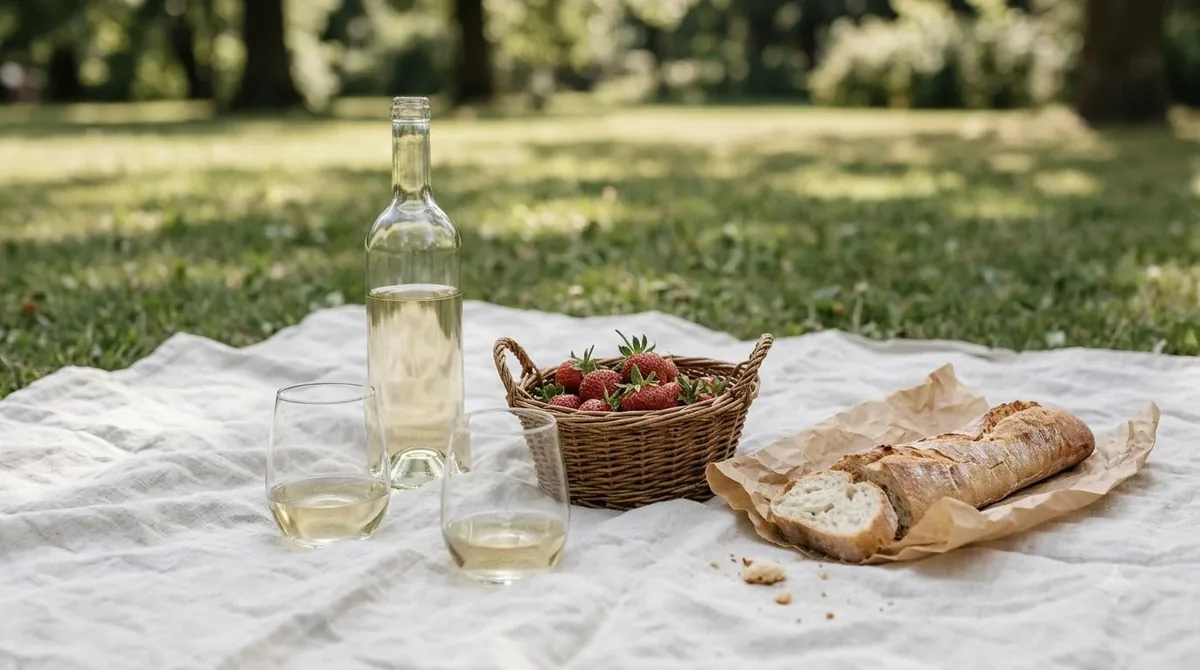
Stamp is an approachable range that uses blending across different Australian regions. The producer describes the collection as a way to bring together grape varieties from diverse areas. This approach makes it suitable for drinkers looking for familiar, accessible styles rather than highly specific regional expressions. It is a practical starting point for casual meals and relaxed gatherings.
Varietal Range, or VR, focuses on individual grape varieties. The producer describes these wines as maintaining varietal purity without introducing complex secondary winemaking flavors. That makes the collection useful for people learning the differences between Shiraz, Cabernet Sauvignon, Merlot and Chardonnay. It also offers a relatively uncomplicated way to identify preferred grape styles.
Tintara has a particularly important connection to the company’s history. Thomas Hardy purchased the Tintara Vineyards Company in McLaren Vale in 1876. Today, the producer describes its Tintara wines as combining traditional winemaking methods with modern techniques. For consumers interested in the winery’s heritage, this collection has an especially meaningful identity.
Heritage Reserve Bin (HRB) focuses on cross-regional blending using hand-selected grapes. The producer explains that it considers leading Australian regions for each grape variety, aiming to preserve the distinctive characteristics of the fruit and its origin. This makes the range interesting for people who enjoy blends and want a more layered experience.
Eileen Hardy is one of the producer’s significant premium collections. It honors Eileen Hardy, an important figure in the winery’s history, and uses carefully selected handpicked parcels from Australian wine regions. The first Eileen Hardy Shiraz was produced in 1973 to celebrate her 80th birthday. The collection is particularly relevant to consumers seeking a special-occasion bottle.
Thomas Hardy is another premium expression. Its Cabernet Sauvignon was first vintaged in 1989, and the producer describes the wine as a flagship selection made from carefully chosen parcels. Cabernet drinkers who prefer structured reds may find this collection more appealing than an entry-level varietal wine.
Hardys also produces Rare fortified wines, including Show Sweet White, Tawny, Muscat and Liqueur Sauvignon Blanc. These wines are selected and blended from reserve wines matured in barrel over many decades. Their intended drinking occasions differ from those of ordinary table wines, particularly when served alongside desserts or after dinner.
The following comparison summarizes the main distinctions:
| Collection | Main approach | Best suited to |
|---|---|---|
| Stamp | Multi-regional blends | Everyday drinking |
| VR | Individual grape varieties | Learning grape styles |
| Tintara | Traditional and modern winemaking | Exploring Hardys heritage |
| Heritage Reserve Bin | Selected cross-regional blending | More layered wine styles |
| Eileen Hardy | Selected premium fruit parcels | Special occasions |
| Thomas Hardy | Flagship Cabernet Sauvignon | Structured premium reds |
| Rare | Reserve-based fortified wines | Dessert and after-dinner occasions |
These collections should not be treated as interchangeable. A Stamp Shiraz and an Eileen Hardy Shiraz may share a grape variety, but they have different positioning and selection criteria. Someone comparing the two should focus on their intended styles, complexity and occasion rather than assuming that the shared grape guarantees a similar experience.
Common Mistakes When Buying Hardys Wine
The biggest mistake is judging the entire brand by one bottle. Hardys makes wines at different levels, and a basic varietal wine should not be expected to deliver the same complexity as a carefully selected premium release.
Another mistake is assuming that every Australian Shiraz tastes the same. Shiraz can vary in fruit intensity, tannin, acidity and oak influence. A wine made with fruit from one region may have a different character from a blend using grapes from several areas. Hardys’ multi-regional approach makes the origin and collection especially important when comparing bottles.
Buyers sometimes confuse full-bodied wine with high-quality wine. A powerful red is not automatically better than a lighter one. Cabernet Sauvignon generally has high tannin, while Merlot is usually softer. Pinot Noir tends to have low-to-medium tannin and higher acidity. These differences affect how a wine feels and which foods suit it, but they do not establish an automatic quality ranking.
Another frequent error is serving red wine too warm. Full-bodied reds are often served at room temperature, but modern indoor temperatures can be much warmer than ideal cellar conditions. A fuller Hardys Shiraz or Cabernet Sauvignon generally benefits from a serving temperature of 60–65°F rather than a warm room.
Buyers should also avoid selecting a premium collection simply because the name sounds impressive. The right choice depends on individual preferences. Someone who enjoys straightforward fruit-forward wine may prefer an accessible varietal bottle over a more complex release. Premium positioning does not guarantee that a particular wine will match every drinker’s palate.
Food pairing is another area where mistakes can reduce enjoyment. Cabernet Sauvignon’s stronger tannins can work well with protein-rich beef dishes, but they may seem harsh alongside delicate seafood. Shiraz can complement grilled meats and savory dishes, while Chardonnay offers more flexibility with poultry, seafood and creamy sauces.
Sweetness also deserves attention. Not every white wine is sweet, and not every red wine is completely dry. Dessert wine should be at least as sweet as the dessert being served. A dry red or crisp white can taste unexpectedly sharp beside a very sweet dessert, so the style of the food should influence the selection.
Finally, do not assume that an older bottle is automatically better. Most everyday wines are intended to be enjoyed relatively young. Cellaring should be reserved for wines with the structure, balance and intended aging potential to benefit from additional time. A premium label alone does not establish that a bottle needs years in storage.
Serving, Pairing and Storing Hardys Wines
Correct serving conditions can make a noticeable difference to the enjoyment of Hardys wine. Temperature, glassware, food and storage all influence how clearly a wine expresses its fruit, acidity and structure.
Recommended serving temperatures
For Hardys red wines, use the grape variety and body as a guide. Light-bodied reds are generally best at 55–60°F, while fuller reds should be served at 60–65°F. A medium-bodied Cabernet Sauvignon may benefit from the cooler end of that range, particularly in a warm room.
White wines should also be served according to their style. Light whites and rosé generally work well at 45–50°F, while fuller Chardonnay is better around 50–55°F. Sweet white wines are usually served at 43–50°F. Avoid serving whites so cold that their aromas become difficult to detect.
Food pairing ideas
Hardys Shiraz is a natural companion for grilled lamb, barbecue, roasted beef and savory mushroom dishes. Its fruit intensity and spice can complement charred flavors. A fuller Shiraz also works well with slow-cooked meats because the dish’s richness can balance the wine’s structure.
Cabernet Sauvignon is particularly suited to grilled steak, roast beef and lamb chops. Its relatively high tannin works well with protein-rich foods. Salt and fat can soften the perception of tannin, making a well-seasoned steak an especially useful pairing.
Merlot is a flexible option for meatballs, tomato-based pasta, roast chicken and moderately seasoned dishes. Its softer tannins can make it easier to pair with meals that do not have the richness required by a powerful Cabernet Sauvignon.
Chardonnay can complement roast chicken, grilled fish, creamy pasta and roasted vegetables. Sauvignon Blanc is generally more suitable for fresh seafood, salads and dishes with citrus-based sauces because of its higher acidity. Acidic foods generally need wines with equal or higher acidity to maintain balance.
Be careful with chili-heavy meals. Alcohol and tannin can amplify the sensation of heat, making powerful reds less comfortable alongside particularly spicy dishes. Oily fish can also clash with highly tannic reds, so a crisp white or lighter red is usually a better starting point.
Opening and preserving a bottle
A standard 750 ml bottle provides approximately five 5 oz glasses. Pouring consistent portions makes it easier to serve several guests and compare different wines during a meal.
Young, full-bodied reds may benefit from 30–60 minutes of decanting. This gives the wine time to interact with air and can make its aromas more expressive. Lighter reds and most everyday whites generally do not require lengthy decanting.
After opening, store still wines in the refrigerator and aim to consume them within approximately 3–5 days. Sparkling wines generally retain their best character for around 1–3 days when properly resealed. Fortified wines can remain enjoyable for several weeks, depending on their style and storage conditions.
Unopened bottles should be stored in a cool, dark location with a relatively stable temperature. Around 55°F is a useful storage target. Bottles with natural corks are generally stored on their sides to help keep the cork from drying out. Avoid prolonged exposure to sunlight, temperature fluctuations and vibration.
For shoppers comparing other widely available brands, Barefoot wine offers another useful point of reference. Both brands have approachable offerings, but their portfolios and individual wine styles should be compared bottle by bottle rather than assumed to be identical. More general background is available in the Wine Brands section.
For additional product context, the producer’s official Hardys wine collection overview explains how its individual ranges differ. Its descriptions help distinguish the everyday collections from the premium and fortified offerings.
Frequently Asked Questions
Is Hardys wine considered a good Australian wine brand?
Yes. Hardys has a significant place in Australian wine history, and its wines are distributed internationally. Its historic Tintara winery is associated with McLaren Vale, and the producer’s portfolio includes both everyday and premium collections. The brand’s long history is a useful indicator of experience, although individual bottles still deserve separate evaluation.
Is Hardys wine suitable for a wine gift?
Yes, particularly its Eileen Hardy and Thomas Hardy collections. The Eileen Hardy name honors a prominent member of the winery’s history, while Thomas Hardy Cabernet Sauvignon has a first vintage dating to 1989. These historical associations can make the premium collections more meaningful gifts than an ordinary everyday bottle.
Does Hardys produce organic or vegan wine?
Certification and production practices can differ between individual wines and markets. A brand-wide assumption is not reliable because a winery’s portfolio can contain wines made using different production methods. Look for specific certification or vegan suitability information associated with the individual bottle before purchasing.
Where is the historic Hardys Tintara winery located?
Hardys Tintara is in McLaren Vale, South Australia. Thomas Hardy purchased the Tintara Vineyards Company in 1876, making the property an important part of the winery’s development. The original Tintara business had been established in 1861, before becoming part of the larger Hardys operation.
Can Hardys wines be aged for several years?
Some premium wines are made with greater aging potential than everyday varietal bottlings. Structured Cabernet Sauvignon and selected premium Shiraz can develop additional complexity under suitable cellar conditions. However, aging potential varies by wine, vintage and storage history, so it is important to distinguish collectible releases from bottles intended for relatively early drinking.
Hardys is a worthwhile Australian wine brand to explore because its portfolio offers approachable everyday bottles alongside more ambitious premium collections. Start with a familiar grape variety, compare the collection names and choose according to your food and occasion. For drinkers who value established Australian winemaking and a broad selection of styles, Hardys offers plenty of bottles worth considering.
More in Wine Brands
 Merry Edwards Sauvignon Blanc Review: Flavor, Style and Buying TipsUpdated Nov 21, 2026
 Miraval Wine Review: Choose the Right Provence WineUpdated Nov 21, 2026
 Mionetto Rose Price: What to Expect for a BottleUpdated Nov 21, 2026
 Merry Edwards Wine Price: Compare Bottles and Find the Right WineUpdated Nov 21, 2026
 Ménage à Trois Moscato Price and What You Get for Your MoneyUpdated Nov 21, 2026
 Lodi Wine Price: Compare Bottles by Budget and StyleUpdated Nov 21, 2026