


We may earn a commission when you buy through links on this page, at no extra cost to you. Learn more.
Is cloudy bay sauvignon blanc good? Yes, Cloudy Bay Sauvignon Blanc is a high-quality Marlborough white wine with expressive citrus and tropical fruit, refreshing acidity, and a distinctive mineral finish. It is particularly appealing to drinkers who enjoy dry, aromatic Sauvignon Blanc with more concentration and complexity than a simple everyday white. Its premium positioning makes it a better choice for someone seeking a distinctive bottle than for someone who only wants an inexpensive, uncomplicated patio wine.
Cloudy Bay has become one of the recognizable names associated with New Zealand Sauvignon Blanc. Its signature white combines the lively fruit and herbal character associated with Marlborough with carefully selected vineyard components and a focused, refreshing style. However, quality depends on more than reputation. Understanding its sweetness, acidity, aroma, food compatibility, and serving requirements will help determine whether this wine deserves a place on your table.
Who This Is For
Cloudy Bay Sauvignon Blanc is best suited to people who enjoy crisp, dry white wines with recognizable fruit flavors and lively acidity. It offers a particularly appealing combination of tropical fruit, citrus, herbal notes, and a clean finish, making it appropriate for both casual dinners and more considered wine occasions.
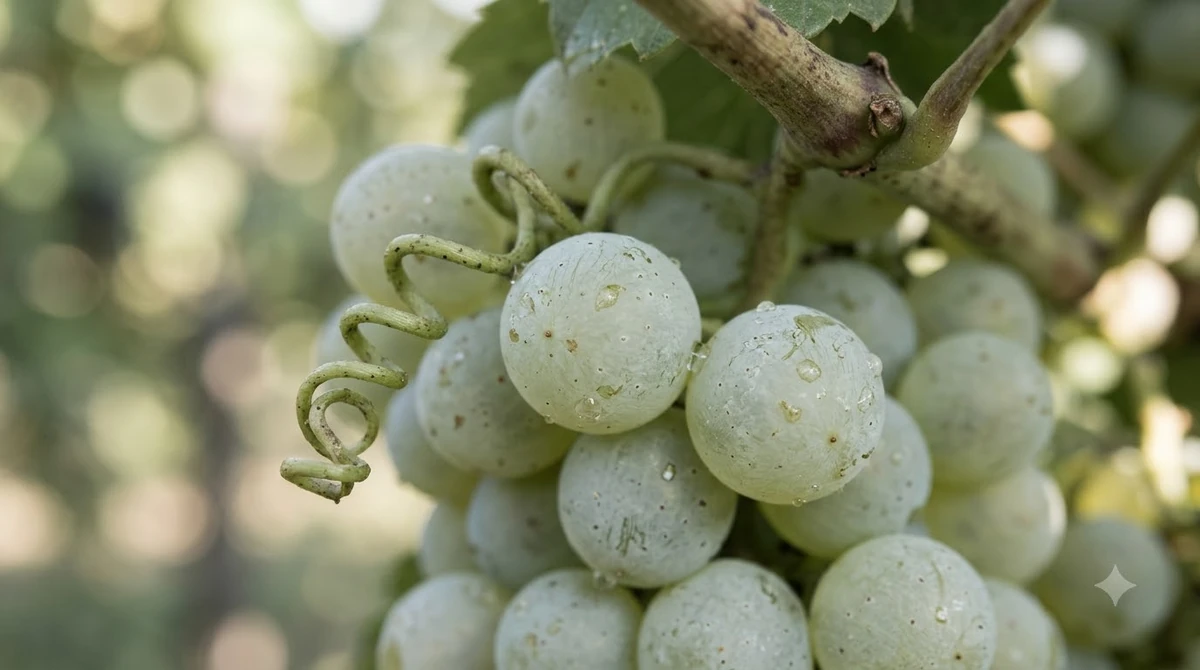
Its main audience includes Sauvignon Blanc enthusiasts, seafood lovers, and drinkers who appreciate wines with recognizable regional character. The Marlborough origin is important because this New Zealand region is associated with aromatic Sauvignon Blanc, often combining tropical fruit with green herbal notes and refreshing acidity.
Cloudy Bay is also worth considering if you are moving beyond basic Sauvignon Blanc. Rather than relying exclusively on sharp citrus or grassy aromas, its different vintages demonstrate additional layers of peach, passionfruit, grapefruit, lime leaf, and savory mineral character. The result is a wine that can offer more detail as it develops in the glass.
Who will appreciate it most?
- Fans of dry white wine: Its style emphasizes fresh fruit and acidity rather than obvious sweetness.
- Marlborough Sauvignon Blanc enthusiasts: It delivers recognizable regional characteristics, including citrus, tropical fruit, and herbal aromas.
- Seafood enthusiasts: Its acidity works particularly well with shellfish, fish, and citrus-based preparations.
- Occasional premium wine buyers: It is an appealing option for a dinner party, celebration, or thoughtful food pairing.
- Wine learners: Its expressive aroma makes it useful for understanding the differences between citrus, tropical, and herbal Sauvignon Blanc profiles.
There are also drinkers who may prefer another style. Someone who enjoys soft Chardonnay, creamy white wine, or noticeably sweet Moscato may find Cloudy Bay too crisp. Similarly, people who dislike pronounced acidity or green herbal flavors may prefer a rounder white wine.
Its premium identity should not automatically make it the right purchase. A wine’s quality and its compatibility with personal taste are different questions. Cloudy Bay can be very well made while still being less enjoyable to someone who prefers softer, sweeter, or less aromatic wines.
For an overview of producers and styles beyond this bottle, the broader Wine Brands collection provides useful context for comparing different wine houses.
Key Factors to Compare
The best way to evaluate Cloudy Bay Sauvignon Blanc is to consider its aroma, acidity, sweetness, alcohol, regional character, and overall balance together. These characteristics explain why it appeals to Sauvignon Blanc enthusiasts and where its premium positioning makes the most sense.
Individual vintages can differ, so the following comparison separates the recurring style from the published specifications of particular releases.
| Factor | Typical Cloudy Bay Character | What It Means for Buyers |
|---|---|---|
| Grape | Sauvignon Blanc | Expect aromatic citrus, tropical fruit, and herbal notes. |
| Origin | Marlborough, New Zealand | Recognizable New Zealand Sauvignon Blanc character. |
| Sweetness | Dry | Suitable for drinkers who prefer refreshing, non-sweet whites. |
| Acidity | High | Creates freshness and makes the wine suitable for seafood. |
| Alcohol | 13% in the 2026 vintage; 13.5% in the 2025 vintage | Compare vintage-specific alcohol information. |
| Serving temperature | 46–50°F | Chilling preserves freshness and aromatic definition. |
| Fruit character | Passionfruit, citrus, peach, grapefruit | Provides a mixture of tropical and orchard-fruit flavors. |
| Finish | Citrus-driven with a saline or mineral impression | Leaves a refreshing rather than sweet impression. |
| Food compatibility | Seafood, goat cheese, salads | Works particularly well with fresh, citrus-oriented dishes. |
| Bottle size | 750 ml in the Wine Enthusiast-reviewed 2023 release | Provides approximately five standard 5 oz pours. |
Quality and balance
Good Sauvignon Blanc needs more than intense aroma. A wine can smell strongly of passionfruit or lime but still feel unbalanced if the acidity is excessive or the finish is short. Cloudy Bay’s appeal comes from the relationship between expressive fruit, fresh acidity, and a more savory finish.
There is useful independent evidence behind its reputation. Wine Enthusiast awarded the 2023 Cloudy Bay Sauvignon Blanc 90 points and described its combination of jalapeño, tomato leaf, green herbs, and citrus. The review also highlighted balanced texture and acidity, supporting the view that the wine offers more than simple aromatic intensity. Read the Wine Enthusiast review of Cloudy Bay 2023 Sauvignon Blanc for its vintage-specific assessment.
Wine.com’s published information for the 2024 release also includes a 94-point assessment from Robert Parker’s Wine Advocate and a 93-point assessment from Wine Spectator. These professional assessments concern a particular vintage rather than every bottle carrying the Cloudy Bay name.
Vintage differences
Vintage variation matters because Sauvignon Blanc is strongly influenced by growing-season conditions. The producer’s 2025 description emphasizes lemon curd, white nectarine, and sea-salt aromas, while its 2026 description highlights lemon sherbet, passionfruit, peach, and grapefruit skin.
These differences do not automatically indicate that one vintage is better. They demonstrate how the same producer can preserve an identifiable style while presenting different fruit expressions from one harvest to another. The producer’s 2026 Sauvignon Blanc description provides additional detail about its aromas, vineyard selection, and recommended serving temperature.
Step-by-Step: How to Evaluate a Bottle
Evaluating Cloudy Bay Sauvignon Blanc does not require advanced wine knowledge. A simple tasting process involving the label, serving temperature, aroma, acidity, and finish can reveal whether the bottle suits your preferences.
-
Identify the vintage and bottle information.
Start with the vintage rather than assuming every release tastes exactly the same. The 2025 and 2026 releases, for example, have different published alcohol levels and tasting descriptions. Confirm the bottle size and vintage before comparing specifications or professional reviews.
-
Chill the wine properly.
Cloudy Bay recommends serving its 2026 Sauvignon Blanc at 8–10°C, equivalent to 46–50°F. This temperature helps maintain its crisp character while allowing citrus, passionfruit, and herbal aromas to remain expressive. Avoid serving it so cold that its aroma becomes difficult to detect.
-
Examine the appearance.
Pour a modest amount into a clear white wine glass. Look for a clear, pale straw or light yellow appearance. The visual examination provides a basic impression of the wine’s condition, although color alone cannot establish quality or predict flavor.
-
Smell the wine before tasting.
Begin with the glass held still, then gently swirl it. Look for citrus, passionfruit, peach, grapefruit, lime leaf, and fresh herbal notes. The precise combination will depend on the vintage, but the aroma should be lively and recognizable rather than flat.
-
Evaluate the first sip.
Notice how the acidity interacts with the fruit. A good example should feel refreshing and structured, not merely sour. Look for a progression from citrus and tropical fruit toward a more savory or mineral impression.
-
Assess the finish.
After swallowing, notice whether the citrus and mineral impressions remain for a moment. A lingering finish can contribute to the perception of quality because it makes the wine feel more complete and expressive.
-
Try it with food.
Taste the wine with seafood, goat cheese, or a green salad. Compare the wine before and after a bite of food to see whether the acidity becomes more refreshing and whether the flavors complement each other.
This process is useful because it separates individual characteristics instead of judging the wine based on its reputation or bottle presentation. A buyer who prefers strong tropical fruit may focus on aroma, while someone who enjoys crisp whites may care more about acidity and the finish.
Tip: Pour Cloudy Bay Sauvignon Blanc at approximately 48°F and allow a few minutes in the glass before evaluating its aroma. If it seems unusually muted straight from the refrigerator, a small increase in temperature may reveal more citrus, peach, and herbal detail.
There is no need to use elaborate tasting terminology. Describing the wine as citrusy, tropical, dry, crisp, and refreshing is enough to identify its general character and decide whether it matches your preferences.
Types or Styles Explained
Cloudy Bay Sauvignon Blanc has a recognizable overall identity, but its tasting profile changes between vintages. Understanding its recurring fruit, herbal, citrus, and mineral characteristics makes it easier to interpret tasting notes and select a bottle that suits your preferences.
Tropical fruit character
Passionfruit is one of the recognizable aromas associated with Cloudy Bay Sauvignon Blanc. Depending on the vintage, it can appear alongside peach, melon, guava, or other ripe fruit impressions. These characteristics give the wine an expressive aromatic profile without making it sweet.
The 2026 release combines passionfruit and peach with lemon sherbet and grapefruit skin. This combination provides a contrast between ripe fruit aromas and sharper citrus freshness. The fruit character is especially appealing to drinkers who enjoy Sauvignon Blanc that smells generous but remains dry on the palate.
Citrus-driven freshness
Citrus provides much of the wine’s structural appeal. Lemon, grapefruit, lime, and lemon-curd impressions contribute brightness and help prevent the fruit from feeling heavy.
The 2025 vintage, for example, is described by the producer with bright lemon-curd notes layered over white nectarine. The 2026 vintage instead emphasizes lemon sherbet and grapefruit skin. These descriptions illustrate different expressions of the same broad citrus-oriented style.
Green and herbal characteristics
Herbal notes are another important part of Marlborough Sauvignon Blanc. They can resemble fresh grass, tomato leaf, jalapeño, lemongrass, or crushed green herbs. These aromas provide a savory contrast to tropical fruit.
Wine Enthusiast’s assessment of the 2023 Cloudy Bay release specifically identifies jalapeño, tomato leaf, green herbs, lemongrass, and fresh oregano. This is a useful reminder that the wine’s character is not exclusively tropical or citrus-driven.
People who enjoy fresh herbs and vegetal aromas may appreciate this complexity. Those who dislike green flavors may prefer a more fruit-forward white wine.
Mineral and saline impressions
Cloudy Bay’s descriptions frequently include saline, stony, or mineral impressions. These terms describe sensory characteristics rather than suggesting that salt or minerals have been added to the wine.
The 2026 technical tasting description specifically mentions a saline tang on the finish. This savory element helps distinguish the wine from simpler whites that finish with straightforward fruit sweetness or citrus flavor.
Dryness and acidity
Cloudy Bay Sauvignon Blanc is a dry white wine. Its fruit aromas can create an impression of ripe sweetness, but this is different from actual residual sugar. The palate is primarily defined by fruit intensity and refreshing acidity.
Sauvignon Blanc is naturally associated with high acidity, and Cloudy Bay uses this characteristic to create freshness. Its citrus-driven structure also explains why the wine can pair effectively with dishes that include lemon, herbs, and fresh seafood.
For comparison, Chardonnay generally has medium acidity, while Riesling can have high acidity across both dry and sweeter styles. Cloudy Bay’s Sauvignon Blanc is therefore a particularly appropriate choice for drinkers who actively seek a lively, crisp white.
Common Mistakes
Some purchasing and serving mistakes can make Cloudy Bay Sauvignon Blanc seem less appealing than it actually is. The most common problems involve misunderstanding its sweetness, expecting identical vintages, serving it too cold, and pairing it with foods that conflict with its acidity.
Confusing fruitiness with sweetness
Passionfruit, peach, and citrus can make a wine smell sweet even when its actual style is dry. Cloudy Bay’s aromatic intensity should not be confused with the sugary profile of a dessert wine or sweet Moscato.
This distinction matters when selecting wine for a particular meal. Someone seeking a sweet white to accompany a dessert should not assume that tropical aromas mean Cloudy Bay will provide the necessary sweetness.
A useful pairing principle is that wine served with dessert should generally be at least as sweet as the dessert. Cloudy Bay is better suited to savory dishes and fresh ingredients than to very sweet pastries or chocolate desserts.
Expecting every vintage to taste identical
The 2025 vintage features lemon curd, white nectarine, and sea-salt characteristics, while the 2026 release emphasizes lemon sherbet, passionfruit, and grapefruit skin. These differences are normal expressions of vintage variation.
Judging one bottle against the exact aroma of another year’s release can create unrealistic expectations. It is more useful to compare the overall structure: dry style, expressive aromatics, fresh acidity, and a distinctive finish.
Serving it too cold
Very cold white wine can lose much of its aromatic expression. Although chilling is essential for freshness, serving the bottle below its recommended range may make its fruit and herbal characteristics less noticeable.
Cloudy Bay’s recommended 46–50°F range provides a practical target. If the wine has been stored in a particularly cold refrigerator, allowing the glass to warm slightly can help reveal more detail.
Pairing it with incompatible food
Strongly sweet sauces can make a dry wine seem sharper or more acidic. Similarly, heavy dishes with little acidity or freshness may overwhelm the wine’s delicate citrus and herbal character.
Very spicy food also requires care because alcohol can amplify the perception of chili heat. Cloudy Bay is generally a better match for moderately seasoned seafood, fresh herbs, and citrus-based preparations than for intensely hot dishes.
Buying solely because of the reputation
A recognizable producer name is not a substitute for understanding personal taste. Cloudy Bay has an established reputation, but a buyer who dislikes high-acid Sauvignon Blanc may still find its style unsuitable.
Before purchasing, consider whether you enjoy passionfruit, grapefruit, lime, and green herbal aromas. If those characteristics appeal to you, the wine is more likely to meet your expectations.
Care and Storage Tips
Correct storage and serving practices help preserve Cloudy Bay Sauvignon Blanc’s freshness and aromatic character. The main priorities are a stable cool environment, protection from direct light, proper refrigeration after opening, and an appropriate serving temperature.
Storing an unopened bottle
Store unopened wine in a cool, dark location with a relatively stable temperature. Around 55°F is a useful general storage target for wine, although consistency matters more than achieving an exact number.
Avoid leaving the bottle in direct sunlight, near a heater, or in a kitchen cabinet exposed to repeated temperature changes. Excessive heat can damage fresh white wine and diminish its aromatic character.
For bottles with traditional cork closures, horizontal storage helps keep the cork in contact with the wine. This advice is less important for screw-cap bottles, but a cool, dark storage environment remains beneficial.
Serving and glassware
Use a standard white wine glass with a reasonably narrow opening. This shape helps concentrate the aromas while providing enough room to swirl the wine gently.
The ideal serving temperature is approximately 46–50°F. A moderate chill preserves freshness without suppressing the citrus, passionfruit, peach, and herbal aromas that make the wine distinctive.
A standard 750 ml bottle provides approximately five servings when each glass contains 5 oz. This is a useful calculation when planning a dinner with several guests.
After opening
Refrigerate an opened bottle promptly and reseal it securely. A suitable wine stopper can help limit contact with oxygen, preserving freshness between servings.
Most opened still wines retain reasonable quality for approximately three to five days when refrigerated properly. Cloudy Bay Sauvignon Blanc is generally best enjoyed while its bright aromatics and acidity remain expressive.
Before serving a refrigerated leftover portion, allow it to warm slightly toward the recommended temperature. Extremely cold wine may hide some of its aromatic detail.
Should you age it?
Cloudy Bay Sauvignon Blanc is attractive in its youthful stage because of its fresh fruit and acidity. However, the producer’s information for the 2023 vintage identifies potential cellaring of at least 10 years.
This does not mean every buyer should store the wine for a decade. The experience changes as a wine ages, and the fresh citrus and tropical characteristics that make young Sauvignon Blanc appealing may become less prominent.
For most buyers, enjoying the bottle while its aromatic profile is vibrant is a sensible approach. Those interested in wine development can consider keeping a properly stored bottle for comparison rather than treating long-term aging as a requirement.
Food pairing suggestions
Cloudy Bay’s high acidity makes it particularly useful with fresh, savory foods. The wine’s citrus and herbal characteristics can complement ingredients that might otherwise make a less acidic white wine feel heavy.
- Oysters: Tempura oysters provide a satisfying contrast between crisp coating and refreshing acidity.
- Sashimi: Fresh fish allows the citrus and saline characteristics to complement delicate seafood flavors.
- Steamed mussels: Garlic, parsley, and citrus provide an aromatic match for the wine’s herbal and citrus notes.
- Goat cheese: Its tangy character works with Sauvignon Blanc’s acidity and fresh fruit.
- Green salads: Fresh vegetables, herbs, and citrus dressings create a natural pairing.
For more specific meal ideas and ingredient combinations, see the Cloudy Bay Sauvignon Blanc food pairing guide.
The wine can also work with grilled fish, light poultry preparations, and vegetable dishes containing lemon or fresh herbs. The most reliable approach is to match the wine’s acidity with the dish’s freshness rather than relying on rich sauces or pronounced sweetness.
Its alcohol level is another useful consideration when planning a meal. The producer lists 13% ABV for the 2026 release and 13.5% for the 2025 release, demonstrating why checking the individual vintage matters when comparing bottles. More details are available in the Cloudy Bay Sauvignon Blanc alcohol content explanation.
Frequently Asked Questions
Is Cloudy Bay Sauvignon Blanc considered a luxury wine?
Cloudy Bay is positioned as a premium wine producer, but its Sauvignon Blanc is not generally classified in the same collectible category as the world’s rarest fine wines. Its reputation is primarily connected to Marlborough Sauvignon Blanc and its recognizable aromatic style. Its appeal is strongest among buyers seeking a premium everyday or special-meal white rather than a rare investment bottle.
Does Cloudy Bay Sauvignon Blanc contain sulfites?
Like many commercially produced wines, Cloudy Bay Sauvignon Blanc contains sulfites. Sulfur dioxide is commonly used during winemaking to help protect wine against oxidation and unwanted microbial activity. Bottled wine labeling requirements in the United States also address sulfite declarations when applicable.
Is Cloudy Bay Sauvignon Blanc vegan-friendly?
Vegan suitability cannot be established from the grape variety or the finished wine’s tasting description alone. Winemaking may involve fining materials derived from animal sources, and practices can differ between producers and vintages. Buyers who require vegan wine should seek explicit confirmation for the particular release from the producer.
Does Cloudy Bay Sauvignon Blanc have a screw cap?
Cloudy Bay Sauvignon Blanc is commonly presented with a screw-cap closure. This type of closure makes opening and resealing straightforward without requiring a corkscrew. It is also compatible with horizontal or upright storage, provided the bottle remains in a cool, stable environment.
Can Cloudy Bay Sauvignon Blanc be served in a Champagne flute?
A standard white wine glass is a better choice because it provides room for swirling and allows the wine’s aromatic characteristics to develop. Champagne flutes are designed primarily to display and preserve bubbles in sparkling wine. Since Cloudy Bay Sauvignon Blanc is a still wine, a flute offers little advantage for evaluating its aroma or flavor.
Cloudy Bay Sauvignon Blanc is a strong choice for drinkers who appreciate dry, expressive New Zealand whites with tropical fruit, citrus, herbal complexity, and refreshing acidity. Its combination of regional character and careful winemaking makes it a particularly appealing bottle for seafood dinners and occasions where a distinctive Sauvignon Blanc is desirable. If you enjoy crisp, aromatic whites rather than soft or sweet styles, Cloudy Bay deserves consideration.
More in Wine Brands
 Is Fetzer Wine Good? Find the Right Bottle for Everyday DrinkingUpdated Nov 21, 2026
 Is Hess Wine Good? How to Choose the Right BottleUpdated Nov 21, 2026
 Is Fonseca Port Good for Rich Flavor and QualityUpdated Nov 21, 2026
 Is Barefoot Bubbly Good? Taste, Sweetness & Serving TipsUpdated Nov 21, 2026
 Is Bolla Wine Good? How to Choose the Right Italian BottleUpdated Nov 21, 2026
 Is Cavit Moscato Good? Taste, Sweetness, and Food Pairings ExplainedUpdated Nov 21, 2026