

We may earn a commission when you buy through links on this page, at no extra cost to you. Learn more.
The answer to the question “is barefoot bubbly good” is yes for casual celebrations, brunches, and everyday occasions when an approachable, fruity sparkling wine is what you want. Barefoot Bubbly offers different sweetness levels, lively carbonation, and recognizable fruit flavors without aiming for the complexity of premium traditional-method sparkling wine. Brut Cuvée is the driest choice, while fruit-forward options such as Pink Moscato suit people who prefer a sweeter glass. The right bottle depends mainly on your taste preferences and what you plan to serve with it.
Barefoot is a familiar name in American wine, and its Bubbly range makes sparkling wine accessible to shoppers who want something easy to pour at a birthday party, family brunch, holiday gathering, or informal dinner. Its main appeal is straightforward: recognizable fruit flavors, convenient bottle formats, and styles that cover both drier and sweeter preferences. A little knowledge about the individual varieties makes choosing much easier.
Who This Is For
Barefoot Bubbly is a sensible choice for drinkers who prioritize friendly fruit flavors, lively bubbles, and an uncomplicated drinking experience over intricate winemaking character. Its 750 mL bottles work for small gatherings, while 187 mL formats can make portion planning easier when serving several guests.
It is particularly suitable for casual occasions where sparkling wine is part of the atmosphere rather than the main event. Think weekend brunch with eggs and pastries, a birthday toast, a picnic with fruit and cheese, or a relaxed gathering with appetizers. A bottle of Brut Cuvée gives guests a relatively dry option, while Pink Moscato offers a sweeter alternative for people who enjoy ripe red-fruit flavors. That range makes the brand more flexible than a single-style sparkling wine.
Newer sparkling-wine drinkers may also appreciate the approachable flavor profile. Barefoot’s Extra Dry has received descriptions emphasizing crisp apple, peach, pear, and soft fruit character. Wine Enthusiast describes its reviewed Extra Dry as light, smooth, and somewhat sweet, with fine carbonation and soft, fruity flavors. That assessment gives a useful indication of the style: easy to understand, fruit-forward, and designed for relaxed drinking rather than extended contemplation. Read the Wine Enthusiast Barefoot Bubbly review for the individual tasting assessment.
However, Barefoot Bubbly may not satisfy someone looking specifically for the layered flavors, delicate yeast character, or fine texture associated with more complex sparkling wines. A wine enthusiast who enjoys aged Champagne, traditional-method Cava, or vintage sparkling wines may find the range simple. That is a difference in purpose rather than an automatic flaw. A straightforward bottle can be a better match for a casual party than an expensive wine that calls for more attention.
Shoppers comparing the broader lineup can use the Barefoot Bubbly overview to identify the available styles. The main point is to choose according to sweetness and occasion rather than assuming that every bottle under the Barefoot name tastes the same.
Key Factors to Compare
The most useful comparisons are sweetness, flavor, alcohol content, bottle size, and serving temperature. For example, the reviewed Extra Dry has a published alcohol level of 10.5% ABV, while a standard 750 mL bottle provides about five traditional five-ounce servings.
Start with sweetness because it has the biggest effect on whether a bottle suits your palate. Brut Cuvée is Barefoot’s driest sparkling option, while Pink Moscato is aimed at a fruitier, sweeter preference. Extra Dry occupies a different position from Brut, so the label can be confusing if you assume that the words follow ordinary conversational meanings. In standard sparkling-wine terminology, Extra Dry is generally sweeter than Brut, not drier. Your preference matters more than the terminology, but understanding the distinction can prevent an unsuitable purchase.
| Factor | Published or typical detail | What it means for shoppers |
|---|---|---|
| Alcohol | 10.5% ABV for the reviewed NV Extra Dry | A useful reference for that particular bottling, not a guaranteed figure for every style. |
| Standard bottle | 750 mL | Approximately five traditional 5-ounce glasses. |
| Small bottle | 187 mL | A convenient smaller format for an individual occasion. |
| Serving temperature | 40–50°F | Chilling helps preserve freshness and makes the bubbles more refreshing. |
| Driest named style | Brut Cuvée | The logical starting point for someone who prefers less sweetness. |
Alcohol content deserves attention, especially when comparing several styles. Wine Enthusiast lists 10.5% ABV for its reviewed Barefoot Bubbly NV Extra Dry, and Tastings reports the same figure for its Extra Dry assessment. That is a specific published figure for the reviewed wine, not a promise that every Barefoot sparkling variety has an identical alcohol level. For a closer explanation of the range, see Barefoot Bubbly alcohol content.
Tip: Choose the sweetness first, then compare alcohol and bottle size. Starting with Brut Cuvée for a dry preference or Pink Moscato for a sweeter preference is more reliable than selecting a bottle based on its color or the word “Extra Dry” alone.
Flavor descriptions can help narrow the decision further. Apple, peach, pear, citrus, and red-berry notes appear in descriptions of different Barefoot Bubbly styles. Those flavors make the wines relatively easy to match with familiar foods, but they should not be mistaken for actual fruit ingredients. A wine can have a peach or raspberry aroma because of its natural flavor profile without containing pieces of those fruits.
Step-by-Step: How to Choose and Serve a Bottle
A good buying decision starts with the people who will drink the wine and the food on the table. Compare the 187 mL and 750 mL formats, decide between dry and sweet, and plan to serve the wine properly chilled at approximately 40–50°F.
Use these steps to select an appropriate bottle without overcomplicating the purchase:
- Decide how sweet the wine should be. Choose Brut Cuvée if you favor a drier sparkling wine. Consider Pink Moscato if you enjoy sweeter, more pronounced red-fruit character. Brut Rosé is another dry option with a berry-focused profile.
- Match the style to the occasion. For a general celebration, Brut Cuvée is a flexible starting point. For a dessert-oriented gathering or a sweeter aperitif, a Moscato style may be more appropriate. For a savory appetizer spread, Brut Rosé offers a dry alternative.
- Estimate how much wine you need. A 750 mL bottle yields approximately five 5-ounce glasses. A smaller 187 mL bottle gives you another format to consider when you do not need a full standard bottle.
- Consider the food menu. Brut Cuvée works well with burgers and salty appetizers, while Brut Rosé can complement fried chicken. Pink Moscato is a natural direction for sweeter snacks and fruit-based desserts.
- Chill before serving. Place the bottle in the refrigerator ahead of the gathering and aim for a serving temperature between 40°F and 50°F. Pour into clean sparkling-wine glasses and serve promptly while the carbonation is lively.
Once you have narrowed the style, think about whether the wine will be poured on its own or mixed into a cocktail. Extra Dry can serve as a base for a simple sparkling cocktail, while Brut Cuvée can provide a drier profile that does not compete as strongly with sweet mixers. If you plan to mix sparkling wine with juice or fruit syrup, choose the sweetness level with the additional ingredients in mind. A sweet mixer combined with a sweet wine can make the finished drink taste heavy.
Glassware is another practical consideration. A flute helps direct the bubbles upward and keeps the presentation traditional, while a white-wine glass gives the aromas more room to develop. Either is reasonable for a casual gathering. More important than buying specialized glasses is ensuring that the wine is cold, the glasses are clean, and the bottle is opened carefully.
For a group with different preferences, offering two contrasting styles may be more successful than buying several bottles of the same type. A dry Brut Cuvée alongside a sweeter Moscato option gives guests an easy choice. That simple arrangement also helps avoid the common problem of serving a sweet sparkling wine to people who prefer a crisp, dry finish.
Types and Styles Explained
Barefoot Bubbly is not one uniform flavor profile. Brut Cuvée, Brut Rosé, Extra Dry, and Pink Moscato offer different combinations of sweetness, color, and fruit character, so comparing the specific style is more useful than judging the entire range by one bottle.
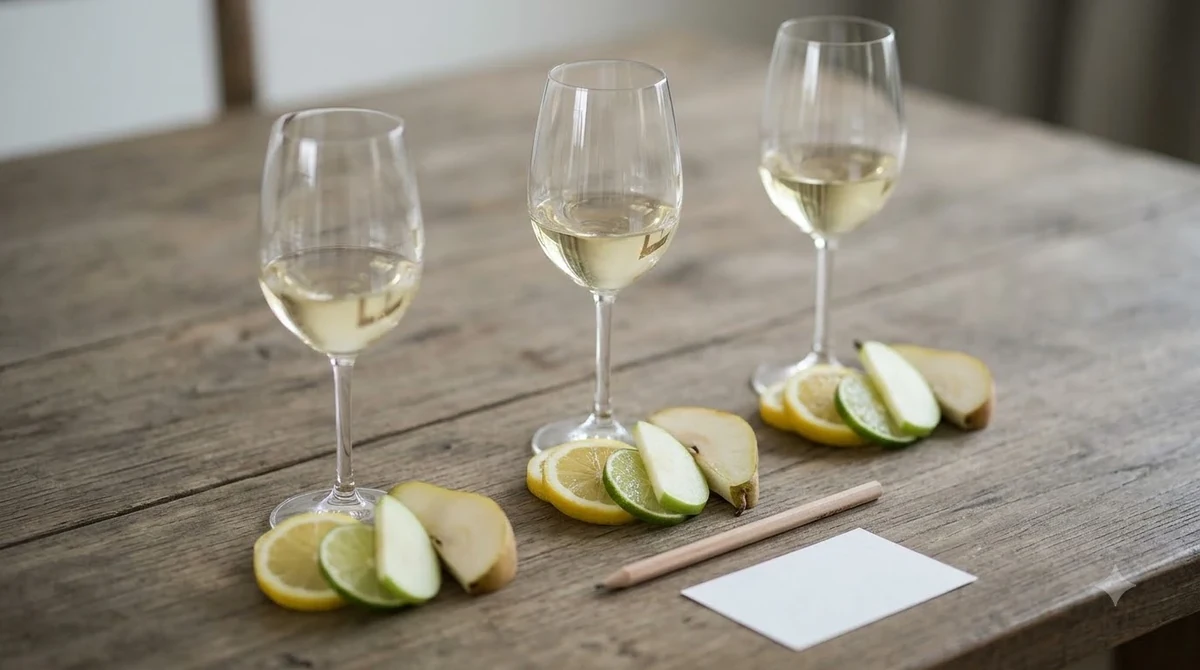
The differences are especially noticeable in the balance between fruit and dryness. Barefoot describes Brut Cuvée as its driest sparkling wine, and Brut Rosé as dry with red-fruit aromas. Extra Dry is a fruit-forward sparkling blend, while Pink Moscato emphasizes candied cherry and ripe raspberry. The brand’s official Brut Cuvée description provides further detail on its flavor profile and bottle formats.
Brut Cuvée: Best for a Drier Preference
Brut Cuvée is the most logical place to start for someone who wants sparkling wine without pronounced sweetness. Barefoot describes it as the driest sparkling wine in its portfolio, with sliced apple, juicy peach, and zesty kiwi notes followed by a hint of toast. This combination gives it a fruit-forward profile without positioning it as a sweet, dessert-focused option.
Its versatility is another advantage. Brut Cuvée can work with brunch foods, salty snacks, cheeseburgers, and lightly fried appetizers. Salt and fat in food can soften the perception of acidity and make a dry sparkling wine feel more approachable alongside a meal. It is also an option for guests who do not enjoy sweeter Moscato-style wines but still want a friendly, uncomplicated bottle for a toast.
Brut Rosé: Best for Red-Berry Character
Brut Rosé combines a dry sparkling style with a pink appearance and red-fruit aromas. Barefoot identifies raspberry, cherry, and pomegranate among its central flavor and aroma notes, with a creamy mouthfeel. It is a useful alternative when you want something more fruit-focused in aroma without moving into a noticeably sweeter category.
Pair it with fried chicken, mild cheeses, salty appetizers, or a spread featuring roasted vegetables. Its berry character can complement savory foods, while its bubbles help refresh the palate between bites. It also offers a visually distinctive choice for birthdays and informal celebrations without requiring a sweet wine to create a festive presentation.
Extra Dry: Best for a Soft, Fruity Style
Barefoot Bubbly Extra Dry is a California sparkling blend with fruit-driven aromas and a relatively soft texture. Independent descriptions mention apple, peach, poached pear, and elderflower, together with fresh carbonation. Wine Enthusiast describes the reviewed example as somewhat sweet, so shoppers who want a particularly dry wine should compare it with Brut Cuvée before making a decision.
Extra Dry is suitable for sipping on its own, serving with appetizers, or using in a simple sparkling cocktail. The peach and pear notes can work with chicken dishes, fruit, and lighter salads. Tastings also identifies it as a possible Bellini base, which makes it worth considering for a casual brunch where sparkling wine is part of the menu rather than simply a standalone toast.
Pink Moscato: Best for Sweet, Fruity Drinking
Pink Moscato is the option to consider when sweetness and red-fruit character are priorities. Barefoot describes candied cherry and ripe raspberry accents, fine bubbles, and a creamy finish. Compared with Brut Cuvée and Brut Rosé, it is better suited to guests who enjoy a sweeter style and want the fruit to play a more prominent role.
It can work with fresh strawberries, fruit-based desserts, sweet pastries, and other foods that have enough sweetness to complement the wine. It can also be served as a lighter celebratory drink for guests who find dry sparkling wines too sharp. Avoid assuming that its pink color alone indicates sweetness, though: Brut Rosé is also pink but is explicitly described by Barefoot as dry. The style name is the more useful buying clue.
Common Mistakes to Avoid
The most frequent mistakes are confusing Extra Dry with Brut, choosing by color instead of sweetness, and assuming that every bottle has the same alcohol level. A little attention to those differences makes it easier to match the wine to the occasion and avoid disappointing guests.
The first mistake is treating Extra Dry as the driest available style. In the usual sparkling-wine sweetness hierarchy, Brut is drier than Extra Dry, even though the everyday meaning of the words may suggest the reverse. Barefoot itself identifies Brut Cuvée as its driest sparkling wine. Someone who wants a crisp, less-sweet option should therefore begin with Brut Cuvée rather than relying on the Extra Dry name as a guarantee of dryness.
The second mistake is assuming that pink wine must be sweet. Barefoot Brut Rosé is a dry sparkling wine with raspberry, cherry, and pomegranate aromas. Pink Moscato, by comparison, has a sweeter, fruit-focused profile. Both can look festive in the glass, but they suit different preferences. A shopper who likes dry sparkling wine should not automatically select Pink Moscato just because the fruit flavors sound appealing.
Another mistake is generalizing the Extra Dry alcohol figure to the whole range. The published 10.5% ABV figure applies to the reviewed NV Extra Dry bottling, not necessarily every product in the Bubbly portfolio. Alcohol level can differ by style and bottling, so it is more accurate to compare the named wine than to assume one figure covers everything sold under the brand.
Serving temperature can also change the experience. Sparkling wine served too warm can seem less refreshing, and its aromas may become more pronounced than intended. On the other hand, serving a bottle excessively cold can mute delicate aromas and make fruit flavors harder to appreciate. Aim for 40–50°F instead of leaving the bottle on a warm table for an extended period.
Finally, do not pair every style with the same food. A sweeter wine can taste cloying beside an already sugary dessert, while dry sparkling wine may seem more balanced with salty or rich appetizers. Match sweetness thoughtfully: the wine should generally be at least as sweet as the dessert it accompanies. For spicy dishes, also consider that alcohol can amplify the perception of chili heat, so a moderately spicy dish is often a more comfortable match than an intensely hot one.
Care and Storage Tips
Good storage and careful serving help preserve the freshness and carbonation that make sparkling wine enjoyable. Keep unopened bottles away from heat and strong light, chill them to 40–50°F before serving, and plan to finish an opened sparkling bottle within approximately one to three days.
For unopened bottles, a cool, stable storage location is preferable to a kitchen shelf exposed to temperature swings. A storage temperature near 55°F is a useful general target for wine, provided it remains consistent and the bottle is protected from direct sunlight. For longer storage, keep traditional cork-closed bottles on their sides so the cork does not dry out. Avoid placing sparkling wine beside ovens, sunny windows, radiators, or other warm locations, as repeated temperature changes can affect freshness.
Chilling should be deliberate rather than rushed. The refrigerator is a convenient choice when there is enough time before serving. The aim is to bring the wine into the 40–50°F sparkling-wine serving range, which helps maintain a refreshing impression and lively bubbles. Avoid freezing the bottle to speed up the process. Frozen wine can expand, potentially pushing out the cork or damaging the bottle, and an extremely cold serving temperature can flatten the wine’s aromas.
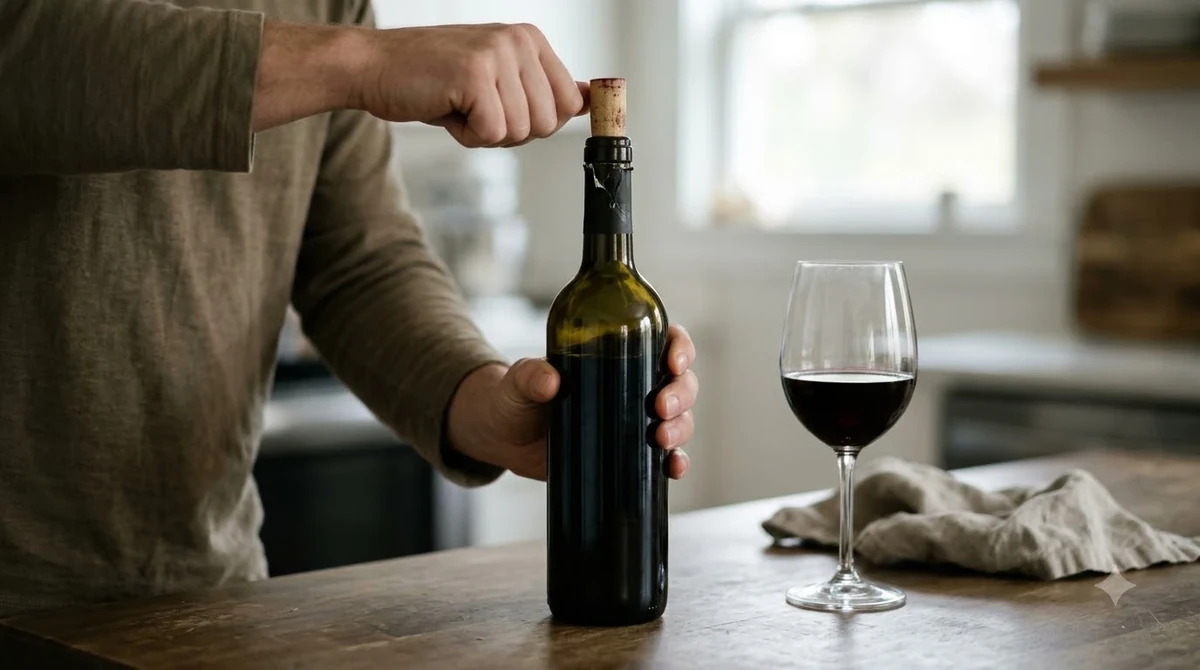
When opening the bottle, remove the foil and loosen the wire cage while keeping a hand over the cork. Point the bottle away from people and breakable objects, then twist the bottle slowly while holding the cork steady. The goal is a controlled release rather than a loud pop. This approach reduces the chance of losing wine through an uncontrolled cork release and makes it easier to preserve the remaining carbonation.
After pouring, close any remaining wine with a stopper designed for sparkling bottles and return it to the refrigerator promptly. Ordinary wine stoppers may not seal tightly enough to retain carbonation. An opened bottle generally keeps its best sparkling character for around one to three days when refrigerated and properly sealed, although the bubbles gradually diminish. If you expect to serve several small pours over a longer period, individual 187 mL bottles can be a practical alternative to repeatedly opening and resealing a standard bottle.
Glass choice and pouring technique also matter. Use a clean flute or sparkling-wine glass, and pour gently down the side of the glass to limit excessive foam. A traditional 5-ounce pour provides enough room to enjoy the aromas while leaving space for bubbles. Avoid filling glasses to the rim or pouring a large amount all at once, especially when serving a group. Smaller pours allow guests to enjoy the wine while it is still cold and lively.
Frequently Asked Questions
These answers clarify a few details beyond the basic buying decision, including the difference between California sparkling wine and Champagne, the meaning of NV, and how smaller bottles compare with standard servings.
Is Barefoot Bubbly Champagne?
No. Barefoot Bubbly is marketed as sparkling wine, and the reviewed Extra Dry bottling is identified as a California sparkling blend. Champagne is a protected regional designation for sparkling wine produced in France’s Champagne region, rather than a general word for every wine with bubbles.
What does NV mean on a Barefoot Bubbly tasting review?
NV means non-vintage, which indicates that the wine is not presented as a release from one specific harvest year. A tasting review can still have its own assessment date, but that date is not the wine’s vintage. This distinction is common in sparkling wine, where consistency of style can be more important than displaying a single harvest year.
How much wine is in a 187 mL mini bottle?
A 187 mL bottle contains approximately 6.3 US fluid ounces. That is a little more than one traditional 5-ounce wine serving, making it suitable for an individual occasion rather than two full glasses. It can also be convenient when guests want to try a style without opening a full-size bottle.
Should sparkling wine be decanted before serving?
Generally, no. Young sparkling wine is normally poured directly from the bottle because transferring it into a decanter can release carbonation that contributes to its texture. Open the bottle shortly before serving and pour gently to retain as much of its lively character as possible.
Does a metal spoon keep sparkling wine fizzy after opening?
No reliable preservation benefit comes from placing a metal spoon in the neck of an opened sparkling-wine bottle. A purpose-made sparkling-wine stopper provides a better seal and helps retain pressure. Refrigeration also slows the loss of carbonation, although no stopper can keep an opened bottle indefinitely as fresh as a newly opened one.
Barefoot Bubbly is a good choice when the priority is an accessible, fruit-forward sparkling wine for casual occasions rather than a complex bottle for formal tasting. Brut Cuvée is the strongest starting point for dry-wine drinkers, Brut Rosé offers a dry red-fruit alternative, and Pink Moscato suits sweeter preferences. Compare the style, serving size, and occasion, then serve the bottle well chilled for the most enjoyable experience.
More in Wine Brands
 Marchesi Di Barolo Wine Review: Find The Right Piedmont BottleUpdated Nov 21, 2026
 Marqués de Riscal Wine Price: Compare Bottles and Find the Right RiojaUpdated Nov 21, 2026
 Mateus Rose Price: What to Expect for a 750 ml BottleUpdated Nov 21, 2026
 Kim Crawford Rose Price: Find a Fair 750 ml Bottle RangeUpdated Nov 21, 2026
 Marchesi Antinori Wine Price: Compare Bottles by Style and TierUpdated Nov 21, 2026
 Marques De Riscal Wine Review: How to Choose the Right Spanish BottleUpdated Nov 21, 2026