

We may earn a commission when you buy through links on this page, at no extra cost to you. Learn more.
Giesen wine review: Giesen is a strong choice for drinkers seeking fresh New Zealand Sauvignon Blanc, approachable classic wines, premium single-vineyard selections, or alcohol-removed alternatives. The winery’s Marlborough roots give its traditional wines an emphasis on freshness, aromatic fruit, and balanced acidity. Its range extends well beyond Sauvignon Blanc, with Chardonnay, Pinot Gris, Riesling, Merlot, Pinot Noir, Syrah, lighter-alcohol wines, and 0% options. The best bottle depends on whether you want a crisp everyday white, a more structured premium wine, or a wine without alcohol.
Giesen has developed a recognizable identity around Marlborough winemaking while expanding into different styles and drinking occasions. That breadth can make choosing a bottle confusing, particularly because the Estate, Clayvin, Uncharted, Pure Light, and 0% collections serve different purposes. This guide explains the differences, what to expect from the major grape varieties, how to select a suitable bottle, and which foods and serving conditions bring out the best in each style.
Who This Is For
Giesen is worth considering if you enjoy aromatic New Zealand whites, fruit-forward wines, or a producer with several levels of traditional and alcohol-removed options. Its range accommodates casual weekday drinking as well as occasions when a more distinctive vineyard expression is appropriate.
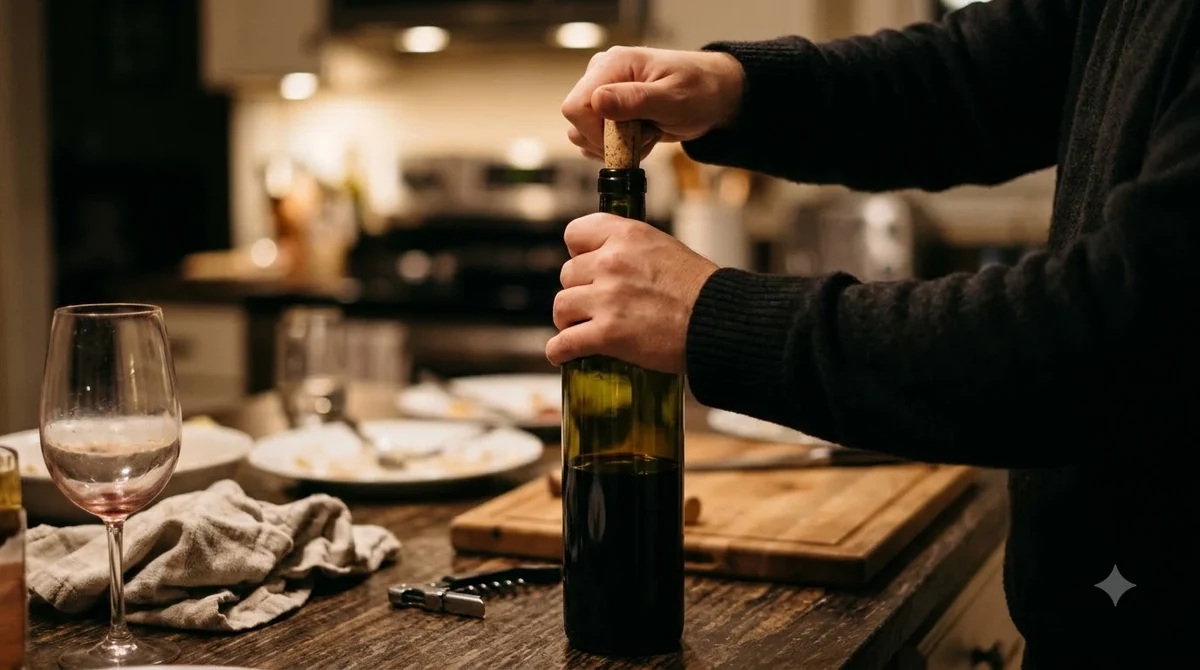
For Sauvignon Blanc drinkers, Giesen is an especially natural starting point. Marlborough is widely associated with intensely aromatic Sauvignon Blanc, and the winery has made this grape part of its identity since its early vintages. Wine Enthusiast’s review of the 2024 Giesen Sauvignon Blanc identifies citrus, stone fruit, floral notes, and crisp acidity. The publication gives that particular vintage an 88-point rating, describing it as a bright, fruity, fragrant wine. These observations offer independent support for the style’s appeal, although individual vintages can differ. Read the Wine Enthusiast review of Giesen 2024 Sauvignon Blanc for its vintage-specific tasting assessment.
Giesen also suits people who prefer a broader selection than a single-variety specialist can provide. The Estate collection includes Chardonnay, Pinot Gris, Riesling, Blush Riesling, and Merlot alongside Sauvignon Blanc. Drinkers who enjoy lighter reds can explore Merlot, while those who prefer more structured expressions can look toward the Clayvin Pinot Noir and Syrah offerings.
There are also options for people who want to reduce their alcohol intake without giving up the familiar wine-drinking format. The Pure Light collection and the separate 0% range address different preferences. A lighter-alcohol wine is not automatically alcohol-free, and a 0% product should not be expected to reproduce every feature of conventional wine.
Giesen may be less suitable for someone seeking only powerful, heavily extracted reds or wines with pronounced oak and high alcohol. Its Marlborough identity is particularly evident in its fresh white-wine portfolio. Premium reds are available, but the producer’s selection is not limited to big, full-bodied styles.
Readers comparing producers can also explore our broader Wine Brands resource to understand how regional identity, grape selection, and winery style influence purchasing decisions.
Key Factors to Compare
The most useful way to evaluate Giesen is to compare grape variety, collection, alcohol level, and intended drinking occasion. These four factors help distinguish an everyday Estate Sauvignon Blanc from a Clayvin single-vineyard wine or an alcohol-removed alternative.
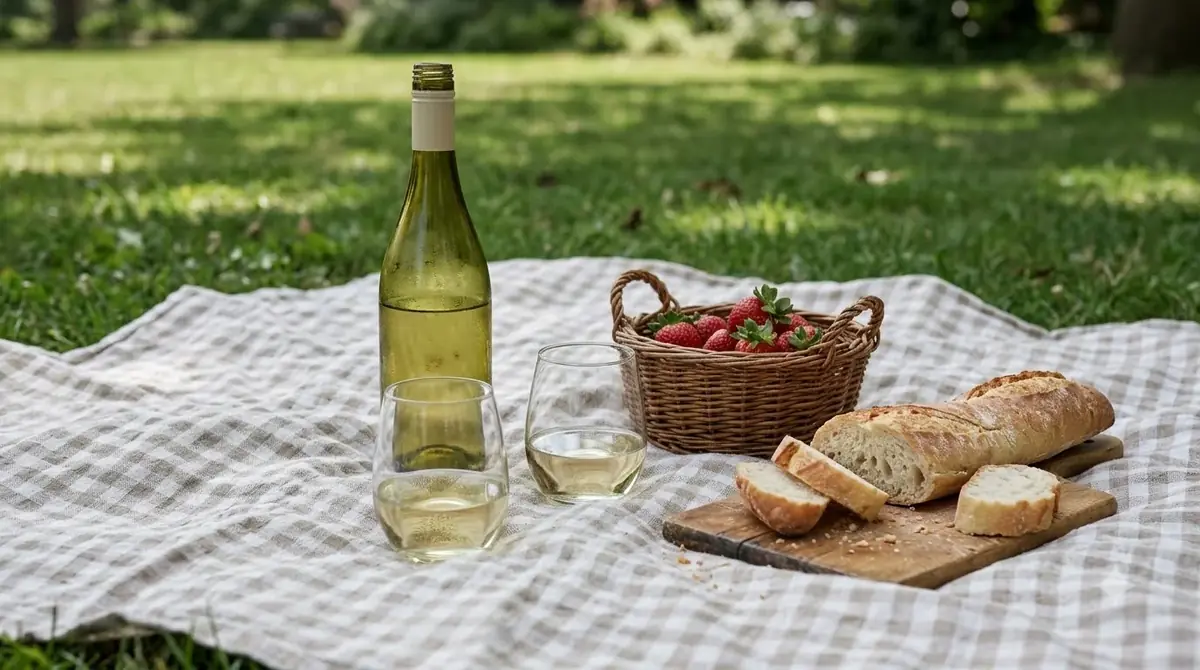
The first consideration is the grape. Sauvignon Blanc is the obvious starting point for someone who likes sharp citrus, tropical fruit, and lively acidity. Chardonnay offers a different experience, with a broader palate and generally softer acidity. Pinot Gris and Riesling provide additional aromatic white-wine choices, while Merlot is the straightforward starting point for someone looking for a red.
The second consideration is the collection. Estate wines are designed around familiar varietal expressions, whereas Clayvin wines focus on a specific vineyard. Uncharted takes a more experimental approach. Pure Light is intended for people seeking lighter-alcohol options, and the 0% collection targets those looking for alcohol-removed wines.
Use the following comparison to narrow down your choices. The categories describe Giesen’s published portfolio rather than a claim that every bottle has the same production method, flavor profile, or alcohol content.
| Collection or Style | Examples | Main Buying Consideration | Best Starting Point |
|---|---|---|---|
| Estate | 6 core varieties | Familiar varietal styles | Everyday drinking |
| Clayvin | Chardonnay, Pinot Noir, Syrah | Single-vineyard character | More distinctive wines |
| Uncharted | Sauvignon Blanc, Chardonnay, Pinot Noir | Experimental techniques | Exploring unusual expressions |
| Pure Light | Sauvignon Blanc, Pinot Gris, Merlot | Lighter-alcohol positioning | Lower-alcohol preferences |
| 0% Wines | 7 principal wine styles | Alcohol-removed alternatives | Alcohol-free occasions |
These categories are more useful than assuming every wine from one producer tastes alike. A Sauvignon Blanc and a Merlot have fundamentally different structures, while an Estate Chardonnay and a Clayvin Chardonnay may offer different levels of concentration and vineyard expression. Comparing wines within the same grape variety is generally more informative than comparing unrelated bottles.
Alcohol content is another important distinction. Wine Enthusiast lists the reviewed 2024 Giesen Sauvignon Blanc at 13% ABV in a 750 ml bottle. That figure applies to the particular reviewed wine, not automatically to every Giesen white, red, or vintage. Pure Light and 0% products belong to different categories, so their individual alcohol specifications should be considered separately.
For a more focused look at the producer’s main traditional offerings, the Giesen wine overview can help readers narrow their selection before comparing individual grape varieties.
Step-by-Step: How to Choose a Giesen Wine
Choosing a suitable bottle becomes easier when you start with your preferred flavor profile and work toward the collection and occasion. The following six steps provide a practical buying process without assuming that one Giesen wine suits every drinker.
-
Decide between white, red, and alcohol-removed wine. Start with the broadest preference. If you enjoy refreshing wines with citrus and herbal aromas, look at Sauvignon Blanc. If you want a red, consider Merlot, Pinot Noir, or Syrah. If you want to avoid alcohol, begin with the 0% collection instead of assuming a lighter-alcohol wine is equivalent.
-
Choose the grape variety. Sauvignon Blanc is a good choice for drinkers who enjoy high acidity and aromatic intensity. Chardonnay generally offers a broader texture and medium acidity. Riesling can be particularly attractive to people who like expressive aromas and lively freshness. Pinot Gris is another approachable white, while Merlot is a useful starting point for red-wine drinkers who prefer softer tannins.
-
Select the appropriate collection. Estate is the logical place to begin with familiar varietal wines. Clayvin is more appropriate if you want a specific vineyard identity. Uncharted is designed for people interested in alternative winemaking expressions. Pure Light and 0% serve different alcohol preferences and should be assessed separately.
-
Think about the occasion. An Estate Sauvignon Blanc can suit a casual dinner, seafood meal, or warm-weather gathering. A Clayvin Chardonnay may be more appropriate for a meal where a richer white wine is desired. A 0% Sparkling bottle or 0% Rosé can be considered for occasions where a celebratory wine format is useful without conventional alcohol.
-
Match the wine with food. High-acid Sauvignon Blanc works particularly well with fresh seafood, goat cheese, and salads dressed with lemon. Chardonnay can accompany roast chicken and creamy dishes. Merlot’s softer tannins make it easier to pair with hamburgers, roasted vegetables, and moderately rich meat dishes. Avoid pairing highly tannic reds with delicate oily fish.
-
Compare the actual bottle information. Look at the vintage, grape variety, alcohol percentage, bottle format, and collection before purchasing. This matters particularly when comparing standard wines with Pure Light and 0% products. A familiar brand name does not mean every product has the same specifications or flavor profile.
A useful first purchase for a Sauvignon Blanc enthusiast is the standard Estate expression. It provides a clear introduction to the winery’s Marlborough identity without requiring the additional comparison involved in selecting a premium single-vineyard release. From there, it becomes easier to decide whether a different grape, a more distinctive vineyard wine, or an alternative alcohol category better suits your preferences.
Tip: If you are unfamiliar with Giesen, compare two wines made from the same grape before moving between collections. For example, comparing Estate Sauvignon Blanc with a premium Sauvignon Blanc expression makes it easier to recognize differences in concentration and winemaking style than comparing Sauvignon Blanc directly with Merlot.
Types or Styles Explained
Giesen’s range covers several distinct wine styles, with the strongest connection to Marlborough appearing in its aromatic whites. Understanding the characteristics of each grape and collection is the best way to identify a bottle that matches your palate.
Estate Sauvignon Blanc
Sauvignon Blanc is the signature style most closely associated with Giesen. Marlborough’s sunny days and cool nights help grapes develop aromatic intensity while retaining natural acidity. Typical flavor expectations for Marlborough Sauvignon Blanc include lime, grapefruit, passion fruit, green herbs, and other fresh citrus or tropical notes.
Wine Enthusiast’s review of Giesen’s 2024 Sauvignon Blanc describes citrus, stone fruit, and floral characteristics, alongside crisp acidity. The publication lists that particular wine at 13% ABV and in a 750 ml format. Its review provides a useful independent reference, but a different vintage may show a different balance of fruit and acidity.
For people who enjoy dry, refreshing white wine, this is arguably the most straightforward Giesen style to investigate first. It pairs naturally with grilled prawns, oysters, white fish, goat cheese, and green salads. Serve it at approximately 45–50°F to preserve its freshness and aromatic definition.
Chardonnay
Giesen’s classic portfolio includes Estate Chardonnay and the more distinctive Clayvin Chardonnay. Chardonnay is a useful alternative for someone who enjoys white wine but wants a broader texture than the sharper, more aromatic profile typically associated with Sauvignon Blanc.
Chardonnay generally has medium acidity, making it suitable for roast chicken, grilled salmon, creamy pasta, and dishes with butter-based sauces. The precise balance between citrus, stone fruit, texture, and oak influence depends on the individual wine and its production choices.
Clayvin Chardonnay deserves particular attention from people interested in vineyard-specific wines. Giesen describes Clayvin as a premium single-vineyard expression from its Southern Valleys site, where clay soils and older vines contribute to concentrated fruit. It is a more specialized choice than the familiar Estate category.
Pinot Gris and Riesling
Pinot Gris and Riesling offer additional white-wine choices for drinkers who enjoy aromatic wines. Giesen lists both among its Estate varieties, while its broader portfolio also includes Blush Riesling and other distinctive Riesling expressions.
Pinot Gris is a practical option for someone seeking a versatile white to serve with roasted chicken, seafood, mild cheeses, and lightly spiced dishes. Its texture and fruit character can make it feel rounder than a particularly sharp Sauvignon Blanc.
Riesling is especially interesting because the grape can produce wines across a broad sweetness spectrum. A dry Riesling can pair well with seafood and aromatic Asian dishes, while a sweeter expression can work with spicy food. Giesen’s inclusion of Estate Riesling, Blush Riesling, Gemstone Riesling, and Mosel Riesling demonstrates the variety within its broader portfolio. Do not assume all Riesling bottles have the same sweetness level.
Merlot, Pinot Noir, and Syrah
Giesen’s red-wine options include Estate Merlot and premium Clayvin Pinot Noir and Syrah. These varieties provide different levels of structure, making them suitable for different food preferences.
Merlot generally has medium tannins and a softer feel than Cabernet Sauvignon. This makes it an accessible choice for people who want a red wine that can accompany roast chicken, burgers, pasta with tomato sauce, and grilled vegetables.
Pinot Noir typically has low-to-medium tannins and high acidity. It can be particularly good with roast duck, mushroom dishes, salmon, and roast poultry. Syrah generally has medium-plus to high tannins, making it better suited to richer dishes such as grilled beef, lamb, and slow-cooked meat.
The Clayvin range gives these premium red varieties a stronger vineyard focus. Giesen identifies Clayvin as an important source of Pinot Noir and Syrah, with the site’s dense clay soils and older vines contributing to fruit with concentration and structure.
Pure Light and 0% Wines
Giesen’s lighter and alcohol-removed ranges are important parts of the brand’s current identity. Pure Light includes Sauvignon Blanc, Pinot Gris, and Merlot, while the separate 0% collection extends across several still and sparkling styles.
The distinction is straightforward: a lighter-alcohol wine is intended to offer a lower-alcohol alternative, while a 0% wine is marketed as an alcohol-removed option. These categories should not be treated as interchangeable. People who need to avoid alcohol entirely should pay particular attention to the specific product’s alcohol specification and applicable labeling rather than relying only on the collection name.
The 0% range includes Sauvignon Blanc, Pinot Grigio, Chardonnay, Riesling, Rosé, Premium Red, and Sparkling. The producer also offers spritz expressions. This provides more choice than a single alcohol-free white wine, although alcohol-removed wines naturally have a different structure from conventional wines.
Readers interested in this category can also consult our dedicated Giesen 0 wine coverage for a more focused explanation of its alcohol-removed offerings.
Common Mistakes When Buying Giesen
The biggest buying mistake is treating the Giesen name as a guarantee of one particular taste. The winery offers several grapes, vineyard selections, experimental wines, and alcohol categories, so a bottle’s collection and variety matter as much as the producer name.
Assuming Every Giesen Sauvignon Blanc Tastes Identical
Sauvignon Blanc can vary between vintages and vineyard sites. The 2023 review from Wine Enthusiast mentions lime, passion fruit, and pineapple, while its 2024 review emphasizes citrus, stone fruit, and florals. Both are descriptions of specific vintages rather than a permanent formula.
Climate conditions, harvesting decisions, vineyard location, and winemaking choices can affect the final wine. A buyer who prefers a particularly citrus-driven style should not assume that every release will have exactly the same fruit balance.
Confusing Pure Light With 0% Wines
These collections address different preferences. Pure Light is the lighter-alcohol range, whereas the 0% collection is positioned as alcohol-removed wine. If alcohol content is a decisive purchasing factor, comparing the actual product specifications is essential.
There is also a difference in sensory expectations. Conventional wine has alcohol contributing to body, texture, and the perception of warmth. Removing alcohol changes the overall balance, so a 0% Sauvignon Blanc should not be judged as though it were identical to a conventional Marlborough Sauvignon Blanc.
Choosing a Premium Wine Without Considering the Occasion
Clayvin and Uncharted are not simply alternative labels for the same everyday Estate experience. Clayvin focuses on vineyard-specific character, while Uncharted explores small-batch and alternative winemaking approaches. These distinctions matter if you are choosing a bottle for someone who prefers familiar, uncomplicated wines.
A casual lunch with seafood may call for Estate Sauvignon Blanc rather than a more specialized premium release. Conversely, a meal centered on roasted poultry or richer ingredients might justify looking beyond the most familiar Sauvignon Blanc option.
Ignoring Sweetness and Acidity
Not all white wines are equally dry, and grape variety alone does not establish sweetness. Riesling can range from dry to sweet, while Blush Riesling may offer a different flavor impression from a conventional dry Sauvignon Blanc.
Food pairing becomes less successful when sweetness is overlooked. A wine should generally be at least as sweet as the dessert served alongside it. Highly acidic foods also need a wine with equal or greater acidity, which is one reason crisp Sauvignon Blanc works so well with lemon-seasoned seafood and vinaigrette.
Expecting Every Red to Be Full-Bodied
Merlot, Pinot Noir, and Syrah are not interchangeable. Merlot usually offers softer tannins, Pinot Noir is typically more delicate and acidic, and Syrah can have more pronounced tannic structure. Selecting a red solely because it comes from the same winery can lead to a poor match with dinner.
Consider the food first. Soft Merlot works well with moderately rich meals, while a structured Syrah has more capacity to accompany heavily grilled meat. Pinot Noir can be a better choice for mushroom dishes and roast poultry where a very powerful red might overwhelm the flavors.
Care, Serving, and Storage Tips
Serving temperature has a noticeable effect on the way Giesen wines express their fruit, acidity, and structure. White wines should generally be chilled, while red wines benefit from being served cooler than many people expect.
For Giesen Sauvignon Blanc, Pinot Gris, and Riesling, a serving temperature around 45–50°F is a useful starting point. This range preserves freshness while allowing aromatic fruit to remain noticeable. If a white wine becomes too cold, its aromas and flavors can seem muted.
Chardonnay is generally best served slightly warmer, around 50–55°F, especially if it has a fuller texture. This temperature gives the wine more room to express its palate and structure without becoming warm or heavy.
For red wines, aim for approximately 55–60°F for lighter Pinot Noir and 60–65°F for fuller-bodied Syrah or other more structured reds. Serving red wine at a typical warm room temperature can make the alcohol seem more prominent and reduce the impression of freshness.
Use the following guidelines when preparing a bottle:
- White wine: Chill Sauvignon Blanc, Pinot Gris, and Riesling to approximately 45–50°F.
- Fuller white wine: Serve Chardonnay around 50–55°F.
- Light red wine: Serve Pinot Noir around 55–60°F.
- Fuller red wine: Serve Syrah around 60–65°F.
- Sweet white wine: Serve sweeter Riesling styles around 43–50°F, depending on their structure.
A standard 750 ml bottle provides approximately five 5 oz servings. This is a useful planning reference for a dinner involving four or five guests, although actual pours may vary depending on the glassware and occasion.
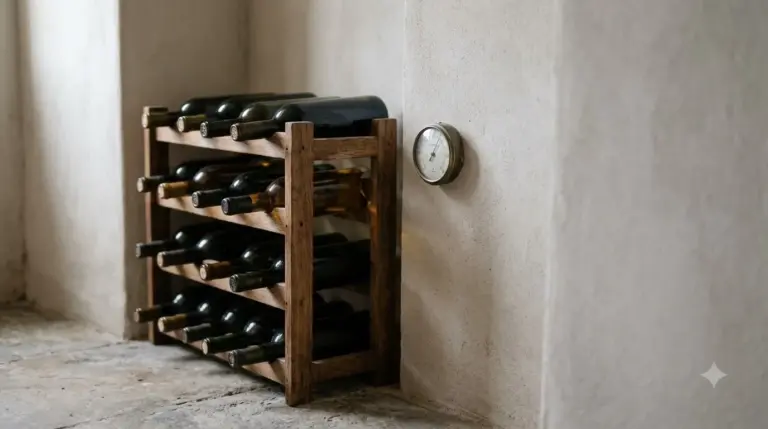
Storage also matters. Keep unopened bottles away from direct sunlight, heat, and major temperature fluctuations. For bottles intended for longer storage, a cool environment near 55°F is a useful target. Bottles with traditional cork closures should generally be stored on their sides to keep the cork from drying out.
Once opened, refrigerate still wines and aim to drink them within approximately three to five days. Sparkling wines generally retain their best qualities for around one to three days when properly sealed and refrigerated. These are practical guidelines rather than guarantees, because freshness depends on the wine, storage conditions, and how much oxygen has entered the bottle.
For a young, full-bodied red that benefits from aeration, decanting for approximately 30–60 minutes can help soften its initial impression and open its aromas. This step is less necessary for a delicate, aromatic Sauvignon Blanc, which is generally better served fresh and chilled.
Frequently Asked Questions
Is Giesen a New Zealand wine brand?
Yes. Giesen is a New Zealand winery founded by brothers Alex, Theo, and Marcel. Its history began with vineyard planting in Canterbury before its Marlborough winemaking operations became central to the brand. The producer is particularly associated with Marlborough Sauvignon Blanc.
Is Giesen Sauvignon Blanc vegan?
Vegan suitability can depend on the individual wine and its production process, particularly the fining materials used during winemaking. A grape variety or a producer’s regional identity does not establish vegan certification. Look for an explicit vegan statement for the particular bottle or confirmation from the winery before purchasing.
Does Giesen produce organic wine?
Yes. Giesen lists Organic Sauvignon Blanc in its classic portfolio and identifies Clayvin as a certified organic vineyard in Marlborough’s Southern Valleys. However, an organic vineyard designation should not automatically be applied to every wine produced by the winery. Check the specific product’s organic certification and labeling.
What is the difference between Giesen Sauvignon Blanc and Pinot Gris?
Sauvignon Blanc is generally more sharply aromatic, with citrus, herbal, and tropical fruit characteristics supported by high acidity. Pinot Gris often offers a rounder fruit impression and a broader palate. Sauvignon Blanc is especially suitable for goat cheese and lemon-seasoned seafood, while Pinot Gris can work with roast chicken and mildly spiced dishes.
Can Giesen wine be used for cooking?
Yes. A conventional dry Giesen Sauvignon Blanc or Chardonnay can be used in seafood sauces, risotto, and dishes requiring white wine. Merlot or Syrah can be used in red-wine reductions and slow-cooked meat dishes. Choose a wine whose flavor profile complements the ingredients rather than using a sweeter or more aromatic wine in a recipe designed for a dry style.
Giesen offers a broad selection for people who appreciate New Zealand wine, from recognizable Marlborough Sauvignon Blanc to premium Clayvin wines and alcohol-removed alternatives. For a first purchase, Estate Sauvignon Blanc is a logical introduction, while Chardonnay, Riesling, Merlot, and the 0% collection provide useful alternatives for different preferences. Choose according to grape variety, collection, alcohol level, and food pairing, and the Giesen range becomes much easier to explore.
More in Wine Brands
 Gaja Barbaresco Price: Compare Vintages Before You BuyUpdated Nov 21, 2026
 Goats Do Roam Wine Review: Find Your Ideal South African BottleUpdated Nov 21, 2026
 Goats Do Roam Wine Price: Find the Right Bottle for Your BudgetUpdated Nov 21, 2026
 Gnarly Head Wine Price: What to Expect Across the RangeUpdated Nov 21, 2026
 Gerard Bertrand Wine Price: Compare Bottles and Find Your Best FitUpdated Nov 21, 2026
 Gazela Vinho Verde Price: What to Pay for a Refreshing Portuguese WhiteUpdated Nov 21, 2026