

We may earn a commission when you buy through links on this page, at no extra cost to you. Learn more.
The franzia white zinfandel price typically ranges from about $17 to $22 for a 5-liter box in the United States, while a 3-liter box generally costs about $12 to $16. The exact amount depends on the retailer, state, local alcohol taxes, and availability. The 5-liter format offers approximately 34 five-ounce servings, making it a practical choice for gatherings and households that enjoy fruity, semi-sweet blush wine. Comparing the cost per serving rather than the shelf price alone helps identify the better value.
Franzia White Zinfandel occupies a familiar place in the American boxed-wine market: it is approachable, lightly sweet, easy to serve chilled, and packaged in quantities that suit casual entertaining. Its pricing is particularly interesting because the larger box can provide substantially more wine without requiring repeated purchases of smaller containers. However, the cheapest package is not automatically the right choice for every household. Understanding the available sizes, expected servings, flavor profile, and storage life makes it easier to decide whether a 5-liter or 3-liter purchase makes sense.
Who This Franzia White Zinfandel Price Guide Is For
This guide is useful for shoppers comparing boxed rosé-style wines, planning a party, or deciding whether Franzia offers enough value for regular casual drinking. The most important consideration is how much wine you expect to serve rather than simply choosing the package with the lowest shelf price.
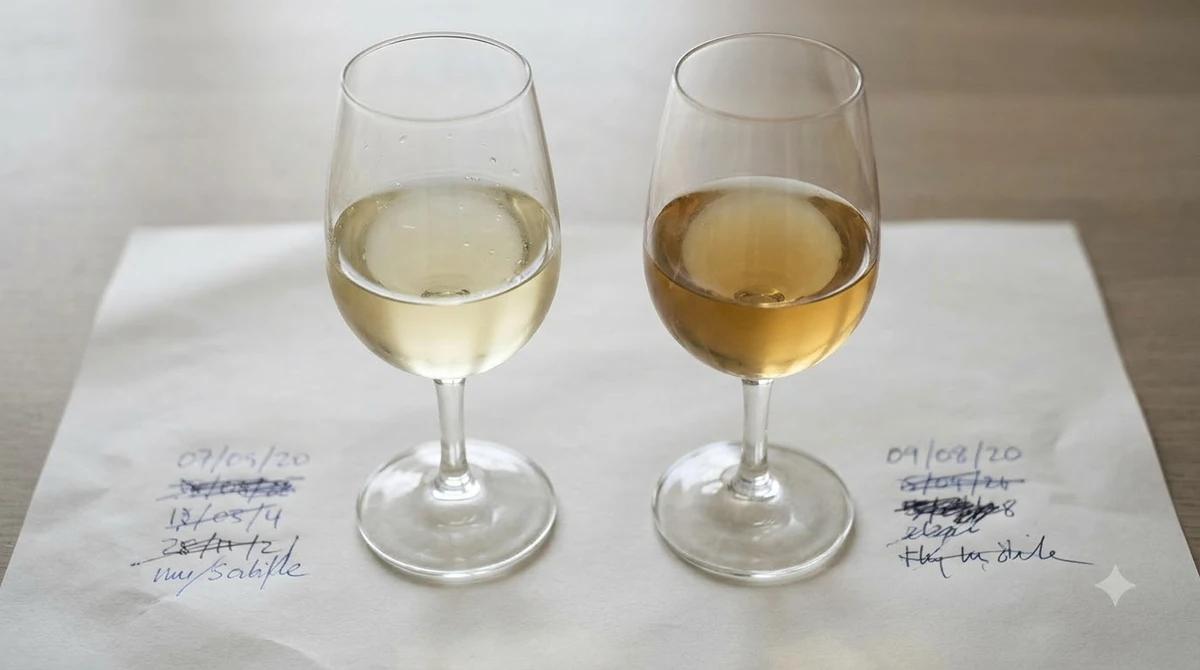
Franzia White Zinfandel is a light-bodied, semi-sweet blush wine. The producer describes its flavor through floral aromas, cranberry, and red-fruit notes, followed by a clean, refreshing finish. Retailer descriptions also mention delicate strawberry aromas. These characteristics make it a recognizable option for people who prefer fruit-forward pink wines over dry, strongly acidic whites or structured red wines.
For a household that regularly serves wine at weekend gatherings, the 5-liter format is particularly relevant. According to Franzia, this package supplies 34 five-ounce servings. That quantity is considerably more convenient for a larger group than purchasing several individual bottles, especially when guests may want another glass during a meal or outdoor gathering.
Occasional wine drinkers may have different priorities. Someone who wants only a few glasses for a weekend meal might prefer a smaller package because the initial purchase requires less commitment. The 1.5-liter format is listed by Franzia and provides approximately 10 standard servings. A 3-liter format also appears in retail listings, providing an intermediate option for households that want more than a small container but do not need the largest box.
The wine’s semi-sweet character is another important consideration. People who enjoy fruity rosé, strawberry aromas, and a softer finish may find it more appealing than a very dry Sauvignon Blanc or an austere Pinot Grigio. Shoppers who prefer crisp, bone-dry wines should compare the sweetness descriptions carefully before choosing.
This guide also helps shoppers who are comparing Franzia with other familiar supermarket wine brands. The Franzia White Zinfandel product profile provides additional information about the wine itself, while the broader Wine Brands resource can help readers explore other accessible producers and styles.
Key Factors to Compare When Shopping
The most useful comparison involves package size, cost per serving, retailer pricing, and the quantity of wine that can realistically be consumed while it remains fresh. Looking at these four factors together gives a clearer picture of value than comparing two shelf prices without considering their different volumes.
| Comparison factor | 5-liter box | 3-liter box | 1.5-liter format |
|---|---|---|---|
| Wine volume | 5,000 ml | 3,000 ml | 1,500 ml |
| Equivalent 750 ml bottles | About 6.7 | 4 | 2 |
| Five-ounce servings | About 34 | About 20 | About 10 |
| Typical retail range | $17–$22 | $12–$16 | Varies by retailer |
| Best use | Parties and frequent serving | Small gatherings | Occasional drinking |
The package quantities in this table follow the producer’s serving information and standard volume conversions. The retail ranges for the 5-liter and 3-liter formats are based on VinoAlert’s tracked US retailer listings; actual prices vary by state and retailer. Shipping, sales tax, and local alcohol regulations can change the final amount paid.
For the 5-liter package, VinoAlert reported a typical tracked retail price of approximately $19.99, with listed offers around $17.99 to $21.99. The 3-liter listings generally ranged from approximately $12.09 to $15.99 on the same comparison service. These figures are useful shopping benchmarks rather than guaranteed prices at every store.
At the typical 5-liter price of approximately $19.99, the wine works out to roughly 59 cents per five-ounce serving before applicable taxes and shipping. This calculation uses the producer’s stated 34-serving quantity. It illustrates why a larger box can be economical for regular entertaining even when its initial shelf price looks noticeably higher than a smaller format.
According to Target’s product listing, the 5-liter box is equivalent to approximately six standard 750-milliliter bottles. That is an important distinction because shoppers sometimes compare a box with a single glass bottle without accounting for the volume difference. A package containing more than six standard bottles naturally requires a different purchasing budget.
Another useful comparison is cost per liter. A 5-liter box priced around $20 works out to approximately $4 per liter. A 3-liter box priced around $14 works out to approximately $4.67 per liter. These are illustrative calculations based on the cited retail benchmarks, not fixed market prices.
How to interpret retail price differences
Retailers do not necessarily charge the same amount for identical packaging. Local distribution arrangements, state alcohol taxes, shipping restrictions, and store-level pricing decisions can all affect the shelf price. A retailer in one state may list the 5-liter box below the price charged by another retailer in a different state.
VinoAlert’s comparison listings are particularly useful because they show multiple retailers and package formats together. Its displayed retail prices are generally before shipping and tax, so shoppers should calculate the complete purchase cost rather than treating the listed amount as a guaranteed checkout total. The Franzia White Zinfandel retail price comparison provides a useful starting point for checking current listings.
Step-by-Step: How to Find the Right Box and Price
A sensible buying process starts with the amount of wine required, then moves to package comparisons and retailer checks. Following a few simple steps helps avoid paying more per serving than necessary or purchasing substantially more wine than the household can use.
-
Estimate the number of guests.
Begin with the expected number of people and the approximate number of glasses each person might receive. For example, a gathering of 10 adults with an average of two five-ounce glasses per person requires approximately 20 servings. Franzia’s 5-liter package provides about 34 servings, while the 3-liter format provides approximately 20.
-
Choose the appropriate package size.
Consider a 5-liter box for larger gatherings or frequent wine service. A 3-liter package is a reasonable middle ground for smaller groups, while the 1.5-liter format makes more sense when only a limited quantity is needed. Remember that a larger package provides better volume efficiency only if the wine will actually be consumed.
-
Compare prices at several retailers.
Check at least two or three stores before purchasing. Look for the same Franzia White Zinfandel product and the same container size. Comparing a 3-liter listing against a 5-liter listing without adjusting for volume can produce a misleading impression of which option costs less.
-
Calculate the cost per serving.
Divide the package price by its approximate number of five-ounce servings. A hypothetical $20 purchase for 34 servings works out to about 59 cents per serving. A hypothetical $14 purchase for 20 servings works out to 70 cents per serving. The larger package offers the lower serving cost in this example.
-
Check the alcohol content and sweetness.
Target lists Franzia White Zinfandel at 10.5% ABV. The producer classifies the wine as medium-sweet and light-bodied. These characteristics matter because the product should match the preferences of the people who will be drinking it, not simply the available package size.
-
Plan how the wine will be stored.
Consider whether the box will be opened immediately and whether there is enough refrigerator space. Franzia states that its WineTap boxed wine stays fresh for up to six weeks after opening. This feature can make a larger format practical for households that serve small amounts over several weeks.
-
Make the final purchase comparison.
Consider the full checkout amount, volume, servings, and expected storage period together. If two retailers offer similar prices, choose the more convenient purchasing option rather than spending excessive time chasing a very small difference.
Tip: Compare the price per five-ounce serving, not just the price printed beside the box. A 5-liter Franzia White Zinfandel package contains about 34 servings, so it should be compared with approximately 34 glasses of wine rather than with one standard 750-milliliter bottle.
For an additional product comparison, shoppers can examine Sutter Home White Zinfandel. Comparing a similarly styled blush wine can help clarify whether the priority is the convenience of boxed packaging, the taste profile, or a smaller purchase quantity.
Types and Package Styles Explained
Franzia White Zinfandel is a pink, semi-sweet wine rather than a traditional dry white wine. Its package options are designed to serve different purchasing needs, so understanding the distinction between the wine style and the container format is essential.

White Zinfandel as a wine style
White Zinfandel is generally associated with approachable, fruit-forward blush wines made from Zinfandel grapes. Despite the word white in its name, the finished wine is pink rather than clear or pale straw-colored. Its familiar character includes soft fruit aromas and a sweetness level that makes it accessible to drinkers who prefer less-dry wines.
Franzia’s version is described by the producer as medium-sweet, light-bodied, and refreshing. Cranberry, red-fruit, and subtle floral notes appear in the official description. Target’s listing also identifies delicate strawberry aromas, giving shoppers another indication of the style to expect.
These characteristics distinguish it from a more acidic Sauvignon Blanc or a structured red Zinfandel. It is not intended to deliver the firm tannins of Cabernet Sauvignon or the pronounced oak character sometimes associated with full-bodied Chardonnay. Instead, its appeal lies in a softer, fruit-oriented drinking experience.
The 5-liter WineTap box
The 5-liter format is the main package to consider when evaluating the overall value of Franzia White Zinfandel. According to the producer, it contains approximately 34 five-ounce servings. Its volume is equivalent to about 6.7 standard 750-milliliter bottles, making it a substantial quantity for one purchase.
The dispensing tap allows wine to be poured without removing a traditional cork or repeatedly opening a glass bottle. The packaging is also designed to limit the wine’s exposure to air during dispensing. Franzia promotes the WineTap format as a way to reduce packaging waste and the carbon footprint compared with conventional glass bottles.
Its main advantage is convenience. A host can place the box in an appropriate serving location and pour individual glasses as needed. This arrangement is useful for casual gatherings, backyard meals, and larger family events where convenience matters more than presenting a traditional bottle at the table.
The 3-liter box
The 3-liter format is a useful compromise for shoppers who want several bottles’ worth of wine without committing to the full 5-liter package. Four standard 750-milliliter bottles equal 3 liters, and the quantity provides approximately 20 five-ounce servings.
Retail listings tracked by VinoAlert show that this format generally falls into a lower initial purchase range than the 5-liter box. However, the price per liter may be slightly higher. That difference is not necessarily a problem if the smaller quantity better matches the household’s consumption habits.
The 1.5-liter format
The 1.5-liter package represents approximately two standard 750-milliliter bottles. Franzia’s product information identifies this size as providing about 10 five-ounce servings.
For someone who wants a smaller amount of wine, this format can reduce the amount of unused product left after a gathering. It is also useful when trying the wine before committing to a larger package. Retail availability and pricing may differ considerably by market, so the smaller format should be compared with other sizes rather than assumed to be the cheapest option per serving.
Common Mistakes When Comparing Franzia Prices
The most common shopping mistake is focusing entirely on the initial package price. A lower shelf price can still represent poorer value if the package contains substantially less wine or if a larger container would provide a much lower cost per serving.
Comparing different container sizes
A 3-liter box and a 5-liter box should never be compared using their total prices alone. The larger package contains approximately 67% more wine than the smaller one. A price difference of only a few dollars may therefore represent a meaningful improvement in cost per liter.
The same principle applies when comparing Franzia with glass-bottled White Zinfandel. A standard bottle contains 750 milliliters, whereas the largest Franzia box contains 5,000 milliliters. Six standard bottles contain 4.5 liters, still less than the volume in the 5-liter box.
Assuming every store has the same price
Alcohol retail pricing differs across the United States. State regulations, local taxes, distribution arrangements, and store pricing strategies influence what shoppers pay. A price found on a national comparison website may not be available at a nearby physical store.
Availability can also differ. Some retailers offer pickup, others offer local delivery, and certain locations restrict shipping alcoholic beverages. It is sensible to confirm that a listing is available in the shopper’s area before using it as a final purchasing benchmark.
Ignoring the sweetness preference
Price is only one part of choosing a wine. Franzia White Zinfandel is semi-sweet, so someone who strongly prefers dry rosé may not enjoy its fruit-forward profile even if the packaging appears economical.
People who like sweeter wines may appreciate its cranberry and strawberry characteristics. Those who prefer a crisp, dry finish may want to compare it with a dry rosé or Sauvignon Blanc instead. Matching the wine to the intended audience is more important than selecting the largest available box.
Buying too much wine
A 5-liter box is a substantial purchase. Although its approximately 34 servings offer an attractive cost comparison, a small household may not need that much wine. Buying a smaller format can be a more practical decision when the product is intended for occasional meals rather than regular gatherings.
The advertised freshness period also should not be interpreted as a reason to leave an opened box under unsuitable conditions. Proper storage and refrigeration remain important for maintaining the wine’s flavor and freshness.
Care and Storage Tips for Better Value
Good storage practices help protect the quality of Franzia White Zinfandel after purchase. Its boxed format is convenient, but temperature, dispensing habits, and the time between servings still influence the drinking experience.
Keep the wine chilled
White Zinfandel is generally best served chilled rather than at ordinary room temperature. A practical serving range for a light blush wine is approximately 45 to 50 degrees Fahrenheit. Chilling helps maintain a refreshing character and makes the wine particularly suitable for warm-weather meals.
A refrigerator is a convenient place to store the opened box. If the wine becomes too cold, allowing a short period at serving temperature can make its fruit aromas easier to appreciate. Avoid leaving the dispensing tap in direct sunlight or in a warm outdoor setting for extended periods.
Use the dispensing system correctly
The WineTap system is designed to dispense wine while limiting contact with outside air. Keeping the box upright and using its tap as intended helps prevent unnecessary spills and handling problems.
Make sure the tap is properly closed after each serving. Avoid moving the container unnecessarily while wine is being dispensed, and keep the dispensing area clean. These straightforward habits help preserve convenience and reduce waste.
Understand the six-week freshness claim
Franzia states that its boxed wine stays fresh for up to six weeks after opening. This is a useful feature for people who drink a glass occasionally instead of finishing a container during one gathering.
The six-week period is a producer-stated freshness claim, not a guarantee that the wine will remain identical in flavor under every storage condition. Refrigeration, clean dispensing practices, and appropriate handling remain important. Changes in aroma, taste, or appearance are reasons to assess the wine rather than relying exclusively on the printed time period.
Plan servings before opening
Planning servings can prevent unnecessary waste. A standard five-ounce pour is the useful measurement for comparing the package sizes. The 5-liter box supplies approximately 34 such servings, while the 1.5-liter format provides approximately 10.
For a gathering of eight people, planning two glasses each would require approximately 80 ounces of wine. A 5-liter package contains approximately 169 fluid ounces, leaving a considerable amount after the event. That remaining wine may be useful for later occasions, but the household should have a suitable refrigerated storage plan.
Match food and serving occasions
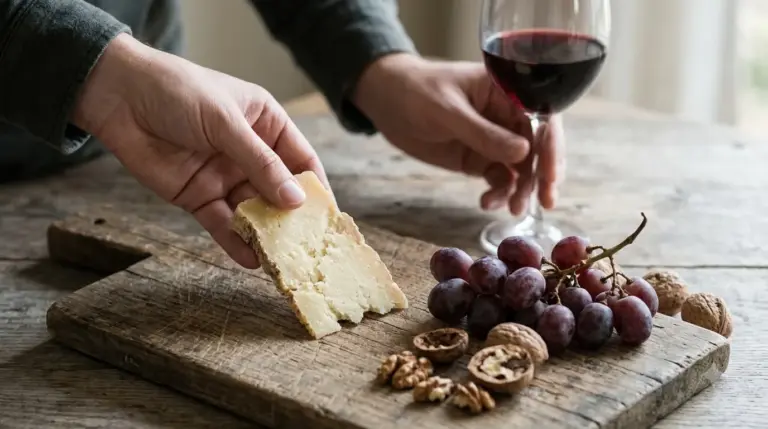
Franzia recommends its White Zinfandel with a cheese board and brunch. Retailer descriptions also mention salad and simple pasta as suitable companions. These foods work naturally with a lighter, fruit-forward blush wine.
For a cheese board, mild cheeses and fresh accompaniments can complement the wine without overwhelming its delicate fruit character. For brunch, fruit dishes, mild pastries, and lighter savory foods can provide a pleasant match.
Highly spicy meals may be less suitable because alcohol and sweetness can interact differently with chili heat. Similarly, very tannic red-wine pairings are unnecessary for this style. Keeping the food relatively light and avoiding overpowering flavors allows the wine’s refreshing character to remain central.
Frequently Asked Questions
Does Franzia White Zinfandel come in a glass bottle?
Franzia’s official product page highlights its boxed 5-liter and 1.5-liter formats. These are the principal formats to compare when shopping for this specific product. Retail availability of alternative packaging can vary, so shoppers should distinguish the exact Franzia product from similarly named White Zinfandel wines sold by other producers.
Is Franzia White Zinfandel suitable for making wine punch?
Its fruit-forward, semi-sweet profile can work as a base for casual wine punch. A simple preparation can combine chilled wine with sliced strawberries, orange pieces, and sparkling water. Because the wine already has noticeable sweetness, additional sweeteners are not necessarily needed.
How many milliliters are in a five-ounce serving?
A five-US-fluid-ounce serving contains approximately 148 milliliters. This is a useful measurement when comparing the serving quantities printed on American wine packaging with measurements used in countries that display wine volumes in milliliters. It also explains why a 5-liter package provides approximately 34 servings rather than 30.
Does Franzia White Zinfandel contain sulfites?
Target’s product listing identifies sulfites in the wine’s allergen information. Sulfites are commonly used in winemaking to help protect wine against oxidation and unwanted microbial activity. Consumers who need detailed ingredient or allergen information should consult the packaging and the producer’s current product information.
Can Franzia White Zinfandel be used in a frozen wine drink?
Yes, its fruity blush character makes it a possible base for a frozen wine cocktail. A simple preparation can combine chilled wine with frozen strawberries and ice in a blender. Because freezing changes the texture and dilutes the mixture as ice melts, serving it immediately helps maintain a more consistent flavor.
Franzia White Zinfandel offers a practical boxed-wine option for shoppers who enjoy light-bodied, semi-sweet blush wine. The 5-liter format generally provides the strongest volume value, while the 3-liter and 1.5-liter options make sense for smaller households and occasional occasions. Compare current local listings, calculate the cost per serving, and choose the package size that matches how much wine you realistically expect to enjoy.
More in Wine Brands
 Mionetto Rose Price: What to Expect for a BottleUpdated Nov 21, 2026
 Merry Edwards Wine Price: Compare Bottles and Find the Right WineUpdated Nov 21, 2026
 Ménage à Trois Moscato Price and What You Get for Your MoneyUpdated Nov 21, 2026
 Lodi Wine Price: Compare Bottles by Budget and StyleUpdated Nov 21, 2026
 Mateus Rose Review: Taste, Sweetness, and Buying TipsUpdated Nov 21, 2026
 Meiomi Cabernet Review: Flavor, Food Pairings, and Buying TipsUpdated Nov 21, 2026