

We may earn a commission when you buy through links on this page, at no extra cost to you. Learn more.
The best wine backpack is usually a padded, insulated style with a separate sleeve for each bottle. The padding keeps glass from knocking together on a walk, the lining slows warming on a sunny day, and the straps spread the weight across both shoulders. Soft sleeve bags are lighter and fold flat, while hard-shell cases protect bottles best on rough ground. The right pick depends on how many bottles you carry, how far you walk, and how long the bottles will stay out of a fridge.
Carrying wine in a backpack is a practical way to bring bottles to a picnic, a beach day, a vineyard visit, or a friend’s house without holding them by the neck for a mile. A good bag does three jobs at once: it cushions glass, keeps the load stable on your back, and stays comfortable when it is full. This guide explains the main styles, what to check in each one, and how to match a bag to the way you actually plan to use it. Brand names are left out on purpose, so you can compare features before you shop.
Quick Comparison of Wine Backpack Styles
Most wine backpacks fall into four families. Each one trades weight for protection and insulation in a different way, so start with the style and then compare the details inside it.
| Style | Typical bottle capacity | Protection | Insulation | Weight when packed |
|---|---|---|---|---|
| Padded sleeve backpack | One or two bottles | Moderate, foam sleeves | Little or none | Light |
| Insulated cooler backpack | Two to four bottles | Moderate to good | Thermal liner | Medium to heavy |
| Divided compartment pack | Two to six bottles | Good, each bottle separated | Varies by model | Medium |
| Hard-shell case backpack | One to three bottles | Best against impact | Little | Heaviest |
The table is a starting point rather than a ranking. A padded sleeve pack suits a short walk to a tasting room, while a hard-shell case makes more sense on a trail or on a trip where bottles will be bumped around. Keep the bottle count realistic too. A bag built for six bottles is heavy before you have packed anything else.
Best for Picnics and Outdoor Events
An insulated cooler backpack is the usual choice when bottles will sit in warm air for a few hours. The lining slows heat transfer, and many versions have a zip closure that holds in the cool air from a small ice pack.
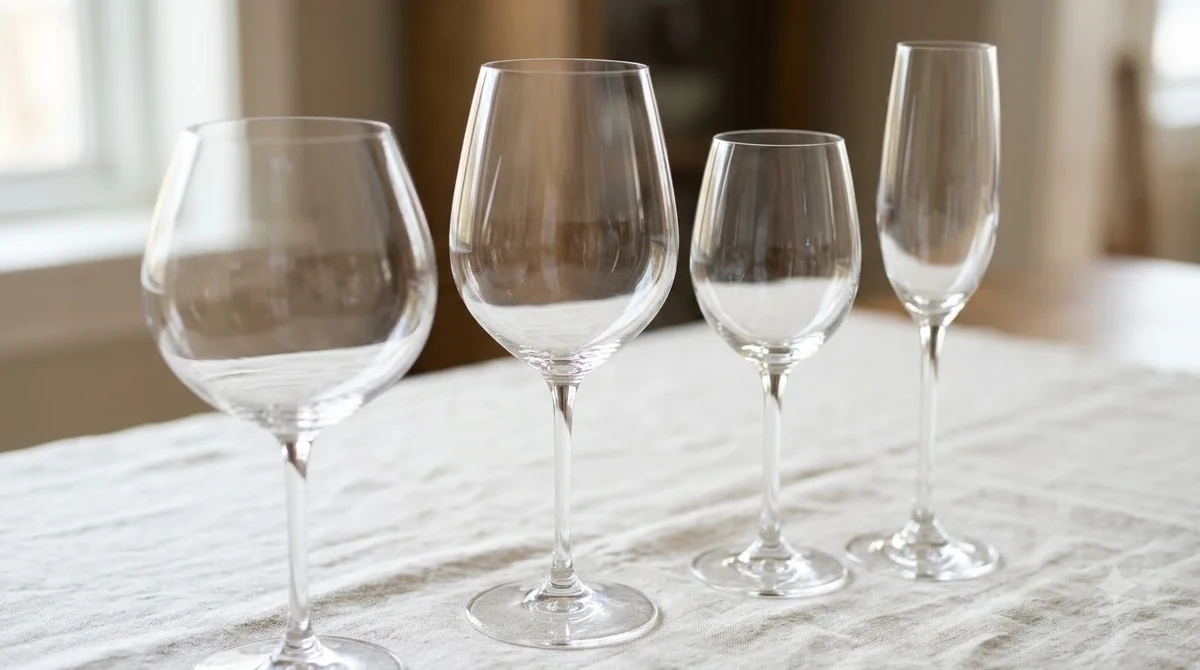
Why it stands out: The thermal layer does work that a plain bag cannot. Wine tastes best at a steady, moderate temperature, and a lined bag helps keep bottles closer to that range while you walk, sit down, and set up the blanket.
Keep in mind: Insulation is only as good as the cooling you add. Frozen gel packs last longer than loose ice, and the bag should stay out of direct sun whenever you can manage it. The lining also adds weight, so check how the pack feels when it is full before you commit to a long hike with it.
Best for: people who carry two or three bottles to parks, beaches, or summer gatherings.
Best for Short Walks and Tastings
A padded sleeve backpack is the lightest way to carry one or two bottles. Each bottle sits in its own foam sleeve, and the bag usually has a simple top opening that is quick to load at the start of a day.
Why it stands out: A sleeve pack is comfortable to wear for a whole afternoon. It is also easy to store, since many fold flat when empty, and it tends to fit under a seat or in the back of a car without taking much room.
Keep in mind: Padding protects against small knocks but not against a hard fall. Without a liner, a warm day will warm the bottles in the bag, so plan on a short outing or bring a chilled bottle that is ready to drink soon after you leave.
Best for: bottle pickups from a shop, a short walk to a tasting room, or a dinner party where you bring one bottle as a gift.
Best for Carrying Several Bottles
A divided compartment pack is built around the idea that each bottle needs its own space. Dividers, sleeves, or fixed cells keep glass apart, which matters more as the bottle count rises.
Why it stands out: Separation is the main protection against breakage. According to the Wikipedia entry on the wine bottle, a standard bottle holds 750 millilitres, about 25 US fluid ounces, and an empty one weighs roughly 500 grams on average. Six full bottles can add several kilograms to a bag before anything else goes in it, so a well-padded frame and wide shoulder straps make the load easier to carry.
Keep in mind: Divided packs can be bulky when empty and the dividers sometimes make it harder to fit a sandwich or a jacket. Check that the cells are a snug fit for the bottle shape you plan to carry. Sparkling wine bottles have thicker walls to handle internal pressure, so a cell that fits a still-wine bottle may feel loose for a bottle of bubbly.
Best for: hosts who bring a few bottles to a gathering, or anyone who buys wine in multiples for a trip.
Best for Rough Terrain and Hiking
A hard-shell case backpack puts the bottles inside a rigid outer shell. It is the most protective option when the route is uneven, and it keeps the load from shifting as you move over rocks, roots, or gravel.
Why it stands out: A rigid shell absorbs impact that would otherwise reach the glass. The shape also holds its form, so the bag stays stable on a slope and does not swing into your back with each step.
Keep in mind: Hard shells are the heaviest group in this guide, and they usually offer little insulation. A hard case is also less forgiving on a crowded bus or in a small room, because the corners take up space. Test the fit with the bottles you actually plan to carry before you head out.
Best for: trail picnics, rough outdoor events, and trips where bottles will travel over uneven ground for long stretches.
Best for Travel and Bottles as Gifts
A protective travel bag is the choice when bottles need to cross a city, board a bus, or ride along on a longer journey. The best versions combine a padded interior with a closure that stays firm when the bag is lifted and set down.
Why it stands out: Travel bags focus on keeping bottles separated and upright. A sturdy base and a snug closure reduce the chance that a bottle shifts during a rushed transfer, which is when most breakage happens.
Keep in mind: Check any airline or transit rules before you travel with glass, because policies on carry-on liquids and bottles differ by carrier and country. A protective bag helps with breakage but does not change what is allowed through security or onto a plane.
Best for: gift bottles carried to a wedding or holiday visit, and travelers who want a single bag for a short trip.
How to Choose a Wine Backpack
Start with three questions: how many bottles you carry, how long they will be out of a fridge, and how far you will walk. Those answers narrow the field faster than any feature list.
- Capacity: match the number of sleeves or cells to the bottles you actually carry. A bag with room for two bottles is often easier to live with than one sized for six.
- Insulation: choose a lined bag for long outings in warm weather. For short trips, a padded bag without a liner is usually enough.
- Protection: look for individual padding around each bottle. Thicker padding helps most at the base and sides, where impact is most likely.
- Comfort: wide, padded shoulder straps and a hip belt make a full load easier to carry. Check how the bag sits with a full load, not an empty one.
- Weight: add the bag’s empty weight to the bottles before you decide. A light bag with two bottles can be more practical than a heavy one with four.
Shape also matters. Still wine bottles come in several forms, and the common Bordeaux and Burgundy shapes differ in height and shoulder width. Measure the cells, or check the sleeve size against a bottle you own, before you buy. Gear in the Accessories Library can help you compare related options side by side.
Frequently Asked Questions
Can you carry wine in a regular backpack?
You can, but a regular backpack offers little protection. Bottles can knock against each other and against your back, and there is no insulation. Wrapping each bottle in a towel or using a padded sleeve reduces the risk, but a purpose-made bag is safer for glass.
How many bottles should a wine backpack hold?
Most people do better with one to four bottles. A larger bag is heavy when full, and the extra weight adds up on a long walk. If you need to carry more, a divided pack with good shoulder straps will be more comfortable than a single large compartment.
Does a wine backpack keep wine cold?
Only an insulated bag with a thermal liner slows warming, and it does so for a limited time. Frozen gel packs help more than loose ice, and the bag should stay out of direct sun. Padded bags without a liner offer no real cooling, so plan to drink the wine soon after you arrive.
Is a hard-shell case better than a soft bag?
A hard shell gives the most protection against impact, which helps on rough ground or on trips where bottles are bumped. Soft bags are lighter, fold flat, and are easier to carry on public transit. The better choice depends on the route and how far you walk.
A wine backpack is one of the simplest ways to bring bottles along without worrying about every bump. Pick the style that fits your route, check the capacity against the bottles you carry, and plan for temperature on warm days. For a quick guide to bottle counts when you plan how much to bring, see how many glasses in a bottle of wine. If you are building a set of wine gear for home as well, the bar cart is a good place to keep bottles ready before you head out.
More in Wine Accessories
 Coravin Vs Vacu Vin: Choose the Right Wine Saver for Your BottlesUpdated Nov 21, 2026
 Zwilling Wine Stopper Review: Preserve Open Bottles LongerUpdated Nov 21, 2026
 Wine Enthusiast Wine Preserver Review: Features, Benefits and LimitationsUpdated Nov 21, 2026
 Wine Enthusiast Wine Stopper: An Easier Way to Reseal Open BottlesUpdated Nov 21, 2026
 Vintorio Wine Opener: Two-Step Cork RemovalUpdated Nov 21, 2026
 Zwilling Wine Aerator Review: Aerate, Pour, and Seal With One ToolUpdated Nov 21, 2026