

We may earn a commission when you buy through links on this page, at no extra cost to you. Learn more.
A continuum wine review reveals a premium Napa Valley red blend built around Cabernet Sauvignon and Cabernet Franc, with distinctive mountain-grown fruit from Sage Mountain Vineyard on Pritchard Hill. Made by the Mondavi family, Continuum combines four Bordeaux grape varieties to create a concentrated, structured wine with dark-fruit flavors, savory herbs, polished tannins, and considerable aging potential. It is particularly appealing to collectors and Cabernet enthusiasts who appreciate powerful Napa reds with a more layered, mountain-influenced character.
Continuum occupies a different category from everyday supermarket wines. Its appeal comes from its vineyard location, carefully assembled Bordeaux-style blend, and the winemaking experience behind the label. Understanding its grapes, growing conditions, flavor profile, and serving requirements makes it easier to decide whether this Napa Valley wine deserves a place in a collection or on the table for a special occasion.
Who This Is For
Continuum is best suited to wine drinkers who enjoy structured, full-bodied reds and want something more distinctive than a conventional California Cabernet Sauvignon. Its combination of Cabernet Sauvignon, Cabernet Franc, Petit Verdot, and Merlot creates several layers of flavor, making it an interesting choice for people who enjoy examining how different grape varieties contribute to one finished wine.
The wine also appeals to collectors interested in the Mondavi family’s Napa Valley history. Tim Mondavi and his sister Marcia Mondavi established Continuum in 2005 with the ambition of producing a wine that could stand alongside leading examples from other prestigious wine regions. Their project eventually centered on Sage Mountain Vineyard, an elevated estate on Pritchard Hill in eastern Napa Valley.
For someone who normally drinks Cabernet Sauvignon, Continuum offers a useful introduction to mountain-grown Bordeaux-style blending. Cabernet Sauvignon supplies much of the familiar structure and dark-fruit character, while Cabernet Franc can introduce floral, herbal, and more aromatic dimensions. Petit Verdot contributes additional depth, and Merlot can provide softness and fruit richness.
However, this is not necessarily the right purchase for someone looking for a light, inexpensive, uncomplicated red. Its concentrated fruit, substantial tannins, and oak influence make it more appropriate for thoughtful meals, celebrations, and occasions when a bottle deserves attention. Drinkers who prefer softer, fruit-forward wines may find it more structured than expected.
It is also worth distinguishing between buying a bottle for immediate enjoyment and purchasing one for a cellar. Some younger vintages may benefit from aeration, while older bottles can offer more developed aromatic complexity. Buyers should consider the vintage, provenance, storage history, and intended drinking date rather than treating every bottle as interchangeable.
Readers comparing different producers can also explore the broader Wine Brands collection to understand how winery identity, grape selection, and regional character influence a wine’s personality.
Key Factors to Compare
The most important factors in evaluating Continuum are its vineyard origin, grape composition, vintage differences, and structural balance. These elements explain why the wine can change noticeably from one harvest to another while maintaining a recognizable estate identity.
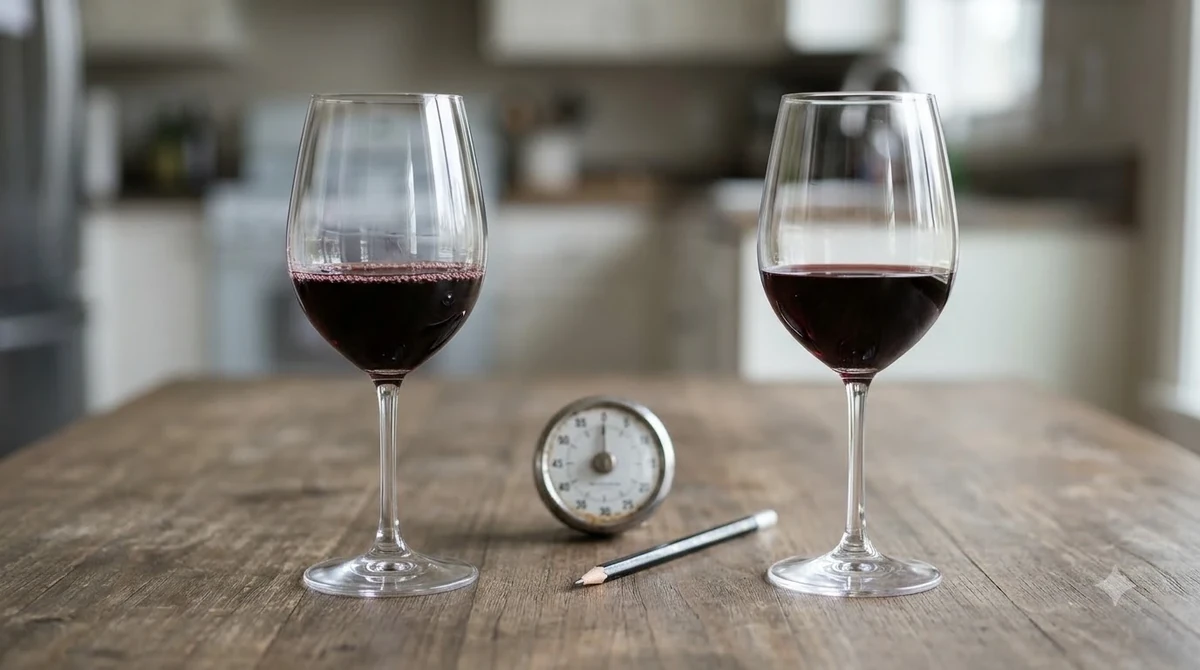
Its home vineyard is Sage Mountain Vineyard, located on Pritchard Hill in Napa Valley. According to Continuum Estate, the vineyard occupies elevations between approximately 1,325 and 1,600 feet. The estate describes its position above the fog line, cooling bay breezes, and volcanic soils as important influences on grape development.
The grape blend deserves particular attention. Although Cabernet Sauvignon is central to the estate’s planting strategy, the finished wine is not necessarily dominated by that variety in every vintage. The 2019 and 2022 releases demonstrate how the proportions can change while retaining the same four principal grapes.
| Comparison factor | 2019 vintage | 2022 vintage |
|---|---|---|
| Cabernet Sauvignon | 50% | 45% |
| Cabernet Franc | 37% | 43% |
| Petit Verdot | 7% | 8% |
| Merlot | 6% | 4% |
| French oak aging | 22 months | 21 months |
| New French oak | 66% | 58% |
The figures come from the respective vintage descriptions published by Voyageurs du Vin for 2019 and Wine.com for 2022. They illustrate why buyers should avoid assuming that one vintage’s exact recipe represents every Continuum release.
Understanding the grape varieties
Cabernet Sauvignon is the structural foundation of many Napa Valley red blends. It generally contributes blackcurrant, blackberry, dark cherry, and firm tannins. Those tannins help give the wine its framework and allow it to develop additional complexity with suitable bottle aging.
Cabernet Franc brings a different personality. Depending on growing conditions and ripeness, it can contribute red and black fruit, floral aromas, fresh herbal notes, and an aromatic lift. Its importance is especially interesting in Continuum because the 2022 blend contains 43% Cabernet Franc, nearly matching the Cabernet Sauvignon proportion.
Petit Verdot generally provides additional color, concentration, and tannic structure. Even a relatively small proportion can influence the finished wine. Merlot, meanwhile, is commonly associated with softer tannins and ripe plum-like fruit, helping balance the firmer varieties.
Comparing vineyard and winemaking details
Continuum’s official vineyard overview provides another useful comparison point. The estate reports that its 173-acre property includes 71 acres under vine. Its plantings comprise 55% Cabernet Sauvignon, 30% Cabernet Franc, 10% Petit Verdot, and 5% Merlot. These are vineyard planting proportions, not a fixed recipe for the finished wine.
The estate also emphasizes differences between individual vineyard blocks. Spacing, row direction, rootstock, and clonal selection are adapted to the requirements of particular areas. That approach matters because a mountain vineyard is not a uniform growing environment. Exposure, soil depth, drainage, and elevation can influence the fruit that eventually reaches the winery.
Step-by-Step: How to Evaluate and Choose Continuum
Choosing a bottle of Continuum involves more than selecting a prestigious winery name. Vintage, intended drinking time, bottle condition, and the food being served all influence whether a particular bottle is the right choice.
-
Identify the vintage.
Start by establishing which harvest year is available. The 2019 and 2022 examples demonstrate meaningful differences in the Cabernet Sauvignon and Cabernet Franc proportions. A vintage-specific description is more useful than a general description of the brand. -
Confirm the bottle format.
A standard 750 ml bottle provides approximately five servings when poured at 5 oz each. A 375 ml half-bottle offers roughly two and a half servings, making it a practical format for a smaller gathering or a comparative tasting. -
Review the grape composition.
Look at the proportions of Cabernet Sauvignon, Cabernet Franc, Petit Verdot, and Merlot. A blend with a greater Cabernet Franc contribution may offer a different aromatic balance from one with more Cabernet Sauvignon. -
Consider the drinking window.
A young vintage may show concentrated fruit and firmer tannins. A bottle with additional age may display more integrated structure and developed savory aromas. The ideal choice depends on whether the wine will be opened soon or kept for a future occasion. -
Check the storage and provenance.
For an expensive collectible bottle, ask how it was stored and transported. Stable temperatures, protection from light, and appropriate humidity matter more than an attractive label or presentation. -
Plan the meal.
Consider serving Continuum with grilled beef, lamb, or a rich mushroom dish. The wine’s structure is better suited to substantial food than to delicate seafood or very light vegetable preparations. -
Prepare the bottle properly.
Allow the wine to reach approximately 60–65°F before serving. For a young, full-bodied vintage, consider decanting for 30–60 minutes to encourage aromatic development.
This process helps separate the actual qualities of a bottle from the reputation of the producer. It also reduces the likelihood of opening an expensive wine under conditions that prevent its aromas and structure from showing properly.
Tip: If choosing between two vintages, compare their individual blend percentages and aging details rather than assuming the newest release is automatically the better fit. Continuum’s Cabernet Franc proportion can vary substantially between harvests, influencing the balance between dark-fruit structure and aromatic character.
Types or Styles Explained
Continuum is primarily known for its proprietary Napa Valley red blend rather than a large collection of unrelated wine styles. Its identity comes from the four Bordeaux varieties and the mountain-grown character of Sage Mountain Vineyard. Understanding those components helps explain the range of aromas and textures found in different releases.
Cabernet Sauvignon: structure and concentration
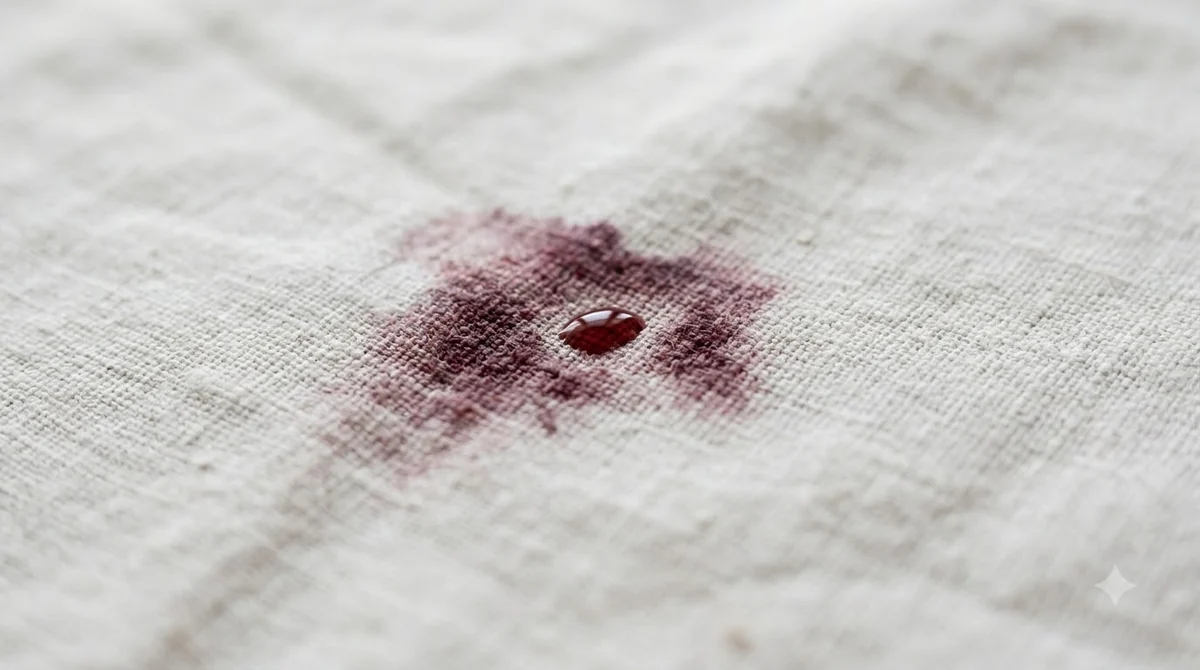
Cabernet Sauvignon provides the familiar framework that many Napa Valley wine enthusiasts seek. Its naturally substantial tannins can produce a firm, structured palate, particularly when the grapes come from concentrated mountain-grown fruit.
In the glass, this component can contribute blackcurrant, blackberry, black cherry, and sometimes hints of cedar or tobacco. The fruit character is generally more substantial than the lighter red-fruit profile associated with Pinot Noir. This makes Cabernet Sauvignon a natural partner for grilled beef and other dishes with substantial savory flavors.
However, the finished Continuum should not be mistaken for a single-varietal Cabernet Sauvignon. Its other grapes contribute meaningful aromatic and textural differences. The resulting blend can feel more layered than a wine built around one variety alone.
Cabernet Franc: aromatic complexity
Cabernet Franc is especially important when considering Continuum’s modern blending identity. The 2022 release contains 43% Cabernet Franc, while the 2019 release contains 37%. Those proportions demonstrate that this variety is a substantial part of the estate’s approach rather than a minor blending addition.
Its aromatic contribution can include red berries, dark fruit, floral notes, and savory herbs. In a mountain-grown wine, these characteristics can complement Cabernet Sauvignon’s darker fruit and firm structure. The combination gives the finished wine a broader aromatic range.
Cabernet Franc can also help explain why Continuum is interesting to drinkers who already enjoy traditional Bordeaux blends. It provides a different expression of Cabernet-family grapes without sacrificing the concentration expected from a Napa Valley red.
Petit Verdot and Merlot: supporting the balance
Petit Verdot is typically used in smaller proportions, but its contribution can be significant. Its tannins and concentrated fruit can add depth and reinforce the wine’s structure. In the 2022 blend, it accounts for 8%, compared with 7% in 2019.
Merlot represents 4% of the 2022 blend and 6% of the 2019 blend. It can contribute softer fruit characteristics and help moderate the more assertive elements of Cabernet Sauvignon and Petit Verdot. Its role is not to turn Continuum into a soft, simple red, but to help create a balanced finished composition.
The mountain-grown expression
Sage Mountain Vineyard is an important part of Continuum’s identity. The estate describes its volcanic andesite-derived soils as rocky, mineral-rich, and well-draining. It also highlights the property’s elevation, afternoon bay breezes, and position above the valley fog.
These conditions help explain the estate’s emphasis on concentration, structure, and savory aromatic detail. Its descriptions identify native vegetation such as wild sage, bay laurel, manzanita, and chamise around the vineyard. The surrounding environment is part of the site’s character, although it should not be interpreted as a guarantee that every vintage will taste identical.
For a closer look at the estate’s vineyard location, soils, and planting approach, consult Continuum Estate’s official vineyard overview. It provides useful background for understanding why the property is central to the wine’s identity.
For a deeper understanding of the producer and its flagship bottling, the dedicated Continuum wine resource provides a useful starting point for exploring the label itself.
Common Mistakes When Buying and Drinking Continuum
One of the biggest mistakes is treating Continuum as though it were a standard Cabernet Sauvignon. Although Cabernet Sauvignon is important to the blend, Cabernet Franc, Petit Verdot, and Merlot also contribute to its identity. Ignoring those varieties can lead to unrealistic expectations about the wine’s aromas and texture.
Another common mistake is assuming that all vintages have the same composition. The 2019 release contained 50% Cabernet Sauvignon and 37% Cabernet Franc, whereas the 2022 release contained 45% Cabernet Sauvignon and 43% Cabernet Franc. Those differences are large enough to make vintage-specific research worthwhile.
Serving the wine too warm
Full-bodied red wine is often served warmer than necessary. A bottle opened at typical room temperature in a heated home can seem heavier and more alcoholic than intended. Continuum is generally better served around 60–65°F, which helps preserve its fruit and structural balance.
There is no need to serve it excessively warm simply because it is a premium Napa red. If the bottle has been stored in a warm room, a short period of cooling can improve the drinking experience. Avoid extreme temperature changes, however, because they can interfere with the wine’s presentation.
Ignoring tannin and food compatibility
Another mistake is pairing a structured red with food that is too delicate. Oily fish can clash with tannic reds, while very spicy dishes can make alcohol and tannins seem more pronounced. Delicate white fish, mild shellfish, and lightly seasoned vegetables generally offer better results with a lighter wine.
Salt and fat, on the other hand, can soften the perception of tannin. This is why grilled steak, lamb, and rich dishes often make better companions for Cabernet-based blends. The aim is to give the wine enough flavor and texture in the meal to remain balanced.
Opening a young bottle without preparation
Continuum can have a substantial structural presence, particularly in younger vintages. Opening a bottle immediately before dinner and pouring it directly into glasses may not reveal the full range of its aromas.
Decanting can help by exposing the wine to oxygen. For a young, full-bodied red, 30–60 minutes is a reasonable starting point. This is not a fixed requirement for every vintage, and an older bottle may need a more careful approach to avoid losing delicate developed aromas.
Buying based on reputation alone
A well-known family name and prestigious vineyard location are useful context, but they should not replace an assessment of the actual bottle. A wine’s vintage, storage conditions, and intended drinking date all matter. A poorly stored bottle can disappoint regardless of the reputation associated with its label.
Buyers should also distinguish between a wine they want to drink immediately and one intended for a long-term collection. The best purchase is the bottle that suits the occasion and the buyer’s preferences, not simply the one with the most impressive reputation.
Care or Storage Tips
Proper storage helps preserve Continuum’s fruit, aromatic complexity, and structure. Because this is a collectible-style Napa red, stable conditions are particularly important when keeping bottles for several years rather than opening them shortly after purchase.
Store bottles horizontally
For bottles sealed with natural cork, horizontal storage keeps the cork in contact with the wine. This helps limit the possibility of the cork drying out over extended storage. A suitable wine-storage environment should also protect the bottle from unnecessary vibration and direct sunlight.
A temperature near 55°F is a useful general target for long-term wine storage. Consistency is more important than chasing an exact number every day. Repeated temperature fluctuations can be more damaging than maintaining a reasonably stable environment slightly above or below the target.
Protect against light and temperature changes
Direct sunlight and strong artificial light can negatively affect wine over time. Keep bottles in a dark cabinet, cellar, or dedicated wine refrigerator. Avoid leaving a collectible bottle in a car, near a kitchen oven, or beside a window exposed to afternoon sunlight.
Humidity also deserves attention. Extremely dry conditions can contribute to cork problems, while excessive moisture may damage labels and packaging. A reasonably controlled storage environment helps protect both the wine and its presentation.
Serve at the right temperature
For Continuum, a serving temperature around 60–65°F is a sensible starting point. This is slightly cooler than many heated indoor environments. The wine should not feel warm or heavy, and its fruit should remain clear rather than being overwhelmed by alcohol.
Use appropriate red wine glasses with enough bowl space to allow the aromas to collect. Pouring approximately 5 oz per glass provides enough room for swirling and smelling without filling the glass to the rim.
Decant according to the vintage
Young full-bodied reds often benefit from 30–60 minutes of aeration. This can help reveal fruit, floral notes, and savory characteristics that may initially seem restrained. Decanting is especially useful when serving a young vintage with a substantial tannic structure.
Older bottles require greater care. Sediment can develop during bottle aging, and gentle handling helps keep it from mixing into the wine. Stand an older bottle upright before opening when practical, then pour slowly and stop when sediment approaches the neck.
Preserve an opened bottle
If a bottle is not finished, reseal it and place it in the refrigerator. Still red wines generally retain acceptable quality for approximately 3–5 days after opening, although the precise period depends on age, oxygen exposure, and storage conditions.
Allow refrigerated wine to warm slightly before serving again. Keeping an opened bottle at a stable cool temperature slows oxidation compared with leaving it on a dining table for several days. For a wine with the complexity of Continuum, finishing the bottle sooner generally provides the most satisfying result.
Frequently Asked Questions
Is Continuum Estate connected to the Robert Mondavi wine family?
Yes. Tim Mondavi is the son of Robert Mondavi, and Continuum was established by Tim and his sister Marcia Mondavi Borger. The family’s Napa Valley history extends across multiple generations, although Continuum is a distinct estate and wine project.
Is Pritchard Hill an official Napa Valley AVA?
No. Pritchard Hill is a recognized wine-growing location rather than a federally designated American Viticultural Area. Its name is associated with mountain vineyards on Napa Valley’s eastern side, but it should not be confused with an official AVA designation.
When did Continuum first produce wine entirely from its own vineyard?
The 2012 vintage was the first made entirely from Sage Mountain Vineyard fruit. This milestone followed several earlier harvests that incorporated fruit from other Napa Valley vineyard sources during the estate’s development.
What was the first vintage fermented at Continuum’s estate winery?
The 2013 vintage was the first to be vinified at the estate winery. This distinction is separate from the 2012 milestone, which marked the first entirely estate-sourced vintage.
How many feet above sea level is Sage Mountain Vineyard?
Continuum Estate describes its vineyard elevations as approximately 1,325 to 1,600 feet. Other published accounts round the lower elevation to approximately 1,300 feet, reflecting the mountain property’s varied terrain rather than a single elevation for every vineyard block.
Continuum stands out for its combination of Mondavi family heritage, mountain-grown Napa Valley fruit, and a Bordeaux-style blend that gives Cabernet Franc a particularly important role. Its structured, layered character makes it a compelling choice for collectors and enthusiasts who appreciate serious California red wine. Comparing individual vintages, storing bottles carefully, and serving them with suitable food will help make the most of what this distinctive estate wine offers.
More in Wine Brands
 Underwood Wine Price: Compare Bottles, Cans, and Pack SizesUpdated Nov 21, 2026
 Zenato Wine Price: Compare Styles and Choose the Right BottleUpdated Nov 21, 2026
 Zuccardi Wine Price: Compare Bottles and Find the Right RangeUpdated Nov 21, 2026
 Yellow Tail Moscato Review: Taste, Sweetness and Serving TipsUpdated Nov 21, 2026
 Wolf Blass Yellow Label Review: Choose Your Best StyleUpdated Nov 21, 2026
 Wolffer Estate Rose Review: Choose the Right Bottle for Your TableUpdated Nov 21, 2026