

We may earn a commission when you buy through links on this page, at no extra cost to you. Learn more.
Chateau lynch bages wine price typically ranges from about $115 to $225 for a 750 ml bottle of recent and established vintages in the US, with older collectible bottles often costing more. The vintage, bottle condition, storage history, retailer, and availability all influence the amount buyers can expect to pay. Understanding these differences helps you distinguish a reasonably priced bottle from one carrying a substantial premium.
Château Lynch-Bages is one of Pauillac’s recognizable classified Bordeaux estates, known for Cabernet Sauvignon-led red wine, structured tannins, dark fruit, and considerable aging potential. Its reputation, vineyard location, and production methods explain much of its market position, but not every vintage represents the same purchase. This guide examines typical American retail price ranges, explains how to compare vintages, and outlines what buyers should consider before purchasing.
Who This Is For: Buyers Comparing Château Lynch-Bages Prices
Château Lynch-Bages is particularly relevant to Bordeaux enthusiasts who appreciate structured Cabernet Sauvignon blends and want a wine with both immediate appeal and long-term cellar potential. Its Pauillac origin, classified status, and established reputation make it a significant purchase rather than an everyday table wine.
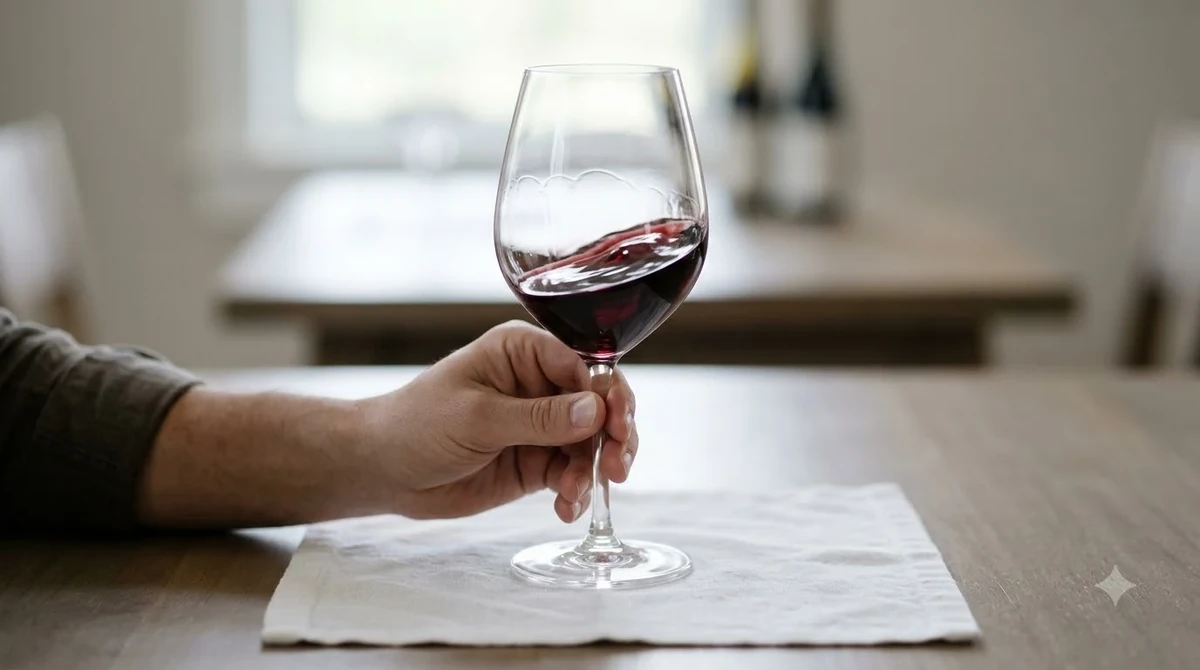
Buyers considering a bottle generally fall into three groups. The first includes collectors looking for recognizable Bordeaux estates and specific vintages. The second includes wine enthusiasts purchasing a special-occasion bottle, perhaps for a milestone birthday, anniversary, or formal dinner. The third includes drinkers interested in exploring the character of Pauillac without immediately committing to the most expensive bottles in the Bordeaux market.
The wine is especially appropriate for people who enjoy Cabernet Sauvignon’s firm structure. Pauillac is associated with Cabernet Sauvignon-led blends, and Lynch-Bages follows that tradition. Expect a fuller-bodied red with substantial tannin, dark-fruit character, and acidity that helps balance its richness. It is generally a better choice for someone who enjoys structured red wines than for someone who prefers soft, light-bodied, fruit-forward reds.
It also helps to understand the difference between buying for drinking and buying for collecting. Someone planning to open a bottle over dinner may prioritize a mature vintage with developed aromas. A collector may place more importance on provenance, original packaging, bottle format, and future drinking potential.
For readers researching the producer itself, the Chateau Lynch Bages wine overview provides useful background on the estate and its signature wine. Those details help explain why its bottles occupy a different price category from many entry-level Bordeaux selections.
Buyers should also recognize that a famous estate does not automatically make every available bottle a suitable purchase. The right decision depends on the vintage, the condition of the wine, and the intended drinking date. A well-preserved bottle from a less fashionable vintage may offer a more satisfying experience than an older bottle with uncertain storage.
Key Factors to Compare: Vintage, Bottle Size, and Retail Prices
The most important price differences come from vintage, age, market availability, and bottle condition. A 750 ml bottle of a relatively recent vintage generally costs less than a scarce older bottle, while larger formats and collectible releases introduce additional pricing considerations.
US retail listings provide a practical starting point. The following ranges are indicative buying estimates assembled from observed retailer and price-comparison listings, rather than guaranteed prices or fixed winery prices.
| Vintage or category | Typical US retail range | What buyers should consider |
|---|---|---|
| 2021 | About $115–$145 | Relatively recent vintage; compare retailer availability. |
| 2020 | About $140–$170 | Strong reference vintage for comparing current listings. |
| 2018–2019 | About $145–$225 | Compare individual vintage and bottle provenance. |
| 2016 | About $200–$250 | Established vintage with collectible-market interest. |
| 2009–2010 | About $230–$300 | Older bottles require careful storage verification. |
These ranges refer to standard 750 ml bottles of Château Lynch-Bages, not its second wine, other estate labels, auction lots, or large-format bottles. The 2021 range is consistent with listings from WinesRate and Total Wine, while the 2020 range reflects the approximately $140 to $165 listings shown by Sotheby’s Wine and WinesRate. Prices vary by state and retailer, and availability can change quickly.
For the 2018 and 2019 vintages, observed listings support a wider range. Sotheby’s Wine lists the 2018 at approximately $159 for 750 ml, while its 2019 listing is approximately $159. WinesRate also shows that retailer and vintage combinations can produce materially different asking prices. This variation is why comparing more than one seller matters.
Older vintages deserve separate consideration. The 2016 listing at Sotheby’s Wine is approximately $225 for 750 ml, while older 2009 and 2010 bottles can command premiums depending on condition and availability. Total Wine and other retail listings demonstrate that established older vintages can approach or exceed the upper end of the usual recent-vintage range. Prices vary by state and retailer.
One useful comparison is the difference between an estate’s standard bottle and a larger format. A 1.5-liter magnum contains twice the wine of a standard 750 ml bottle, but it should not automatically be valued at exactly twice the price. Availability, packaging, demand, and collector interest can all influence the difference.
For an additional retail reference, Total Wine’s Château Lynch-Bages 2020 listing identifies the standard 750 ml format and provides a useful example of how a major US retailer presents the wine.
The table should be treated as a comparison framework rather than a promise that every vintage is available within those boundaries. A bottle with excellent documented storage may justify a higher asking price than one with an uncertain history, even when both carry the same vintage designation.
Step-by-Step: How to Evaluate a Château Lynch-Bages Purchase
A sensible purchase begins with the drinking occasion and ends with a careful inspection of the bottle. Following a consistent process helps prevent buyers from paying a premium for age or reputation without considering the actual wine.
-
Decide when you plan to drink it.
Choose whether the bottle is intended for an upcoming dinner, a celebration several years away, or a longer-term cellar. A mature 2009 or 2010 may suit a buyer seeking an older wine, while a younger 2020 or 2021 may appeal to someone comfortable with additional aging.
-
Choose a realistic budget.
Use the recent-vintage ranges in the comparison table as a starting point. Decide whether a premium for a mature vintage or a particular bottle format is justified by the occasion. Include shipping, applicable taxes, and storage costs in the total purchase decision.
-
Compare the same vintage across retailers.
Do not compare a 2016 bottle directly with a 2021 bottle and assume the difference is simply retailer markup. Compare identical vintages and bottle sizes first. WinesRate and established wine retailers can help establish whether a quoted price sits within the observed market range.
-
Check the bottle’s condition and provenance.
Inspect the label, capsule, fill level, and packaging. Ask whether the wine has been stored in a temperature-controlled environment and whether it has a documented ownership history. This matters especially for bottles older than 10 years.
-
Confirm the exact wine and format.
Make sure the listing identifies Château Lynch-Bages rather than another wine associated with the estate. Confirm that the bottle is 750 ml, 1.5 liters, or another stated format. A second wine or white wine from the property should not be compared as though it were the flagship red.
-
Consider the vintage’s drinking maturity.
A young Bordeaux can have considerable tannin and restrained fruit. If you intend to open the bottle immediately, consider whether you enjoy youthful, structured reds. If you prefer softer textures and more developed aromas, a mature vintage may be more suitable.
-
Purchase from a reputable seller.
Choose a retailer that provides clear bottle descriptions, appropriate shipping arrangements, and a reasonable return policy. For older bottles, prioritize documented storage and authenticity over a seemingly attractive asking price.
This process is particularly important for collectible Bordeaux. A lower asking price is not necessarily a better purchase if the bottle has been exposed to heat, has a questionable history, or comes from an unreliable seller.
Tip: When comparing two bottles of the same vintage, prioritize provenance and storage condition before choosing the lower-priced listing. Consistent cool storage can be more important to the wine’s condition than a small difference in retail cost.
It is also sensible to keep a record of the vintage, seller, purchase date, bottle size, and storage location. This information makes it easier to track your collection and evaluate future purchases against previous buying decisions.
Types and Styles Explained: Understanding the Lynch-Bages Range
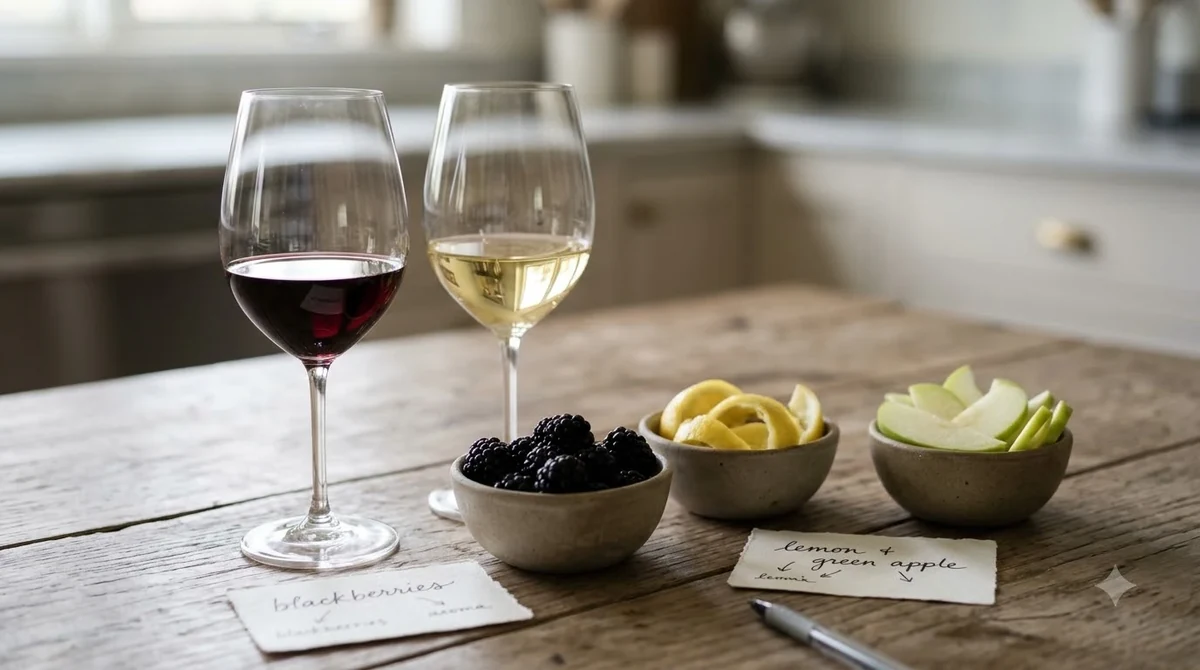
Château Lynch-Bages is best known for its red Pauillac, but understanding the broader estate and its grape varieties helps buyers avoid confusing different wines or comparing unrelated bottles. Its flagship red is a Cabernet Sauvignon-led Bordeaux blend, while the property also produces other wine styles.
The flagship red Pauillac
The red Château Lynch-Bages is the wine most buyers mean when searching for its price. It comes from Pauillac in the Médoc, where gravel-rich soils and the moderating influence of the Gironde estuary contribute to the region’s distinctive growing conditions.
According to the estate’s terroir information, its vineyard extends over 100 hectares south and southwest of Pauillac. The deep Garonne gravel soils provide drainage and retain heat, supporting the ripening of the estate’s grape varieties. The producer explains these characteristics in its official vineyard and terroir description.
Cabernet Sauvignon provides much of the structural character associated with the wine. Merlot contributes fruit and a rounder texture, while Cabernet Franc and Petit Verdot can contribute additional aromatic and structural dimensions. The exact blend can vary between vintages, so buyers should not assume that every release has identical grape percentages.
Blanc de Lynch-Bages
The estate also makes a white Bordeaux wine under the Blanc de Lynch-Bages name. This is a different product from the flagship red Pauillac and should be evaluated according to its own grape composition, vintage, and market position.
Its presence is important for price research because a search for Lynch-Bages can return both red and white bottles. A white Bordeaux listing should never be used as a direct comparison for the red wine simply because both share the producer’s name.
Other estate-related wines
Buyers may encounter other wines connected with the estate, including second-wine selections. These can provide another way to explore the producer’s approach without purchasing the flagship wine. However, they have separate identities, production decisions, and market prices.
The safest approach is to compare the complete wine name, appellation, vintage, and bottle size before making a purchase. A listing that mentions Lynch-Bages without clearly identifying the flagship wine needs additional scrutiny.
The same principle applies when comparing Bordeaux producers. Château Lynch-Bages belongs to a different market segment from many accessible regional Bordeaux labels. A useful comparison should consider classification, producer reputation, vineyard location, and wine style rather than relying only on a shared Bordeaux designation.
Readers exploring other prestigious French wines can also consider Chateau d Yquem wine, which represents a very different Bordeaux style based on sweet white wine rather than structured red Pauillac. The comparison illustrates why grape varieties, production methods, and intended drinking occasions matter as much as a producer’s reputation.
Common Mistakes When Comparing Château Lynch-Bages Prices
The most frequent buying mistakes involve confusing vintages, overlooking bottle condition, and treating all wines bearing the estate name as interchangeable. These errors can lead to unrealistic price expectations and disappointing purchases.
Comparing different vintages as identical products
A 2020 bottle and a 2016 bottle may share the same producer and appellation, but they do not necessarily have the same market value or drinking maturity. Vintage conditions influence grape ripeness, acidity, tannin development, and the resulting wine’s character.
Older bottles may be scarcer, but age alone does not guarantee higher quality. A poorly stored 2010 can be a less attractive purchase than a properly stored 2020. Collectors should distinguish market scarcity from actual bottle condition.
Ignoring the difference between bottle formats
A standard 750 ml bottle is the most useful reference point for comparing everyday retail listings. A 375 ml half-bottle contains half that volume, while a 1.5-liter magnum contains twice as much.
Larger formats can attract collector interest and may offer favorable aging conditions when stored properly. However, their availability and pricing can differ considerably from standard bottles. A buyer should compare the same size before drawing conclusions about value.
Confusing classification with quality guarantees
Lynch-Bages is a Fifth Growth estate under the 1855 Bordeaux classification. That classification provides historical context and helps explain the producer’s standing, but it does not guarantee that every vintage will have the same quality, market value, or drinking window.
The classification should be one part of the buying decision, not the only factor. Vintage conditions, winemaking, bottle provenance, and storage are all relevant to the actual wine in the bottle.
Assuming every expensive listing is collectible
A high asking price can reflect scarcity, retailer positioning, a particular bottle size, or a seller’s expectations. It does not automatically establish that the bottle is a sound investment or that it will deliver a better drinking experience.
Wine is a physical product with condition risks. Heat exposure, poor cork condition, oxidation, and uncertain transportation can reduce the value of an otherwise desirable vintage. An expensive bottle deserves more scrutiny, not less.
Overlooking the intended drinking style
Someone who prefers soft Merlot-based reds may find young Lynch-Bages quite firm. Cabernet Sauvignon typically contributes high tannin, while Pauillac wines are known for their structured, full-bodied character.
Food pairing can make a meaningful difference. Rich beef dishes, roast lamb, and hard cheeses can work well because protein, fat, and salt help soften the perception of tannin. Delicate seafood and oily fish are generally less suitable companions for a strongly tannic red.
Buyers should also avoid paying for an old vintage simply because it sounds impressive. The right bottle is one that suits the drinker’s preferences and the occasion, not necessarily the oldest or most expensive wine available.
Care and Storage Tips: Protecting the Value of Your Bottle
Proper storage is essential for preserving Château Lynch-Bages, particularly when buying bottles intended for several years of aging. Stable temperatures, limited light exposure, and suitable humidity help reduce the risk of premature deterioration.
Store bottles in stable conditions
A temperature near 55°F is a useful storage target for Bordeaux red wines. Keep bottles away from direct sunlight, radiators, kitchen appliances, and locations where temperatures fluctuate significantly.
For cork-sealed bottles, horizontal storage helps maintain contact between the wine and the cork. This is particularly important for bottles intended to remain in a cellar for extended periods. A dedicated wine refrigerator or properly maintained wine cellar is preferable to an ordinary cupboard in a warm room.
Prepare the wine before serving
Full-bodied red Bordeaux is generally best served around 60–65°F. Serving it too warm can make alcohol seem more prominent and reduce the freshness of its fruit character. Serving it too cold can make tannins seem harder and suppress aromatic complexity.
Young, full-bodied reds can benefit from approximately 30–60 minutes of decanting. This allows the wine to interact with oxygen and can help soften its initial presentation. Older bottles need more cautious handling because extended exposure to air may diminish delicate developed aromas.
Choose appropriate food pairings
Château Lynch-Bages is a natural partner for beef, lamb, and other rich meat dishes. Grilled ribeye, roast beef, lamb chops, and slow-cooked short ribs offer enough richness and flavor to complement the wine’s tannins and dark-fruit character.
Hard cheeses such as aged cheddar or Comté can also work well. Salt and fat help soften tannin, while savory flavors complement the wine’s structure. Mushroom dishes with roasted vegetables can provide another appealing match, particularly when prepared with herbs and rich sauces.
Plan the serving and leftovers
A standard 750 ml bottle provides approximately five 5-ounce glasses. For a formal dinner with four guests, one bottle may provide a generous tasting pour, while two bottles offer more flexibility for a longer meal.
Once opened, still red wine generally keeps for approximately three to five days when refrigerated and properly recorked. Bring the remaining wine back toward an appropriate serving temperature before pouring. The exact period depends on the wine’s age, condition, and exposure to oxygen.
Older Lynch-Bages bottles should be opened carefully. A fragile cork may require a two-pronged wine opener or other suitable equipment. Allowing sediment to settle before serving and pouring slowly can help keep the wine clear in the glass.
Storage is especially important when buying a bottle for a future celebration. A wine purchased at a good price can lose much of its appeal if it is stored in a hot room or subjected to repeated temperature changes. Good storage protects both the drinking experience and the bottle’s collectible appeal.
Frequently Asked Questions
Is Château Lynch-Bages a First Growth Bordeaux?
No. Château Lynch-Bages is classified as a Fifth Growth, or Cinquième Cru Classé, under the 1855 Bordeaux classification. Its reputation is considerably stronger than the numerical position might suggest, and it is widely recognized as an important Pauillac producer. The classification should not be confused with a modern quality score.
What does the name Lynch-Bages mean?
The name combines the historic Bages estate with the Lynch family, whose connection to the property began in the 18th century. Thomas Lynch acquired Domaine de Bages in 1750, and the estate subsequently became known as Cru de Lynch. The name therefore reflects both the property’s location and its historical ownership.
What is the alcohol content of Château Lynch-Bages?
Alcohol content can differ between vintages because growing conditions and grape ripeness vary. Buyers comparing specific bottles should consult the individual vintage’s technical information rather than assume a fixed percentage across the entire history of the estate. This distinction is particularly useful when comparing older bottles with recent releases.
Does Château Lynch-Bages produce wine in magnum bottles?
Yes. Magnum formats of 1.5 liters appear in the estate’s retail listings, alongside standard 750 ml bottles. Sotheby’s Wine also lists other larger formats, including 3-liter and 6-liter bottles for selected vintages. Availability depends on the specific release and retailer inventory.
Can Château Lynch-Bages be purchased as a gift?
Yes. A bottle can make a suitable gift for Bordeaux enthusiasts, especially for milestone celebrations and formal occasions. A vintage connected to a recipient’s birth year, anniversary, or important personal event can make the selection more meaningful. For older bottles, professional packaging and reliable delivery are particularly important.
Château Lynch-Bages occupies a distinctive position in the Pauillac market, combining a historic estate, Cabernet Sauvignon-led Bordeaux character, and strong collector interest. Comparing identical vintages, verifying bottle condition, and understanding the difference between standard and collectible formats are the most reliable ways to assess its retail value. For a more informed purchase, begin with a reputable seller and choose a vintage that matches both your budget and intended drinking occasion.
More in Wine Brands
 Underwood Wine Price: Compare Bottles, Cans, and Pack SizesUpdated Nov 21, 2026
 Zenato Wine Price: Compare Styles and Choose the Right BottleUpdated Nov 21, 2026
 Zuccardi Wine Price: Compare Bottles and Find the Right RangeUpdated Nov 21, 2026
 Yellow Tail Moscato Review: Taste, Sweetness and Serving TipsUpdated Nov 21, 2026
 Wolf Blass Yellow Label Review: Choose Your Best StyleUpdated Nov 21, 2026
 Wolffer Estate Rose Review: Choose the Right Bottle for Your TableUpdated Nov 21, 2026