

We may earn a commission when you buy through links on this page, at no extra cost to you. Learn more.
The brancott estate wine price typically ranges from about $10 to $20 for standard 750 ml bottles in the United States, with premium Letter Series wines costing more. Sauvignon Blanc is generally the most recognizable entry point, while Flight Song, Pinot Grigio and Pinot Noir provide alternatives across the portfolio. Retailer listings, bottle size, vintage and regional availability all influence what shoppers actually pay.
Brancott Estate is a New Zealand producer associated with Marlborough, a region particularly well known for fresh, aromatic Sauvignon Blanc. Its wines cover several styles and price levels, so comparing the label alone is not enough to determine whether a bottle represents good value. This guide explains typical American retail price ranges, differences between the main wine styles, and the practical details to consider before purchasing.
Who This Brancott Estate Price Guide Is For
Brancott Estate appeals to shoppers looking for recognizable New Zealand wines without automatically moving into premium-priced territory. Its Sauvignon Blanc is a natural starting point, but the wider portfolio includes Pinot Gris, Pinot Noir, sparkling wine and more specialized expressions.

This guide is useful for three types of buyers. First, someone purchasing a familiar Sauvignon Blanc for a weeknight dinner may simply want to know whether a shelf price is reasonable. Second, a shopper comparing Flight Song with the standard bottling may want to understand whether the difference reflects a distinct style or merely a different label. Third, someone considering a more expensive bottle may want to know what distinguishes the premium range.
The winery’s history also helps explain its identity. According to New Zealand Wine, Brancott Estate’s Marlborough story began with vineyard planting in 1973, followed by Sauvignon Blanc plantings in 1975 and the release of the first Marlborough Sauvignon Blanc in 1979. Its early role in establishing the region makes the producer particularly relevant to shoppers interested in New Zealand Sauvignon Blanc.
Brancott Estate should not be confused with an estate-only collection of expensive wines. Its portfolio includes accessible everyday bottles alongside more distinctive selections. A useful comparison is to consider the broader differences between Brancott Estate wine and other producers rather than assuming every bottle bearing the name occupies the same quality or price tier.
Buyers who enjoy comparing regional approaches may also find it useful to explore King Estate wine, an Oregon producer with a different regional identity and wine portfolio. The comparison helps put Marlborough Sauvignon Blanc into a wider context of American and international wine shopping.
Key Factors That Determine Brancott Estate Wine Price
The most important pricing factors are the wine’s range, grape variety, bottle size, vintage and retailer. A standard Sauvignon Blanc and a Letter Series selection are not directly comparable purchases, even though both carry the Brancott Estate name.
| Wine or category | Typical US retail range | What influences the price |
|---|---|---|
| Standard Sauvignon Blanc | About $10–$16 | Retailer, vintage and availability |
| Flight Song Sauvignon Blanc | About $10–$17 | Range positioning and bottle availability |
| Pinot Grigio | About $10–$18 | Vintage and retail selection |
| Pinot Noir | About $13–$21 | Wine style, sourcing and retailer |
| Letter Series ‘B’ Sauvignon Blanc | About $25–$36 | Premium range positioning and availability |
These are practical comparison bands, not guaranteed national prices. Vino Alert’s US retailer comparison places non-vintage Brancott Estate Sauvignon Blanc at approximately $6.99 to $18.99 across listed offers, with a typical tracked price around $12.96. Its comparison covers multiple stores and identifies both 750 ml and smaller 187 ml formats. BuyWinesOnline provides another retail reference, listing its 2024 standard Sauvignon Blanc at approximately $13.95 and its Letter Series ‘B’ Sauvignon Blanc at approximately $31.95. Prices vary by state and retailer. See Vino Alert’s Brancott Estate Sauvignon Blanc price comparison for current retailer listings and bottle-size distinctions.
For an everyday bottle, a shopper will generally find the standard Sauvignon Blanc within the lower part of the portfolio. A bottle priced considerably above the usual range deserves closer comparison with other retailers, particularly if the wine is a standard non-vintage selection rather than a premium expression.
Retailer differences and regional availability
Alcohol distribution in the United States varies by state. Some retailers offer nationwide shipping, while others sell only through local pickup or delivery arrangements. That means two shoppers searching for the same 750 ml bottle can encounter different shelf prices even when the wine and vintage are identical.
Shipping charges, local taxes and bottle availability also affect the final checkout total. A retailer advertising a lower bottle price may not offer the lowest overall purchase cost after delivery fees are included. Comparing the complete order is more useful than looking only at the advertised bottle amount.
Bottle size and vintage
A 750 ml bottle is the standard reference for most Brancott Estate price comparisons. Smaller 187 ml bottles are useful for individual servings, but their cost per 750 ml equivalent may be higher. A 750 ml bottle also provides approximately five standard 5 oz glasses.
Vintage differences can influence availability and pricing, particularly when retailers are moving from one release to another. A 2024 bottle and a 2025 bottle should not automatically be treated as identical listings. The producer, grape variety and specific bottling should be compared alongside the vintage.
For a more detailed look at the wider category of producers and wine labels, the Wine Brands resource can help place Brancott Estate within the larger market.
Step-by-Step: How to Find a Fair Brancott Estate Price
A sensible purchase begins by identifying the exact wine, then comparing equivalent bottles across retailers. Five simple steps can prevent shoppers from paying a premium for a standard bottling or comparing two different product lines as if they were the same wine.
-
Identify the exact range.
Start by deciding whether the bottle is standard Sauvignon Blanc, Flight Song, Pinot Grigio, Pinot Noir or Letter Series ‘B’. The name matters because each selection occupies a different place in the portfolio.
-
Compare the bottle size.
Use 750 ml as the main comparison size. If one listing is 187 ml and another is 750 ml, compare their equivalent volume before judging which is more economical.
-
Check the vintage.
Compare the same vintage whenever possible. For example, a 2024 standard Sauvignon Blanc should be compared with another 2024 standard Sauvignon Blanc rather than a premium bottling from a different year.
-
Check at least three retailers.
Look at different stores to establish a realistic local range. Vino Alert tracks multiple US merchants, while individual retailers such as BuyWinesOnline publish their own Brancott Estate selections. Availability and shipping policies can vary considerably.
-
Calculate the complete purchase cost.
Include applicable taxes, shipping and any minimum-order requirements. For a case of 12 bottles, multiply the individual bottle cost by 12 before adding additional charges.
Tip: For standard Brancott Estate Sauvignon Blanc, use approximately $13 for a 750 ml bottle as a useful retail reference. A substantially higher price deserves comparison with other stores and with the winery’s premium selections before purchasing.
It is also helpful to distinguish an advertised price from a typical retail range. A particularly low listing may reflect a specific store’s inventory or limited availability rather than the price most shoppers will encounter. A sensible budget should reflect several comparable listings rather than one unusually low offer.
For a larger purchase, consider whether everyone drinking the wine prefers the same style. Buying 12 bottles of Sauvignon Blanc may make sense for someone who regularly serves seafood and salads, but a mixed selection of Sauvignon Blanc, Pinot Gris and Pinot Noir may suit a household with more varied food preferences.
Brancott Estate Wine Types and Styles Explained
Brancott Estate’s range extends beyond Sauvignon Blanc, giving buyers several ways to choose according to grape variety and drinking occasion. The producer’s portfolio includes white, red, sparkling and more specialized expressions.
Standard Sauvignon Blanc
Sauvignon Blanc is the central reference point for understanding the producer. Marlborough Sauvignon Blanc is commonly associated with bright acidity and aromatic fruit, including citrus, passionfruit and gooseberry. Brancott Estate’s standard bottling is a practical choice for shoppers who want a recognizable New Zealand white wine.
Wine Enthusiast’s assessment of the 2025 Marlborough Sauvignon Blanc describes garden vegetable, dried herb and passionfruit characteristics, alongside noticeable acidity. The publication lists the wine at 12.5% alcohol and in a 750 ml bottle. These details provide a useful illustration of the style, although individual vintages can differ. Its Brancott Estate 2025 Sauvignon Blanc review provides additional tasting and bottling information.
Serve Sauvignon Blanc at approximately 45–50 F. Its acidity makes it a natural companion for shellfish, grilled fish, green salads and goat cheese. It can also work well with dishes featuring lemon, fresh herbs and other bright flavors.
Flight Song Sauvignon Blanc
Flight Song is another Brancott Estate Sauvignon Blanc selection. It gives shoppers an additional option within the producer’s range, with retail listings identifying separate Flight Song bottlings alongside the standard Sauvignon Blanc.
Buyers should compare the actual Flight Song listing with the standard bottling rather than assume that a different label automatically indicates a substantially higher-quality wine. Retail prices can overlap, and the right choice depends on the specific wine, its availability and the shopper’s preferred flavor profile.
Pinot Grigio
Pinot Grigio provides an alternative to the more aromatic Sauvignon Blanc. The variety is generally associated with light-bodied white wine, fresh fruit flavors and refreshing acidity. It can be a useful choice for people who prefer a less intensely aromatic white.
Brancott Estate Pinot Grigio appears in US retailer listings, including a 2023 750 ml bottling. Serve it around 45–50 F with light pasta dishes, grilled vegetables, salads or simply prepared seafood.
Pinot Noir
Pinot Noir is the principal red-wine option to consider when comparing the portfolio. Compared with Cabernet Sauvignon, Pinot Noir generally has lower to medium tannin and higher acidity, producing a lighter structure that can work well with poultry, mushrooms and salmon.
Brancott Estate Pinot Noir appears in several US retail listings. Its pricing generally sits above some standard white-wine options, although the difference depends on the particular bottling and retailer. Serve light-bodied Pinot Noir around 55–60 F rather than at warm room temperature.
Letter Series and specialized wines
The Letter Series ‘B’ Sauvignon Blanc occupies a more premium position than the standard bottling in the retailer selections reviewed for this guide. Its higher retail range makes it a different purchasing decision from an everyday Sauvignon Blanc.
New Zealand Wine also describes Brancott Estate as producing sparkling, organic, naturally lower-alcohol, oak-influenced and age-worthy expressions of Sauvignon Blanc and Pinot Noir. The producer has also contributed to the revival of Sauvignon Gris, providing additional variety for shoppers interested in less familiar wine styles.
The important distinction is that the brand is not limited to one inexpensive white wine. Buyers can choose a familiar everyday bottle or investigate more specialized expressions according to their budget and preferred style.
Common Mistakes When Comparing Brancott Estate Prices
The most common pricing mistakes involve comparing different ranges, ignoring bottle sizes and treating an unusual retail listing as representative of the entire market. A little attention to the product details makes comparisons much more reliable.
Assuming every bottle has the same price
The Brancott Estate name appears on standard Sauvignon Blanc, Flight Song, Pinot Grigio, Pinot Noir and Letter Series wines. Their prices are not interchangeable. A premium Letter Series bottle should not be used as the benchmark for the standard Sauvignon Blanc.
The reverse is also true. A standard Sauvignon Blanc price does not establish what a specialized or premium bottling should cost. Buyers should first identify the exact product before deciding whether the price is reasonable.
Ignoring bottle volume
A smaller bottle can appear less expensive because its checkout amount is lower. However, a 187 ml bottle contains considerably less wine than a 750 ml bottle. For accurate comparison, calculate the cost per 100 ml or use the equivalent 750 ml price.
Comparing different grape varieties
Sauvignon Blanc and Pinot Noir have different production styles and market positioning. One is a white wine with high acidity, while the other is a red wine with comparatively lower tannin and a different structure. Their prices should be considered within their respective categories.
Similarly, comparing Brancott Estate Pinot Grigio with a premium Letter Series Sauvignon Blanc does not provide a meaningful assessment of value. A better comparison involves wines with the same grape variety, similar range positioning and comparable bottle size.
Paying too much attention to a single retailer
Retail availability can change across states and stores. One merchant may have a particular vintage while another has already moved to a newer release. A listing may also include shipping restrictions or a local pickup requirement.
Check several stores before making a larger purchase. This is especially useful for premium bottles, where the difference between retailers may be more noticeable than for an everyday wine.
Expecting a higher price to guarantee a better personal match
Wine preferences are individual. Someone who enjoys crisp, aromatic Sauvignon Blanc may prefer a standard bottle to a more expensive oak-influenced wine. Another buyer may prefer Pinot Noir because of its softer tannins and red-fruit profile.
Price can help establish a product’s market position, but it does not tell shoppers whether the wine matches their preferred acidity, body or flavor profile. Choosing by style is often more useful than simply purchasing the most expensive bottle.
Care, Serving and Storage Tips for Brancott Estate
Correct serving temperature and storage conditions help preserve the freshness and character of Brancott Estate wines. Most aromatic whites benefit from chilling, while Pinot Noir is generally more expressive when served slightly cooler than typical room temperature.
Serving temperatures
For standard Sauvignon Blanc and Pinot Grigio, aim for 45–50 F. This temperature keeps the wines refreshing without suppressing their aromatic character. Serving them too cold can make their flavors seem less expressive.
For Pinot Noir, a serving temperature of 55–60 F is a useful target. Chilling the bottle briefly before serving can help, especially in a warm dining room. Sparkling selections are best served around 40–50 F.
Food pairing
Sauvignon Blanc works particularly well with oysters, shrimp, grilled white fish, goat cheese and salads with citrus-based dressings. Its high acidity provides a useful contrast to fresh seafood and vegetable dishes.
Pinot Grigio suits lighter meals, including vegetable pasta, grilled chicken and mild seafood. Pinot Noir offers more flexibility with roast poultry, mushroom dishes and salmon. Avoid pairing heavily tannic reds with oily fish, as the combination can create an unpleasant metallic impression.
When serving spicy food, consider alcohol and tannin levels. High alcohol and tannin can intensify the perception of chili heat, so a fresher white wine may be a more comfortable match for strongly seasoned dishes.
Storing unopened bottles
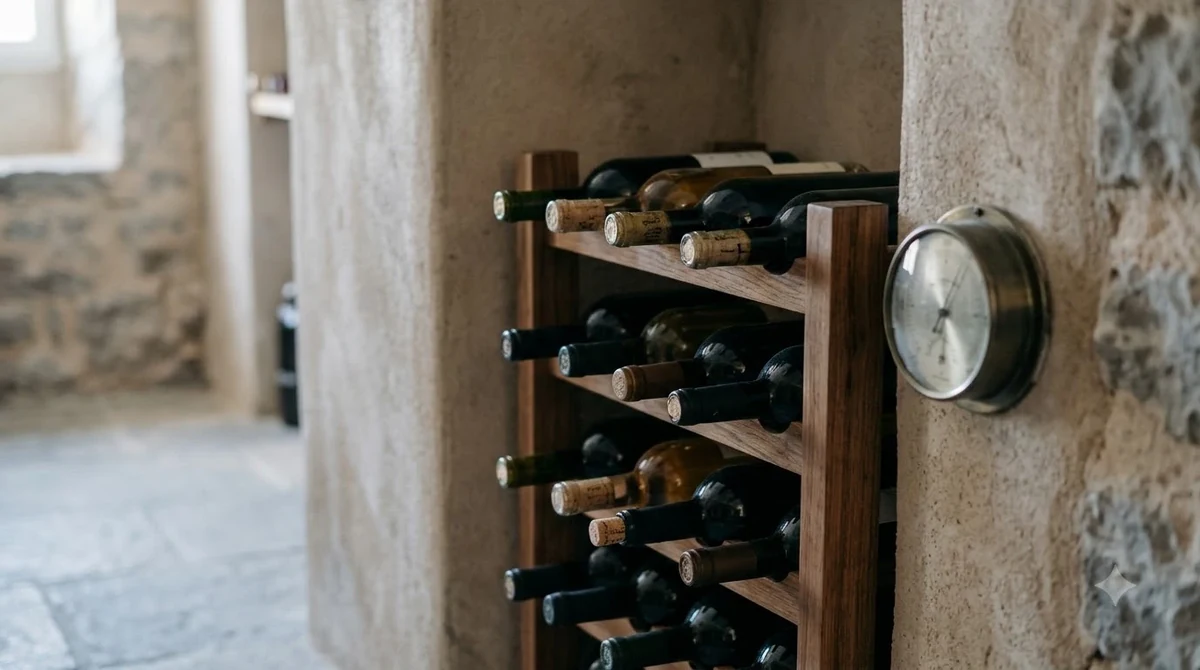
Store unopened bottles in a cool, dark location away from direct sunlight and large temperature changes. A storage temperature near 55 F is a useful general target. Bottles with traditional cork closures should be stored on their sides to help keep the cork from drying out.
Standard Sauvignon Blanc is generally purchased for its fresh, youthful character rather than extended cellar aging. Pinot Noir and specialized wines can have different aging potential, depending on their production and structure. Buyers should avoid assuming that a higher-priced bottle necessarily requires long-term storage.
After opening
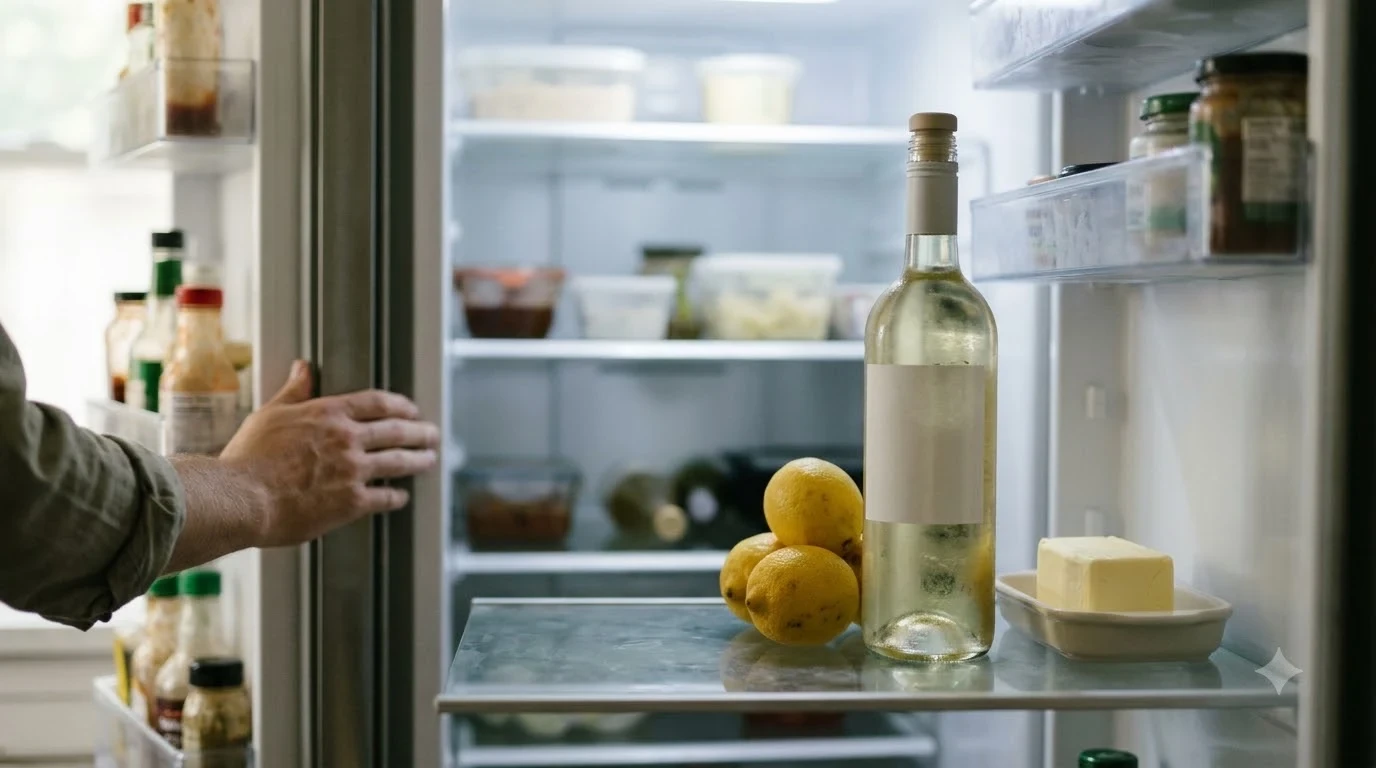
Refrigerate opened still wines and aim to consume them within approximately three to five days. Use a suitable closure to reduce exposure to oxygen. Sauvignon Blanc and Pinot Grigio often show their freshness best during the first few days after opening.
For a household that regularly drinks only one or two glasses at a time, a smaller bottle may be a practical purchase even if the equivalent volume price is higher. It can reduce the amount of unfinished wine that needs to be stored.
Frequently Asked Questions
Is Brancott Estate a New Zealand wine brand?
Yes. Brancott Estate is associated with Marlborough on New Zealand’s South Island. The winery’s vineyard history includes an early planting ceremony on August 24, 1973, an important milestone in the development of Marlborough as a wine-producing region.
Does Brancott Estate produce Sauvignon Gris?
Yes. New Zealand Wine specifically identifies Brancott Estate’s role in helping revive Sauvignon Gris, a grape variety that had become relatively uncommon. This is a different variety from Sauvignon Blanc, although both belong to the same broader grape family.
How many countries receive Brancott Estate wines?
New Zealand Wine reports that Brancott Estate wines are enjoyed in more than 50 countries. This international presence reflects the producer’s established position in the export market for New Zealand wines.
When did Brancott Estate become involved in Sustainable Winegrowing New Zealand?
Brancott Estate became a founding member of Sustainable Winegrowing New Zealand in 1997. The initiative reflects the winery’s involvement in sustainability practices across vineyard and wine-production operations.
Is Brancott Estate associated with the first Marlborough Sauvignon Blanc release?
Yes. New Zealand Wine’s historical account identifies the first Marlborough Sauvignon Blanc release as taking place in 1979, following the planting of Sauvignon Blanc vines in 1975. This history is part of the reason the producer is closely associated with the region’s signature grape variety.
Brancott Estate offers several price levels, from everyday Sauvignon Blanc and Pinot Grigio to more specialized Letter Series selections. For most US shoppers, comparing the exact range, vintage, bottle size and final retailer cost is the most reliable way to find appropriate value. Start with the standard Sauvignon Blanc if you want the familiar Marlborough style, or compare Pinot Noir and premium selections if you prefer a different wine experience.
More in Wine Brands
 Franzia Sangria Review: Taste, Sweetness, Serving Tips and ValueUpdated Nov 21, 2026
 Franzia Chillable Red Price: 5L Box Costs and Buying TipsUpdated Nov 21, 2026
 Franzia Chardonnay Price: Compare Box Sizes and Find Better ValueUpdated Nov 21, 2026
 Fess Parker Wine Review: Find the Right Santa Barbara BottleUpdated Nov 21, 2026
 Château Mouton Rothschild Wine Price: What to Expect Before BuyingUpdated Nov 21, 2026
 Fonseca Port Price: Compare Bottles, Styles, and ValueUpdated Nov 21, 2026