

We may earn a commission when you buy through links on this page, at no extra cost to you. Learn more.
The bertani wine price typically ranges from about $13 to more than $225 per 750 ml bottle in US retail listings, depending on the wine, appellation, vintage and aging. Entry-level Soave and Valpolicella generally cost considerably less than Bertani’s prestigious Amarone della Valpolicella Classico. Ripasso occupies an intermediate position, offering a fuller red wine style without necessarily requiring the investment associated with Amarone. Comparing the individual wine categories, rather than treating every Bertani bottle as interchangeable, is the most useful way to judge value.
Bertani is a historic Veneto producer with a reputation particularly associated with Amarone, traditional Valpolicella wines and carefully developed expressions of the region’s grapes. Its portfolio includes approachable everyday bottles, more concentrated reds, white wines and collectible older vintages. That range makes it possible to find very different prices under the same winery name. This guide explains what influences those prices, how to compare the principal styles and what to consider before choosing a bottle.
Who This Is For
Bertani’s portfolio suits shoppers who want to explore established Italian wine styles at several spending levels. The right starting point depends on whether the priority is an everyday bottle, a richer dinner wine or a special-occasion Amarone with considerable aging behind it.
This guide is particularly useful for three kinds of buyers. First, someone discovering Italian wine may want a reasonably priced Soave or Valpolicella before committing to a more expensive bottle. Second, a shopper familiar with Italian reds may be comparing Ripasso with Amarone and wondering whether the price difference reflects a meaningful difference in production and character. Third, a collector may be investigating older Amarone vintages and trying to understand why some bottles cost several times more than younger releases.
Bertani is based in Veneto, northeastern Italy, and its history dates to 1857. The winery’s official portfolio includes wines from Valpolicella, Valpantena and Soave, among other areas. Its range is organized into Tradition, Territory, Cru and Original Vintage categories, giving shoppers several ways to explore the producer’s approach to regional wine.
Buyers should also understand that a producer’s reputation does not automatically make every bottle the right purchase. Someone looking for a light white wine for a summer lunch has different requirements from someone seeking a structured red for a long dinner. Bertani offers both kinds of options, so the most expensive label is not necessarily the most suitable one.
For shoppers comparing producers across the Italian wine category, the broader Wine Brands directory provides another starting point. Bertani is particularly relevant for buyers interested in Veneto, Valpolicella and traditional regional winemaking.
Key Factors to Compare
The most important factors behind a Bertani bottle’s price are its wine category, production method, appellation, vintage and aging history. Comparing those five elements provides a more meaningful assessment than looking at the winery name alone.
The following ranges are practical US retail budgeting estimates based on tracked listings and retailer examples from the reviewed sources. They are not fixed winery prices or guaranteed prices at every store. The same wine can appear at different prices depending on vintage, state distribution, inventory and retailer availability.
| Bertani wine category | Approximate US price range | Typical buying purpose |
|---|---|---|
| Soave and other white wines | About $12–$30 | Everyday drinking and seafood meals |
| Valpolicella | About $14–$30 | Accessible Italian red wine |
| Valpolicella Ripasso | About $20–$50 | Fuller red wine for dinner |
| Amarone Valpantena | About $35–$85 | Special meals and richer reds |
| Amarone Classico | About $95–$225 or more | Collecting and special occasions |
| Recioto and historic bottlings | About $40 to several hundred dollars | Dessert wine and collectible bottles |
These ranges reflect the broad differences visible in US-oriented price comparisons and retailer listings. For example, Vino Alert tracks Bertani wines across multiple stores and lists Sereole Soave from approximately $12.63, Ripasso Valpantena from approximately $12.99 and Amarone Classico at a typical tracked price of approximately $98. Its tracked listings also include substantially more expensive older bottles. Prices vary by state and retailer, and shipping and taxes may add to the final purchase cost. The Bertani price comparison listings provide a useful way to see how the same producer’s wines occupy different price categories.
Individual retailer listings can sit outside a broad estimated range. Profile Wine Group lists Bertani Soave Classico 2024 at approximately $23, Catullo Ripasso 2021 at approximately $34 and Amarone Valpantena 2022 at approximately $65 per 750 ml bottle. Its listed Amarone Classico 2015 is approximately $225. Those examples illustrate why the exact wine designation matters when comparing prices.
The difference between an everyday Valpolicella and an Amarone is not simply a matter of branding. Amarone uses dried grapes and a more involved production process. That approach changes the concentration of the wine and increases the time and resources involved in production. Older vintages can also command higher prices because of their age, limited availability and collector interest.
Vintage and bottle size
Vintage is another important comparison point. Two bottles with the same Bertani wine name can have substantially different prices if they come from different harvests. Older Amarone releases may be considerably more expensive than current releases, especially when they are scarce or sought after by collectors.
Bottle size matters as well. A standard 750 ml bottle is the most useful basis for comparing prices. A 500 ml Recioto, magnum or gift package should not be compared directly with a standard bottle without accounting for the difference in volume and packaging.
Before purchasing, compare the full wine name, appellation, vintage and bottle size. This simple check helps prevent an apparently cheaper bottle from turning out to be a different wine or a smaller format.
Step-by-Step: How to Choose a Bertani Bottle
A straightforward buying process can help narrow Bertani’s extensive portfolio to a bottle that fits the occasion and budget. Start with the style you want, then compare the vintage, bottle size and final retail cost.
-
Set a realistic spending range.
Decide whether the purchase is intended for everyday drinking, a dinner with friends or a special occasion. A budget of approximately $15 to $30 can cover some of Bertani’s more accessible white and red wines, while Ripasso generally calls for a higher allowance. A buyer considering Amarone should expect a substantially larger investment, particularly for Classico bottlings.
-
Choose between white, red and sweet wine.
Start by identifying the style that suits the meal. Soave is a useful choice for shoppers seeking a dry white wine, while Valpolicella and Ripasso are red wine options. Recioto offers a different direction for those who want a traditional sweet wine to accompany dessert.
-
Decide how much concentration you want.
Regular Valpolicella generally provides a fresher and lighter expression of the local red grapes. Ripasso tends to offer more body and depth. Amarone is the more concentrated and substantial style, making it particularly appropriate for richer dishes and longer meals.
-
Compare appellations carefully.
Look for the distinction between Valpolicella Classico, Valpantena and other designations. They identify different geographic expressions and should not automatically be treated as equivalent. Bertani’s portfolio includes wines from both Valpolicella Classica and Valpantena, so the precise name helps identify the intended style.
-
Check the vintage and bottle size.
Compare 750 ml bottles first, then account for older vintages or alternative formats. An older Amarone may cost substantially more than a younger Valpantena bottling, but the additional expense should be evaluated against the intended drinking experience rather than age alone.
-
Compare several retailers.
Look at at least two or three sellers when practical. Compare the same wine, vintage and bottle size rather than comparing different Bertani labels. Include shipping, local taxes and delivery restrictions when calculating the actual cost.
-
Consider the occasion before completing the purchase.
A bottle of Soave for a casual seafood dinner does not need the budget of an Amarone Classico. Likewise, a special anniversary meal may justify choosing a more substantial wine. The best purchase is the one whose style and price make sense for the occasion.
Tip: Compare the complete label name, not just the word Bertani. A Valpolicella Ripasso Valpantena, a Catullo Ripasso and an Amarone Classico are distinct wines with different production methods, price expectations and drinking occasions.
One additional consideration is availability. A wine that appears inexpensive in an online comparison may be available from only a small number of retailers. Before making a purchase, confirm that the listed bottle is the desired vintage and that the seller can ship to the destination state. A slightly higher price from an established local wine merchant may make more sense if it avoids expensive shipping or uncertain delivery.
Types or Styles Explained
Bertani’s portfolio covers several traditional Veneto styles, and understanding their differences is essential for evaluating price. Soave, Valpolicella, Ripasso, Amarone and Recioto are not simply different labels for similar wines; each offers a different balance of grape character, production method and drinking experience.
Soave: approachable white wine
Soave is an important starting point for buyers who prefer white wine. The principal grape is Garganega, which can produce dry wines with citrus, orchard fruit and mineral characteristics. Bertani’s Sereole Soave Classico and Soave selections give shoppers a way to explore the white-wine side of its portfolio.
Tracked US listings place Sereole Soave at approximately $13, while Profile Wine Group lists Bertani Soave Classico 2024 at approximately $23. These figures make the category considerably more accessible than premium Amarone. Soave works well with grilled fish, shellfish, salads and lighter poultry dishes.
Serve a dry Soave at approximately 45–50°F. This temperature helps preserve its freshness without making its aromas difficult to appreciate. A standard 750 ml bottle provides approximately five 5 oz glasses, making it practical for a small dinner gathering.
Valpolicella: the accessible red
Traditional Valpolicella is generally a lighter-bodied red wine built around local varieties such as Corvina, Rondinella and sometimes Molinara. Its fresh fruit character and comparatively moderate weight make it useful for everyday meals. It is often a sensible entry point for someone who wants to understand Bertani before spending more on Ripasso or Amarone.
Valpolicella Valpantena is one of the labels in Bertani’s portfolio. Retailer and price-comparison listings show this category at approximately $14 to $30 per 750 ml bottle, depending on the bottling and retailer. This is a useful general spending range for shoppers interested in the more accessible side of the producer.
Serve lighter Valpolicella at approximately 55–60°F. It can accompany tomato-based pasta, roasted chicken, charcuterie and moderately seasoned pizza. Its more restrained structure also makes it suitable for meals where a powerful red wine would dominate the food.
Ripasso: a fuller middle ground
Valpolicella Ripasso is made using a secondary fermentation or refermentation process involving grape pomace from Amarone or Recioto production. This adds complexity and concentration to the underlying Valpolicella wine. It is an attractive option for someone who likes the depth of Amarone but does not necessarily want to pay for a premium Amarone bottling.
Bertani’s portfolio includes Valpolicella Ripasso Valpantena and Valpolicella Ripasso Classico Superiore Catullo. Vino Alert tracks Ripasso Valpantena from approximately $13, while Profile Wine Group lists Catullo 2021 at approximately $34. These examples demonstrate how product designation and retail channel can influence the purchase cost.
Ripasso generally offers a fuller profile than standard Valpolicella. This type of wine makes a good companion for grilled sausages, braised beef, mushroom pasta and aged hard cheeses. Its additional concentration makes it suitable for meals with richer flavors without necessarily requiring the investment of Amarone.
Amarone Valpantena: concentrated but comparatively accessible
Amarone Valpantena is a useful category for shoppers who want the character of Amarone without immediately moving into the higher-priced Classico segment. Amarone is produced using partially dried grapes, a traditional approach that concentrates the fruit before fermentation.
Bertani’s Amarone Valpantena 2022 appears in Profile Wine Group’s listings at approximately $65 per 750 ml bottle. Other tracked listings show prices beginning around $35. A sensible shopping budget is approximately $35 to $85, depending on vintage and retailer.
Expect a more substantial wine than standard Valpolicella. Rich meat dishes, braised short ribs, roasted lamb and mature cheeses are appropriate companions. Serve at approximately 60–65°F rather than allowing the bottle to become excessively warm.
Amarone Classico: the premium choice
Amarone della Valpolicella Classico is among Bertani’s most prestigious offerings. The Classico designation refers to the historic production area of Valpolicella. Its higher price reflects the production approach, extended development, reputation and the particular vintage being purchased.
Profile Wine Group lists Bertani Amarone Classico 2015 at approximately $225 per 750 ml bottle. Vino Alert’s broader tracked comparison places the typical price for Bertani Amarone Classico at approximately $98, illustrating the substantial variation among vintages and retailers. A practical budget for many currently tracked Classico examples is approximately $95 to $225 or more, with exceptional older bottlings potentially exceeding that range.
Amarone is a wine for buyers who appreciate concentration, structure and a more substantial drinking experience. Rich roasted meat, slow-cooked beef, venison and aged cheeses are suitable food matches. A young, full-bodied bottle can benefit from approximately 30–60 minutes of decanting, while an older bottle may require gentler handling.
Recioto: the sweet traditional style
Recioto della Valpolicella is an important part of the region’s winemaking heritage. It uses dried grapes, but fermentation is stopped before all the sugar has been converted into alcohol, leaving a naturally sweet wine. This makes it fundamentally different from dry Amarone even though the wines share important production traditions.
Bertani’s Recioto selections include Valpantena bottlings in 500 ml formats. Vino Alert lists a tracked Bertani Recioto Valpantena at approximately $49 for a 500 ml bottle. Because this is smaller than the standard 750 ml format, direct price comparisons need to account for the difference. Some premium or historic Recioto releases can also command considerably higher prices.
Serve Recioto at approximately 43–50°F. Pair it with chocolate desserts, fruit pastries and blue cheese. A useful pairing principle is to choose a dessert that is no sweeter than the wine, so the wine retains its fruit character and does not seem excessively acidic or bitter.
Common Mistakes When Comparing Bertani Prices
The most common shopping mistakes involve comparing different wine styles, assuming all older vintages are superior and judging value by the producer’s reputation alone. A few basic checks can prevent buyers from paying more than necessary for a bottle that does not suit their preferences.
Comparing Ripasso directly with Amarone
Ripasso and Amarone share regional traditions, but they are not interchangeable products. Ripasso uses a refermentation process involving pomace, whereas Amarone is made from partially dried grapes. The resulting wines differ in concentration, production requirements and typical price.
A shopper who wants a fuller red wine for a weekend dinner may find Ripasso more than sufficient. Paying a premium for Amarone only makes sense if its additional concentration, complexity and occasion justify the expense. Both styles have a place in a well-chosen Italian wine collection.
Assuming an older vintage is automatically better
Older wine can be more expensive because it is less readily available and may have developed additional complexity. However, age alone does not guarantee quality or suitability. Storage conditions, vintage characteristics and bottle provenance all influence the condition of an older wine.
This is particularly important for premium Amarone. A much older bottle may cost substantially more than a younger release, but the buyer should consider whether the extra expenditure reflects a genuine preference for mature wine. Someone who enjoys fresher fruit flavors may actually prefer a younger vintage.
Ignoring the appellation
Valpantena, Valpolicella Classico and other geographic designations can identify distinct wines. Treating every Bertani red as the same product creates misleading price comparisons. A shopper should compare like with like, including the precise appellation and wine designation.
For example, a Valpantena Amarone should not be used as the sole price reference for an older Amarone Classico. They occupy different market positions and may have different vintages, production details and availability.
Overlooking bottle size and retailer conditions
A 500 ml bottle is not directly comparable with a 750 ml bottle. Similarly, a six-bottle case price needs to be divided by six before it is compared with an individual bottle listing. Shipping and local taxes also influence the amount paid at checkout.
Retail listings may show a case-only price, a particular vintage or a bottle that is unavailable in the buyer’s state. A comparison is useful only when the actual purchasing conditions are similar. The displayed price should therefore be treated as a starting point rather than a universal market value.
Buying the most expensive bottle by default
Price is not a reliable substitute for personal preference. A shopper who enjoys lighter reds may find standard Valpolicella more appealing than a powerful Amarone. Someone who prefers crisp white wines may get considerably more enjoyment from Soave than from an expensive red wine.
It is also unnecessary to buy Amarone for every important dinner. A good Ripasso can provide a satisfying accompaniment to rich food at a lower cost. The more expensive wine is not automatically the better purchase for a particular meal.
Shoppers interested in a different Italian wine category can also compare La Marca Prosecco, which offers a sparkling alternative for celebrations and aperitif occasions. For a different kind of everyday supermarket wine, our Barefoot wine overview provides another useful comparison of approachable wine styles and buying considerations.
Care and Storage Tips
Correct storage and serving can help preserve the qualities that justify a Bertani purchase. Temperature, light, bottle position and opening time all influence the drinking experience, particularly with structured reds and older Amarone vintages.
Store bottles in stable conditions
A wine storage temperature near 55°F is a useful general target. Avoid locations with frequent temperature changes, direct sunlight or excessive heat. A kitchen shelf near an oven or a bright window is not an ideal long-term storage location.
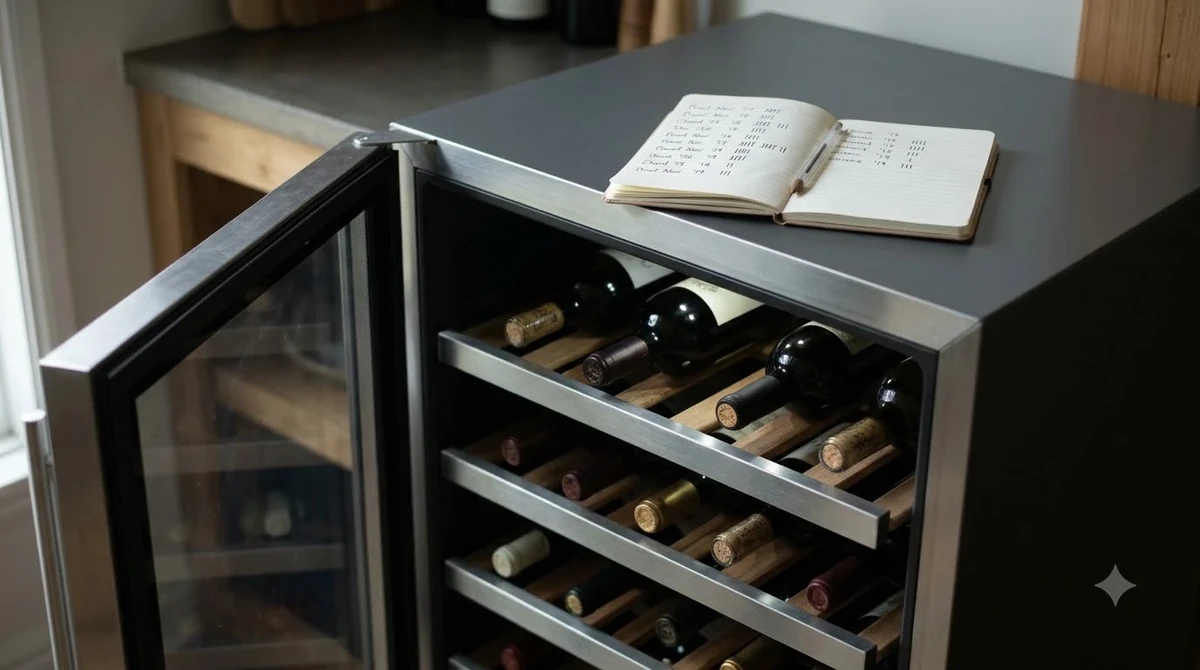
Traditional cork-sealed bottles should generally be stored horizontally so the wine remains in contact with the cork. This helps prevent the cork from drying out. A dedicated wine refrigerator can provide more consistent conditions than a typical household refrigerator, especially for bottles intended to age for several years.
Use appropriate serving temperatures
Serving temperature affects aroma, acidity and the perception of alcohol and tannin. A very warm red may seem heavier and more alcoholic, while an excessively cold red can appear muted and harder in texture.
- Soave and other light whites: approximately 45–50°F.
- Fuller white wines: approximately 50–55°F.
- Lighter Valpolicella reds: approximately 55–60°F.
- Ripasso and Amarone: approximately 60–65°F.
- Recioto: approximately 43–50°F.
A refrigerator can cool a bottle before serving, but allowing a red to warm slightly in the glass is often preferable to serving it too cold. The aim is to preserve the wine’s freshness while allowing its aromas to develop.
Decant structured reds thoughtfully
Young, full-bodied Amarone can benefit from approximately 30–60 minutes of decanting. This allows the wine to come into contact with oxygen and can help soften its initial presentation. Ripasso may need less time, depending on the vintage and style.
Older wines require more caution. Long exposure to oxygen can diminish delicate aromas in a mature bottle. For an older Amarone, careful opening and gentle pouring may be more appropriate than an extended decanting period. If sediment is present, leave the final portion of the bottle undisturbed.
Preserve opened bottles
After opening, reseal the bottle and keep it refrigerated, including red wine. A standard still wine generally remains in reasonable drinking condition for approximately three to five days, although the actual period varies with the wine and storage conditions.
For sparkling wines, the typical refrigerated window is approximately one to three days with a suitable sparkling-wine closure. Fortified wines may last several weeks after opening, depending on their style. Avoid leaving an opened Bertani bottle exposed to warm room conditions overnight, particularly in a hot environment.
For buyers who regularly keep several bottles at home, consistent storage is more important than purchasing the most expensive wine refrigerator. A stable environment near 55°F and protection from sunlight are sensible priorities for preserving both accessible Valpolicella and premium Amarone.
Frequently Asked Questions
Is Bertani an Italian wine producer?
Yes. Bertani is a historic producer from Veneto in northeastern Italy, with its history beginning in 1857. Its official portfolio includes wines associated with Valpolicella, Valpantena and Soave. The winery’s listed address is in Grezzana, in the province of Verona.
What grapes are used in Bertani Amarone?
Bertani’s traditional Amarone wines are associated with Corvina, Rondinella and other permitted local varieties. Corvina is especially important to the region’s traditional red wines. The grapes are partially dried before fermentation, concentrating their components and helping create Amarone’s characteristic richness.
Is Bertani Amarone suitable for long-term cellaring?
Amarone Classico is recognized for its aging potential, and Bertani offers access to historic vintage collections through its winery website. However, cellaring potential depends on the specific vintage, bottle condition and storage environment. Consistent temperatures, darkness and appropriate humidity are important for preserving a bottle over an extended period.
Does Bertani make wines other than red Amarone?
Yes. Its official portfolio includes Soave, Lugana, Ripasso, standard Valpolicella, Recioto and other wines. The producer also organizes selections into Tradition, Territory, Cru and Original Vintage categories. This range means shoppers can explore Bertani without committing to a premium red wine.
How many glasses can you pour from a Bertani bottle?
A standard 750 ml bottle contains approximately 25.4 US fluid ounces. At a conventional 5 oz serving, it provides about five glasses. A 500 ml Recioto bottle provides approximately three full 5 oz servings, although smaller dessert-wine pours are common.
Bertani offers a broad range of Veneto wines, from approachable Soave and Valpolicella to concentrated Ripasso and collectible Amarone. The smartest purchase depends on the style, vintage, bottle size and occasion rather than the producer’s reputation alone. Compare equivalent bottles across retailers, set a realistic budget and choose the wine that best suits the meal and drinking experience you want.
More in Wine Brands
 Marqués de Riscal Wine Price: Compare Bottles and Find the Right RiojaUpdated Nov 21, 2026
 Mateus Rose Price: What to Expect for a 750 ml BottleUpdated Nov 21, 2026
 Kim Crawford Rose Price: Find a Fair 750 ml Bottle RangeUpdated Nov 21, 2026
 Marchesi Antinori Wine Price: Compare Bottles by Style and TierUpdated Nov 21, 2026
 Marques De Riscal Wine Review: How to Choose the Right Spanish BottleUpdated Nov 21, 2026
 Lussory Wine Review: Choose the Right Alcohol-Free StyleUpdated Nov 21, 2026