

We may earn a commission when you buy through links on this page, at no extra cost to you. Learn more.
The typical apothic white price in the United States is about $9 to $13 for a standard 750 ml bottle, depending on the retailer, vintage, and local market. Most shoppers will find this California white blend in the affordable everyday wine category rather than the premium white wine category. Its fruit-forward Chardonnay, Riesling, and Pinot Grigio blend, semi-sweet character, and flexible food pairings help explain its popularity. Comparing local retailers before buying is the simplest way to determine whether a particular bottle represents reasonable value.
Apothic White is designed for drinkers who enjoy approachable white wine with noticeable fruit flavors, a touch of sweetness, and a smooth finish. It is a practical option for casual dinners, parties, and everyday occasions, particularly for people who prefer an alternative to sharply dry Sauvignon Blanc or heavily oaked Chardonnay. However, understanding the bottle size, grape blend, vintage, and retailer pricing makes it easier to judge what you are paying for. This guide explains typical US retail costs, the reasons prices differ, and how to choose, serve, and store the wine.
Who This Is For
Apothic White is best suited to shoppers looking for an affordable, fruit-forward California white blend rather than a highly structured or traditionally dry white wine. Its approachable style makes it particularly relevant to casual wine drinkers, hosts, and people who enjoy some sweetness alongside refreshing acidity.
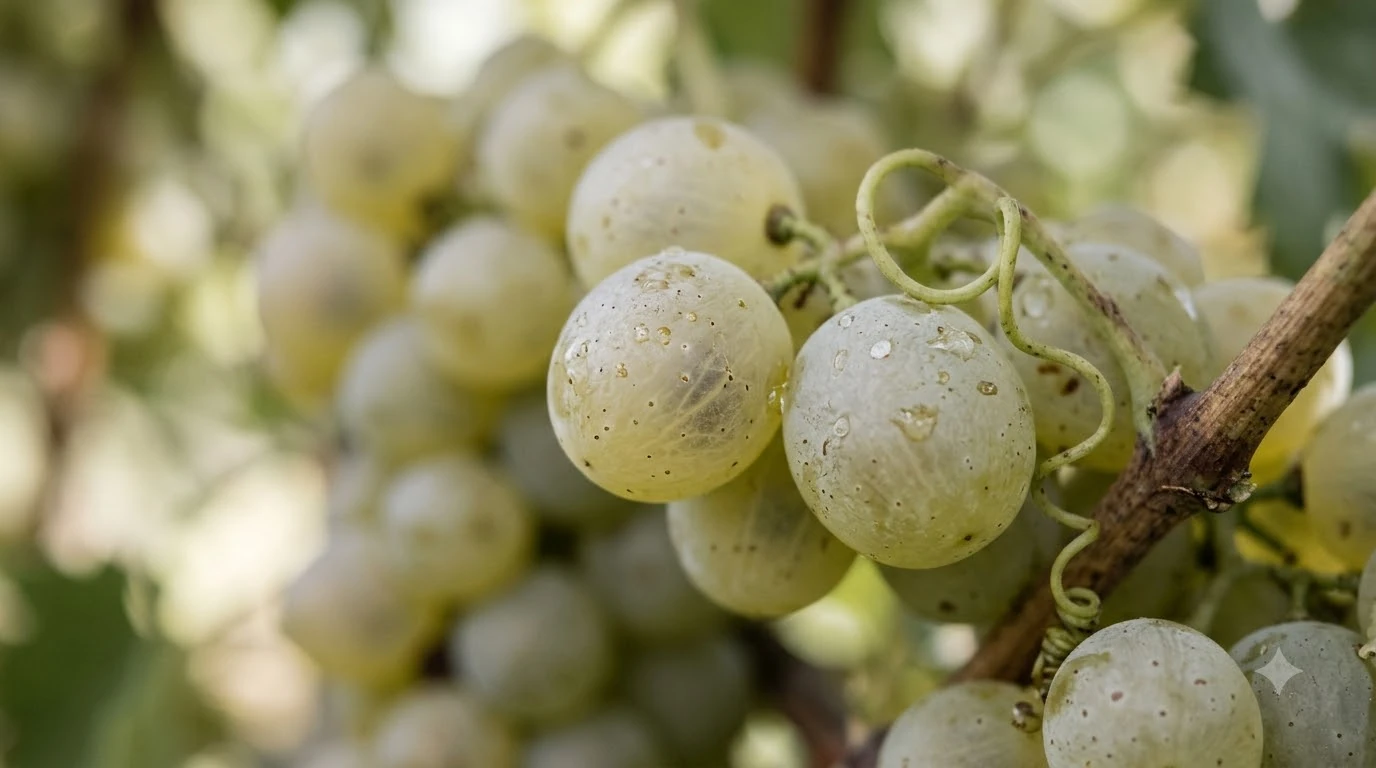
The wine combines Chardonnay, Riesling, and Pinot Grigio, according to the official Apothic product description. These varieties contribute different elements to the finished blend: Chardonnay provides a fuller foundation, Riesling contributes aromatic fruit and freshness, and Pinot Grigio brings lighter fruit character. The producer identifies peach, apricot, and floral aromas as defining characteristics. Its official Apothic White product description also identifies barbecue, jalapeño poppers, and curry as suitable food pairings.
Shoppers who regularly buy wine for weeknight meals or informal gatherings may appreciate its versatility. It can accompany spicy barbecue, jalapeño poppers, and curry, all of which appear among the producer’s recommended food pairings. Its semi-sweet profile also makes it accessible to guests who find bone-dry whites too sharp or austere.
It is less suitable for someone specifically seeking a mineral-driven Chablis, a high-acidity Sauvignon Blanc, or a complex, barrel-aged Chardonnay. Those wines have different flavor structures and are intended to deliver different experiences. Apothic White emphasizes fruit, softness, and easy drinking rather than pronounced oak, intense mineral character, or extended aging potential.
People comparing several bottles from the Wine Brands category should consider the intended occasion before making a decision. A bottle intended for a casual cookout does not need the same structure or complexity as a white wine selected for a formal multi-course dinner.
Key Factors to Compare
The most useful price comparison considers bottle size, vintage, retailer, and the wine’s intended drinking style together. A 750 ml bottle is the standard comparison point, while unusually high listings may reflect store-specific pricing, shipping arrangements, or limited local availability.
VinoAlert’s retailer comparison provides a useful picture of the US market, showing multiple retailers and separating non-vintage offers from individual vintage listings. Its comparison methodology also distinguishes the median typical price from the lowest available offer. This distinction matters because the cheapest listing is not necessarily representative of what most shoppers will encounter.
| Comparison factor | What to expect | Why it matters |
|---|---|---|
| Standard bottle | 750 ml | The usual size for comparing retailer listings. |
| Typical retail range | About $9–$13 | A practical shopping benchmark based on tracked US listings. |
| Lower-priced listings | About $8–$10 | Can appear at selected retailers and for certain vintages. |
| Higher-priced listings | About $14–$21 | Some retailers list the same wine considerably higher. |
| Alcohol content | 12% ABV | A useful specification when comparing white blends. |
| Grape varieties | Chardonnay, Riesling, Pinot Grigio | Helps explain the wine’s fruity, balanced profile. |
| Wine style | Semi-sweet, medium-bodied | Useful for matching personal taste and food. |
The price ranges in this table are practical shopping benchmarks drawn from VinoAlert’s US retailer comparison, not guaranteed prices at every store. VinoAlert shows non-vintage listings beginning around $9, with many ordinary retail offers clustering around $10 to $13 for a 750 ml bottle. The tracked offers also demonstrate that some retailers charge substantially more, so shoppers should compare equivalent bottle sizes and vintages rather than relying on a single listing. Prices vary by state and retailer, and shipping and tax may be additional.
Vintage is another useful comparison point. VinoAlert separates listings for non-vintage Apothic White from individual vintages, including 2022, 2023, 2024, and 2025 bottles. These categories should not automatically be treated as interchangeable for price comparisons. A store may have an older vintage available at a different price from its current non-vintage inventory.
Retailer location also matters. Alcohol distribution rules, state taxes, local competition, and shipping eligibility can all affect the final amount a shopper pays. An online listing that looks inexpensive before shipping may not be the most economical choice once delivery charges and taxes are included.
For an accurate comparison, use the same 750 ml size and the same vintage category whenever possible. A lower shelf price is useful, but availability, freshness, convenience, and the total checkout cost are also relevant.
Step-by-Step: How to Buy Apothic White
A straightforward buying process starts with the bottle size and ends with a comparison of the final retail cost. Five practical steps can help shoppers avoid confusing different vintages, misleading online listings, and unusually expensive local offers.
-
Confirm the bottle size.
Start with the standard 750 ml bottle. It is the most useful reference size because most US retailer comparisons use it. A bottle with a different volume should not be compared directly with a standard bottle without adjusting for the quantity of wine.
-
Identify the wine itself.
Make sure the product is Apothic White rather than Apothic Red, Apothic Crush, or another wine in the range. The producer identifies Apothic White as a white blend made with Chardonnay, Riesling, and Pinot Grigio. Checking the product name and description helps prevent accidental substitutions.
-
Compare at least three retailers.
Look at local wine shops, grocery stores, and reputable online retailers. VinoAlert tracks multiple US stores, making its comparison useful for identifying the general retail market. Comparing three or more listings can reveal whether one store’s asking price is unusually high.
-
Separate vintage listings.
Determine whether the listing is non-vintage or identifies a particular vintage, such as 2024 or 2025. Compare like with like before deciding that one retailer offers better value. Different vintages can have different retail histories and availability.
-
Calculate the final purchase cost.
Include applicable sales and alcohol taxes, shipping, and any delivery charges. A retailer listing that appears attractive before checkout may become less competitive after these additions. Local pickup can sometimes make the final purchase more straightforward.
It is also sensible to consider how quickly the bottle will be consumed. A single bottle may be sufficient for a quiet dinner, while a gathering with several guests may require additional bottles. Since a standard 750 ml bottle provides approximately five conventional 5 oz servings, shoppers can estimate quantities without purchasing unnecessarily.
Tip: Use about $9 to $13 for a 750 ml bottle as a practical comparison range, then compare the same vintage across local retailers. An unusually high listing deserves a second look before purchase, particularly if another nearby store carries the same bottle size.
Types and Styles Explained
Apothic White is a California white blend, not a single-variety Chardonnay or Riesling. Its identity comes from combining several grapes to create a recognizable fruit-forward style with moderate body and some sweetness.

The official Apothic description identifies Chardonnay, Riesling, and Pinot Grigio as the three principal varieties. Some retailer descriptions use different tasting language, and certain Apothic product descriptions emphasize different fruit impressions. The most useful approach is to understand the general role of each grape rather than expecting every bottle description to use identical terminology.
Chardonnay: Body and Texture
Chardonnay contributes a fuller foundation to the blend. Depending on its production style, Chardonnay can offer apple, pear, citrus, or stone-fruit character. In a blended wine, its role is often to provide weight and a more rounded mouthfeel.
Apothic White is not presented by its producer as a heavily oaked Chardonnay. Its overall description emphasizes fruit and floral aromas rather than strong toasted oak or buttery characteristics. Shoppers who enjoy softer white wines may therefore find its general style more appealing than a strongly oaked Chardonnay.
Riesling: Fruit and Freshness
Riesling is known for its aromatic character and naturally high acidity. Depending on the wine’s sweetness level, it can show apple, peach, citrus, and floral notes. In Apothic White, it contributes to the blend’s fruit-forward profile and helps balance its softer texture.
The presence of Riesling also helps explain why the wine is more approachable to drinkers who prefer some sweetness. However, not every Riesling is sweet, and the grape variety alone does not determine the final wine’s sweetness. The winemaker’s blending decisions are equally important.
Pinot Grigio: Lighter Fruit Character
Pinot Grigio is often associated with refreshing acidity, lighter body, and flavors such as pear, lemon, and peach. It can provide contrast to Chardonnay’s fuller texture and Riesling’s aromatic intensity.
These grape varieties work together to create a style that differs from a conventional dry Italian Pinot Grigio or a single-variety German Riesling. Apothic White is better understood as a blended California wine designed around fruit, balance, and accessibility.
For readers comparing Apothic White wine with other familiar styles, the most important distinction is sweetness and overall texture. Someone who enjoys a slightly sweet, medium-bodied white will generally approach this bottle differently from someone who prefers crisp, bone-dry whites.
Common Mistakes When Comparing Prices
The biggest purchasing mistakes involve comparing different bottle sizes, treating every vintage as identical, and assuming that the lowest online listing represents the normal retail cost. Understanding these differences makes it easier to identify a sensible purchase.
Comparing Different Bottle Sizes
A 750 ml bottle and a smaller-format bottle are not equivalent purchases. Even if a smaller bottle has a lower shelf price, its cost per milliliter may be higher. Always compare the volume before drawing conclusions about value.
A standard 750 ml bottle contains approximately five 5 oz servings. This makes it useful for estimating the amount needed for dinner or a small gathering. A household buying wine for several people should consider the number of expected servings rather than simply choosing the bottle with the lowest displayed price.
Ignoring Vintage Differences
Another common mistake is treating non-vintage wine and individually dated bottles as identical retail products. VinoAlert’s comparison separates these categories and shows that the recorded prices can differ.
An older vintage may remain on a retailer’s shelves while another store carries a more recent release. This does not automatically mean the older bottle is inferior or that the newer one deserves a higher price. The listing needs to be evaluated in context, including storage conditions and availability.
Assuming Every Store Uses the Same Pricing
Retail prices vary for several reasons. Local operating costs, inventory levels, distribution arrangements, taxes, and retailer pricing policies all influence the amount charged. Two stores in the same general market can therefore display different prices for the same wine.
VinoAlert’s comparison illustrates this difference by showing offers across many retailers, including listings that sit above or below its typical-price benchmark. A shopper should not assume that an unusually high listing represents a special edition or a more expensive production method.
Confusing Apothic White With Other Apothic Wines
Apothic produces several wines with different styles, including red blends and other white offerings. A shopper who wants a semi-sweet white should make sure the product is Apothic White rather than selecting another bottle with a similar label.
The brand name alone is not enough to establish the wine’s style. Reading the full product name, identifying the wine color, and checking the grape blend are simple ways to avoid confusion.
Forgetting the Total Checkout Cost
Online listings may display a bottle price without including shipping or applicable taxes. A retailer shipping across state lines may also have restrictions that make a seemingly convenient listing unavailable to a particular customer.
Compare the complete purchase amount rather than relying solely on the headline price. This is especially important when ordering only one bottle, because shipping charges can make a substantial difference to the total.
Care and Storage Tips
Apothic White is best enjoyed chilled, and sensible storage helps preserve its fruit-forward aromas and fresh character. Temperature control matters both before opening and after the bottle has been exposed to air.
Serving Temperature
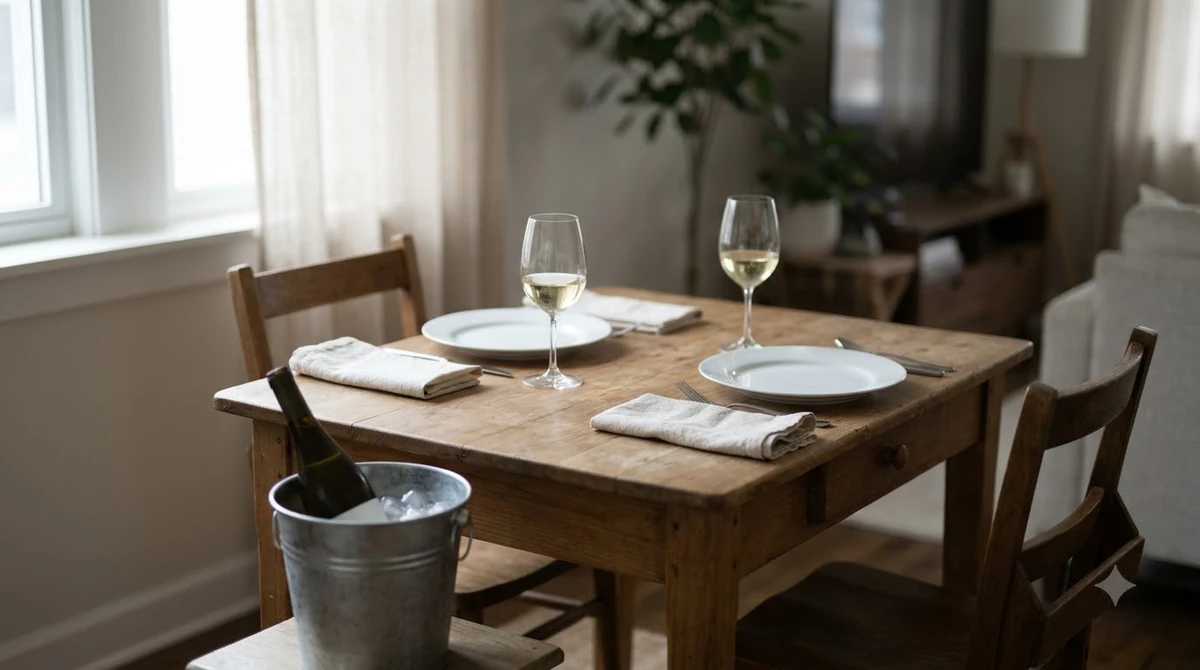
Serve Apothic White at approximately 45 to 50 degrees Fahrenheit. This temperature range is appropriate for light whites and rosé wines and helps preserve refreshing acidity without making the wine excessively cold.
Serving it directly from a refrigerator that is significantly colder than this range can temporarily mute its aromas. Allowing the wine to warm slightly in the glass can make peach, apricot, and floral notes easier to appreciate.
A regular white wine glass is sufficient. There is no need for specialized glassware to enjoy an approachable California blend. A clean glass with enough room to swirl the wine gently will allow its aromas to develop.
Storing an Unopened Bottle
Store unopened bottles away from direct sunlight, temperature fluctuations, and excessive heat. A cool, dark storage location is preferable to a kitchen counter or a shelf beside an oven.
For longer-term bottle storage, a temperature near 55 degrees Fahrenheit is a useful general wine-storage target. Bottles with traditional cork closures are generally stored on their sides to keep the cork from drying out. The main priority for an everyday white blend is avoiding heat and unnecessary changes in temperature.
Apothic White is generally purchased for relatively early enjoyment rather than extended cellaring. Buying it with the intention of drinking it within a reasonable period makes more sense than treating it like a collectible white Burgundy or a structured Riesling selected for long-term aging.
Keeping an Opened Bottle Fresh
After opening, reseal the bottle with its original closure or a suitable wine stopper and place it in the refrigerator. Refrigeration slows oxidation and helps retain the wine’s fresh fruit character.
As a general guideline, opened still white wines usually remain enjoyable for approximately three to five days when refrigerated and properly resealed. The actual result depends on how much wine remains, how much oxygen entered the bottle, and how consistently it has been kept cold.
Before serving a refrigerated remainder, allow it to approach the recommended serving temperature. If the wine has developed noticeably dull fruit, an unpleasant smell, or an unusual flavor, its best drinking period has probably passed.
These simple steps are particularly useful when a bottle is opened for a dinner involving only two people. There is no reason to rush through the entire bottle in one sitting simply because it has been opened.
Frequently Asked Questions
Is Apothic White a sweet wine or a dry wine?
Apothic White is generally described as semi-sweet rather than bone-dry. Its sweetness is balanced by the acidity contributed by its grape blend, so it does not necessarily taste like a dessert wine. The perceived sweetness can also seem different depending on serving temperature and the food alongside it.
Does Apothic White contain sulfites?
Apothic White is a wine, and sulfites are commonly present in wine as a result of fermentation and winemaking practices. Retail product information for this bottle identifies sulfites as an allergen warning. Consumers who need specific ingredient or allergen information should consult the product labeling and manufacturer information.
Can Apothic White be used to make a white wine spritzer?
Yes. Its fruity, semi-sweet character can work well in a simple spritzer. Combine a chilled serving with sparkling water and serve over ice with a lemon or orange garnish. Because the wine already has noticeable fruit character, additional sweeteners are generally unnecessary.
How many calories are in a glass of Apothic White?
The exact calorie count depends on the bottle’s nutritional information and the serving size. Alcohol content alone does not establish the calorie total because residual sugar and other wine components also contribute. A standard 5 oz serving is the most useful quantity to use when comparing nutrition information between wines.
Does Apothic White need to be decanted before serving?
No. This approachable white blend does not normally require decanting. Simply chill the bottle to approximately 45 to 50 degrees Fahrenheit, open it shortly before serving, and pour into clean glasses. A gentle swirl in the glass is sufficient to release its fruit and floral aromas.
Apothic White is a practical option for shoppers who enjoy fruit-forward, semi-sweet California white wine without spending on a premium bottle. Comparing the same 750 ml size across several retailers, checking vintage differences, and considering the final checkout cost will help establish whether a listing represents good value. For a closer look at the wine’s composition and drinking style, explore our Apothic White overview and our explanation of Apothic White alcohol content before choosing your next bottle.
More in Wine Brands
 Underwood Wine Price: Compare Bottles, Cans, and Pack SizesUpdated Nov 21, 2026
 Zenato Wine Price: Compare Styles and Choose the Right BottleUpdated Nov 21, 2026
 Zuccardi Wine Price: Compare Bottles and Find the Right RangeUpdated Nov 21, 2026
 Yellow Tail Moscato Review: Taste, Sweetness and Serving TipsUpdated Nov 21, 2026
 Wolf Blass Yellow Label Review: Choose Your Best StyleUpdated Nov 21, 2026
 Wolffer Estate Rose Review: Choose the Right Bottle for Your TableUpdated Nov 21, 2026