

We may earn a commission when you buy through links on this page, at no extra cost to you. Learn more.
This apothic brew review finds that Apothic Brew is an unusual California red blend infused with cold-brew coffee, best suited to drinkers who enjoy bold mocha, dark-fruit, and chocolate flavors. Rather than tasting like a traditional red wine with subtle roasted notes, it brings coffee directly into the wine’s flavor profile. Its full-bodied texture and distinctive character make it an interesting choice for coffee enthusiasts, adventurous red-wine drinkers, and people looking for something different to serve after dinner.
Apothic Brew occupies an unusual position in the Apothic collection. It combines two familiar drinks in one bottle, creating a profile that can appeal to people who enjoy dark-roasted coffee, chocolate desserts, and fruit-forward red blends. However, its coffee character is distinctive enough that traditional red-wine enthusiasts may find it unconventional. Understanding its flavor, sweetness, serving options, and availability makes it easier to decide whether this bottle deserves a place in your wine collection.
Who This Is For
Apothic Brew is most appealing to drinkers who enjoy red wines with pronounced dark-fruit and mocha characteristics. Its cold-brew coffee infusion gives it a personality that differs from conventional California red blends, making it particularly interesting for people who enjoy experimenting with wine styles.
The wine’s combination of dark fruit, chocolate, maple, and toasted oak makes it a natural candidate for relaxed evenings, dessert-inspired pairings, and informal gatherings. Retail descriptions identify it as a plush, full-bodied red blend, while its coffee infusion gives the finish an additional roasted dimension. At 13.5% ABV according to The Beverage Depot, it also has the alcohol strength expected of a substantial red wine rather than a coffee-flavored nonalcoholic beverage.

Consider Apothic Brew if you regularly order mocha drinks, enjoy dark chocolate, or prefer red wines with generous fruit flavors. It can also be an interesting conversation starter at a dinner party because its coffee component is unusual enough to attract attention.
However, traditional wine drinkers who prefer delicate Pinot Noir, mineral-driven Sauvignon Blanc, or restrained Bordeaux-style Cabernet may not find it particularly appealing. The coffee influence changes the usual balance between fruit, acidity, oak, and tannin. If the goal is to appreciate the characteristics of individual grape varieties, a more conventional wine is likely to provide a clearer expression.
Buyers should also understand its limited-release positioning. Apothic Brew was introduced as a small-batch offering rather than a permanent everyday selection. Retail listings may remain visible even when local stores cannot supply the bottle, so availability deserves consideration before planning a specific occasion around it.
Key Factors to Compare
Before choosing Apothic Brew, consider its coffee intensity, body, alcohol content, flavor balance, and bottle size. These five factors explain most of the differences between this unusual blend and a conventional fruit-forward red wine.
| Factor | Apothic Brew details | What it means for buyers |
|---|---|---|
| Wine category | California red blend | Designed as a full-bodied red wine |
| Special infusion | Cold-brew coffee | Distinctive roasted and mocha character |
| Alcohol content | 13.5% ABV | Comparable to many conventional red wines |
| Bottle volume | 750 ml | Approximately five standard 5-ounce pours |
| Body | Full-bodied and plush | Better suited to richer food pairings |
| Main flavor notes | Dark fruit, mocha, chocolate, maple, toasted oak | Appeals to coffee and chocolate enthusiasts |
| Production positioning | Limited-release offering | Availability can be inconsistent |
The most important distinction is the coffee infusion. Ordinary red wines can naturally develop aromas resembling espresso, cocoa, or roasted nuts, particularly when fruit and oak characteristics combine. Apothic Brew goes further by incorporating cold-brew coffee into the wine itself. The result is a more identifiable coffee presence than buyers would normally expect from a California red blend.
The 13.5% ABV figure is another useful comparison point. It means this is a full-strength alcoholic wine, not a coffee beverage with a small amount of wine added. A 750 ml bottle provides approximately five standard 5-ounce servings, which makes portion planning straightforward for a small gathering.
Its body and flavor concentration also influence food selection. Light seafood dishes and delicate salads can be overwhelmed by its mocha character. Richer dishes, including barbecue, grilled meats, and chocolate-based desserts, offer more compatible flavor intensity.
Tip: Do not choose Apothic Brew simply because you enjoy ordinary red wine. Its cold-brew infusion is a defining characteristic, so coffee preference is an important part of deciding whether this particular bottle matches your taste.
Step-by-Step: How to Choose and Enjoy Apothic Brew
Choosing Apothic Brew is easier when you evaluate the bottle, establish your flavor expectations, and plan how to serve it. A few practical steps can help you avoid disappointment and get more out of its unusual combination of wine and coffee.
-
Decide whether you actually enjoy coffee-forward flavors.
Start with your usual coffee preferences. If you enjoy mocha, cold brew, dark chocolate, and roasted coffee aromas, Apothic Brew is more likely to appeal to you. People who prefer bright, fruity wines without roasted flavors may find its character too pronounced.
-
Understand the difference between coffee aroma and coffee infusion.
Many red wines have natural aromas that resemble cocoa or coffee. Apothic Brew is different because cold-brew coffee is incorporated into the red blend. Expect a more identifiable coffee character than you would find in an ordinary oak-aged Cabernet Sauvignon or Merlot.
-
Confirm the bottle size and alcohol content.
The standard retail listing identifies a 750 ml bottle with 13.5% ABV. These details help with serving calculations and distinguish the wine from coffee-based alcoholic drinks with substantially different compositions.
-
Consider the occasion.
Apothic Brew makes more sense for a relaxed dinner, a casual gathering, or a dessert course than for a formal tasting focused on grape varieties and regional expression. Its unusual profile can also provide an interesting alternative to conventional after-dinner wine.
-
Choose compatible food.
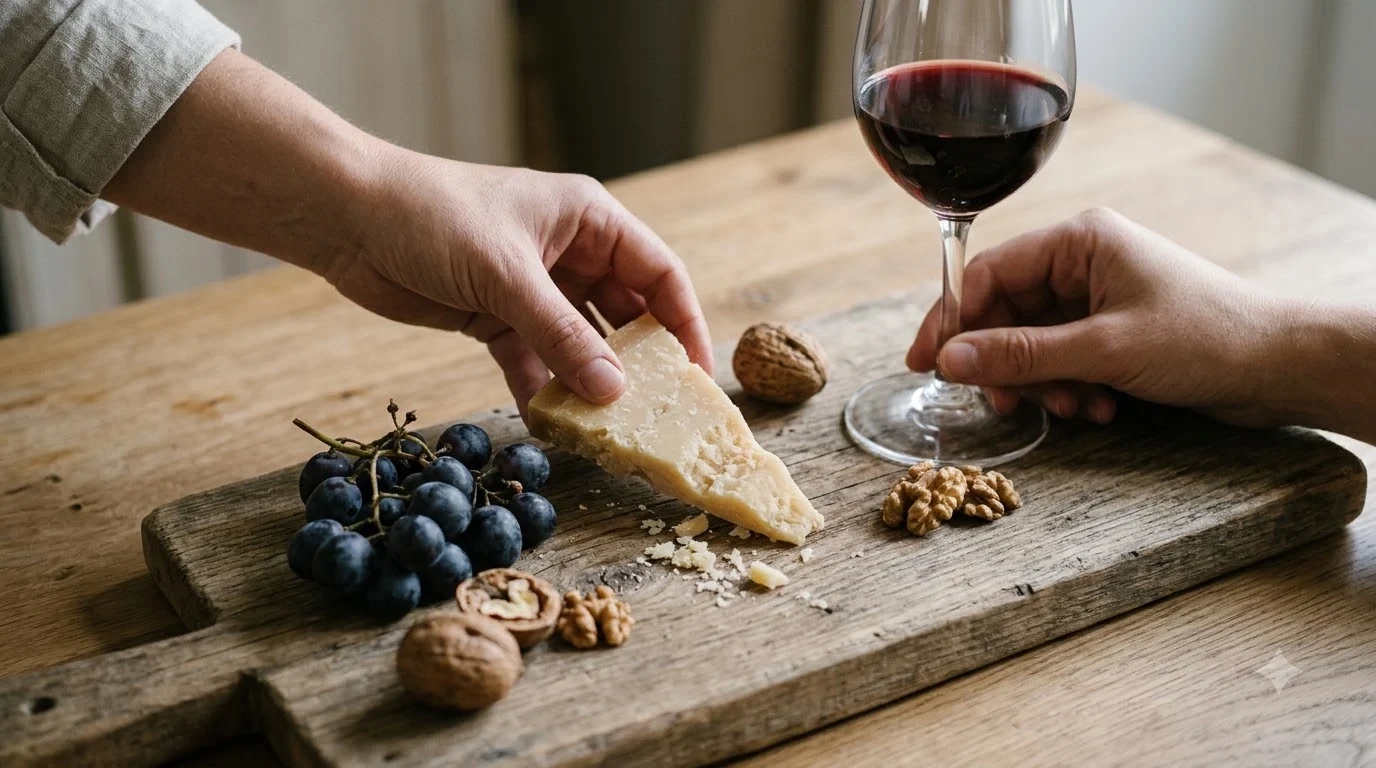
Think about barbecue, smoked meats, aged cheddar, or chocolate desserts. Their richer flavors can stand alongside the wine’s dark fruit and coffee notes without being overwhelmed by a delicate pairing.
-
Serve it at an appropriate temperature.
A temperature of approximately 60 to 65 degrees Fahrenheit is a useful starting point for this full-bodied red. If the wine seems overly warm or alcoholic, a short period in the refrigerator can bring it into better balance.
-
Check local availability before making plans.
Because Apothic Brew was introduced as a limited release, an old product listing does not guarantee that a bottle is currently available. Use the official Apothic wine collection and store locator to investigate current retail options and identify alternative bottles if necessary.
These steps are particularly helpful when buying Apothic Brew as a gift. Someone who enjoys both coffee and red wine is a more natural recipient than someone who exclusively drinks light-bodied or highly traditional wines.
Types or Styles Explained: Understanding the Flavor
Apothic Brew is a flavored red blend rather than a conventional single-grape wine. Its identity comes from the interaction of dark-fruit wine characteristics and cold-brew coffee, producing a profile that combines fruit, roasted aromas, chocolate, and oak.
Dark fruit
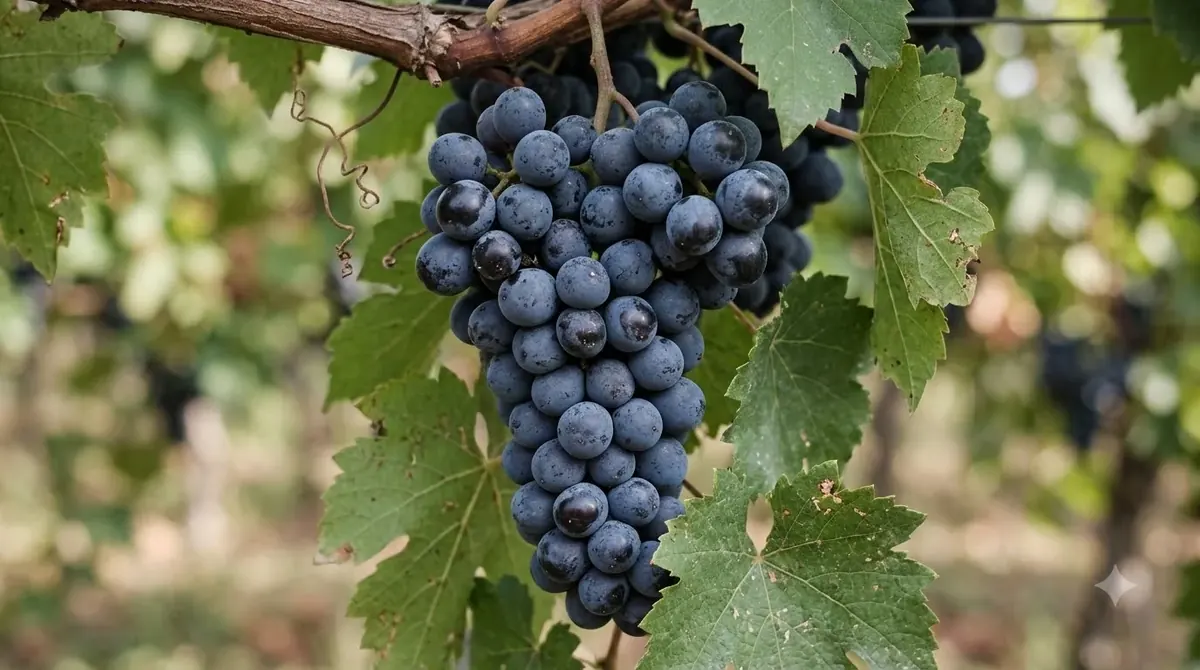
Dark fruit provides the wine’s red-wine foundation. Retail descriptions identify concentrated dark-fruit characteristics, with blackberry, dark plum, and related flavors helping to create its full-bodied impression. These flavors are important because they prevent the coffee infusion from making the entire drink resemble an ordinary cup of cold brew.
Fruit-forward red blends often work well with grilled meat and barbecue because their concentration can stand up to stronger food flavors. Apothic Brew follows a similar approach, although its coffee component introduces another layer that conventional fruit-driven blends do not necessarily possess.
Cold-brew coffee
The defining characteristic is its cold-brew coffee infusion. According to the Modesto Bee’s reporting on the original release, the coffee is added before bottling. This is different from relying exclusively on oak aging or grape characteristics to produce coffee-like aromas.
The coffee influence can be especially apparent on the nose. Drinkhacker’s review described a pronounced mocha aroma that nearly obscured the wine’s fruit characteristics. On the palate, the reviewer found the wine more approachable, with its acidity helping brighten the coffee’s roasted and cocoa-like flavors.
This distinction matters because aroma and taste do not necessarily create identical impressions. Someone who finds the initial coffee aroma unusually strong may discover that the actual drinking experience is more balanced than expected.
Chocolate and mocha
Chocolate and mocha notes connect the fruit and coffee components. They give the wine a dessert-like impression without making it an actual chocolate beverage. Retail descriptions specifically identify subtle chocolate characteristics, while the coffee infusion supplies the roasted foundation.
These flavors explain why chocolate desserts can work particularly well. Dark chocolate brownies, chocolate cake, and cocoa-based desserts provide similar flavor elements, creating a more coherent pairing than a light citrus dessert would.
Maple and toasted oak
Maple and toasted oak contribute additional depth. Maple creates an impression of gentle sweetness, while toasted oak provides a warmer, roasted quality that complements the coffee. Neither should be confused with proof that the wine contains maple syrup or that it was aged in a specific type of oak barrel.
The combined profile is more important than any single note. Dark fruit supplies the wine character, coffee establishes its distinctive identity, chocolate adds richness, and oak rounds out the overall impression.
What about the grape blend?
The Modesto Bee identified Petite Sirah, Teroldego, Cabernet Sauvignon, Zinfandel, and other selected varieties in the original blend. These grapes help explain why Apothic Brew is categorized as a red blend instead of a single-varietal wine.
Petite Sirah is generally associated with substantial color and tannin, while Cabernet Sauvignon can contribute structure. Zinfandel is often associated with ripe fruit, and Teroldego is a red grape variety known for its dark-fruit character. However, the original reporting does not establish precise percentages for every grape, so assigning exact proportions would be misleading.
The coffee infusion remains the most important difference between Apothic Brew and other red blends. Buyers should evaluate the complete flavor combination rather than expecting a textbook expression of any individual grape.
Common Mistakes When Buying Apothic Brew
The biggest mistake is assuming that Apothic Brew tastes like an ordinary red wine with a faint coffee aroma. Its infusion is central to the product, and buyers should expect a more unusual experience than they would get from a standard California red blend.
Confusing it with Apothic Red
Apothic Red and Apothic Brew belong to the same broader brand family, but they are not interchangeable. Apothic’s official collection describes Apothic Red through blackberry, cherry, and vanilla characteristics. Brew adds the distinct cold-brew coffee element, with mocha, chocolate, and roasted flavors taking a more prominent role.
Someone who enjoys the original Apothic Red wine may appreciate Brew’s dark-fruit foundation, but should not assume that the two bottles have identical flavor profiles. The coffee infusion creates a substantially different drinking experience.
Expecting a strong caffeine beverage
Apothic Brew is wine first in terms of its alcoholic category. The Modesto Bee reported that a glass contained approximately as much caffeine as a regular cup of decaffeinated coffee. It should therefore not be purchased as a substitute for an ordinary coffee drink or an energy beverage.
Its coffee flavor is the important attraction, not a promise of a substantial caffeine contribution. This is a particularly useful distinction when buying it for someone who enjoys coffee but expects a conventional caffeinated drink.
Assuming coffee flavor means sweetness
Mocha, maple, and chocolate aromas can create a perception of sweetness even when the wine’s actual sweetness level is different. Apothic Brew has a rounded, plush presentation, but its coffee character alone does not establish a precise residual-sugar measurement.
It is better to distinguish perceived sweetness from measurable sugar content. The same principle applies to ordinary red wines: ripe fruit and vanilla-like aromas can make a wine seem sweeter than its actual composition suggests.
Expecting a traditional single-varietal expression
Apothic Brew combines multiple grape varieties with coffee. It is not designed to showcase the detailed regional characteristics of a single grape or appellation. Someone looking for the distinctive pepper and dark-fruit structure of Syrah, for example, may prefer a conventional bottle without the additional coffee infusion.
Assuming limited-release means guaranteed availability
Older retailer pages and product descriptions may continue to appear in search results even when a particular bottle is unavailable. The Kroger listing, for example, describes the product as a limited-release small-batch wine and displays an availability warning.
Before making a special trip or building a menu around this wine, confirm that a retailer can actually supply it. If the original bottle cannot be found, consider another Apothic wine with a compatible flavor profile rather than purchasing an unrelated product solely because it has a similar label.
Care and Storage Tips
Apothic Brew benefits from the same basic handling principles used for other full-bodied red wines. Temperature control, appropriate glassware, and proper refrigeration after opening help preserve its fruit and coffee characteristics.
Serving temperature
Start around 60 to 65 degrees Fahrenheit. This range is appropriate for many fuller-bodied red wines and can help prevent the alcohol from becoming too prominent. Serving the wine excessively warm may make its alcoholic character seem stronger while reducing the freshness of the fruit.
If the bottle has been stored at ordinary indoor temperature, a short refrigerator rest can help bring it closer to the recommended serving range. Avoid serving it extremely cold, since excessive chilling can mute its aromatic qualities.
Glassware
A standard red wine glass with a reasonably wide bowl is suitable. The larger opening provides room for the dark-fruit and mocha aromas to develop, making it easier to appreciate the combination of wine and coffee.
A specialized coffee glass is unnecessary. Apothic Brew remains a red wine, so conventional wine glassware is the practical choice for serving it at a dinner table or informal gathering.
Decanting
Young, full-bodied red wines can sometimes benefit from 30 to 60 minutes of aeration, but Apothic Brew does not need an elaborate decanting routine simply because it has a strong flavor. Start by pouring a small glass and assessing the aroma.
If the coffee aroma seems particularly concentrated, allowing the wine a few minutes of air may change the aromatic balance. A decanter is optional rather than essential, especially when the bottle is being served casually.
Storage before opening
Store the bottle in a cool, dark place away from direct sunlight and large temperature changes. A storage temperature near 55 degrees Fahrenheit is a useful target for wine generally. For bottles with natural cork closures, horizontal storage helps maintain contact between the cork and the wine.
Because Apothic Brew is a limited-release, flavor-forward product rather than a wine specifically promoted for extended cellaring, buying it for near-term enjoyment is more sensible than treating it as a long-term investment.
Storage after opening
Recork the bottle and refrigerate it after opening. A reasonable general guideline for opened still red wines is approximately three to five days, although aromatic changes may become noticeable earlier.
Allow a refrigerated serving to warm slightly before drinking. This helps restore some of the coffee, dark-fruit, and toasted-oak aromas that can become muted at refrigerator temperature.
Frequently Asked Questions
Does Apothic Brew contain actual coffee?
Yes. The original product was made by incorporating cold-brew coffee into the red wine blend before bottling. The specific coffee roast and brewing process were not publicly disclosed in the Modesto Bee’s reporting. That makes its coffee character different from flavors that develop naturally through grape fermentation or oak aging.
Does Apothic Brew need to be refrigerated before opening?
It does not require continuous refrigeration before opening if it is stored in a suitably cool, dark environment. A wine refrigerator or cellar near 55 degrees Fahrenheit is a practical option. Refrigerating the bottle briefly before serving is useful if the room is particularly warm.
Is Apothic Brew a non-vintage wine?
The original product was identified as NV, meaning non-vintage, in Drinkhacker’s published review. Non-vintage indicates that the wine is not presented as a single-harvest vintage bottling. This is separate from its limited-release positioning, which describes its availability rather than its harvest designation.
Can Apothic Brew be used in a wine cocktail?
Its coffee and dark-fruit profile makes it an interesting candidate for simple wine-based cocktail experiments. A small serving over ice with a modest amount of sparkling water can create a lighter presentation without adding another competing flavor. Avoid heavily sweetening it before assessing its existing maple and mocha characteristics.
Is Apothic Brew suitable for a blind wine tasting?
It can be included in an informal blind tasting focused on unusual wine styles, but it is unlikely to perform like a conventional varietal wine in a traditional grape-identification exercise. The coffee infusion is a strong distinguishing characteristic. Including it alongside ordinary red blends can make for an interesting comparison of flavor construction and aroma.
Apothic Brew is an unconventional choice that makes the most sense for people who enjoy coffee, dark fruit, mocha, and full-bodied red wine. Its cold-brew infusion separates it from ordinary Apothic selections, while its limited-release history makes current availability an important consideration. For drinkers who want a more conventional alternative, exploring the broader Apothic wine collection or the site’s wider wine brand guides can help identify a bottle with a similar fruit-forward personality but a different flavor balance.
More in Wine Brands
 Underwood Wine Price: Compare Bottles, Cans, and Pack SizesUpdated Nov 21, 2026
 Zenato Wine Price: Compare Styles and Choose the Right BottleUpdated Nov 21, 2026
 Zuccardi Wine Price: Compare Bottles and Find the Right RangeUpdated Nov 21, 2026
 Yellow Tail Moscato Review: Taste, Sweetness and Serving TipsUpdated Nov 21, 2026
 Wolf Blass Yellow Label Review: Choose Your Best StyleUpdated Nov 21, 2026
 Wolffer Estate Rose Review: Choose the Right Bottle for Your TableUpdated Nov 21, 2026