

We may earn a commission when you buy through links on this page, at no extra cost to you. Learn more.
Albert Bichot wine price typically ranges from about $15 to $50 for approachable Burgundy bottles, while prestigious Premier Cru and Grand Cru wines can cost $100 to several hundred dollars or more. The final price depends on the appellation, vineyard classification, grape variety, vintage, and availability. Buyers can find accessible Chardonnay, Pinot Noir, and Chablis alongside collectible wines from some of Burgundy’s most respected vineyard areas.
Albert Bichot is a historic Burgundy producer with a portfolio that covers several styles and price levels. That range makes it appealing to both casual wine drinkers and collectors, but it also means that the name alone does not tell you what a bottle should cost. Understanding the differences between regional Burgundy, village wines, Premier Cru, and Grand Cru is the best way to judge whether a particular bottle offers good value.
Who This Is For
Albert Bichot wines suit shoppers who want to explore French Burgundy at different spending levels, from everyday regional bottles to more prestigious vineyard expressions. The portfolio includes Pinot Noir, Chardonnay, Chablis, and sparkling Crémant de Bourgogne, giving buyers several ways to approach the producer.
According to Albert Bichot USA, the Bichot family has been established in Burgundy since 1350, and Bernard Bichot founded the wine trading business in 1831. The company owns six estates throughout Burgundy. Its vineyard portfolio covers 105 hectares, including 87 hectares certified biologique, according to its US importer. More details about the producer’s background and regional portfolio appear on the Albert Bichot USA producer profile.
First-time Burgundy buyers may find the regional Bourgogne wines particularly useful. These bottles offer an introduction to the producer’s style without requiring the investment associated with a famous village or classified vineyard. Bourgogne Pinot Noir Origines and Bourgogne Chardonnay are examples worth investigating.
More experienced Burgundy drinkers may be interested in appellations such as Gevrey-Chambertin, Pommard, Vosne-Romanée, and Chablis. These names indicate different vineyard locations and levels of classification, and their prices can vary substantially. A buyer interested in comparing producers can also explore our overview of Wine Brands to understand how winery reputation and regional identity influence purchasing decisions.
Albert Bichot is especially appropriate for these buyers:
- New Burgundy drinkers: Those looking for regional Pinot Noir or Chardonnay before exploring more expensive appellations.
- White Burgundy enthusiasts: Buyers interested in Chablis, Mâconnais Chardonnay, and other white wines.
- Red Burgundy enthusiasts: Drinkers who appreciate Pinot Noir from Côte de Nuits and Côte de Beaune appellations.
- Special-occasion shoppers: Buyers considering Premier Cru or Grand Cru wines for celebrations and gifts.
- Wine collectors: People interested in specific vineyard names, older vintages, and prestigious Burgundy classifications.
The important distinction is that Albert Bichot is not one fixed price-point wine. A regional Bourgogne bottle and a Grand Cru from a famous vineyard should be evaluated as different purchasing propositions, even when they carry the same producer’s name.
Key Factors to Compare
The most important factors affecting Albert Bichot wine price are appellation, vineyard classification, grape variety, vintage, and retailer availability. Comparing these details is more useful than judging bottles by producer name alone.
| Wine category | Typical US retail range | What influences the price | Best suited to |
|---|---|---|---|
| Bourgogne regional wines | About $15–$35 | Regional designation and vintage | Everyday Burgundy drinking |
| Mâconnais and village whites | About $20–$50 | Appellation and vineyard origin | Chardonnay drinkers |
| Chablis | About $20–$50 | Appellation and producer cuvée | Fresh, mineral-style white wine fans |
| Village-level red Burgundy | About $40–$100 | Village reputation and vintage | Pinot Noir enthusiasts |
| Premier Cru | About $65–$200 | Vineyard reputation and scarcity | Serious Burgundy drinkers |
| Grand Cru | About $150–$500+ | Vineyard prestige, vintage, and rarity | Collectors and special occasions |
These are broad shopping estimates rather than guaranteed prices for every Albert Bichot label. The regional and Chablis ranges are informed by US listings from Vino Alert and Wine Solutions; the higher classifications reflect the range of US comparison listings on Vino Alert and Wine Solutions. Prices vary by state and retailer, and individual vintages can fall outside these ranges. Buyers can review the Albert Bichot US price comparison listings for examples across the producer’s portfolio.
Appellation is usually the first detail to examine. Bourgogne is a regional designation, while a wine labeled Gevrey-Chambertin or Pommard comes from a more specific village appellation. Premier Cru and Grand Cru designations identify classified vineyard sites and generally command higher prices because of their reputation and limited production.
Grape variety is another useful comparison point. Pinot Noir is the principal red grape to look for in Albert Bichot’s Burgundy portfolio, while Chardonnay is central to its white Burgundy selection. Chablis, meanwhile, is also made from Chardonnay, but its northern Burgundy origin gives it a different regional identity from Mâconnais or Côte de Beaune whites.
Vintage matters because weather conditions influence the quality and character of Burgundy wines. A particular vintage may be more sought after than another, especially in famous appellations. Older bottles can also carry additional costs because of limited availability and storage history.
Retailer availability is important as well. A wine that appears inexpensive in one comparison listing may be difficult to obtain locally, while another retailer may offer a different vintage or bottle size. Compare the same appellation, vintage, and format before deciding that one listing represents better value.
Tip: Compare bottles using four details: appellation, classification, vintage, and bottle size. A $70 village wine and a $70 Premier Cru wine are not automatically comparable, even if both carry the Albert Bichot name.
Step-by-Step: How to Find the Right Bottle
A good Albert Bichot purchase starts with a clear budget and preferred wine style. Once those are established, compare the appellation and classification before looking at individual vintages or retailer listings.
- Set a realistic spending limit. Decide whether the purchase is for everyday drinking, a dinner party, a gift, or collecting. A budget of about $20 to $40 is a sensible starting point for exploring regional Burgundy and accessible white wines, based on US listings from Vino Alert and Wine Solutions. Prices vary by state and retailer.
- Choose red, white, or sparkling. Start with Pinot Noir if you prefer lighter-bodied red wine, Chardonnay if you prefer white Burgundy, or Crémant de Bourgogne if you want sparkling wine. The producer’s portfolio includes examples of all three categories.
- Identify the appellation. Look for Bourgogne, Chablis, Mâcon-Villages, Pouilly-Fuissé, Gevrey-Chambertin, or another named Burgundy area. The appellation helps establish the wine’s origin and gives a better indication of its likely price level.
- Check the classification. Determine whether the bottle is regional, village-level, Premier Cru, or Grand Cru. This is especially important when comparing wines from the Côte de Nuits and Côte de Beaune.
- Compare the vintage. If several vintages are available, consider whether you want a younger bottle for freshness or a more developed wine. Do not assume an older vintage is automatically superior.
- Compare US retailers. Check more than one reputable wine merchant. Make sure the bottle size, vintage, appellation, and classification match before comparing prices.
- Consider the occasion. A regional Bourgogne Pinot Noir may be a sensible dinner wine, while a Premier Cru or Grand Cru bottle may be more appropriate for a milestone celebration. Choose based on the experience you want rather than the prestige of the label alone.
For example, someone who enjoys fresh white wines might begin with Albert Bichot Chablis or Mâcon-Villages. Someone who prefers red Burgundy could start with Bourgogne Pinot Noir Origines before moving toward a village wine such as Gevrey-Chambertin.
Buyers who want to compare the producer with more familiar supermarket labels should remember that Burgundy pricing works differently from many widely distributed international brands. A bottle’s specific vineyard origin and appellation can be more important than the overall size of the producer.
Albert Bichot Wine Types and Styles Explained
Albert Bichot’s portfolio includes regional Burgundy, village appellations, Premier Cru, Grand Cru, Chablis, and sparkling wines. Understanding these categories makes it easier to match the bottle to your preferences and spending limit.
Regional Bourgogne Pinot Noir
Bourgogne Pinot Noir is one of the most accessible ways to explore Albert Bichot’s red wine selection. Pinot Noir generally produces lighter-bodied reds with relatively high acidity and low-to-medium tannin. Typical flavors include red cherry, raspberry, strawberry, and earthy notes.
Albert Bichot Bourgogne Pinot Noir Origines is a useful example of this regional category. Vino Alert lists the wine from approximately $19.95 for a 750 ml bottle. Prices vary by state and retailer.
This style can work well with roast chicken, mushroom dishes, pork, and salmon. Its moderate tannin makes it more versatile with food than heavily structured reds. Serve it slightly cool, around 55 to 60 F, to preserve freshness and aromatic detail.
White Burgundy and Mâconnais Chardonnay
Albert Bichot’s Chardonnay offerings cover several Burgundy areas, including regional Bourgogne and the Mâconnais. These wines are worth considering if you enjoy white wines with citrus, apple, stone-fruit, and mineral characteristics.
Mâcon-Villages and Pouilly-Fuissé are two useful names to recognize. Mâcon-Villages provides an accessible introduction to the southern Burgundy area, while Pouilly-Fuissé is a more specific appellation with a stronger reputation among Chardonnay enthusiasts.
Vino Alert lists Albert Bichot Mâcon-Villages from approximately $18.99 and Pouilly-Fuissé from approximately $29.95 for a 750 ml bottle. Prices vary by state and retailer.
For food, Chardonnay works with roast poultry, seafood, creamy pasta, and grilled vegetables. Serve lighter examples around 45 to 50 F, while fuller-bodied whites are better around 50 to 55 F.
Chablis
Chablis is an important category for buyers who prefer crisp, high-acidity white wine. Made from Chardonnay, Chablis often emphasizes citrus, green apple, mineral impressions, and a clean finish rather than rich tropical-fruit flavors.
Albert Bichot’s Chablis portfolio includes wines associated with Domaine Long-Depaquit. The range also extends into Premier Cru and Grand Cru vineyard bottlings. This means shoppers can choose between a more accessible regional expression and more prestigious vineyard-specific wines.
Vino Alert lists Albert Bichot Chablis from approximately $23.47 for a 750 ml bottle, while Wine Solutions lists more prestigious Grand Cru examples at considerably higher prices. Prices vary by state and retailer. The classification and vineyard name are especially important when comparing these bottles.
Chablis is a good match for oysters, shellfish, white fish, and lightly prepared seafood. Its acidity can cut through richness and complement dishes with lemon or fresh herbs.
Premier Cru Burgundy
Premier Cru wines occupy a higher classification level than regional and village Burgundy. They come from recognized vineyard sites within designated appellations and often offer greater complexity, structure, and site-specific character.
Albert Bichot produces Premier Cru wines from areas such as Pommard, Vosne-Romanée, and Chablis. These wines can appeal to drinkers who already enjoy Burgundy and want to explore the differences between individual vineyard locations.
US comparison listings from Vino Alert place many Albert Bichot Premier Cru bottles in an approximate $65 to $200 retail band, although highly sought-after vineyard names can exceed it. Prices vary by state and retailer.
Premier Cru reds are worth considering for more formal dinners and special occasions. Depending on the wine’s structure and age, a young full-bodied example may benefit from 30 to 60 minutes of decanting.
Grand Cru Burgundy
Grand Cru represents the highest vineyard classification in Burgundy. These wines come from particularly prestigious vineyard sites and can command substantial prices because of their reputation, demand, and limited availability.
Albert Bichot’s portfolio includes Grand Cru names such as Charmes-Chambertin, Clos de Vougeot, Chambertin, and Echézeaux. Its Domaine Long-Depaquit selection also includes Chablis Grand Cru wines. These examples illustrate how widely the producer’s range extends across Burgundy.
Vino Alert and Wine Solutions listings show that many Albert Bichot Grand Cru wines occupy price levels from roughly $150 to $500 or more, with especially rare bottles reaching considerably higher levels. Prices vary by state and retailer.
Grand Cru is not necessarily the right starting point for someone discovering Burgundy. A regional or village wine may provide a more useful introduction, especially if the buyer is still learning to recognize Pinot Noir and Chardonnay styles.
Crémant de Bourgogne
Crémant de Bourgogne is sparkling wine produced in Burgundy using traditional bottle fermentation. It offers another way to explore the region without choosing a still red or white wine.
Albert Bichot offers Brut Réserve and Brut Rosé examples. Vino Alert lists its Brut Réserve at a typical comparison price of approximately $21.94 for a standard bottle. Prices vary by state and retailer.
Brut sparkling wine is generally dry and refreshing, with acidity that makes it useful as an aperitif. Serve it between 40 and 50 F, and consider pairing it with seafood, fried appetizers, soft cheeses, or salty snacks.
Common Mistakes When Comparing Prices
The biggest mistake is assuming that every Albert Bichot wine belongs in the same price category. Burgundy has a detailed appellation system, and the difference between a regional bottle and a Grand Cru wine can be substantial.
Another common mistake is treating the words Bourgogne, village, Premier Cru, and Grand Cru as interchangeable. These classifications communicate different levels of geographic specificity and vineyard status. A bottle labeled Bourgogne Pinot Noir is not equivalent to one labeled Vosne-Romanée Premier Cru, even if both are made from Pinot Noir.
Buyers should also avoid comparing wines solely by grape variety. Chardonnay from Chablis may have a very different character from Chardonnay from Pouilly-Fuissé. The region, vineyard conditions, and winemaking approach all contribute to the final style.
Other pricing mistakes to avoid
- Ignoring vintage differences: A newer vintage and an older vintage may have different market values and drinking characteristics.
- Assuming older always means better: Some Burgundy wines are intended for relatively early drinking, while others benefit from bottle aging.
- Confusing producer and estate names: Domaine Long-Depaquit and Domaine du Clos Frantin are useful names to recognize within the Albert Bichot portfolio.
- Ignoring bottle size: A 750 ml bottle should not be compared directly with a magnum without adjusting for volume.
- Buying by prestige alone: A famous vineyard name does not guarantee that its style will suit your personal taste.
- Overlooking retailer differences: Shipping costs, local availability, and state regulations can affect the final amount paid.
It is also useful to distinguish Albert Bichot from other French and international wine brands. A familiar brand may offer consistent, approachable wines at a relatively predictable price, but Burgundy is more dependent on appellation and vineyard classification. For example, shoppers comparing everyday options with Barefoot wine should recognize that the two producers serve different buying occasions and market segments.
Likewise, sparkling wine shoppers comparing Albert Bichot Crémant de Bourgogne with La Marca Prosecco should consider the production method and grape varieties, not simply the bottle price. Crémant de Bourgogne follows traditional bottle fermentation, whereas Prosecco is generally produced using the tank method.
Care and Storage Tips
Proper storage helps preserve the freshness and development of Albert Bichot wines. Temperature stability, limited exposure to light, and suitable serving temperatures are particularly important for Burgundy’s delicate Pinot Noir and Chardonnay styles.
For unopened bottles intended for longer storage, aim for a cool environment near 55 F. Store cork-finished bottles on their sides so the cork remains in contact with the wine. Avoid places with large temperature changes, direct sunlight, or strong vibration.
Not every Albert Bichot bottle needs years of aging. Regional Bourgogne wines and many approachable Chablis examples can be enjoyed relatively young. More structured Premier Cru and Grand Cru wines may offer greater aging potential, depending on their appellation, vintage, and winemaking characteristics.
Serving temperatures
- Light white Burgundy: 45 to 50 F.
- Fuller Chardonnay: 50 to 55 F.
- Light Pinot Noir: 55 to 60 F.
- Fuller red Burgundy: 60 to 65 F.
- Crémant de Bourgogne: 40 to 50 F.
Serving red Burgundy too warm can make the alcohol seem more prominent and reduce its freshness. Serving white Burgundy too cold can hide its aromas and texture. A short period outside the refrigerator can help bring a white wine to a more suitable temperature.
After opening
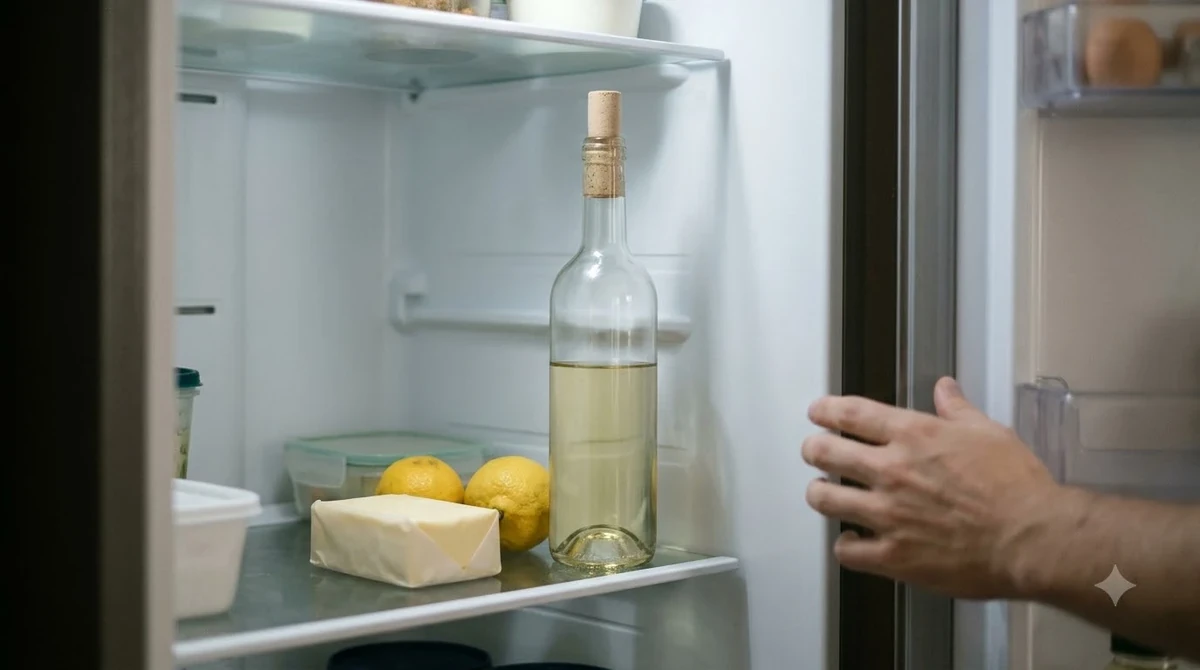
Once opened, still Albert Bichot wines generally keep for around three to five days in the refrigerator when properly resealed. Sparkling Crémant is best consumed within one to three days when stored with a suitable sparkling-wine stopper.
Keep the bottle upright after opening, minimize air exposure, and return it to the refrigerator promptly. Before serving again, allow red Burgundy to warm slightly if necessary. Delicate wines may lose some aromatic detail as they remain open, so drinking them sooner is generally preferable.
For a special bottle, use clean stemware with enough room to release the wine’s aromas. A standard 750 ml bottle provides approximately five servings when poured in 5 oz portions. This is a practical amount for planning a dinner or tasting.
Finally, match food to the wine’s structure. Pinot Noir works well with poultry, mushrooms, and salmon, while Chardonnay can complement seafood, poultry, and creamy dishes. Crémant de Bourgogne is versatile with appetizers and salty foods. Matching the weight and acidity of the food to the wine helps the bottle show its best characteristics.
Frequently Asked Questions
Is Albert Bichot considered a premium wine producer?
Yes. Albert Bichot has a long-established Burgundy identity and produces wines across several classification levels. Its portfolio includes wines from recognized estates and vineyard sites, rather than being limited to one inexpensive regional label. The producer also works with winegrower partners for some wines.
What grapes does Albert Bichot use most often?
Pinot Noir and Chardonnay are the principal varieties associated with its Burgundy selection. The portfolio also includes Gamay-based wines from Beaujolais and Aligoté, a traditional white Burgundy grape. Vino Alert’s producer listings also identify smaller quantities of other varieties in the broader portfolio.
Does Albert Bichot produce organic wine?
Albert Bichot USA reports that 87 of the producer’s 105 hectares are certified biologique. This refers to certified vineyard area, not an automatic guarantee that every bottle in the portfolio is certified organic. Buyers interested in certification should distinguish between individual wine labels and the producer’s overall vineyard practices.
What is Domaine Long-Depaquit?
Domaine Long-Depaquit is an estate name associated with Albert Bichot’s Chablis wines. Its range includes standard Chablis as well as Premier Cru and Grand Cru bottlings. The estate name is useful when comparing Albert Bichot’s different expressions of Chardonnay from northern Burgundy.
How many glasses are in a standard Albert Bichot bottle?
A standard 750 ml bottle contains approximately 25.4 US fluid ounces. At a 5 oz serving size, that works out to about five glasses, with a small amount left over. A magnum holds 1.5 liters and provides approximately ten comparable servings.
Albert Bichot offers a wide range of Burgundy wines, making it possible to explore the producer at different spending levels. For most first-time buyers, regional Bourgogne, Chablis, or Mâconnais Chardonnay is a sensible starting point before moving toward village, Premier Cru, and Grand Cru bottlings. Compare the exact appellation, classification, and vintage before purchasing, and choose the wine that best matches your preferred style and occasion.
More in Wine Brands
 Underwood Wine Price: Compare Bottles, Cans, and Pack SizesUpdated Nov 21, 2026
 Zenato Wine Price: Compare Styles and Choose the Right BottleUpdated Nov 21, 2026
 Zuccardi Wine Price: Compare Bottles and Find the Right RangeUpdated Nov 21, 2026
 Yellow Tail Moscato Review: Taste, Sweetness and Serving TipsUpdated Nov 21, 2026
 Wolf Blass Yellow Label Review: Choose Your Best StyleUpdated Nov 21, 2026
 Wolffer Estate Rose Review: Choose the Right Bottle for Your TableUpdated Nov 21, 2026