


We may earn a commission when you buy through links on this page, at no extra cost to you. Learn more.
This 19 crimes snoop dogg wine review finds that Snoop Cali Red is a bold, fruit-forward California red blend best suited to drinkers who enjoy ripe dark berries, smoky American oak, and a slightly sweet finish. Made primarily from Petite Sirah, with Zinfandel and Merlot rounding out the blend, it offers a generous style rather than a delicate, restrained expression of red wine. Its approachable fruit character makes it worth considering for casual dinners, barbecue gatherings, and wine drinkers who prefer softer, sweeter-tasting reds.
Celebrity wine collaborations can attract attention through their labels, but the contents of the bottle matter much more once the wine reaches the glass. Snoop Cali Red has a recognizable connection to West Coast culture, yet its California origins, grape composition, and oak-influenced flavor profile give it an identity beyond its celebrity association. Understanding those characteristics makes it easier to decide whether this 19 Crimes release belongs on your shopping list.
Who This Snoop Dogg Wine Is For
Snoop Cali Red is particularly appealing to drinkers who prefer concentrated fruit, noticeable oak, and a rounded finish rather than lean, highly acidic reds. Its 65% Petite Sirah foundation gives the blend a substantial personality, while Zinfandel and Merlot contribute fruitiness and softness.
The wine makes sense for people who regularly enjoy California red blends, fruit-forward Zinfandel, or approachable wines served with grilled food. It is also an interesting introduction for someone exploring the broader 19 Crimes wine portfolio. The collaboration combines Snoop Dogg’s California identity with a brand associated with stories of rebellion and redemption, creating a bottle that works as a conversation starter at informal gatherings.
However, the wine is not an automatic recommendation for every red wine drinker. Anyone who prefers restrained alcohol, bright acidity, delicate red-fruit flavors, or pronounced earthy complexity may find its concentrated fruit and toasted oak somewhat overwhelming. People accustomed to Pinot Noir or traditional lighter-bodied European reds should expect a noticeably different experience.
Who is most likely to enjoy it?
- Fruit-forward wine fans: The blend emphasizes ripe black and blue fruit, complemented by red-fruit notes.
- Barbecue enthusiasts: Its substantial flavor and oak influence work well with grilled meats and smoky dishes.
- Newer red wine drinkers: Its rounded texture and slightly sweet impression can make it easier to approach than highly tannic reds.
- Snoop Dogg fans: The collaboration offers a recognizable label with a genuine California wine connection.
- Casual hosts: Its bold presentation and approachable flavor profile suit relaxed social occasions.
Conversely, people searching for a delicate red with high acidity, subtle oak, or a very dry, austere finish should explore other styles. A classic Oregon Pinot Noir or a lighter Italian red may better match those preferences.
Key Factors to Compare Before Buying
The most useful way to evaluate Snoop Cali Red is to consider its grape composition, alcohol level, flavor intensity, sweetness impression, and oak influence together. These characteristics explain why the wine feels full and generous instead of crisp or restrained.
The original blend, documented by the Lodi Winegrape Commission, contains 65% Petite Sirah, 30% Zinfandel, and 5% Merlot. Each variety contributes a different element. Petite Sirah provides much of the dark-fruit concentration and structure, Zinfandel contributes ripe berry character, and Merlot helps round out the overall impression.
Alcohol is another important consideration. The original 2019 bottle described by the Lodi Winegrape Commission contained 14.1% ABV, which places it toward the stronger end of many everyday red blends. Individual bottlings and vintages can differ, so the percentage printed on the particular bottle is the appropriate figure to use.
| Comparison factor | Snoop Cali Red details | What it means |
|---|---|---|
| Wine category | California red blend | Combines several red grape varieties |
| Petite Sirah | 65% | Provides dark fruit and structure |
| Zinfandel | 30% | Contributes ripe red-fruit character |
| Merlot | 5% | Rounds out the blend |
| Original alcohol level | 14.1% ABV | A relatively substantial red wine |
| Original grape-growing region | Lodi, California | Connects the wine with California’s red-wine production |
| Oak influence | American oak | Adds smoky and vanilla characteristics |
| Typical serving temperature | 60–65°F | Allows the fuller red-wine style to show its aromas |
The table describes the original blend documented by the Lodi Winegrape Commission, rather than guaranteeing that every subsequent vintage has identical specifications. The official 19 Crimes Snoop Dogg Cali Red product description also identifies ripe black fruit and smoky American oak aromas, with vanilla and hazelnut characteristics. Those details provide a useful reference when comparing the wine with other California blends.
Sweetness deserves particular attention because a wine can taste sweet without being classified as a dessert wine. Ripe fruit, moderate acidity, alcohol, and toasted oak can create a rounded impression that some drinkers interpret as sweetness. The original tasting description specifically identifies a slightly sweet, jammy finish, making this an important part of the wine’s appeal.
Step-by-Step: How to Evaluate and Choose Snoop Cali Red
A good purchasing decision starts with the style you enjoy, not the celebrity name on the label. Five practical checks can help determine whether Snoop Cali Red matches your expectations before you open a bottle.
-
Identify your preferred red wine style.
Think about whether you enjoy concentrated California reds, fruit-forward Zinfandel, or softer blends. Snoop Cali Red leans toward dark fruit and noticeable oak, so it is a more natural match for those preferences than for someone who primarily drinks light Pinot Noir.
-
Consider the grape composition.
The original blend contains 65% Petite Sirah, 30% Zinfandel, and 5% Merlot. This composition explains its dark-fruit emphasis and substantial structure. If you usually enjoy Petite Sirah or Zinfandel, the blend offers familiar characteristics in a combined style.
-
Look at the alcohol percentage.
The original 2019 wine contained 14.1% ABV. That is useful information for comparing it with lighter red blends, especially if you generally prefer wines with less alcohol. Different bottlings may have different percentages.
-
Check the flavor description.
Look for references to black fruit, ripe berries, vanilla, smoke, toasted oak, and a rounded finish. Those descriptions are consistent with the intended style. If you prefer tart cherry, fresh herbs, and minimal oak, another wine may be more suitable.
-
Match the bottle to the occasion.
Consider whether you plan to serve it with burgers, barbecue, grilled sausages, or a casual cheese spread. The wine’s flavor concentration makes more sense with substantial food than with delicate seafood or lightly dressed salads.
It is also sensible to consider the bottle’s presentation and the experience you want to offer guests. The Snoop Dogg label is distinctive, and the collaboration makes the wine recognizable to people who may not follow traditional wine producers. That can be useful when selecting a casual gift or a bottle for a gathering where conversation and accessibility matter.
Tip: If you are buying Snoop Cali Red for someone who normally drinks sweet red blends, pay particular attention to the description of its jammy fruit and slightly sweet finish. If the recipient prefers bone-dry reds, the ripe fruit and oak-driven profile may not be the best match.
Types and Styles Explained: Understanding the Blend
Snoop Cali Red is a multi-grape California red blend, not a single-variety wine. Its three grapes contribute different flavor and structural characteristics, while American oak adds another layer to the overall style.
Petite Sirah: The dark-fruit foundation
Petite Sirah makes up 65% of the original blend, making it the dominant grape by a considerable margin. It is known for producing deeply colored wines with substantial tannin and concentrated dark-fruit flavors. In this blend, it helps explain the dense, dark appearance and the emphasis on black and blue fruit.
Petite Sirah is generally more powerful than Merlot and lighter-bodied red varieties. Its contribution gives the wine enough structure to accompany grilled beef, rich sauces, and smoky food. Without this dominant component, the blend would likely have a different balance and less pronounced dark-fruit character.
Zinfandel: Ripe fruit and generous character
Zinfandel contributes 30% of the original composition. California Zinfandel is commonly associated with ripe berry flavors, generous fruit concentration, and sometimes spicy or jam-like characteristics. Those qualities complement Petite Sirah’s darker, more structured personality.
Its contribution is especially important for drinkers who enjoy red wines with noticeable fruit. Zinfandel can bring a softer, more immediately accessible impression to blends, particularly when paired with the dark-fruit concentration of Petite Sirah. In Snoop Cali Red, it helps create a contrast between black fruit and brighter red-berry notes.
Merlot: The supporting component
Merlot accounts for the remaining 5%. It is generally a softer, medium-tannin red grape that can contribute plum-like fruit and a rounded texture. Its relatively small proportion means it is a supporting element rather than the main identity of the wine.
The result is a blend with more emphasis on Petite Sirah and Zinfandel than on the softer Merlot style. People who expect a classic Merlot-dominant wine should therefore approach Snoop Cali Red as a different category of California red blend.
American oak: Smoke, vanilla, and toasted flavors
American oak is another defining part of the original wine’s flavor profile. According to the Lodi Winegrape Commission’s account of the Treasury Wine Estates blend, the oak contributes smoky characteristics alongside vanilla and chocolate notes.
The official product description also highlights smoky oak, vanilla, and hazelnut aromas. These characteristics make the wine feel richer and more pronounced than a simple fruit-focused red. The oak is part of the intended style, although people who prefer unoaked wines may find it too noticeable.
For readers comparing different 19 Crimes red wine styles, this distinction matters. A wine’s grape composition, oak treatment, and balance can change its personality considerably even when the bottles share the same brand identity.
Common Mistakes When Buying and Drinking Snoop Cali Red
The biggest mistake is assuming the wine will appeal to everyone simply because it carries a familiar celebrity name. Its actual character is a concentrated California red blend with ripe fruit, noticeable oak, and a relatively substantial original alcohol level.
Another common misunderstanding involves sweetness. Some drinkers interpret ripe blackberries, jammy fruit, and vanilla as evidence of a sweet wine. However, the overall impression of sweetness is not necessarily the same as the wine’s measured residual sugar. Snoop Cali Red is better understood through its complete flavor profile rather than a simple sweet-or-dry label.
Expecting a light-bodied red
Petite Sirah dominates the original blend, so the wine should not be approached like a delicate Pinot Noir. Its color, fruit concentration, and tannin structure create a fuller experience. Someone looking for a refreshing, low-intensity red to drink alongside a light lunch may prefer a different variety.
Serving it too warm
Many people serve red wine at ordinary room temperature without considering how warm their rooms actually are. A room at 72°F can make a relatively full-bodied red seem hotter and more alcoholic. Serving Snoop Cali Red around 60–65°F generally provides a better starting point.
Pairing it with delicate seafood
High-tannin red wine can clash with oily fish, creating an unpleasant metallic impression. Snoop Cali Red is better suited to meat-based dishes and substantial savory flavors. Delicate white fish, lightly seasoned shellfish, and fresh seafood preparations generally benefit from a crisp white wine instead.
Ignoring the vintage and bottle details
Wine characteristics can change between vintages and bottlings. The original blend’s 65/30/5 grape composition and 14.1% alcohol figure provide useful historical reference points, but those numbers should not automatically be applied to every bottle carrying the Snoop Cali Red name.
Finally, do not assume the label’s augmented-reality features are the main reason to purchase the wine. The technology and celebrity collaboration provide entertainment, but the grape blend, taste profile, and suitability for your food preferences should remain the main considerations.
Care, Serving, and Storage Tips
Proper serving and storage can make a noticeable difference to the experience of a full-bodied California red. Snoop Cali Red generally benefits from moderate cooling, an appropriate glass, and protection from excessive heat and light.
Serving temperature
Serve the wine around 60–65°F. This range is appropriate for fuller-bodied reds and can help preserve fruit aromas without allowing alcohol to dominate the nose. If the bottle has been stored at a typical warm room temperature, place it in the refrigerator briefly before pouring.
A standard 5-ounce serving is a useful reference when comparing wine portions. A 750 ml bottle contains approximately five such servings. Use a reasonably sized red wine glass with enough room to swirl the wine without spilling it.
Decanting and aeration
Young, full-bodied reds can benefit from exposure to air. A starting point of 30–60 minutes in a decanter can help soften the initial impression and allow fruit and oak aromas to develop. This is optional rather than a requirement, and a glass with a little room for swirling may be sufficient for casual drinking.
For a simpler approach, pour a small amount into a glass and allow it to sit for several minutes. Compare the aroma immediately after opening with the aroma after a short period of aeration. The change can help reveal how the fruit and oak interact.
Long-term storage
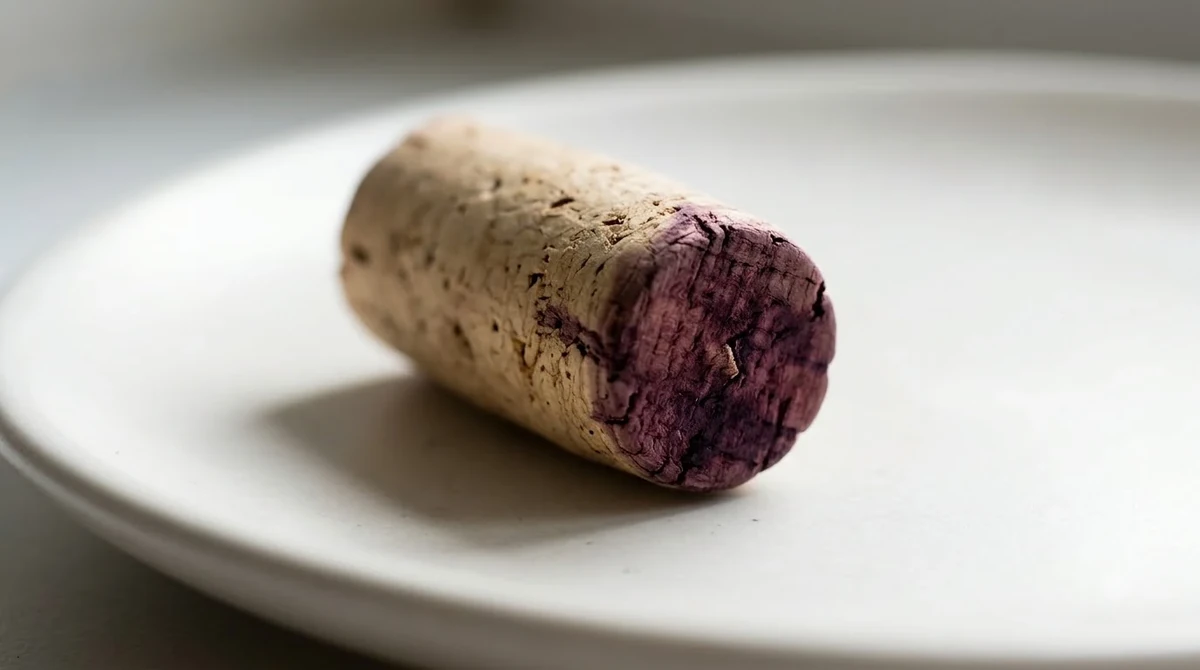
Store unopened bottles in a cool, dark location near 55°F, away from direct sunlight, temperature fluctuations, and kitchen appliances that generate heat. If the bottle has a traditional cork closure, storing it on its side helps keep the cork from drying out.
After opening, reseal the bottle and refrigerate it. Most opened still wines remain enjoyable for approximately 3–5 days, although the fruit and aroma gradually decline as oxygen exposure continues. Bring a refrigerated serving back toward the recommended drinking temperature before pouring.
A vacuum stopper can help reduce oxygen exposure, although it cannot preserve an opened wine indefinitely. Avoid leaving the bottle uncorked overnight on a warm kitchen counter, especially in a warm climate.
For readers exploring the wider Wine Brands category, these storage principles apply to many everyday red blends, not just Snoop Cali Red. Temperature control and careful resealing are straightforward ways to preserve the wine’s intended character.
Frequently Asked Questions
These answers cover additional details about the collaboration, the wine’s identity, and practical purchasing considerations.
Is Snoop Dogg actually involved in making 19 Crimes Cali Red?
Yes. Treasury Wine Estates representatives told the Lodi Winegrape Commission that Snoop Dogg participated in the final blending process. The collaboration was more than a label arrangement, although the winemaking and production were handled through the wine company.
Is Snoop Cali Red the same wine as Cali by Snoop?
Snoop Cali Red is the original collaboration associated with 19 Crimes. Cali by Snoop is also used as a broader identity for Snoop Dogg’s wine collaborations and related products. The names should not automatically be treated as interchangeable descriptions of every wine in that broader collection.
Was Snoop Cali Red the first California wine from 19 Crimes?
It was the first California red wine in the 19 Crimes portfolio, according to Snoop Dogg’s official campaign page. Its launch connected the brand’s Australian background with Snoop Dogg’s California identity and the Lodi grape-growing region.
Does Snoop Cali Red have a traditional cork or screw cap?
Closure type can vary across markets and bottlings. Retailer product specifications have listed screw-cap packaging for some versions, but that should not be assumed for every bottle sold in the United States. The physical closure is the most reliable way to determine how a particular bottle opens.
Can Snoop Cali Red be used in mulled wine recipes?
Yes. Its concentrated berry character and vanilla-influenced oak profile can provide a suitable foundation for mulled wine. Traditional additions include cinnamon, cloves, orange peel, and star anise, although the wine should be warmed gently rather than brought to a boil.
Overall, Snoop Cali Red is an approachable choice for people who enjoy concentrated California fruit, smoky oak, and a rounded red-wine style. Its 65% Petite Sirah, 30% Zinfandel, and 5% Merlot original blend gives it a recognizable personality beyond its celebrity label. Compare the bottle’s current details with your preferred flavor profile, serve it slightly cool, and pair it with hearty food for the most satisfying experience.
More in Wine Brands
 Underwood Wine Price: Compare Bottles, Cans, and Pack SizesUpdated Nov 21, 2026
 Zenato Wine Price: Compare Styles and Choose the Right BottleUpdated Nov 21, 2026
 Zuccardi Wine Price: Compare Bottles and Find the Right RangeUpdated Nov 21, 2026
 Yellow Tail Moscato Review: Taste, Sweetness and Serving TipsUpdated Nov 21, 2026
 Wolf Blass Yellow Label Review: Choose Your Best StyleUpdated Nov 21, 2026
 Wolffer Estate Rose Review: Choose the Right Bottle for Your TableUpdated Nov 21, 2026