

We may earn a commission when you buy through links on this page, at no extra cost to you. Learn more.
The best zinfandel at costco to look for first is Kirkland Signature Old Vine Zinfandel from Sonoma County, when your warehouse has it. Costco lists this wine in a 750 ml bottle, although its same-day catalog currently shows it out of stock. If it is unavailable, use the region, ripeness, alcohol level, and flavor profile to compare the other California Zinfandels on the shelf.
Zinfandel is a naturally bold red grape, known for generous berry flavors, baking spice, and a full, warm finish. Costco’s selection can change by warehouse and season, so the smartest shopping strategy is to know which style you enjoy and how to recognize a balanced bottle rather than relying on one label being available every time.
Who This Is For
Costco shoppers who enjoy ripe fruit, noticeable body, and a peppery finish should put Zinfandel near the top of their red-wine shopping list. The Kirkland Signature Old Vine Zinfandel listed by Costco is a Sonoma County reference point: it is identified as a 750 ml bottle, with item number 908097 in the retailer’s catalog. That gives shoppers a specific product description to ask about, even when it is not on the shelf.
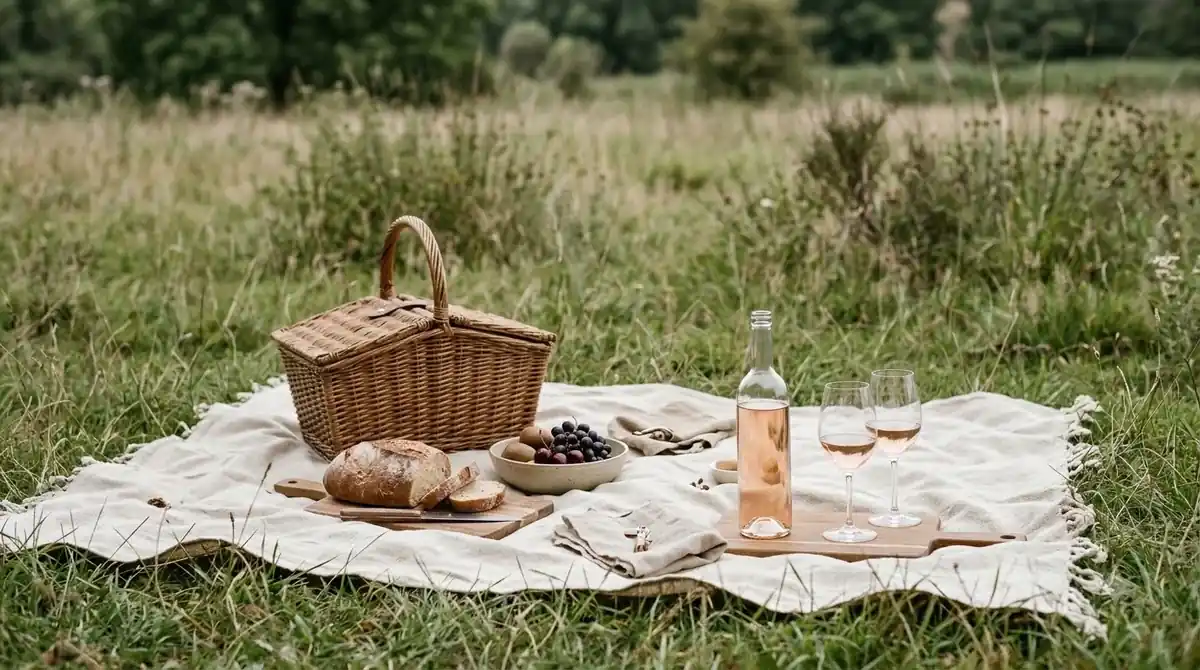
This guide is especially useful for people who want a red wine for grilled food, pizza night, burgers, ribs, or a relaxed dinner with friends. Zinfandel’s ripe blackberry and plum flavors work well with smoky seasoning and rich sauces. Its medium-high tannins also give it enough structure to stand up to grilled meats and other strongly flavored dishes without making it as firm as some Cabernet Sauvignon bottlings.
It is not automatically the right choice for every red-wine drinker. Someone who prefers light-bodied Pinot Noir, crisp acidity, or restrained fruit may find a full-bodied Zinfandel too rich, especially when the wine has a high alcohol level. People who like Merlot’s softer tannins may enjoy Zinfandel’s fruit but should look for a less forceful example rather than choosing the biggest bottle on the shelf.
Costco’s wine selection also depends on location. A bottle listed in a same-day catalog is not proof that every warehouse stocks it, and an online listing may not reflect local warehouse inventory. Costco’s own warehouse availability instructions explain how to ask about a specific item through the app, membership counter, phone, or customer-service chat. For shoppers comparing several reds, our guide to the best red wine at costco offers a broader starting point.
Key Factors to Compare at Costco
The best bottle is the one that balances fruit, alcohol, tannin, and acidity for your meal. Start with the named California region, then compare the wine’s stated alcohol level and style rather than treating the words “old vine” as a guarantee of quality.
| Factor | What to look for | What it suggests |
|---|---|---|
| Region | Dry Creek Valley, Amador County, Lodi, or Napa Valley | Different expressions of berry fruit, spice, and texture |
| Fruit character | Blackberry, raspberry, plum, cherry, or pomegranate | Riper dark fruit usually suggests a richer style; brighter red fruit can feel fresher |
| Alcohol | Compare the stated ABV; note wines above 15% | Higher alcohol can bring a warmer, fuller impression |
| Body and tannin | Medium-full body and medium-high tannins are common Zinfandel traits | More structure for grilled meat and rich sauces |
| Serving temperature | 60–65°F for red Zinfandel | Helps keep alcohol warmth from dominating the fruit |
| Bottle size | 750 ml, approximately five 5 oz pours | A practical size for a small dinner or tasting with friends |
Region is one of the most useful clues. Total Wine’s Zinfandel guide describes Dry Creek Valley in Sonoma County with raspberry, blackberry, and pomegranate flavors and a lush texture. Amador County, by contrast, is associated with bolder dark blackberry and plum character, along with licorice and clove. Lodi is another worthwhile name to recognize if you want dark fruit and spice, while Napa Valley examples can show a silkier texture, spicy blackberry, and vanilla.
Alcohol deserves attention because Zinfandel grapes can ripen unevenly. Total Wine explains that some berries can become raisin-like while other grapes in the same cluster are still ripening; the concentrated sugars contribute to a wine that can have relatively high alcohol. Wine Folly’s general Zinfandel profile describes alcohol above 15% as a common characteristic, but this is not a requirement for every bottle. A higher ABV can add warmth and weight. It does not, by itself, mean the wine is sweet or better made.
The words “old vine” can be appealing, especially for shoppers seeking a traditional California style, but they should not replace a closer look at the wine itself. Consider the stated region, grape variety, vintage, and alcohol level together. A balanced wine with fruit, freshness, and manageable warmth is often more versatile at the dinner table than one that relies only on concentrated, jammy flavor.
Step-by-Step: Choosing a Bottle
A reliable Costco Zinfandel purchase starts with a quick check of the bottle description and ends with a decision about food and serving style. Use these steps to compare the options in front of you, whether the Kirkland Signature Sonoma County bottle is available or another producer has the more appealing regional profile.
- Find the grape and style. Look for red Zinfandel rather than White Zinfandel or a generic red blend. White Zinfandel is a pink rosé style, while traditional red Zinfandel is usually dry, medium-full in body, and marked by berry fruit and spice. A bottle identified clearly as Zinfandel gives you a better basis for comparing producers.
- Read the region. Choose Dry Creek Valley if you are drawn to raspberry, blackberry, and pomegranate; look at Amador County for a deeper profile of blackberry, plum, and clove. Napa Valley and Lodi are also useful California names, each offering a different expression of the grape. A specific appellation is more informative than a broad description that says only “California red.”
- Compare alcohol and balance. Check the bottle’s stated ABV and consider how much warmth you enjoy. If you prefer a smoother, less intense wine, avoid assuming the highest alcohol number is the strongest quality signal. Look for a combination of fruit, freshness, and structure rather than an alcohol figure alone.
- Match it to the meal. For ribs, pulled pork, burgers, or grilled beef, a fuller Zinfandel with ripe blackberry and spice is a natural match. For tomato-based pizza or lasagna, choose a red with enough acidity and fruit to work with the sauce. If dinner is delicate white fish or lightly dressed greens, a lighter white or rosé may be more suitable.
- Confirm local availability. Use Costco’s app or contact the warehouse with the product description or item number. For the Kirkland Signature Old Vine Zinfandel, item 908097 is a useful search reference. Do not assume that a bottle on Costco.com or a same-day listing is stocked at the warehouse you plan to visit.
Tip: Decide on the meal before you shop. A Zinfandel for sticky barbecue can be ripe and generous, while a bottle for tomato-based pasta benefits from enough freshness to keep the pairing lively.
When comparing two or three bottles, give more weight to the details that match your preference than to promotional language. If one label names a specific region and another offers only a broad origin, the regional description can help you make a more informed choice. If both have clear origins, compare the fruit descriptors, alcohol, and vintage.
A 750 ml bottle provides about five standard 5 oz glasses. That makes it a straightforward size for a small dinner, although larger gatherings may call for more than one bottle. Keeping the serving size consistent also makes it easier to compare wines without pouring one glass substantially larger than another.
Zinfandel Types and California Styles
Red Zinfandel is only one expression of the grape, and California’s major growing regions can produce noticeably different results. Before choosing a Costco bottle, distinguish dry red Zinfandel from blush rosé and late-harvest dessert styles, then use regional character to find the kind of red you enjoy.
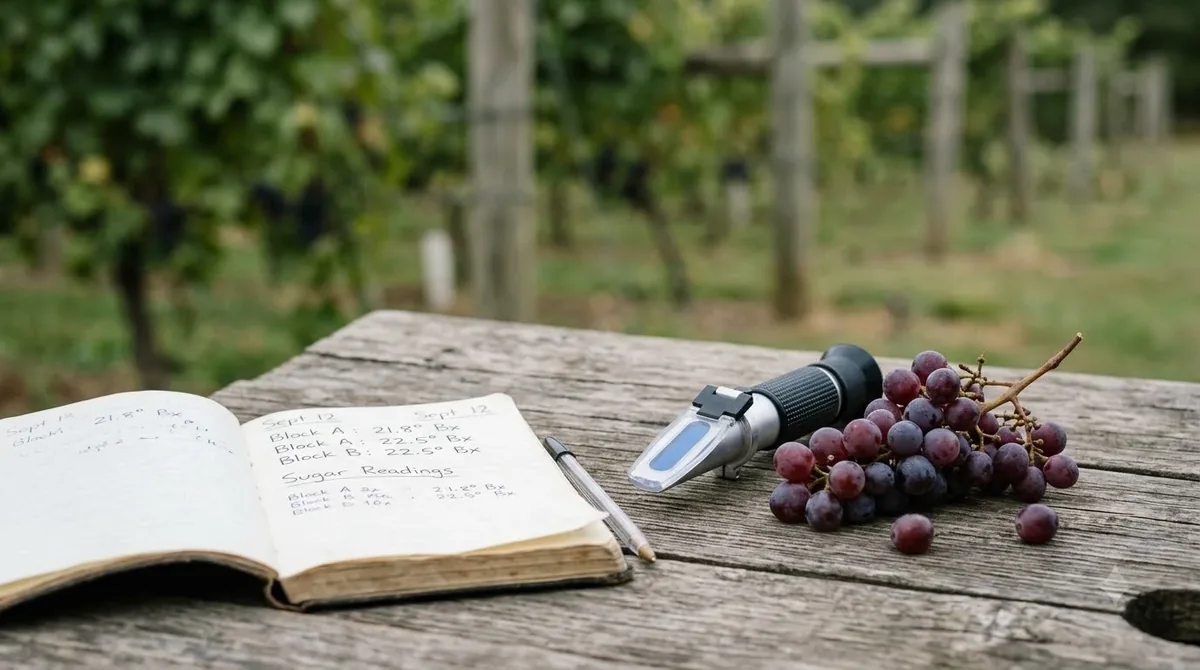
Dry red Zinfandel is the style most shoppers have in mind when looking for a substantial California red. Wine Folly describes the grape with blackberry, strawberry, peach preserves, cinnamon, and sweet tobacco flavors. It is typically dry, medium-full in body, and medium-high in tannin, with medium-low acidity. The fruit can seem sweet or jam-like even when the wine itself is not sweet.
White Zinfandel is a rosé, not a white wine made from a separate white grape. Its color is pink, and it generally has lighter red-fruit aromas, including strawberry, raspberry, and cherry. It is a different shopping choice from dry red Zinfandel, so shoppers buying for a barbecue or roast should pay close attention to the style named on the front label.
Late-harvest Zinfandel is a concentrated dessert-wine style made with grapes that have developed more concentrated sugars. It can show blackberry syrup, dark chocolate, raisin, and candied plum character. It is richer and sweeter than a typical dry red, so it belongs with dessert or a small after-dinner pour rather than as a direct substitute for a dry dinner wine.
Regional differences can guide the choice within dry red Zinfandel. Dry Creek Valley in Sonoma County is a strong direction for red and black fruit with a lush texture. Amador County is a sensible choice for someone who wants a more powerful impression of dark berries, plum, licorice, and clove. Napa Valley examples can feel more polished, with silky texture and spicy blackberry, while Lodi is associated with dark fruit and spice.
These descriptions are useful tendencies, not strict rules that every producer must follow. Vintage, vineyard, growing conditions, and winemaking decisions can change the final result. Wine Folly’s Zinfandel grape guide is a useful reference for the grape’s flavor profile, serving approach, and food matches. Shoppers who prefer crisp white wines can also compare options in our guide to the best white wine at costco.
Common Costco Shopping Mistakes
The most common mistake is assuming that the Kirkland Signature Old Vine Zinfandel is available at every Costco or that every bottle carrying the Zinfandel name will taste the same. Inventory varies, and the difference between a full-bodied red, a blush rosé, and a late-harvest wine is large enough to change whether a bottle works with dinner.
Do not confuse online listings with warehouse stock. Costco explains that online inventory is not a duplicate of warehouse inventory: a product may appear online but not in a local store, or the other way around. Availability also changes with purchasing activity. The Washington Post’s reporting on Costco wines similarly notes that wine selection can vary between locations and that some wines are seasonal. A product listing is useful for identifying a bottle, but it is not a promise of local stock.
Do not buy by alcohol level alone. Zinfandel can have considerable alcohol because of the grape’s ripening pattern, but a higher number does not automatically mean better flavor or more sweetness. If you want a wine for a long meal, a bottle with ripe fruit and enough freshness may be easier to enjoy than a very warm, concentrated example. The same principle applies to oak: vanilla and baking spice can complement berry fruit, but too much oak character can make the wine feel heavy.
Do not treat “old vine” as a flavor description. It can be an attractive clue for shoppers interested in traditional California Zinfandel, but it does not tell you whether a particular bottle is dry, highly alcoholic, heavily oaked, or balanced. Look for the region and the full style description as well. If a bottle gives little useful information, make the decision based on the food pairing and your preferred level of body instead of assuming that a phrase on the front label guarantees a particular taste.
Another mistake is pairing Zinfandel with food that makes its strengths less appealing. Very delicate seafood can be overwhelmed by a bold, tannic red, while strong chili heat can seem more intense alongside a wine with high alcohol and noticeable tannin. For oily fish, a crisp white or a lighter wine is generally a safer match than a tannic red. A bigger Zinfandel is at its best with food that has enough flavor and richness to meet it.
Serving, Care, and Storage Tips
Red Zinfandel is generally more enjoyable slightly cool than warm at room temperature. Aim for 60–65°F, give a young, full-bodied bottle about 30 minutes to breathe when it is particularly concentrated, and store unopened bottles in a cool, dark place near 55°F.
If the bottle has been stored at room temperature, put it in the refrigerator for about 20 minutes before serving. This modest chill helps keep alcohol warmth from dominating the fruit and spice. Avoid serving it ice-cold: very low temperatures can make the tannins seem firmer and mute some of the aroma. A regular red-wine glass with enough room to swirl is suitable for a typical dry Zinfandel.
Decanting can help a young, full-bodied Zinfandel open up. Start with about 30 minutes, then check whether the wine’s aroma has become more expressive and the finish feels more integrated. Not every bottle needs a long decant. A lighter, fresher Zinfandel may be ready soon after opening, while a concentrated red can benefit from more air. Pour a small taste first rather than leaving every bottle open for the same amount of time.
For unopened bottles, choose a dark, cool storage spot away from direct sunlight and major temperature swings. A wine rack or cabinet near 55°F is more suitable than a warm kitchen counter or a shelf above an appliance. If the bottle has a natural cork, storing it on its side helps keep the cork from drying out. Avoid moving bottles repeatedly, especially if you intend to keep them for a longer period.
After opening, reseal the bottle and place it in the refrigerator. A typical still red wine generally keeps for about 3–5 days under refrigeration, although its fruit and aroma may fade during that time. Let a serving warm slightly in the glass rather than leaving the whole bottle on the counter. A 750 ml bottle with about five 5 oz servings is easier to finish while fresh when planned around the number of people at dinner.
Frequently Asked Questions
These answers cover a few extra details that can help distinguish Zinfandel from similar wines and set expectations before buying a bottle. They are useful whether you are considering Kirkland Signature Old Vine Zinfandel or another California producer.
Is Zinfandel the same grape as Primitivo?
Yes. Zinfandel is genetically identical to Italy’s Primitivo and Croatia’s Crljenak Kaštelanski. The names reflect different regional traditions, and local growing conditions and winemaking can create distinct expressions even though the underlying grape variety is the same.
Did Zinfandel originate in California?
No. Wine Folly traces the grape’s origins to Croatia and says it was likely brought to the United States in the early 1800s. California became strongly associated with the variety, but its history reaches beyond the state.
How old can California Zinfandel vines get?
Total Wine notes that some California Zinfandel vines are more than 100 years old and still produce small quantities of grapes. These older plantings are part of the grape’s history in the state, but vine age alone does not establish whether an individual bottle will suit a particular drinker’s taste.
Does a Zinfandel with 15% ABV have to taste sweet?
No. Alcohol percentage and residual sugar describe different things: alcohol measures the ethanol in the finished wine, while sweetness is determined by the sugar remaining after fermentation. A dry Zinfandel can have a high ABV and still taste very ripe because its fruit flavors are intense.
Can Zinfandel be aged for several years?
Some structured Zinfandels can develop with bottle age, but not every bottling is intended for long-term cellaring. Wine Folly gives a 5–10 year cellar window as a general handling reference for Zinfandel, not a guarantee for every label or vintage. For a Costco bottle without specific aging guidance, enjoying it while its fruit is lively is a sensible approach.
For a ripe California red with dark berry fruit, spice, and enough body for barbecue, start by looking for Kirkland Signature Old Vine Zinfandel and confirm that your local warehouse actually has it. If it is missing, compare the region, stated alcohol level, and style of the other Zinfandels available, then choose the bottle that best fits your food and preferred intensity.
More in Wine Buying Guides
 Best Zinfandel Brands to Match Your Preferred StyleUpdated Nov 21, 2026
 Best Sparkling Wine At Whole Foods for Every Celebration and BudgetUpdated Nov 21, 2026
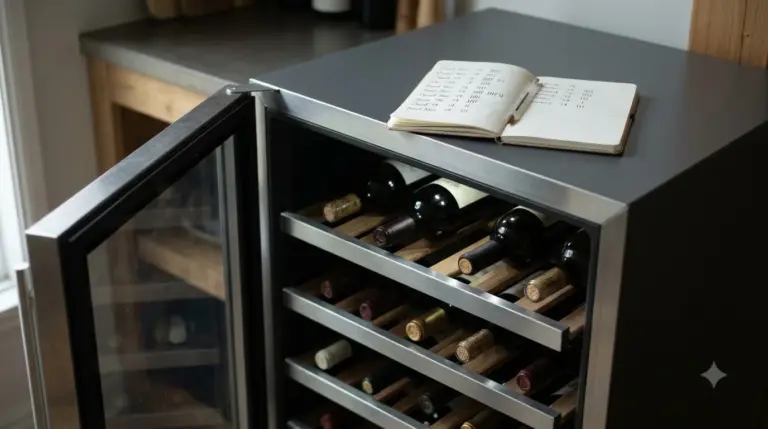 Wine Fridge Buying Guide for Smarter Wine StorageUpdated Nov 21, 2026
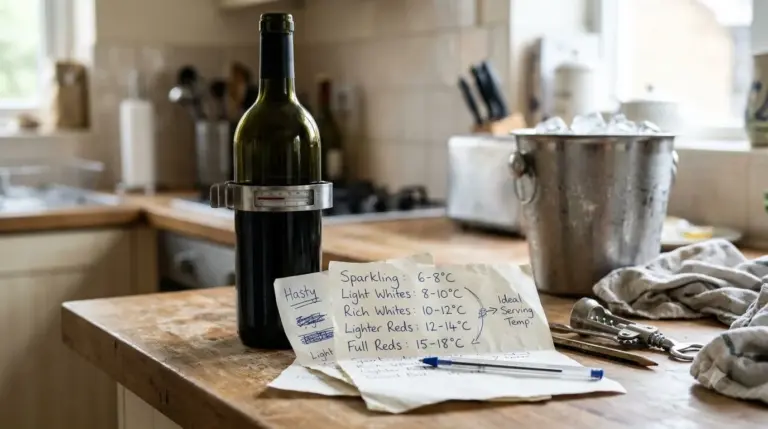 Best Wine For Hot Weather: Refreshing Bottles for Warm DaysUpdated Nov 21, 2026
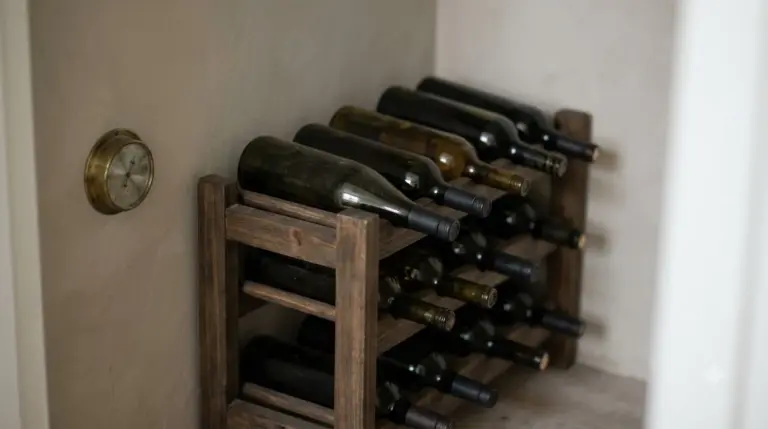 Best Wine For Spritz: Choose Crisp Bottles for Refreshing DrinksUpdated Nov 21, 2026
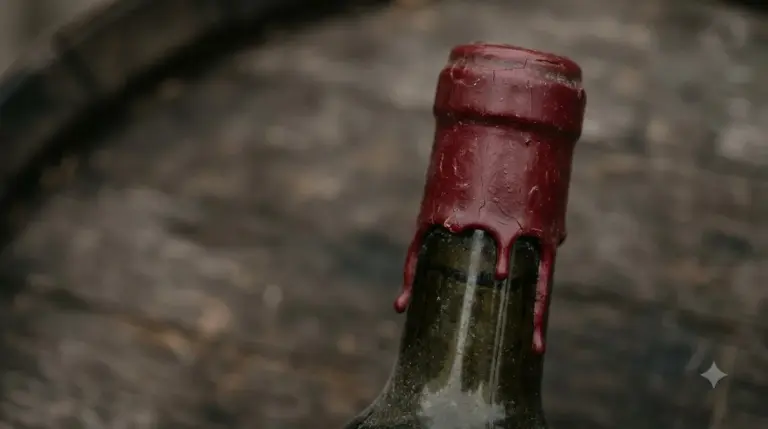 Best Zinfandel Under 20: Find Rich, Flavorful California RedsUpdated Nov 21, 2026