

We may earn a commission when you buy through links on this page, at no extra cost to you. Learn more.
The best zinfandel under 20 is a dry California red with ripe blackberry and raspberry flavors, balanced acidity, moderate oak influence, and enough structure to pair with everyday meals. Lodi, Sonoma, and the Sierra Foothills are useful regions to explore because each produces a recognizable expression of the grape. Rather than choosing a bottle solely for its alcohol percentage or old-vine label, compare its growing region, sweetness, fruit character, and winemaking style.
Zinfandel is one of California’s most recognizable red wine grapes, offering generous fruit, peppery spice, and a fuller texture that works particularly well with grilled food. Finding a satisfying bottle on a limited budget is largely a matter of understanding the differences between growing regions and identifying the style that suits your preferences. A little attention to the label can help distinguish balanced, food-friendly reds from wines that lean heavily toward ripe fruit, alcohol, or oak.
Who Should Buy Affordable Zinfandel?
Affordable Zinfandel is a good choice for red wine drinkers who enjoy ripe berry flavors, noticeable spice, and a generous mouthfeel without needing a particularly delicate or restrained wine. It is especially appealing to people who regularly serve grilled meats, pizza, burgers, and barbecue.
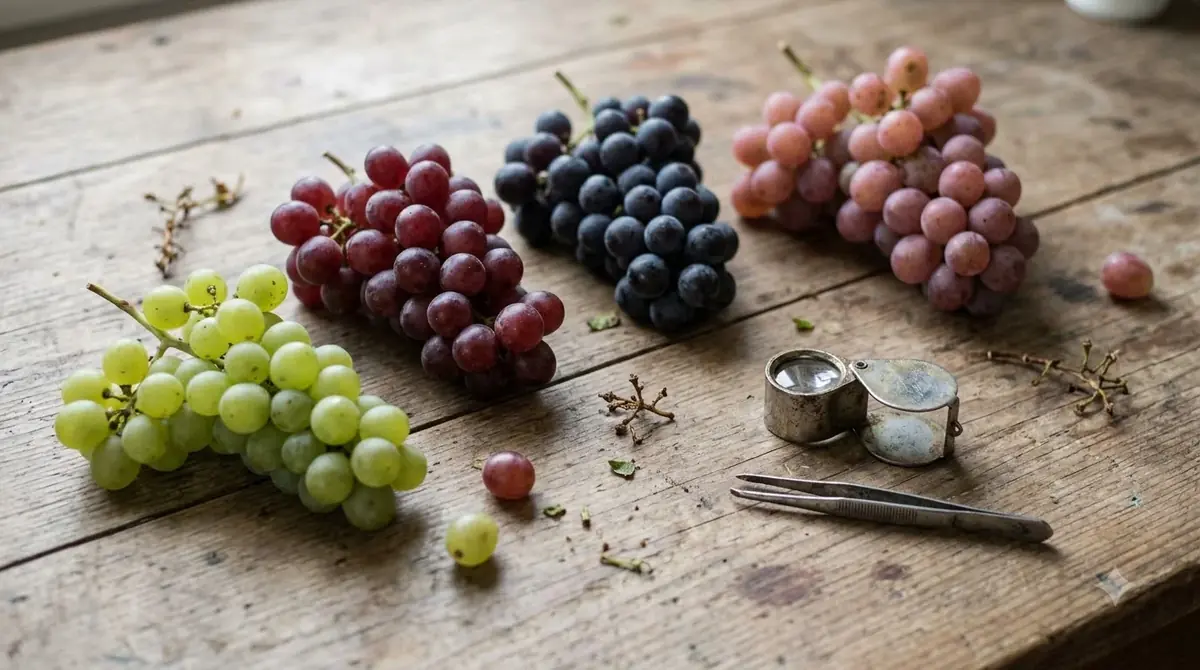
Zinfandel typically offers blackberry, raspberry, cherry, and sometimes plum flavors. Black pepper, cinnamon, cloves, anise, and sweet tobacco can add complexity. According to Wine Folly, the grape produces medium-full to full-bodied wines with medium-high tannins and relatively modest acidity. These characteristics make it a natural match for substantial meals rather than delicate dishes that might be overwhelmed by its fruit and structure. The Wine Folly Zinfandel grape guide provides additional information about its flavor profile, regional expressions, and food pairings.
It also suits shoppers who enjoy exploring regional differences. A bottle from Lodi may emphasize concentrated blackberry and roasted plum, while a Sonoma Zinfandel can show more raspberry, black cherry, and pepper. Both can deliver an enjoyable experience, but they appeal to slightly different preferences.
There is an important distinction between dry red Zinfandel and White Zinfandel. Despite the similar names, White Zinfandel is a sweet pink rosé, while traditional red Zinfandel is generally made as a dry wine. Shoppers looking for a substantial red should make sure they are choosing the appropriate style.
For readers comparing other affordable California reds, a best cabernet sauvignon under 20 selection offers another useful point of comparison. Cabernet Sauvignon generally has firmer tannins, while Zinfandel tends to emphasize ripe fruit, spice, and a more immediately generous texture.
Key Factors to Compare Before Buying
The most useful buying criteria are growing region, sweetness, alcohol level, oak influence, and vineyard information. These clues help predict whether a bottle will be bright and peppery, rich and jammy, or somewhere between the two.
| Buying factor | What to look for | Likely wine character |
|---|---|---|
| Growing region | Lodi, Sonoma, Amador County | Different expressions of ripe fruit and spice |
| Body | Medium-full to full | Generous texture and substantial flavor |
| Acidity | Fresh, balanced fruit profile | More refreshing finish |
| Tannins | Medium to medium-high | Structure and grip |
| Alcohol | Compare the stated ABV | One clue to ripeness and weight |
| Oak influence | Vanilla, clove, mocha, toast | More baking-spice and toasted flavors |
| Vineyard description | Old vine or named vineyard | Additional information about sourcing |
| Sweetness | Dry red rather than sweet rosé | More traditional red Zinfandel character |
Growing region
Start by considering where the grapes were grown. Lodi is particularly useful for shoppers looking for generous dark fruit and a rounded texture. Its Mediterranean climate features warm days, cooler nights, and Sacramento River Delta breezes. Wine Folly describes common Lodi characteristics as blackberry, roasted plum, cinnamon, peach yogurt, and sweet tobacco.
Sonoma offers a different direction. Dry Creek Valley Zinfandel is associated with raspberry, blackberry, and pomegranate, often with a combination of fruit intensity and freshness. Amador County, in the Sierra Foothills, is known for wines that can emphasize ripe blackberry, plum, licorice, and clove.
Alcohol percentage
Alcohol percentage can help indicate the general weight of a Zinfandel, but it should not determine the purchase by itself. Riper grapes can produce wines with higher alcohol, fuller body, and more concentrated fruit. However, alcohol alone does not establish sweetness or quality.
A high-alcohol dry wine can taste sweet because ripe fruit, warm alcohol, and oak flavors create an impression of richness. Actual residual sugar is a separate consideration. A shopper who prefers freshness should consider the complete flavor description rather than automatically choosing the highest ABV.
Oak and vineyard information
Oak aging can introduce vanilla, cinnamon, clove, mocha, coconut, and toasted notes. Some shoppers appreciate this combination with blackberry fruit, while others prefer a less oaky wine that emphasizes the grape’s natural fruit and pepper characteristics.
Old-vine descriptions can also be useful, but they are not a guarantee of quality. Vine age is only one influence among growing conditions, crop levels, vineyard management, harvest decisions, and winemaking. The Zinfandel Advocates & Producers organization explains that uneven grape ripening creates a combination of bright acidity, ripe fruit, and concentrated flavors. This is part of what makes vineyard selection and harvest timing important.
Step-by-Step: How to Choose a Good Bottle
A straightforward buying process helps narrow the choices without relying on expensive labels or complicated tasting terminology. Start with the intended meal, identify your preferred regional style, and then compare the wine’s dryness, fruit profile, and structure.
-
Decide whether you want red Zinfandel or White Zinfandel.
Choose traditional red Zinfandel for blackberry, plum, pepper, and a fuller texture. Choose White Zinfandel only if you want a pink, sweeter rosé. These wines have different purposes and should not be treated as interchangeable.
-
Choose a regional style.
Begin with Lodi for dark berry fruit and generous texture, Sonoma for a more varied balance of red and black fruit, or Amador County for ripe fruit and baking spice. These are starting points rather than absolute rules.
-
Read the producer’s tasting description.
Look for specific terms such as blackberry, raspberry, black pepper, plum, vanilla, and clove. These descriptions provide a better indication of the expected experience than broad marketing terms such as premium or reserve.
-
Compare alcohol and oak influence.
Look at the stated ABV and consider whether you prefer a lighter-feeling wine or a richer one. Descriptions mentioning toasted oak, mocha, and vanilla indicate a more noticeable oak contribution.
-
Check whether the wine is dry.
For a traditional red, look for a description that identifies the wine as dry. Fruit-forward does not necessarily mean sweet. Blackberry jam and ripe plum aromas can occur in a dry wine.
-
Consider vineyard information.
Old-vine or single-vineyard descriptions can provide useful sourcing context. However, do not assume that either phrase guarantees better balance or more complex flavor.
-
Match the bottle to your food.
Choose a fruit-forward, fuller-bodied wine for barbecue, burgers, and grilled pork. A more restrained and peppery example may be preferable for roasted chicken, mushrooms, and dishes with herbs.
Following these steps makes it easier to recognize a bottle that fits your preferences rather than selecting one simply because its label uses familiar wine terminology. A clear regional identity, recognizable fruit flavors, and balanced structure are useful signs of a sensible purchase.
Tip: If you are choosing between two dry Zinfandels, compare their regional origins and descriptions before comparing their alcohol percentages. A Lodi wine emphasizing blackberry and plum may suit someone who likes rich reds, while a Sonoma example with raspberry and pepper may appeal to someone who prefers a fresher finish.
Types and Styles of Zinfandel Explained
Red Zinfandel is not one uniform style. Growing conditions, grape ripeness, vineyard management, and oak treatment can create substantial differences in the finished wine, even when two bottles use the same grape variety.
Lodi Zinfandel: Rich and fruit-forward
Lodi is an especially useful starting point for people who enjoy generous fruit flavors. The region’s warm Mediterranean conditions support ripe grapes, while cooler nights and Delta breezes provide some climatic moderation.
Typical flavor descriptions include blackberry, roasted plum, cinnamon, peach yogurt, and sweet tobacco. Some examples have a soft, rounded texture, while others show more obvious oak and alcohol. For shoppers who prefer a fuller red with dark fruit and noticeable spice, Lodi is a practical regional search.
One important distinction is that a ripe, jammy impression does not necessarily mean a wine contains significant residual sugar. Many Lodi Zinfandels are dry, even when their fruit flavors resemble preserves.
Sonoma Zinfandel: Fruit and freshness
Sonoma has several important Zinfandel-growing areas, including Dry Creek Valley, Alexander Valley, and Russian River Valley. Differences in climate, soils, and vineyard location contribute to a broad range of expressions.
Dry Creek Valley examples are often associated with raspberry, blackberry, and pomegranate. Some wines also show black pepper, vanilla, and herbal notes. The combination can make Sonoma a useful place to look for a red that has concentrated fruit without feeling excessively heavy.
Sonoma should not automatically be considered lighter than Lodi. Ripeness, oak treatment, and producer decisions can make individual wines quite different. The regional name is a helpful clue, not a substitute for reading the wine description.
Amador County and Sierra Foothills Zinfandel
Amador County offers another recognizable California style. Its warm, sunny conditions can produce deeply flavored wines with blackberry, ripe strawberry, plum, licorice, and clove characteristics.
Wine Folly also describes Sierra Foothills Zinfandel as capable of showing raspberry, cherry, blackberry, cranberry, and baking spice. Higher vineyard elevations and cooler nights can help preserve aromatic freshness in some examples.
This region is worth considering for shoppers who enjoy concentrated fruit but also want to explore different expressions of California Zinfandel. Vineyard conditions and producer decisions remain important, so two wines from the same county can still differ significantly.
Old-vine Zinfandel
Old-vine Zinfandel attracts attention because older vineyards can provide distinctive fruit and a connection to California’s winemaking history. However, the term does not establish a single standardized taste profile across all producers.
Vine age is only one part of the equation. Vineyard location, soil, water availability, pruning, and harvest decisions also influence the grapes. Zinfandel Advocates & Producers discusses how vineyard management and growing conditions contribute to differences in Zinfandel’s character.
For a shopper choosing among affordable bottles, an old-vine description is a useful additional detail rather than a reason to ignore the wine’s actual flavor profile.
Primitivo: The Italian alternative
Primitivo is the Italian counterpart genetically associated with Zinfandel, particularly in southern Italy’s Puglia region. It can offer familiar ripe blackberry, plum, and spice characteristics, although its expression depends on local growing conditions and winemaking.
Primitivo can be an interesting alternative for someone who already enjoys California Zinfandel. The grape relationship does not mean the wines will taste identical, and the country of origin, vineyard climate, and producer approach all influence the finished bottle.
For a more detailed look at sweetness terminology, the guide to dry Zinfandel explains what distinguishes traditional dry red wines from sweeter interpretations.
Common Mistakes When Buying Zinfandel
The most common purchasing mistakes involve confusing ripe fruit with sweetness, assuming alcohol percentage measures quality, and treating regional or vineyard descriptions as guarantees. Understanding these distinctions makes it easier to choose a bottle that matches your expectations.
Assuming jammy means sweet
Zinfandel often has blackberry jam, ripe raspberry, plum preserves, and sweet spice aromas. These descriptions refer to the wine’s flavor impressions rather than necessarily indicating added sugar or substantial residual sugar.
A dry Zinfandel can taste richly fruity while finishing without a noticeably sugary sensation. If you genuinely prefer a sweeter wine, look for a wine specifically described as sweet rather than assuming every ripe-tasting red will provide that experience.
Choosing the highest alcohol percentage
Higher alcohol can accompany very ripe grapes and a fuller-bodied style, but it does not guarantee better flavor, concentration, or balance. Excessive warmth on the finish can make a wine feel less refreshing, particularly when served too warm.
Consider the wine’s fruit, acidity, tannin, and alcohol together. A balanced bottle can be more enjoyable than one that emphasizes a single characteristic.
Believing old vines automatically mean better wine
Older vineyards can be appealing, but vine age is not a universal quality rating. A well-managed younger vineyard can produce satisfying fruit, while an older vineyard may still yield wine that does not suit a particular drinker’s preferences.
Look at the producer’s description, the regional identity, and the intended style. These details provide a more useful purchasing framework than relying on a single phrase on the front label.
Ignoring tannins and food
Zinfandel’s medium-high tannin structure can work well with substantial food, especially meat with some fat. However, a strongly tannic red can seem more aggressive with delicate dishes.
Salt and fat soften the perception of tannin, which explains why Zinfandel often works with grilled burgers, ribs, smoked meats, and sharp cheeses. Oily fish can clash with tannic reds, so lighter pairings deserve more consideration.
Confusing red and White Zinfandel
White Zinfandel is a sweet rosé made from the same red grape variety. It is not simply a pale version of conventional dry red Zinfandel. A shopper expecting a full-bodied red with pepper and blackberry may be disappointed by a sweet pink wine.
Pay attention to the wine’s color and product description before purchasing. The distinction is particularly important for people buying wine for a dinner where a dry red is expected.
Serving and Storage Tips for Affordable Zinfandel
Good serving conditions help preserve Zinfandel’s fruit, spice, and structure. Slightly cooling the bottle, allowing the wine to breathe when appropriate, and storing leftovers properly can improve the experience without requiring specialized equipment.
Serve at a slightly cool temperature
Wine Folly recommends serving Zinfandel between 60 and 68 degrees Fahrenheit. For a fuller-bodied bottle, starting near 60 to 65 degrees Fahrenheit is a practical approach, particularly in a warm room.
Red wine served too warm can emphasize alcohol and make the finish feel heavy. A brief period in the refrigerator can bring an overly warm bottle closer to a more comfortable serving temperature.
Use an appropriate glass
A universal red wine glass is suitable for Zinfandel. A moderately large bowl gives the wine room to release blackberry, raspberry, pepper, and oak aromas without requiring a specialized glass for every regional style.
A standard wine pour is 5 ounces. A 750 ml bottle contains approximately five such servings, making it a practical amount for a small dinner gathering.
Allow the wine to breathe
Young, fuller-bodied Zinfandel can benefit from exposure to air. Wine Folly recommends approximately 30 minutes of decanting, which provides a useful starting point for a particularly concentrated bottle.
Decanting is optional rather than a requirement. A glass poured directly from the bottle can develop as it sits, and a lighter or more delicate example may not need extensive aeration.
Pair it with substantial food
Zinfandel is particularly suitable for grilled and roasted dishes with bold flavors. Its ripe fruit and spice complement barbecue sauces, charred meat, herbs, and smoky seasonings.
- Barbecue ribs: Rich meat and smoky flavors work well with concentrated berry fruit.
- Grilled burgers: Fat and salt soften tannin while the wine’s fruit complements browned meat.
- Pulled pork: The combination of savory meat and moderate sweetness in barbecue sauce suits fruit-forward Zinfandel.
- Roast lamb: Pepper and herbal notes complement the meat’s savory character.
- Sharp cheddar: Salt and richness balance the wine’s tannic structure.
- Smoked Gouda: Smoky cheese complements oak and spice characteristics.
- Grilled vegetables: Eggplant, mushrooms, and caramelized onions work particularly well with earthy and roasted flavors.
Be cautious with very spicy dishes. Chili heat can feel stronger alongside alcoholic, tannic wines. For a heavily seasoned meal, consider the intensity of the pepper and chili before choosing a particularly powerful Zinfandel.
Store opened bottles properly
After opening, reseal the bottle and refrigerate it. Most opened still wines are best consumed within approximately three to five days when properly stored, although freshness varies with the wine, storage conditions, and amount of air remaining in the bottle.
For unopened bottles intended for longer storage, keep them away from direct sunlight and large temperature fluctuations. A cool environment near 55 degrees Fahrenheit is a useful target, and bottles with natural corks are generally stored on their sides.
Affordable Zinfandel is usually purchased for relatively early enjoyment rather than long-term cellaring. There is little reason to hold a straightforward everyday bottle for years when its fruit-forward character is intended to be enjoyed while young.
Frequently Asked Questions
Is Zinfandel the same grape as Primitivo?
Yes. Genetic research identifies California Zinfandel and Italian Primitivo as the same grape variety, alongside Croatia’s Tribidrag. However, American labeling regulations require Zinfandel and Primitivo to be identified separately on US wine labels. Their flavor profiles can differ because of growing conditions and winemaking choices.
Does Zinfandel have a lot of calories?
Alcohol content and residual sugar influence the calorie content of wine. A higher-alcohol Zinfandel generally contains more calories from alcohol than an otherwise comparable lower-alcohol wine. The precise amount depends on the bottle’s alcohol and sugar content, not simply the grape variety.
Can Zinfandel age in the bottle?
Some structured Zinfandels can develop additional complexity with bottle aging. Wine Folly gives a general cellar range of five to ten years for suitable examples, although this should not be applied to every inexpensive bottle. Producer recommendations and the individual wine’s structure matter more than the grape name alone.
Why is Zinfandel sometimes called America’s grape?
Zinfandel became strongly associated with California’s wine industry and developed an important place in American wine culture. Its earlier genetic origins, however, are associated with Croatia. The University of California, Davis, documents the historical connection between California Zinfandel, Italian Primitivo, and Croatian grape varieties.
What is the difference between Zinfandel and a red blend containing Zinfandel?
A varietal Zinfandel emphasizes the named grape, while a red blend combines Zinfandel with other grape varieties. California regulations generally require at least 75 percent of a grape variety for a wine to be labeled with that varietal name. Blends can offer a different balance of fruit, tannin, body, and acidity depending on their composition.
Choosing an enjoyable Zinfandel on a limited budget is easier when you start with the region and style rather than relying on marketing language. Lodi, Sonoma, and Amador County are useful places to begin, with dry, fruit-forward examples offering particularly versatile food pairings. Compare the fruit description, alcohol, oak influence, and intended sweetness, and you can find a bottle that fits your table and your personal preferences.
More in Wine Buying Guides
 Riesling Gift: Choose a Bottle They’ll LoveUpdated Nov 21, 2026
 Sweet Red Wine Gift: Choose a Bottle They’ll LoveUpdated Nov 21, 2026
 Malbec Gift: How to Choose a Memorable Bottle for Any OccasionUpdated Nov 21, 2026
 Sherry Gift Ideas That Match Every Wine LoverUpdated Nov 21, 2026
 Moscato Gift: How to Choose a Sweet Wine They’ll LoveUpdated Nov 21, 2026
 Merlot Gift: How to Choose a Bottle They’ll AppreciateUpdated Nov 21, 2026