

We may earn a commission when you buy through links on this page, at no extra cost to you. Learn more.
The best wine for bridal shower celebrations is a versatile selection of Prosecco, sparkling rosé, and crisp white wine, with a light red or sweeter option for guests who prefer something different. Prosecco makes an excellent welcome drink and toast wine, while rosé adds a festive touch and Sauvignon Blanc or Pinot Grigio pairs easily with brunch and finger foods. The right combination depends on the guest list, menu, season, and length of the celebration.
A bridal shower is a special occasion, and the wine should feel celebratory without making hosting complicated. Whether the event is an elegant afternoon tea, a garden party, or a weekend brunch, a small but thoughtfully chosen wine selection can make the drinks table more inviting. Rather than buying several similar bottles, choose complementary styles that give guests meaningful options. This guide explains which wines to buy, how much to serve, what foods to pair them with, and how to keep every bottle ready for the party.
Who This Is For: Choosing Wine for Different Bridal Shower Celebrations
The ideal bridal shower wine selection depends on the atmosphere and the people attending. For a daytime gathering with 15 to 30 guests, sparkling wine, rosé, and crisp whites are a practical starting point because they work with light meals, appetizers, and casual conversation.
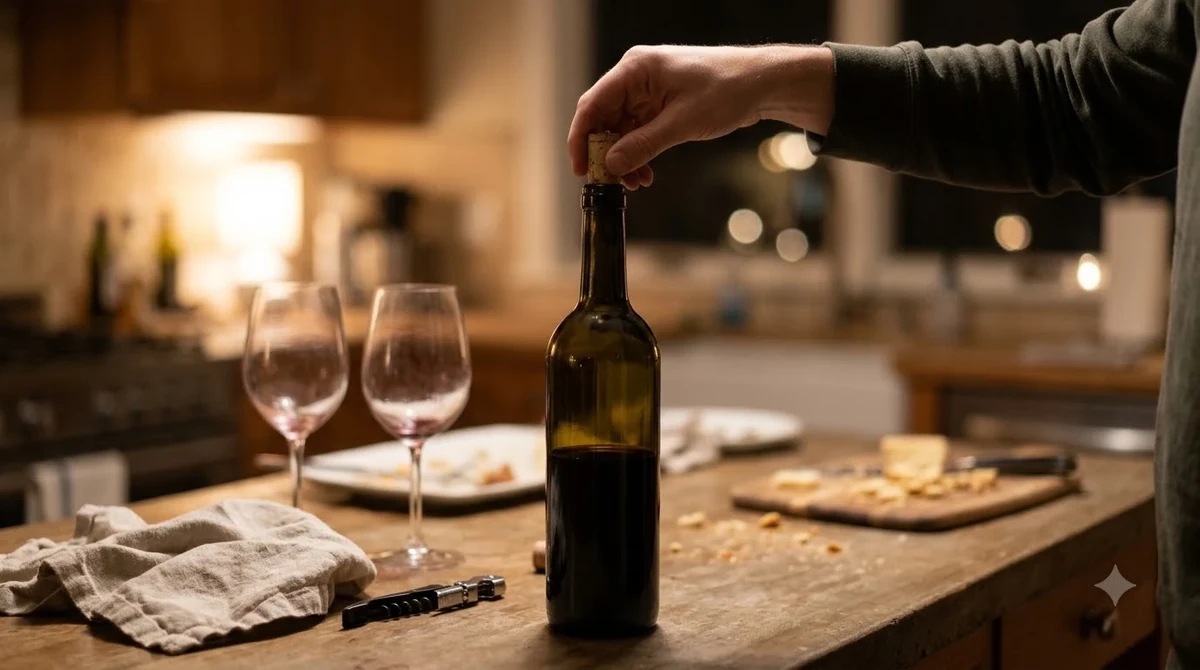
For a traditional brunch, Prosecco is an especially appealing choice. Its lively bubbles and fresh fruit character make it suitable for a welcome pour, a toast, or a simple mimosa station. Santa Margherita also recommends Prosecco Superiore, Pinot Grigio, and sparkling rosé for brunch and lunch entertaining. These styles provide variety without requiring a complicated wine list. Read its wine entertaining and party planning recommendations for additional serving ideas.
For an outdoor shower in spring or summer, dry rosé and aromatic white wines are particularly useful. A Provence-style rosé brings delicate red-fruit flavors, while Sauvignon Blanc provides citrus and herbal freshness. Both are refreshing choices for garden parties, outdoor lunches, and celebrations with salads or seafood appetizers.
An elegant indoor celebration may call for a slightly different combination. Traditional-method sparkling wine, such as Champagne or Cava, can create a more formal toast, while Chardonnay offers a fuller white wine alternative. A light Pinot Noir can also accommodate guests who prefer red wine.
Consider the bride’s preferences before choosing the final selection. If she enjoys dry sparkling wine, make that the centerpiece. If she prefers sweet wines, include Moscato or an off-dry Riesling. A thoughtful selection should reflect the guest of honor rather than relying entirely on traditional pink decorations or wedding-party themes.
There is also a practical reason to offer variety: not every guest enjoys the same sweetness, acidity, or level of carbonation. Providing three or four distinct styles makes the drinks table more welcoming without turning the shower into a formal wine tasting.
Key Factors to Compare Before Buying Bridal Shower Wine
Before selecting bottles, compare wine style, sweetness, food compatibility, serving quantity, and temperature. A balanced shopping list usually includes one sparkling option, one refreshing white, one rosé, and an optional red or sweet wine.
Start with the event menu. Brunch foods such as quiche, smoked salmon, fresh fruit, pastries, cheese, and vegetable appetizers generally benefit from wines with freshness and moderate body. High-acidity whites such as Sauvignon Blanc and Riesling are particularly useful with citrus, vinaigrette, and tangy ingredients. Pinot Grigio is another flexible option for delicate foods.
Next, consider sweetness. Brut sparkling wines are generally dry, while Moscato and many dessert wines are noticeably sweeter. A wine that tastes pleasantly fruity is not necessarily sweet; fruit aromas and residual sugar are different characteristics. If the shower includes cake or fruit desserts, include a genuinely sweet wine rather than expecting a dry sparkling wine to complement every dessert.
| Wine style | Typical character | Best shower use | Serving temperature |
|---|---|---|---|
| Prosecco Brut | Fresh, fruity, dry | Welcome drinks and toasts | 40–50°F |
| Sparkling rosé | Berry, floral, refreshing | Celebration drinks | 40–50°F |
| Pinot Grigio | Crisp, light, citrus | Brunch and appetizers | 45–50°F |
| Sauvignon Blanc | Bright, herbal, high acidity | Salads and seafood | 45–50°F |
| Chardonnay | Medium-bodied, rounded | Cheese and richer dishes | 50–55°F |
| Pinot Noir | Light, fruity, moderate tannin | Roasted vegetables and poultry | 55–60°F |
| Moscato | Sweet, aromatic, fruity | Cake and fruit desserts | 43–50°F |
Serving temperatures in this table are practical guidelines for the corresponding wine styles. Sparkling wine should remain cold, while light reds benefit from slight chilling rather than being served warm. Wine Enthusiast recommends 41–45°F for most sparkling wines to maintain freshness and effervescence.
Bottle format is another important comparison. A standard 750 ml bottle of still wine provides approximately five 5-ounce servings. Sparkling wine can provide six smaller pours when the host uses approximately 4 ounces per glass. For consistent planning, decide on the pour size before calculating the shopping list.
Also consider whether the shower will have cocktails. A mimosa station, for example, uses sparkling wine alongside orange juice, so guests may consume less wine on its own. A separate alcohol-free drink station can also reduce pressure to purchase more alcoholic beverages.
For additional guidance on understanding dryness, body, and grape varieties, explore this wine buying guide before choosing the final bottles.
Step-by-Step: How to Choose and Calculate the Wine for Your Shower
Planning the wine in stages makes shopping easier and prevents unnecessary bottles from being opened. Start with the guest count, decide how many drinks the event requires, and then divide the selection according to the menu and guest preferences.
-
Confirm the guest count.
Begin with the number of adults expected to drink wine. A shower with 12 guests has different requirements from a celebration with 35 guests. Include a modest reserve for unexpected attendees, but avoid buying a full extra case without a reason.
-
Determine the duration.
A short afternoon gathering lasting approximately two hours generally requires less wine than a four-hour brunch. Consider whether guests will be drinking throughout the event or only during the welcome and toast portions.
-
Choose the main sparkling wine.
Prosecco Brut is a versatile starting point. It works for a traditional toast, a mimosa bar, and guests who simply enjoy sparkling wine. If the bride prefers a more formal sparkling style, Champagne or Cava can take its place.
-
Add complementary still wines.
Choose a dry rosé and a crisp white for guests who do not want bubbles. Pinot Grigio and Sauvignon Blanc are useful choices for a daytime menu, while Pinot Noir can provide a lighter red alternative.
-
Calculate the servings.
Use approximately five 5-ounce glasses per 750 ml bottle of still wine. For smaller 4-ounce sparkling pours, use approximately six servings per bottle. Multiply the planned servings per guest by the number of guests, then divide by the number of servings per bottle.
-
Match the wines to the food.
Choose Sauvignon Blanc for fresh salads and seafood, rosé for appetizers and grilled vegetables, and Pinot Noir for poultry or mushroom dishes. Reserve sweet wine for desserts and guests who enjoy a sweeter style.
-
Arrange chilling and service.
Refrigerate sparkling wine and whites in advance. Prepare ice buckets, glasses, water, and nonalcoholic alternatives before guests arrive. Assign someone to manage the drinks station so the bride can enjoy the celebration.
How many bottles should you buy?
The following estimates illustrate a simple planning approach for a moderate daytime shower. They assume approximately two glasses per wine-drinking guest, with a mixture of sparkling and still wine. Actual consumption varies with the event duration, menu, and whether cocktails are available.
| Guests | Still wine bottles | Sparkling bottles | Total bottles |
|---|---|---|---|
| 10 | 2 | 2 | 4 |
| 15 | 3 | 3 | 6 |
| 20 | 4 | 4 | 8 |
| 25 | 5 | 5 | 10 |
| 30 | 6 | 6 | 12 |
This example assumes two 5-ounce servings per guest, split evenly between still and sparkling wine. The sparkling allocation uses smaller 4-ounce pours, so it provides slightly more volume than the still-wine allocation. For 20 guests, four still bottles provide approximately 20 glasses, while four sparkling bottles provide approximately 24 smaller glasses.
These quantities are a starting point rather than a fixed rule. If only half the guests drink alcohol, reduce the quantities accordingly. If the shower includes several cocktails, adjust the wine allocation downward. A longer celebration with continuous wine service may require additional bottles.
Tip: Keep one additional chilled sparkling bottle available if the toast is especially important. For a large group, ask the venue or wine retailer to help calculate quantities using the actual drinking schedule rather than relying only on the guest count.
Types and Styles Explained: The Best Wines for Different Shower Themes
The most useful bridal shower wine selection combines familiar styles with enough personality to suit the event. Prosecco, rosé, Sauvignon Blanc, Pinot Grigio, and Pinot Noir each serve a different purpose, so choosing complementary wines is more effective than buying several bottles with nearly identical flavors.
Prosecco: The classic celebration choice
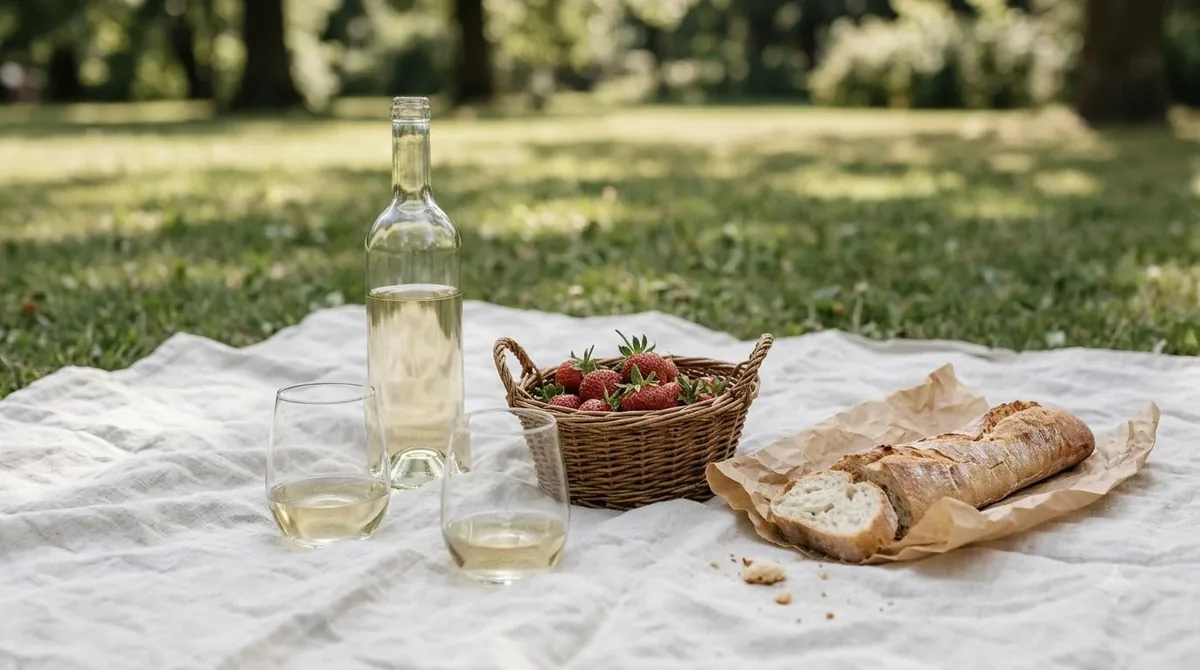
Prosecco is one of the easiest wines to serve at a bridal shower. Made primarily from Glera grapes and produced using the tank method, it typically has fresh apple, pear, citrus, and floral characteristics. Its lively bubbles make it suitable for welcoming guests and raising glasses during the bride’s toast.
Brut is a sensible choice for hosts who want a dry sparkling wine. Extra Dry Prosecco is actually slightly sweeter than Brut, despite the name, which can make it appealing to guests who prefer softer fruit flavors.
Prosecco also works well in simple cocktails. A mimosa combines sparkling wine and orange juice, while a Bellini pairs it with peach purée. A strawberry-based sparkling cocktail can provide a pink alternative for a themed celebration.
Sparkling rosé: A festive centerpiece
Sparkling rosé is a natural option for a bridal shower because it combines celebratory bubbles with berry and floral characteristics. Depending on the grapes and production method, flavors can include strawberry, raspberry, red currant, and citrus.
It is particularly appropriate for garden parties, spring celebrations, and afternoon events where a colorful drinks table is part of the presentation. Serve it alongside fruit platters, soft cheeses, smoked salmon, and savory pastries.
For a balanced selection, choose a dry sparkling rosé rather than assuming every pink sparkling wine is sweet. Brut rosé can be refreshing and food-friendly without overwhelming delicate appetizers.
Still rosé: Versatile and easy to pair
Still rosé is useful when guests want a refreshing wine without carbonation. Provence-style rosé often features delicate red fruit, citrus, and floral notes, making it suitable for warm-weather showers and lighter menus.
Rosé pairs particularly well with grilled vegetables, chicken salads, shrimp, mild cheeses, and Mediterranean appetizers. Its acidity provides freshness, while its fruit character gives it enough personality to stand on its own.
It is also a good alternative to serving only white wine. Guests can enjoy a glass of chilled rosé throughout the celebration without needing a separate cocktail or elaborate preparation.
Pinot Grigio and Sauvignon Blanc: Refreshing white wines
Pinot Grigio is a dependable choice for guests who prefer light, dry whites. Its clean profile and generally moderate body make it suitable for seafood, vegetable appetizers, mild cheeses, and brunch dishes.
Sauvignon Blanc is a little more aromatic and often has pronounced citrus, green fruit, and herbal notes. It is particularly helpful when the menu includes goat cheese, green salads, cucumber sandwiches, or dishes containing lemon.
These two wines provide different experiences despite both being refreshing whites. Pinot Grigio is usually more restrained, while Sauvignon Blanc can be more expressive and sharply acidic. Serving both can give guests a useful choice without making the selection feel repetitive.
Pinot Noir and sweeter alternatives
Not every bridal shower guest prefers white wine or rosé. Pinot Noir is a suitable red option because it generally has lower tannin than Cabernet Sauvignon and a lighter body. Its cherry, raspberry, and earthy characteristics can work with mushroom appetizers, poultry, and roasted vegetables.
For guests who enjoy sweeter wines, Moscato and off-dry Riesling are worth considering. Moscato offers aromatic fruit and noticeable sweetness, while off-dry Riesling combines residual sugar with refreshing acidity. These styles are especially useful when serving fruit tarts, pastries, or mildly spicy appetizers.
If you want to offer a broader selection, see the differences between dry white wine and sweeter styles before deciding how many bottles of each to buy.
Common Mistakes When Selecting Bridal Shower Wine
Even an attractive wine selection can create problems if the bottles do not suit the menu or the guest list. The most common mistakes involve choosing only one style, ignoring sweetness preferences, serving wines at unsuitable temperatures, and underestimating the practical needs of the drinks station.
Buying only sparkling wine
Prosecco and Champagne are popular celebration wines, but not everyone enjoys carbonation. Some guests prefer still white wine, rosé, or red wine. Offering at least one still option alongside the sparkling selection gives guests more flexibility.
A practical arrangement is to use sparkling wine for the initial toast, then keep Pinot Grigio and rosé available for the remainder of the event. Add Pinot Noir if the bride or guest list includes red wine enthusiasts.
Assuming pink wine is always sweet
Rosé can be bone-dry, off-dry, or noticeably sweet. Color does not indicate residual sugar. Provence rosé, for example, is commonly produced in a dry style, while other pink wines may have a rounder and fruitier profile.
Read the wine description and choose the sweetness level that fits the menu. A dry rosé is generally more versatile with savory appetizers, while a sweeter wine may be better suited to fruit-based desserts.
Choosing a red wine with excessive tannin
Full-bodied Cabernet Sauvignon and heavily structured Syrah can feel too powerful for a delicate daytime menu. Their tannins may overwhelm mild cheeses, seafood, and fresh vegetables.
Pinot Noir is a more approachable alternative for a mixed group. If the bride enjoys fuller reds, a softer Merlot can also work with roasted meats and richer savory dishes. For a deeper understanding of the differences, compare dry red wine styles before purchasing.
Ignoring the food menu
Wine should complement the actual food rather than simply match the party decorations. Sauvignon Blanc works well with acidic salads, while rosé can pair with savory pastries and grilled vegetables. A sweet wine should be at least as sweet as the dessert being served, or the wine may taste unpleasantly sharp beside the food.
Another common issue is serving tannic red wine with oily fish. This combination can create an unpleasant metallic impression. A crisp white or refreshing rosé is generally a safer choice for salmon, shrimp, and other seafood appetizers.
Overlooking nonalcoholic guests
A bridal shower often includes guests with different drinking preferences. Provide sparkling water, fruit-infused water, and alcohol-free sparkling drinks so everyone has something festive to enjoy.
Presenting nonalcoholic drinks in similar glassware makes the drinks station feel coordinated. It also avoids making guests explain why they are not drinking wine. Keep these beverages clearly identified and separate from alcoholic bottles.
Forgetting practical serving arrangements
Wine service can become inconvenient if the host must continually open bottles, find clean glasses, or refill ice buckets. Prepare the drinks station before guests arrive and designate someone to assist with serving.
Keep water available alongside wine, provide enough glassware, and arrange a safe transportation plan for guests who have been drinking. The bride should be able to enjoy the occasion rather than spend the afternoon managing refreshments.
Care and Storage Tips for a Smooth Bridal Shower
Proper chilling, storage, and presentation make a noticeable difference to the wine experience. Prepare the bottles in advance, maintain suitable serving temperatures, and keep opened wine refrigerated so the final glasses remain enjoyable.
Chill the wines according to their style
Sparkling wine should generally be served between 40 and 50°F. A refrigerator is useful for initial chilling, while an ice bucket can maintain the temperature during service. Wine Enthusiast recommends approximately 41–45°F for most sparkling wines.
Light whites and rosés are best served around 45–50°F, while fuller-bodied Chardonnay generally benefits from a slightly warmer 50–55°F range. Light reds such as Pinot Noir can be served around 55–60°F, allowing their aromas and fruit flavors to remain expressive.
Santa Margherita offers a broader entertaining guideline of 55–60°F for whites and rosés and approximately 45°F for sparkling wine. These ranges provide useful reference points, although individual styles and preferences can vary.
Keep sparkling bottles cold during service
Use an ice bucket with a mixture of ice and water rather than relying on a small amount of ice alone. Water helps distribute the cold around the bottle, while the ice maintains the temperature throughout the event.
Open sparkling bottles carefully, keeping a hand over the cork and directing the opening away from guests. Slowly twist the bottle rather than pulling forcefully on the cork. This helps preserve the bubbles and reduces the chance of spills.
Store unopened bottles correctly
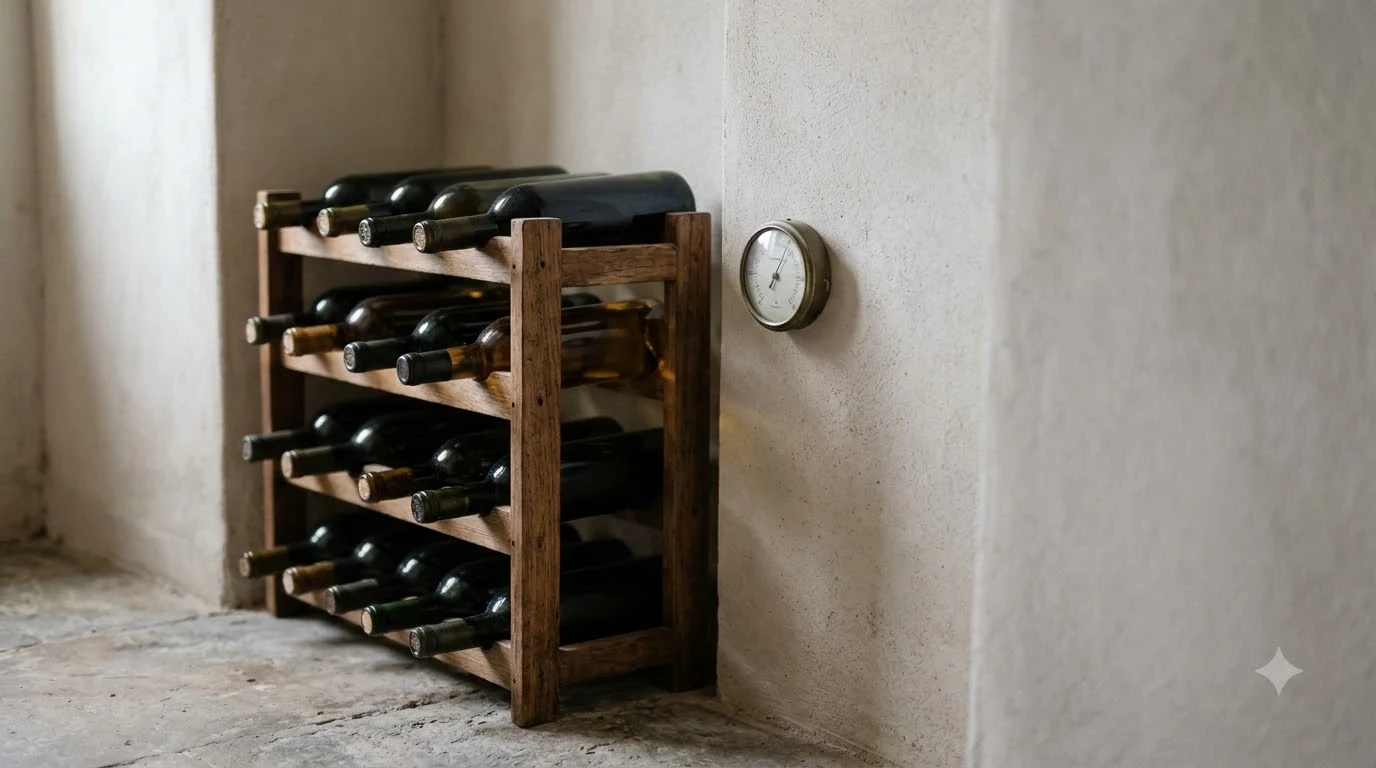
Store wine away from direct sunlight, excessive heat, and frequent temperature changes. A cool location near 55°F is suitable for longer-term storage. Bottles with natural cork closures are generally best stored on their sides to help prevent the cork from drying out.
If the shower is taking place outdoors, keep reserve bottles inside or in an insulated cooler until needed. Do not leave sparkling wine in direct sunlight while arranging decorations or preparing the food table.
Handle opened bottles carefully
Refrigerate opened still wines with their closures replaced. Most opened still wines remain enjoyable for approximately three to five days when properly sealed and refrigerated, although delicate wines can lose their freshness sooner.
Opened sparkling wine should be resealed with a proper sparkling-wine stopper and kept refrigerated. It generally remains enjoyable for approximately one to three days, although the bubbles gradually diminish.
Make the presentation attractive without overcomplicating it
A bridal shower drinks table can be beautiful without elaborate decorations. Arrange bottles by style, use simple floral arrangements, and provide small cards identifying each wine’s grape variety and sweetness level.
For a pink-themed shower, combine sparkling rosé with still Provence-style rosé and a nonalcoholic pink sparkling drink. For a more classic celebration, use neutral table linens, clear glassware, and a chilled bottle of Brut Prosecco as the centerpiece.
Keep food and drinks in separate service areas if space allows. This makes it easier for guests to refill glasses without crowding the buffet. It also helps prevent accidental spills around the cake and gift table.
Frequently Asked Questions
Is Champagne necessary for a bridal shower toast?
No. Prosecco, Cava, and other sparkling wines can all provide an appropriate celebratory toast. Champagne is a specific sparkling wine from France’s Champagne region, while Prosecco is associated with northeastern Italy. Choose according to the bride’s preferences and the atmosphere rather than assuming Champagne is required.
Can wine be served in regular wine glasses instead of flutes?
Yes. A standard stemmed white wine glass can be particularly useful for aromatic sparkling wines because its wider bowl allows more aromas to develop. Flutes remain popular for their traditional appearance and presentation of bubbles. The best choice depends on the style of service and the available glassware.
What is a good wine choice for a garden bridal shower?
Dry rosé, Prosecco, and Sauvignon Blanc are excellent starting points for an outdoor celebration. A chilled Vinho Verde is another interesting option because many examples have refreshing acidity and a light-bodied profile. Consider the weather and provide shaded storage to protect the bottles from heat.
Can a bridal shower have a wine tasting activity?
Yes. A simple tasting can feature three wines, such as Brut Prosecco, Provence rosé, and Pinot Grigio. Pour approximately 2 ounces of each wine per participant, provide tasting cards, and include water and crackers between samples. Keep the activity optional so guests who prefer socializing can enjoy the rest of the party.
How can hosts create a bridal shower mimosa station?
Prepare chilled sparkling wine, orange juice, peach purée, and a selection of fresh fruit garnishes. Offer small carafes with clear labels and provide approximately 3 ounces of sparkling wine per standard mimosa when using an equal-parts recipe. Keep juices refrigerated and replenish the station in small batches rather than leaving them out throughout the event.
The best wine for bridal shower celebrations is a selection that reflects the bride’s tastes while giving guests refreshing, enjoyable choices. Start with Prosecco, add rosé and a crisp white, and include a light red or sweeter alternative if the menu and guest list call for it. With sensible quantities, proper chilling, and a well-organized drinks station, the wine can become a memorable part of the celebration without making hosting unnecessarily complicated.
More in Wine Buying Guides
 Riesling Gift: Choose a Bottle They’ll LoveUpdated Nov 21, 2026
 Sweet Red Wine Gift: Choose a Bottle They’ll LoveUpdated Nov 21, 2026
 Malbec Gift: How to Choose a Memorable Bottle for Any OccasionUpdated Nov 21, 2026
 Sherry Gift Ideas That Match Every Wine LoverUpdated Nov 21, 2026
 Moscato Gift: How to Choose a Sweet Wine They’ll LoveUpdated Nov 21, 2026
 Merlot Gift: How to Choose a Bottle They’ll AppreciateUpdated Nov 21, 2026