

We may earn a commission when you buy through links on this page, at no extra cost to you. Learn more.
The best vouvray wineries include Domaine Huet, Domaine du Clos Naudin, Domaine François Chidaine, Domaine Vincent Carême, and Sébastien Brunet, producers known for distinctive expressions of Loire Valley Chenin Blanc. Their wines range from crisp, mineral-driven dry whites to balanced off-dry bottlings, concentrated sweet wines, and traditional-method sparkling selections. Comparing vineyard character, sweetness, production style, and vintage conditions helps buyers find a Vouvray that suits their preferences rather than relying on a producer’s reputation alone.
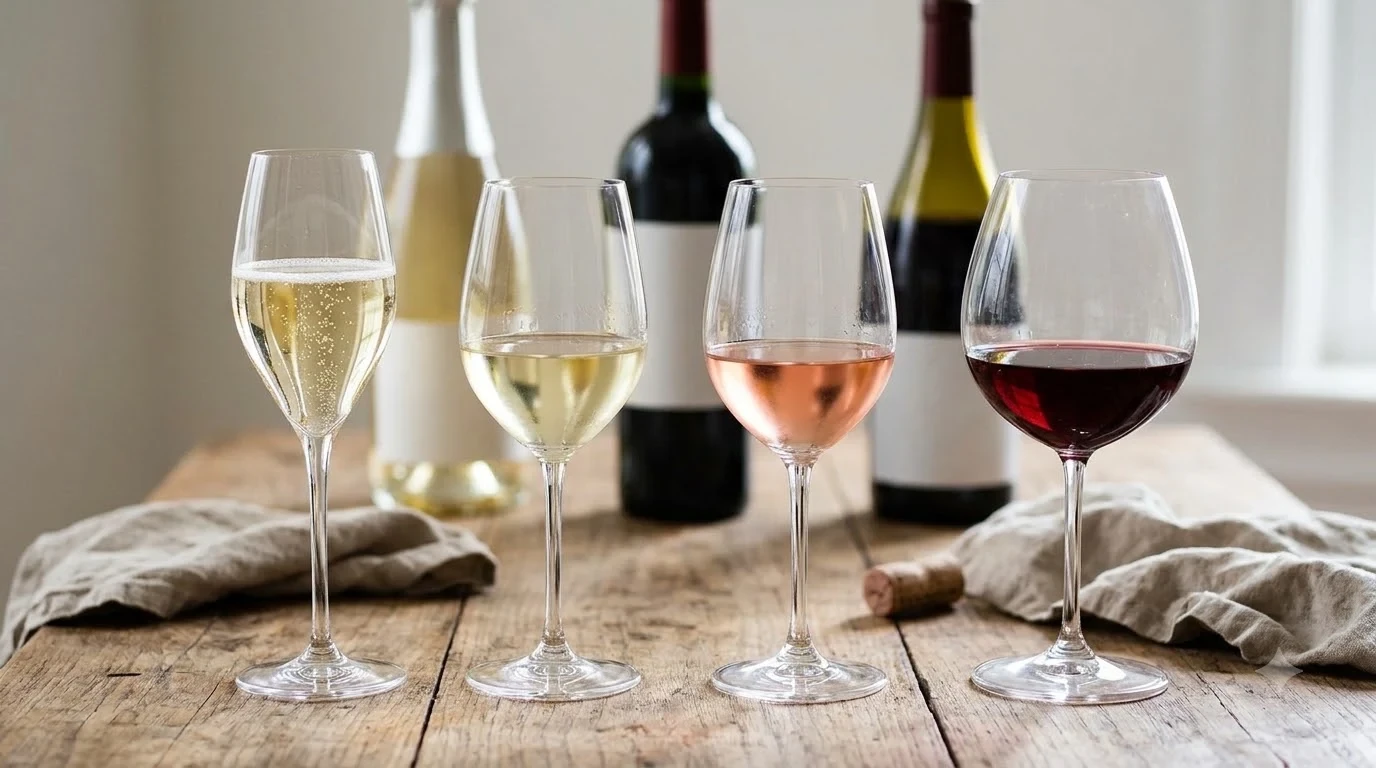
Vouvray deserves attention from anyone who enjoys expressive white wine with refreshing acidity and a wide range of styles. Located east of Tours in France’s Loire Valley, the appellation centers on Chenin Blanc grown across limestone hillsides, clay-rich slopes, and vineyards overlooking the Loire River. Its diversity is part of the appeal: two bottles carrying the same appellation can offer remarkably different drinking experiences. Some are crisp and dry, others have a gentle honeyed sweetness, and some are rich dessert wines with considerable aging potential. The following guide examines established producers, explains what separates their wines, and provides a practical approach to selecting bottles for different occasions.
Who This Is For: Finding the Right Vouvray Producer
The best Vouvray producer depends on whether you prefer dry Chenin Blanc, off-dry whites, sweet wines, or traditional-method sparkling wine. Domaine Huet and Clos Naudin are important names for buyers exploring established estate styles, while François Chidaine, Vincent Carême, and Sébastien Brunet offer additional perspectives on the appellation’s vineyard diversity.
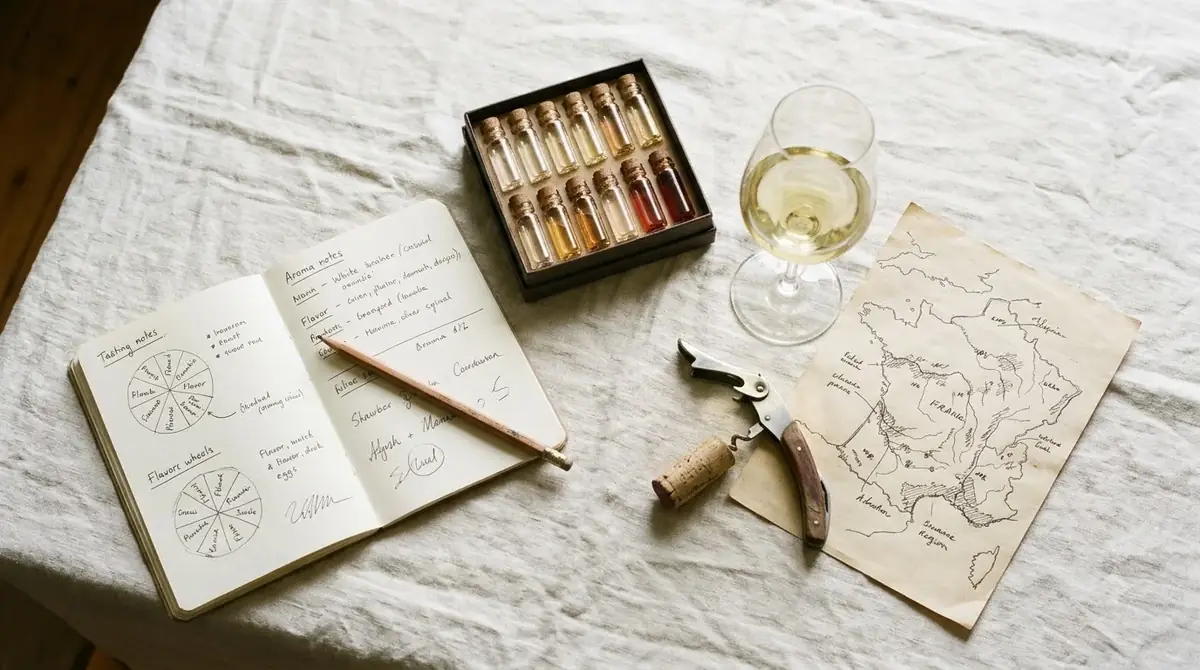
Vouvray is not a single vineyard or a single winemaking operation. According to the appellation’s winegrowers’ organization, approximately 150 estates work across 2,300 hectares and eight communes. This broad landscape means that producer selection matters. Vineyard exposure, soil composition, harvest conditions, and cellar decisions all influence the finished Chenin Blanc.
For someone building an understanding of the region, Domaine Huet is a useful starting point because its recognized vineyard names include Le Haut-Lieu, Le Mont, and Clos du Bourg. These names provide a framework for comparing different expressions of Vouvray rather than treating the appellation as one uniform style. Collectors interested in traditional estate bottlings should also investigate Domaine du Clos Naudin, associated with the Foreau family.
Other producers expand the selection. François Chidaine is a useful name to investigate when comparing site-specific Chenin Blanc, while Domaine Vincent Carême and Sébastien Brunet provide further examples of the appellation’s range. The aim is not to identify one universally superior winery but to understand which producers and bottlings match a particular occasion.
This guide is especially useful for three types of buyers:
- New Chenin Blanc drinkers: Start with a dry or demi-sec bottle to understand the grape’s balance between acidity and fruit.
- Experienced white-wine enthusiasts: Compare vineyard-designated wines from Domaine Huet or Clos Naudin to explore differences in site expression and maturation.
- Celebration and dessert-wine buyers: Explore traditional-method sparkling Vouvray and sweet moelleux wines for occasions that call for something more distinctive.
Travelers planning a broader American wine itinerary can also explore our guides to the best Temecula wineries and best Paso Robles wineries. Although those California regions have different climates and grape varieties, comparing their producers is another way to understand how geography shapes wine.
Key Factors to Compare When Choosing Vouvray Wineries
Compare five things before choosing a Vouvray estate: vineyard identity, sweetness, acidity, production method, and vintage conditions. These factors help explain why a dry bottle from one producer can taste very different from a sweet or sparkling wine made elsewhere in the same appellation.
| Factor | What to Look For | Why It Matters |
|---|---|---|
| Grape variety | 100% Chenin Blanc | Defines the appellation’s white-wine identity |
| Dryness | Sec, demi-sec, moelleux | Determines the balance between sweetness and acidity |
| Vineyard identity | Le Haut-Lieu, Le Mont, Clos du Bourg, Clos Naudin | Helps distinguish individual vineyard expressions |
| Sparkling production | Traditional method | Creates bottle-fermented bubbles and potential lees-derived complexity |
| Still-wine yield | 52 hl/ha at Domaine Gaudron’s stated basic yield | Provides context for vineyard production practices |
| Sparkling-wine yield | 65 hl/ha at Domaine Gaudron’s stated basic yield | Offers a reference point for sparkling production |
| Lees aging | 12 months minimum described by the appellation organization | Helps explain differences in sparkling-wine texture |
Producer identity is a useful first filter, but it should not replace attention to the individual bottle. A winery might make several wines with different sweetness levels and vineyard origins. A dry Le Haut-Lieu, for example, is not interchangeable with a sweet wine from another Domaine Huet vineyard. The grape is the same, but harvest maturity and winemaking decisions produce different results.
Soil is another important consideration. Vouvray’s underlying tuffeau limestone is accompanied by varying layers of clay, flint, and other sediments. According to the appellation’s official terroir description, historic vineyard clos include Clos Naudin, Clos du Bourg, Clos du Petit Mont, and Clos de Rougement. Their geographical identities are useful reference points for understanding the relationship between a vineyard and the wine produced from it.
Acidity should receive particular attention. Chenin Blanc naturally retains refreshing acidity, which helps balance residual sugar in off-dry and sweet wines. A demi-sec Vouvray can therefore feel lively rather than heavy. Buyers who enjoy Sauvignon Blanc or Riesling may appreciate this combination of fruit, freshness, and structure.
Finally, consider whether the bottle is still or sparkling. Traditional-method Vouvray undergoes its second fermentation in the bottle, and time spent on the yeast lees can contribute brioche and toasted notes. A fresh, straightforward sparkling bottle and a longer-aged selection may be quite different experiences despite sharing the same appellation.
Step-by-Step: How to Choose the Right Vouvray Winery
A reliable buying process starts with the occasion and desired sweetness, then narrows the selection by producer, vineyard, and vintage. Following five steps makes it easier to compare wines from Domaine Huet, Clos Naudin, François Chidaine, and other established estates.
-
Decide whether you want still or sparkling wine.
For an aperitif or celebration, begin with traditional-method sparkling Vouvray. For a dinner table, consider a dry or demi-sec still wine. For dessert, explore moelleux bottlings with concentrated fruit and natural sweetness.
-
Choose your preferred sweetness level.
Sec is the usual starting point for people who prefer dry whites. Demi-sec offers a gentle sweetness balanced by acidity, while moelleux is intended for drinkers who enjoy noticeably sweeter wines. The difference can be substantial, so sweetness should be an early decision rather than an afterthought.
-
Shortlist established producers.
Begin with Domaine Huet and Domaine du Clos Naudin, then compare wines from François Chidaine, Vincent Carême, or Sébastien Brunet. This gives you several producer perspectives without making the selection unnecessarily complicated.
-
Compare vineyard names and vintage conditions.
Look at Le Haut-Lieu, Le Mont, and Clos du Bourg when examining Domaine Huet. Consider how the harvest conditions influenced the sweetness and ripeness of the grapes. Cooler conditions can favor drier and sparkling styles, while favorable sunny autumn weather can support sweeter wines.
-
Match the bottle to food and serving temperature.
Serve dry Vouvray with seafood, roast chicken, or goat cheese. Pair demi-sec with dishes containing a little sweetness or spice, and reserve richer moelleux wines for desserts and blue cheeses. Chill still wines according to their body and serve sparkling selections colder.
Once these steps become familiar, comparison becomes easier. Rather than asking whether one winery is better than another in every category, ask which estate makes the style you want and whether the particular bottling reflects that preference.
Tip: If you are buying your first Vouvray, select one sec and one demi-sec from established producers. Comparing the two side by side makes Chenin Blanc’s acidity and natural sweetness much easier to understand than reading tasting descriptions alone.
For additional purchasing advice, the site’s wine-buying resources can help with reading labels, understanding wine styles, and selecting bottles for different budgets and occasions. Apply the same method to Vouvray: identify the style first, then compare the winery and vineyard.
Types or Styles Explained: What Vouvray Wineries Produce
Vouvray’s defining advantage is that one grape variety can produce four broad styles: dry, medium-dry, sweet, and sparkling. The official appellation organization identifies Chenin Blanc as the sole grape variety permitted for Vouvray, making ripeness, harvest timing, and production method central to the region’s diversity. The official Vouvray winegrowers’ guide to its white wines explains these traditional categories and their characteristics.
Vouvray Sec: Dry and Mineral-Driven
Sec is the most straightforward choice for drinkers who prefer white wine without noticeable sweetness. Expect a combination of citrus, pear, apple, white flowers, and mineral impressions, supported by Chenin Blanc’s refreshing acidity. Depending on the producer and vineyard, the wine can feel lean and lively or more textured and layered.
Domaine Huet is a natural producer to investigate when exploring dry Vouvray, particularly through its Le Haut-Lieu, Le Mont, and Clos du Bourg vineyard bottlings. François Chidaine is another useful name to compare. Look for the vineyard or cuvée designation because it helps distinguish the individual wine rather than relying on the producer name alone.
Vouvray Demi-Sec: The Middle Ground
Demi-sec is an excellent option for drinkers who enjoy a little sweetness without wanting a dessert wine. It balances ripe orchard fruit, honeyed impressions, and acidity. The residual sugar can soften the wine’s sharp edges while the Chenin Blanc structure keeps it refreshing.
The appellation’s winegrowers’ organization describes medium-dry Vouvray as an accessible introduction to the region and notes that some examples can age for approximately 10 years. Domaine Huet and Clos Naudin are worthwhile producers to explore in this category. Vintage and bottling differences matter, so compare individual wines rather than assuming every demi-sec tastes the same.
Vouvray Moelleux: Concentrated Sweet Wine
Moelleux is the category to consider for a richer, sweeter white wine. Producers can use very ripe grapes, including fruit affected by Botrytis cinerea, known as noble rot. This process concentrates flavors and can create aromas of honey, quince, ripe pear, dried fruit, citrus, and baking spices.
Exceptional sweet Vouvray can develop over many years. The appellation organization identifies aging potential of approximately 30 to 40 years for outstanding sweet vintages. This is not a guarantee for every bottle, but it explains why serious collectors pay attention to the producer, vintage, storage history, and vineyard origin.
Pair moelleux with fruit desserts, apple tarts, blue cheese, or dishes featuring roasted stone fruit. The basic pairing principle is to ensure that the wine is at least as sweet as the dessert. Otherwise, the wine can seem comparatively acidic and thin.
Vouvray Fines Bulles: Traditional-Method Sparkling Wine
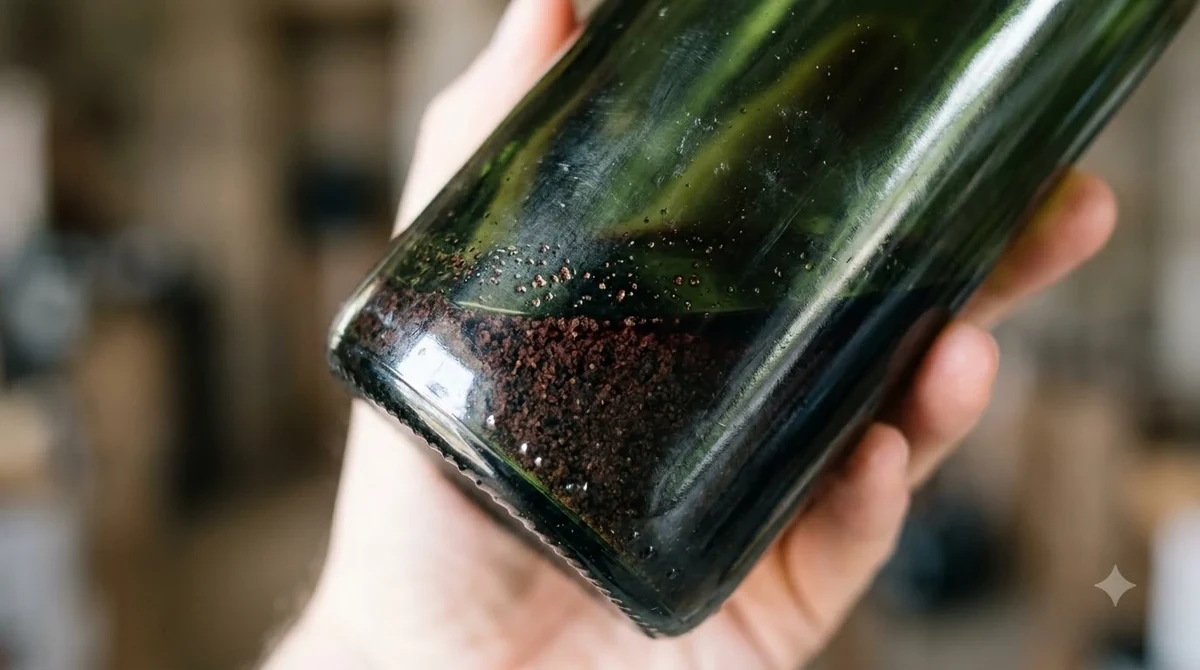
Sparkling Vouvray offers a different expression of Chenin Blanc. The traditional method involves a second fermentation in the bottle, followed by aging on the lees and the removal of sediment. According to the official winegrowers’ organization, the described minimum aging period is 12 months.
Some producers extend lees aging to three years or longer, allowing more pronounced brioche, toasted, and nutty characteristics to develop. These wines are suitable for celebrations, seafood appetizers, and lighter meals. Their Chenin Blanc acidity also makes them a refreshing alternative to other sparkling wines.
It is useful to distinguish traditional-method sparkling Vouvray from pétillant styles. The appellation organization describes pétillant as having a lower level of carbon dioxide and more discreet bubbles. Both can be appealing, but they offer different textures and levels of effervescence.
Common Mistakes When Buying Vouvray
The most common Vouvray buying mistakes involve assuming that every bottle is dry, treating every producer’s wines as interchangeable, and overlooking vintage variation. Understanding these three issues helps buyers make better decisions across the region’s 150 or so estates.
Assuming Every Vouvray Is Dry
One of the biggest misunderstandings about Vouvray is that it refers to a single dry white wine style. In reality, the appellation covers sec, demi-sec, moelleux, and sparkling wines. A buyer expecting a crisp, bone-dry white can be surprised by a bottle with noticeable residual sugar.
Look for the style designation and understand the intended sweetness before purchasing. If you prefer completely dry wines, start with sec. If you enjoy some roundness, consider demi-sec. Moelleux is better suited to drinkers seeking a genuinely sweet wine.
Judging a Winery by One Bottle
A winery can make several distinct wines from different vineyards and harvest conditions. Domaine Huet’s Le Haut-Lieu, Le Mont, and Clos du Bourg demonstrate why it is useful to consider vineyard identity. A favorable experience with one bottling does not mean every other wine from that producer will taste identical.
The same principle applies when comparing Clos Naudin with François Chidaine or Sébastien Brunet. Each producer has its own approach and range of bottlings. Look at the particular wine rather than assuming that a producer’s reputation tells the whole story.
Ignoring Vintage Variation
Chenin Blanc is sensitive to growing-season conditions, and Vouvray’s weather can influence the style of wine produced. The appellation’s official organization explains that harvest maturity changes with the climate and conditions of each year. Cooler or less favorable conditions may favor dry and sparkling wines, while sunny autumn weather can support sweeter styles.
This does not mean a cooler vintage automatically produces inferior wine. It means that buyers should understand the style and conditions associated with the particular vintage. When purchasing sweet Vouvray for aging, provenance and storage history also deserve attention.
Overlooking Vineyard and Soil Differences
Tuffeau limestone, flint clay, and clay-limestone soils contribute to the diversity of Vouvray. Treating the entire appellation as one identical growing environment misses an important part of its character. Domaine Gaudron’s overview of Vouvray’s appellation and vineyard soils provides additional detail about these geological differences.
Clos names can help buyers understand where a wine comes from. For example, Clos Naudin and Clos du Bourg are recognizable vineyard names, while Le Mont and Le Haut-Lieu offer additional reference points. Learning these names makes it easier to compare bottles over time.
Pairing Sweet Wine with Desserts That Are Too Sweet
Sweet Vouvray needs an appropriate food partner. A dessert that is much sweeter than the wine can make the wine seem tart and less expressive. Fruit-based desserts, apple preparations, and cheeses can offer more balanced pairings than extremely sugary pastries.
For dry Vouvray, the opposite consideration often matters more: acidic foods need wine with equal or higher acidity. Goat cheese, seafood, and lemon-seasoned dishes are useful combinations because Chenin Blanc can retain enough freshness to complement them.
Care or Storage Tips for Vouvray Bottles
Proper storage and serving preserve Vouvray’s acidity, fruit character, and texture. Keep bottles away from heat and direct sunlight, store long-term selections near 55 degrees Fahrenheit, and serve different styles at temperatures suited to their structure.
Storing Still and Sparkling Vouvray
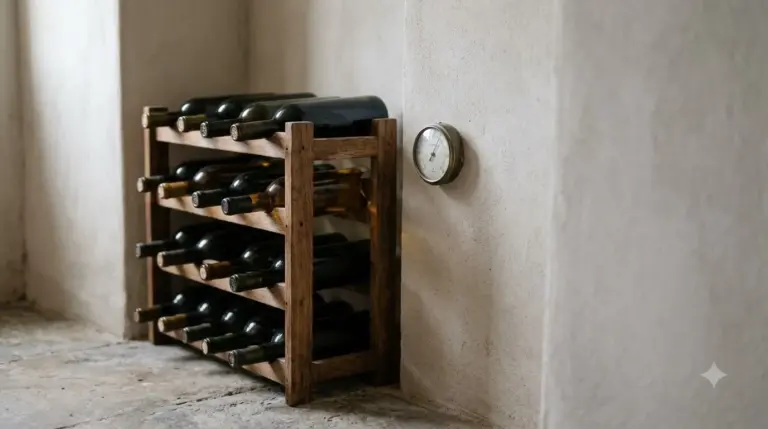
Store bottles intended for extended aging on their sides when they have traditional cork closures. A consistent environment near 55 degrees Fahrenheit is a useful target. Avoid frequent temperature changes, direct sunlight, and locations near ovens or other heat sources.
Humidity and vibration also matter. A cool, dark cellar or temperature-controlled wine refrigerator is preferable to a warm kitchen cabinet. Sweet Vouvray with suitable aging potential deserves particularly careful storage because its acidity and residual sugar can support long development when the wine is properly preserved.
Serving Temperature
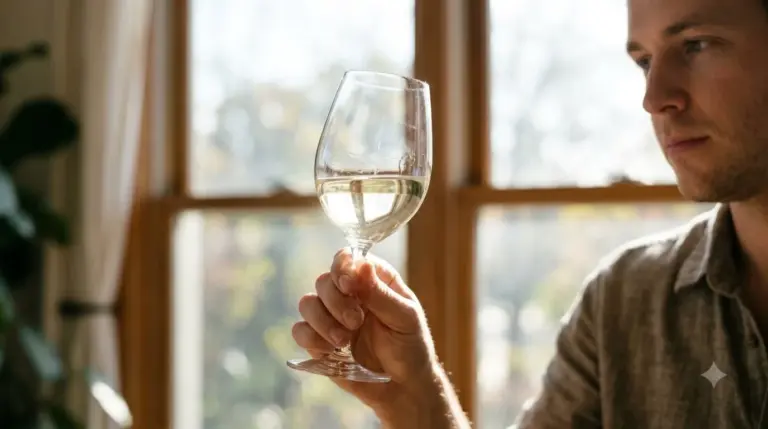
Serving temperature affects how the wine’s sweetness, acidity, and aromas are perceived. Very cold wine can hide aromatic detail, while warm wine can make alcohol and sweetness feel more prominent.
- Dry Vouvray: Serve around 45 to 50 degrees Fahrenheit for freshness and aromatic clarity.
- Demi-sec Vouvray: Serve around 45 to 50 degrees Fahrenheit to maintain balance between sweetness and acidity.
- Moelleux Vouvray: Serve around 43 to 50 degrees Fahrenheit, depending on richness and personal preference.
- Sparkling Vouvray: Serve around 40 to 50 degrees Fahrenheit to preserve freshness and lively bubbles.
Allow a bottle to warm slightly in the glass if its aromas seem muted. A standard five-ounce pour is a useful serving size, and a 750-milliliter bottle generally provides approximately five glasses.
Handling Opened Bottles
Refrigerate opened still Vouvray and use a suitable closure to limit oxygen exposure. Most opened still wines remain enjoyable for approximately three to five days when properly refrigerated, although delicate aromas can change sooner.
Opened sparkling Vouvray is more vulnerable to losing its carbonation. Use a proper sparkling-wine stopper and refrigerate the bottle. It generally retains its best character for approximately one to three days, depending on the wine and closure.
Sweet Vouvray may retain its appeal longer than some dry wines because its acidity and residual sugar can provide a favorable structure, but proper refrigeration remains important. Avoid leaving any opened bottle on a warm dining table overnight.
For older or more concentrated still wines, pouring gently can help preserve their aromatic detail. Young, full-bodied red wines sometimes benefit from 30 to 60 minutes of decanting, but that is generally unnecessary for most fresh Vouvray Chenin Blanc. Older white wines should be handled more carefully, with attention to their condition rather than automatically exposing them to extended air.
Frequently Asked Questions
Which Vouvray winery is best for collectors?
Domaine Huet and Domaine du Clos Naudin are strong names to investigate for collectors interested in established Vouvray estates. The appellation’s official history also identifies historic clos such as Clos Naudin and Clos du Bourg. For collecting, examine the exact vineyard bottling, vintage, provenance, and storage conditions rather than relying exclusively on the estate name.
Is Vouvray always made from Chenin Blanc?
Yes. The Vouvray appellation is based exclusively on Chenin Blanc, also called Pineau de la Loire. This differs from many French wine appellations that permit several grape varieties. Its range of styles comes from differences in ripeness, residual sugar, fermentation, and sparkling-wine production rather than blending different permitted grapes.
Can Vouvray wines be aged for more than 20 years?
Some can. The Vouvray winegrowers’ organization describes exceptional sweet vintages as having potential aging periods of approximately 30 to 40 years. However, that potential does not apply automatically to every bottle. Vintage quality, residual sugar, acidity, closure, and storage history all influence how successfully an individual wine develops.
What is the difference between Vouvray and Montlouis-sur-Loire?
They are separate Loire Valley appellations associated with Chenin Blanc. Vouvray is located around the right bank of the Loire near Tours, while Montlouis-sur-Loire is a neighboring appellation on the opposite side of the river. Both produce dry, sweet, and sparkling expressions, but their individual producers and vineyard sites create distinct identities.
Does Vouvray have red or rosé wine?
The recognized Vouvray appellation is specifically associated with white wines made from Chenin Blanc, including still and sparkling styles. It is not a red-wine or rosé appellation. Buyers looking for red or rosé wines should investigate other Loire Valley appellations rather than expecting those styles from a Vouvray AOC bottle.
The best Vouvray wineries offer a fascinating introduction to Chenin Blanc, from the vineyard-focused wines of Domaine Huet and Clos Naudin to the distinctive bottlings of François Chidaine, Vincent Carême, and Sébastien Brunet. Start by choosing between dry, demi-sec, sweet, and sparkling styles, then compare individual producers and vineyard names. With the right bottle and serving temperature, Vouvray can suit everything from a seafood dinner to a special celebration or a carefully planned dessert course.
More in Wine Buying Guides
 Best Wine For Beach Days: Refreshing Bottles That Travel WellUpdated Nov 21, 2026
 Best Wine for Bridal Shower: Festive Bottles for Every GuestUpdated Nov 21, 2026
 Best Wine for Camping: Choose Portable Wines for Every Outdoor TripUpdated Nov 21, 2026
 Best Wine For Hanukkah: Pair Every Holiday Dish With ConfidenceUpdated Nov 21, 2026
 Best Umpqua Valley Wineries for an Unforgettable Wine Country VisitUpdated Nov 21, 2026
 Best Tokaj Wineries for Memorable Tastings and Wine DiscoveriesUpdated Nov 21, 2026