

We may earn a commission when you buy through links on this page, at no extra cost to you. Learn more.
The best white wine under 50 depends on your preferred style, but Sauvignon Blanc, Chardonnay, Albariño, Riesling, and Grüner Veltliner are excellent starting points for finding quality and versatility. These varieties offer distinct combinations of acidity, fruit, texture, and regional character. The smartest purchase is a bottle that matches your taste and the food you plan to serve, rather than one selected solely for its grape name or prestigious region.
Finding an excellent white wine does not require chasing famous labels or choosing the most recognizable bottle on the shelf. The selection includes refreshing coastal whites from Spain, mineral-driven wines from France, aromatic Riesling from Germany and Austria, and textured Chardonnay from California, Oregon, and Burgundy. Understanding the differences between these styles makes it easier to recognize quality, explore unfamiliar regions, and choose a wine that suits both casual dinners and special occasions.
Who This White Wine Buying Guide Is For
This guide is for shoppers who want distinctive, food-friendly white wines without automatically reaching for expensive prestige labels. It covers different levels of body, acidity, sweetness, and oak influence so beginners and experienced wine drinkers can make informed choices.
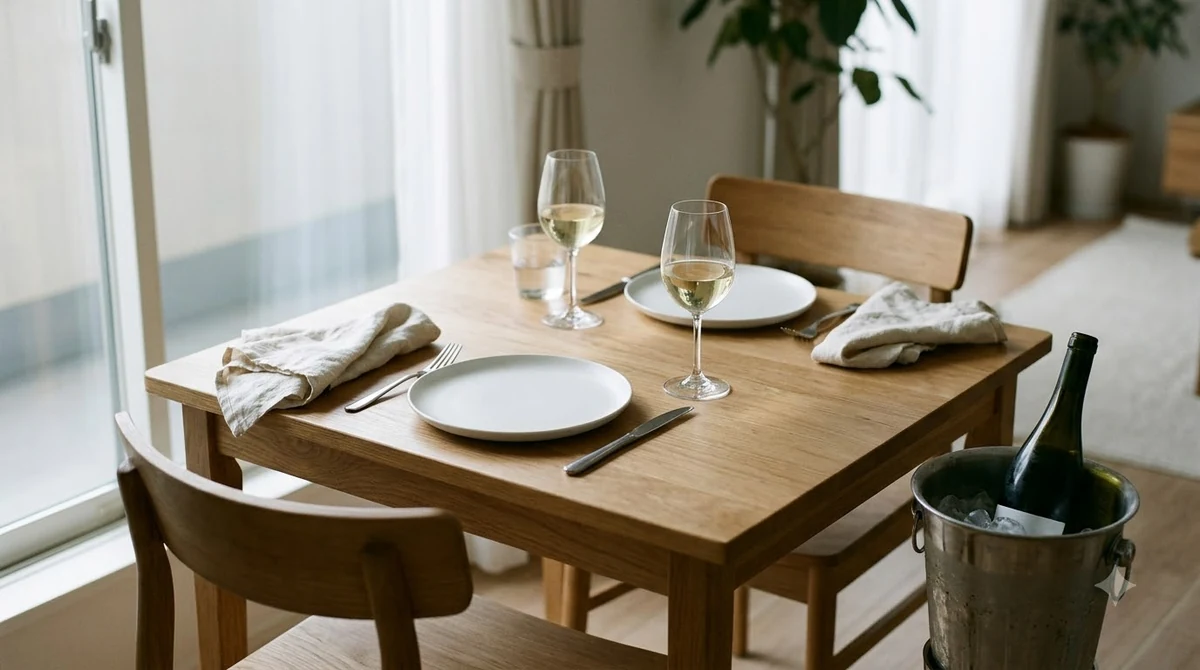
If you enjoy refreshing wines with citrus, green apple, and a clean finish, begin with Sauvignon Blanc, Albariño, or Pinot Grigio. These varieties generally offer lively acidity and a lighter body. Sauvignon Blanc is particularly appealing to people who like grapefruit, lime, fresh herbs, and grassy aromas. Albariño offers another direction, often combining citrus and stone fruit with a subtle salty impression. Pinot Grigio tends to be a straightforward choice for uncomplicated meals and relaxed drinking.
Shoppers who prefer richer textures should concentrate on Chardonnay, particularly examples from cooler California vineyards, Oregon, and Burgundy. These wines can offer apple, pear, lemon, toasted nuts, and creamy textures, depending on the growing conditions and winemaking. Oaked Chardonnay is appropriate for people who enjoy fuller flavors, while unoaked versions appeal to those who prefer freshness without pronounced vanilla or buttery characteristics.
People who enjoy aromatic wines should explore Riesling, Chenin Blanc, and Gewürztraminer. These grapes can offer floral aromas, ripe orchard fruit, citrus, and distinctive spice. Importantly, an aromatic wine is not necessarily sweet. Riesling and Chenin Blanc are produced in both dry and sweet styles, so the distinction matters when selecting a bottle for a particular meal.
This selection is also useful for dinner hosts who need a versatile white wine. Grüner Veltliner, dry Riesling, Albariño, and balanced Chardonnay can accompany a variety of dishes without overpowering the food. If the occasion involves several courses, a high-acid white is often a practical starting point because its freshness works with seafood, vegetables, and lighter sauces.
For additional background on selecting a suitable bottle, the wine-buying guide explains the basic considerations that help shoppers compare wine styles and make more confident purchasing decisions.
Key Factors to Compare Before Buying White Wine
The most useful comparisons involve grape variety, acidity, body, sweetness, oak influence, and regional origin. These characteristics explain why two white wines can have very different drinking experiences even when they come from similar locations or cost the same amount.
| White wine style | Body | Acidity | Typical flavor profile | Good food matches |
|---|---|---|---|---|
| Sauvignon Blanc | Light to medium | High | Lime, grapefruit, herbs | Goat cheese, seafood, salads |
| Albariño | Light to medium | High | Citrus, peach, saline notes | Shellfish, grilled fish, sushi |
| Pinot Grigio | Light | Medium to high | Pear, lemon, green apple | Light pasta, seafood, salads |
| Chardonnay | Medium to full | Medium | Apple, lemon, pear, vanilla | Roast chicken, lobster, creamy pasta |
| Riesling | Light to medium | High | Lime, peach, flowers | Thai food, spicy dishes, pork |
| Chenin Blanc | Light to full | High | Apple, quince, honey | Roast chicken, seafood, soft cheese |
| Grüner Veltliner | Light to medium | High | Citrus, green apple, white pepper | Sushi, vegetables, fried chicken |
| Viognier | Medium to full | Low to medium | Peach, apricot, floral notes | Roast poultry, rich seafood |
Acidity is one of the most important characteristics to compare. Sauvignon Blanc, Riesling, Albariño, and Grüner Veltliner are generally high-acid choices. Their freshness helps balance rich foods and makes them particularly suitable for seafood, citrus-based sauces, and salads. Chardonnay generally has medium acidity, although climate and winemaking can create noticeable differences between bottles.
Body describes how substantial a wine feels in the mouth. A light-bodied Pinot Grigio feels relatively delicate, while a fuller Chardonnay has more weight and texture. Neither is automatically better. A delicate wine may be ideal with steamed fish, while a textured Chardonnay can be more satisfying with roasted chicken, mushroom dishes, and cream sauces.
Sweetness deserves separate consideration from fruitiness. A wine with aromas of peach, pineapple, and ripe apple can still be completely dry. Conversely, a Riesling with some residual sugar can taste balanced rather than sugary because its acidity provides freshness. Anyone who prefers a completely dry style should explore the distinctions explained in this dry white wine guide.
Oak influence is another important comparison, especially with Chardonnay. Stainless-steel fermentation generally preserves fresh fruit and a clean impression. Oak barrels can contribute vanilla, toast, baking spice, and additional texture. Some winemakers also use malolactic fermentation to create a softer, creamier impression. The amount of oak influence varies considerably, so Chardonnay should never be treated as one uniform style.
Finally, consider regional identity. New Zealand Sauvignon Blanc is often associated with expressive citrus and herbal aromas. Spanish Albariño offers a coastal alternative, while Austrian Grüner Veltliner brings peppery character and freshness. California and Oregon Chardonnay provide opportunities to explore different expressions of richness, fruit, and oak.
Step-by-Step: How to Choose the Right Bottle
A successful purchase begins with your preferred flavor profile and ends with a wine that suits the meal. Follow these six steps to narrow down the choices without getting distracted by unfamiliar terminology.
-
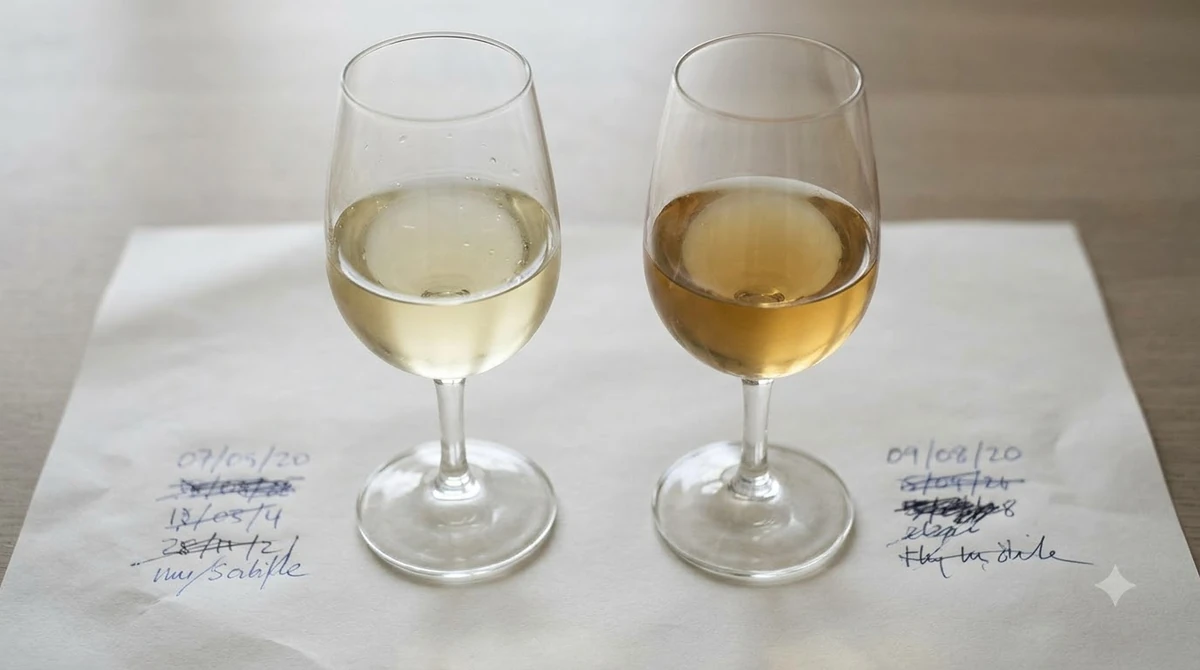
Decide whether you want dry, off-dry, or sweet wine.
Start by identifying your sweetness preference. Sauvignon Blanc, Albariño, and most Pinot Grigio are dependable starting points for dry white wine. Riesling and Chenin Blanc offer more flexibility because they are made in dry and sweeter styles. If you enjoy noticeable sweetness, explore a sweet white wine selection rather than assuming every aromatic wine has the same flavor profile.
-
Choose the body that suits your drinking occasion.
Light-bodied wines work well for warm afternoons, seafood lunches, and casual gatherings. Medium-bodied wines offer more flexibility with poultry, vegetable dishes, and pasta. Full-bodied Chardonnay and Viognier are more appropriate when serving rich sauces, lobster, roasted chicken, or dishes with substantial texture.
-
Match acidity to your food.
For lemon-seasoned fish, oysters, and vinaigrette-based salads, select a wine with equally lively or higher acidity. Albariño, Sauvignon Blanc, and Riesling are useful choices. Rich dishes can also benefit from fresh acidity because it provides contrast to butter, cream, and cooking oils.
-
Decide how much oak character you enjoy.
Choose unoaked Chardonnay if you prefer crisp apple, pear, and citrus. Select an oak-influenced version if you enjoy vanilla, toast, and a fuller mouthfeel. If the preference is uncertain, a balanced Chardonnay with restrained oak influence is a sensible middle ground.
-
Compare regions and producers rather than relying on grape names alone.
Look beyond familiar categories. Try Savoie Jacquère, Italian Verdicchio, Portuguese coastal whites, or French Muscadet. These regions and grapes can provide recognizable character without relying on the prestige associated with famous wine appellations. Producer reputation, vintage conditions, and winemaking decisions also matter.
-
Consider when and how the bottle will be served.
A wine for immediate enjoyment should generally emphasize freshness and balance. For a dinner party, choose a variety that works with the planned menu. For a bottle intended to develop in the cellar, look for a wine with appropriate acidity, concentration, and producer guidance about aging rather than assuming every white wine improves with time.
These steps also help prevent a common purchasing mistake: selecting a wine because its grape is familiar without considering its actual style. Two Chardonnays can differ significantly in oak, acidity, and body, just as a dry German Riesling can offer a very different experience from a sweeter expression of the same grape.
Tip: If you are uncertain about what to buy, start with Albariño for seafood, Sauvignon Blanc for crisp herbal freshness, or Chardonnay for a fuller dinner wine. These three styles cover different preferences and provide a useful foundation for exploring other white grapes.
White Wine Types and Styles Explained
The strongest white wine selections offer variety rather than repeating the same flavor profile. These grape varieties and regional styles are particularly useful starting points for shoppers who want distinctive wines with dependable food-pairing potential.
1. Sauvignon Blanc: Fresh and Zesty
Sauvignon Blanc is a strong choice for anyone who enjoys pronounced acidity and fresh fruit flavors. Common characteristics include grapefruit, lime, lemon, green apple, passion fruit, and fresh herbs. Cooler growing conditions can emphasize citrus and herbal notes, while warmer climates can produce riper tropical fruit impressions.
New Zealand is a particularly recognizable source of expressive Sauvignon Blanc, especially from Marlborough. France’s Loire Valley provides a different interpretation through regions such as Sancerre and Pouilly-Fumé. These wines can be more restrained, with citrus, mineral impressions, and a less overtly tropical profile.
Food pairing is straightforward. Serve Sauvignon Blanc with grilled shrimp, goat cheese, asparagus, ceviche, and salads with citrus dressing. Its acidity helps balance these foods, while its herbal character works naturally with green vegetables and fresh herbs.
2. Chardonnay: Rich, Versatile, and Textured
Chardonnay is one of the most adaptable white grapes because it can produce crisp, mineral-driven wines as well as rich, creamy examples. Climate, fermentation vessels, barrel treatment, and malolactic fermentation all contribute to the final style.
Chablis in Burgundy is a useful reference for people who prefer a leaner Chardonnay with citrus, apple, and mineral character. Other Burgundy appellations can produce more textured expressions. California Chardonnay frequently offers ripe apple, pear, lemon, and sometimes vanilla or toasted oak. Oregon also deserves attention, particularly for wines that balance fruit concentration with freshness.
For food, Chardonnay is especially useful with roasted chicken, lobster, grilled salmon, mushroom risotto, and creamy pasta. Fuller versions complement butter-based sauces, while leaner styles work better with simply prepared fish and lighter dishes.
3. Albariño: A Coastal Favorite
Albariño is an excellent option for shoppers who want a refreshing white with more character than a straightforward everyday wine. Its typical profile includes lemon, lime, peach, apricot, and occasionally a subtle saline impression. Bright acidity keeps the wine fresh and makes it particularly appealing with food.
Rías Baixas in northwestern Spain is the best-known reference region for this grape. The Atlantic influence and local growing conditions contribute to the style’s freshness and seafood-friendly character. Portuguese Alvarinho, made from the same grape variety, is another worthwhile direction to explore.
Pair Albariño with oysters, grilled prawns, steamed mussels, sushi, and white fish. It is also an excellent choice with light vegetable dishes and fresh cheeses. Its combination of fruit and acidity makes it suitable for both casual lunches and more formal seafood dinners.
4. Riesling: Aromatic and Food-Friendly
Riesling deserves a place in almost every white wine buying guide because it can deliver impressive aromatic complexity and excellent acidity. Typical aromas include lime, green apple, peach, flowers, and occasionally a distinctive mineral or petrol-like character as the wine develops.
Germany is a major source of Riesling, with regions such as Mosel, Rheingau, and Pfalz offering different expressions. Austrian Riesling can also provide dry, structured examples. The important distinction is sweetness: Riesling can be bone-dry, slightly off-dry, or distinctly sweet, depending on the producer and style.
Its acidity makes Riesling particularly useful with Thai food, Indian dishes, pork, and preparations containing ginger or chili. A slightly off-dry version can complement spicy food because a touch of sweetness balances heat. Dry Riesling is especially suitable for seafood, roast poultry, and dishes with citrus-based sauces.
5. Grüner Veltliner: A Versatile Alternative
Grüner Veltliner is an excellent option for shoppers who want something different from familiar Sauvignon Blanc and Chardonnay. It commonly combines citrus, green apple, fresh herbs, and white pepper with lively acidity.
Austria is the leading region to explore, especially Kamptal, Kremstal, and Wachau. Lighter expressions are refreshing and approachable, while more concentrated examples can offer greater texture and complexity. Its distinctive savory character makes it especially useful at the dinner table.
Try Grüner Veltliner with sushi, ceviche, fried chicken, roasted vegetables, and Asian-inspired dishes. Its acidity provides freshness, while its peppery notes complement seasoning without overwhelming delicate ingredients.
6. Chenin Blanc: Flexible and Expressive
Chenin Blanc is one of the most versatile white grape varieties because it can produce dry, off-dry, sweet, and sparkling wines. The flavor profile often includes apple, pear, quince, citrus, honey, and sometimes a waxy texture.
The Loire Valley in France is a major reference point, with regions such as Vouvray, Savennières, and Saumur offering distinct interpretations. South Africa’s Stellenbosch region is another important source of Chenin Blanc, including wines with concentrated fruit and additional texture.
Dry Chenin Blanc pairs well with roast chicken, pork, seafood, and soft cheeses. Sweeter versions can accompany spicy Asian dishes and fruit-based desserts. This flexibility makes it a particularly useful grape for shoppers who want to explore different sweetness levels without changing varieties.
7. Other Regions Worth Exploring
Some of the most interesting white wine discoveries come from grapes that receive less attention than Chardonnay or Sauvignon Blanc. Verdicchio from Italy’s Le Marche is a particularly useful example, offering bright acidity, citrus, mineral character, and a recognizable bitter-almond finish.
VinePair’s survey of 17 sommeliers also highlighted Carricante from Mount Etna, Picpoul de Pinet from Languedoc, and Godello as worthwhile options. Carricante is especially interesting for its volcanic and briny character, while Picpoul is known for refreshing acidity. Godello can provide more texture and stone-fruit character.
For a useful overview of how grape varieties fit into broader wine styles, Wine Folly’s guide to the nine major wine styles explains the differences between light-bodied, aromatic, and full-bodied wines. It is a helpful reference when comparing unfamiliar bottles.
Common Mistakes When Buying White Wine
Many disappointing purchases happen because shoppers make assumptions about grape varieties, sweetness, or regional reputation. Understanding these common mistakes makes it easier to choose a bottle that delivers the style you actually want.
Assuming Every Riesling Is Sweet
Riesling can be completely dry, slightly off-dry, or sweet. The grape itself does not determine the final sugar level. German Riesling, for example, includes several distinct styles, while Austrian examples are frequently produced in dry expressions.
The same principle applies to Chenin Blanc. A dry Vouvray and a sweeter Vouvray may share a grape variety and regional origin while providing very different experiences. Sweetness terminology and producer descriptions are more useful than grape recognition alone.
Thinking All Chardonnay Tastes Buttery
Some Chardonnay is creamy and oak-influenced, but other examples are crisp, lean, and mineral-driven. Chablis is an especially useful reference for the latter style. Stainless-steel fermentation and limited oak exposure can preserve freshness and a clearer expression of fruit.
Shoppers who dislike buttery wines should not eliminate Chardonnay entirely. Instead, look for unoaked or lightly oaked expressions and explore cooler-climate regions.
Choosing a Wine Only by Its Region
Famous appellations can provide excellent wine, but the name of a region does not guarantee that its style will suit your preferences. A rich white Bordeaux, a crisp Muscadet, and a textured Burgundy Chardonnay offer different experiences even though all are French white wines.
Pay attention to the grape variety, producer, and intended style. Less familiar regions such as Savoie, Le Marche, and Galicia can produce distinctive wines that deserve consideration alongside famous appellations.
Confusing Fruitiness With Sweetness
A wine can smell like pineapple, peach, or ripe pear while remaining dry. Aroma describes what you smell, whereas sweetness describes the amount of sugar perceived on the palate. High acidity can also make a wine with some residual sugar feel balanced rather than overtly sweet.
This distinction is particularly important with aromatic grapes. A floral Riesling may smell intensely fruity without tasting sugary, so choosing by aroma alone can lead to an unexpected purchase.
Serving White Wine Too Cold
Excessive chilling can make aromatic white wines seem muted. Sauvignon Blanc, Riesling, and Albariño generally benefit from cool serving temperatures, but they should not be kept so cold that their aromas become difficult to appreciate.
A study discussed by Sauvignon Blanc South Africa found that serving temperature affected perceived aromatic intensity, with the coldest sample receiving the lowest aroma-intensity assessment. Its published recommendations distinguish between light aromatic whites at approximately 46–54°F and fuller dry whites at approximately 54–61°F.
For further technical context, the Sauvignon Blanc South Africa serving-temperature research explains why temperature can change the aromatic experience of white wine.
White Wine Care and Storage Tips
Proper serving and storage help preserve the character of a good bottle. Temperature, light exposure, oxygen, and time all influence how white wine develops after purchase and opening.
Use the Right Serving Temperature
Light whites and rosé are best served around 45–50°F, while full-bodied whites generally show better around 50–55°F. Sweet whites benefit from a cooler 43–50°F serving range. These temperatures provide a practical starting point rather than requiring precise measurement for every glass.
A refrigerator usually cools wine below its ideal drinking temperature if the bottle remains inside for an extended period. Remove a fuller Chardonnay approximately 10–15 minutes before serving if it feels excessively cold. Light aromatic wines can be poured cooler, then allowed to warm slightly in the glass as their aromas develop.
Store Bottles Away From Heat and Light
White wine should be kept in a cool, dark location with a relatively stable temperature. A storage temperature near 55°F is a useful general target. Avoid kitchen counters near ovens, sunny windows, and locations where temperature changes frequently.
Traditional cork-finished bottles are generally stored on their sides to keep the cork from drying out. Bottles with screw caps do not require the same positioning, although they still benefit from stable conditions. Avoid unnecessary movement when storing wines intended for longer aging.
Handle Opened Bottles Carefully
Once opened, white wine begins interacting with oxygen. Most still white wines retain their best characteristics for approximately 3–5 days when properly recorked and refrigerated. Sparkling wines generally last around 1–3 days with a suitable sparkling-wine stopper, although their bubbles gradually diminish.
Keep opened bottles tightly sealed and return them to the refrigerator promptly. Allow the wine to warm slightly in the glass before serving if it has become too cold. A smaller storage container can also reduce the amount of air remaining above the wine.
Choose the Right Glass and Pour
A standard white wine glass with a moderately sized bowl works well for most varieties. Aromatic wines benefit from enough space for their scents to collect, while a narrower opening can help direct aromas toward the nose.
A typical wine serving is 5 ounces, and a standard 750 ml bottle provides approximately five glasses. Pouring smaller servings leaves room for swirling and makes it easier for guests to compare different wines during a dinner party.
Remember that the ideal serving temperature depends on body and style rather than the color of the wine alone. A lean Sauvignon Blanc and a full-bodied Chardonnay should not necessarily be treated identically.
Frequently Asked Questions
Which white wine grape is most widely planted around the world?
Chardonnay is one of the world’s most widely planted international white grape varieties. Its adaptability allows it to grow in regions ranging from Burgundy and California to Australia and New Zealand. Its ability to produce both sparkling and still wines contributes to its international popularity.
Can white wine be aged for more than ten years?
Yes, certain white wines can develop for more than a decade under suitable storage conditions. High-quality Riesling, mature Chenin Blanc, and selected white Burgundy are examples of styles that can reward aging. However, most everyday white wines are intended for relatively early consumption rather than extended cellaring.
What does sur lie mean on a white wine label?
Sur lie is a French winemaking term meaning that wine has been aged on its lees, which are the spent yeast cells remaining after fermentation. This process can contribute texture, complexity, and additional savory characteristics. Muscadet from France’s Loire Valley is particularly associated with this technique.
What is the difference between Alvarinho and Albariño?
Alvarinho and Albariño are two names for the same grape variety. Albariño is the name commonly used in Spain, particularly Galicia, while Alvarinho is used in Portugal. Both can produce fresh, aromatic white wines with citrus, stone-fruit character, and lively acidity.
What does mineral character mean in white wine?
Minerality is a tasting description used for impressions such as wet stone, chalk, flint, or saline freshness. It describes a sensory impression rather than proving that the wine contains detectable minerals from its vineyard soil. The term is particularly common when discussing Chablis, Muscadet, Sancerre, and wines from volcanic regions.
The best white wine under 50 is the bottle that delivers the right balance of flavor, acidity, body, and versatility for your preferences. Start with Sauvignon Blanc, Albariño, Chardonnay, or Riesling, then expand into Grüner Veltliner, Chenin Blanc, Verdicchio, and other distinctive regional wines. Exploring different grapes and producers is the most reliable way to discover white wines that make everyday meals and special occasions more enjoyable.
More in Wine Buying Guides
 Best Wine For Hanukkah: Pair Every Holiday Dish With ConfidenceUpdated Nov 21, 2026
 Best Umpqua Valley Wineries for an Unforgettable Wine Country VisitUpdated Nov 21, 2026
 Best Tokaj Wineries for Memorable Tastings and Wine DiscoveriesUpdated Nov 21, 2026
 Best Sparkling Wine at Total Wine for Every OccasionUpdated Nov 21, 2026
 Best Sangiovese Under 20 for Bright, Food-Friendly RedsUpdated Nov 21, 2026
 Best Syrah Under 20: Find Flavorful Bottles Worth BuyingUpdated Nov 21, 2026