

We may earn a commission when you buy through links on this page, at no extra cost to you. Learn more.
The best sparkling wine under 50 is usually a traditional-method Cava, French Crémant, Franciacorta, or carefully selected non-vintage Champagne, depending on whether you prefer crisp citrus, creamy texture, or classic Champagne character. These styles offer different combinations of grape variety, production method, acidity, and aging character. Prosecco Superiore is another worthwhile choice if fresh fruit and approachable bubbles matter more than yeasty complexity. The right purchase depends on your taste, the occasion, and how you intend to serve the bottle.
Shopping for sparkling wine becomes easier once you stop treating Champagne as the only benchmark. Several wine regions produce distinctive bottles using comparable production techniques, while other styles offer a completely different experience built around fresh fruit and aromatic appeal. A sensible buying approach starts with sweetness, production method, and food pairing rather than the most recognizable label. This guide explains what to compare, how to read sparkling-wine terminology, and how to choose a bottle that delivers the experience you actually want.
Who This Is For
This buying guide is for shoppers who want a memorable bottle of sparkling wine without automatically paying for the Champagne name. It is particularly useful for celebrations, dinner parties, gifts, and people exploring bottle-fermented wines from regions outside northeastern France.
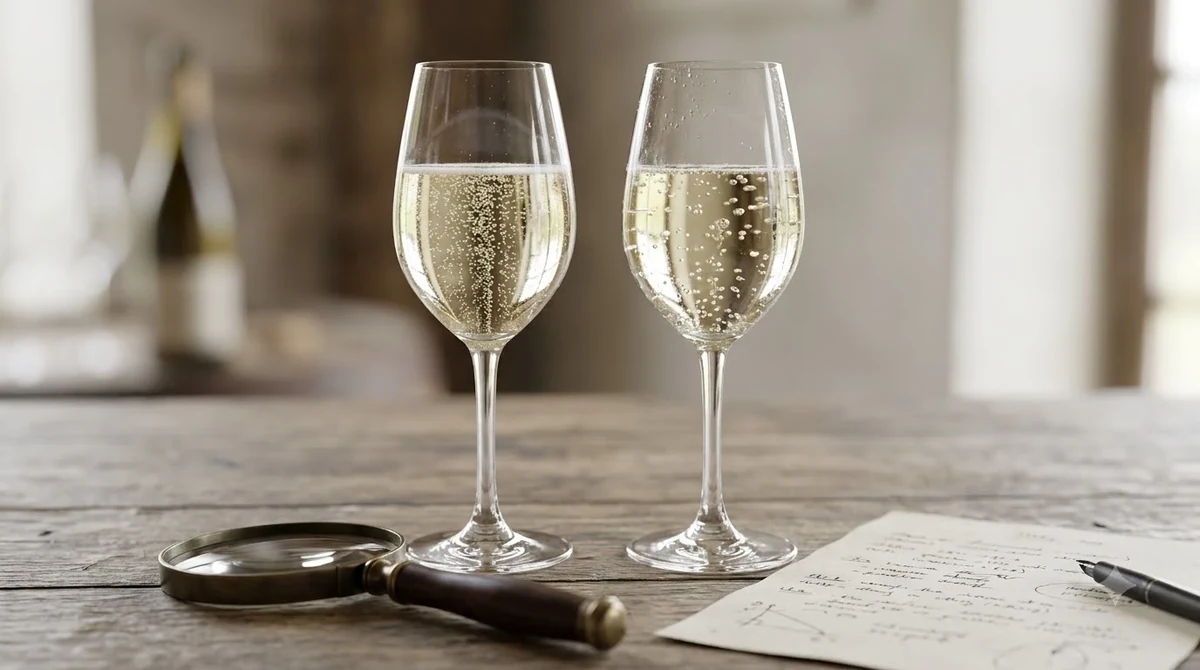
For someone who already enjoys Champagne, traditional-method Cava, Crémant, and Franciacorta are natural starting points. These wines undergo their second fermentation inside the bottle, allowing them to develop the finer bubbles and additional savory characteristics associated with lees aging. Cava can offer citrus, orchard fruit, almonds, and mineral notes, while Crémant varies according to its French region and grape varieties. Franciacorta offers another Italian interpretation of bottle-fermented sparkling wine.
Shoppers who prefer fruit-forward wines should also consider Prosecco Superiore. Its tank-fermentation method preserves fresh grape aromas, making it particularly appealing for casual entertaining, brunch, and aperitivo. Expect a different texture from traditional-method sparkling wine rather than an inferior version of the same thing.
This guide is also useful for people buying wine for a group with different preferences. A dry Brut works well as a versatile starting point for savory food, while Extra Dry Prosecco can offer a slightly softer impression. Someone who prefers noticeably sweet wine may enjoy Demi-Sec instead. The distinction matters because the wrong sweetness level can make an otherwise excellent bottle feel unsuitable for the occasion.
For shoppers comparing several styles, a useful first step is to decide whether the bottle will be served on its own, alongside a meal, or with dessert. A crisp traditional-method wine can complement salty appetizers and seafood, whereas a sweeter sparkling wine may be a more natural match for fruit-based desserts. Those decisions narrow the selection before the label even enters the conversation.
Key Factors to Compare
The most important comparison points are production method, sweetness, grape variety, acidity, and regional identity. These characteristics explain why two bottles can look similar on a shelf but deliver noticeably different experiences.
| Factor | What to Look For | Typical Result |
|---|---|---|
| Production method | Traditional method or tank method | Yeasty complexity or fresh fruit |
| Sweetness | Brut Nature, Extra Brut, Brut, Extra Dry | Bone-dry through moderately soft |
| Grape varieties | Chardonnay, Pinot Noir, Glera, Xarel·lo | Different fruit, structure, and aromas |
| Lees aging | Time spent with spent yeast cells | Bread, pastry, almond, and cream notes |
| Acidity | Freshness and crispness | Food compatibility and refreshing finish |
| Origin | Champagne, Cava, Crémant, Franciacorta | Different regional traditions |
| Serving temperature | 40–50°F for sparkling wine | Preserved freshness and lively bubbles |
| Bottle format | 750 ml standard bottle | Approximately five 5-ounce pours |
Production method
Traditional-method sparkling wine receives its second fermentation in the bottle. After fermentation, the wine remains in contact with spent yeast cells known as lees. This process can introduce aromas associated with toasted bread, brioche, pastry, almonds, and cream. The length of lees contact is one reason some traditional-method wines have more layered flavors than simpler sparkling styles.
The tank method, also called the Charmat method, conducts the second fermentation in a sealed pressurized tank. It is particularly associated with Prosecco. Because the wine spends less time aging on lees, its primary fruit and floral aromas remain prominent. The result is generally lighter, fresher, and more immediately approachable.
The distinction is not a simple quality ranking. A well-made Prosecco can be exactly right for a relaxed gathering, while a bottle-fermented Cava may be more appropriate for a formal dinner. The production method should match the experience you want rather than serve as an automatic purchasing rule.
Sweetness and dosage
Sweetness terminology is particularly important because sparkling-wine labels do not always follow everyday English expectations. Brut is generally dry, but Extra Dry is actually sweeter. The difference comes from the amount of residual sugar in the finished wine.
The following sequence provides a useful reference, from driest to sweetest:
- Brut Nature: Extremely dry, with virtually no added dosage.
- Extra Brut: Very dry, with minimal sugar.
- Brut: Dry and versatile, often the easiest starting point.
- Extra Dry: Slightly sweeter than Brut.
- Dry or Sec: Noticeably softer and sweeter.
- Demi-Sec: Sweet enough to accompany many desserts.
- Doux: The sweetest traditional category.
For savory meals, Brut is generally the most flexible choice. Extra Brut and Brut Nature can suit oysters, shellfish, and salty appetizers, although their pronounced acidity and dryness may be less appealing to people who prefer softer wines. Extra Dry can work well for drinkers who find standard Brut too sharp.
Grape variety and regional identity
Grapes influence the aromas, body, and acidity of sparkling wine. Chardonnay often contributes citrus, apple, and freshness. Pinot Noir can add body, structure, and red-fruit character. Glera, the primary grape in Prosecco, is associated with pear, apple, and floral aromas.
Spanish Cava frequently uses Xarel·lo, Macabeo, and Parellada. These varieties give the category a distinctive identity separate from Champagne, even when both wines use bottle fermentation. French Crémant producers can work with regional grapes such as Chenin Blanc, Pinot Blanc, and other varieties, depending on the appellation.
For additional background on sweetness and choosing a suitable bottle, see our guide to wine buying fundamentals. Understanding these basics makes it easier to compare wines based on what is actually in the bottle.
Step-by-Step: How to Choose the Right Bottle
A good sparkling-wine purchase starts with the occasion and ends with a practical comparison of the label. Follow these steps to narrow the choices without relying entirely on brand recognition.
-
Decide what the wine needs to do.
For a formal toast or anniversary dinner, traditional-method sparkling wine is a sensible starting point. For brunch, casual entertaining, or sparkling cocktails, Prosecco can be a better fit. A bottle intended for a seafood dinner may benefit from greater acidity and a dry finish.
-
Choose your preferred sweetness.
Start with Brut if you are uncertain. It is a versatile option for savory appetizers and many main courses. Choose Extra Dry if you prefer a slightly softer profile, or Demi-Sec if the bottle will accompany a sweet dessert. Remember that Extra Dry is sweeter than Brut.
-
Select a production method.
Choose the traditional method if you enjoy toast, brioche, finer bubbles, and a more developed palate. Look for Cava, Crémant, Franciacorta, or Champagne. Choose tank-method Prosecco if pear, apple, floral aromas, and a lighter texture sound more appealing.
-
Compare the grape varieties and origin.
Chardonnay-led wines are useful for shoppers who enjoy citrus and fresh acidity. Pinot Noir can contribute more body and red-fruit character. For a distinctly Spanish alternative, investigate Cava made from native varieties such as Xarel·lo, Macabeo, and Parellada.
-
Consider the meal.
Think about the dominant flavors on the plate rather than choosing wine based on the main ingredient alone. Salt and fat can soften the impression of acidity, while sweetness in food can make a dry wine taste more austere. A wine should generally be at least as sweet as the dessert it accompanies.
-
Check the producer and bottling information.
Look for a clear regional designation, a named producer, and a recognizable production style. Vintage and non-vintage designations also provide useful context. Non-vintage wine can blend several harvests to maintain a consistent house style, while vintage sparkling wine comes from one harvest year.
-
Plan the serving conditions.
Allow sufficient time to chill the bottle, prepare appropriate glassware, and coordinate the opening with the meal. Sparkling wine is generally best served between 40°F and 50°F. A standard 750 ml bottle provides approximately five servings when each pour is 5 ounces.
Following these steps prevents a common purchasing problem: choosing a wine that is technically well made but mismatched to the occasion. A very dry bottle may impress someone who loves mineral-driven sparkling wine but disappoint a guest expecting fruit and sweetness. Conversely, an aromatic Extra Dry Prosecco may be enjoyable as an aperitif but lack the savory complexity desired for a formal meal.
Tip: If you are buying one bottle for a mixed group, start with a recognizable Brut Cava or Brut Crémant. Both offer traditional-method character, while their dry profiles work with a broad range of savory appetizers. If the group prefers fruitier wines, consider adding an Extra Dry Prosecco rather than trying to make one bottle satisfy every preference.
Types or Styles Explained
The strongest alternatives to Champagne are not all trying to taste like Champagne. Each category has its own regional identity, production traditions, and ideal drinking occasions.

Champagne
Champagne comes from the Champagne region of France and is made using the traditional method. Chardonnay, Pinot Noir, and Pinot Meunier are its familiar grape varieties. Bottle fermentation and lees aging can produce fine bubbles, citrus, green apple, brioche, almond, and mineral characteristics.
Non-vintage Champagne is often the practical place to start because it represents a producer’s house style rather than the characteristics of one particular harvest. Some non-vintage bottlings can fit a carefully chosen shopping budget, although availability depends on the producer and local market. Wine Enthusiast’s sparkling-wine coverage, for example, includes Baron-Fuenté NV Quinconce Brut Nature in its budget Champagne category.
For shoppers who specifically want the Champagne designation, this is the category to prioritize. However, there is no reason to assume every bottle from another region will deliver a less enjoyable experience.
Cava
Cava is Spain’s major traditional-method sparkling-wine category. Its bottle-fermented production gives it a useful combination of freshness and texture, often with citrus, green apple, almond, and subtle toasted notes.
Its native grapes distinguish it from the more familiar Champagne blend. Xarel·lo, Macabeo, and Parellada are particularly important varieties. Some Cava producers also use Chardonnay and other permitted grapes, depending on the wine and production category.
Cava is a particularly useful option for shoppers who want bottle-fermented character without limiting their search to Champagne. Wine Enthusiast has highlighted 1+1=3 NV Brut Sparkling Blend as a value-oriented example, describing its apple blossom, celery salt, and crisp apple character. Its tasting description illustrates why Cava deserves consideration on its own merits rather than simply as a substitute.
Crémant
Crémant refers to traditional-method sparkling wines made in several French regions outside Champagne. Different appellations work with local grape varieties, so Crémant is not one uniform flavor profile.
Crémant de Bourgogne, Crémant d’Alsace, and Crémant de Loire are useful names to recognize. Burgundy can offer wines built around grapes familiar from Champagne, while Alsace and the Loire Valley provide different combinations of fruit, acidity, and regional character.
For people who enjoy bottle-fermented sparkling wine, Crémant is an especially interesting category because it offers opportunities to explore regional differences. Chenin Blanc-based examples from the Loire can show fresh apple and citrus, while other regional bottlings may have more floral or stone-fruit character.
Prosecco Superiore
Prosecco is an Italian sparkling-wine category strongly associated with Glera and the tank method. Its most recognizable characteristics include pear, apple, citrus blossom, and refreshing bubbles. It is often less yeasty and less layered than traditional-method wines, which is part of its appeal.
Look for the Prosecco Superiore designations associated with Conegliano Valdobbiadene and Asolo when comparing more specific expressions of the category. These regional designations can help distinguish the wine from generic, straightforward sparkling bottlings.
Wine Enthusiast describes Montelvini NV Serenitatis Brut from Asolo Prosecco Superiore as floral and focused, with crisp green apple notes. This illustrates the freshness-oriented style that makes Prosecco useful for aperitivo, lighter appetizers, and informal gatherings.
Franciacorta and Trento DOC
Italy also produces traditional-method sparkling wine. Franciacorta, from Lombardy, and Trento DOC are two important categories for shoppers who want bottle-fermented wine with a distinctly Italian identity.
These wines can be made with varieties such as Chardonnay and Pinot Noir, depending on the producer and designation. Their production approach makes them useful alternatives for people who appreciate the texture and complexity of Champagne but want to explore another region.
Franciacorta is especially worth considering when the occasion calls for a more structured sparkling wine. Trento DOC is another category to explore for fresh acidity and traditional-method character. Both demonstrate that serious bottle-fermented sparkling wine is not restricted to France or Spain.
Rosé and sweeter sparkling styles
Rosé sparkling wine can be made through different production approaches, so its color alone does not tell you whether the wine will be light, rich, dry, or sweet. Red-fruit aromas such as strawberry, raspberry, and cherry are common associations, although the actual profile depends on the grapes and winemaking.
Sweetness also deserves separate attention. Brut rosé is still dry, while Demi-Sec styles can have noticeably more sugar. If you enjoy fruit-forward sparkling wine but dislike pronounced sweetness, a dry rosé can be a useful middle ground.
For more detail about sweetness levels, compare our explanations of dry sparkling wine and sweet sparkling wine. These distinctions are particularly useful when selecting a bottle for dessert or a gathering with varied preferences.
Wine education organization WSET provides a useful overview of these production approaches and regional categories in its guide to sparkling wine production methods and regional styles.
Common Mistakes When Buying Sparkling Wine
Many disappointing purchases result from misunderstandings about labels, production methods, and food pairing rather than poor winemaking. Avoiding a few common mistakes makes the selection process much more reliable.
Assuming Extra Dry means drier than Brut
This is one of the most common labeling misunderstandings. Extra Dry is sweeter than Brut, even though the wording sounds as if it should indicate the opposite. A shopper who wants the driest available wine should compare Brut Nature or Extra Brut rather than assuming Extra Dry is the best option.
Sweetness can change the way a wine works with food. A dry sparkling wine is often a strong match for salty appetizers, fried foods, and shellfish, while sweeter examples may be more comfortable alongside fruit desserts. The goal is balance rather than choosing the driest bottle automatically.
Judging quality by the word Champagne alone
Champagne is a protected regional designation with a distinctive production tradition, but it is not the only source of excellent bottle-fermented sparkling wine. Cava, Crémant, Franciacorta, and Trento DOC can offer their own distinctive combinations of fruit, acidity, and lees-derived complexity.
Comparing the wine’s production method and regional identity gives you a more useful starting point than treating the famous regional name as the only measure of quality. The producer, grape varieties, and intended style are equally important considerations.
Confusing fresh fruit with simplicity
Prosecco’s fruit-forward character is a feature, not necessarily a limitation. Its tank-fermentation process emphasizes fresh fruit and floral aromas rather than the developed bread and pastry characteristics associated with extended lees aging.
A bottle intended for brunch or a light aperitif does not need to taste like a mature traditional-method wine. Choosing a style for its intended use often results in a more satisfying purchase.
Pairing very dry wine with sweet dessert
Food sweetness can make a dry wine seem more acidic and less fruity. For this reason, a Brut sparkling wine may taste unexpectedly sharp beside a rich, sugary dessert. A Demi-Sec or Doux wine is often a more comfortable pairing for substantially sweet dishes.
Acidity also matters. Foods with pronounced acidity generally need a wine with equal or greater acidity to maintain balance. Salt and fat can soften the impression of tannin, while spicy chili heat can become more noticeable alongside high-alcohol or tannic wines.
Serving sparkling wine too warm
Temperature has a direct influence on the drinking experience. Warm sparkling wine can seem less refreshing, while excessive chilling can hide some of its aromatic detail. A temperature range of 40°F to 50°F is a useful general target for sparkling wines.
Another mistake is treating every sparkling wine as an occasion-only purchase. Prosecco, Cava, and Crémant can all work with ordinary meals and casual appetizers. Saving every good bottle for a major celebration overlooks some of the most enjoyable uses of sparkling wine.
Care and Storage Tips
Proper storage and serving help preserve sparkling wine’s freshness and carbonation. A little planning before opening also makes a noticeable difference to the final experience.
Store unopened bottles correctly
Keep sparkling wine in a cool, dark place with a relatively stable temperature. Around 55°F is a useful general storage target. Avoid direct sunlight, repeated temperature changes, and locations near appliances that generate heat.
Bottles with traditional cork closures can generally be stored on their sides for longer-term storage, helping keep the cork in contact with the wine. For everyday bottles intended for relatively early consumption, a cool and stable storage area is more important than creating elaborate cellar conditions.
Not every sparkling wine is intended for extended aging. Many Prosecco bottlings are designed to emphasize youthful fruit, while certain traditional-method wines are made with additional aging potential. Do not assume that keeping an ordinary sparkling bottle for several years will automatically improve it.
Chill before opening
Bring the bottle to approximately 40°F to 50°F before serving. A refrigerator can provide a convenient way to chill it in advance. Avoid putting a warm bottle into a freezer and forgetting about it, since excessive cooling and temperature changes can cause problems.
Use a stable surface when opening the bottle. Remove the foil and loosen the wire cage while maintaining control of the cork. Keep a hand over the cork, angle the bottle away from people, and turn the bottle gently rather than pulling the cork sharply. The aim is a controlled release rather than a loud pop.
Choose suitable glassware
A traditional flute preserves a narrow stream of bubbles and can be appropriate for a celebratory toast. However, a tulip-shaped sparkling-wine glass or a smaller white-wine glass can provide more room for aromas to develop.
For complex traditional-method wines, a glass with a slightly wider bowl can make brioche, citrus, almond, and mineral aromas easier to appreciate. For fresh Prosecco, a flute or tulip glass can both work well. The glass should be clean and free from detergent residue, which can interfere with bubble formation.
Preserve an opened bottle
Once opened, sparkling wine begins losing carbonation. A purpose-made sparkling-wine stopper can help retain bubbles when the bottle is refrigerated promptly. A standard still-wine stopper is not necessarily designed to handle the pressure inside a sparkling-wine bottle.
Opened sparkling wine generally keeps for approximately one to three days in the refrigerator when properly sealed, although freshness and carbonation decline over time. For the best texture, enjoy it as soon as practical rather than leaving it open for several days.
Pouring smaller servings also helps. A standard 750 ml bottle provides approximately five 5-ounce glasses, making it easy to estimate quantities for a dinner party. If serving a larger group, plan the number of bottles around the number of guests and whether sparkling wine will be the main drink or simply the opening toast.
Shoppers interested in environmentally conscious production can also explore our guide to organic sparkling wine. Organic certification, vineyard practices, and winemaking choices are separate considerations from production method and sweetness, so they should be compared independently.
Frequently Asked Questions
Is sparkling wine the same as Champagne?
No. Champagne is a specific regional category from France, while sparkling wine is the broader term for wines containing dissolved carbon dioxide. Cava, Prosecco, Crémant, and Franciacorta are distinct sparkling-wine categories with their own regional rules and production traditions.
Does sparkling wine always contain the same amount of alcohol?
No. Alcohol levels vary by grape ripeness, fermentation, and the producer’s intended style. Prosecco commonly falls around 11–12% ABV, while other sparkling wines can have different alcohol levels depending on their production and labeling requirements.
Can sparkling wine be used in cooking?
Yes. Dry sparkling wine can be used in risotto, pan sauces, seafood preparations, and dishes that benefit from acidity. Use a wine whose flavor you would be comfortable drinking, and avoid using a very sweet sparkling wine in savory recipes unless the sweetness is intentional.
Why does sparkling wine sometimes have a creamy texture?
Some traditional-method wines develop creamy texture through extended contact with lees and the characteristics created during bottle fermentation. Carbon dioxide also contributes to the tactile sensation of bubbles. The exact texture depends on the wine’s acidity, body, lees aging, and pressure.
Is vintage sparkling wine always better than non-vintage?
No. Vintage wines reflect grapes from one harvest, while non-vintage wines can combine wines from multiple years to maintain a consistent house style. Some non-vintage bottlings are highly regarded for their balance and consistency, so vintage status alone is not a reliable quality measure.
The best sparkling wine under 50 is the bottle that matches your preferred sweetness, texture, and occasion rather than simply carrying the most recognizable regional name. Start with Brut Cava or Crémant for traditional-method character, explore Franciacorta for an Italian alternative, or choose Prosecco Superiore for fresh fruit and easy drinking. Comparing production methods and reading the sweetness designation carefully will help you make a more confident choice at the wine shop.
More in Wine Buying Guides
 Riesling Gift: Choose a Bottle They’ll LoveUpdated Nov 21, 2026
 Sweet Red Wine Gift: Choose a Bottle They’ll LoveUpdated Nov 21, 2026
 Malbec Gift: How to Choose a Memorable Bottle for Any OccasionUpdated Nov 21, 2026
 Sherry Gift Ideas That Match Every Wine LoverUpdated Nov 21, 2026
 Moscato Gift: How to Choose a Sweet Wine They’ll LoveUpdated Nov 21, 2026
 Merlot Gift: How to Choose a Bottle They’ll AppreciateUpdated Nov 21, 2026