

We may earn a commission when you buy through links on this page, at no extra cost to you. Learn more.
The best port under 20 is generally a Ruby Port or Ruby Reserve from an established Portuguese producer, offering concentrated dark-fruit character, sweetness, and versatility without requiring extended bottle aging. Tawny Port is another excellent choice if you prefer caramel, toasted nuts, and dried fruit over fresh berry flavors. The right bottle depends on how you plan to serve it, whether with chocolate, cheese, dessert, or as a small after-dinner pour.
Port is a fortified wine from Portugal’s Douro Valley, and its combination of natural grape sweetness and additional grape spirit makes it substantially richer and stronger than ordinary table wine. A limited budget does not mean settling for an uninteresting bottle. The most useful approach is to compare the main styles, understand how wood aging affects flavor, and choose a wine that suits the occasion rather than paying extra for a prestigious category that you might not need.
Who This Port Buying Guide Is For
This guide is for shoppers who want an enjoyable bottle of Portuguese Port without moving into expensive aged or collectible categories. It focuses on accessible Ruby, Reserve Ruby, Tawny, and White Port, with particular attention to flavor, everyday versatility, and food pairing.
Port is different from conventional red wine because fermentation is interrupted by adding grape brandy. According to the Instituto dos Vinhos do Douro e do Porto (IVDP), this process preserves natural grape sweetness while producing a fortified wine that typically contains 19% to 22% alcohol by volume. That combination creates a fuller, more concentrated drinking experience, so a small serving can be satisfying.
Newcomers should generally begin with Ruby or Reserve Ruby. These wines emphasize ripe fruit, are usually ready to drink when purchased, and do not require the extended cellaring associated with traditional Vintage Port. They are also straightforward choices for chocolate desserts, blue cheese, and relaxed after-dinner occasions.
Shoppers who already enjoy sweeter wines may prefer Tawny. Its development in wooden casks produces a different flavor profile, with caramel, nuts, dried fruit, and subtle spice replacing much of the fresh berry character found in Ruby. Even a straightforward Tawny can provide a noticeably different experience from an inexpensive red dessert wine.
This buying approach is also useful for anyone comparing fortified wines with everyday reds. If you are shopping for a regular dinner wine instead, a guide to best cabernet sauvignon under 20 will help explain the differences between dry red wine and a sweet fortified alternative.
One important distinction is that the term Port covers several different styles rather than one uniform flavor. A bottle labeled Ruby, Tawny, or White can deliver very different sweetness, aromas, and serving possibilities. Understanding those distinctions is more valuable than choosing a bottle simply because its label looks traditional.
Key Factors to Compare Before Buying Port
The most useful comparisons are wine style, aging method, sweetness, producer consistency, and intended serving occasion. A Ruby Reserve and a standard Tawny may both suit a modest shopping budget, but they offer different flavors and food-pairing opportunities.
| Factor | What to look for | Why it matters |
|---|---|---|
| Wine style | Ruby, Reserve Ruby, Tawny, White | Determines the main flavor profile |
| Alcohol | Usually 19% to 22% ABV | Port is stronger than ordinary table wine |
| Ruby aging | Usually bottled young | Preserves fresh red and black fruit |
| Tawny aging | Wood or cask maturation | Develops nutty and dried-fruit flavors |
| LBV aging | Approximately 4 to 6 years in wood | Offers a more concentrated vintage character |
| Serving size | Approximately 3 oz for a typical Port pour | Provides a practical after-dinner serving |
| Bottle volume | 750 ml standard format | Provides multiple small servings |
| Serving temperature | Approximately 55°F to 65°F for many styles | Helps preserve aromatic balance |
Start by deciding whether you want fresh fruit or developed, oxidative flavors. Ruby Port generally emphasizes cherry, blackberry, plum, and sometimes chocolate-like notes. Tawny tends toward caramel, dried apricot, toasted nuts, citrus peel, and coffee. Neither profile is inherently superior; the better choice depends on your preferences.
Next, consider the aging category. Standard Ruby is usually the simplest expression, while Reserve Ruby generally offers a more selected and concentrated style. Late Bottled Vintage, commonly shortened to LBV, comes from a single harvest and spends longer maturing in wood. This can create additional concentration and structure, although it is not automatically a better purchase for every drinker.
Sweetness also deserves attention. Port ranges from extra-dry White Port to very sweet styles, and red Port is often noticeably sweet. The sweetness level is influenced by the point at which grape spirit is added during fermentation. If you prefer a wine that is less dessert-like, investigate dry White Port or explore the characteristics of dry port before choosing a bottle.
Producer consistency is another useful consideration. Established Port houses generally maintain recognizable house styles through blending and production practices. A recognizable producer name is not a guarantee that every bottle will suit your preferences, but it gives shoppers a practical starting point when several unfamiliar bottles are available.
Finally, consider bottle size and availability. A 750 ml bottle provides several small after-dinner servings, which is more than enough for multiple occasions when the wine is properly stored after opening. Smaller bottles can be practical if you want to compare styles without keeping multiple open bottles in the refrigerator.
Tip: If this is your first bottle of Port, start with Ruby Reserve. Its fresh dark-fruit character is relatively easy to understand, it requires no special decanting in most cases, and it works with both chocolate and strong cheese.
Step-by-Step: How to Choose a Good Bottle of Port
A successful Port purchase starts with the occasion, not the label. Follow these five steps to narrow the options and avoid paying for aging characteristics that do not match your taste.
-
Decide what you will serve it with.
For chocolate cake, brownies, or dark chocolate truffles, begin with Ruby Port or Ruby Reserve. For pecan pie, crème brûlée, almond pastries, or toasted nuts, Tawny is often the more natural match. If you want an aperitif rather than a dessert wine, investigate dry White Port.
-
Choose the aging family.
Ruby emphasizes youthful fruit and a deep red color, while Tawny develops more oxidative aromas during wood aging. LBV offers a middle ground for shoppers who want a more concentrated, vintage-specific style without moving directly into traditional Vintage Port.
-
Compare established producers.
Look for familiar names such as Fonseca, Graham’s, Taylor’s, Dow’s, Sandeman, and Cockburn’s. Compare their standard Ruby, Reserve Ruby, and Tawny offerings rather than assuming that a more elaborate label automatically represents a better match.
-
Read the style description carefully.
Look for words such as Ruby, Reserve, Tawny, LBV, dry, and sweet. These descriptions communicate more about the wine’s expected character than decorative packaging. For an unfamiliar bottle, the producer’s official product information can clarify the aging method and intended style.
-
Match the bottle to the occasion and serving plan.
A casual dessert pairing usually needs a straightforward Ruby or Tawny. A more structured LBV may be appropriate for a cheese course or a dinner gathering. Consider how many people will drink it and whether the bottle can be stored properly after opening.
These steps also help prevent a common purchasing mistake: selecting a traditional-looking bottle without understanding what is inside. Port labels can include several technical terms, but identifying the main style is enough to make a confident initial choice.
For more general purchasing advice, the site’s wine buying resource can help explain how to compare labels, regions, and wine categories. The same principles apply to fortified wines, although Port has additional considerations involving sweetness and alcohol strength.
Types of Port Explained for Different Tastes
Ruby, Reserve Ruby, Tawny, LBV, and White Port represent useful starting points for shoppers. Each category offers a different balance of fruit, wood influence, sweetness, and complexity, making style selection more important than simply choosing the most prestigious-sounding designation.

Ruby Port: The Best Starting Point
Ruby Port is generally the easiest style for beginners to understand. Its relatively short aging period helps preserve its deep red color and youthful fruit, with common characteristics including ripe cherry, blackberry, plum, and sometimes cocoa or dark chocolate.
Basic Ruby is often blended from different harvests to maintain a recognizable house style. That consistency makes it suitable for casual drinking and dessert pairings. It is generally ready to drink after purchase rather than requiring years of additional bottle aging.
Ruby works particularly well with chocolate desserts, chocolate-covered cherries, berry tarts, and rich brownies. Its sweetness and fruit concentration can complement these foods without requiring a complicated pairing strategy.
Reserve Ruby: The Strongest All-Around Choice
Reserve Ruby is a particularly useful category for shoppers who want a more concentrated experience than basic Ruby. Producers select and blend wines to achieve a richer, more distinctive expression, often with deeper fruit character and additional complexity.
Fonseca Bin No. 27, Graham’s Six Grapes, and Sandeman Founder’s Reserve are recognizable examples of Reserve Ruby styles. Their established house identities make them useful names to investigate when comparing bottles, although availability and individual bottling characteristics can vary between retailers.
Reserve Ruby is a good choice for a dessert table or cheese board. It pairs particularly well with dark chocolate, Stilton, aged blue cheese, and other strong cheeses because sweetness helps balance saltiness and savory intensity.
Tawny Port: Best for Nuts and Caramel Desserts
Tawny Port is made using wines that develop through extended maturation in wooden casks or other vessels. Exposure to oxygen and the influence of wood gradually change the wine’s color and aroma, producing flavors that can include caramel, toasted nuts, dried figs, orange peel, and coffee.
Standard Tawny is generally a more accessible introduction than age-indicated Tawny. The categories marked 10, 20, 30, or 40 years refer to the approximate age profile of the blended wines rather than a guarantee that every component has spent exactly that many years in the barrel.
Tawny is particularly suitable for pecan pie, almond tart, crème brûlée, vanilla ice cream, and desserts containing caramel. Its nutty character also makes it an appealing choice alongside walnuts and mature hard cheeses.
Late Bottled Vintage: More Concentration and Structure
Late Bottled Vintage Port comes from a single harvest and spends approximately four to six years aging in wood before bottling. It generally delivers more concentration than ordinary Ruby, with deeper fruit characteristics and additional structure.
LBV is an interesting option for drinkers who want to explore vintage-specific Port without purchasing traditional Vintage Port. Many examples are ready to drink when released, although filtered and unfiltered versions can differ in their sediment levels and recommended handling.
Unfiltered LBV may benefit from decanting, while filtered versions are generally more straightforward to serve. LBV is a natural match for Stilton, other blue cheeses, walnuts, and dark chocolate.
White Port: A Different Kind of Fortified Wine
White Port is produced from white grape varieties and comes in several sweetness categories, from extra-dry and dry to semi-sweet, sweet, and very sweet. Its character depends on production and maturation, so it can be fresh and fruity or more developed and nutty.
Dry White Port is particularly interesting as an aperitif. It can be served chilled with olives, almonds, and other savory snacks, while sweeter examples work with fruit desserts and lighter pastries.
For buyers who find traditional red Port too rich, White Port provides a useful alternative. It also demonstrates why Port should not be treated as one single flavor category.
Common Mistakes When Buying Inexpensive Port
The biggest mistakes involve confusing aging categories, overlooking sweetness, and assuming that every bottle of Port should taste like a conventional dry red wine. A few simple distinctions can prevent disappointment and help shoppers find a style that genuinely suits their preferences.
Assuming Older Always Means Better
Age-indicated Tawny can be more complex than basic Tawny, but additional aging is not automatically necessary for an enjoyable bottle. Ruby Port is deliberately made to retain youthful fruit, so its relative lack of extended wood aging is part of its intended style rather than a production weakness.
Similarly, a Reserve Ruby can be a more satisfying choice than a more expensive bottle if you prefer concentrated berry flavors. Paying for age makes the most sense when you actively enjoy the dried-fruit, nutty, and oxidative characteristics associated with wood maturation.
Confusing Ruby and Tawny
Ruby and Tawny are different aging families, not simply different shades of the same wine. Ruby is designed to retain fruit and deep color, whereas Tawny develops through longer exposure to wood and oxygen.
Someone expecting fresh blackberry and cherry may find Tawny unexpectedly nutty and caramel-like. Conversely, a drinker seeking toasted almonds and dried figs may find standard Ruby too fruity. Understanding this distinction before purchasing is one of the easiest ways to choose successfully.
Buying Vintage Port for Immediate Convenience
Traditional Vintage Port is made for long-term bottle development and can contain considerable sediment. It is generally bottled without filtration and may need careful decanting before serving.
For an uncomplicated after-dinner bottle, Ruby Reserve or filtered LBV is usually more convenient. These styles provide substantial flavor without requiring the same preparation as traditional Vintage Port.
Pairing Port with Desserts That Are Too Sweet
A wine generally needs to be at least as sweet as the dessert served alongside it. Otherwise, the wine can taste comparatively thin, sour, or bitter. This is especially relevant with sweet Port and desserts containing substantial sugar.
Ruby Port is a strong match for dark chocolate because its fruit and sweetness complement the dessert. Tawny is often more successful with caramel, nuts, and baked desserts. If a dessert is particularly sweet, choose a Port with enough sweetness and concentration to stand alongside it.
Ignoring Alcohol Strength
Port typically contains 19% to 22% ABV, substantially more than most conventional table wines. A large glass can therefore be much stronger than expected, particularly when the wine is served after a full meal.
Use a smaller Port glass and moderate pours rather than treating it like a standard red wine. This also makes a bottle easier to share over several occasions.
Care, Serving, and Storage Tips for Port
Correct serving temperature and storage make a meaningful difference to Port’s aroma and texture. Ruby and Tawny benefit from slightly different serving approaches, but both should be protected from excessive heat, light, and prolonged exposure to air after opening.
Serving Temperature
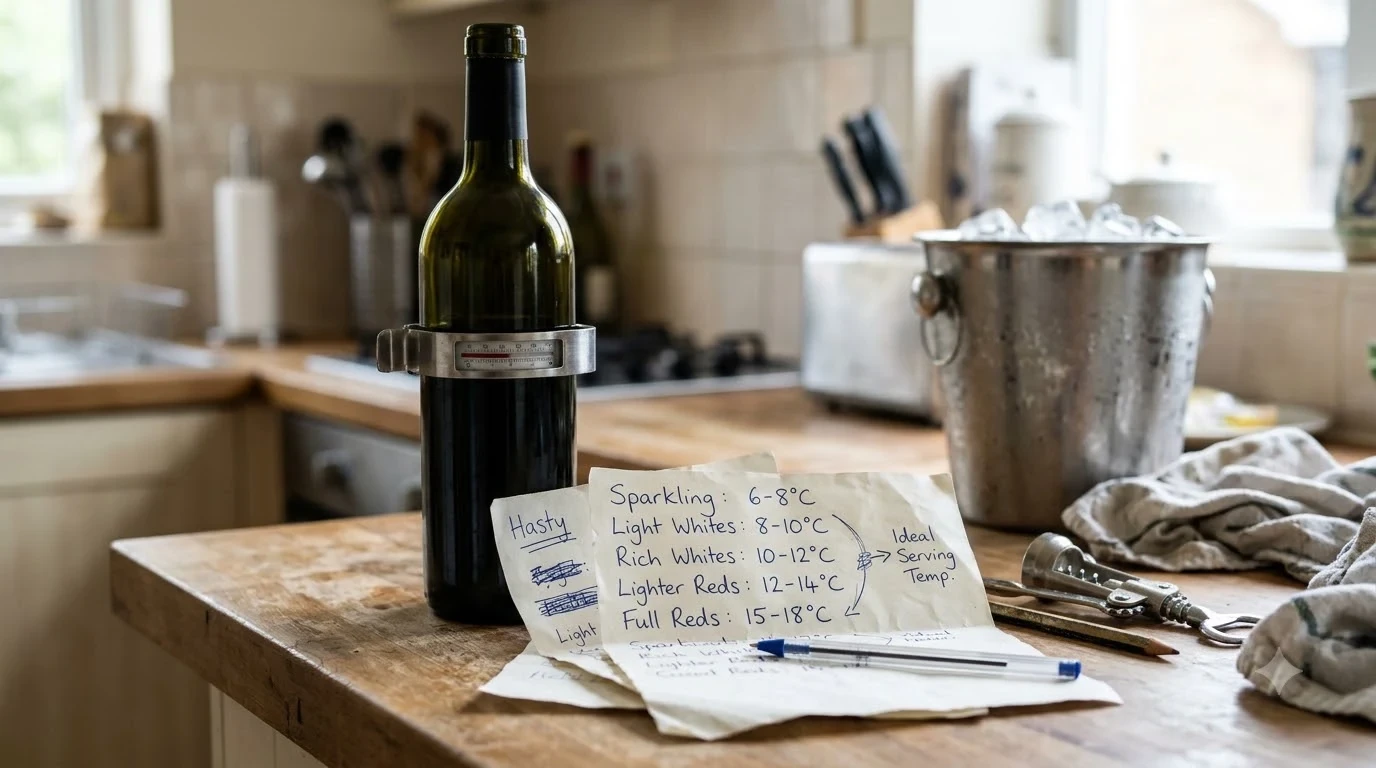
Many Ports are enjoyable slightly chilled rather than warm. A practical starting point for Ruby and Reserve Ruby is approximately 55°F to 60°F, while Tawny is also attractive when served moderately cool. White Port generally benefits from a colder serving temperature, especially in dry styles intended as aperitifs.
Overly warm Port can emphasize its alcohol and sweetness while making its aromatic details less distinct. A short period in the refrigerator before serving is often sufficient to bring a bottle closer to a comfortable temperature.
For a dinner gathering, avoid pouring Port directly from a warm storage area into glasses. Allow the wine to cool gradually and serve smaller portions so that its aroma can develop in the glass.
Choosing the Right Glass
A small wine glass or dedicated Port glass is appropriate for most styles. The bowl should provide enough room for aromas to collect without encouraging oversized servings.
Wine Folly recommends approximately 3 oz pours and suggests dessert-wine glasses, small Port glasses, or suitable white wine glasses. Its Port serving and storage advice also explains how different styles can be enjoyed neat, in cocktails, or in cooking.
Storing Unopened Bottles
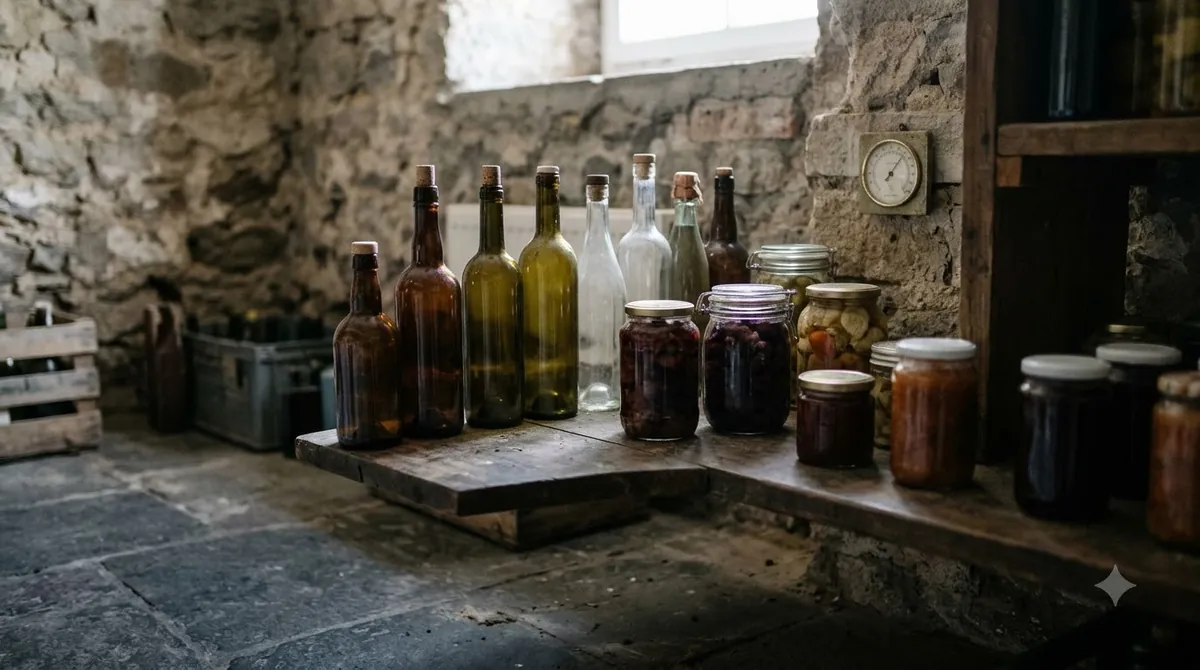
Store unopened Port away from direct sunlight, temperature fluctuations, and strong heat sources. A consistent storage environment near 55°F is a useful target for wine bottles generally.
Traditional cork-finished bottles are best stored on their sides when appropriate for the closure and producer’s recommendations. This helps maintain contact between the cork and the wine. Avoid placing bottles near ovens, radiators, or windows where temperatures can fluctuate considerably.
Standard Ruby and Reserve Ruby are generally intended to be enjoyed relatively young. They do not require the lengthy cellaring that can benefit traditional Vintage Port, so buying a bottle for immediate enjoyment is usually the more practical choice.
Preserving an Open Bottle
Once opened, Port gradually changes as oxygen interacts with the wine. Refrigeration and a properly fitted stopper help slow this process, preserving the fruit and aromatic character for longer.
Ruby and Reserve Ruby generally benefit from refrigeration after opening. Tawny is often more resistant to oxidation because of its previous wood maturation, although cool storage is still useful for preserving quality.
Filtered LBV is generally easier to manage after opening than traditional Vintage Port. Unfiltered LBV may require more careful handling, particularly if sediment has collected in the bottle. The same general principle applies to other fortified wines: minimize air exposure and avoid leaving an opened bottle in a warm room for extended periods.
Do not assume that fortified wine remains unchanged indefinitely after opening. Aroma and flavor gradually deteriorate, even when the alcohol level is higher than that of ordinary table wine.
Frequently Asked Questions
Is Port made from one grape variety?
No. Traditional Port can be made from blends of several grape varieties rather than one single grape. Touriga Nacional, Touriga Franca, Tinta Roriz, Tinta Barroca, and Tinto Cão are among the Portuguese varieties associated with red Port production.
Does Port contain added sugar?
Port’s sweetness primarily comes from natural grape sugar retained when fermentation is stopped through the addition of grape spirit. The timing of fortification determines how much residual sugar remains in the finished wine. This is different from simply sweetening an ordinary finished red wine.
Can Port be used in cooking?
Yes. Ruby Port can be reduced into sauces for fruit desserts and used in certain savory preparations, while Tawny can add depth to caramel-based sauces and desserts. A small quantity can contribute concentrated fruit, sweetness, and fortified-wine aromas to a recipe.
What is the difference between Colheita and Vintage Port?
Colheita is a single-harvest-year Tawny matured in wood before bottling, while Vintage Port is a Ruby-style wine bottled relatively young for further development in the bottle. Colheita develops oxidative nutty and dried-fruit characteristics, whereas Vintage Port is known for concentrated fruit, structure, and long-term bottle-aging potential.
Can Port be served in a cocktail?
Yes. White Port is particularly suitable for mixed drinks and is commonly combined with tonic water, citrus, and ice. Ruby Port can also be used in cocktails that benefit from dark-fruit sweetness and fortified-wine character.
For most shoppers, Ruby Reserve is the strongest starting point because it combines approachable fruit, sweetness, and versatility. Tawny is the better alternative for nutty, caramel-like flavors, while LBV offers a more concentrated experience for drinkers interested in vintage-specific Port. Choose according to the food and occasion, serve it slightly cool, and store the opened bottle carefully to enjoy its character over multiple occasions.
More in Wine Buying Guides
 Riesling Gift: Choose a Bottle They’ll LoveUpdated Nov 21, 2026
 Sweet Red Wine Gift: Choose a Bottle They’ll LoveUpdated Nov 21, 2026
 Malbec Gift: How to Choose a Memorable Bottle for Any OccasionUpdated Nov 21, 2026
 Sherry Gift Ideas That Match Every Wine LoverUpdated Nov 21, 2026
 Moscato Gift: How to Choose a Sweet Wine They’ll LoveUpdated Nov 21, 2026
 Merlot Gift: How to Choose a Bottle They’ll AppreciateUpdated Nov 21, 2026