

We may earn a commission when you buy through links on this page, at no extra cost to you. Learn more.
The best moscato under 20 is usually a fresh, gently sparkling Moscato d’Asti with lively acidity, peach-and-floral aromas, and moderate alcohol. Look for a bottle that balances sweetness with citrusy lift rather than one that tastes like syrup. A good value should feel light, fragrant, and refreshing on its own, with enough freshness to work beside fruit desserts or mildly spicy food.
Moscato is a grape family as much as a familiar sweet-wine style, so the name alone does not tell you how fizzy, sweet, or full-bodied a bottle will be. For an affordable bottle that delivers the classic experience, start with Moscato d’Asti from Piedmont, Italy, then compare sweetness, bubbles, freshness, and the occasion. These checks help you choose a bottle that fits your taste instead of paying for a label or a familiar-looking package.
Who This Is For: Sweet-Wine Fans and Curious Beginners
This guide is for shoppers who want an aromatic, approachable white wine for casual sipping, brunch, or dessert without treating sweetness as the only measure of quality. Moscato d’Asti is a particularly useful starting point: Wine Enthusiast describes it as a lightly sparkling Piedmont wine that commonly sits around 5 to 6 percent alcohol, while its natural grape sweetness is balanced by freshness.

Choose this style if you enjoy peach, apricot, orange blossom, honeysuckle, or fresh-grape aromas and prefer gentle bubbles to a forceful sparkling-wine texture. It is also a practical choice for people who find high-alcohol wines heavy; Wine Folly puts typical Moscato d’Asti at about 5.5 percent ABV. That number is a style benchmark, not a guarantee that every wine labeled Moscato will have the same strength.
The guide is less suited to someone who wants a bone-dry white wine, a powerful Champagne-like sparkle, or a wine to cellar for many years. Moscato d’Asti is generally made to be enjoyed young and fresh. For broader background on sweeter styles, compare this page with our guide to sweet moscato; the key is to separate grape aroma from the level of sweetness in the finished wine.
Key Factors to Compare Before You Buy
Compare the wine’s origin, sparkle, sweetness, acidity, and alcohol rather than relying on a front-label color or a familiar brand. A bottle marked Moscato d’Asti DOCG gives you a clearer regional and stylistic clue than a generic Moscato label, while the details below help match the bottle to your palate.
According to Wine Folly, Moscato d’Asti commonly has about 100 to 150 grams per liter of residual sugar and around 5.5 percent alcohol by volume. That sugar level sounds high, but acidity and light carbonation can make the wine feel more lifted than its sweetness number suggests. Use those figures as a style reference rather than assuming every producer follows an identical profile. For more context on typical aromas and service cues, read Wine Folly’s overview of Moscato d’Asti.
| Factor | What to look for | Why it matters |
|---|---|---|
| Origin and label | Moscato d’Asti DOCG; Piedmont, Italy | Points to the classic lightly sparkling regional style made from Moscato Bianco. |
| Alcohol | About 5–6% ABV for many Moscato d’Asti wines | Signals a lighter-bodied style than many table wines; confirm the individual bottle’s stated ABV. |
| Residual sugar | Often about 100–150 g/L in the classic style | Sets expectations for clear sweetness, which should be balanced by freshness. |
| Serving temperature | 43–50°F | Chilling preserves the lively feel and keeps sweetness from seeming heavy. |
| Bottle and serving | 750 ml bottle; 5 oz pour | Works out to about five standard pours, useful for planning dessert or a small gathering. |
Also look at the wine’s overall balance. Fresh acidity should keep the finish lively, while gentle bubbles add a light prickle rather than dominating the palate. Peach, apricot, citrus, orange blossom, and sage are common aromatic cues in the Piedmont style; none should be treated as a mandatory flavor checklist.
Do not assume that “sweet” means every bottle tastes identical. Some examples lean toward ripe peach and honey, others toward citrus and white flowers, and some have a softer, rounder texture. If you prefer a less sugary impression, prioritize a producer’s notes about acidity, citrus, or freshness rather than searching only for the lowest residual-sugar figure.
Step-by-Step: How to Choose a Bottle
A simple shelf-side routine helps narrow the options in a few minutes. Start with the style you want, then confirm the origin, check the alcohol level, and think about what you plan to serve with it.
- Decide how much sparkle you want. For a gentle fizz, choose Moscato d’Asti or a bottle described as frizzante. For a fuller sparkling effect, compare Asti DOCG, which Total Wine explains is the fully sparkling counterpart.
- Look for the Piedmont cue. Moscato d’Asti from Piedmont is the classic choice for peachy, floral, lightly sparkling wine. DOCG on the label identifies the protected Italian designation rather than a generic flavor description.
- Read the alcohol percentage. Many Moscato d’Asti bottlings land around 5 to 6 percent ABV. A higher figure may indicate a different style, such as a late-harvest wine, rather than the delicate, low-alcohol profile you expected.
- Match sweetness to the occasion. Pick a clearly sweet, gently fizzy style for fruit tart or a simple dessert. For brunch or savory snacks, favor a bottle whose producer description mentions freshness, citrus, or crisp acidity.
- Choose a recent release. Moscato d’Asti is usually most expressive when young, with primary fruit and floral aromas intact. It is not generally bought for extended bottle aging.
- Plan the bottle size and number of pours. A standard 750 ml bottle gives about five 5 oz glasses. That is enough for a small dessert pairing, but plan more than one bottle for a larger group.
Once you have narrowed the options, consider the producer’s description and the importer or retailer’s notes as supporting clues. Words such as “frizzante,” “lightly sparkling,” “peach,” “apricot,” “orange blossom,” and “fresh” point toward the expected profile. If a shelf tag focuses mainly on sweetness, ask whether the wine is still, gently sparkling, or fully sparkling; that distinction can change the whole drinking experience.
Tip: When two bottles look equally appealing, choose the one that gives you more useful information about origin, grape, alcohol, and style. A clear Moscato d’Asti DOCG designation and a stated ABV make it easier to predict the wine than a vague “sweet white” description.
Brand familiarity can help you find a starting point, but it should not replace the style check. Browse our overview of best moscato brands for a broader look at producers, then use the label details above to decide which bottle best suits the meal or occasion.
Types or Styles Explained: Frizzante, Asti, Still, and Pét-Nat
Moscato is not one fixed recipe: the Muscat grape family appears in lightly sparkling, fully sparkling, still sweet, dry, and pét-nat wines. The best match for a shopper seeking a classic sweet bottle under a set budget is usually frizzante Moscato d’Asti, but the other styles are useful when you want a different texture or level of sweetness.

Moscato d’Asti: Lightly sparkling
Moscato d’Asti is the signature choice for gentle bubbles and obvious but fresh-tasting sweetness. Wine Folly describes aromas of peach, fresh grape, orange blossom, and Meyer lemon, with acidity and light carbonation adding lift. Its typical alcohol level is about 5.5 percent, and the wine is served chilled. That combination makes it an easy pairing for fruit desserts, biscotti, and lighter cakes.
Asti: Fully sparkling
Asti DOCG is the more exuberantly bubbly relative. Total Wine distinguishes fully sparkling Asti from the gently fizzy Moscato d’Asti, while noting that both are made from Moscato Bianco and commonly show peach and apricot. Choose Asti when you want a more festive stream of bubbles; choose Moscato d’Asti when a softer, less forceful sparkle is part of the appeal. Both styles are sweet-leaning and are usually served chilled.
For a closer explanation of how the two Piedmont styles differ, see Total Wine’s guide to Asti and Moscato d’Asti.
Still sweet Moscato
Still Moscato offers the grape’s perfume without the prickle of carbonation. Wine Enthusiast describes this style through ripe peach, lychee, tangerine, and orange blossom, and notes that it can be made in places such as Sicily, California, Australia, and Spain. A still version can suit shoppers who want sweetness but do not enjoy sparkling wine. Match it with fruit tart, soft cheese, or dishes with a gentle level of chili heat.
Pét-nat and dry Muscat
Pét-nat Moscato is a different sparkling route: Wine Enthusiast explains that it is bottled during its first fermentation, which can create softer texture and lower pressure than wines made with a separate second fermentation. It may be slightly hazy and can bring pear, lemon, herbal, or lees-derived notes. Dry Muscat is another distinct direction, keeping floral and citrus aromas while finishing without the pronounced sweetness many shoppers expect from Moscato. These styles are worth exploring later, but they are not the most direct route to classic sweet Moscato.
Common Mistakes That Lead to the Wrong Bottle
The most frequent mistake is treating every bottle marked Moscato as the same wine. The Muscat family includes several grape varieties and a wide range of wine styles, from lightly sparkling sweet wine to dry whites and richer dessert wines. Decide whether you want sweetness, bubbles, or both before comparing labels.
Another mistake is confusing Moscato d’Asti with Asti. Both come from the same broad Piedmont tradition and use Moscato Bianco, but the fizz is different: Moscato d’Asti is gently sparkling, while Asti is fully sparkling. A shopper who wants a delicate spritz may find a full-strength sparkling bottle more exuberant than expected; someone planning a toast may prefer that stronger mousse.
Do not buy on sweetness alone. Residual sugar gives useful context, but acidity, carbonation, temperature, and food all affect how sweet a wine seems. A Moscato with bright acidity and light bubbles can seem more refreshing than a still wine with a similar sugar level. Conversely, a soft, low-acid example served too warm can taste heavier and more candied.
A final mistake is keeping the wine for a special future date instead of drinking it while its fresh fruit character is vivid. Classic Moscato d’Asti is generally intended for early enjoyment, not long-term cellaring. Choose a current release for the cleanest expression of peach and blossom aromas, and do not assume that a higher alcohol number automatically means better quality or a more concentrated version of the style.
Care or Storage Tips for Fresh Flavor
Temperature changes the impression of sweetness, so chill Moscato before serving. A practical target is 43–50°F for sweet whites; this range keeps the wine refreshing while letting its peach, citrus, and floral aromas show.
Place the bottle in the refrigerator for a few hours before serving, or use an ice bucket for a shorter chill. Open it carefully because even a gently sparkling Moscato d’Asti can release a small pop when the cork comes free. Keep one hand over the cork, turn the bottle slowly, and let the pressure ease out rather than aiming the cork upward.
Use a white-wine glass or a tulip-shaped sparkling glass. A standard 5 oz pour leaves enough room to swirl and smell the wine, and a 750 ml bottle provides about five such pours. Serve it with fresh fruit, peach or lemon tart, biscotti, panettone, or lightly sweet pastries. The wine should be at least as sweet as the dessert; otherwise, the dessert can make it taste sharper and less fruity.
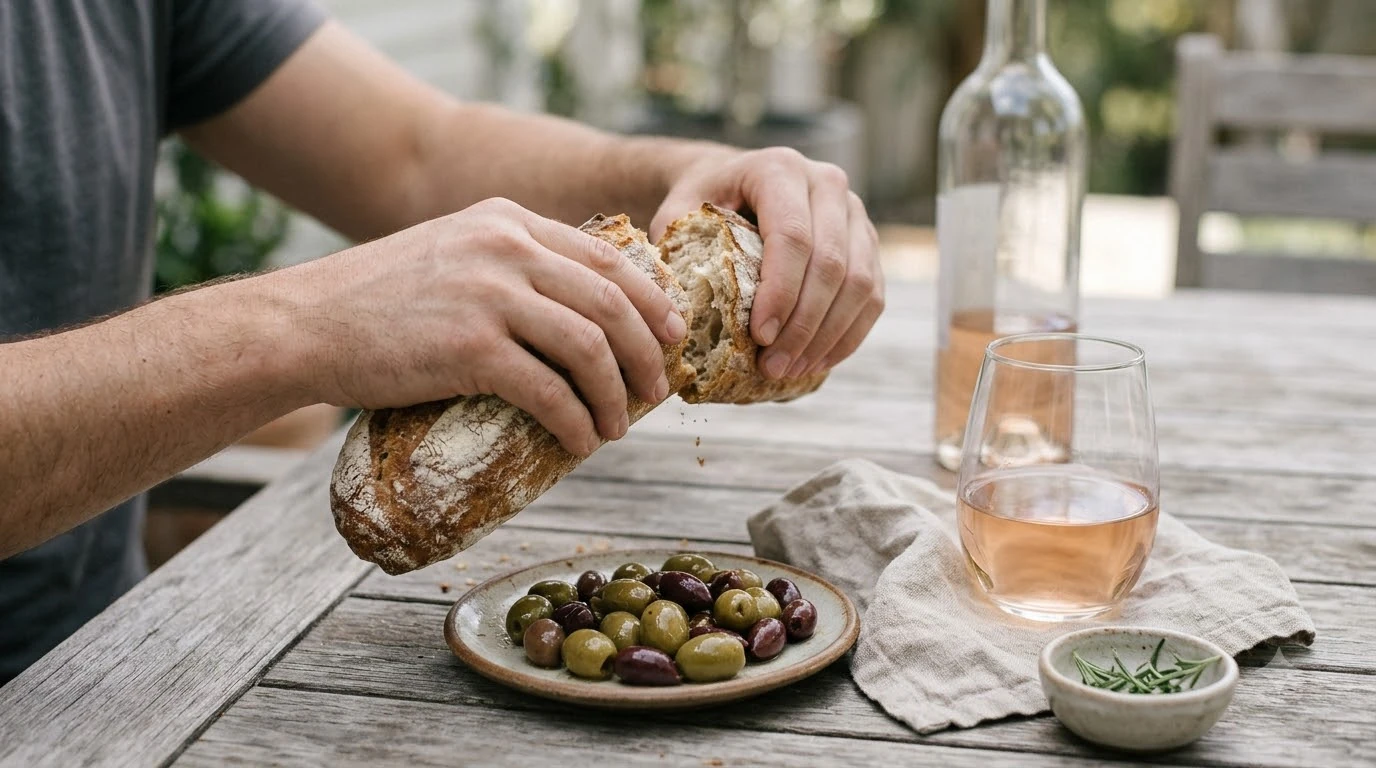
For savory food, try salty or mildly spicy dishes rather than heavily tannic reds or strongly bitter greens. Moscato’s sweetness can soften chili heat, while salt and savory richness create contrast. It can work with salty cheeses, bread and anchovies, or gently spiced Asian dishes, but very hot food may make the alcohol feel more prominent and can overwhelm the wine’s delicate perfume.
After opening, close the bottle with a sparkling-wine stopper and refrigerate it. Lightly sparkling wines lose their liveliness faster than still wines, so plan to finish the bottle within one to three days for the best bubble and aroma experience. Keep unopened bottles in a cool, dark place away from heat and sunlight; avoid storing them for years in a warm kitchen or above a refrigerator.
Frequently Asked Questions
Whether a label names Moscato Bianco or Zibibbo, a sparkling bottle uses the phrase pét-nat, or the wine comes from Piedmont or Alsace, these distinctions help explain what is inside the bottle. The following answers cover a few additional grape and production terms.
Is Moscato a grape or a style of wine?
Moscato is the Italian name commonly used for wines made from Muscat grapes, a family that includes Muscat Blanc à Petits Grains, Muscat of Alexandria, and Muscat Ottonel. The grape family is broader than one sweet, fizzy style, so the same general name can appear on dry, still, sparkling, or fortified wines.
Does Moscato only come from Italy?
No. Wine Enthusiast notes Muscat wines from France, Spain, California, and Oregon as well as Italy. Piedmont is strongly associated with Moscato d’Asti, but the grape family has a much wider geographic reach.
What does Zibibbo mean on a Moscato label?
Zibibbo is the name used in Sicily for Muscat of Alexandria. Wine Enthusiast notes that Sicilian Zibibbo can be made in both sweet and dry styles, so the name by itself does not establish how sweet the bottle will taste.
What makes pét-nat bubbles different?
Pét-nat is bottled while the first fermentation is still underway, rather than being made by adding a separate second fermentation. The method can produce lower pressure, a softer bead, and some additional character from contact with lees. Some bottles are slightly hazy as a result.
Can Moscato be a dry wine?
Yes. Dry Muscat wines are made in places including Alsace, Southern Italy, California, and Spain. They retain floral, citrus, and stone-fruit aromas, but their finish is focused and dry rather than sweet; they can be a useful bridge for drinkers who like Muscat perfume but not residual sugar.
For a dependable sweet-wine purchase, start with a fresh Moscato d’Asti, check that the sweetness is balanced by acidity, and serve it well chilled. The right bottle is the one whose sparkle, sweetness, and food pairing fit the moment—not simply the one with the most familiar label.
More in Wine Buying Guides
 Best Red Blend Under 20: How to Find a Rich, Balanced BottleUpdated Nov 21, 2026
 Best Riesling At Costco: Find the Right Bottle for Your TasteUpdated Nov 21, 2026
 Best Ribera Del Duero Wineries for Memorable Tastings and VisitsUpdated Nov 21, 2026
 Best Red Blend At Costco for Everyday Meals and Better Buying DecisionsUpdated Nov 21, 2026
 Best Prosecco Under 20 for Fresh, Flavorful Italian BubblesUpdated Nov 21, 2026
 Best Port Under 50: Styles, Grapes, and Buying RulesUpdated Nov 21, 2026