

We may earn a commission when you buy through links on this page, at no extra cost to you. Learn more.
The best hermann wineries for a Missouri wine-country visit include Stone Hill Winery, Adam Puchta Winery, Hermannhof Winery, Röbller Vineyard, Reserve Cellars, and Dierberg Star Lane. Each offers a different experience, from historic underground cellars and generations of family winemaking to California-grown wines and vineyard patios. For a first visit, Stone Hill and Adam Puchta are especially interesting for their historical connections, while Hermannhof is an excellent choice for exploring traditional Missouri wine styles in a historic setting.
Hermann, Missouri, is one of the Midwest’s most distinctive wine destinations. Located along the Missouri River, this historic German-American community combines old stone cellars, rolling vineyard landscapes, and a wine culture that stretches back to the 19th century. Its wineries offer more than a conventional tasting-room experience: visitors can discover Norton, sample locally produced wines, explore historic buildings, and enjoy food alongside a glass of wine. Choosing the right stops makes a considerable difference, especially if the visit lasts only one afternoon or weekend.
Who This Is For: Choosing the Right Hermann Winery
The best Hermann winery depends on whether the priority is wine history, distinctive regional grapes, a relaxed outdoor setting, or a varied tasting experience. First-time visitors generally benefit from combining one historically significant winery with one or two smaller tasting destinations rather than trying to visit every property in a single afternoon.
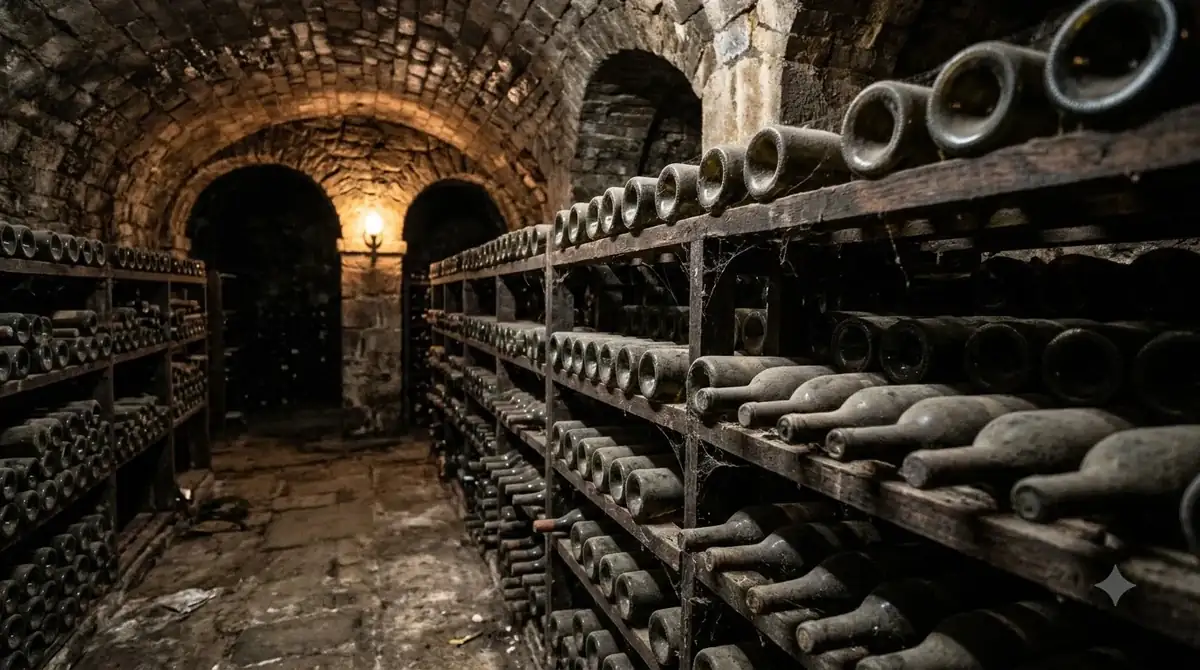
Stone Hill Winery is a natural starting point for travelers interested in Missouri’s winemaking heritage. Founded in 1847, it offers historic underground cellars, guided experiences, and tastings that introduce visitors to Missouri grapes. Its location on a hill overlooking Hermann also makes the property an appealing destination for visitors interested in the landscape surrounding the town. The cellar tour provides additional historical context that a conventional tasting room cannot offer.
Adam Puchta Winery is another particularly strong choice for history-minded visitors. Established in 1855, it remains a family-operated winery associated with the original Puchta homestead. The family tradition has continued through seven generations, making the winery an interesting place to explore the relationship between family agriculture and Missouri winemaking. Its location beside Frene Creek, approximately 2.5 miles west of Hermann, provides a different experience from downtown tasting rooms.
Travelers more interested in historic architecture should consider Hermannhof. Its stone cellars and brick buildings reflect the town’s early brewing and winemaking traditions. The winery also produces wines across a broad sweetness range, making it a useful stop for groups with different preferences. Meanwhile, visitors who prefer contemporary California wines can choose Dierberg Star Lane rather than concentrating exclusively on Missouri-grown varieties.
This destination also suits couples planning a weekend, groups celebrating an occasion, and travelers exploring the wider Missouri River region. Visitors familiar with other American wine destinations may recognize the appeal of comparing Hermann with the best Temecula wineries or the best Paso Robles wineries. Hermann has a different identity, with German heritage, regional grape varieties, and historic cellar experiences playing a larger role in the overall visit.
It is particularly suitable for visitors who enjoy discovering wines that are less familiar than the internationally recognized Cabernet Sauvignon, Chardonnay, and Pinot Noir styles. Norton, Vignoles, and other varieties adapted to Missouri’s growing conditions provide a useful introduction to the region’s character.
Key Factors to Compare Before Visiting Hermann Wineries
Comparing location, tasting formats, wine selection, and historical attractions helps visitors build a practical itinerary. The Hermann Wine Trail covers approximately 20 miles between Hermann and New Haven, so winery locations matter just as much as individual tasting preferences.
| Winery | Distinctive feature | Location or historical detail | Best suited to |
|---|---|---|---|
| Stone Hill Winery | Historic cellar tours and Norton wines | Founded in 1847 | History and first visits |
| Adam Puchta Winery | Generational family winemaking | Established in 1855; 2.5 miles west of Hermann | Family history and countryside |
| Hermannhof Winery | Historic stone cellars and sweet-to-dry wines | Construction began in 1848 | Architecture and wine variety |
| Dierberg Star Lane | California wine selection | Downtown Hermann tasting room | California wine enthusiasts |
| Reserve Cellars | Historic press house and wine cellar | Two-story historic property | Historic settings and blended wines |
| Röbller Vineyard | French grape varieties and outdoor patio | New Haven area | Vineyard atmosphere and outdoor visits |
These six wineries represent the participating members identified by Missouri’s official tourism coverage of the Hermann Wine Trail. Stone Hill is another important Hermann destination, but it should not be confused with an official member of that six-winery trail. This distinction matters when arranging organized wine-trail activities or deciding which properties to include in a self-guided trip.
Wine selection is another important comparison. Norton is especially relevant to Missouri because it is the state’s official grape. Visitors interested in regional reds should ask about Norton before choosing a tasting flight. Those who prefer white wines can look for Vignoles, while visitors who enjoy familiar international varieties may prefer the California selection at Dierberg Star Lane.
Consider the atmosphere, too. A downtown tasting room can fit comfortably into a day of walking around Hermann, while a countryside winery generally requires more transportation planning. Outdoor patios, picnic areas, historic cellars, and restaurant facilities all contribute to the experience, but they do not serve the same type of visitor.
Accessibility is another practical factor. Stone Hill’s tasting rooms and restaurant are wheelchair accessible, but its underground cellars require visitors to use stairs. Travelers who need step-free access should distinguish between the accessible public areas and cellar experiences before making plans.
For the official trail overview and its participating winery information, consult the Missouri tourism guide to the Hermann Wine Trail. It provides useful regional context for comparing the trail’s locations and winery experiences before choosing stops.
Step-by-Step: How to Plan a Hermann Winery Visit
A successful Hermann wine-country visit begins with a realistic schedule. Instead of treating every winery as a quick tasting stop, allow enough time to appreciate the wines, historic surroundings, and food experiences.
- Choose your main experience. Start by deciding whether the day should focus on wine history, Norton, California wines, or traditional Missouri varieties. Stone Hill is a strong historical starting point, while Adam Puchta offers a distinctive family-winery experience. This decision helps narrow the itinerary.
- Select a manageable number of wineries. Two or three substantial visits are a sensible starting point for a single day. A tasting and cellar tour at Stone Hill already require approximately 60 minutes of combined scheduled experience, without accounting for arrival, walking, or additional time at the property. More ambitious itineraries should be spread across a weekend.
- Check the individual tasting arrangements. Stone Hill offers a six-wine tasting lasting approximately 30 minutes and a complimentary 30-minute Hermann Cellar Tour. Some experiences are walk-in only, while specialized tours require advance reservations. Other wineries may operate different seasonal schedules.
- Plan transportation before the first tasting. Hermann and New Haven are connected by the wine trail, but the properties are not all within convenient walking distance of one another. Arrange a designated driver, local transportation, or a suitable group service. Do not plan to drive between wineries after consuming alcohol.
- Allow time for lunch or snacks. Hermannhof offers picnic facilities, cheese, and locally produced sausages. Stone Hill has the Vintage 1847 Restaurant, providing another way to include food in the day. A proper meal also makes the schedule more comfortable.
- Ask for a tasting that reflects your preferences. Tell the tasting-room staff whether you prefer dry reds, aromatic whites, sparkling wines, or sweeter styles. Ask to compare Norton with another red variety or Vignoles with a familiar white grape if both are available.
- Leave room for an unplanned stop. Winery visits can be more enjoyable when the schedule includes time for a vineyard view, a historic building, or a second glass of a particularly interesting wine. Avoid filling every available hour with appointments.
- Plan the return journey. Allow time to collect purchases, enjoy dinner, and return safely to your accommodation. If staying overnight, consider keeping the second day for a more relaxed countryside visit or a return to a favorite tasting room.
For a first-time itinerary, Stone Hill followed by Hermannhof is a logical combination because the two properties offer different historical perspectives. Visitors with an additional day can consider Adam Puchta and Röbller, adding a countryside perspective to the downtown experience.
Tip: Book specialized tours before traveling, especially if the main reason for visiting is Stone Hill’s Noble Norton Experience. Its 60-minute program includes six Norton wines and a sample drawn directly from the barrel. Leave additional time for transportation and food rather than scheduling another tasting immediately afterward.
For a broader overview of regional destinations, the best Fredericksburg wineries offer another useful comparison. Fredericksburg, Texas, has a different grape-growing environment and wine-country identity, while Hermann is especially interesting for its German-American history and Missouri-specific varieties.
Types or Styles Explained: What to Taste in Hermann
Hermann’s wine identity is shaped by regional growing conditions and a combination of native American, hybrid, and European grape varieties. Visitors should approach the region with an open mind because some of its most interesting wines differ considerably from the familiar international styles found in major American wine regions.
Norton and Other Missouri Red Wines
Norton, also called Cynthiana, is the defining grape for Missouri red wine. It became the state’s official grape in 2003 and is an important part of the region’s winemaking identity. Its character can include dark fruit, earthy notes, and a firm structure that makes it particularly interesting alongside substantial food.
Stone Hill is an especially useful stop for visitors who want to learn about Norton. Its Noble Norton Experience includes six Norton wines and a barrel sample, offering a more focused comparison than a general tasting flight. Adam Puchta is another worthwhile destination for visitors interested in Missouri family winemaking and regional grape varieties.
When comparing Norton with familiar reds, remember that the variety has its own personality. It should not automatically be judged against Cabernet Sauvignon or Pinot Noir. A tasting is an opportunity to understand how Missouri’s growing conditions influence grape expression and winemaking decisions.
Missouri White Wines
White wine enthusiasts should look for Vignoles, an aromatic variety associated with Missouri wine production. Depending on the producer and winemaking approach, it can be presented in a dry, off-dry, or sweeter style. This makes it particularly useful for visitors who want to compare different levels of residual sweetness within the same grape family.
Other white wine options may include Chardonnay and blended white wines. Reserve Cellars, for example, lists Chardonnay Reserve and Fume Blanc among its offerings. These styles provide a familiar reference point for visitors who want to compare regional blends with more internationally recognized white-wine categories.
Sweet and Fruit-Forward Wines
Sweet wine is an important part of the broader Hermann tasting experience. Hermannhof produces wines ranging from sweet to dry, making it an appealing choice for visitors who do not all share the same preferences. Reserve Cellars also lists fruit wines, including peach and strawberry offerings.
Sweetness should be considered in relation to the food being served. A wine should generally be at least as sweet as its accompanying dessert. A sweeter white can work well with fruit-based desserts, while a wine with sufficient acidity can balance the richness of certain cheeses and savory dishes.
California Wines and International Varieties
Dierberg Star Lane provides a different perspective from the other trail properties. Its Hermann tasting room features wines associated with the Dierberg family’s California vineyards, including wines from Santa Barbara County. This is particularly useful for visitors who enjoy Cabernet Sauvignon, Pinot Noir, Chardonnay, and Sauvignon Blanc.
It also makes the destination interesting for groups with varied wine preferences. One visitor can explore Norton and Missouri-grown grapes at another winery, while someone else can compare California-grown varieties at Dierberg Star Lane. This contrast is one of the strongest reasons to visit more than one Hermann tasting room.
Visitors should also pay attention to the wine’s sweetness, acidity, and tannin rather than focusing exclusively on grape names. A high-acidity Sauvignon Blanc can work with acidic foods, while a tannic red generally pairs more comfortably with protein-rich dishes than delicate oily fish. These basic comparisons make a tasting more informative and help visitors choose bottles they will enjoy at home.
Common Mistakes to Avoid When Visiting Hermann Wineries
The most common planning problems involve unrealistic schedules, confusion about winery membership, and assumptions about transportation or tasting availability. Avoiding these mistakes makes a visit considerably more enjoyable.
Assuming Every Winery Is Part of the Official Trail
Stone Hill is a major Hermann winery, but it is separate from the six participating wineries identified by the Hermann Wine Trail. This distinction matters when purchasing tickets for trail events or using official trail information to arrange a route.
Similarly, not every winery offers the same tasting format. A historic cellar tour, a general tasting flight, and a specialized Norton experience are different activities. Visitors should not assume that one booking covers every experience at a property.
Trying to Visit Too Many Properties
Although the wine trail covers approximately 20 miles, this does not mean that all six member wineries can be comfortably explored in a short afternoon. Each stop may involve parking, checking in, discussing wine selections, and spending time outdoors or inside historic buildings.
Trying to rush through every property can turn a wine-country visit into a transportation exercise. A better approach is to select two or three wineries according to personal interests and save the remaining properties for another day.
Expecting Every Wine to Taste Like California Wine
Missouri has a distinctive wine-growing environment. Norton and Vignoles are important regional varieties, and visitors who expect every red to resemble Cabernet Sauvignon or every white to resemble Chardonnay may miss what makes the area interesting.
Rather than dismissing unfamiliar grapes, ask the tasting-room staff to explain their characteristics. Compare a Norton with another red wine, or sample different sweetness levels in Vignoles. These comparisons provide a much clearer picture of regional winemaking.
Ignoring Transportation and Accessibility
Another mistake is assuming that the wine trail can be explored entirely on foot. The properties extend between Hermann and New Haven, and some are situated outside the downtown area. A transportation plan is important, especially for visitors who intend to visit several wineries.
Accessibility also deserves attention. Stone Hill’s historic underground cellars involve stairs, even though its tasting rooms and other public facilities offer wheelchair-accessible areas. Visitors with mobility requirements should plan activities around the specific spaces they can comfortably access.
Arriving Without Checking Seasonal Arrangements
Winery hours, special events, and outdoor activities can change according to the season. A property that is convenient for a summer afternoon may have different opening arrangements during winter. Trail events also occur on particular weekends rather than every day.
Checking each winery’s official visitor information before departure is more reliable than assuming that every property follows the same timetable. This is particularly important for groups, holiday weekends, and travelers interested in specialized tastings.
Care and Storage Tips for Wine Purchased in Hermann
Buying bottles at a winery is a natural part of the Hermann experience, but proper transportation and storage help preserve their character. Temperature, sunlight, and the length of time a bottle remains open all influence how well the wine keeps.
Transporting Bottles Home
Missouri summers can become hot, and leaving wine inside a parked vehicle is a poor way to protect a purchase. High temperatures can damage wine, especially when bottles remain in a hot car for an extended period. Keep purchases away from direct sunlight and excessive heat during the journey.
If the trip home involves several hours of driving, use an insulated carrier or another suitable method of protecting the bottles from temperature extremes. Secure bottles so they do not roll around or strike one another during transportation. For longer journeys, consider purchasing suitable wine packaging from the winery.
Storing Bottles Correctly
For longer-term storage, keep bottles in a cool, dark, relatively stable environment near 55 degrees Fahrenheit. Traditional cork-finished bottles are generally stored on their sides to keep the cork from drying out. Avoid placing wine near ovens, heating equipment, or windows with direct sunlight.
Missouri wines should be stored according to their individual style rather than assuming that every bottle will improve with age. Many everyday wines are intended for relatively early consumption. Ask the winery about its recommendations if a particular Norton, sweet wine, or special-release bottle is intended for longer storage.
Serving Temperatures
Serving temperature influences how wine smells and tastes. Light-bodied whites and rosés are generally most enjoyable around 45 to 50 degrees Fahrenheit, while fuller-bodied whites are better around 50 to 55 degrees. Light reds can be served around 55 to 60 degrees, and fuller reds around 60 to 65 degrees.
Sweet white wines generally benefit from a cooler serving temperature of approximately 43 to 50 degrees. Sparkling wines are commonly served around 40 to 50 degrees. These ranges provide a useful starting point for bottles purchased in Hermann, including Norton reds, aromatic whites, and sparkling selections.
Preserving Opened Bottles
Once opened, still wines generally remain in good condition for approximately three to five days when properly resealed and refrigerated. Sparkling wines typically retain their best character for approximately one to three days with an appropriate sparkling-wine stopper. Fortified wines can last several weeks, depending on their style and storage conditions.
Keep opened bottles refrigerated even when they are red wines. Allow fuller reds to warm toward their preferred serving temperature before pouring. This simple routine helps preserve the fruit and freshness of wines brought home from the Missouri River Valley.
For anyone developing a broader collection, the wine-buying resources can help with understanding grape varieties, bottle styles, and purchasing decisions beyond a single winery visit.
Frequently Asked Questions
Why is Hermann, Missouri, historically important to American winemaking?
Hermann’s winemaking heritage is connected to German immigration and the development of American viticulture. Missouri also played an important role in the response to phylloxera in European vineyards during the 19th century. The state supplied resistant rootstocks that helped European growers rebuild their vineyards after widespread destruction.
What is the Hermann AVA, and does it cover only the town?
The Hermann American Viticultural Area is a designated wine-growing region covering approximately 51,200 acres across several Missouri counties. It is larger than the town itself and recognizes the broader geographical area associated with local grape growing. The designation provides regional context for wines produced in this part of Missouri.
What grape is known as the Missouri state grape?
Norton, also known as Cynthiana, is Missouri’s official state grape. The designation was established through legislation passed in 2003. Its importance reflects the variety’s longstanding connection with Missouri wine production and its suitability for the region’s growing conditions.
Can visitors attend Hermann Wine Trail food-pairing events?
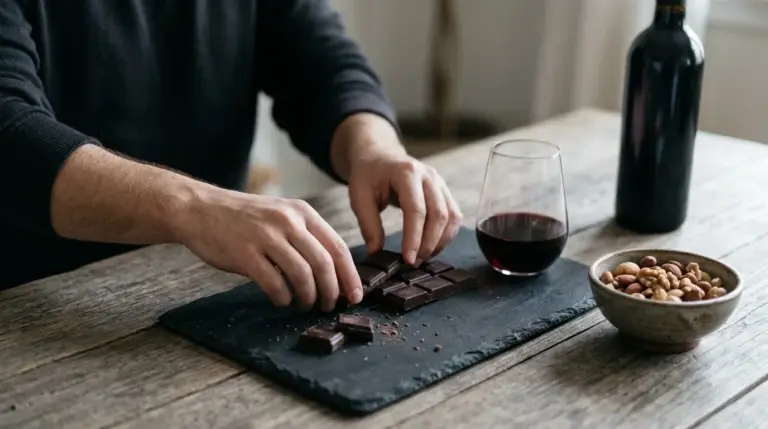
Yes. The Hermann Wine Trail organizes recurring themed events that combine wine with foods such as chocolate, cheese, and barbecue. Examples include Chocolate Wine Trail, Berries & BarBQ, Holiday Fare, and Say Cheese. These are scheduled events rather than daily activities, so visitors should confirm the event calendar before arranging travel.
Is Hermann suitable for visitors who do not drink alcohol?
Hermann also has historic buildings, shops, riverfront attractions, and cultural experiences beyond its wineries. Visitors can explore the town’s German-American heritage and enjoy the surrounding countryside without participating in wine tastings. Stone Hill’s historic cellar tour is also open to all ages, although its wine tastings are restricted to guests aged 21 and over.
The best Hermann wineries combine Missouri wine traditions, distinctive grape varieties, historic architecture, and welcoming tasting experiences. Stone Hill, Adam Puchta, and Hermannhof are particularly strong choices for understanding the area’s heritage, while Dierberg Star Lane, Reserve Cellars, and Röbller add valuable variety to a longer visit. Choose a manageable itinerary, arrange safe transportation, and leave enough time to enjoy the wines and the historic town rather than rushing between stops.
More in Wine Buying Guides
 Best Lambrusco Under 20 for Every Taste and Food PairingUpdated Nov 21, 2026
 Best Lake Erie Wineries for Regional Wine Tasting and Vineyard VisitsUpdated Nov 21, 2026
 Best Maipo Valley Wineries for Memorable Chilean Wine ExperiencesUpdated Nov 21, 2026
 Best Clare Valley Wineries for Distinctive Riesling TastingsUpdated Nov 21, 2026
 Best Eden Valley Wineries for Riesling, Shiraz, and Memorable TastingsUpdated Nov 21, 2026
 Best Lambrusco Brands for Dry, Fruity Italian Sparkling RedsUpdated Nov 21, 2026